GLP1减重宝典

Search documents
抑制暴食信号,对抗食物噪音!礼来替尔泊肽研究新进展
GLP1减重宝典· 2025-12-04 04:10
Core Viewpoint - The article discusses the potential of GLP-1 medications, particularly tirzepatide and semaglutide, in reducing food cravings and improving mental health in individuals with obesity and eating disorders, highlighting recent research findings and real-world survey results [4][8][10]. Group 1: Research Findings on Tirzepatide - A study monitoring brain activity in a patient with severe binge eating disorder found that tirzepatide temporarily suppressed food craving signals in the brain's reward center [4]. - The research involved four participants in a clinical trial for deep brain stimulation aimed at treating eating disorders, with one patient showing reduced food-related intrusive thoughts while on tirzepatide [4]. - However, after five months, the effects of tirzepatide diminished, and food cravings returned, suggesting that current GLP-1 drugs may need redesigning to target brain reward mechanisms for sustained impact on eating disorders [6]. Group 2: Real-World Impact of Semaglutide - The INFORM survey presented at the EASD conference revealed that 46% of participants using semaglutide reported a significant reduction in persistent food thoughts, with the percentage of those frequently experiencing such thoughts dropping from 62% to 16% [8][11]. - Additionally, the negative impact of food noise on life quality decreased from 60% to 20% among respondents, indicating a substantial improvement in mental health and lifestyle changes [11]. - Overall, 83% of participants expressed satisfaction with semaglutide treatment, with 64% reporting improved mental health and 76% adopting healthier lifestyles [11][12]. Group 3: Understanding Food Noise - Food noise refers to intrusive thoughts about food that are not related to hunger and can significantly affect the quality of life for individuals with obesity, complicating their weight loss efforts [10][14]. - This phenomenon is common among obese patients and can lead to feelings of guilt, shame, and anxiety, further hindering weight loss progress [14].


速递|广东众生药业双周GLP-1/GIP双激动剂获批脂肪肝临床
GLP1减重宝典· 2025-12-04 04:10
Core Viewpoint - The article discusses the recent developments in GLP-1/GIP dual receptor agonist RAY1225, highlighting its clinical research approval for treating metabolic-associated fatty liver disease (MASH) and its potential in weight management and diabetes treatment [5][6]. Group 1: Product Development - Guangdong Zhongsheng Pharmaceutical Co., Ltd. has received implied approval for RAY1225, a long-acting GLP-1/GIP dual receptor agonist, for clinical research in MASH [5]. - RAY1225 is an innovative polypeptide drug developed by Guangdong Zhongsheng Ruichuang Biotechnology Co., Ltd., which has previously obtained clinical research approval for indications related to type 2 diabetes and overweight/obesity [5]. Group 2: Clinical Trials - The company announced results from the Phase II clinical trial (REBUILDING-1) for weight management, which included 172 participants who were either overweight or obese [6]. - Participants received RAY1225 (3 mg, 6 mg, 9 mg) or a placebo, with injections administered every two weeks over a 24-week treatment period [6]. - The dosing regimen included a gradual titration to target doses, with total administered doses of 30 mg for the 3 mg group, 50 mg for the 6 mg group, and 68 mg for the 9 mg group [6].


国家减肥行动全面启动:中国步入超重大国行列,肥胖风险必需重视
GLP1减重宝典· 2025-12-04 04:10
以下文章来源于体重管理三年行动 ,作者体重管理三年行动 体重管理三年行动 . 响应国家"健康中国2030"战略,落实"体重管理年"三年行动,本账号发布权威资讯 肥胖已非个体困扰,实为国家层面的公共卫生紧急状态。"体重管理年"旨在通过政策引导与社会协同,遏制体重飙升势头。新《指导原则》不 仅普及科学减重,更推动健康餐饮、运动设施及医疗服务的系统升级。数据显示,2021年中国25岁以上超重肥胖人口已达4.02亿,若无干预, 2050年将猛增至6.27亿,儿童肥胖也将达3520万。这意味着未来数代人健康负担沉重,医疗体系承压,国民经济受创。出台指南,是国家为全 民健康"抢时间",为社会未来"卸包袱"。 这场危机有其深因。高糖高脂外卖泛滥、久坐办公普遍、运动资源短缺,叠加快节奏压力与睡眠不足,肥胖率如雪崩般增长。国家认识到,仅 凭个人难以抵御环境诱惑,必须通过政策优化饮食结构、提升运动便利、推广"控重门诊",使减重从单打独斗转为社会工程。目标清晰:让健 康更可及,逆转这场"肥胖危机"! 曾被视为"瘦国"的中国,如今已成全球超重人口大国。《柳叶刀》研究指出,2021年全球超重肥胖者26亿,中国占超4亿,位列前茅。更甚 ...

运动减肥也可能“失灵”?权威Nature子刊深度解析
GLP1减重宝典· 2025-12-04 04:10
Core Viewpoint - The article discusses a recent study published in *Nature Communications* that challenges the effectiveness of exercise as a weight loss strategy, particularly in the context of high-fat diets, highlighting potential negative impacts on heart health and lipid metabolism [6][7][11]. Group 1: Study Overview - The research involved dividing mice into normal diet (10% fat) and high-fat diet (60% fat) groups, further categorized into sedentary and various exercise intensity groups (low, medium, high) over an 8-week period [8]. - Mice in the exercise groups ran on a treadmill for 60 minutes, five days a week, at speeds of 6, 12, and 18 meters per minute [8]. Group 2: Effects of Exercise on Heart Health - Moderate-intensity exercise was found to exacerbate heart function impairment and pathological changes caused by high-fat diets, including decreased cardiac diastolic and systolic function, increased heart hypertrophy, and fibrosis [9]. - High-fat diet sedentary mice showed decreased exercise performance, and moderate-intensity exercise further reduced performance in high-fat diet mice, while normal diet mice showed little change [9]. Group 3: Lipid Metabolism Insights - Moderate-intensity exercise increased lipid accumulation in the hearts of high-fat diet mice, with elevated levels of triglycerides, diacylglycerols, ceramides, and cholesterol [10]. - The study indicated that moderate-intensity exercise led to a redistribution of circulating lipids from the liver and adipose tissue to the heart, increasing the presence of labeled fatty acids in the heart [10]. - Gene and protein expression analyses revealed that moderate-intensity exercise enhanced the expression of genes related to fatty acid uptake while reducing those related to fatty acid breakdown, leading to increased lipid accumulation and impaired heart function [10]. Group 4: Conclusion and Recommendations - The findings suggest that relying solely on exercise after high-fat meals may not be effective for weight management and could harm heart health [11]. - A balanced approach combining appropriate dietary choices with suitable exercise regimens is recommended for healthy weight loss [11].
WHO发布首个司美格鲁肽等GLP-1减重药指南!产业竞争迈向“下半场”
GLP1减重宝典· 2025-12-03 13:10
Core Viewpoint - The World Health Organization (WHO) has officially integrated GLP-1 receptor agonists into long-term obesity management guidelines, emphasizing the need for behavioral interventions alongside pharmacological treatments, marking a shift in the perception of GLP-1 from an "innovative drug" to a "structural treatment tool" for chronic disease management [4][5]. Background and Context - Obesity is recognized as a critical public health challenge, affecting over one billion people globally, with related diseases increasingly contributing to non-communicable disease burdens [5]. - The new guidelines highlight the persistent and relapsing nature of obesity, necessitating comprehensive management strategies, with GLP-1 drugs demonstrating significant efficacy in weight management and metabolic health improvement in large clinical studies [5]. Long-term Management Approach - The guidelines assert that obesity requires lifelong management, encompassing screening, early diagnosis, and complication management, potentially integrating pharmacological treatments, metabolic surgery, or other interventions [7]. - Patients should receive lifestyle-related counseling, including increased physical activity and dietary improvements, especially those using GLP-1 receptor agonists [7][8]. Expert Insights - WHO officials acknowledge that while new obesity treatment drugs represent a breakthrough, they cannot singularly resolve the obesity crisis, which is driven by multiple factors and requires long-term management and collaboration across healthcare systems, public policies, and social environments [9][10]. Clinical Expansion and Market Growth - The use of GLP-1 drugs is rapidly expanding, with prescription rates increasing significantly in recent years, reflecting both patient recognition of efficacy and a shift in physician attitudes towards long-term management [12]. - Pharmaceutical companies like Eli Lilly and Novo Nordisk have reported substantial growth in their financial results, with GLP-1 products becoming core drivers of their business [12]. Global Accessibility Concerns - High drug prices pose a barrier to the inclusion of GLP-1 in routine treatment in many low- and middle-income countries, with supply shortages exacerbating the issue [13]. - International public health organizations are exploring centralized procurement and differential pricing mechanisms to address inequalities in obesity management access [13][15]. Future Directions and Challenges - The competition in the weight loss drug market is intensifying, with leading pharmaceutical companies investing in production expansion and new entrants seeking technological breakthroughs [17]. - The future landscape of GLP-1 drugs will be shaped by innovations in mechanisms, dosage forms, and cost structures, with the potential for generic drugs to enhance global accessibility [15][17]. - Policymaking will significantly influence market dynamics, including decisions on insurance coverage and payment mechanisms, which will directly affect patient costs and healthcare resource allocation [15][17].
速递|MASH治疗新基石!司美格鲁肽获AASLD指南推荐
GLP1减重宝典· 2025-12-03 13:10
Core Viewpoint - The article discusses the recent advancements in the treatment of Metabolic Dysfunction-Associated Steatotic Liver Disease (MASH) using semaglutide, highlighting its FDA approval and the positive outcomes from clinical trials [6][7][9]. Group 1: Clinical Guidelines and Recommendations - The latest practice guidelines published in *HEPATOLOGY* focus on the application of semaglutide in treating MASH, particularly for patients with moderate to advanced fibrosis (F2-F3 stages) [6]. - The guidelines integrate recent trial data, including the ESSENCE study, and provide actionable recommendations for clinical teams [6][9]. - Experts emphasize the rapid advancement in MASH research and the need for evidence-based treatment options to ensure patient safety and efficacy monitoring [6][9]. Group 2: FDA Approvals and Market Position - In June, Novo Nordisk announced that the FDA granted accelerated approval for its weight loss drug Wegovy for treating MASH, solidifying its position in the metabolic disease sector [6]. - Prior to this, the only FDA-approved MASH treatment was Madrigal Pharmaceuticals' Rezdiffra, which received approval in 2024 based on early results from an ongoing two-phase study [7]. Group 3: Clinical Trial Results - The ESSENCE study's first major endpoint showed that 62.9% of patients treated with 2.4 mg of semaglutide experienced resolution of steatohepatitis without worsening fibrosis, compared to 34.3% in the placebo group, indicating a significant difference of 28.7% [8]. - For the second major endpoint, 36.8% of the semaglutide group showed improvement in fibrosis without worsening steatosis, versus 22.4% in the placebo group, with a difference of 14.4% [8]. - The study's secondary endpoint revealed that 32.7% of patients on semaglutide had symptom relief and improved fibrosis, compared to only 16.1% in the placebo group, demonstrating a significant therapeutic effect [8]. Group 4: Implications for Clinical Practice - The updated guidelines reflect the evolving landscape of scientific progress and clinical practice, providing physicians with tools to manage MASH and MASLD more effectively [9]. - The emergence of therapies like semaglutide offers patients and healthcare providers more options for improving liver health and overall well-being [9].
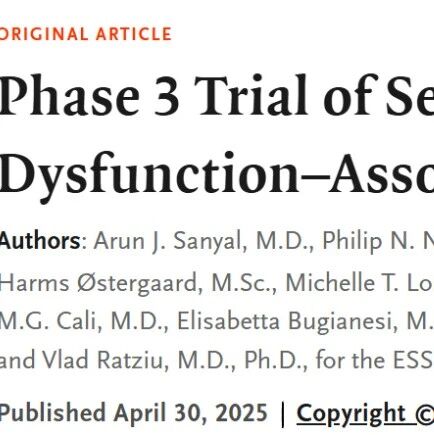
《自然》:身体自带“记忆”机制!肥胖导致的脂肪表观变化难以完全恢复
GLP1减重宝典· 2025-12-03 13:10
Core Viewpoint - The article discusses the phenomenon of "fat memory," highlighting that the body retains cellular changes from obesity even after significant weight loss, making it easier to regain weight [8][12][18]. Group 1: Research Findings - A study from the Swiss Federal Institute of Technology analyzed fat tissue from successful weight loss participants, revealing that transcriptional changes induced by obesity persist even two years post-weight loss [9][12]. - In mouse experiments, previously obese mice showed a heightened ability to absorb sugars and fats, leading to faster weight regain when reintroduced to a high-fat diet compared to never-obese mice [8][19]. - The study found that 57-62% of downregulated and 68-75% of upregulated differentially expressed genes (DEGs) post-weight loss could be explained by epigenetic mechanisms [18]. Group 2: Implications of "Fat Memory" - The presence of "fat memory" suggests that individuals who have been obese may face increased difficulty in maintaining weight loss, as their bodies are predisposed to regain weight more rapidly [20][21]. - The research indicates that the duration of obesity may correlate with the severity of "fat memory," with longer periods of obesity leading to more pronounced cellular changes that resist normalization post-weight loss [16][18].

减掉30斤后才真正体会到:这5个方法最直接高效,是瘦身加速的秘诀!
GLP1减重宝典· 2025-12-03 13:10
Core Viewpoint - The article emphasizes the importance of a national initiative for weight management in response to the "Healthy China 2030" strategy, aiming to enhance public awareness and skills in weight management while reducing obesity rates by 10% annually by 2026 [19]. Group 1: National Weight Management Initiative - The National Health Commission of China has launched a three-year action plan for "Weight Management Year," targeting significant improvements in public awareness and skills related to weight management by 2026 [19]. - The initiative aims to establish a supportive environment for weight management by 2030, promoting healthy lifestyles and reducing the upward trend of overweight and obesity in the population [19]. Group 2: Effective Weight Loss Methods - The article outlines five effective weight loss methods, including having a nutritious breakfast to boost metabolism, which can help control calorie intake throughout the day [6]. - Drinking plenty of water and avoiding sugary drinks can help reduce appetite and promote metabolism, with a recommendation of at least 2 liters of water daily [8]. - Eating until 80% full can effectively control total calorie intake, and slowing down the eating process can help recognize satiety signals [9]. - Having an early dinner and avoiding food before bedtime can prevent fat accumulation, allowing for better digestion and weight loss [10]. - Controlling the portion of staple foods is crucial; replacing refined carbohydrates with whole grains can stabilize blood sugar levels and enhance weight loss [11].
速递|中国GLP-1减肥药渗透率仅0.3%!而全球GLP-1研发竞赛已进入“下半场
GLP1减重宝典· 2025-12-02 06:30
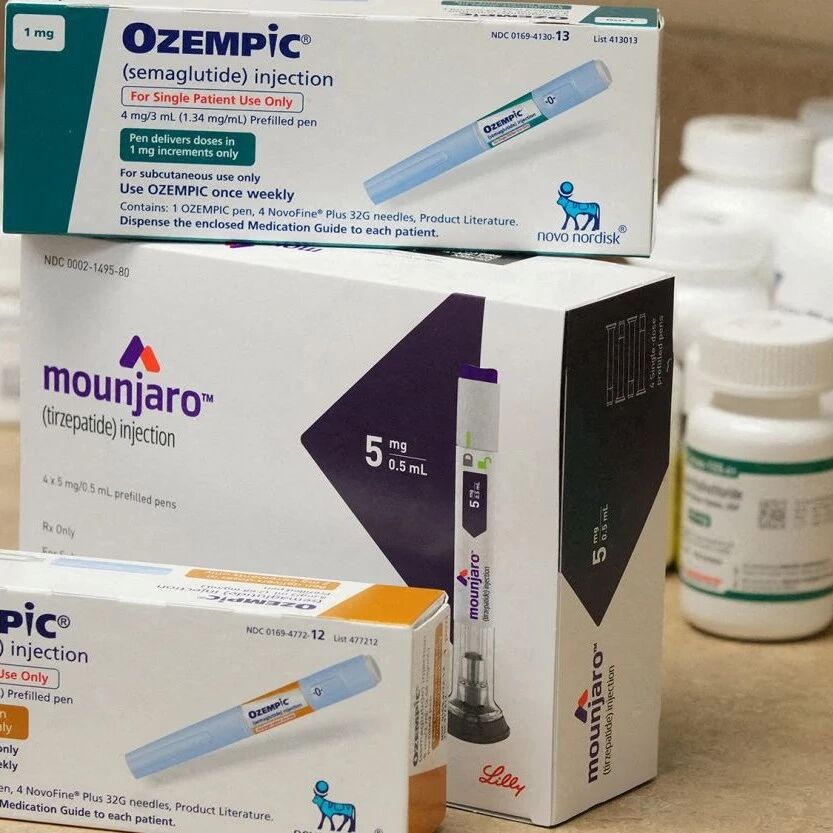
整理 | GLP1减重宝典内容团队 当国际巨头在短短数年内把减肥药变成"千亿美金"赛道,中国市场却仍处于起步阶段——渗透率不到1%。在诺和诺德和礼来两大外资 寡头加速推进多靶点与口服剂型的同时,国内一批企业凭借差异化策略发起追赶。全球研发进入"下半场",技术迭代、成本和政策将决 定下一轮胜负。 ▍双寡头的实力与节奏:销售、临床、口服化三条战线同时推进 按国际研究机构估算,全球GLP-1/减肥药市场在未来数年仍将保持高速增长,且口服剂型与适应症扩展(如MAFLD、OSA等)会进一 步放大市场规模。与此同时,中国庞大的超重/肥胖人口代表着巨大的未被满足需求:现阶段中国肥胖/减重药物的处方渗透率远低于美 国(美国肥胖人群用药率已接近两位数),中国市场仍处于"从0到1"的放量窗口期。多家机构与咨询报告预计,中国GLP-1市场在2030 年前后将迎来数十亿至数百亿人民币规模的增长。 诺和诺德与礼来已经把GLP-1从糖尿病药拓展为肥胖管理的核心工具。2025年前三季度,诺和诺德司美格鲁肽组合实现了数十亿美元级 别的销售,成为公司收入主力;礼来凭借替尔泊肽实现了更高增速,季度及累计业绩显著上扬。两家的临床与商业节奏互为推动 ...
冬季减肥,其实更划算!别错过这个悄然逆转的黄金时机
GLP1减重宝典· 2025-12-02 06:30
Core Viewpoint - The article emphasizes the benefits of winter for weight loss, highlighting how the body's metabolism increases during colder months, making it an ideal time for effective fat burning and weight management [5][6][7]. Group 1: Metabolic Changes in Winter - The body's basal metabolic rate naturally rises in winter due to the need to maintain body temperature, leading to increased energy expenditure during exercise [6]. - Fat synthesis slows down in colder temperatures, promoting the breakdown of brown fat for heat, which aids in burning stubborn white fat when combined with scientific exercise methods [7]. Group 2: Exercise and Endurance - The cooler climate in winter makes outdoor aerobic activities like running or hiking more comfortable, allowing individuals to enjoy their workouts and more easily push their endurance limits [8]. Group 3: Key Points for Effective Winter Weight Loss - **Dietary Balance**: It is recommended to avoid high-calorie, greasy foods and instead focus on high-protein, fiber-rich warm foods such as chicken, fish, beef, legumes, root vegetables, and hot soups to maintain satiety and warmth [10]. - **Consistency in Exercise**: Regular indoor and outdoor workouts, whether jogging, skipping rope, or home exercises, are crucial for achieving desired fat loss results [11]. - **Hydration**: Despite reduced thirst perception in winter, maintaining adequate hydration (1.5-2 liters of warm water daily) is essential for effective metabolism [12]. - **Quality Sleep**: Ensuring 7-8 hours of quality sleep helps maintain leptin levels, which suppress appetite, thus supporting weight loss efforts [14]. Group 4: Motivation for Winter Weight Loss - The article encourages individuals not to let cold weather be an excuse for inactivity, urging them to take advantage of the heightened metabolism in winter for greater weight loss results [16].