GEELY AUTO(00175)

Search documents
多家车企公布2026销量目标
财联社· 2026-01-07 16:07
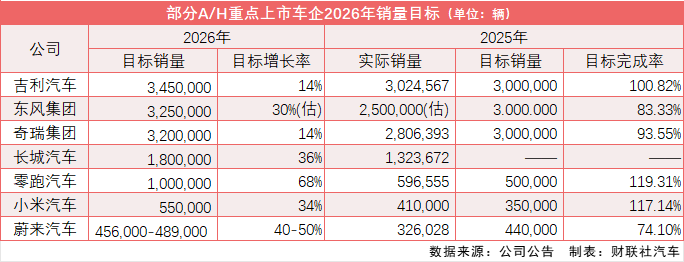
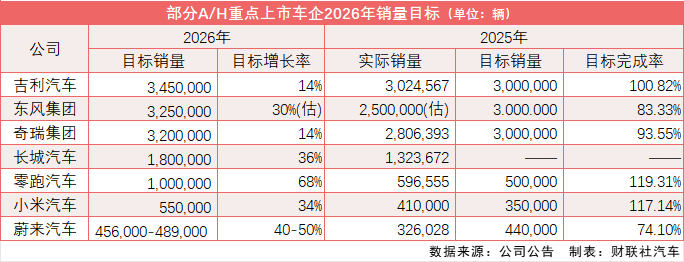
Core Viewpoint - The implementation of the half-price purchase tax policy for new energy vehicles and the continuation of the "two new" subsidy policy have introduced new variables for the domestic automotive market in 2026, leading to divergent sales targets among traditional and new car manufacturers [2]. Group 1: Traditional Automakers - Geely has set the highest sales target for 2026 at 3.45 million units, with a growth rate of 14%, including 2.75 million units for the Geely brand, 300,000 for Zeekr, and 400,000 for Lynk & Co [4]. - Dongfeng Group aims for a total sales target of 3.25 million units in 2026, with an estimated growth rate of over 30%, including 1.7 million units for new energy vehicles, representing a 63% increase [5]. - Chery Group has set a target of 3.2 million units for 2026, reflecting a 14% growth compared to 2025, with a total of 2.806 million units sold in 2025 [5]. - Great Wall Motors has lowered its 2026 sales target from at least 2.49 million to at least 1.8 million units, indicating a 36% increase from last year's actual sales [5][6]. Group 2: New Car Manufacturers - Leap Motor has set an aggressive target of 1 million units for 2026, following a record sales performance in 2025 [7]. - Xiaomi aims for a sales target of 550,000 units in 2026, a 34% increase from the previous year, with new models expected to launch [7]. - NIO has set a target of 456,000 to 489,000 units for 2026, with a growth rate of 40-50%, supported by the introduction of several new models [8]. Group 3: Market Outlook - The automotive market is expected to experience a "front low and back high" trend in 2026, with overall growth driven by favorable national policies [9]. - The continuation of the vehicle replacement subsidy policy is anticipated to mitigate the impact of the half-price purchase tax policy, providing a stabilizing effect on market growth [8][9].






AI“统治”CES 2026:车企加码全域智能
Mei Ri Jing Ji Xin Wen· 2026-01-07 13:16
Core Insights - The 2026 Consumer Electronics Show (CES) highlights the automotive electronics sector, showcasing advancements in AI applications across various automotive domains, including smart driving assistance and intelligent cockpit experiences [1][2] - AI remains a central theme at CES 2026, driving breakthroughs in autonomous driving and industrial automation, reshaping lifestyles and work environments [1] Automotive Technology Showcase - Automakers focus on demonstrating technological roadmaps and electronic architectures rather than just vehicle models at CES [2] - Geely introduced its AI 2.0 technology system, which integrates various domains such as intelligent driving and cockpit systems, enhancing collaboration among different AI agents [3] - BMW showcased its AI-driven personal assistant integrated with Amazon's "Alexa+", allowing intuitive interaction between passengers and vehicles [3] Advanced Driver Assistance Systems (ADAS) - The popularity of advanced driver assistance systems remains strong, with many exhibitors presenting the latest developments in this field [7] - Nvidia's CEO unveiled the Alpamayo series of open-source AI models, which include advanced reasoning and simulation capabilities [7] - Geely and Qianli Technology launched the G-ASD brand, a high-capacity driving assistance solution covering levels from L2 to L4 [8] Robotics Integration - Human-like robots are transitioning from novelty to practical applications, with companies like Hyundai showcasing production versions of robots capable of performing real tasks [10][11] - Hyundai plans to integrate its Atlas robot into its global production network, starting with simple tasks and expanding to more complex operations by 2030 [11] - Companies are increasingly investing in robotics, with a focus on enhancing capabilities in various sectors, including automotive and smart devices [10][11]
多家车企公布2026销量目标:传统车企审慎、新势力乐观
Feng Huang Wang· 2026-01-07 12:58
Core Viewpoint - The implementation of the half-price purchase tax policy for new energy vehicles and adjustments to the "two new" subsidy policies have introduced new variables for the domestic automotive market in 2026, leading to divergent sales targets among traditional and new car manufacturers [1] Traditional Automakers - Geely has set the highest sales target for 2026 at 3.45 million units, with a growth rate of 14%, including 2.75 million for the Geely brand, 300,000 for Zeekr, and 400,000 for Lynk & Co [3] - Dongfeng Group aims for a total sales target of 3.25 million units in 2026, with an estimated growth rate of 30%, and plans to sell 1.7 million new energy vehicles, reflecting a 63% increase [4] - Chery Group has set a target of 3.2 million units for 2026, a 14% increase from 2025, with its five brands aiming for a combined sales target of 3 million units [4] - Great Wall Motors has lowered its 2026 sales target from 2.49 million to 1.8 million units, reflecting a 36% increase from the previous year, while maintaining its net profit target [4] New Automakers - Leap Motor has set an aggressive target of 1 million units for 2026, representing a 68% increase from the previous year, following a record sales performance in 2025 [5][6] - Xiaomi aims for a sales target of 550,000 units in 2026, a 34% increase from 2025, with plans to launch new models including the SU7 [6] - NIO has set a target of 456,000 to 489,000 units for 2026, with a growth rate of 40-50%, and plans to introduce several new models [6] Market Outlook - The automotive market is expected to experience a "front low and back high" trend in 2026, with overall growth driven by supportive national policies, including the continuation of the vehicle replacement subsidy policy [7] - Industry experts predict that the overall growth rate of the automotive market in 2026 will exceed zero growth, with January expected to show strong sales performance [7]

赋能冰雪经济,吉利醇氢产品开展绿色动力新实践
Zhong Guo Qing Nian Bao· 2026-01-07 12:53
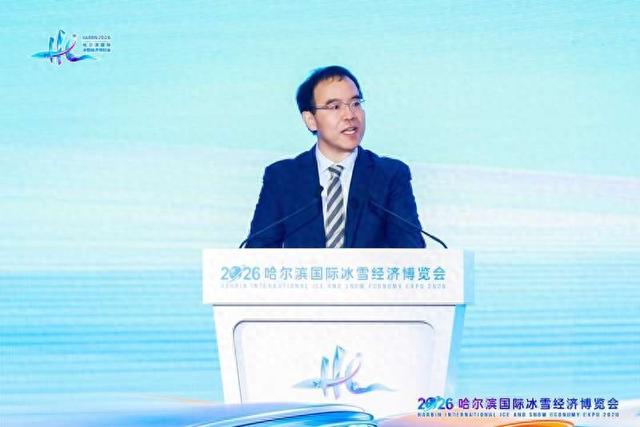
Core Insights - The article discusses the challenges faced by electric vehicles (EVs) in extreme cold weather and highlights the advantages of methanol-hydrogen vehicles as a solution for cold regions [2] - Geely Holding Group showcased its methanol-hydrogen electric products at the 2026 Harbin International Ice and Snow Economy Expo, emphasizing their role in upgrading the ice and snow industry [2] Group 1: Methanol-Hydrogen Vehicle Advantages - Methanol-hydrogen vehicles have unique advantages over battery-powered EVs in terms of cold start, range, refueling speed, and adaptability, making them suitable for cold climates [2] - By the end of 2025, over 70 policy documents supporting the promotion of methanol vehicles will be issued by national ministries and local governments, indicating rapid development in the methanol industry [2] Group 2: Geely's Commitment and Achievements - Geely has been involved in the methanol industry chain for over 20 years, collaborating with upstream and downstream companies to create a comprehensive green production chain [2] - The company operates over 50,000 methanol-hydrogen electric vehicles, with a cumulative mileage exceeding 23 billion kilometers and holds over 400 core patents [2] Group 3: Product Showcase and Economic Impact - At the expo, Geely highlighted products like the methanol-hydrogen electric bus and snow removal vehicle, which can operate in temperatures as low as -40 degrees Celsius [4] - The methanol-hydrogen electric snow removal vehicle can reduce costs by over 30% compared to traditional fuel vehicles and achieve over 90% reduction in carbon emissions [4] - The growth of the ice and snow economy in regions like Northeast China and Xinjiang is driving the demand for stable, efficient, and sustainable energy and transportation solutions [4]

吉利发布千里浩瀚 G-ASD系统 、WAM模型引领智能驾驶新方向
Zhong Guo Xin Wen Wang· 2026-01-07 11:49
Core Insights - The launch of the upgraded intelligent driving assistance system, Qianli Haohan G-ASD, at the 2026 CES marks a significant advancement in Geely's AI technology, entering the 2.0 era of its comprehensive AI technology system [4] - The WAM (World Action Model) serves as the core of the G-ASD, creating a complete intelligent closed loop that enhances the vehicle's understanding, planning, and judgment capabilities [4][6] - Geely's strategy emphasizes the integration of real-world accident data into its model training, setting a new benchmark in the intelligent driving assistance industry [4][7] Technology and Architecture - The G-ASD features a flexible architecture with "unified software + graded hardware," covering L2 to L4 autonomous driving capabilities [6] - The system has been rolled out via OTA updates to multiple models, including Zeekr 001 and Lynk & Co 900, with hardware configurations ranging from H1 to H9 [6] - The top-tier H9 configuration includes five lidar sensors and dual Thor chips, providing a computing power of 1400 TOPS for comprehensive environmental perception [6] Competitive Advantages - Geely's technological moat is built on three core advantages: a high model complexity with over a trillion parameters, a vast dataset from 8.5 million equipped vehicles, and a robust hardware platform ensuring stable performance in complex scenarios [7] - The company has accumulated over 10 billion kilometers of driving data and 25 million model data segments, creating a full lifecycle data loop [7] Strategic Vision - Geely's AI 2.0 technology system aims to integrate advanced driving assistance with cabin AI, aspiring to create a leading "smart life form" automotive model [8] - The company is actively pursuing conditional L3 autonomous driving capabilities with the Zeekr 9X and is preparing for road testing following regulatory approvals [8] - Geely's "Smart Geely 2025" strategy has concluded with over 100 billion yuan invested in R&D, achieving significant sales growth and a leading market penetration rate in the new energy vehicle sector [8]
多家车企公布2026销量目标:“双新”政策调整延续下传统车企审慎、新势力乐观
Xin Lang Cai Jing· 2026-01-07 11:36
Core Viewpoint - The implementation of the half-price purchase tax policy for new energy vehicles and the adjustment of the "two new" subsidy policies have introduced new variables for the domestic automotive market in 2026, leading to divergent sales targets among various automakers [1] Group 1: Traditional Automakers - Geely has set the highest sales target for 2026 at 3.45 million units, with a growth rate of 14%, including 2.75 million for the Geely brand, 300,000 for Zeekr, and 400,000 for Lynk & Co [2] - Dongfeng Group aims for a total sales target of 3.25 million units in 2026, with an estimated growth rate of over 30%, including 1.7 million for new energy vehicles, representing a 63% increase [3] - Chery Group has set a sales target of 3.2 million units for 2026, reflecting a 14% increase from 2025, with its five brands aiming for a total of 3 million units [3] - Great Wall Motors has lowered its 2026 sales target from 2.49 million to 1.8 million units, indicating a 36% growth from the previous year, while maintaining its net profit target [4] Group 2: New Energy Vehicle Startups - Leap Motor has set an ambitious sales target of 1 million units for 2026, following a record of 597,000 units sold in 2025, which is a 103.1% increase [5] - Xiaomi Auto aims for a sales target of 550,000 units in 2026, representing a 34% increase from the previous year, with new models expected to launch [5] - NIO has set a sales target of 456,000 to 489,000 units for 2026, with a growth rate of 40-50%, following a total of 326,000 units sold in 2025 [5] Group 3: Market Outlook - The automotive market is expected to experience a "front low and back high" trend in 2026, with overall growth driven by supportive national policies, countering previous expectations of negative growth [6] - The new policies, including the early implementation of replacement subsidies, are anticipated to positively impact market growth and consumer upgrades [6]
万亿赛道加速成型 绿色甲醇重构能源变革新范式
财联社· 2026-01-07 10:19
Core Viewpoint - The green methanol industry is entering a critical phase of large-scale industrialization, driven by its economic and strategic advantages as a new energy carrier, which is essential for China's energy security and achieving carbon neutrality goals [1][2][7]. Policy Support - Over 70 policy documents have been issued by national ministries and local governments to support the promotion of methanol vehicles, creating a comprehensive policy framework from top-level design to local implementation [2]. - The introduction of the "New Energy Law" in 2025 explicitly supports renewable energy development, indicating ongoing policy incentives for the methanol industry [2]. Economic Advantages - Green methanol shows significant economic benefits, with fuel costs for methanol-hydrogen electric heavy trucks reduced by 32%-52% compared to diesel vehicles, and a 30% savings in purchase costs compared to pure electric vehicles [3]. - The cost of retrofitting methanol refueling stations is only 5% of that for traditional gas stations, leveraging existing infrastructure for energy transition [3]. Technological Innovations - Key technological breakthroughs, such as the development of zero-carbon methanol production and methanol engine efficiency reaching 50.3%, are driving the industrialization of methanol [3]. - The "Yuanchun 001" vessel, the world's first methanol-hydrogen electric dual-use ship, demonstrates the potential for green transformation in water transport, achieving a 42% reduction in energy costs compared to diesel ships [3]. Market Potential - The green methanol market in China is projected to exceed 1 trillion yuan by 2030, encompassing production, storage, transportation, and application sectors [5]. - Investment in wind-solar-hydrogen coupling projects for methanol production is becoming a hotspot, with significant market opportunities in storage and transportation networks [5]. Capital Market Interest - The continuous policy support, technological advancements, and ecosystem development are attracting significant attention from the capital market, with substantial funding rounds completed for methanol-related ventures [4].
中国车企CES秀肌肉
Hua Er Jie Jian Wen· 2026-01-07 09:56
Core Insights - Chinese automakers are redefining the future of the automotive industry at CES, shifting focus from hardware to AI models and advanced driving architectures [1] - The competition is now centered around software capabilities and supply chain integration, marking a significant transition from manufacturing to standard-setting [1][11] Group 1: Technological Advancements - Geely introduced its "Universal AI 2.0" system, featuring the World Action Model (WAM), which enhances the vehicle's intelligence through a layered design [2] - WAM allows for a complete intelligent feedback loop, enabling continuous evolution in automotive intelligence [2] - Geely's strategy has led to a 20%-30% reduction in project numbers while enhancing quality, indicating a focus on efficiency [3] Group 2: Strategic Integration - Geely's brands, including Zeekr and Lynk & Co, have unified their driving software under the "G-ASD" system, promoting technology sharing across models [3] - This integration allows for rapid deployment of advanced technologies, such as the Thor-U chip, across different vehicle brands [3] - Great Wall Motors is pursuing a dual strategy of mechanical and intelligent advancements, showcasing its Hi4-Z hybrid architecture to address consumer concerns about range and energy consumption [4] Group 3: Supply Chain and Market Positioning - Chinese supply chain companies are demonstrating their production capabilities, with Leap Motor showcasing its aggressive electronic architecture strategy [5] - Black Sesame Intelligence presented its A2000 autonomous driving chip, targeting the L2+/L3 market, while other companies displayed advancements in lidar technology [6] - The automotive industry is expected to undergo significant changes, with a shift from funding and qualifications to AI model integration as the new entry barrier [7] Group 4: Future Industry Dynamics - The high costs associated with advanced driving technologies are leading to a consolidation trend, where only a few major players will dominate the market [9] - Companies unable to develop large models or afford high-performance chips may face significant challenges, leading to potential market exits [9] - The transition from "software-defined vehicles" to "AI-defined vehicles" will fundamentally alter the automotive business model, emphasizing AI capabilities over traditional hardware metrics [10][11]
吉利汽车(00175.HK)1月7日回购338.80万股,耗资5915.60万港元
Zheng Quan Shi Bao Wang· 2026-01-07 09:52
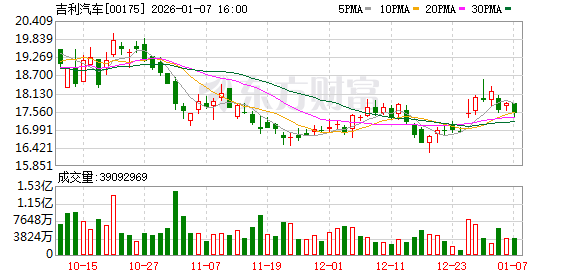
吉利汽车回购明细 | 日期 | 回购股数(万股) | 回购最高价(港元) | 回购最低价(港元) | 回购金额(万港元) | | --- | --- | --- | --- | --- | | 2026.01.07 | 338.80 | 17.650 | 17.380 | 5915.60 | | 2026.01.06 | 42.30 | 17.810 | 17.570 | 749.94 | | 2026.01.05 | 342.00 | 17.900 | 17.520 | 6031.47 | (文章来源:证券时报网) 证券时报·数据宝统计,吉利汽车在港交所公告显示,1月7日以每股17.380港元至17.650港元的价格回购 338.80万股,回购金额达5915.60万港元。该股当日收盘价17.510港元,下跌1.79%,全天成交额6.83亿 港元。 自1月5日以来公司已连续3日进行回购,合计回购723.10万股,累计回购金额1.27亿港元。 其间该股累 计下跌3.79%。(数据宝) ...
2025汽车行业十大年度金句 | 精进2025——汽车行业10个十大年度盘点
Jing Ji Guan Cha Wang· 2026-01-07 09:32
Core Insights - The automotive industry in 2025 has experienced significant growth driven by proactive policies that enhance consumption, tap into incremental potential, and improve the competitive environment, leading to a collaborative effort to combat unhealthy competition [2] - The "Cover Story" titled "Progress 2025 - Ten Major Annual Reviews of the Automotive Industry" has been launched, marking the sixth consecutive year of such comprehensive reporting [2] Group 1: Industry Trends - The automotive sector is focusing on innovation and collaboration to achieve steady progress while addressing challenges such as unhealthy competition [2] - A series of ten thematic reports have been published, covering various aspects of the automotive industry, including annual highlights, new policies, personnel changes, and significant events [2] Group 2: Leadership Perspectives - Industry leaders emphasize the importance of face-to-face interactions to reduce misunderstandings and foster collaboration, as highlighted by Chery's chairman [6] - The call for open communication among industry leaders is seen as essential for addressing challenges and promoting a healthy competitive environment [6][7] Group 3: Safety and Technology - Geely's establishment of a world-class safety center aims to enhance automotive safety through shared resources and data accumulation, reflecting a commitment to industry-wide safety standards [7][8] - The focus on safety is underscored by the need for responsible innovation that prioritizes user safety over mere technological advancement [10][11] Group 4: Market Dynamics - BYD's chairman advocates for a leadership role that respects competitors while pushing for technological excellence, emphasizing the importance of consumer trust and respect within the industry [9][10] - The shift towards a more collaborative industry ethos is seen as vital for fostering innovation and maintaining a competitive edge [10] Group 5: Innovation and Responsibility - The automotive industry is urged to prioritize necessary technological advancements that align with user safety and regulatory requirements, as articulated by Great Wall's chairman [11] - The call for innovation driven by real user needs rather than mere technological prowess reflects a shift towards more responsible and inclusive practices in the industry [13] Group 6: Global Trade and Cooperation - BMW's chairman stresses the importance of open markets and clear rules over trade barriers, advocating for mutual support in the face of geopolitical challenges [15][16] - The emphasis on cooperation and shared prosperity highlights the need for a unified approach to global trade within the automotive sector [16] Group 7: Strategic Reflections - Volkswagen's CEO acknowledges the need for self-reflection and adaptability in response to industry changes, emphasizing the importance of proactive engagement [17][18] - Toyota's chairman highlights the significance of preparing for uncertainties rather than making predictions, advocating for a responsive strategy to market changes [18][19]