YADEA(01585)

Search documents
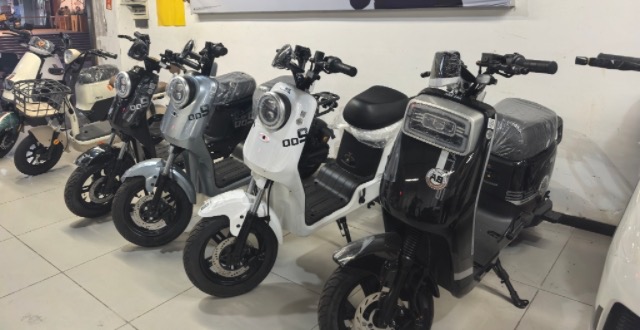
禁售倒计时 旧国标电动自行车市场调查
Xin Hua Wang· 2025-11-19 05:44
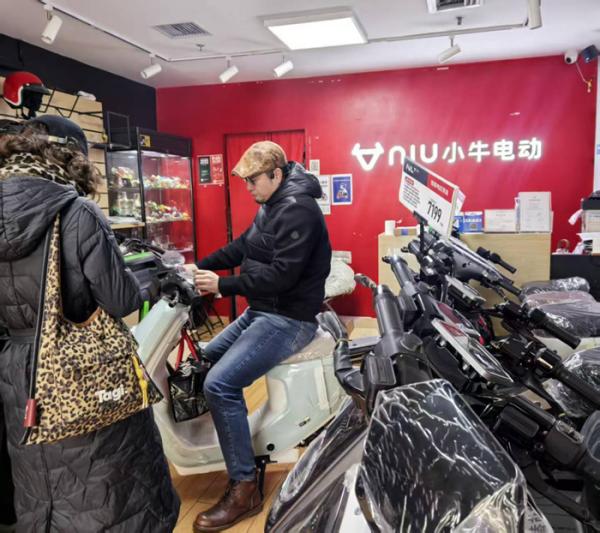
Core Viewpoint - The electric bicycle market in China is undergoing a significant transition as the deadline for the old national standard approaches, leading to a surge in demand for old standard bikes while new standard bikes face supply shortages [1][2][4]. Market Dynamics - The old standard bikes are experiencing a "last train" sales boom, with some stores reporting that their remaining inventory will only last for a couple of weekends [2]. - Sales of old standard bikes in Beijing have nearly doubled compared to previous years, driven by the impending deadline and local subsidy policies [2][4]. - There is a supply-demand imbalance for old standard bikes, which may lead to price fluctuations as inventory becomes scarce [4]. Consumer Behavior - Consumers are torn between choosing compliant new standard bikes and the faster, albeit less safe, old standard bikes [1][7]. - Some consumers prefer old standard bikes for their speed and lower price, while others prioritize safety and are willing to wait for new standard models [8][10]. - The price difference between new and old standard bikes can be significant, with new models costing several hundred yuan more due to enhanced safety features [10]. Regulatory Environment - The transition to new standards has prompted some retailers to engage in "gray market" practices to circumvent regulations, such as registering old standard bikes under different names to continue selling them [5][6]. - The new national standard imposes stricter safety requirements, including speed limits and anti-tampering measures, which complicate illegal modifications [6][12]. - Regulatory bodies are increasing inspections and enforcement actions against non-compliant sales practices, indicating a tightening of market oversight [12][16]. Industry Implications - The shift to new standards is expected to reshape the competitive landscape, favoring companies that can quickly adapt to regulatory changes and consumer demands [16]. - Companies are investing in technology upgrades and supply chain optimization to meet new standards and maintain profitability [10][16]. - The new regulations are seen as a catalyst for industry-wide improvements in safety and product quality, although consumer education on the importance of safety features remains a challenge [17].




新国标加速电摩“锂电化”
高工锂电· 2025-11-05 12:27
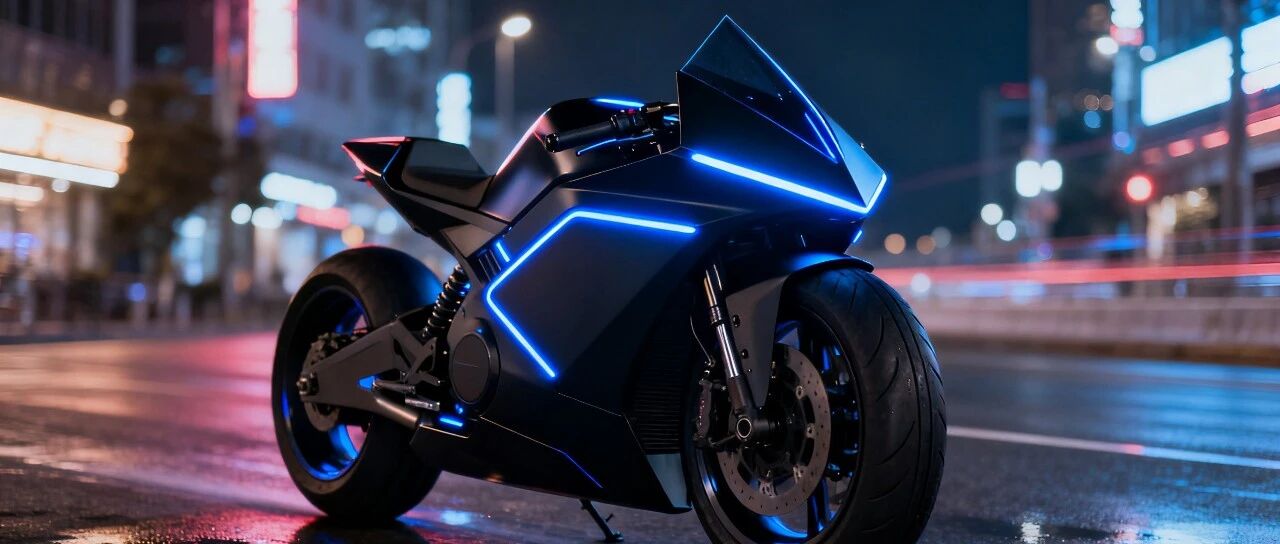
Core Viewpoint - The introduction of the new national standard for electric bicycles is accelerating the segmentation of the two-wheeler market, with a focus on safety and performance, leading to a shift in user demographics and preferences [3][4]. Group 1: Market Segmentation - The new national standard is expected to create a primary user base of urban commuters and short-distance travelers who prioritize safety [2][4]. - Users engaged in delivery, logistics, and entertainment, who previously relied on over-standard or illegally modified vehicles, are likely to transition to electric motorcycles as substitutes [2][4]. Group 2: High-End Electric Motorcycle Growth - High-end electric motorcycles priced above 4000 yuan are projected to grow by 87% in 2024, driven by brands like Ninebot, Yadea, and Niu [2]. - The primary consumers of high-end electric motorcycles are young individuals seeking personalized and high-quality riding experiences, with a repurchase rate twice that of lower-end models [2][6]. Group 3: Battery Technology and Performance - The shift towards lithium batteries in electric motorcycles is significant due to their advantages in weight, energy density, and overall performance compared to lead-acid batteries [5][6]. - Companies like Xingheng Power are advancing battery technology, introducing high-capacity lithium batteries designed specifically for electric motorcycles, addressing the needs of over 90% of users [7]. Group 4: International Market Opportunities - The overseas market, particularly in Europe and the U.S., is becoming a testing ground for Chinese high-end electric motorcycle brands, with significant subsidies available in countries like Belgium and Italy to promote electric vehicle adoption [9][10]. - Brands like Yadea and Niu are performing well in Europe, with Niu's targeted development of mid-to-high-end models contributing to an estimated sales revenue of 170 million yuan in 2024 [9][10]. Group 5: Future Outlook - The new national standard is expected to catalyze a more segmented electric motorcycle market domestically, while validated overseas markets will further drive demand for lithium batteries [11].


“二轮比亚迪”将在日本上市,日媒惊呼:新的“黑船”来了
Guan Cha Zhe Wang· 2025-11-04 09:16
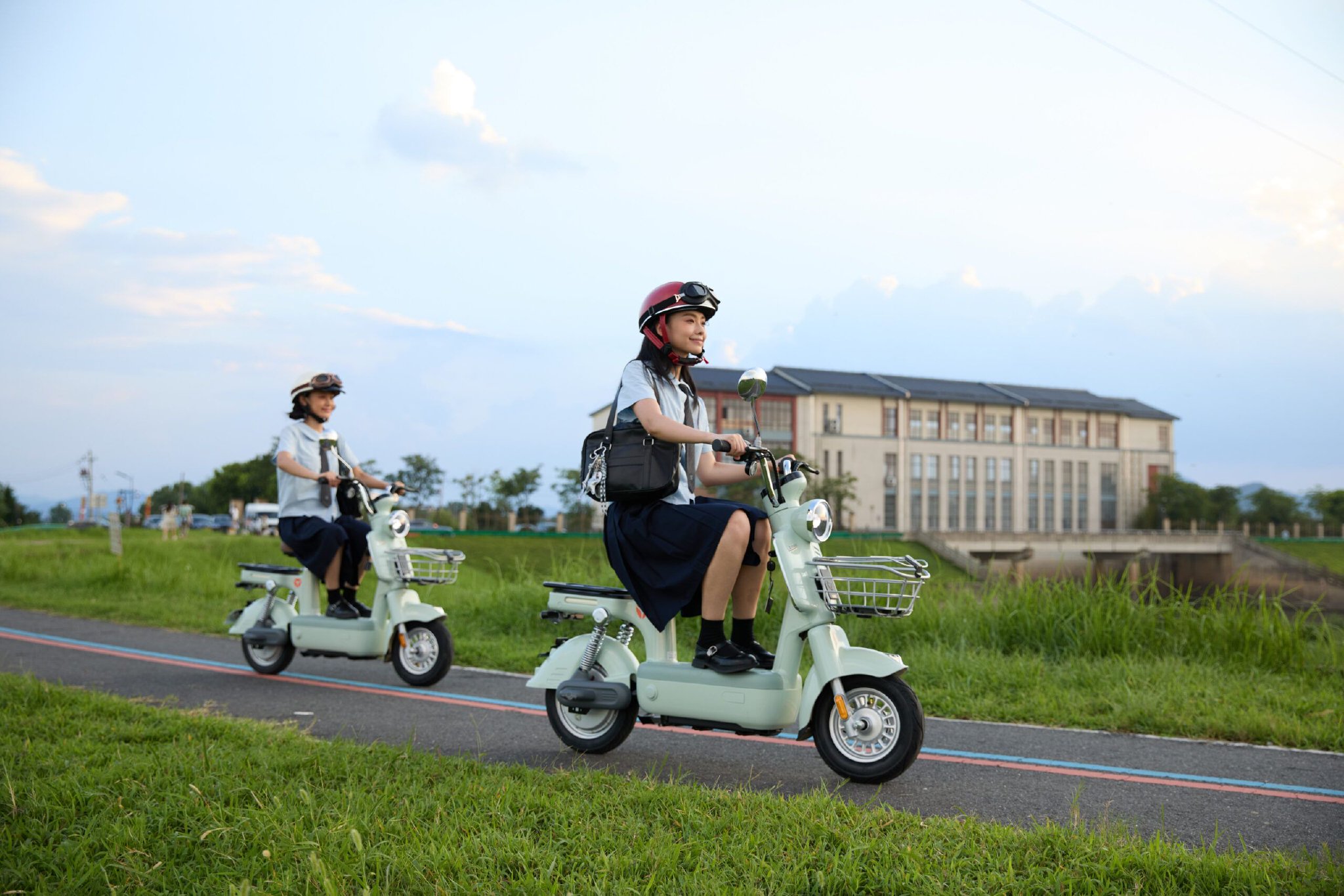
Core Viewpoint - Yadea, the world's largest electric two-wheeler company, is set to launch its electric two-wheeler PORTA in Japan at a price of 217,800 yen (approximately 10,450 RMB), which is about 30% cheaper than products from Japanese companies like Honda [1][3] Group 1: Market Entry and Product Features - The PORTA model features a retro design aimed at attracting younger consumers and falls under Japan's "original 1 class" for electric two-wheelers, allowing it to be driven with a regular car license [1][3] - The vehicle can be charged using a household outlet, with a maximum range of 60 km on a full charge [1][3] Group 2: Competitive Landscape - Japanese companies, historically dominant in the gasoline two-wheeler market, are facing challenges from the electric wave, with Yadea's entry potentially impacting their electric vehicle strategies [1][5] - Honda and Yamaha's cheapest electric models exceed 300,000 yen (approximately 14,400 RMB), making Yadea's offering significantly more affordable [3][4] Group 3: Regulatory Environment - Yadea's launch coincides with Japan's stricter emissions regulations starting in November, which align with European standards, prompting local manufacturers to halt production of current models [3][4] - Japanese manufacturers plan to continue producing gasoline vehicles that comply with the new regulations, but only Yamaha has announced a timeline for new compliant models, set for mid-2026 [3][4] Group 4: Industry Trends and Projections - The global two-wheeler market is projected to sell 59.9 million new units in 2024, with electric models expected to account for 8.5% of sales, rising to 18.8% by 2035 [5][7] - Despite the push for electrification, some analysts believe that the gasoline two-wheeler market will continue to grow, suggesting that Japanese companies may not need to lead in electrification [5][7] Group 5: Japanese Companies' Response - In response to the electric two-wheeler market pressure, Honda plans to invest 500 billion yen in electrification by 2030, aiming to launch 30 electric models globally [7] - Yamaha plans to electrify about 30% of its new two-wheelers between 2025 and 2027, indicating a shift towards electric models [7]
雅迪登陆日本,会成为“黑船”吗?
日经中文网· 2025-11-04 02:32
Core Viewpoint - Yadea Group Holdings, the largest electric two-wheeler company globally, is set to launch its electric scooter PORTA in Japan in November, priced at 217,800 yen (approximately 10,450 RMB), which is about 30% cheaper than similar products from Japanese companies like Honda [2][4][5]. Market Entry Strategy - The launch coincides with Japan's new stricter exhaust emission regulations, which will significantly reduce carbon monoxide and nitrogen oxide emissions, creating a favorable market environment for electric vehicles [5][8]. - Yadea aims to disrupt the market by offering competitive pricing that aligns with gasoline scooters, thereby attracting consumers looking to switch [5][17]. Product Specifications - The PORTA falls under Japan's "original class 1" electric two-wheeler category, with a maximum output of 0.6 kW, and can be charged using standard household outlets, offering a maximum range of 60 kilometers on a full charge [4][12]. Market Context - Japanese companies, including Honda, Yamaha, Suzuki, and Kawasaki, dominate over 40% of the global two-wheeler market, primarily with gasoline-powered models [11]. - The Japanese two-wheeler market has seen a significant decline, with sales projected to drop to approximately 320,000 units by 2024, down from over 3 million in the early 1980s [7]. Competitive Landscape - Other emerging players in the electric two-wheeler market include Ola Electric Mobility from India, VinFast from Vietnam, and Gogoro from Taiwan, indicating a growing competition in the sector [14]. - Honda plans to invest 500 billion yen in electric two-wheeler development by 2030, aiming to launch 30 electric models globally [15]. Future Projections - The electric two-wheeler market is expected to grow, with projections indicating that by 2035, the electric vehicle share could reach 18.8% of new two-wheeler sales globally [12].
雅迪控股(01585) - 截至2025年10月31日止月份之股份发行人的证券变动月报表
2025-11-03 04:02
FF301 公司名稱: 雅迪集團控股有限公司(於開曼群島註冊成立的有限公司) 呈交日期: 2025年11月3日 I. 法定/註冊股本變動 | 1. 股份分類 | 普通股 | 股份類別 | 不適用 | | 於香港聯交所上市 (註1) | | 是 | | | --- | --- | --- | --- | --- | --- | --- | --- | --- | | 證券代號 (如上市) | 01585 | 說明 | | | | | | | | | | 法定/註冊股份數目 | | | 面值 | | 法定/註冊股本 | | | 上月底結存 | | | 5,000,000,000 | USD | | 0.00001 USD | | 50,000 | | 增加 / 減少 (-) | | | 0 | | | USD | | | | 本月底結存 | | | 5,000,000,000 | USD | | 0.00001 USD | | 50,000 | 本月底法定/註冊股本總額: USD 50,000 第 1 頁 共 10 頁 v 1.1.1 股份發行人及根據《上市規則》第十九B章上市的香港預託證券發行人的證券變動月報表 ...
电动两轮车行业分化加速,零际高端突围能否开辟新赛道?
Hua Xia Shi Bao· 2025-10-31 11:16
Core Insights - The electric motorcycle market in China is experiencing a significant decline, with sales dropping by 8.51% year-on-year in the first three quarters of 2025, totaling 2.4456 million units, while fuel motorcycle sales increased by 13.2% [2][3] - The market is undergoing a transformation from quantity to quality, with consumers seeking higher quality and more personalized riding experiences [2][8] - The high-end electric motorcycle segment is witnessing substantial growth, with sales of models priced above 4,000 yuan increasing by 87% year-on-year [3][8] Market Dynamics - The traditional electric motorcycle market is becoming saturated, leading to an overall decline in sales, while the high-end market is thriving [3][4] - Yadea leads the market with sales of 757,300 units, more than double that of the second-place competitor [3] - The implementation of new national standards has accelerated the elimination of unqualified small enterprises, shifting the industry focus from price competition to enhancing brand and product value [3][4] Strategic Adjustments - Traditional electric motorcycle companies are adjusting their strategies to target the high-end market, with Yadea launching the "VFLY" brand in collaboration with Porsche Design [4] - Internet companies like Hello and Ninebot are also entering the electric motorcycle market, intensifying competition [4][5] - Aima's new high-end brand "SCOOX" aims to redefine the riding experience, emphasizing smart technology and lifestyle integration [6][8] Product Innovations - The launch of the "SCOOX Zero" brand and its first model "X7" reflects a focus on intelligent features and a unique riding experience [6][7] - The "Zebra" intelligent system developed by SCOOX integrates various smart functionalities, enhancing user interaction and safety [6][7] - The product lineup includes diverse series targeting different market segments, indicating a comprehensive long-term strategy [7] Future Outlook - Analysts believe that the entry of high-end brands like SCOOX will create new growth trajectories for the electric motorcycle market [8] - The market still has potential for growth, particularly in central and coastal regions, driven by quality upgrades and export opportunities [8] - The competition is shifting from scale and functionality to value and experience, indicating a fundamental change in the industry's competitive landscape [8]

电动自行车新国标实施“前夜” 部分旧标车涨价去库存,新标车难觅踪影
Mei Ri Jing Ji Xin Wen· 2025-10-30 13:45
Core Insights - The prices of old national standard electric bicycles are rising as the transition period to the new national standard approaches, with some models increasing by 100 to 300 yuan [1][2][4] - There is a significant scarcity of old national standard models in the market, as manufacturers have ceased production of these models since September 1, 2023, leading to a rush among consumers to purchase remaining stock before the new regulations take effect [2][3][5] - New national standard models are largely absent from the market, with manufacturers possibly controlling the release schedule to avoid impacting sales of existing old standard inventory [4][5] Industry Dynamics - The new national standard, effective December 1, 2025, imposes stricter safety and performance requirements, which presents both challenges and opportunities for manufacturers [6][7] - Companies are required to redesign products, upgrade production lines, and adapt supply chains to meet the new regulations, which may strain their operational capabilities [6] - Some brands, such as Ninebot, Green Source, and Tailin, have already developed models that comply with the new standards, with plans to launch these products starting in December 2023 [7]
25km/h限速,围住3.8亿电驴大军
Di Yi Cai Jing· 2025-10-13 09:45
Core Viewpoint - The introduction of the new mandatory national standard for electric bicycles on September 1, 2023, aims to address safety concerns, but the practice of modifying speed limits remains prevalent in the market, posing ongoing challenges for regulation [1][6]. Group 1: New National Standard - The new national standard mandates a maximum speed of 25 km/h for electric bicycles, with automatic power cut-off for exceeding this limit [1][6]. - The standard includes anti-tampering requirements for battery packs, controllers, and speed limiters to enhance safety [5][8]. Group 2: Market Practices - Many retailers continue to offer services to modify electric bicycles to exceed the 25 km/h limit, often for free, with some modifications allowing speeds up to 100 km/h [3][4]. - The practice of modifying speed limits has become an industry "unwritten rule," driven by consumer demand for faster bicycles [4][5]. Group 3: Safety Concerns - The methods used to bypass speed limits, such as removing limiters or upgrading batteries, pose significant safety risks, including potential accidents and fire hazards [4][5]. - The increase in traffic accidents involving electric bicycles has been alarming, with a reported annual growth rate of 5.85% in fatalities from 2019 to 2023 [7]. Group 4: Market Dynamics - The transition to the new standard has led to a significant increase in the cost of electric bicycles, with some products nearly doubling in price due to enhanced safety materials and components [9][10]. - The "trade-in for new" policy has seen substantial growth, with a reported 113.5% month-on-month increase in sales through this method in the first half of 2023 [10]. Group 5: Future Outlook - Despite current challenges, the electric bicycle market is expected to grow, with estimates suggesting a potential increase in ownership from 4.6 billion to 5.1 billion units [11]. - The new standard is anticipated to accelerate technological upgrades and industry consolidation, pushing the market towards higher quality products [11].
家用电器:假期消费专题:出境游、线下演出高景气——25W40周观点-20251012
Huafu Securities· 2025-10-12 10:11
Investment Rating - The report maintains an "Outperform" rating for the industry [7] Core Insights - The report highlights a significant increase in holiday travel and consumption, with an average of 3.04 billion people traveling daily from October 1 to 8, a year-on-year increase of 6.3% [3][11] - Domestic consumption is showing steady improvement, with average daily sales in related sectors increasing by 4.5% during the holiday period, driven by strong performance in digital products, jewelry, and cultural services [3][15] - The offline performance of the entertainment sector is robust, with a 39.5% year-on-year increase in audience numbers for live performances during the holiday [3][20] Summary by Sections Holiday Consumption Trends - The report notes a rise in domestic travel, with 8.88 billion domestic trips taken during the holiday, an increase of 1.23 billion trips compared to the previous year [11][12] - The average spending per person decreased by 13% despite the increase in total expenditure, which reached 809 billion yuan [11][12] Retail and E-commerce Performance - Key retail and catering enterprises saw a 2.7% year-on-year increase in sales during the holiday [19] - E-commerce platforms experienced a surge in sales of green organic foods (up 27.9%), smart home products (up 14.3%), and domestic fashion brands (up 14.1%) [19][20] Investment Recommendations - The report suggests focusing on several sectors for potential investment, including: 1. Major appliances benefiting from trade-in programs, recommending companies like Midea Group, Haier Smart Home, and Gree Electric [4][23] 2. The pet industry, which is expected to remain resilient, with recommendations for companies like Guai Bao Pet and Zhongchong Co [4][23] 3. Small appliances and branded apparel, which may see a rebound in demand, with recommendations for companies like Bear Electric and Anta Sports [4][23] 4. Electric two-wheelers, with a strong outlook for domestic sales improvement, recommending companies like Ninebot and Yadea [4][23] Global Market Opportunities - The report emphasizes the long-term theme of international expansion, recommending companies like Ecovacs and Roborock in the cleaning appliance sector, and Midea and Haier in the major appliance sector [5][24] - It also highlights the potential for motorcycle brands to increase their market share overseas, suggesting companies like Chunfeng Power and Longxin General [5][24] Market Data - The home appliance sector saw a slight decline of 0.4% this week, with specific segments showing varied performance: white goods up 0.8%, black goods down 0.3%, and kitchen appliances down 1.0% [25]




「反叛」的电动车:雅迪摩登如何把「通勤」变成「出片」?
36氪· 2025-10-11 13:35
Core Viewpoint - Brand rejuvenation is a systematic transformation starting from product strength [38] Group 1: Brand Engagement with Youth - Young people use social media to showcase their experiences, creating a demand for brands to engage meaningfully [3][4] - Brands face challenges in standing out and avoiding aesthetic fatigue among consumers [4][5] - Yadea's innovative approach includes opening a creative store in a culturally rich area, integrating local culture and appealing to young consumers [6][9] Group 2: Unique Marketing Strategies - The opening event featured high-profile collaborations and interactive elements, attracting significant foot traffic and engagement [8][33] - Yadea's strategy emphasizes emotional connection and cultural relevance, moving beyond mere trend-following [9][16] - The brand's focus on aesthetics and safety in product design resonates with young consumers' desires for both functionality and style [39][42] Group 3: Product Innovation and Emotional Value - Yadea redefines electric scooters as fashion accessories and social tools, highlighting the importance of emotional value in purchasing decisions [22][23] - The brand's collaboration with Sanrio introduces beloved characters, enhancing emotional appeal and marketability [29][30] - Yadea's product design reflects a deep understanding of female consumers' needs, integrating safety and aesthetic preferences [43] Group 4: Retail Experience and Community Engagement - Yadea's creative stores serve as experiential spaces, transforming traditional retail into community hubs for interaction and engagement [44] - The brand's marketing efforts include participation in major events and collaborations with influencers to enhance visibility and emotional resonance [46][48] - Yadea's approach emphasizes understanding consumer pain points and fostering emotional connections to drive sales [48]