
PING AN OF CHINA(02318)

Search documents
平安产险泉州中心支公司:新春福礼“贴”上车 平安相伴行无忧
Zhong Jin Zai Xian· 2026-01-20 07:31
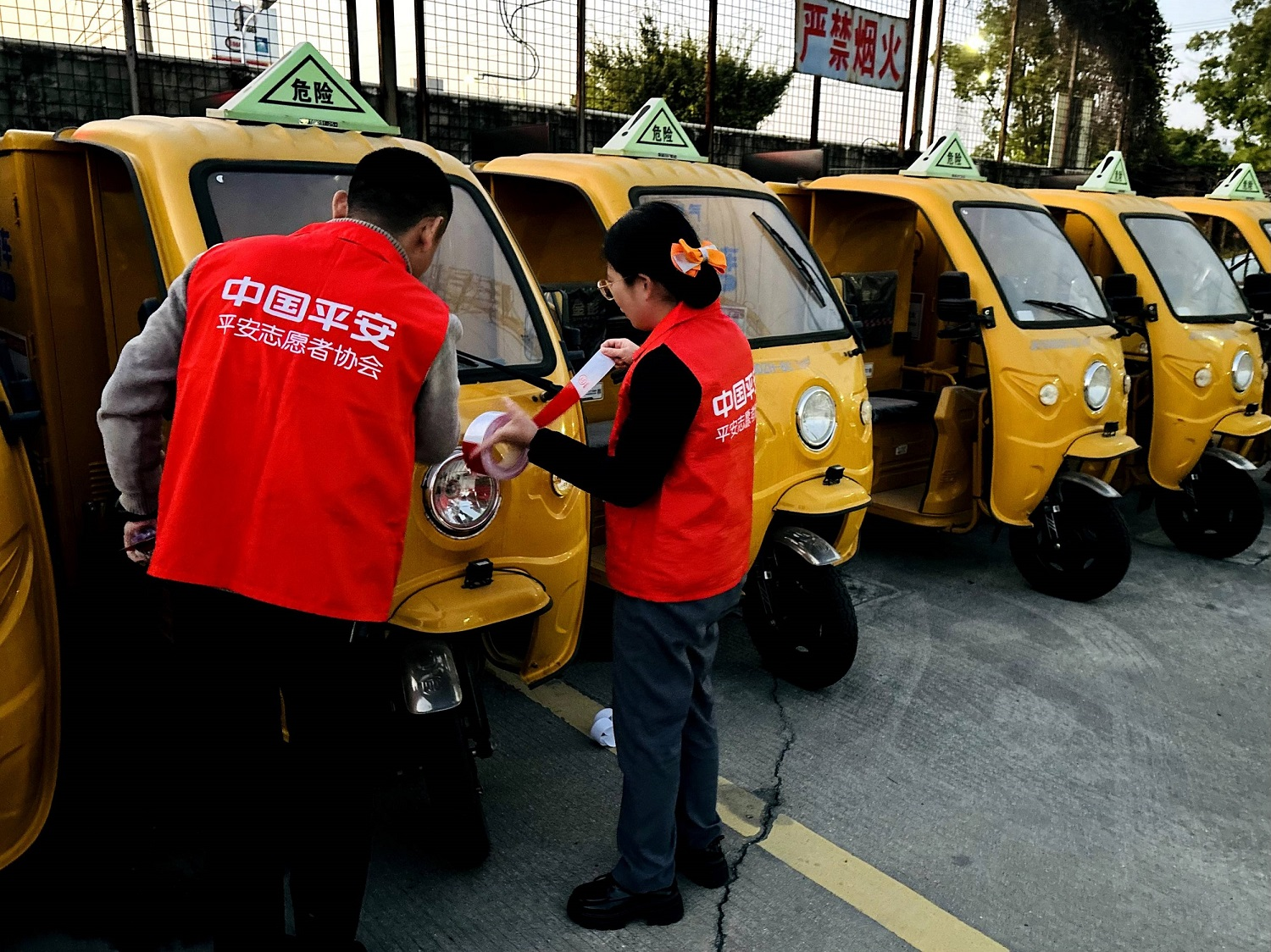
Group 1 - The core idea of the news is that Ping An Property & Casualty Insurance's Quanzhou branch is actively engaging in community service by providing safety enhancements for hazardous goods transportation during the New Year, reflecting the company's commitment to customer service through the "Insurance + Service" model [1][7] - The volunteer team focuses on the characteristics of high-frequency travel and nighttime operations in the hazardous goods transportation industry, transforming holiday care into safety protection actions [1] - The initiative includes customized services such as the application of reflective stickers to improve vehicle visibility in low-light conditions, thereby reducing safety risks during transportation [5] Group 2 - Volunteers meticulously apply reflective stickers to critical areas of oil tankers and tricycles, ensuring enhanced visibility and conducting checks on key vehicle components like brakes, lights, and tires, providing immediate maintenance advice for aging or worn parts [4][5] - The volunteers also educate company representatives and drivers on winter driving safety and insurance claims, addressing employer liability insurance needs and clarifying coverage and claims processes, thus providing a one-stop solution for customer inquiries [5] - The company aims to continue focusing on customer needs, enhancing services and protections, and ensuring that the spirit of the New Year translates into lasting safety and support for businesses [7]


平安产险泉州中心支公司:新春影像传暖意 银发笑颜映初心
Zhong Jin Zai Xian· 2026-01-20 07:25
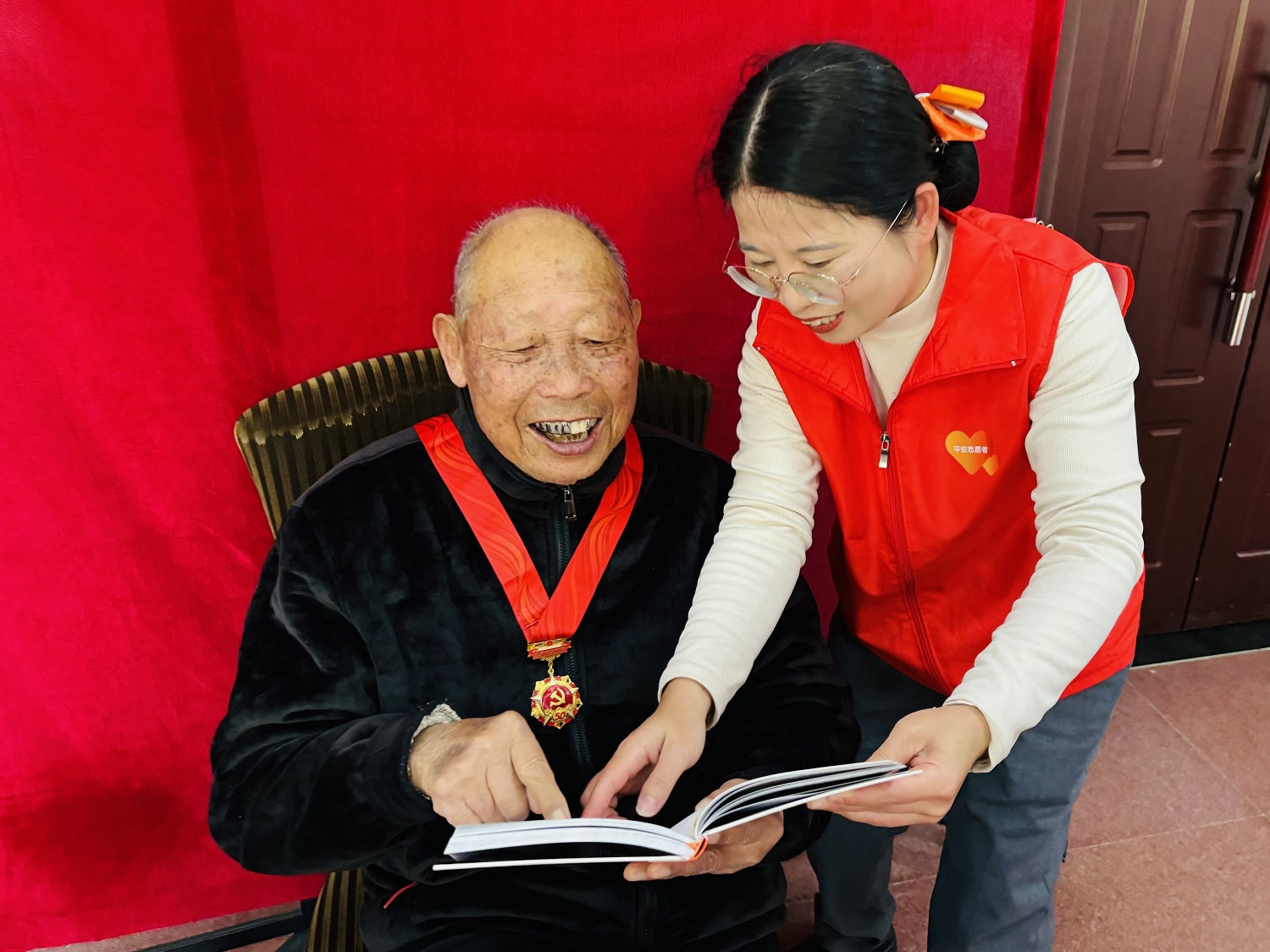
Core Viewpoint - The Ping An Property & Casualty Insurance Quanzhou Central Branch's "Mobile Photo Studio" volunteer team continues its commitment to social responsibility by providing elderly residents with personalized New Year photos, enhancing their sense of dignity and joy [10]. Group 1: Event Overview - The volunteer team returned to the Ciyuan Red Nursing Home to deliver special New Year gifts in the form of exclusive photos for the elderly [1]. - The initiative follows a previous event during the Chongyang Festival, where a resident expressed regret for not having his commemorative medal, prompting the team to prepare for this occasion [1]. Group 2: Volunteer Engagement - Volunteers actively engaged with the elderly, adjusting their poses and encouraging them to express joy during the photo sessions [3]. - The team utilized gentle guidance to help couples and friends feel comfortable, resulting in natural and heartfelt moments captured on camera [3][5]. Group 3: Emotional Impact - The photo sessions included various themes, such as couple photos and group shots of friends, creating a lively and joyful atmosphere [5]. - The volunteers emphasized that their role was not just to take pictures but to preserve the love and companionship shared among the elderly [8]. Group 4: Future Actions - The volunteers plan to deliver framed photos to each elderly resident, ensuring that the warmth and romance of the New Year accompany them into the new year [8].
平安产险福州中心支公司:以“保险+科技+服务”创新实践 携手共筑道路安全防线
Zhong Jin Zai Xian· 2026-01-20 07:25
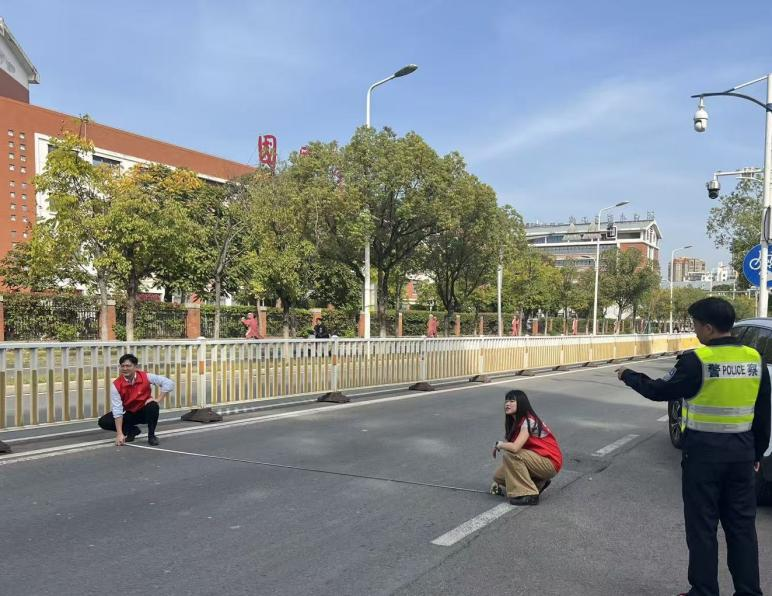
Core Viewpoint - The Ping An Property & Casualty Insurance Fuzhou Center has been recognized for its significant contributions to road traffic safety in Fuzhou, showcasing its commitment to integrating "insurance + technology + service" in collaboration with local traffic police [1] Group 1: Traffic Safety Initiatives - The company has actively collaborated with the Fuzhou Traffic Police to enhance road safety, particularly in rural areas with weak infrastructure and high-risk factors [2] - Specific engineering modifications have been implemented in accident-prone areas, including the installation of speed bumps and reflective mirrors to improve visibility and reduce risks [2] Group 2: Emergency Response Collaboration - A new "police-insurance-medical" collaboration model has been established to ensure rapid response in traffic accident situations, facilitating timely medical assistance for victims [4] - In 2025, the company provided "advance compensation" services for over 1,700 traffic accident victims, with a total payout exceeding 20 million yuan, demonstrating its commitment to quick and effective emergency response [4] Group 3: Public Awareness and Education - The company has engaged in public education initiatives to enhance traffic safety awareness, particularly targeting vulnerable groups such as the elderly and children [5] - Interactive safety exhibitions and educational videos have been utilized to immerse the public in understanding risks and mastering avoidance skills [5] Group 4: Future Development Goals - The company aims to strengthen its capabilities in "insurance + technology + service" to contribute to a more efficient road traffic governance system, aligning with the principle of prioritizing people's lives and safety [8]
平安产险闽清支公司:旧衣新袄汇暖意 挚语真情驱寒气
Zhong Jin Zai Xian· 2026-01-20 07:24
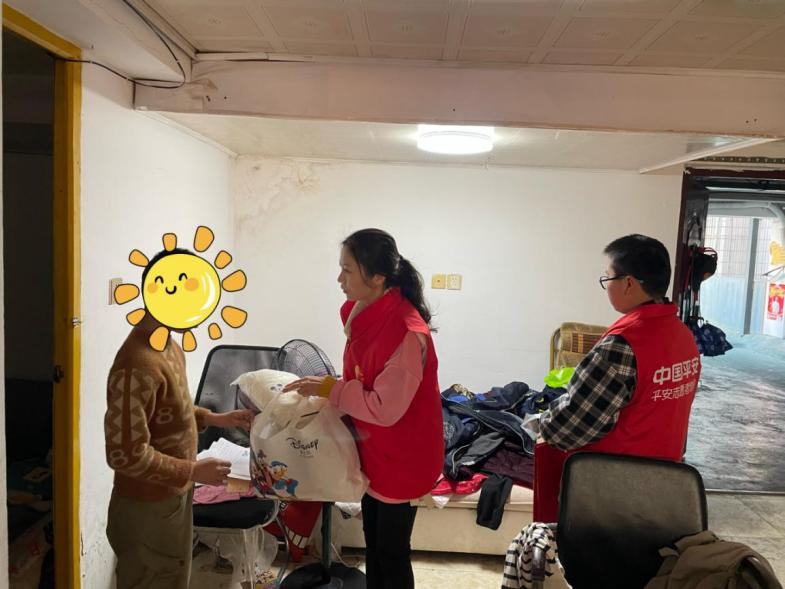
Core Viewpoint - The article highlights a charitable initiative by Ping An Property & Casualty Insurance in Fuzhou, Fujian Province, where volunteers provided winter clothing to underprivileged children, emphasizing the importance of both material and emotional support in difficult times [1][3][6]. Group 1: Charitable Initiative - Ping An Property & Casualty Insurance volunteers responded to a donation activity initiated by the Love Wings Social Work Service Center, delivering winter clothing to families in need [1][3]. - The volunteers organized both donated and newly purchased clothing, including down jackets and cotton pants, to ensure the children received adequate warmth [3]. Group 2: Emotional Support - Beyond providing physical items, the volunteers focused on offering emotional encouragement, urging the children to remain strong and to pursue their education despite hardships [6]. - The interaction between volunteers and children fostered a sense of hope, with the act of giving clothing symbolizing a deeper connection and care for their well-being [6].
平安产险龙岩中心支公司:银发关怀再升级 多维守护暖民心
Zhong Jin Zai Xian· 2026-01-20 07:18
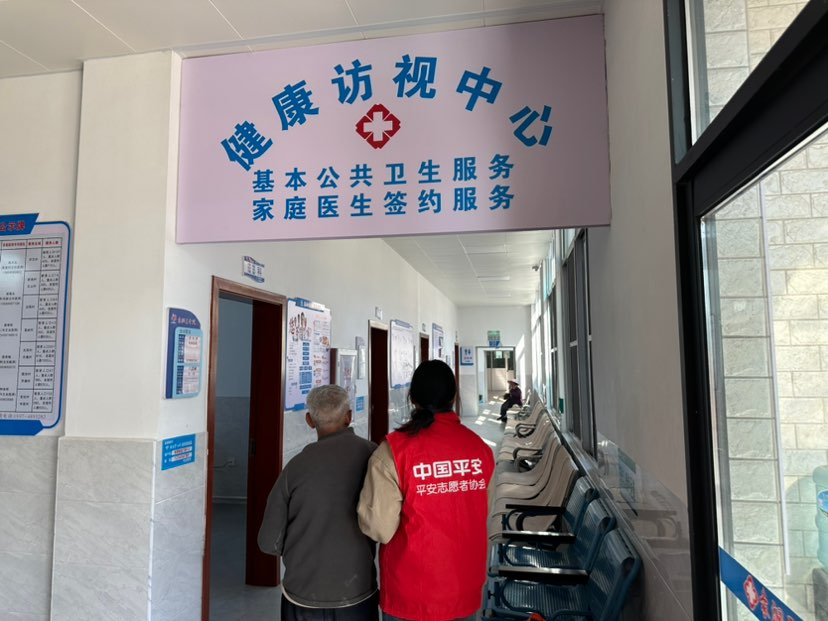
Core Viewpoint - The company is actively engaging in social responsibility by organizing health check-ups for the elderly, aiming to enhance their well-being and financial security through community support initiatives [1][10]. Group 1: Health Initiatives - The company collaborated with the local health clinic to provide health check-ups for elderly residents, focusing on common health risks during winter [2][3]. - Health check-up services included blood pressure, blood sugar, electrocardiograms, and screenings for prevalent diseases among the elderly, promoting early detection and intervention [3][10]. - Volunteers arranged transportation for the elderly to facilitate their participation in the health check-ups, addressing mobility challenges [3]. Group 2: Financial Education - In addition to health services, volunteers provided financial education to the elderly, explaining pension management and long-term medical insurance in an accessible manner [6][7]. - The company distributed a "Financial Safety Handbook for the Elderly," ensuring that the information was understandable and practical for the target audience [7]. - The initiative aimed to raise awareness about illegal fundraising and telecom fraud, enhancing the financial literacy of the elderly [7]. Group 3: Ongoing Commitment - This event is part of a broader initiative titled "Peace of Mind for the Elderly," which emphasizes the integration of health management, financial security, and rural revitalization [10]. - The company plans to establish a quarterly follow-up mechanism to continuously address the health and financial needs of the elderly [10]. - The initiative seeks to create a caring system for the elderly by collaborating with government and other stakeholders, exploring innovative paths for integrated financial and healthcare services [10].
平安产险龙岩中心支公司:寒冬里的暖心行动
Zhong Jin Zai Xian· 2026-01-20 07:04
Group 1 - The core message of the article highlights the ongoing charitable initiative by Ping An Property & Casualty Insurance, which has been providing warm meals and companionship to elderly individuals in need for over three years [1][2]. - The recent activity involved delivering hot meals, health monitoring, and New Year blessings to seven special elderly households, emphasizing the importance of care and companionship beyond just food [1][2]. - Volunteers from Ping An Insurance visited two specific families, where the emotional stories of three elderly individuals deeply moved the participants, showcasing the impact of human connection and support [2]. Group 2 - The initiative not only provides meals but also includes thoughtful gifts such as festive couplets and decorations, enhancing the festive spirit and warmth for the elderly [2]. - Health management is also a focus, with volunteers bringing portable blood pressure monitors to check the health of each elderly person and offering advice on medication and warmth [2]. - The overarching goal of the initiative is to ensure that elderly individuals feel remembered and cared for, reinforcing the idea that true charity involves companionship and presence rather than mere provision [2].
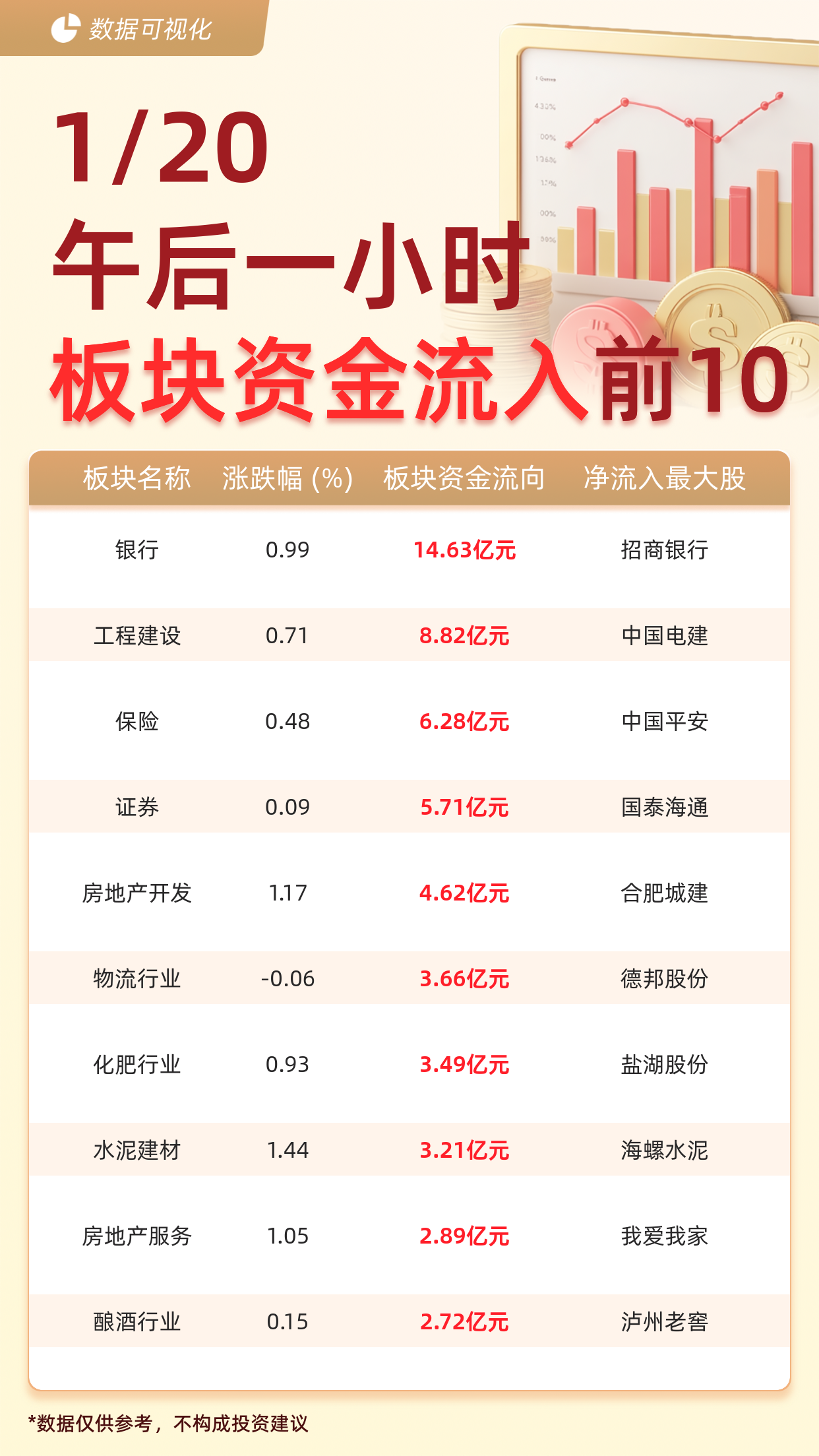
主力板块资金流入前10:银行流入14.63亿元、工程建设流入8.82亿元
Jin Rong Jie· 2026-01-20 06:26
Group 1 - The main market experienced a net outflow of 87.896 billion yuan in principal funds as of January 20 [1] - The top ten sectors with inflows of principal funds included: Banking (1.463 billion yuan), Engineering Construction (0.882 billion yuan), Insurance (0.628 billion yuan), Securities (0.571 billion yuan), Real Estate Development (0.462 billion yuan), Logistics (0.366 billion yuan), Fertilizer Industry (0.349 billion yuan), Cement and Building Materials (0.321 billion yuan), Real Estate Services (0.289 billion yuan), and Alcohol Industry (0.272 billion yuan) [1] Group 2 - The Insurance sector saw an inflow of 0.628 billion yuan, with China Ping An being a notable company [2] - The Securities sector had an inflow of 0.571 billion yuan, with Guotai Junan being a notable company [2] - The Real Estate Development sector recorded an inflow of 0.462 billion yuan, with Hefei Urban Construction being a notable company [2] - The Fertilizer Industry had an inflow of 0.349 billion yuan, with Salt Lake Co. being a notable company [3] - The Cement and Building Materials sector saw an inflow of 0.321 billion yuan, with Conch Cement being a notable company [3] - The Real Estate Services sector recorded an inflow of 0.289 billion yuan, with Wo Ai Wo Jia being a notable company [3] - The Alcohol Industry had an inflow of 0.272 billion yuan, with Luzhou Laojiao being a notable company [3]



全面升级!平安推出活过百岁 岁岁平安守护计划,为居家养老安全保驾护航
Jin Rong Jie· 2026-01-20 04:47
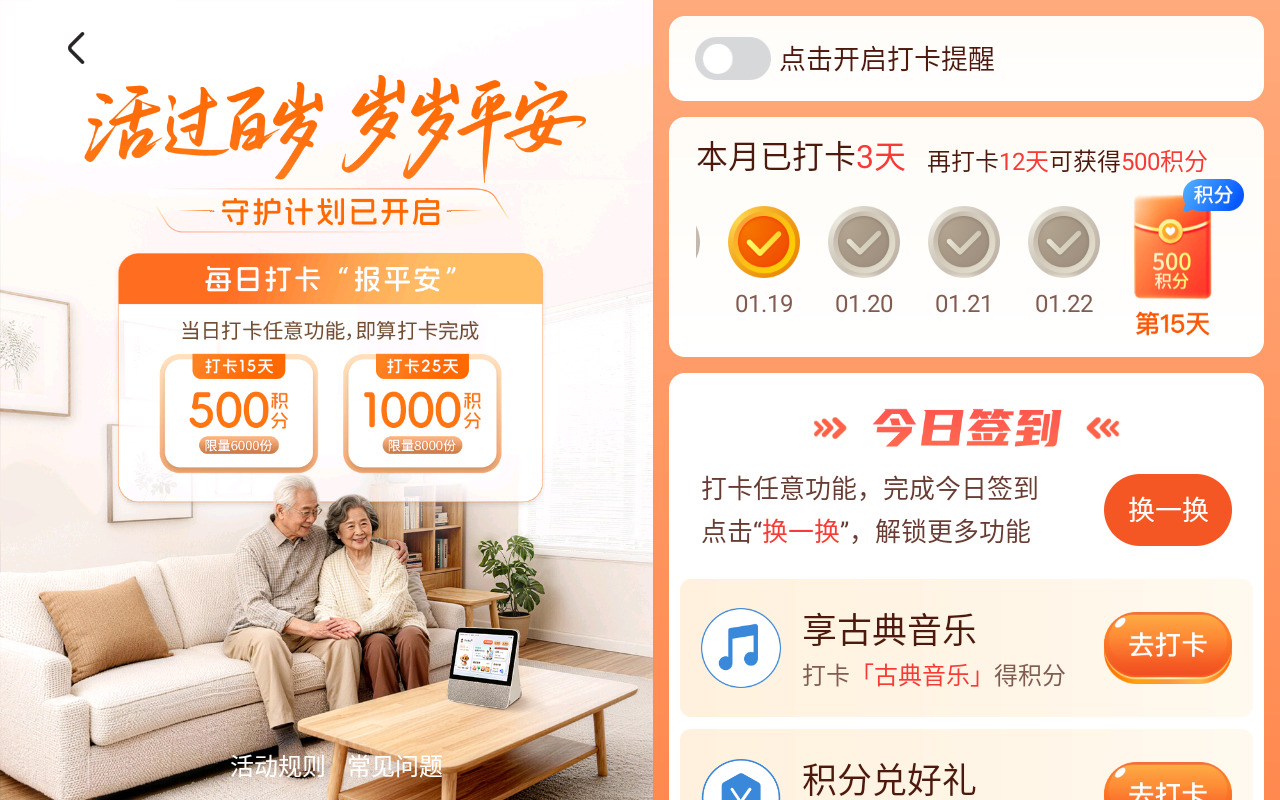
Core Viewpoint - Ping An Good Doctor has upgraded its home care program for the elderly, launching the "Live to 100, Safe Every Year" protection plan, addressing the urgent safety needs of the growing population of elderly individuals living alone [1][4]. Group 1: Program Upgrade and Features - The upgraded plan enhances the previous daily check-in incentive program, allowing users to log in via the Ping An Butler smart speaker and set personalized check-in reminders [1][2]. - If a user fails to check in within their set time frame, the Ping An Butler platform will contact their emergency contacts through various methods, including SMS and AI services [1][4]. Group 2: Market Context and Demographics - By the end of 2024, the elderly population aged 60 and above in China is projected to reach 310 million, accounting for 22% of the total population, with a rising proportion of elderly individuals living alone [2][5]. - Since the launch of the daily check-in program over 1,200 days ago, there have been over 10 million check-ins, safeguarding more than 60,000 elderly individuals, including over 450 aged 90 and above [2][5]. Group 3: Service Capabilities and Technology - The program emphasizes a complete service system that includes proactive identification, rapid response, and offline rescue capabilities, moving beyond mere notification to family members [4][7]. - Ping An has been developing its home care services since 2021, establishing a comprehensive system that integrates smart devices and 24/7 online support to ensure the safety and health of the elderly [4][7]. Group 4: Policy Alignment and Future Direction - The upgraded plan aligns with national policies aimed at developing the silver economy and enhancing the well-being of the elderly, showcasing Ping An's commitment to advancing home care services with a focus on professionalism and humanistic care [7].
异动盘点0120 | 内险股盘中拉升,易通讯集团今早复牌,涨超53%
贝塔投资智库· 2026-01-20 04:01
Group 1 - The insurance sector saw significant gains, with China Life (02628) up 3.81%, China Pacific Insurance (02601) up 2.31%, and Ping An (02318) up 1.17%. Notably, major insurance companies reported a doubling in premium income through bancassurance channels as of January 8, 2026 [1] - The commercial aerospace sector experienced a notable decline, with companies like JunDa Co. (02865) down 7.19% and Asia Pacific Satellite (01045) down 5.94%. This follows a period of intense adjustments and risk warnings from several listed companies in the sector [1] - The real estate sector showed active performance, with companies like R&F Properties (02777) up 4% and Greentown China (03900) up 5.79%. Data from the National Bureau of Statistics indicated a 0.3% month-on-month decline in new residential sales prices in first-tier cities for December 2025, a slight improvement from the previous month [2] Group 2 - HuShang Ayi (02589) reported an expected net profit of 495 million to 525 million RMB for 2025, reflecting a year-on-year growth of 50% to 60% [3] - Yi Communications Group (08031) saw a surge of over 70% upon resuming trading, with a current increase of 53.85%. The company announced a share acquisition deal involving 210 million shares at a price of 0.276 HKD per share, which is a 15.08% discount from the pre-suspension closing price [3] - Guorui Life (00108) experienced an increase of over 11% after announcing a deal to acquire 78.29% of Chunyu Doctor for 269 million RMB, marking its entry into the digital healthcare sector [4]



杠杆资金净买入前十:中国平安(13.32亿元)、特变电工(11.20亿元)




Jin Rong Jie· 2026-01-20 00:19
Group 1 - The top ten stocks with net financing purchases on January 16 include China Ping An (1.33 billion), TBEA (1.12 billion), and Kweichow Moutai (1.03 billion) [1] - Other notable stocks in the top ten include Baiwei Storage (655 million), Shannon Microelectronics (604 million), and Xinquan Co. (593 million) [1] - Additional stocks in the list are Zhongwei Company (566 million), Zhaoyi Innovation (490 million), Tongfu Microelectronics (483 million), and Changdian Technology (461 million) [1]