
BANK COMM(03328)

Search documents
金融赋能 绘就经济新图景
Sou Hu Cai Jing· 2025-09-11 21:21
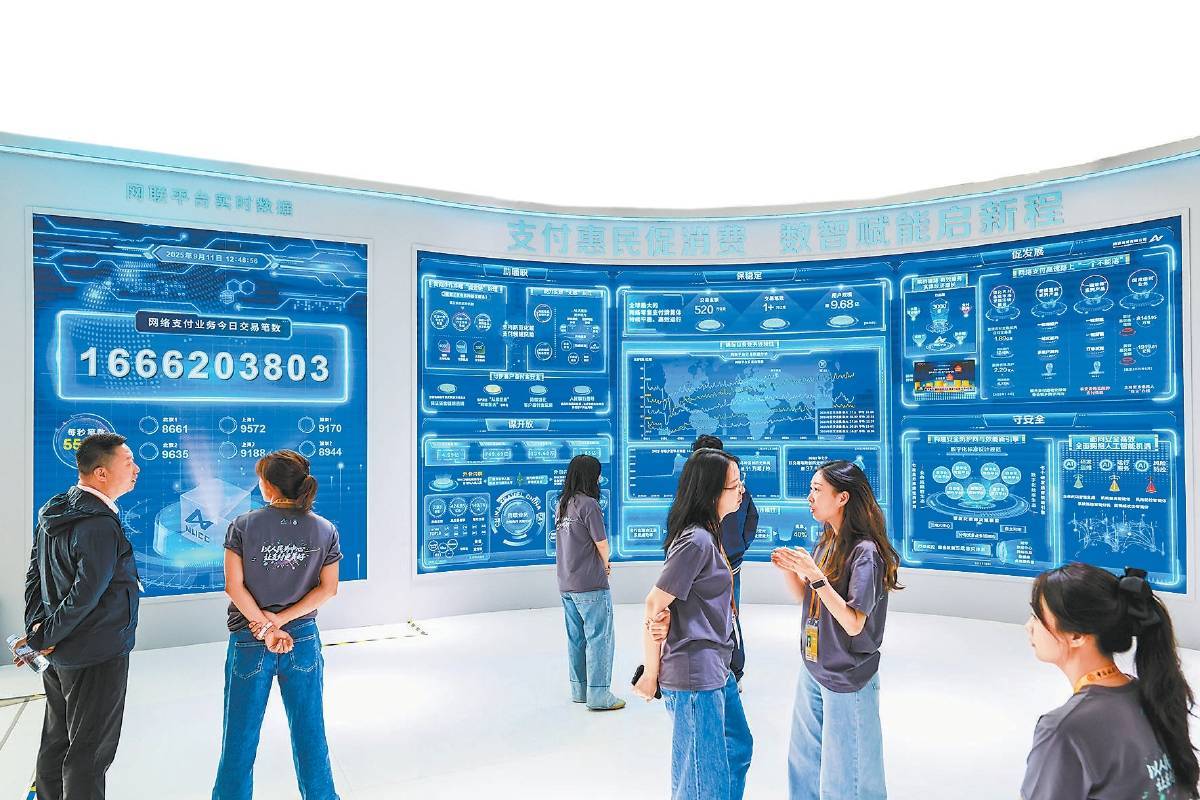
Group 1 - The financial services section of the 2025 Service Trade Fair focuses on "Digital Intelligence Driving Open Win-Win," providing a platform for global financial institutions to collaborate and showcase new trends in finance [1] - A total of 97 companies participated in the financial services section, with 51 domestic and 46 foreign institutions, resulting in an internationalization rate of 47.4% [10] - The event highlighted the importance of financial technology in promoting inclusive finance, with innovations such as voiceprint technology for elderly clients to facilitate transactions [10] Group 2 - The digital RMB was prominently featured, with various banks offering promotional activities to encourage its use, including a "red envelope rain" event [11][12] - Innovative applications of digital RMB were showcased, such as the collaboration between Industrial and Commercial Bank of China and Meituan to develop a digital RMB prepaid card [12] - The event also emphasized the value of investment, with companies like Galaxy Securities and Jianxin Fund using the fair to engage with a wide audience and promote their services [13][14]




私行业务跑出加速度成银行扩中收重要引擎
Zhong Guo Zheng Quan Bao· 2025-09-11 20:17
Core Insights - The private banking business has shown significant growth in both client numbers and AUM (Assets Under Management), becoming a key driver for retail banking growth amid pressure on net interest margins [1][2][3] Client Growth - Major state-owned banks lead in private banking client numbers, with Agricultural Bank of China having 279,000 clients, followed by China Construction Bank with 265,500, and Bank of China with 216,900 [1] - China Construction Bank added 34,000 private banking clients in the first half of the year, while Postal Savings Bank saw a growth of over 21% in its client base [1][2] - In the joint-stock banks, China Merchants Bank leads with 182,700 clients, followed by Ping An Bank and CITIC Bank, each exceeding 90,000 clients [2] AUM Growth - Private banking AUM growth outpaces overall retail AUM growth, with Agricultural Bank of China reporting AUM of 3.5 trillion yuan, an increase of 11.11% from the beginning of the year [2][3] - Other state-owned banks also reported significant AUM growth, with China Construction Bank at 3.18 trillion yuan, reflecting a 14.39% increase [2][3] Business Strategy and Service Development - Banks are focusing on enhancing client services, with China Construction Bank integrating personal client management and supporting private entrepreneurs [3][4] - CITIC Bank is emphasizing tiered services for ultra-high-net-worth clients, while China Everbright Bank is targeting families, women, and business owners [4] - Future developments in private banking are expected to focus on digitalization, service ecosystem integration, and global investment opportunities [4]





数字人民币闪耀服贸会 中国金融开放加速“链接全球”
Zheng Quan Ri Bao· 2025-09-11 16:51
Group 1 - The core focus of the financial services exhibition is the innovative applications of digital RMB and the international expansion of financial institutions [1][2] - The digital RMB experience area spans nearly 1,000 square meters, featuring a collaborative display from multiple banks, including China Bank and Agricultural Bank, showcasing a variety of digital RMB applications [2][3] - The exhibition highlights the popularity of digital RMB, with various interactive experiences attracting large crowds, including personalized coffee and cultural-themed hardware wallets [2][3] Group 2 - The exhibition also emphasizes cross-border financial services, showcasing China's increasing openness and innovation in the financial sector [4] - China UnionPay presented its international online business development and innovative payment tools, with a global acceptance network extending to 183 countries and regions [4] - China Galaxy Securities shared its experience in expanding into Southeast Asia, highlighting the need for comprehensive financial services to support Chinese enterprises going abroad [4]

金价连刷新高,银行密集调整业务传递警示
Sou Hu Cai Jing· 2025-09-11 13:18
Core Viewpoint - The recent surge in gold prices has prompted banks to adjust their operations and issue risk warnings to investors, reflecting heightened market volatility and the need for enhanced risk management measures [1][5][10]. Group 1: Gold Price Movements - As of September 11, gold prices slightly decreased to $3,623.76 per ounce, down 0.45%, while the Shanghai Gold Exchange's Au99.99 contract closed at 836.52 yuan, marking a 34.49% increase since January 2 [1]. - On September 10, gold prices reached a new high of 836 yuan, indicating a significant upward trend in the market [1]. Group 2: Bank Responses and Risk Management - Banks have raised trading thresholds and adjusted margin levels for gold trading contracts in response to the volatile gold market, with margin levels for various contracts increasing from 13% to 14% and from 16% to 17% [2][4]. - Major banks, including China CITIC Bank and Agricultural Bank of China, have issued risk warnings and adjusted their gold-related business practices to mitigate potential risks associated with high gold prices [2][5]. Group 3: Market Analysis and Future Outlook - Analysts express optimism regarding gold prices, citing factors such as potential interest rate cuts by the Federal Reserve and ongoing geopolitical tensions as supportive of further price increases [7][9]. - The collective actions of banks serve as a warning to investors about the risks associated with investing in gold at historical highs, emphasizing the importance of reassessing risk tolerance [10][11].


交通银行北京市分行服贸会突出数字金融赋能属性
Zheng Quan Ri Bao Wang· 2025-09-11 12:46
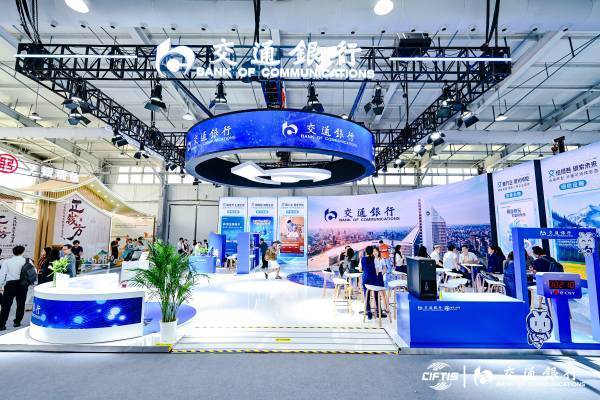
Core Viewpoint - The 2025 China International Service Trade Fair's financial services exhibition emphasizes digital intelligence and open collaboration, showcasing global financial innovation products and services, policy releases, and partnership discussions [1] Group 1: Event Overview - The financial services exhibition will take place from September 10 to September 14, 2025, at Shougang Park in Beijing [1] - The theme of the exhibition is "Driven by Digital Intelligence, Open and Win-Win" [1] Group 2: Company Initiatives - Bank of Communications Beijing Branch has created an immersive display platform for intelligent financial innovation, demonstrating its digital financial advantages and the integration of financial technology with services [1] - The bank aims to enhance its digital financial services to support the digital economy and promote the integration of digital and real economies [1] Group 3: Technological Innovation - The bank actively participates in financial technology innovation regulatory pilot programs and explores the application of cutting-edge technologies such as blockchain and artificial intelligence in financial services [2] - The focus is on using these technologies for financial service innovation, risk prevention, and regional collaboration [2]
交”融共进 “通”向未来,交通银行六赴服贸之约
Sou Hu Cai Jing· 2025-09-11 11:31
Core Viewpoint - The China International Fair for Trade in Services (CIFTIS) showcases the financial services of Bank of Communications, emphasizing its commitment to serving the real economy and enhancing people's livelihoods through innovative financial products and services [1][3]. Group 1: Financial Services and Innovation - Bank of Communications highlights its achievements in five key areas and cross-border finance, presenting innovative financial products such as "Jiao Yin Torch Loan," "Jiao Yin Venture Loan," and "Foreign Trade Quick Loan" [3]. - The "Jiao Yin Torch Loan" is designed for growing technology-based small and micro enterprises, utilizing a unique big data approval model to address financing challenges [3]. - The "Jiao Yin Venture Loan" employs a "loan + external direct investment" model to broaden financing channels for technology enterprises [3]. - The "Jiao Yin Park Loan" connects financing needs of park enterprises through an integrated online platform, enhancing support for technology enterprises [3]. Group 2: Cross-Border Financial Solutions - The bank has established a cross-border financial zone titled "Connecting the World, Linking Global," offering comprehensive financial support for enterprises looking to expand internationally [3]. - Solutions such as "Foreign Trade Quick Loan," "E-commerce Pass," and "Smart Class Train" are part of the offerings to facilitate international trade [3]. Group 3: Community and Consumer Services - Bank of Communications focuses on enhancing financial services in key areas such as domestic demand, digital governance, and the silver economy, aligning its services with national needs and public sentiment [4]. - The retail business segment features a "cross-province handling" service for government affairs, allowing citizens to manage over 130 Beijing government services and access 200 additional services from neighboring regions [5]. - The bank has developed a housing rental deposit management and rent supervision system to support new citizens in securing housing [5]. - The silver economy initiative integrates various services for the elderly, including pension accounts, retirement financial products, and insurance [5]. Group 4: Interactive Engagement and Education - To enhance audience engagement and awareness of digital currency, the bank has organized interactive activities, showcasing high-quality hardware wallets and traditional cultural designs [6]. - Popular activities from previous years, such as the digital currency themed blind box event, continue to attract visitors [6]. - The bank will host various promotional and educational events during the fair, including sessions on fund management and anti-fraud education [6].
交通银行(03328) - 海外监管公告
2025-09-11 10:43
香港交易及結算所有限公司及香港聯合交易所有限公司對本公告之內容概不負責,對其準確性 或完整性亦不發表任何聲明,並明確表示,概不就因本公告全部或任何部分內容而產生或因倚 賴該等內容而引致之任何損失承擔任何責任。 海外監管公告 本公告乃根據香港聯合交易所有限公司證券上市規則第13.10B條而作出。 (於中華人民共和國註冊成立的股份有限公司) (股份代號:03328) 茲載列交通銀行股份有限公司於上海證券交易所網站刊登的《國泰海通證券股份 有限公司關於〈交通銀行股份有限公司收購報告書〉之2025年半年度持續督導意 見》,謹供參閱。 承董事會命 交通銀行股份有限公司 何兆斌 公司秘書 中國上海 2025年9月11日 於本公告發佈之日,本行董事為任德奇先生、張寶江先生、殷久勇先生、 周萬阜先生、常保升先生*、廖宜建先生*、陳紹宗先生*、穆國新先生*、 艾棟先生*、羅小鵬先生*、石磊先生 # 、張向東先生 # 、李曉慧女士 # 、馬駿先生 # 、 王天澤先生 # 及肖偉先生 # 。 * 非執行董事 # 獨立非執行董事 国泰海通证券股份有限公司 关于《交通银行股份有限公司收购报告书》 之 2025 年半年度持续督导意见 国 ...
交通银行(601328) - 交通银行:国泰海通证券股份有限公司关于《交通银行股份有限公司收购报告书》之2025年半年度持续督导意见
2025-09-11 09:01
国泰海通证券股份有限公司 关于《交通银行股份有限公司收购报告书》 之 2025 年半年度持续督导意见 国泰海通证券股份有限公司(以下简称"国泰海通"、"财务顾问")作为财 务顾问,对于中华人民共和国财政部(以下简称"财政部"、"收购人")收购交 通银行股份有限公司(以下简称"交通银行"、"上市公司")事项依照《上市公 司收购管理办法》第六十九条、第七十一条、《上市公司并购重组财务顾问业务 管理办法》第三十一条等有关规定,持续督导期从交通银行公告收购报告书至收 购完成后的 12 个月止(即从 2025 年 3 月 31 日至收购完成后的 12 个月止)。 2025 年 8 月 29 日,交通银行披露了 2025 年半年度报告。结合上述 2025 年 半年度报告及日常沟通,国泰海通出具了 2025 年半年度(从 2025 年 3 月 31 日 至 2025 年 6 月 30 日,以下简称"本持续督导期")的持续督导意见(以下简称 "本意见")。本意见所依据的文件、书面资料等由收购人与交通银行提供,收购 人与交通银行保证对其真实性、准确性和完整性承担全部及连带责任。本财务顾 问对所发表意见的真实性、准确性和完整性负 ...
服贸会刮起“红包雨”!数字人民币大道更好玩儿
Bei Jing Ri Bao Ke Hu Duan· 2025-09-11 08:36
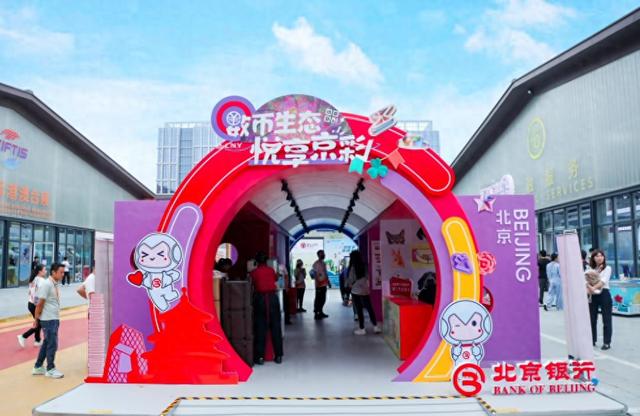
Core Viewpoint - The article highlights the growing popularity and innovative applications of digital RMB at the financial services exhibition, showcasing various engaging activities and promotions to encourage consumer adoption [1][3][7]. Group 1: Digital RMB Experience - The exhibition features an immersive 1,000 square meter area dedicated to digital RMB, allowing visitors to experience its payment convenience through various interactive setups [1]. - Banks are using promotional activities, such as one yuan coffee and blind box draws, to attract consumers to use digital RMB [3]. - A variety of engaging activities, including dart throwing and roulette, are incorporated by financial institutions to enhance the consumer experience with digital RMB [3]. Group 2: Collaborative Initiatives - Beijing Bank collaborates with cultural and culinary enterprises to create an immersive marketplace called "Digital Currency Kaleidoscope," offering activities like "Beijing" themed challenges and chances to win digital currency consumption red envelopes [3][5]. - The partnership between Hanglv Zongheng and Bank of Communications introduces a digital RMB red envelope activity, allowing users to redeem it for discounts on international flight tickets and other services [7]. Group 3: Technological Innovations - The Industrial and Commercial Bank of China (ICBC) and Meituan have developed a digital RMB prepaid card, addressing issues related to prepaid fund inquiries and refunds, ensuring payment security [7]. - ICBC has integrated digital RMB hard wallet acceptance across all 29 subway lines in Beijing, enhancing the convenience of public transport payments [7]. - Tencent is exploring cross-border payment scenarios for digital RMB, having completed "barcode interconnection" verification, allowing users to make payments in various environments using digital RMB [7].
本币跨境十五载 银企携手谱新篇 交通银行厦门分行亮相福建省跨境人民币十五周年活动
Jin Rong Shi Bao· 2025-09-11 03:10
Core Viewpoint - The event held on September 9, organized by the People's Bank of China Fujian Branch and Xiamen Branch, aimed to promote the development of cross-border RMB business and strengthen cooperation between banks and enterprises, marking the 15th anniversary of cross-border RMB policies in Fujian [1][3]. Group 1: Business Development and Performance - The cross-border RMB business of the Xiamen Branch of the Bank of Communications has shown a positive trend, with a total cross-border RMB payment amount increasing by 66.5% in 2024 compared to the previous year, and the payment amount under goods trade increasing by 20.21% year-on-year [1]. - As of August 2025, the proportion of cross-border RMB settlements under goods trade increased by 2.76 percentage points compared to the end of the previous year [1]. Group 2: Service Innovation and Client Support - The bank focuses on "customer needs" and "strategic orientation," enhancing services through a dual-track system of "experts + teams" to support the establishment of "first-time clients" for cross-border RMB [2]. - The bank has developed an online product matrix covering cross-border payments and trade financing, leveraging a multilateral central bank digital currency bridge to address traditional cross-border payment challenges such as speed, cost, and complexity [2]. - A comprehensive financial service agreement was signed with Xiamen Jiaseng Supply Chain Co., Ltd., providing tailored services in international financial settlement, exchange rate risk management, and digital finance to reduce transaction costs and enhance fund management efficiency [2]. Group 3: Future Directions and Strategic Goals - The successful signing of the cross-border RMB financial service agreement reflects the Xiamen Branch's commitment to supporting enterprises in cross-border development in alignment with national policies [3]. - The bank plans to continue following policy guidance, deepen product innovation, and enhance cooperation with enterprises to improve cross-border financial service levels and contribute to the high-quality development of local cross-border finance and the internationalization of RMB [3].