MEITUAN(03690)

Search documents
12家平台企业被约谈
中国能源报· 2026-03-23 12:50
Core Viewpoint - The article discusses the regulatory actions taken by Beijing's market supervision authorities against various online platforms for engaging in "involutionary" competition practices, highlighting the need for compliance and rectification to protect merchants' rights and consumer interests [1][3]. Group 1: Issues Identified - Platforms have infringed on merchants' autonomy by unilaterally enrolling them in promotional activities and enforcing minimum pricing without consent, leading to financial losses for merchants [4][5]. - Specific examples include Taobao Flash Sale modifying prices and activities without merchant agreement, resulting in significant revenue drops for merchants [6]. - Ctrip has been reported to automatically adjust hotel prices, pressuring hotels to comply with lowest price requirements, thus undermining their pricing authority [7]. Group 2: Unreasonable Rules - Some platforms have established unreasonable rules that impose additional burdens on merchants through penalties and restrictions, increasing operational challenges [9][10]. - Ctrip's "cutting customer" penalties have been criticized for being overly broad, penalizing hotels for legitimate customer interactions outside the platform [10]. Group 3: False Advertising - Platforms have engaged in misleading advertising practices that violate consumer rights, such as promoting paid services that falsely claim to enhance ticket purchasing success [12]. - Ctrip's misleading "thumbs up" symbol has been flagged for misrepresenting service quality, prompting regulatory guidance for its removal [13]. - Other platforms, like Gaode, have been noted for failing to update promotional indicators, misleading consumers about ongoing discounts [14]. Group 4: Compliance Management Shortcomings - Several platforms lack effective compliance management systems, leading to inadequate oversight and risk management [15][16]. - QuNar's compliance mechanisms have been criticized for being ineffective, lacking a dedicated management structure [16]. - JD's compliance management has been deemed insufficient, with unclear responsibilities and a need for improved operational effectiveness [17]. Group 5: Regulatory Actions and Future Directions - Regulatory authorities have issued administrative warnings to platforms, mandating strict adherence to responsibilities and timely rectification of identified issues [17]. - The authorities plan to continue monitoring and publicly reporting violations, focusing on platforms that fail to comply with rectification requirements [17].






北京三部门联合约谈12家平台企业 通报“内卷式”竞争第一批问题
YOUNG财经 漾财经· 2026-03-23 11:40
Core Viewpoint - Beijing's regulatory authorities have initiated a comprehensive rectification of "involutionary" competition among platform enterprises, focusing on issues such as infringement of merchants' rights, unreasonable rules, false advertising, and shortcomings in compliance management [1][3][8]. Group 1: Issues Identified - The first batch of issues identified includes the infringement of merchants' autonomy, where platforms modify merchant settings without consent and impose minimum pricing, leading to economic losses for merchants [3][4]. - Unreasonable rules have been set by some platforms, leveraging their dominant position to impose penalties and restrictions that increase the operational burden on merchants [4][5]. - False advertising practices have been reported, where platforms mislead consumers through deceptive promotional tactics, violating consumer rights [6][7]. Group 2: Compliance Management Shortcomings - Several platforms have been found to have ineffective compliance management systems, with unclear responsibilities and lack of actual implementation of compliance mechanisms [7][8]. - Specific examples include Qunar's lack of a functional compliance management organization and JD's outdated compliance structure, indicating a need for improvement in compliance practices [7][8]. Group 3: Regulatory Actions and Future Steps - Regulatory authorities have issued administrative warnings to platforms, mandating them to rectify identified issues and protect the rights of both merchants and consumers [8]. - The next steps involve ongoing monitoring and public reporting of violations, with a focus on creating a long-term prevention mechanism through multi-party consultations [8].

美团魏巍:中国消费者已在全球率先探索用AI体验世界美食
Ge Long Hui A P P· 2026-03-23 10:33
Core Insights - The 2026 Black Pearl Restaurant Guide for China, Hong Kong, Macau, and overseas regions was launched in Singapore, highlighting the growing trend of travel for dining experiences [1] - AI is enhancing decision-making efficiency in finding, researching, and booking restaurants abroad, with a nearly 20% increase in page views related to "overseas food/restaurants" during the 2026 Spring Festival compared to the pre-holiday period [1] - The new 2026 Black Pearl overseas list includes 135 restaurants across 7 cities, marking an 18.4% growth from the previous year, with Seoul being included for the first time [1] Company Developments - Meituan's Vice President and General Manager of the Dining Division, Wei Wei, emphasized that dining is a significant aspect of the new lifestyle of traveling for experiences [1] - The AI tool "Ask Xiaotuan" has become a new communication method between diners and restaurants, with 31.9% of interactions related to food scenarios [1] - Smart capabilities such as AI reception, reservations, queue management, and intelligent ordering are helping restaurants meet consumer demands more efficiently [1]
携程、去哪儿网、高德、京东、淘宝闪购、美团、飞猪旅行、同程旅行、途家民宿、小猪民宿、抖音、快手被约谈
新华网财经· 2026-03-23 10:20
Core Viewpoint - The article discusses the regulatory actions taken by Beijing's market supervision authorities against various online platforms for engaging in "involutionary" competition practices that harm merchants and consumers [1]. Group 1: Issues Identified - The main issues reported focus on four areas: infringement of merchants' autonomy, unreasonable rules, false advertising, and shortcomings in compliance management [3][7][9][13]. Group 2: Infringement of Merchant Autonomy - Some platforms have modified merchant settings without consent, forcing them into promotional activities and dictating pricing, which leads to financial losses for merchants and potential quality risks in goods and services [3]. - Example 1: Taobao Flash Sale unilaterally listed merchants' products in promotional events and altered prices without consent, resulting in significant revenue losses for merchants [4]. - Example 2: Ctrip used technical means to enforce minimum pricing on hotels, pressuring them to comply or face consequences such as reduced visibility on the platform [5][6]. Group 3: Unreasonable Rules - Certain platforms have established unfair rules that increase the operational burden on merchants through penalties and restrictions [7]. - Example 3: Ctrip's "cutting customer" rule penalizes hotels for directing customers away from the platform, even in legitimate scenarios, leading to unfair commission demands [8]. Group 4: False Advertising - Platforms have engaged in misleading advertising practices that violate consumer rights [9]. - Example 4: Third-party train ticket platforms misrepresented paid services as exclusive benefits, misleading consumers about their effectiveness [10]. - Example 5: Ctrip's misleading "thumbs up" symbol associated with certain hotels did not reflect actual service quality, prompting regulatory intervention [11]. - Example 6: Gaode failed to update promotional indicators post-campaign, misleading consumers about ongoing discounts [12]. Group 5: Compliance Management Shortcomings - Several platforms lack effective compliance management systems, leading to inadequate risk assessment and oversight [13]. - Example 7: Qu Nar's compliance mechanisms were found to be ineffective, lacking a structured approach to managing compliance risks [14]. - Example 8: JD's compliance management was criticized for not being updated dynamically, with unclear responsibilities [15]. Group 6: Regulatory Actions and Future Steps - Regulatory authorities have issued administrative warnings and mandated platforms to rectify identified issues, emphasizing the protection of merchants' and consumers' rights [15]. - The authorities plan to continue monitoring and addressing "involutionary" competition practices, ensuring platforms engage in fair competition and adhere to regulations [15].
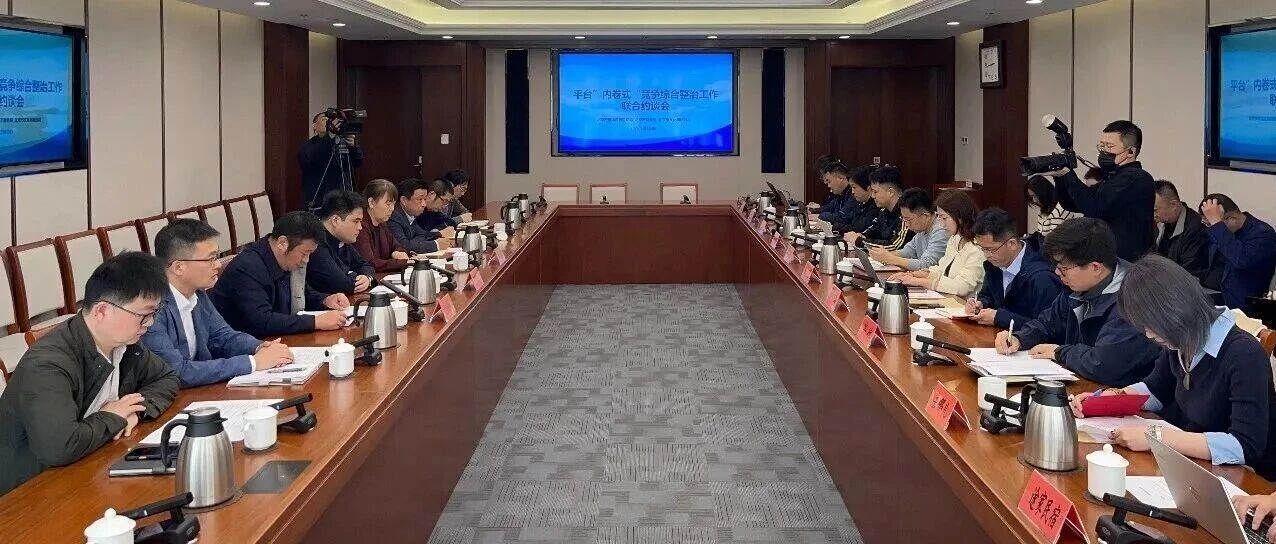
北京三部门约谈12家平台企业
券商中国· 2026-03-23 09:16
Core Viewpoint - The article discusses the regulatory actions taken by Beijing's market supervision authorities against various online platforms for engaging in "involutionary" competition practices that harm merchants and consumers, highlighting the need for compliance and fair competition in the market [1][14]. Group 1: Issues Identified - The main issues reported focus on four areas: infringement of merchants' autonomy, unreasonable rules set by platforms, false advertising practices, and shortcomings in compliance management systems [3][6][8][11]. Group 2: Infringement of Merchant Autonomy - Platforms have been found to modify merchant settings without consent, forcing them into promotional activities and dictating pricing, which leads to significant financial losses for merchants [3][4]. - A specific case involves Taobao Flash Sale, where merchants reported unauthorized price changes and promotional listings that resulted in them receiving only a fraction of their original prices, making it impossible to cover costs [4]. Group 3: Unreasonable Rules - Platforms like Ctrip have been criticized for imposing unreasonable rules that increase the operational burden on merchants, such as penalizing hotels for directing customers away from their platform [6][7]. - Ctrip's "cutting customer" rule was deemed unfair, as it penalized hotels for legitimate customer interactions outside the platform, prompting regulatory guidance for rule optimization [7]. Group 4: False Advertising - Instances of misleading advertising were noted, such as third-party train ticket platforms promoting paid services with exaggerated claims of success rates, misleading consumers about the benefits of their offerings [8][9]. - Ctrip's use of misleading "thumbs up" symbols to indicate hotel quality was also flagged, leading to regulatory intervention to eliminate such practices [10]. Group 5: Compliance Management Shortcomings - Several platforms, including Qunar and JD.com, were found to have ineffective compliance management systems, lacking clear responsibilities and failing to implement necessary compliance mechanisms [11][12]. - Regulatory authorities emphasized the need for these platforms to enhance their compliance frameworks to prevent future violations [12]. Group 6: Regulatory Actions and Future Steps - The market supervision authorities issued administrative warnings and mandated platforms to rectify identified issues, emphasizing the protection of merchants' and consumers' rights [14]. - Future actions will include ongoing monitoring of compliance, public reporting of violations, and the establishment of a collaborative mechanism for rule-making to ensure fair competition in the platform economy [14].
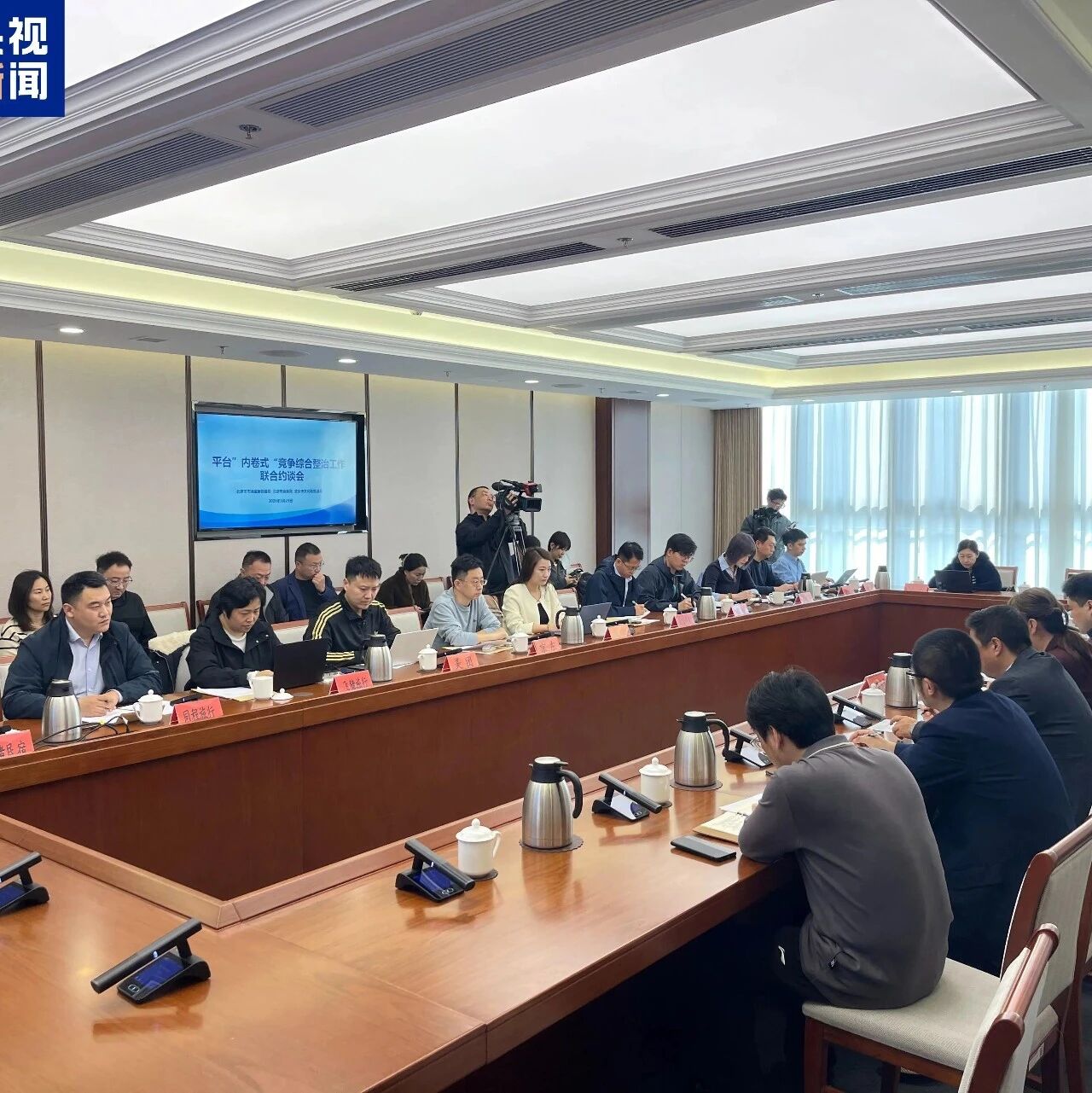
携程、去哪儿网、高德、京东、淘宝闪购、美团、飞猪旅行、同程旅行、途家民宿、小猪民宿、抖音、快手被约谈
21世纪经济报道· 2026-03-23 08:32
Core Viewpoint - The article discusses the regulatory actions taken by Beijing's market supervision authorities against various online platforms for engaging in "involutionary" competition practices that harm merchants and consumers [1][16]. Group 1: Issues Identified - The main issues reported focus on four areas: infringement of merchants' autonomy, unreasonable rules imposed by platforms, false advertising practices, and shortcomings in compliance management systems [3][6][11]. Group 2: Infringement of Merchant Autonomy - Platforms have been found to modify merchant settings without consent, forcing them into promotional activities and dictating pricing, which leads to significant financial losses for merchants [3][4]. - For instance, Taobao Flash Sale unilaterally listed products for promotional events, resulting in merchants receiving drastically reduced prices that do not cover their costs [4]. Group 3: Unreasonable Rules - Platforms like Ctrip have been reported to use technical means to enforce minimum pricing, pressuring hotels to comply or face penalties such as reduced visibility on the platform [5][7]. - Ctrip's "cutting customer" rules have been criticized for unfairly penalizing hotels for customer transactions that occur outside the platform, leading to additional financial burdens [7]. Group 4: False Advertising Practices - Third-party ticket sales platforms have been found to engage in misleading advertising, promoting services that falsely claim to enhance ticket purchasing success [8]. - Ctrip's misleading "thumbs up" symbols associated with certain hotels have been flagged for potentially deceiving consumers regarding service quality [9]. Group 5: Compliance Management Shortcomings - Several platforms, including Qunar and JD.com, have been noted for lacking effective compliance management systems, which has resulted in inadequate risk assessment and oversight of promotional activities [12][13][14]. - Regulatory authorities have emphasized the need for platforms to establish robust compliance mechanisms to prevent future violations [16]. Group 6: Regulatory Actions and Future Steps - The market supervision department has issued administrative warnings and mandated platforms to rectify identified issues within a specified timeframe [16]. - Ongoing efforts will focus on deepening the comprehensive rectification of "involutionary" competition, with a commitment to publicize violations and monitor compliance closely [16].
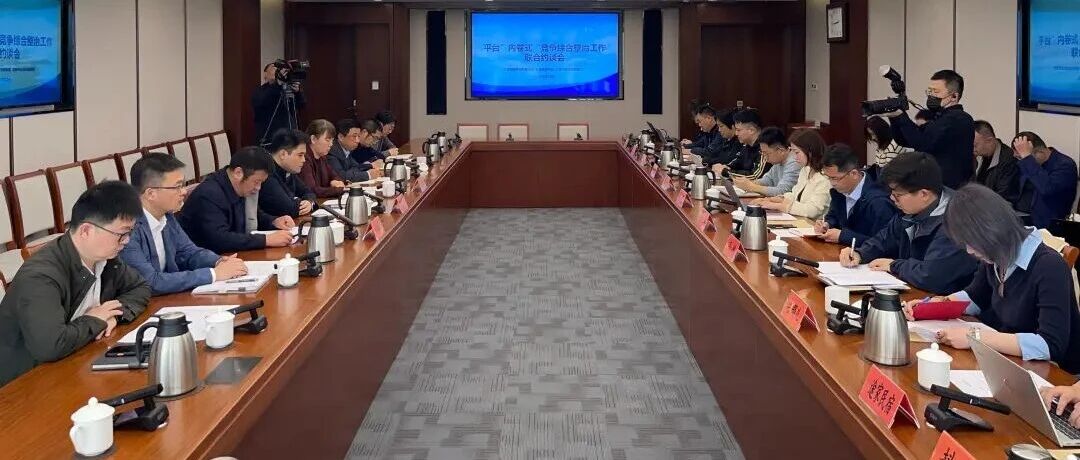
携程、去哪儿网、高德、京东、淘宝闪购、美团、飞猪旅行、同程旅行、途家民宿、小猪民宿、抖音、快手被约谈
财联社· 2026-03-23 08:20
Core Viewpoint - The article discusses the regulatory actions taken by Beijing's market supervision authorities against various online platforms for engaging in "involutionary" competition practices that harm merchants and consumers [1][16]. Group 1: Issues Identified - The main issues reported focus on four areas: infringement of merchants' autonomy, unreasonable rules set by platforms, false advertising practices, and shortcomings in compliance management systems [3][7][9][13]. Group 2: Infringement of Merchant Autonomy - Platforms have been found to modify merchant settings without consent, forcing them into promotional activities and dictating pricing, which leads to financial losses for merchants [3][4]. - For instance, Taobao Flash Sale unilaterally listed merchants' products in promotional events, resulting in significant revenue losses for merchants, with one merchant receiving only 2.58 yuan for a product originally priced at 19.8 yuan [4][5]. Group 3: Unreasonable Rules - Platforms like Ctrip have imposed unreasonable rules that increase the operational burden on merchants, such as penalizing hotels for directing customers away from the platform [7][8]. - Ctrip's "cutting customer" rule was criticized for misclassifying legitimate customer behavior, leading to unfair penalties for hotels [8]. Group 4: False Advertising - Platforms have been accused of misleading consumers through false advertising, such as promoting paid services that falsely claim to enhance ticket purchasing success [9][10]. - Ctrip's misleading "thumbs up" symbol was identified as a tactic to mislead consumers regarding service quality [11]. Group 5: Compliance Management Shortcomings - Several platforms, including Qunar and JD, were found to have ineffective compliance management systems, lacking clear responsibilities and mechanisms to address compliance issues [13][14][15]. - Regulatory authorities have mandated these platforms to enhance their compliance frameworks and rectify identified issues [15][16]. Group 6: Regulatory Actions and Future Steps - The market supervision departments have issued administrative warnings and set deadlines for platforms to rectify their practices, emphasizing the protection of merchants' and consumers' rights [16]. - Future actions will include ongoing monitoring of compliance and the establishment of a multi-party consultation mechanism to ensure fair practices in platform operations [16].
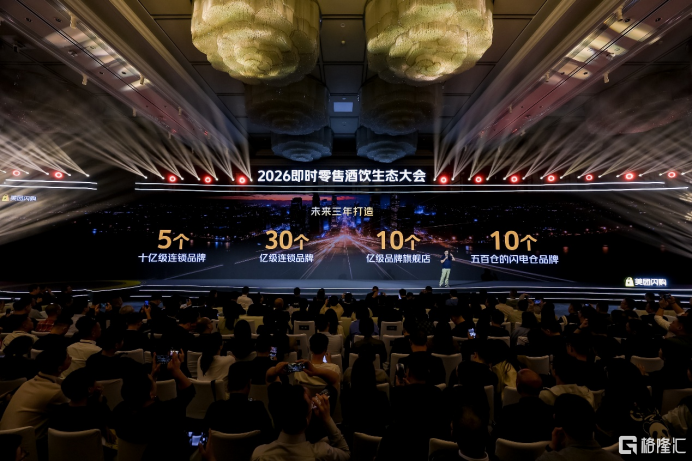
美团闪购发布酒饮行业稳增长助力计划:开放即时零售基建网络,助30个品牌获过亿增量
Ge Long Hui· 2026-03-23 08:02
Core Insights - The beverage industry is transitioning from a "business gifting" model to a "real consumer drinking" model, focusing on increasing consumer engagement and bottle opening rates [1][4] - Meituan Flash Purchase launched an Instant Retail Growth Support Plan aimed at enhancing the efficiency of the beverage supply chain and increasing consumer proximity [1][3] Group 1: Industry Trends - The beverage industry is experiencing a deep adjustment period, with a consensus on the need for growth through instant retail [4][10] - The China Alcoholic Drinks Association indicates that 80% of liquor production companies are maintaining or increasing their online presence despite industry challenges [4] - Instant retail is seen as a crucial strategy for addressing traditional channel pain points and matching consumer demands [3][4] Group 2: Meituan Flash Purchase Initiatives - Meituan Flash Purchase is opening a multi-layered instant retail infrastructure network to support various stakeholders in the beverage industry [4][5] - The company is providing tailored solutions for different participants, including official flagship stores for famous liquor brands and collective stores for distributors [5][6] - Enhanced marketing resources and flow support will be offered to help brands and merchants attract new customer segments [6][9] Group 3: Market Projections - The instant retail liquor market is expected to exceed 100 billion by 2027, driven by the integration of multiple business models [4][9] - Meituan Flash Purchase aims to assist 30 chain brands in achieving over 1 billion in instant retail growth within three years [9] - Data from Meituan Flash Purchase shows that 73% of instant retail orders are delivered to residential areas, indicating a shift in consumer drinking scenarios [7][9] Group 4: Strategic Partnerships - Leading liquor companies like Moutai and Qingdao Beer are embracing instant retail, marking a shift towards a full-channel growth strategy [9][10] - Moutai has already established an official flagship store on Meituan Flash Purchase, setting a benchmark for other brands [9][10] - The industry is moving towards a digital upgrade of offline stores, with instant retail being recognized as a strategic opportunity for defining the next generation of consumer scenarios [10]
资本市场周报(2026年第1期):美以伊冲突持续,全球资本市场表现如何?-20260323
Yin He Zheng Quan· 2026-03-23 07:41
Core Insights - The ongoing conflict in the Middle East, particularly the U.S.-Israel-Iran tensions, has led to increased risks in global energy supply and market volatility, resulting in a dual logic of "risk aversion" and "stagflation trading" in capital markets [5][7] - Brent crude oil prices surged to $108.65 per barrel, an increase of 8.15% from the previous week and 53.37% since the onset of the conflict [5][7] - Major global stock indices have faced downward pressure, with the U.S. dollar strengthening and gold prices declining by 10.49% [8] Global Capital Market Overview A-shares and Hong Kong Market Review - The Shanghai Composite Index closed at 3957.05, down 3.38% for the week, while the Hang Seng Index fell by 0.74% to 25277.32 [15][21] - The Shenzhen Component Index decreased by 2.90%, closing at 13866.20 [15] Overseas Market Review - The Dow Jones Industrial Average fell by 2.11% to 45577.47, while the S&P 500 and Nasdaq Composite dropped by 1.90% and 2.07%, respectively [23] - European indices such as the DAX and CAC40 saw declines of 4.55% and 3.11% [24] Global Bond Market Dynamics - The yield on the 10-year U.S. Treasury bond rose to 4.39%, reflecting market concerns over inflation driven by rising oil prices and geopolitical tensions [27] Major Currency Exchange Rates - The U.S. dollar strengthened against the Japanese yen, closing at 159.25, while the dollar to Chinese yuan exchange rate was 6.89 [29] Major Commodity Prices - Brent crude oil prices increased significantly, while gold prices fell to $4491.67 per ounce, down 10.49% from the previous week [30] Important Policy Developments - The People's Bank of China emphasized the need for high-level financial market openness, aiming to enhance investment convenience and cross-border regulatory cooperation [31] - The China Securities Regulatory Commission is working on improving the stability of the capital market, focusing on long-term capital inflows and enhancing the quality of listed companies [32] - A new liquidity support mechanism for non-bank financial institutions is being explored to prevent systemic financial risks [33] - Hong Kong's regulatory body has tightened controls on investment banking practices, limiting the number of active projects for sponsors to enhance project quality [37] - South Korea announced a ban on the spin-off of subsidiaries by listed companies to protect shareholder interests and improve market valuation [38]






陆家嘴财经早餐2026年3月23日星期一
Wind万得· 2026-03-22 22:54
Group 1 - Premier Li Qiang emphasized that China's competitive advantages come from deepening reforms and innovation, not subsidies or protectionism, and highlighted the importance of fair competition in the market economy [4] - Central Bank Governor Pan Gongsheng stated that the People's Bank of China will maintain a supportive monetary policy stance to create a favorable environment for stable economic growth and high-quality development [4] - The National Internet Emergency Center and the China Cybersecurity Association released security guidelines for the use of OpenClaw, providing recommendations for ordinary users and cloud service providers [5] Group 2 - The China Development Forum 2026 released multiple policy signals, indicating a focus on high-quality development and global economic stability [6] - The Chinese automotive industry achieved a significant milestone by surpassing Japan in global annual sales for the first time, with nearly 27 million vehicles sold [17] - The Ministry of Finance plans to increase public service spending and implement consumer-friendly policies to stimulate domestic demand, including a special fund of 100 billion yuan to promote consumption [9][10] Group 3 - The latest findings from the Ministry of Natural Resources revealed a significant increase in rare earth resources in Sichuan, with verified reserves totaling 9.67 million tons, marking an over 200% increase compared to previous estimates [18] - The launch of the "TERAFAB" chip manufacturing project by Tesla aims to achieve an annual production capacity of over 1 terawatt, with an estimated total investment of $20 billion [21] - Apple CEO Tim Cook announced continued support for innovation and education in China, pledging additional donations to a national vocational education pilot project [22]