XPENG-W(09868)

Search documents
美股三大指数集体高开,热门中概股开盘多数下跌,小鹏汽车跌超4%
Feng Huang Wang Cai Jing· 2026-01-05 14:42
凤凰网财经讯 1月5日,美股三大指数集体高开,道指涨0.26%,标普500指数涨0.61%,纳指涨0.92%。 加密货币概念股普涨,Coinbase Global, Inc.涨4.79%,IREN Ltd涨4.45%,Strategy涨4.38%,Hut 8 Mining Corp涨4.25%,Figure Technology Solutions涨2.66%,Circle Internet Corp.涨1.52%。 诺和诺德公司表示,其Wegovy®口服药丸是首款也是唯一一款用于成人减重的口服GLP-1,现已在美国 广泛销售。Wegovy药片现已广泛通过70,000+家美国药房(如CVS和Costco)、部分远程医疗服务商如 Ro、LifeMD和WeightWatchers、NovoCare 药房、GoodRx及其他平台广泛销售。 【Strategy披露增持1287枚比特币 并将其美元储备增加6200万美元】 公司消息 【特朗普政府要求美国石油公司投资委内瑞拉】 据美国《政治报》网站3日报道,美国白宫已要求美国各大石油公司对委内瑞拉大量投资,修复委内瑞 拉原油开采基础设施。报道称,有官员最近数周内告诉美国石 ...

汽车行业年度策略报告:汽车行业2026年十大趋势及投资策略-20260105
Guoyuan Securities· 2026-01-05 13:43
Core Insights - The report highlights that the Chinese automotive industry is entering the mid-to-late stage of the electric and intelligent transformation, characterized by the coexistence of traditional fuel vehicles, electric intelligent vehicles, and future industries represented by autonomous driving. This necessitates a layered and structured investment approach based on the different stages of these industry curves [2][3]. Trend Summaries Trend 1: Scrap Gap Provides Long-term Space, Trade-in Policies Expected to Normalize - The Chinese automotive market has stabilized at an annual sales level of 31 million units, with a substantial vehicle ownership base of 350 million units, laying the groundwork for future updates. The annual scrappage volume is still significantly lower than new car sales, leading to an expanding replacement gap. The "trade-in" policy is expected to evolve from a temporary stimulus to a normalized tool, enhancing the precision of policies to support domestic demand and industrial production [2][13][27]. Trend 2: New Forces Drive China's Automotive Exports to a New Structural Upgrade Stage - China's automotive exports have entered a high-growth phase, achieving several-fold growth over four years. The export structure has undergone profound changes, with a significant increase in the penetration of new energy vehicles. New force car manufacturers are enhancing China's brand premium and technological image in the global market through high-value product exports [2][30][34]. Trend 3: "Mass Market Pure Electric + High-end Range Extender" Trend Continues to Deepen - With the penetration rate of new energy vehicles surpassing 50%, market demand is showing structural differentiation. In the mass market under 200,000 yuan, the 800V high-voltage platform significantly improves charging efficiency, driving pure electric growth to outpace plug-in hybrids and range extenders. In the high-end market above 300,000 yuan, the "large battery long-range range extender" remains the mainstream solution for full-size SUVs/MPVs [2][3]. Trend 4: The "Late Mass Market" Phase Will Continue to Strengthen the Matthew Effect - The industry is transitioning from the "early mass market" to the "late mass market" phase, where consumers prioritize brand endorsement, after-sales support, and residual value certainty. This pragmatic user base favors mature brands and ecosystem capabilities, leading to a concentration of market resources towards leading technology firms [2][3]. Trend 5: Focus on State-owned Enterprises for Opportunities Around "Certainty + Cost-effectiveness" - Regulatory bodies are intensifying the separate assessment and market value management of state-owned enterprises' new energy businesses, driving resources towards electric intelligence. Major automotive groups are restructuring to shorten development cycles, accelerating the integration of intelligent configurations into mainstream price segments [2][3]. Trend 6: Growth of New Energy Heavy and Light Trucks Enters Acceleration Phase - The electrification of commercial vehicles has crossed a critical point, entering a self-driven growth phase. The total cost of ownership (TCO) for heavy trucks has dropped to a recovery period of 1.5-2 years, accelerating the replacement of fuel vehicles. The light truck sector is also maturing, with urban delivery electrification fully established [3][6]. Trend 7: High-perception Intelligent Cockpit Configurations Will Reshape Purchase Decisions - Intelligent cockpits have become a default configuration in new energy vehicles, with the importance of intelligent features in purchase decisions rising to the forefront. Consumers are focusing on visual and perceptible components, making HUDs, large LCD screens, and intelligent seating core differentiation battlegrounds [3][6]. Trend 8: Intelligent Driving Accelerates Along "End-to-End" and "Equal Rights" Paths - The intelligent driving architecture is transitioning to an "end-to-end" model, enhancing efficiency across the perception and decision-making chain. The continued acceleration of L3 policies provides opportunities for leading manufacturers to compete and iterate rapidly in high-level intelligent driving [3][6]. Trend 9: Three Major Autonomous Driving Commercialization Scenarios Approaching Explosive Growth - Robotaxi, mining autonomous driving, and unmanned logistics vehicles are moving from pilot projects to mass production. The cost advantages of unmanned logistics vehicles are becoming increasingly evident, with sales curves showing signs of exponential growth [3][6]. Trend 10: Embodied Intelligence Enters Pre-production Phase, Releasing a Second Growth Curve for the Automotive Manufacturing Industry - Humanoid robots are transitioning from hardware-driven to intelligent dual-core driven, with the automotive supply chain naturally adapting to this field. The synergy between embodied intelligence and the automotive industry is expected to create dual dividends in performance and valuation [3][6].



【整车主线周报】2026年以旧换新政策落地,景气度向上
东吴汽车黄细里团队· 2026-01-05 13:30
Investment Highlights - The automotive industry is expected to see a recovery in passenger vehicle demand in Q1 2026 due to the implementation of subsidy policies, with a focus on high-end electric vehicles and established export-oriented companies [3][4][5][34] - The heavy truck sector benefits from a new policy that maintains subsidy levels, with expectations of 800,000 to 850,000 units sold domestically in 2026, reflecting a 3% year-on-year increase [4][29][38] - The bus sector anticipates a slight increase in sales to 40,000 units in 2026, supported by the continuation of subsidy policies [4][28][38] - The motorcycle market is projected to grow, with total industry sales expected to reach 19.38 million units in 2026, a 14% increase year-on-year, driven by strong export growth [5][35] Passenger Vehicle Sector - The implementation of subsidy policies is expected to convert pent-up demand into sales, with a focus on companies less sensitive to policy changes, such as Jianghuai Automobile and high-end brands like Geely and Great Wall [3][34] - The domestic market is expected to prioritize stability, while exports will focus on companies with proven execution capabilities, such as BYD and Changan [3][34] Heavy Truck Sector - The new policy for heavy trucks has exceeded expectations, maintaining subsidy levels from 2025, which is anticipated to accelerate the rollout compared to previous years [4][29][38] - The domestic sales forecast for heavy trucks in 2026 is optimistic, with expectations of 80,000 to 85,000 units sold, reflecting a 3% increase year-on-year [4][29][38] Bus Sector - The bus sector's subsidy policy has also exceeded expectations, with sales projected to reach 40,000 units in 2026, a 5% increase year-on-year [4][28][38] - The market anticipates a continued push for electric buses, supported by government incentives [28][38] Motorcycle Sector - The motorcycle market is expected to see significant growth, particularly in the large-displacement segment, with total sales projected at 1.26 million units in 2026, a 31% increase year-on-year [5][35] - Exports are expected to rise significantly, with a forecast of 830,000 units in 2026, reflecting a 50% increase [5][35] Overall Market Outlook - The overall automotive market is projected to grow, with total industry sales expected to reach 19.38 million units in 2026, a 14% increase year-on-year [5][35] - The heavy truck and motorcycle sectors are particularly well-positioned for growth due to favorable policy environments and increasing export opportunities [4][5][35]





2025新势力生死局:“鸿零米”颠覆格局,“复活者”困战绝境
2 1 Shi Ji Jing Ji Bao Dao· 2026-01-05 12:27
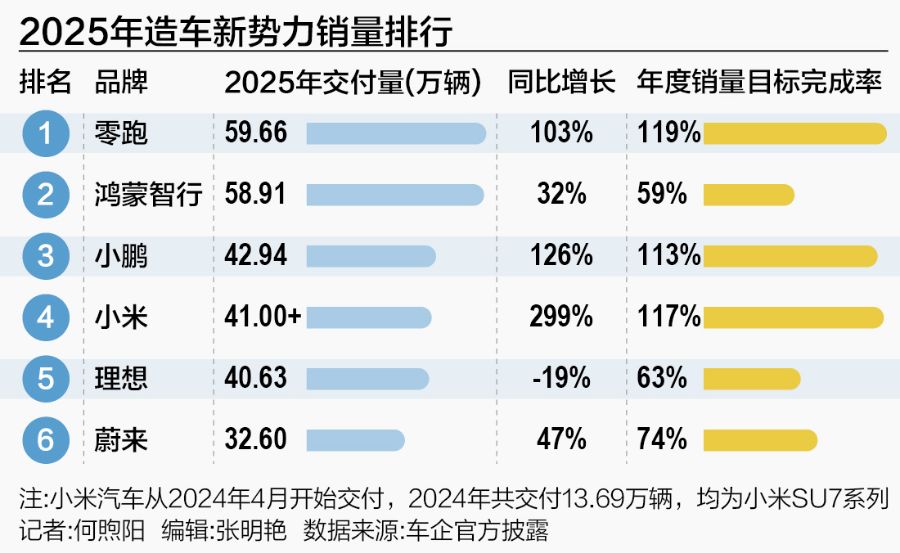
Core Insights - The 2025 new energy vehicle market has shown a stark polarization, with new players like "Honglingmi" (Hongmeng Zhixing, Leap Motor, Xiaomi) rapidly gaining market share while established companies face significant challenges [1][21] - The competition has intensified, leading to a survival battle among companies, with some thriving in the growing market while others struggle in the existing market [1] Group 1: Performance of New Players - "Honglingmi" has collectively disrupted the previous market structure dominated by "Weilai, Xiaopeng, and Ideal," reshaping the competitive landscape [2] - Leap Motor emerged as the biggest dark horse, achieving a delivery volume of 596,600 units in 2025, setting a new record for new energy vehicle sales [2][3] - Xiaomi's automotive division delivered over 410,000 units in its first full year, exceeding its annual target by 117% [4] Group 2: Strategies and Challenges - Leap Motor's success is attributed to its long-term commitment to in-house research and development, achieving a gross margin of 14%-15% while maintaining affordable pricing [3] - Xiaomi's strategy leverages its consumer electronics user base and aims to create an integrated ecosystem, although it faces challenges related to brand perception and safety incidents [6] - Leap Motor plans to achieve a sales target of 4 million vehicles by 2026, marking a significant ambition for future growth [3] Group 3: Struggles of Established Players - The former "big three" of new energy vehicles, "Weilai, Xiaopeng, and Ideal," are undergoing painful transformations, with Weilai and Ideal failing to meet their annual sales targets [7][13] - Xiaopeng has shown resilience, achieving a sales volume of 429,400 units in 2025, becoming the only one among the three to meet its annual target [8] - Weilai has shifted its focus back to core automotive operations, successfully launching popular models like the L90 and ES8 [12] Group 4: Market Exit and Revival Attempts - Neta Auto has faced severe challenges, entering bankruptcy restructuring due to operational failures and market competition [16][17] - WM Motor has announced a five-year restructuring plan but faces skepticism regarding its financial stability and ability to execute its revival strategy [18] - High-end brands like HiPhi and Jidu are struggling with funding and operational challenges, with their revival efforts facing significant obstacles [19][20] Group 5: Future Outlook - The competition in the new energy vehicle market is expected to intensify, with a focus on systemic capabilities becoming crucial for survival [21] - Companies that can balance technology development, product iteration, financial reserves, and operational efficiency will be better positioned in this competitive landscape [21]
那些从低往高端走的车企,谁破了“高端魔咒”?
Xin Lang Cai Jing· 2026-01-05 12:23
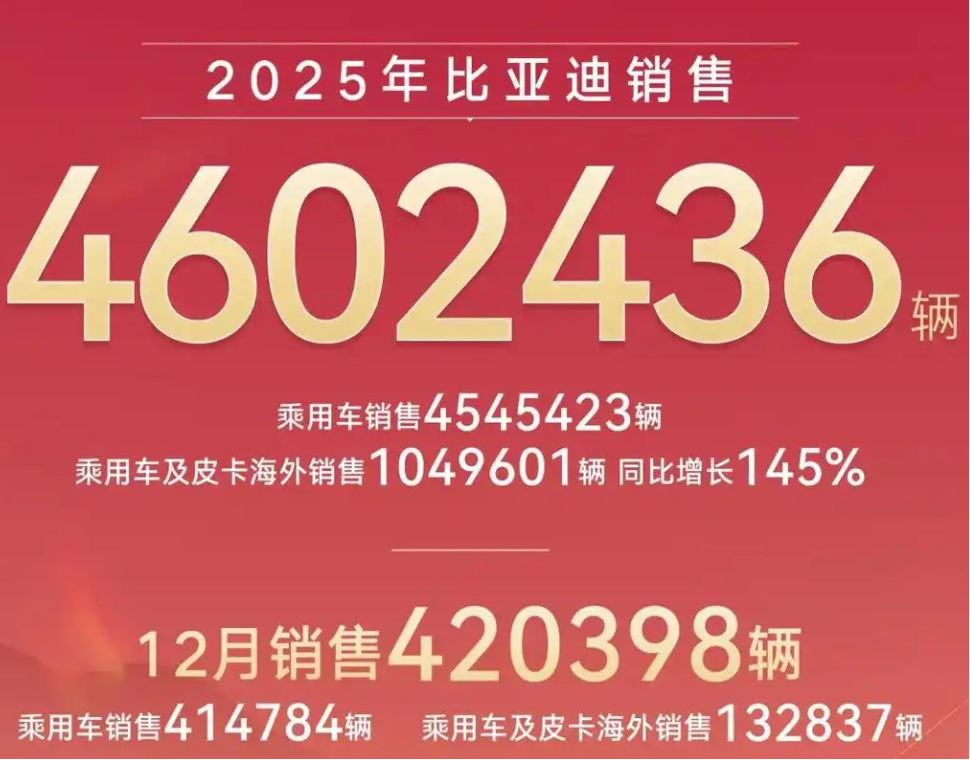
Core Insights - The automotive industry is experiencing a dichotomy between companies focusing on volume, like BYD, and those emphasizing quality, like Seres [1] - BYD's total sales in 2025 reached 4.6 million units, a year-on-year increase of 7.73%, with the Ocean and Dynasty series contributing 88% of total sales [1] - Seres' new car deliveries exceeded 420,000 units in 2025, marking a 9.25% year-on-year growth [1] Financial Performance - BYD's cumulative global sales for the first three quarters of 2025 reached 3.26 million units, up 18.64% year-on-year, with revenue of 566.27 billion yuan, a 13% increase, and a net profit of 23.33 billion yuan, down 7.55% [3] - In comparison, Seres sold 340,700 units in the first three quarters, with a year-on-year decline of 3.82% in new energy vehicle sales, generating revenue of 110.53 billion yuan and a net profit of 5.31 billion yuan, up 31.56% [3][6] Market Dynamics - BYD earns approximately 7,157 yuan per vehicle sold, while Seres earns about 15,591 yuan, indicating a significant difference in profitability per unit sold [6] - The high-end model "Wenjie" contributes 90% of Seres' revenue, highlighting the importance of premium offerings in the current market landscape [6] Consumer Behavior - Price sensitivity has been a primary driver for consumers in the electric vehicle market, with many opting for brands like BYD and Seres based on affordability [7][8] - The perception of value for money has become a key factor in consumer decision-making, as seen in the experiences of buyers who prioritize cost-effectiveness [8] Competitive Landscape - Brands like BYD and Seres are attempting to penetrate the high-end market, but face challenges in shifting consumer perceptions from low-cost to high-value offerings [15][18] - The strategy of simply increasing product specifications without addressing brand perception and service quality has proven ineffective in the high-end segment [18] Strategic Insights - Successful high-end brands like NIO and Wenjie have established a comprehensive value system that goes beyond product specifications, focusing on quality, service, and user experience [21][24] - The automotive industry is witnessing a shift where consumers are increasingly prioritizing quality and reliability over low prices, indicating a potential challenge for brands that rely heavily on cost competitiveness [27][29] Future Outlook - For brands like BYD to succeed in the high-end market, they must resolve the conflict between their low-cost heritage and the demands for high-end value, transitioning from a focus on selling products to selling value [29]



2025车市收官:零跑领跑新势力,比亚迪反超特斯拉
Xin Lang Cai Jing· 2026-01-05 11:45
Industry Overview - In October 2025, China's new energy vehicle (NEV) sales reached approximately 1.715 million units, accounting for 51.6% of total new car sales, marking a significant shift in the market dynamics [1][11] - By November 2025, the penetration rate of NEVs further increased to 53.2%, indicating a transition from niche to mainstream consumer choice [1][11] - The automotive market is expected to face challenges as multiple consumer stimulus policies are set to exit, leading to a return to a demand-supply driven seasonal operation [1][12] New Entrants and Performance - Leap Motor emerged as the top new force with 596,600 units delivered, surpassing competitors like NIO, Xiaopeng, and Hongmeng Zhixing [3][14] - Xiaopeng Motors delivered 429,400 units, while Li Auto and NIO delivered 406,300 and 326,000 units respectively, with NIO experiencing a significant sales boost in Q4 due to the new ES8 model [3][14] - Xiaomi Auto achieved over 410,000 units, exceeding its target of 350,000 units, and plans to challenge a target of 550,000 units in 2026 [6][16] Established Brands Performance - BYD sold 4.6024 million vehicles globally, achieving its target and becoming the world's top seller of pure electric vehicles with 2.26 million units sold, a 28% year-on-year increase [7][17] - Geely and Changan both met their sales targets, with Geely selling 3.0246 million vehicles and Changan reaching 2.913 million, with significant growth in their NEV segments [8][18] - Great Wall Motors and Chery reported sales of 1.3237 million and 2.6314 million units respectively, with Chery's sales boosted by its collaboration with Huawei [8][18] Market Dynamics and Future Outlook - The competition among new entrants and established brands is intensifying, with the market expected to undergo significant changes as policy support diminishes [1][12] - The automotive industry is preparing for a challenging 2026, with various companies adjusting their strategies to maintain competitiveness [1][12]

美股异动丨小鹏汽车盘前跌2.8% H股今日收跌4.6% 核心人物离职
Ge Long Hui· 2026-01-05 09:29
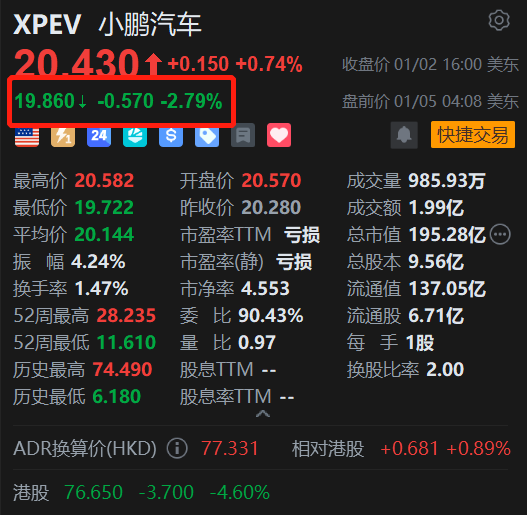
小鹏汽车港股今日收跌4.6%,带动小鹏汽车(XPEV.US)美股盘前跌2.8%。消息上,就在昨天,汽车圈曝 光一件大事,小鹏汽车副总裁、产品中心负责人陈永海正式离职。而他的岗位,暂时由总裁王凤英代 管。陈永海其实是何小鹏的老搭档,并且是整个小鹏产品体系的核心人物。有分析称,其实,陈永海的 离职,本质还是互联网行业与传统造车产业的冲突。 | XPEV 小鹏汽车 | | | | --- | --- | --- | | 20 430 + +0.150 +0.74% | | 收盘价 01/02 16:00 美东 | | 19.860 ↓ -0.570 -2.79% | | 盘前价 01/05 04:08 美东 | | 三 7 24 号 8 9 日 9 | | ● 快捷交易 | | 最高价 20.582 | 开盘价 20.570 | 成交量 985.93万 | | 最低价 19.722 | 昨收价 20.280 | 成交额 1.99亿 | | 平均价 20.144 | 市盈率ITM 亏损 | 总市值 195.28亿 (…) | | 振 幅 4.24% | 市盈率(静) 亏损 | 总股本 9.56亿 | | 换手率 1. ...
港股收评:脑机接口概念火爆!科技股分化,快手飙涨11%
Ge Long Hui· 2026-01-05 08:47
Market Overview - The Hong Kong stock market showed a narrow range of fluctuations on January 5, with the Hang Seng Index slightly up by 0.03%, the Hang Seng China Enterprises Index down by 0.22%, and the Hang Seng Tech Index up by 0.09% [1][2]. Sector Performance - Large tech stocks exhibited mixed performance, with Kuaishou surging by over 11%, while other notable stocks like Bilibili and Alibaba also saw gains of over 5% and 2%, respectively. Conversely, stocks like NetEase and Xiaomi fell by over 2% [2][4]. - The biotechnology sector was active, with companies like Rongchang Bio and Kelun-Bothai rising over 7%, and other firms like Fuhong Hanlin and Tigermed increasing by over 6% [7]. - The insurance sector saw strong gains, with China Pacific Insurance up over 6% and New China Life Insurance up over 5%. Analysts highlighted five key trends in the life insurance industry for 2026, including rapid growth in new business and a shift in customer demographics [8]. - The automotive sector faced declines, with Great Wall Motors dropping over 6% and NIO nearly 6%. Despite some brands achieving record sales in 2025, only a few met their annual sales targets [10]. Notable Stock Movements - Kuaishou's stock price reached 73.60 HKD, reflecting an increase of 11.09% with a market cap of 317.91 billion HKD [5]. - Nanjing Panda Electronics surged by nearly 40%, while Micron Brain Science and Brainhole Technology rose by nearly 20% and over 17%, respectively, following news of Neuralink's plans for large-scale production of brain-computer interface devices [6][4]. - The "three oil giants" saw significant declines, with China Petroleum and China National Offshore Oil Corporation both dropping over 3% due to geopolitical tensions and OPEC+ decisions [9]. Capital Flows - Southbound funds recorded a net inflow of 18.723 billion HKD, with the Shanghai-Hong Kong Stock Connect contributing 9.809 billion HKD and the Shenzhen-Hong Kong Stock Connect contributing 8.914 billion HKD [12]. Future Outlook - Goldman Sachs recommends overweighting Chinese stocks, predicting a 15% to 20% annual increase in the Chinese stock market for 2026 and 2027. Guosen Securities also sees potential in the market driven by a weaker US dollar and improved domestic liquidity in the spring of 2026 [15].
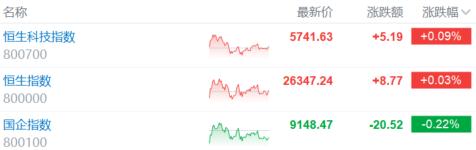
港股收盘,恒指收涨0.03%,科指收涨0.09%。快手(01024.HK)涨超11%,蔚来汽车(09866.HK)跌约6%,小鹏汽车(09868.HK)跌超4%。


Jin Rong Jie· 2026-01-05 08:44
港股收盘,恒指收涨0.03%,科指收涨0.09%。快手(01024.HK)涨超11%,蔚来汽车(09866.HK)跌约 6%,小鹏汽车(09868.HK)跌超4%。 ...
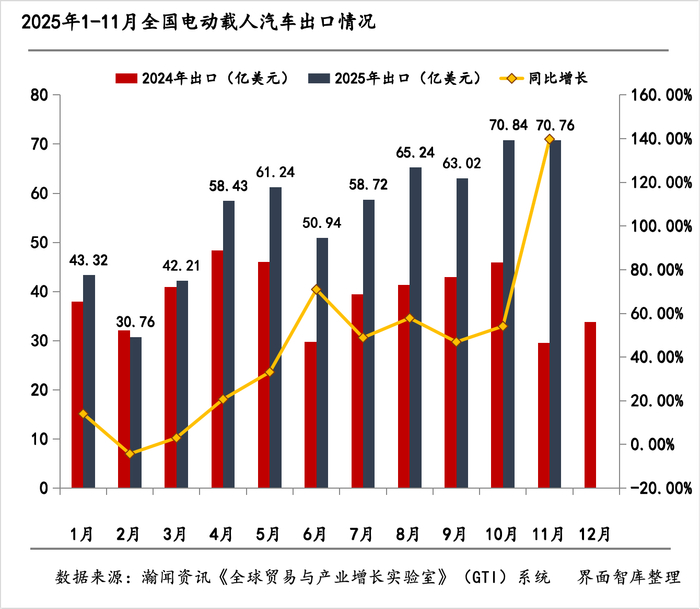
电动载人汽车出海月报|11月出口额同比飙升140%,全球市场加速渗透
Xin Lang Cai Jing· 2026-01-05 08:41
Core Insights - The export of electric passenger vehicles from China has seen a significant surge, with November exports reaching $7.076 billion, a year-on-year increase of 139.83% and a month-on-month decrease of 0.11% [1][5] - Cumulatively, from January to November, the total export volume reached 3.3731 million units, marking a year-on-year growth of 63.59% [5] Export Performance - In November, the export volume of electric passenger vehicles was 399,400 units, a year-on-year increase of 144.93% and a month-on-month increase of 6.52% [1][5] - The average export price for electric passenger vehicles in November was $17,715.65, reflecting a year-on-year decrease of 2.08% [5] Market Segmentation - The passenger car segment dominated the export market, accounting for 99.73% of the total export volume with 398,300 units exported, a year-on-year increase of 146.12% [2][7] - The average price for pure electric passenger vehicles increased by 6.11%, while the average price for plug-in hybrid vehicles decreased by 24.40% [2][7] Regional Export Dynamics - Shanghai, Jiangsu, and Anhui were the top three provinces for electric vehicle exports, with export amounts of $13.341 billion, $7.366 billion, and $6.747 billion respectively [10] - The top ten provinces accounted for 85.58% of the total national electric vehicle exports [10] Export Destinations - Belgium was the largest export destination with $6.180 billion, followed by the UK at $5.488 billion and the UAE at $3.773 billion [17] - The top ten destinations collectively accounted for 53.86% of the total export amount [17] Growth in Emerging Markets - North America showed a remarkable year-on-year growth of 404.36%, with exports rising from $1.66 million to $8.36 million [21] - South America also demonstrated significant growth, with exports reaching $499 million, a year-on-year increase of 248.76% [21] Industry Trends - Chinese automakers are enhancing their overseas production capabilities through joint ventures and local manufacturing [21][24] - Technological innovation and cross-industry collaboration are driving the evolution of the electric vehicle sector, with companies like Xpeng and GAC collaborating with tech firms [24]