CMBC(600016)

Search documents
征信知识进企业夯实诚信发展根基 民生银行潍坊诸城支行开展征信宣传进企业活动
Qi Lu Wan Bao· 2025-09-22 09:38
Core Viewpoint - The article highlights the initiative by Minsheng Bank's Weifang Zhucheng branch to promote credit awareness among local enterprises, emphasizing the importance of building a robust credit system to enhance the business environment and support economic development [1][2]. Group 1: Event Overview - The series of promotional activities themed "Empowering Credit, Promoting Integrity" was organized to deliver credit knowledge directly to enterprise managers and employees [1]. - The initiative aims to advocate the concept of "valuing credit records and accumulating credit wealth," fostering a culture of integrity within enterprises [1]. Group 2: Educational Activities - During the event, bank staff employed various promotional methods, including one-on-one explanations and distributing informational materials, to educate employees about credit concepts and the significance of credit records [2]. - Real-life case studies were used to illustrate the severe consequences of overdue repayments and defaults, highlighting the long-term value of maintaining a good credit record [2]. Group 3: Focus on Financing - The bank staff specifically addressed concerns regarding financing and credit assessment, explaining how credit reports are evaluated during loan approvals [2]. - Guidance was provided on how enterprises can accumulate quality credit assets through proper financial management and timely repayments, which can lead to more efficient access to financial support and reduced financing costs [2]. Group 4: Engagement and Future Plans - The event saw active participation from employees, who raised questions about credit card usage, mortgage approvals, and credit repair, indicating a strong demand for credit knowledge [2]. - Minsheng Bank's Weifang Zhucheng branch plans to continue innovating service models and conducting diverse financial knowledge dissemination activities to further promote the "Empowering Credit, Promoting Integrity" concept [2].

金融知识赶大集,守护“钱袋子”:民生银行东营广饶支行积极开展金融教育活动
Qi Lu Wan Bao· 2025-09-22 09:38
Core Points - The article highlights the efforts of Minsheng Bank's Dongying Guangrao branch in promoting financial literacy among rural residents through a consumer protection awareness campaign [1][2] - The campaign focuses on educating the elderly about preventing telecom fraud, safeguarding personal information, and understanding basic financial knowledge [1] - The initiative received positive feedback from the community, indicating its effectiveness in enhancing financial literacy [2] Group 1 - The campaign titled "Protect Your 'Wallet'" aims to raise awareness about telecom fraud, personal information security, and basic financial concepts among rural residents [1] - Bank staff analyzed common fraud cases, such as telecom scams and impersonation, advising the public to remain vigilant and cautious [1] - The campaign also included educating the elderly on identifying counterfeit currency and using mobile payment methods, bridging the digital divide [2] Group 2 - The bank plans to expand its consumer protection awareness initiatives and establish a long-term mechanism for financial education [2] - The event was well-received by villagers, reflecting a strong community interest in improving financial literacy [2] - The overall goal is to support the stable and healthy development of the regional economy through enhanced financial knowledge [2]
民生银行(01988) - 2025 - 中期财报
2025-09-22 09:30
(於中華人民共和國註冊成立的股份有限公司) 股份代號:01988 中期報告 2025 年中期報告 重要提示 本行董事會、監事會及董事、監事、高級管理人員保證半年度報告內容的真實性、準確性、完整性,不存在虛 假記載、誤導性陳述或重大遺漏,並承擔個別和連帶的法律責任。 本半年度報告於2025年8月29日由本行第九屆董事會第十四次會議審議通過。會議應到董事15名,現場出席 董事9名,電話或視頻連線出席董事5名,委託出席董事1名,趙鵬董事因個人事項安排,委託梁鑫傑董事出席併表 決。本行6名監事列席本次會議。 本行半年度財務報告未經審計。 本行董事長高迎欣、行長王曉永、主管會計工作負責人李彬和會計機構負責人張蘭波聲明:保證本半年度報告 中財務報告的真實、準確、完整。 根據2024年年度股東會決議及授權,董事會審議通過2025年度中期利潤分配方案:以利潤分配股權登記日本行 總股數為基數,向本行全體股東每10股派發現金股利人民幣1.36元(含稅)。 除特別說明外,本半年度報告所載財務數據及指標為本集團合併數據,貨幣金額以人民幣列示。 本半年度報告中涉及未來計劃等前瞻性陳述不構成本行對投資者的實質承諾,投資者及相關人士均應當 ...
民生银行济南市中支行反诈宣传进社区,守护群众钱袋子
Qi Lu Wan Bao· 2025-09-22 09:29
为进一步提升社区居民的金融安全意识,增强防范电信诈骗能力,切实保护群众财产安全,近日,民生 银行济南市中支行联合济南市市中区某社区居委会,共同开展"反诈宣传进社区 守护群众钱袋子"主题 宣传活动。通过知识讲座、案例解析、互动问答等形式,向社区居民普及电信诈骗的常见手段及防范技 巧,吸引百余名居民参与,获得广泛好评。 活动现场,民生银行济南市中支行工作人员针对老年人、家庭主妇等易受骗群体,结合真实案例,深入 浅出地讲解了"冒充公检法""网络刷单返利""虚假投资理财""AI换脸诈骗"等高发骗局的作案手法及防范 要点。 为增强宣传效果,该支行还特别准备了宣传折页,内容涵盖"反诈口诀""应急处理流程""举报渠道"等实 用信息,并现场发放200余份。社区居民王阿姨表示:"以前总觉得诈骗离自己很远,今天听了这些案例 才发现陷阱无处不在。以后遇到可疑情况,我一定先和银行或家人核实,绝不轻易转账!" 该支行负责人表示,此次活动是该行践行"金融为民"理念、履行社会责任的具体实践。未来,该支行将 持续推进反诈宣传常态化。此次活动不仅提升了社区居民的防骗意识和能力,也彰显了民生银行济南市 中支行在守护群众财产安全方面的积极作为。下 ...
民生银行济南唐冶支行:上门服务暖人心
Qi Lu Wan Bao· 2025-09-22 09:29
Core Viewpoint - The article highlights a case where Minsheng Bank's Jinan Tangye Branch provided exceptional emergency service to an elderly customer in need, showcasing the bank's commitment to accessible and compassionate financial services for vulnerable groups [1] Group 1: Emergency Response - Upon receiving a distress call from a family member of an elderly customer, the Jinan Tangye Branch quickly activated an emergency plan, sending a service team equipped with mobile operating devices to the hospital [1] - The team traveled several dozen kilometers to reach the hospital, demonstrating the bank's dedication to customer service [1] Group 2: Service Innovation - The bank's approach involved extending traditional banking services beyond physical branches, allowing for on-site identity verification, password reset, and account unlocking directly in the hospital room [1] - This innovative service model aims to prevent delays in medical treatment for customers with mobility issues, reflecting the bank's commitment to providing warm and responsible financial services [1] Group 3: Future Commitment - Minsheng Bank's Jinan Tangye Branch plans to continue enhancing its services to reach more special groups, ensuring that vulnerable customers receive timely and effective support [1]
民生银行东营知味谷社区支行开展“吹响消保金号角”宣传活动
Qi Lu Wan Bao· 2025-09-22 09:29
Core Viewpoint - The event organized by Minsheng Bank's Dongying Zhiweigu Community Branch successfully combined financial education with physical activities, engaging over 50 families in a unique learning experience that promotes financial literacy among children and parents [1][2]. Group 1: Event Overview - The "Blow the Horn for Consumer Protection Fund" financial education campaign featured a blend of financial knowledge dissemination and physical competitions, allowing over a hundred parents and children to learn together through interaction [1]. - The event broke traditional financial promotion models by integrating one-on-one financial knowledge explanations with fun physical competitions, facilitating a subtle transfer of financial knowledge during parent-child interactions [1]. Group 2: Educational Approach - Bank staff engaged with each family face-to-face, using relatable examples and simple language to explain basic financial concepts, addressing questions like "Why save money?" and "How to identify genuine RMB?" [1]. - Colorful brochures and physical demonstrations were prepared to help children intuitively understand the concept and value of currency [1]. Group 3: Parent-Child Interaction - The event emphasized joint participation of parents and children, with parents actively involved in both the financial learning and physical competition segments, enhancing family bonds and effectively transmitting financial knowledge [2]. - Many parents expressed that the innovative format was enjoyable for children and beneficial for themselves, highlighting the success of the dual education model [2]. Group 4: Future Initiatives - The event represents a positive attempt by Minsheng Bank to fulfill its social responsibility and innovate financial services, with plans to explore more community-oriented activities that align financial education with residents' needs [2]. - The bank aims to contribute to improving public financial literacy and building a harmonious financial environment through these initiatives [2].
民生银行潍坊诸城支行:保障金融权益 助力美好生活
Qi Lu Wan Bao· 2025-09-22 09:29
在重点人群服务方面,该支行特别关注老年人、青年群体等金融脆弱人群,通过案例剖析、情景模拟等 方式,揭露虚假宣传、非法中介等常见诈骗手法。引导公众树立正确的金融消费观念,通过正规渠道选 择金融产品,自觉抵制高息诱惑,守好"钱袋子"。 本次宣传周活动成效显著,累计发放宣传折页八十余份,覆盖客户一百余人次。民生银行潍坊诸城支行 将以此次宣传周为契机,持续践行"以人民为中心"的理念,推动金融教育工作常态化、精准化,让金融 知识走进千家万户,为构建和谐金融环境、助力美好生活贡献民生力量。 为深入贯彻落实国家金融监督管理总局及总分行关于开展2025年金融教育宣传周活动的统一部署,民生 银行潍坊诸城支行以"保障金融权益 助力美好生活"为主题,自9月15日起全面启动金融知识普及系列活 动,多措并举提升市民金融素养和风险防范能力,彰显金融企业社会责任。 在厅堂阵地宣传方面,支行精心打造金融知识宣传专区,通过主题展架、折页手册、电子屏滚动播放等 多种形式,普及防范电信诈骗、识别非法金融广告、理性投资理财等实用知识。大堂经理和客服专员化 身金融知识宣讲员,通过典型案例讲解,帮助客户树立理性消费观念,增强自我保护意识。生动有趣的 短 ...
保障金融权益 助力美好生活 民生银行潍坊青州支行开展金融知识宣传进社区活动
Qi Lu Wan Bao· 2025-09-22 09:29
Group 1 - The core theme of the financial knowledge promotion activity is "Protecting Financial Rights and Supporting a Better Life" aimed at enhancing financial literacy and risk awareness among community residents [1] - The event was well-prepared with promotional materials such as banners, display boards, and brochures, creating an engaging atmosphere that attracted many residents [2] - The bank staff employed differentiated strategies for various age groups, focusing on common scams for the elderly and promoting rational consumption and borrowing for the younger demographic [2] Group 2 - The activity included practical demonstrations for the elderly on using mobile banking for basic transactions, helping them access convenient financial services [2] - The bank staff provided clear explanations on personal information protection and safe card usage, emphasizing the importance of safeguarding personal data in financial transactions [2] - The bank plans to continue its mission of "Serving the Public and Caring for Livelihoods" by increasing financial knowledge dissemination through diverse promotional activities in various community settings [3]
股份制银行板块9月22日跌0.63%,浦发银行领跌,主力资金净流入1.64亿元
Zheng Xing Xing Ye Ri Bao· 2025-09-22 08:47
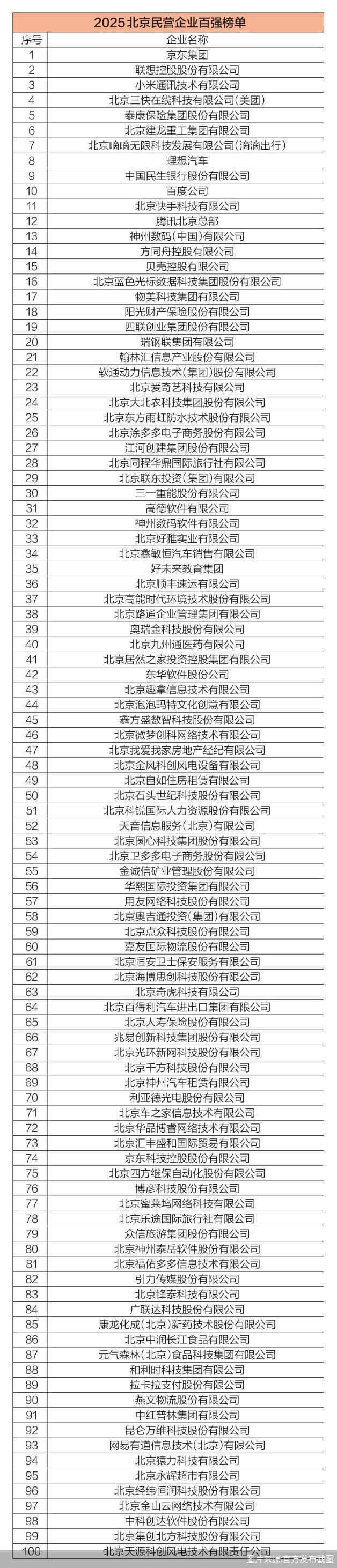
Market Performance - On September 22, the share price of the joint-stock bank sector fell by 0.63%, with Pudong Development Bank leading the decline [1] - The Shanghai Composite Index closed at 3828.58, up 0.22%, while the Shenzhen Component Index closed at 13157.97, up 0.67% [1] Individual Bank Performance - Citic Bank closed at 7.39, down 0.14% with a trading volume of 358,600 shares and a transaction value of 266 million yuan [1] - China Merchants Bank closed at 40.92, down 0.20% with a trading volume of 656,100 shares and a transaction value of 2.688 billion yuan [1] - Minsheng Bank closed at 4.04, down 0.25% with a trading volume of 2.3409 million shares and a transaction value of 946 million yuan [1] - Everbright Bank closed at 3.45, down 0.29% with a trading volume of 1.7881 million shares and a transaction value of 617 million yuan [1] - Huaxia Bank closed at 6.77, down 0.59% with a trading volume of 492,100 shares and a transaction value of 334 million yuan [1] - Ping An Bank closed at 11.38, down 0.61% with a trading volume of 596,400 shares and a transaction value of 680 million yuan [1] - Zhejiang Commercial Bank closed at 3.01, down 0.66% with a trading volume of 1.0164 million shares and a transaction value of 307 million yuan [1] - Industrial Bank closed at 20.13, down 0.79% with a trading volume of 522,200 shares and a transaction value of 1.056 billion yuan [1] - Pudong Development Bank closed at 12.54, down 2.11% with a trading volume of 491,800 shares and a transaction value of 620 million yuan [1] Capital Flow Analysis - The joint-stock bank sector experienced a net inflow of 164 million yuan from institutional investors, while retail investors saw a net inflow of 118 million yuan [1] - However, speculative funds had a net outflow of 282 million yuan [1] Detailed Capital Flow for Individual Banks - China Merchants Bank had a net inflow of 324 million yuan from institutional investors, but a net outflow of 214 million yuan from speculative funds [2] - Huaxia Bank saw a net outflow of 1.172 million yuan from institutional investors, but a net inflow of 385,400 yuan from speculative funds [2] - Citic Bank experienced a net outflow of 639,310 yuan from institutional investors and a net outflow of 176,290 yuan from speculative funds [2] - Industrial Bank had a net outflow of 1.297 million yuan from institutional investors and a net outflow of 36.539 million yuan from speculative funds [2] - Ping An Bank faced a net outflow of 1.862 million yuan from institutional investors, while retail investors contributed a net inflow of 1.607 million yuan [2] - Zhejiang Commercial Bank had a net outflow of 1.953 million yuan from institutional investors, but a net inflow of 1.398 million yuan from retail investors [2] - Everbright Bank saw a net outflow of 2.857 million yuan from institutional investors, with a net inflow of 4.665 million yuan from retail investors [2] - Pudong Development Bank had a net outflow of 3.323 million yuan from institutional investors, but a net inflow of 5.201 million yuan from retail investors [2] - Minsheng Bank experienced a net outflow of 4.007 million yuan from institutional investors, while retail investors contributed a net inflow of 4.548 million yuan [2]






北京民企百强榜发布:数字经济与高端制造占比近七成,研发投入成突围关键
Bei Jing Shang Bao· 2025-09-22 07:41
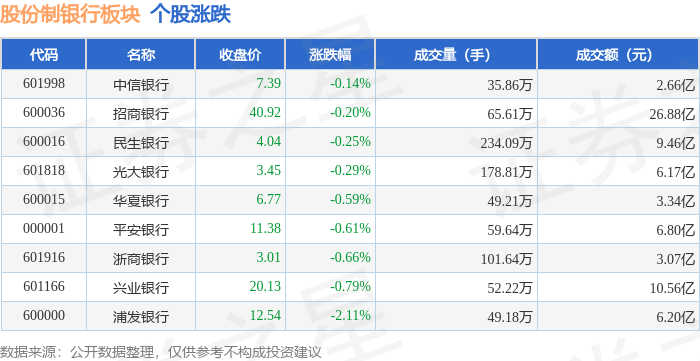
Core Insights - The 2025 Beijing Top 100 Private Enterprises list highlights the significant role of digital economy and high-end manufacturing, with 68% of the top companies in these sectors [1][8] - The total revenue of the top 100 enterprises reached 5.26 trillion yuan, a year-on-year increase of 12.27%, while total assets reached 15.02 trillion yuan, up 6.6% [1] - The average R&D investment intensity of the top technology innovation enterprises was 9.47%, indicating a strong focus on technological development [2][8] Group 1: Overall Performance - The threshold for entry into the top 100 increased to over 5 billion yuan, reflecting a year-on-year growth of 7.5% and a cumulative growth of 38.6% over five years [1] - The total revenue of the top 100 enterprises has grown significantly, with a total of 5.26 trillion yuan, marking a historical high [1] - The total assets of these enterprises also reached a record high of 15.02 trillion yuan, showing a 183.4% cumulative growth over five years [1] Group 2: Technology Innovation - The top 100 technology innovation enterprises reported a total revenue of 2.46 trillion yuan, a year-on-year increase of 33.79%, and a profit of 136.04 billion yuan, up 20.54% [2] - R&D expenditures for these enterprises totaled 174.27 billion yuan, with an average R&D investment intensity of 9.47% [2] - The focus on technology innovation is evident, with 40% of enterprises forming mature "cultural tourism +" integration models and 86% exploring new cultural business formats [2] Group 3: Cultural Industry - The cultural industry top 100 enterprises achieved a total asset of 680.45 billion yuan, a remarkable year-on-year growth of 77.17% [2] - Their total revenue reached 420.08 billion yuan, with a profit of 43.59 billion yuan, both showing significant increases [2] - High-tech services have become the main revenue driver for the cultural industry, indicating a deep integration of culture and technology [2] Group 4: Specialized and Innovative Enterprises - The specialized and innovative top 100 enterprises reported a total revenue of 75.56 billion yuan and a net profit of 9.73 billion yuan [3] - A significant number of these enterprises (97) rely on self-developed core technologies, and 76 are involved in collaborative innovation models [3] - They filed 3,579 domestic patent applications, with over 72% being invention patents, showcasing their innovation capabilities [3] Group 5: Investment and Social Responsibility - The report introduced outstanding investment cases and social responsibility examples for the first time, with strategic investments making up 65% of the total [7] - A total of 1,475 enterprises participated in the social responsibility survey, with 244 submitting cases, and 35 recognized for their efforts [7] - The surveyed enterprises contributed 12.39 billion yuan to rural revitalization initiatives [7]