CM BANK(600036)

Search documents
招商银行(03968.HK):江朝阳董事任职资格获得核准
Ge Long Hui· 2025-10-28 09:20
格隆汇10月28日丨招商银行(03968.HK)发布公告,招商银行收到《国家金融监督管理总局关于江朝阳招 商银行董事任职资格的批复》(金复[2025]606号)。根据上述批复,江朝阳招商银行董事的任职资格 已获得核准。江朝阳担任公司股东董事(非执行董事)的任期自核准日2025年10月24日起生效,至公司 第十三届董事会届满之日止。 ...
招商银行(03968) - 关於董事任职资格核准的公告
2025-10-28 09:14
香港交易及結算所有限公司及香港聯合交易所有限公司對本公告的內容概不負責,對其準確性 或完整性亦不發表任何聲明,並明確表示,概不對因本公告全部或任何部份內容而產生或因倚 賴該等內容而引致之任何損失承擔任何責任。 CHINA MERCHANTS BANK CO., LTD. (於中華人民共和國註冊成立的股份有限公司) (H股股票代碼:03968) 關於董事任職資格核准的公告 招商銀行股份有限公司(「本公司」或「招商銀行」)收到《國家金融監督管理總局關 於江朝陽招商銀行董事任職資格的批覆》(金覆[2025]606號)。根據上述批覆,江 朝陽先生招商銀行董事的任職資格已獲得核准。 江朝陽先生擔任本公司股東董事(非執行董事)的任期自核准日2025年10月24 日起生效,至本公司第十三屆董事會屆滿之日止。截至本公告日期,江朝陽先 生擔任招商局金融控股有限公司副總經理,其持有本公司144,300股A股。江 朝陽先生的簡歷及其他相關信息請參閱刊登在香港交易及結算所有限公司網站 ( www.hkex.com.hk )和本公司網站( www.cmbchina.com )的日期為2025年5月30日 之本公司2024年度股東大會通 ...
卖超50亿元!公募FOF何以火爆?
Guo Ji Jin Rong Bao· 2025-10-28 00:43
Core Insights - The public fund FOF (Fund of Funds) named Huatai Bairui Yingtai Stable 3-Month Holding sold out on its launch day, achieving a scale of over 5 billion yuan [1][3][5] - The strong sales of public FOFs are largely attributed to robust distribution channels, particularly through China Merchants Bank [1][8] - The current low-interest-rate environment has created opportunities for multi-asset allocation, making FOF products more appealing to investors [1][7] Fund Details - Huatai Bairui Yingtai Stable 3-Month Holding is a mixed-type FOF with a balanced investment strategy, limiting equity investments to no more than 30% of the fund's assets, while focusing on bond funds as core underlying assets [5] - The fund's manager is Dou Xiaoman, and it was initially set to raise funds from October 23 to October 31 but closed early on October 23 due to high demand [3][5] Market Trends - In October alone, three FOFs have been established with scales exceeding 2 billion yuan, all distributed through China Merchants Bank [1][8] - A total of 11 FOFs have been established this year with scales over 1 billion yuan, with the highest exceeding 6.5 billion yuan [8] - The TREE Changying Plan by China Merchants Bank has been instrumental in promoting these FOF products, providing a one-stop asset allocation solution [8]


易方达恒生港股通汽车主题交易型开放式指数证券投资基金基金份额发售公告
Shang Hai Zheng Quan Bao· 2025-10-27 21:45
Group 1 - The fund is named "E Fund Hang Seng Hong Kong Stock Connect Automotive Theme ETF" and is classified as an open-ended index fund [28][29] - The fund will be available for subscription from November 3, 2025, to November 28, 2025, with both online and offline cash subscription options [2][31] - The maximum fundraising limit for the fund is set at 2 billion RMB, excluding interest and subscription fees [5][9] Group 2 - Investors must have a Shenzhen Stock Exchange A-share account or a securities investment fund account to subscribe to the fund [3][45] - The subscription fee for the fund will not exceed 0.80% of the subscription amount [4][33] - The fund aims to closely track the performance of the Hang Seng Hong Kong Stock Connect Automotive Theme Index, minimizing tracking deviation and error [29][22] Group 3 - The fund's investment target is to invest at least 80% of its non-cash assets in the index constituents and at least 90% of its net asset value [22][29] - The fund will consist of 40 constituent stocks, selected based on market capitalization and relevance to the automotive theme [15][16] - The fund will utilize a market capitalization weighting method for its index [18]
新规抬高门槛 两家中小银行退出基金托管
Zhong Guo Jing Ying Bao· 2025-10-27 11:36
Core Viewpoint - The recent regulatory changes in the fund custody sector have significantly raised the entry barriers, leading to a reduction in the number of institutions applying for custody qualifications, with only two remaining after withdrawals from Guangzhou Bank and Chengdu Rural Commercial Bank [1][2]. Group 1: Regulatory Changes - The upcoming "Fund Custody New Regulations" will increase the entry requirements for fund custody businesses, focusing on net assets, regulatory ratings, and operational capabilities [1][2]. - Specific requirements include a minimum net asset of 30 billion yuan for securities companies and 50 billion yuan for commercial banks, along with a regulatory rating of at least level 2 or A class over the past three years [2]. Group 2: Market Dynamics - The fund custody market is expected to experience a "Matthew Effect," where larger institutions will dominate, as they currently manage approximately 80%-90% of public and private securities investment funds [4]. - The new regulations will further solidify the market position of major banks and a few securities companies, pushing smaller institutions to seek differentiated paths to survive [4][5]. Group 3: Institutional Challenges - Smaller financial institutions face structural challenges such as weak capital replenishment capabilities, limited technology and risk control investments, and insufficient customer bases [2][4]. - The new regulation includes a clause that cancels custody qualifications for institutions with less than 5 billion yuan in custody for 36 consecutive months, which may lead to the natural exit of less competitive players [4]. Group 4: Strategic Recommendations - Smaller banks are advised to focus on niche markets and develop tailored services, such as regional market engagement and specialized fund services [5]. - Investment in core custody systems is essential for improving operational efficiency and attracting technology-sensitive asset management institutions [5].


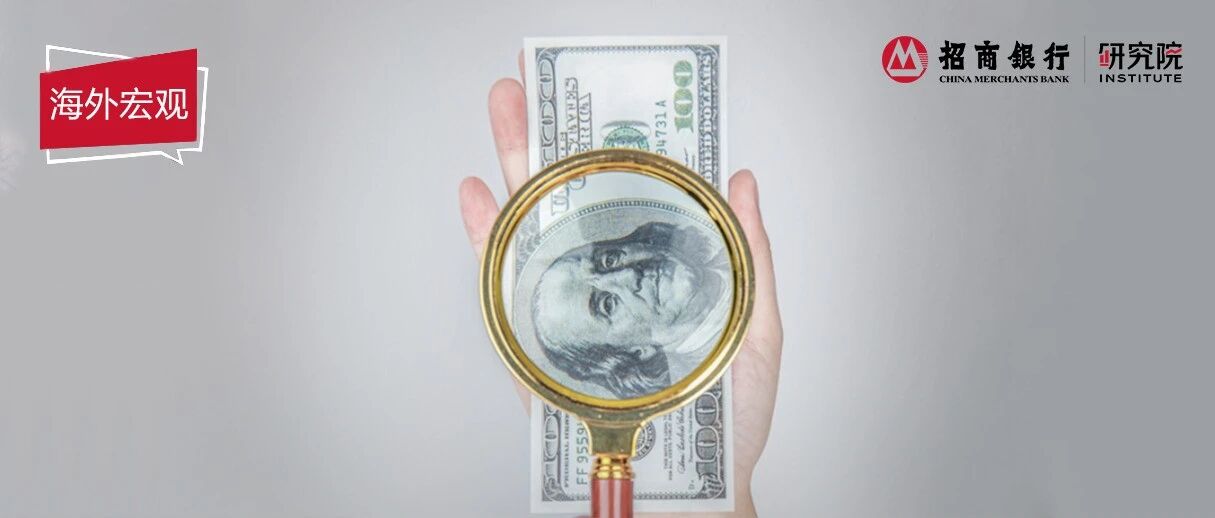
【招银研究|海外宏观】通胀低于预期,年内降息持续——美国CPI通胀数据点评(2025年9月)
招商银行研究· 2025-10-27 10:05
Core Viewpoint - The article discusses the recent U.S. CPI inflation data for September, which was lower than market expectations, indicating a lack of immediate inflation concerns and suggesting a smooth path for potential interest rate cuts by the Federal Reserve [1][6][15]. Group 1: Inflation Data Analysis - The U.S. CPI year-on-year growth rate increased to 3.0%, while the month-on-month growth was 0.3%, both below market expectations [1]. - Core CPI year-on-year growth slowed to 3.0%, with a month-on-month increase of 0.2%, also underperforming market forecasts [1]. - Strong inflation components are seen as temporary, while weak components appear more sustainable, indicating limited risk of a significant inflation rebound in the short term [6][15]. Group 2: Factors Influencing Inflation - Oil prices and tariffs are expected to push inflation higher in the short term, but international oil prices are not trending upward, and the impact of tariffs is diminishing [4]. - The automotive and housing markets are contributing to lower inflation, with indicators showing both sectors are weakening, which may lead to further softening of related inflation components [4][10]. - Employment remains under pressure, and the wage-price spiral does not support a rebound in inflation [4]. Group 3: Federal Reserve Interest Rate Outlook - The Federal Reserve is expected to cut rates by 25 basis points in both October and December, bringing the policy rate down to a range of 3.5% to 3.75% by year-end [4][15]. - The market has already priced in the rate cut expectations, leading to potential rebound risks for U.S. Treasury yields and the dollar [5][16]. Group 4: Market Reactions and Strategies - The article notes that the U.S. dollar overnight interest rate curve indicates a strong likelihood of rate cuts, with the 10-year Treasury yield remaining stable around 4.00% [16]. - The stock market has responded positively, with major indices reaching historical highs, reflecting investor confidence amid the anticipated rate cuts [16]. - A cautious approach to "rate cut trades" is advised, as the market may have fully priced in the rate cut expectations, limiting further declines in Treasury yields [5][17].
股份制银行板块10月27日跌0.37%,中信银行领跌,主力资金净流出12.42亿元
Zheng Xing Xing Ye Ri Bao· 2025-10-27 08:25
Market Overview - The share price of the joint-stock bank sector decreased by 0.37% compared to the previous trading day, with CITIC Bank leading the decline [1] - The Shanghai Composite Index closed at 3996.94, up 1.18%, while the Shenzhen Component Index closed at 13489.4, up 1.51% [1] Individual Bank Performance - The closing prices and performance of individual banks are as follows: - Everbright Bank: 3.53, unchanged - Pudong Development Bank: 12.97, down 0.08% - Zhejiang Commercial Bank: 3.09, down 0.32% - Ping An Bank: 11.52, down 0.35% - Huaxia Bank: 6.98, down 0.57% - Minsheng Bank: 4.09, down 0.73% - Industrial Bank: 20.43, down 0.83% - China Merchants Bank: 41.59, down 0.86% - CITIC Bank: 7.84, down 1.26% [1] Capital Flow Analysis - The joint-stock bank sector experienced a net outflow of 1.242 billion yuan from main funds, while speculative funds saw a net inflow of 673 million yuan, and retail investors had a net inflow of 568 million yuan [1] - Detailed capital flow for individual banks shows: - Minsheng Bank: Main funds net inflow of 74.6 million yuan, speculative funds net inflow of 50.8 million yuan, retail net outflow of 12.5 million yuan - Huaxia Bank: Main funds net outflow of 2.83 million yuan, speculative funds net inflow of 27.7 million yuan, retail net outflow of 24.9 million yuan - Zhejiang Commercial Bank: Main funds net outflow of 24.3 million yuan, speculative funds net inflow of 17.2 million yuan, retail net inflow of 7.1 million yuan - Everbright Bank: Main funds net outflow of 38.3 million yuan, speculative funds net inflow of 35.7 million yuan, retail net inflow of 2.6 million yuan - CITIC Bank: Main funds net outflow of 106 million yuan, speculative funds net inflow of 45.8 million yuan, retail net inflow of 60.4 million yuan - Ping An Bank: Main funds net outflow of 117 million yuan, speculative funds net inflow of 48.2 million yuan, retail net inflow of 69.3 million yuan - Industrial Bank: Main funds net outflow of 131 million yuan, speculative funds net inflow of 104 million yuan, retail net inflow of 26.7 million yuan - Pudong Development Bank: Main funds net outflow of 137 million yuan, speculative funds net outflow of 106 million yuan, retail net inflow of 24.3 million yuan - China Merchants Bank: Main funds net outflow of 759 million yuan, speculative funds net inflow of 450 million yuan, retail net outflow of 309 million yuan [2]





行业深度报告:零售风险及新规影响有限,兼论信贷去抵押化
KAIYUAN SECURITIES· 2025-10-27 05:44
Investment Rating - The investment rating for the industry is "Positive" (maintained) [1] Core Insights - The report highlights that retail non-performing loan (NPL) rates and generation rates are currently high, indicating ongoing pressure on bank profitability. Despite a low overall NPL rate, the retail sector shows signs of risk, with a marginal increase in the NPL rate to 1.28% [14][15] - The transition period for new risk regulations is nearing its end, with concerns about the impact on banks' provisioning levels. However, the report suggests that the actual impact may be less severe than market expectations [16] - The trend of de-collateralization in bank lending is evident, driven by both business characteristics and strategic choices made by banks to reduce reliance on collateralized loans [17] Summary by Sections 1. Retail NPL and Generation Rates - The retail NPL rate has increased to 1.28%, with a steepening curve indicating ongoing risk. The generation rate for retail loans remains high, with significant increases noted in certain banks [14][18] - The report indicates that while the overall NPL rate is low, the divergence between overdue and NPL indicators suggests underlying risks in the retail sector [19] 2. Impact of New Risk Regulations - The new risk regulations will require banks to classify impaired loans as NPLs, potentially increasing reported NPL rates. However, the report anticipates that the actual provisioning pressure may be manageable [16][17] 3. De-Collateralization in Lending - The report notes a significant decline in the proportion of collateralized loans, with banks shifting towards non-collateralized lending strategies. This shift is influenced by the need to manage risk more effectively [17][18] 4. Investment Recommendations - The report recommends certain state-owned banks due to their customer base advantages and manageable retail risk pressures. It also highlights specific banks such as CITIC Bank and Agricultural Bank of China as beneficiaries of this trend [6]


【宝藏】个人养老金也玩“自动驾驶”?这样做,自动攒出“第二份退休金”
招商银行App· 2025-10-27 03:07
Core Viewpoint - The article introduces the "Personal Pension Default Investment Service" by China Merchants Bank, which aims to simplify the process of saving and investing for personal pensions, allowing users to automatically contribute and invest their funds while benefiting from tax savings [2][4]. Group 1: Service Overview - The Personal Pension Default Investment Service helps users save and invest automatically, ensuring a hassle-free approach to building retirement wealth [4]. - Users can set up automatic contributions on a monthly or annual basis, with a recommended minimum monthly contribution of 1,000 yuan [2][5]. - The service includes automatic investment in selected funds after each contribution, such as the E Fund Zhongzheng Kechuang Chuangye 50 Fund, which has shown a 44.50% fluctuation since its inception [2][5]. Group 2: Tax Benefits - Participants can save up to 5,400 yuan annually in taxes, calculated based on a maximum contribution of 12,000 yuan at a 45% personal income tax rate [6][11]. - The article emphasizes that the tax savings are subject to individual circumstances and should be verified through the personal income tax app [6][11]. Group 3: Flexibility and Control - Users have the flexibility to adjust their investment plans at any time, ensuring that their retirement planning remains under their control [5][10]. - The service is designed to be user-friendly, allowing for easy setup and management through the China Merchants Bank app [10].

银行股三季报陆续披露 多家银行业绩均有改善 银行业净息差或企稳(附概念股)
Zhi Tong Cai Jing· 2025-10-27 02:12
Core Viewpoint - The A-share listed banks are expected to show overall revenue and net profit growth in the third quarter of 2025, with improvements in asset quality and a narrowing decline in net interest margins [1][2][3]. Group 1: Financial Performance - Huaxia Bank reported operating income of 64.881 billion yuan, a year-on-year decrease of 8.79%, and net profit attributable to shareholders of 17.982 billion yuan, down 2.86%, with a narrowing decline of 5.09 percentage points compared to the first half of the year [1]. - Chongqing Bank achieved operating income of 11.740 billion yuan, a year-on-year increase of 10.40%, and net profit of 5.196 billion yuan, up 10.42% [2]. - Ping An Bank reported operating income of 100.668 billion yuan, a year-on-year decrease of 9.8%, and net profit of 38.339 billion yuan, down 3.5%, with a narrowing decline compared to the first half of the year [2]. Group 2: Market Trends - Ten banks have seen shareholding increases from shareholders and executives this year, indicating a positive outlook for the banking sector amid macroeconomic stabilization and easing monetary policy [3]. - Analysts expect cumulative revenue and net profit for listed banks in the first three quarters of 2025 to grow by 0.4% and 1.1% year-on-year, respectively, driven by a narrowing decline in net interest margins and reduced credit costs [3]. Group 3: Interest Margin Outlook - Zhongtai Securities suggests that the net interest margin for banks may stabilize in the third quarter due to reduced re-pricing pressure on assets and a greater decline in deposit rates compared to the Loan Prime Rate (LPR) [4]. - The projected increase in net interest margin for the third and fourth quarters is 0.7 basis points and 0.3 basis points, respectively, indicating stability in the banking sector [4]. Group 4: Related Stocks - Goldman Sachs reported that the A-shares and H-shares of major banks have recorded absolute returns of 12% and 21% year-to-date, driven by improvements in asset quality and narrowing declines in net interest margins [5]. - Ping An Insurance increased its stake in Postal Savings Bank, acquiring 6.416 million shares at an average price of 5.3638 HKD per share [6].