
BOB(601169)

Search documents
在数千家企业中 寻找穿越周期的商业力量
Jing Ji Guan Cha Bao· 2025-11-27 03:31
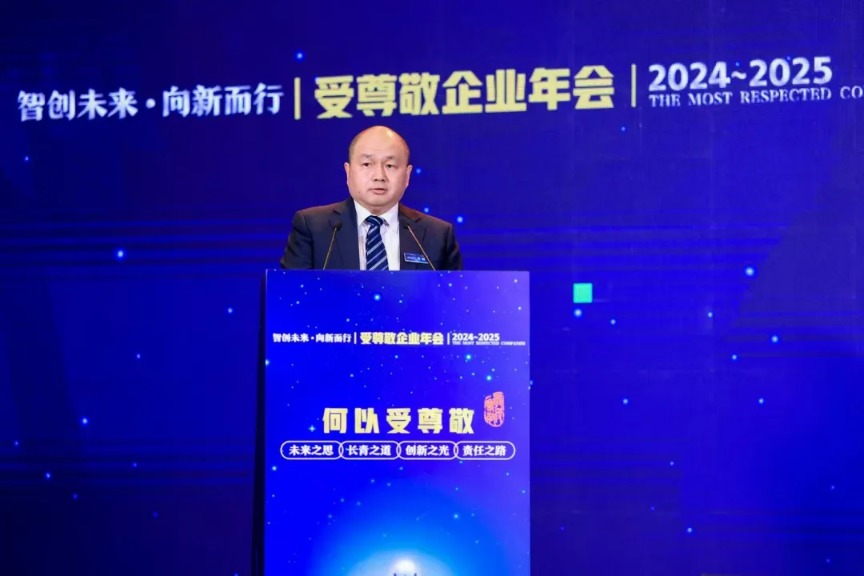
Core Insights - The conference held by Economic Observer focused on how Chinese enterprises can align with national strategies and innovate to overcome challenges in the digital economy and new production forces [1][2] - The honored companies were selected based on extensive research across thousands of enterprises and key industries, emphasizing their significant impact on China's economy and society [1] - The event highlighted the importance of high-quality development and the role of respected enterprises in driving growth across various sectors, particularly in high-end manufacturing and hard technology [1][2] Group 1: Respected Enterprises - The "2024-2025 Respected Enterprises" and "Respected Leading Enterprises" were recognized for their contributions to the economy, social trust, and innovation [1] - Notable companies included Anta, BYD, Huawei, JD.com, Meituan, Qingdao Beer, China Ping An, and China Feihe, reflecting a diverse range of industries from consumer goods to technology [1] - Companies like Haier Smart Home, Tianqi Lithium, and Prologis China were acknowledged for their special contributions in their respective fields [1] Group 2: Role of Enterprises in Society - Enterprises are seen as vital components of the market economy, contributing not only to economic growth but also to addressing social issues and creating value [2] - The concept of "respected" enterprises now includes a focus on long-termism and the overall welfare of stakeholders, beyond just shareholder returns [2] Group 3: Innovation and Quality - High-quality products and services are fundamental to the reputation of respected enterprises, reflecting their management capabilities and ethical standards [6] - The need for a supportive environment for innovation, including tolerance for failure and encouragement of strategic investments, is emphasized [5] Group 4: Financial Sector Insights - Beijing Bank reported significant growth in technology and green loans, indicating a commitment to supporting the real economy [8] - China Ping An highlighted the transformative potential of AI in the financial sector, focusing on customer-oriented strategies and the integration of advanced technologies [12] Group 5: Regulatory Environment - The importance of antitrust compliance in enhancing product quality and driving industries towards higher standards was discussed [13] - Antitrust laws are seen as catalysts for innovation and quality improvement, helping to eliminate market stagnation caused by monopolistic practices [13] Group 6: Future Outlook - The development of new productive forces through technological self-reliance and innovation is identified as a strategic foundation for enterprises [18] - China's advancements in computing infrastructure and AI technology are expected to disrupt various industries and create new growth opportunities [18]





北京银行股份有限公司关于赎回优先股的第三次提示性公告
Zhong Guo Zheng Quan Bao - Zhong Zheng Wang· 2025-11-27 03:03
Redemption Announcement - The company plans to fully redeem 49 million shares of preferred stock, with a total scale of RMB 4.9 billion, on December 11, 2025 [1][5]. Redemption Price - The redemption price will include the face value of the preferred stock plus any declared but unpaid dividends [2]. Redemption Date - The redemption will occur on the dividend payment date for the preferred stock, which is December 11, 2025 [3]. Payment Method - Payment will be made to preferred shareholders on December 11, 2025, covering the face value and dividends accrued from December 11, 2024, to December 10, 2025 [4]. Approval and Procedures - The board of directors has the authority to handle all matters related to the redemption, and the redemption plan has been approved by the relevant regulatory authority [5].
经济热力站丨三年数字化转型路,北京银行重新定义商业银行竞争力
Bei Ke Cai Jing· 2025-11-26 12:41
叠加科技创新后的数字经济浪潮,把"要不要转型"的单选题,变成了"转得够不够快"的抢答题。在北京顺义区马坡,一片占地188亩的"数字金融绿洲",也 许正悄然改写着未来银行新范式。 这里是北京银行顺义科技研发中心——"数字京行"的策源地,7×24小时不间断运转,支撑着北京银行各项业务的稳定运行。 2022年,北京银行正式吹响数字化转型冲锋号,提出三年行动规划,以数字化转型推动跨越式发展。这场转型的实际成效如何?具体有哪些落地应用?近 日,由北京市委网信办主办、新京报贝壳财经承办的"京彩不设限・经济热力站"月度主题走访活动给出了最佳观察窗口。北京银行顺义科技研发中心作为重 要站点,迎来了12家市属新闻网站、财经类网站记者及4家财经领域网络大V,让外界得以零距离触摸其数字化转型的鲜活实践。 服务3200万客户背后的"数字兵法" 数字化转型的最终目标是提升客户体验与经营效率。目前,北京银行的零售客户数突破3200万户,如何服务好这些客户群体,同时还能进一步扩规模、促增 长,答案就是——数字化运营。 在零售业务领域,来自北京银行软件开发中心零售基础与渠道研发团队副主管周兵介绍,该行沉淀总结了一套数字化运营的体系框架——C ...
三年数字化转型路,北京银行重新定义商业银行竞争力
Xin Jing Bao· 2025-11-26 12:41
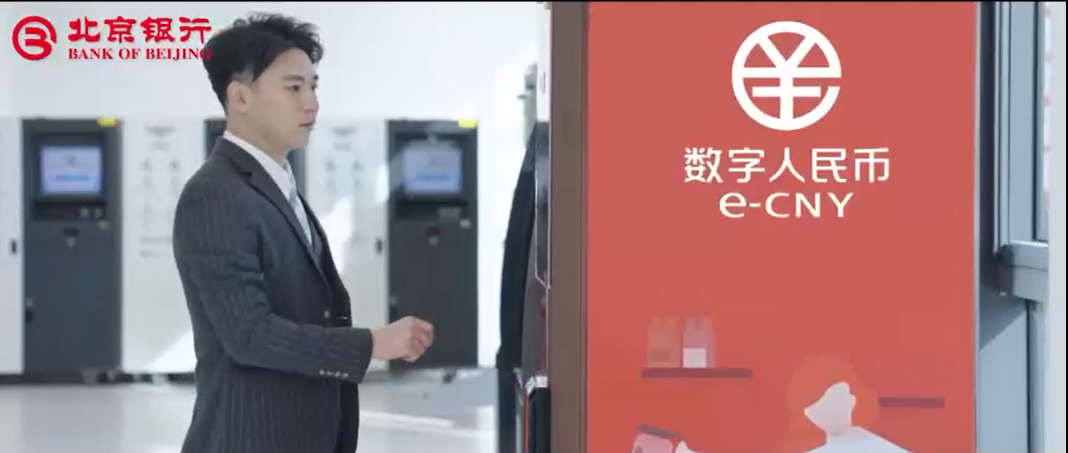
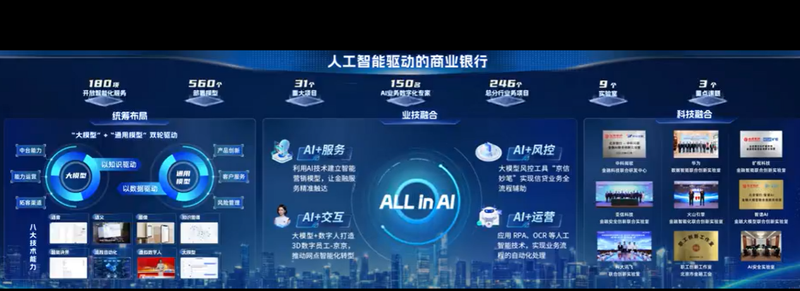
Core Viewpoint - The digital transformation of Beijing Bank is not just about whether to transform, but about how quickly it can adapt to the digital economy wave driven by technological innovation [1] Group 1: Digital Transformation Strategy - Beijing Bank launched a three-year action plan in 2022 to drive leapfrog development through digital transformation [1] - The bank's digital operation framework, CPCT R, aims to enhance customer insights and provide differentiated services through digital tools [2] - The bank's digital transformation is entering its 2.0 phase, focusing on customer-centric, value-creating, and AI-driven operations [10] Group 2: Retail and Corporate Banking Innovations - Beijing Bank serves over 32 million retail customers, utilizing digital channels such as mobile banking, which has nearly 20 million users and over 7.5 million monthly active users [2] - The corporate banking sector has developed a digital financial technology service capability system consisting of 75 physical systems, covering core scenarios like deposits, loans, and payments [3] - The bank has implemented an AI and big data-driven "smoke index" warning system for risk management, with over 300 warning signal rules [3] Group 3: Digital Currency and AI Integration - Beijing Bank is a pioneer in digital currency, having established capabilities in digital wallets, smart contracts, and various payment scenarios [4] - The bank's "All in AI" strategy aims to integrate AI deeply into business operations, enhancing customer experience and operational efficiency [5][6] - The AI platform supports numerous projects, focusing on key business scenarios such as marketing, risk control, customer service, and operations [8] Group 4: Data Management and Governance - To address data silos and system barriers, Beijing Bank has initiated three major battles for digital transformation, including unifying data foundations and financial operating systems [9] - The establishment of the Financial Technology Management Committee marks a significant step in the top-level governance of digital transformation [9] - The bank's integrated technology management platform "Jingzhengcheng" optimizes over 300 management nodes and thousands of technology management indicators [11]
北京银行行长戴炜:银行需成为企业穿越周期、基业长青的战略同盟军
Jing Ji Guan Cha Wang· 2025-11-26 12:18
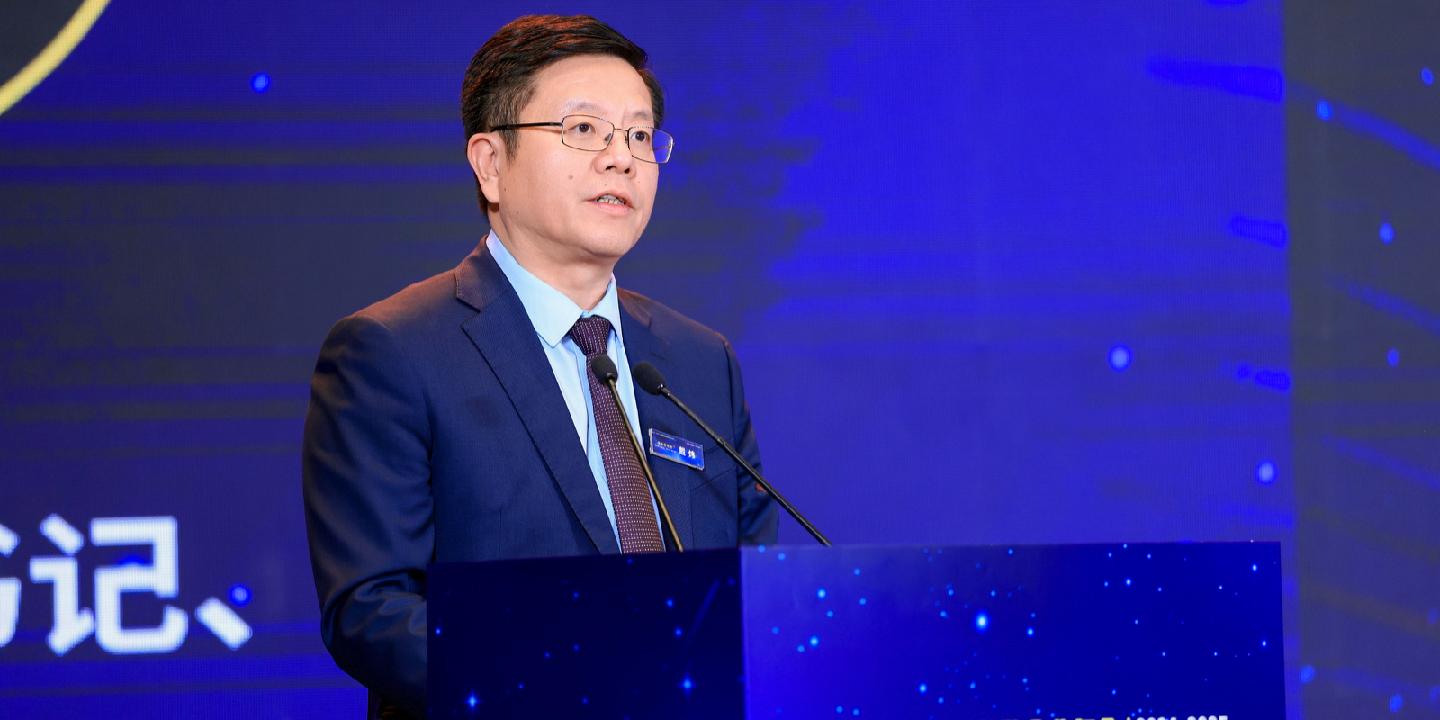
Core Viewpoint - The speech emphasizes the need for banks to shift from traditional creditor thinking to a partnership model, focusing on long-term value co-creation and supporting the real economy through financial services [2][4][6]. Group 1: Insights on Development Opportunities - The "14th Five-Year Plan" period is identified as a critical time for achieving socialist modernization, requiring significant breakthroughs in strategic tasks related to Chinese-style modernization [4]. - Traditional advantages such as demographic and land dividends are diminishing, while new advantages like talent, data, and institutional dividends are emerging, necessitating a focus on technological development [4]. - A new development pattern is being established, emphasizing domestic circulation and the mutual promotion of domestic and international circulation to address external uncertainties [4]. Group 2: Strategic Positioning and Financial Services - Financial services must adhere to the original intention of serving the real economy, enhancing precision and effectiveness in service delivery [6]. - A financial service system that aligns with technological innovation is essential, facilitating a healthy cycle between technology, industry, and finance [6]. - The bank aims to transform its role from a traditional creditor to a strategic partner, fostering long-term value creation for enterprises [6]. Group 3: Modern Industrial System Development - The bank is committed to embedding its development within the real economy, aiming to become a respected institution that harmonizes economic and social values [7]. - The bank has launched various financial products, including "Leading e-loan" and green finance initiatives, with significant growth in technology and green finance loan balances [8]. - The bank has focused on ten key industrial sectors, providing over 700 billion yuan in financial support to more than 4,400 clients [9]. Group 4: Collaborative Ecosystem for High-Quality Development - The bank aims to be a participant in industrial ecosystem construction, driving high-quality development through collaboration [10]. - A chain-based service logic is established to provide integrated services across the entire lifecycle of production, supply, and sales [11]. - The bank is committed to sustainable development by integrating ESG principles into its governance and fostering a "technology-industry-finance" cycle [11].
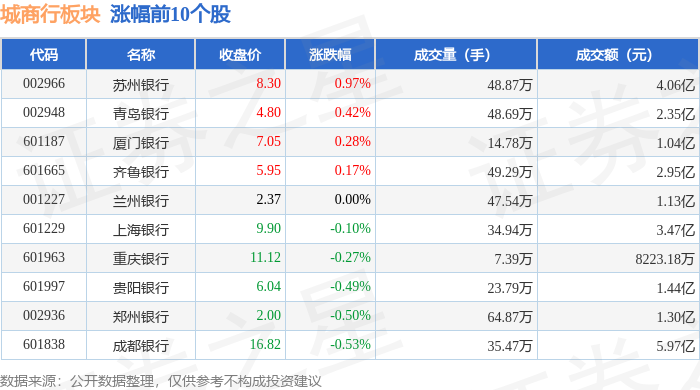
城商行板块11月26日跌0.59%,南京银行领跌,主力资金净流出1.47亿元
Zheng Xing Xing Ye Ri Bao· 2025-11-26 09:05
Market Performance - The city commercial bank sector declined by 0.59% on November 26, with Nanjing Bank leading the drop [1] - The Shanghai Composite Index closed at 3864.18, down 0.15%, while the Shenzhen Component Index rose by 1.02% to 12907.83 [1] Individual Stock Performance - Suzhou Bank closed at 8.30, up 0.97% with a trading volume of 488,700 shares and a transaction value of 406 million yuan [1] - Nanjing Bank closed at 11.49, down 1.29% with a trading volume of 514,300 shares and a transaction value of 592 million yuan [2] - Chengdu Bank closed at 16.82, down 0.53% with a trading volume of 354,700 shares and a transaction value of 597 million yuan [2] Capital Flow Analysis - The city commercial bank sector experienced a net outflow of 147 million yuan from institutional investors, while retail investors saw a net inflow of 152 million yuan [2] - Among individual stocks, Suzhou Bank had a net outflow of 31.27 million yuan from institutional investors, while Nanjing Bank saw a net inflow of 27.56 million yuan [3]


北京银行(601169) - 北京银行股份有限公司关于赎回优先股的第三次提示性公告
2025-11-26 08:45
证券代码:601169 证券简称:北京银行 公告编号:2025-056 优先股代码:360018 优先股简称:北银优 1 北京银行股份有限公司 关于赎回优先股的第三次提示性公告 本公司董事会及全体董事保证本公告内容不存在任何虚假记载、误导性陈述或者重大遗 漏,并对其内容的真实性、准确性和完整性承担个别及连带责任。 北京银行股份有限公司(以下简称"本行")于 2015 年 12 月 11 日非公开发行 0.49 亿股优先股(以下简称"本次优先股"),发行规 模为人民币 49 亿元,优先股简称"北银优 1",优先股代码为 360018。 经本行董事会审议通过,并报国家金融监督管理总局北京监管局审核 无异议,本行拟于 2025 年 12 月 11 日全额赎回本次优先股,现将有 关赎回事宜提示如下: 一、赎回规模 本行拟赎回全部 0.49 亿股本次优先股,每股面值人民币 100 元, 总规模人民币 49 亿元。 2025 年本次优先股派息日,即 2025 年 12 月 11 日。 四、付款时间及方法 本行于 2025 年 12 月 11 日向本次优先股股东支付其所持有的优 先股票面金额和 2024 年 12 月 11 ...
外汇展业改革参与银行增至26家 三季度工行等4家入列
2 1 Shi Ji Jing Ji Bao Dao· 2025-11-26 07:00
Core Insights - The foreign exchange business reform has been positively received by commercial banks and the public, with 26 banks participating as of September 2025, covering various types of banks across the country [1][2] Group 1: Reform Implementation and Participation - As of September 2025, 26 banks are involved in the foreign exchange business reform, including 5 large banks, 9 joint-stock banks, 4 city commercial banks, and 8 foreign banks [1] - The newly added banks in the third quarter include Industrial and Commercial Bank of China, Deutsche Bank, Mizuho Bank, and Mitsubishi UFJ Financial Group [2] Group 2: Benefits of the Reform - The reform has reduced the burden on enterprises, allowing them to handle foreign exchange transactions more efficiently, with some businesses experiencing a significant reduction in processing time from days to minutes [3] - Banks have improved their customer identification and service capabilities, leading to a reduction in average processing time for transactions by over 50% [3] - The reform has enhanced regulatory quality, with banks establishing risk monitoring systems to better track cross-border transactions and identify abnormal activities early [3] Group 3: Future Directions - The State Administration of Foreign Exchange plans to further enhance the foreign exchange management system, focusing on convenience, openness, security, and intelligence [4] - Future efforts will include expanding the coverage of the reform to benefit more enterprises and integrating various facilitation policies [4] - The application of new technologies such as artificial intelligence and big data will be encouraged to improve efficiency in foreign exchange services [4]




北京银行发生大宗交易 成交溢价率2.25%
Zheng Quan Shi Bao Wang· 2025-11-25 14:57
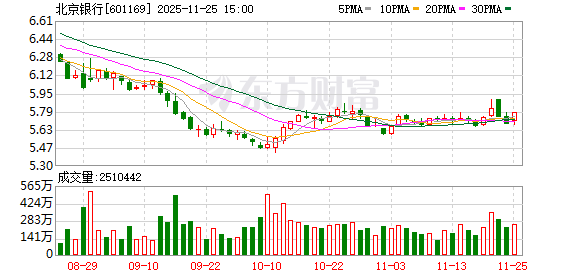
Core Insights - Beijing Bank executed a block trade on November 25, with a volume of 1.1 million shares and a transaction value of 6.501 million yuan, at a price of 5.91 yuan, representing a premium of 2.25% over the closing price of the day [2][3] Trading Activity - The buyer of the block trade was from China Merchants Securities Co., Ltd., Shenzhen Xili Liuxian Avenue Securities Business Department, while the seller was from Ping An Securities Co., Ltd., Guangzhou Pazhou Avenue Securities Business Department [2][3] - In the last three months, Beijing Bank has recorded a total of six block trades, with a cumulative transaction value of 29.693 million yuan [2] Stock Performance - On the same day, Beijing Bank's closing price was 5.78 yuan, reflecting an increase of 1.76%, with a turnover rate of 1.19% and a total transaction amount of 1.44 billion yuan [2] - The net inflow of main funds for the day was 47.9298 million yuan, and over the past five days, the stock has increased by 2.12%, with a total net inflow of 324 million yuan [2] Margin Financing - The latest margin financing balance for Beijing Bank is 3.312 billion yuan, with an increase of 52.2092 million yuan over the past five days, representing a growth rate of 1.60% [3] Company Background - Beijing Bank was established on January 29, 1996, with a registered capital of 21.14298 billion yuan [3]
高息优先股密集退场 银行优先股投资逻辑生变
Zhong Guo Jing Ying Bao· 2025-11-25 13:12
Core Viewpoint - Recent announcements from multiple commercial banks regarding the redemption of preferred shares indicate a shift in capital management strategies within the banking sector [1][2]. Group 1: Redemption of Preferred Shares - Several banks, including Ping An Bank and Nanjing Bank, have announced plans to redeem preferred shares issued over five years ago, with Ping An Bank set to redeem 200 million shares worth 20 billion yuan by March 2026 and Nanjing Bank planning to redeem 49 million shares worth 4.9 billion yuan by December 2025 [1]. - Since July, at least nine banks, including Industrial and Commercial Bank of China and Bank of Beijing, have disclosed similar redemption plans, creating a notable trend in the market [1]. Group 2: Reasons for Redemption - The high dividend rates set at the time of issuance, combined with declining market interest rates, incentivize banks to redeem high-cost preferred shares and replace them with lower-cost perpetual bonds [2]. - Regulatory changes and the need for banks to optimize their capital structures are also significant factors driving the decision to redeem high-cost preferred shares [2]. Group 3: Capital Management Strategies - The banking sector is transitioning from a focus on scale expansion to a cost-efficiency-centered model, emphasizing the need for banks to balance the redemption of high-interest preferred shares with the issuance of low-cost capital tools [3]. - Banks are adopting more diversified and flexible capital supplement tools, allowing them to respond to market conditions effectively, such as redeeming high-interest preferred shares when interest rates are low [3].

