
BANK OF CHINA(601988)

Search documents
中国银行发布客户培育计划 支持科技型企业发展
Jin Rong Shi Bao· 2026-01-13 01:41
Group 1 - The core initiative is the "Integrated Cultivation Plan" launched by the Bank of China, focusing on providing comprehensive financial services for technology enterprises throughout their lifecycle [1] - The plan allocates a total of 60 billion yuan, consisting of 10 billion yuan for equity investment and 50 billion yuan for credit funding, aimed at supporting high-potential technology companies [1] - The pilot program will be implemented in five cities: Beijing, Shanghai, Nanjing, Wuxi, Changzhou, Shenzhen, and Hangzhou, with the goal of nurturing at least 100 quality enterprises with key core technologies [1] Group 2 - The plan aims to transition financial services from a fragmented approach to a one-stop solution, facilitating the growth of enterprises from small to large [1] - It emphasizes the integration of financing, intelligence, and resource empowerment to address critical challenges faced by technology companies [1] - The Bank of China will adopt a "pilot first, gradual promotion" strategy to expand the program to other national technology innovation hubs as conditions permit [1]

民银资本(01141)股东将股票由中国银行(香港)转入富中证券 转仓市值4336.09万港元
智通财经网· 2026-01-13 00:32
Group 1 - The core viewpoint of the article highlights that Minyin Capital (01141) has transferred shares from Bank of China (Hong Kong) to Fuzhong Securities, with a market value of HKD 43.36 million, representing 5.00% of the total shares [1] - Minyin Capital's mid-term performance for 2025 shows revenue of approximately HKD 245 million, reflecting a year-on-year growth of 56.66% [1] - The net profit for Minyin Capital is reported at around HKD 118 million, which indicates a year-on-year increase of 48.02% [1] - The earnings per share for Minyin Capital stands at HKD 0.1073 [1]
民银资本股东将股票由中国银行(香港)转入富中证券 转仓市值4336.09万港元
Zhi Tong Cai Jing· 2026-01-13 00:31
Group 1 - The core viewpoint of the article highlights the recent stock transfer of Minyin Capital (01141) from Bank of China (Hong Kong) to Fuzhong Securities, with a market value of HKD 43.36 million, representing 5.00% of the total shares [1] Group 2 - Minyin Capital's mid-year performance for 2025 shows revenue of approximately HKD 245 million, reflecting a year-on-year growth of 56.66% [1] - The net profit for Minyin Capital is reported at around HKD 118 million, indicating a year-on-year increase of 48.02% [1] - The earnings per share for Minyin Capital stands at HKD 0.1073 [1]
中国银行配置600亿元专项资金支持科创;北京京国管基石并购基金成立,规模40亿元 | 01.05-01.11
创业邦· 2026-01-13 00:09
Core Insights - The article highlights significant developments in China's private equity and venture capital landscape, focusing on various funds established to support innovation and technology sectors [5]. Government-Backed Funds - The Bank of China launched a 600 billion yuan initiative to support key technology sectors, with 100 billion yuan allocated for equity investments and 500 billion yuan for credit financing [7]. - The Zhejiang Social Security Science and Technology Fund has completed registration with an initial scale of 500 billion yuan, targeting industries like AI and biomedicine [8]. - The Hebei Jin Capital Fund was established with a total scale of 32 billion yuan, focusing on high-end materials and new energy sectors [8]. Regional Investment Funds - The Hengqin Guangdong-Macao Deep Cooperation Zone Fund increased its scale from 10 billion yuan to 30 billion yuan, achieving a 7.89% annualized return [9]. - The Fujian (Xiamen) Social Security Science and Technology Fund has officially launched with a scale of 20 billion yuan, focusing on AI and advanced manufacturing [9]. - The Jiangsu Province has set up a 50 billion yuan AI special fund to promote AI development [10]. Private Equity and Venture Capital Developments - The Beijing Jingguo Fund was established with a scale of 4 billion yuan, focusing on private equity investments [15]. - The Abu Dhabi Investment Authority led a $770 million follow-on fund for CDH Fund V, indicating continued interest in Chinese assets [16]. - The "Puchuang Huazhang" direct investment fund was launched with a scale of 500 million yuan, targeting strategic emerging industries [16]. Sector-Specific Funds - The Huazhong University of Science and Technology established a 3 billion yuan fund for biomanufacturing projects [13]. - The Hainan Free Trade Port Construction Investment Fund doubled its capital to 200 billion yuan, focusing on high-tech and strategic industries [18]. - The China Southern Power Grid's fund reached 14 billion yuan, emphasizing carbon neutrality investments [18]. Emerging Trends - The article notes a growing trend of collaboration between private and public sectors to enhance investment in technology and innovation [5]. - There is a notable increase in funds targeting AI, biomedicine, and advanced manufacturing, reflecting a strategic shift towards high-tech industries [9][10][18].


金融服务精准支持重点领域 做深做实“五篇大文章”
Jing Ji Ri Bao· 2026-01-12 23:47
Group 1 - The central economic work conference emphasizes the need for financial institutions to support key areas such as expanding domestic demand, technological innovation, and small and micro enterprises [1][2] - The conference prioritizes the construction of a strong domestic market and the implementation of consumption-boosting actions, alongside plans for increasing urban and rural residents' income [2][5] - Financial institutions are encouraged to enhance credit support measures to stimulate consumption and expand domestic demand, with specific initiatives from major banks like China Construction Bank and Bank of China [2][3] Group 2 - Financial institutions have rapidly responded to consumption promotion policies by increasing credit issuance and innovating service models, with Industrial and Commercial Bank of China issuing nearly 100 billion yuan in personal consumption loans since the policy's implementation [3] - Ping An Bank issued the first floating-rate technology innovation bond linked to the loan market rate, raising 6.5 billion yuan for technology loans, reflecting a commitment to support technological innovation [4] - The financial "five major articles" initiative has led to significant loan balances, with a total of 105.6 trillion yuan, representing 38.7% of all loans, and a year-on-year growth rate of 13.2%, surpassing the average growth rate of all loans [6]
金融服务精准支持重点领域
Jing Ji Ri Bao· 2026-01-12 22:08
Group 1 - The central economic work conference emphasizes the need for financial institutions to support key areas such as expanding domestic demand, technological innovation, and small and micro enterprises [1] - Financial institutions are encouraged to enhance credit support measures to promote consumption and expand domestic demand, with specific actions outlined by various banks [1][2] - The Ministry of Commerce, the People's Bank of China, and the financial regulatory authority have issued a notice to strengthen the collaboration between commerce and finance to boost consumption [1] Group 2 - Ping An Bank successfully issued the first floating-rate technology innovation bond linked to the loan market quotation rate, raising 6.5 billion yuan for technology loans [3] - The chief economist of China Minsheng Bank suggests building a technology finance system that supports innovation and industry development, enhancing banks' capabilities in serving technological innovation [3] - A new policy financial tool of 500 billion yuan was established to support digital economy and artificial intelligence projects, with over 2,300 projects funded by the end of October 2025 [3] Group 3 - Financial institutions are actively implementing measures to align with the central economic work conference, focusing on the "five major articles" of finance [4] - China Bank announced a plan to provide 60 billion yuan in special funds to support key technology enterprises through a comprehensive technology finance service [4] - As of August 2025, the loan balance for the "five major articles" reached 105.6 trillion yuan, accounting for 38.7% of total loans, with a year-on-year growth rate of 13.2% [5]

进驻券商App 保险代销竞速下半场
Bei Jing Shang Bao· 2026-01-12 15:26
Core Viewpoint - The integration of insurance products into brokerage apps signifies a potential transformation in wealth management, indicating the beginning of a new phase in the market [1][2]. Group 1: Insurance Product Integration - Major brokerage firms such as CITIC Securities, China Merchants Securities, and GF Securities have introduced dedicated insurance purchase sections in their apps, showcasing a variety of insurance products including medical insurance and whole life insurance [2]. - The move to include insurance products in brokerage apps is a recent development, despite the fact that brokerage firms have been allowed to sell insurance since 2012 [2][3]. Group 2: Comparison with Banks - Unlike banks, which have a long-standing experience in selling insurance products and offer a wide range of options, brokerage apps currently have a limited selection and less developed service features [4]. - Banks have established a robust system for insurance sales, while brokerage firms are still in the early stages of developing their insurance offerings [4][5]. Group 3: Market Dynamics and Challenges - The insurance distribution landscape is undergoing significant changes, with brokerages entering the market as new competitors, which may lead to increased choices for consumers [6]. - There are differing opinions on the future of insurance sales by brokerages; some believe they could become significant players, while others remain cautious due to past slow growth [6][7]. - The demand for stable returns from insurance products aligns well with the investment profiles of brokerage clients, presenting an opportunity for growth in this sector [6][7]. Group 4: Operational Challenges - Brokerages face challenges in ensuring sales quality and establishing strong partnerships with insurance companies, which are critical for success in this new venture [7]. - The complexity of insurance products compared to traditional financial products necessitates time and skill development for brokerage firms to effectively educate and guide clients [7].





金价持续飙涨!多家银行紧急提醒
Sou Hu Cai Jing· 2026-01-12 12:13
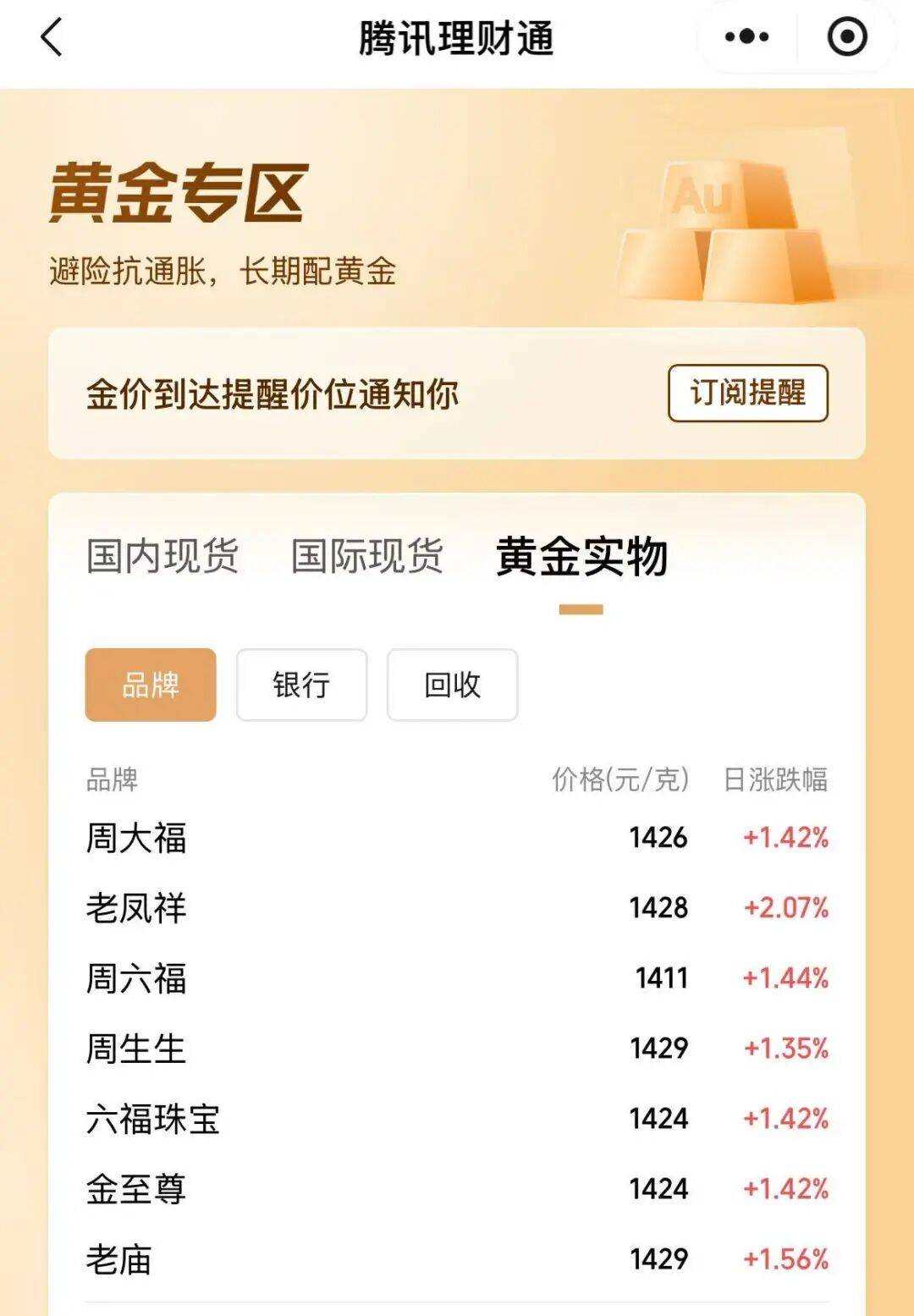
截至1月12日9点13分,黄金价格再续涨势,现货黄金首次站上4600美元大关,日内涨超2%,新年首月累计上涨280美元。 黄金价格呈现持续上涨态势,同时交易风险陡增。中国银行、工商银行两家国有大行,接连发布相关黄金交易提示或规则调整,提醒投资者注意风险。 | 腾讯理财通 | | | 0 | | --- | --- | --- | --- | | 直金专区 | | | | | 避险抗通胀,长期配黄金 | | | | | 金价到达提醒价位通知你 | | | 订阅提醒 | | 国内现货 国际现货 | | 黄金实物 | | | 品牌 银行 | 回收 | | | | 品牌 | | 价格(元/克) 日涨跌幅 | | | 周大福 | | 1426 | +1.42% | | 老凤祥 | | 1428 | +2.07% | | 周六福 | | 1411 | +1.44% | | 周生生 | | 1429 | +1.35% | | 六福珠宝 | | 1424 | +1.42% | | 我支撑 | | 1424 | +1.42% | | 老庙 | | 1429 | +1.56% | 截图时间:2026年1月12日 银行积存金业务因 ...
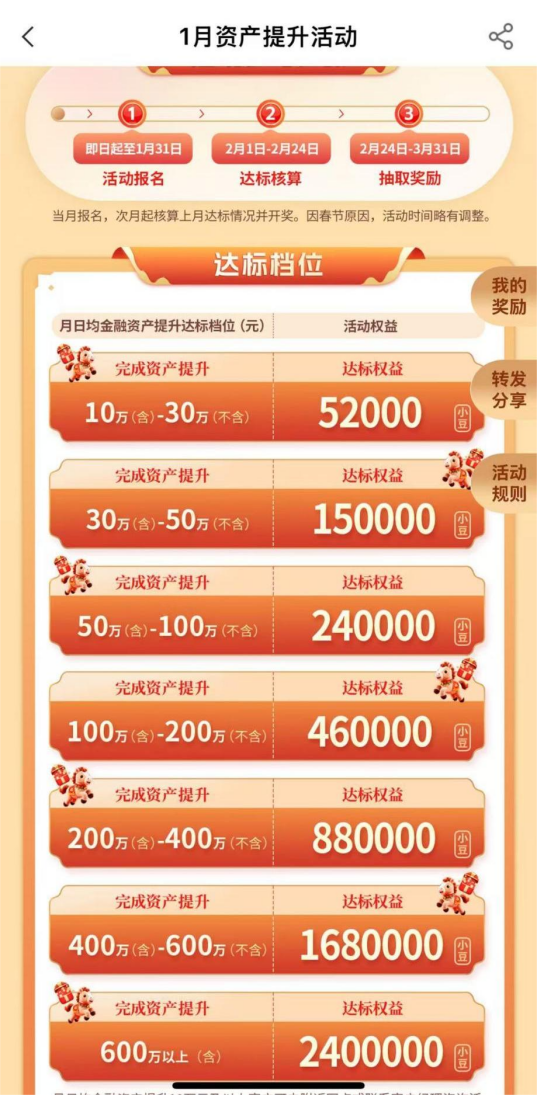
资产提升战”打响!工行、农行、中行、建行等齐下场,已有人薅到上万元“羊毛
Zhong Guo Ji Jin Bao· 2026-01-12 12:09
Core Viewpoint - The banking industry has initiated a new round of "asset enhancement wars" in the retail sector, with some banks offering rewards exceeding 3,000 yuan, indicating a shift towards enhancing retail AUM (Assets Under Management) as a key metric for competitiveness and future profitability [1][2][7]. Group 1: Asset Enhancement Activities - Multiple banks, including major state-owned banks like ICBC, ABC, BOC, and CCB, have launched asset enhancement activities, offering rewards such as points and cash benefits for customers who increase their average financial assets [2][3]. - Agricultural Bank of China is offering rewards of up to 3,790 yuan in JD E-cards for customers who meet specific asset thresholds by the end of January [2]. - Nanjing Bank and other city commercial banks have also introduced similar initiatives, with Nanjing Bank offering up to 80,000 comprehensive points for asset increases [5]. Group 2: Market Dynamics and Challenges - The surge in asset enhancement activities is driven by narrowing net interest margins, prompting banks to shift focus from deposit assessments to comprehensive management of total customer assets [7]. - The phenomenon of customers frequently switching banks to take advantage of promotional offers highlights a challenge in customer retention and loyalty, as short-term incentives do not translate into long-term engagement [8][14]. - The competitive landscape is characterized by a lack of differentiation in service offerings, leading to a "flow without retention" dilemma, where banks struggle to maintain customer loyalty despite attracting new funds [14][15]. Group 3: Strategic Recommendations - To effectively enhance retail AUM, banks should abandon short-term activity thinking and focus on building comprehensive capabilities centered around professional services and long-term trust [16]. - Recommendations include transitioning from product sales to asset allocation services, deepening engagement in financial and lifestyle scenarios, and implementing refined customer segmentation and operational strategies [16][17]. - Banks are encouraged to optimize performance evaluation mechanisms to prioritize long-term customer relationships over short-term metrics, thereby fostering a more sustainable business model [17][18].

“资产提升战”打响!工行、农行、中行、建行等齐下场,已有人薅到上万元“羊毛”
Xin Lang Cai Jing· 2026-01-12 12:05
Core Viewpoint - The banking industry has initiated a new round of "asset enhancement battles" in the retail sector, with some banks offering rewards exceeding 3,000 yuan. Retail AUM (Assets Under Management) is now seen as a key indicator of a bank's competitive strength and future profitability. The phenomenon of customers frequently switching banks for short-term incentives indicates that short-term activities fail to create long-term customer loyalty. To effectively enhance retail AUM, banks need to abandon short-term thinking and focus on building comprehensive capabilities centered around professional services and long-term trust [1][23][41]. Group 1: Asset Enhancement Activities - Multiple banks have launched new "asset enhancement activities" at the beginning of the year, allowing customers to earn points and benefits by meeting certain criteria. This includes major state-owned banks like ICBC, ABC, BOC, and CCB, with rewards such as 240,000 "small beans" convertible to over 3,790 yuan in JD E-cards for qualifying customers [2][24]. - Agricultural Bank of China has announced that from January 1 to January 31, customers can earn up to 600 million exclusive points if their average financial assets increase by 10,000 yuan or more [5][27]. - Nanjing Bank and other city commercial banks have also introduced similar activities, with Nanjing Bank offering 1,000 comprehensive points for every 10,000 yuan increase in average financial assets, with a maximum of 80,000 points per month [6][28]. Group 2: Market Dynamics and Challenges - The current "asset enhancement battle" reflects a tactical "New Year rush" and a strategic shift in the banking sector, driven by the need to adapt to changing interest rate environments. Retail AUM has become a critical measure of a bank's competitive edge and future profitability [9][31]. - The phenomenon of customers switching banks for incentives highlights two major challenges: the superficial nature of customer relationships ("high flow, low retention") and the lack of differentiation in service offerings, which makes it difficult to establish long-term trust [17][39]. - The "sheep shearing" phenomenon, where customers exploit short-term incentives, indicates a lack of customer loyalty and reveals weaknesses in banks' customer relationship management strategies [11][40]. Group 3: Recommendations for Improvement - To effectively enhance retail AUM, banks should shift from short-term activity thinking to a focus on professional services and long-term trust. This includes transitioning from product sales to asset allocation, integrating financial services with everyday life, and implementing refined customer segmentation and operations [19][41]. - Banks should strengthen their investment advisory capabilities to transition from merely selling products to providing comprehensive asset management solutions, thereby building a "moat" around their services [20][42]. - Digital transformation should evolve from being a mere outreach tool to empowering an ecosystem that enhances customer engagement and retention, creating a complete service loop that turns short-term activity flows into long-term customer relationships [21][43].
