TCL TECH.(000100)

Search documents
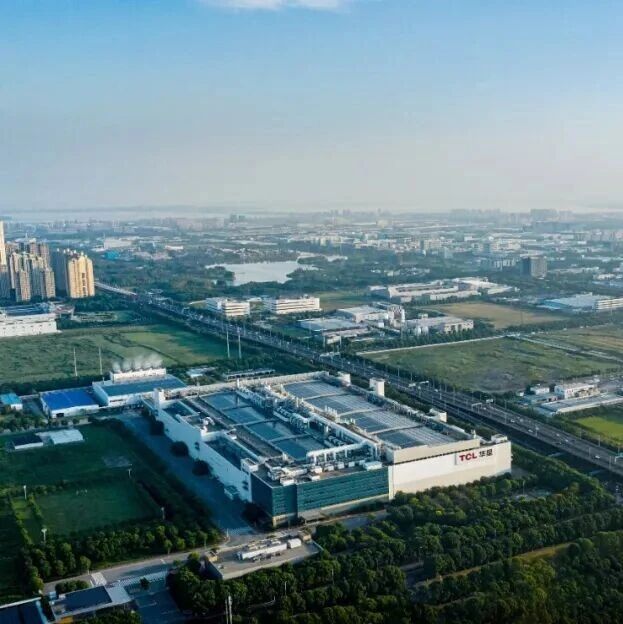
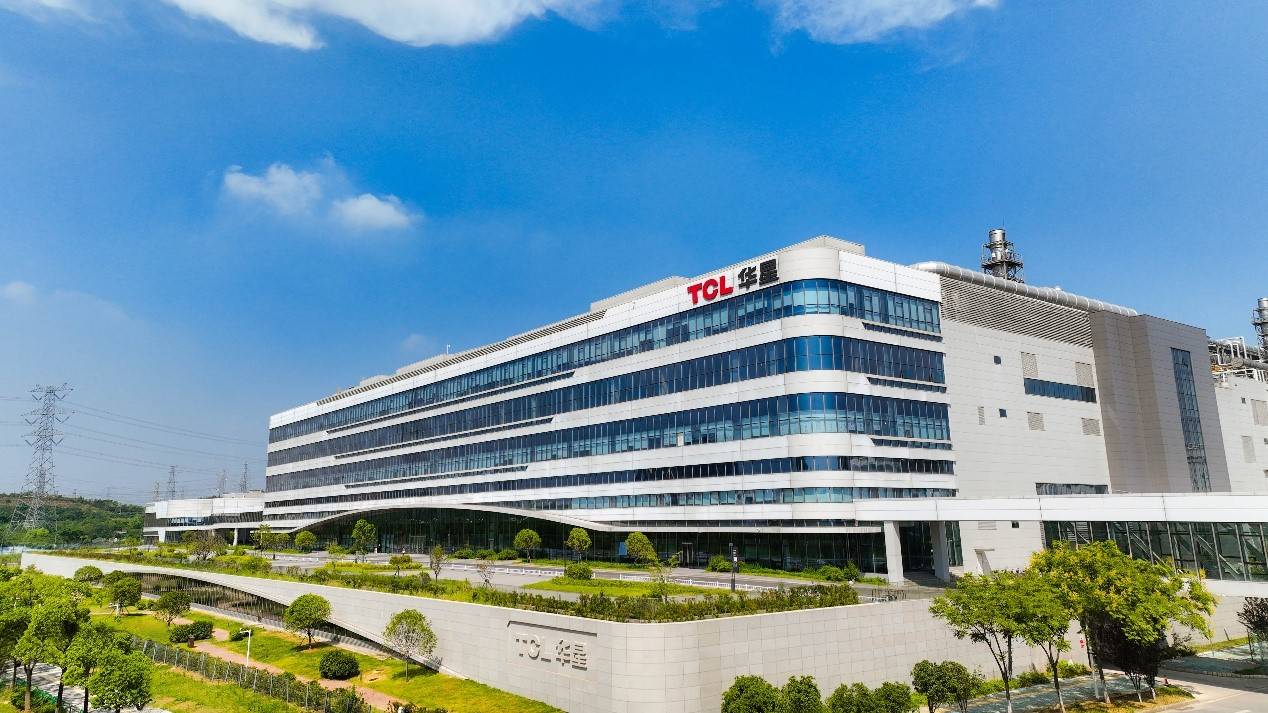
行业首张!TCL华星苏州基地荣获AWS黄金级认证证书,引领显示产业可持续水管理新高度
WitsView睿智显示· 2025-09-05 08:38
Core Viewpoint - TCL Huaxing Suzhou Base has achieved the AWS (Alliance for Water Stewardship) International Sustainable Water Management Standard Gold Certification, marking it as the first company in China's semiconductor display industry to receive this prestigious recognition, which signifies its advanced level in water resource management and serves as a replicable green transformation case for the industry [2][16]. Group 1: Certification and Standards - The certification is based on the AWS 2.0 version of the International Sustainable Water Management Standard, with a validity period from August 27, 2025, to August 26, 2028 [3]. - The certification demonstrates that the site meets the requirements of the international sustainable water management standard [3]. Group 2: Water Resource Management Initiatives - TCL Huaxing has established a comprehensive water resource management system that includes real-time data collection and analysis through an intelligent monitoring system, as well as advanced water-saving technologies that recycle treated wastewater for production [4]. - The company has implemented five core initiatives to integrate sustainable water management into its operations, focusing on technology empowerment, collaborative coexistence, and strict quality control [6]. Group 3: Performance Metrics - The water resource utilization rate at TCL Huaxing Suzhou Base has reached 97.24%, with COD emissions significantly below national limits, showcasing the effectiveness of its water management practices [12]. - The actual water intake per unit area in 2024 was only 0.57 tons/square meter, well below the target of 1.02 tons/square meter set by the Suzhou Water Authority [7]. Group 4: Future Goals and Industry Impact - Moving forward, TCL Huaxing aims to enhance its water resource management technology and optimize its recycling system, with the goal of achieving the higher AWS Platinum Certification [15]. - The company plans to standardize and disseminate its successful water management practices from the Suzhou Base to its global production sites, contributing to the overall improvement of water resource management across the industry [15].


中国显示产业的重大突破!搜狐张朝阳走进TCL华星,探索一块“好屏”的长期主义
Sou Hu Cai Jing· 2025-09-05 07:26
Core Viewpoint - TCL Huaxing has successfully developed and is set to mass-produce printed OLED technology, marking a significant advancement in China's display industry, transitioning from a follower to a leader in global display technology [3][18]. Group 1: Technology Development - TCL Huaxing began investing in printed OLED technology research in 2013 and will officially enter mass production in 2024 [3][18]. - Printed OLED is the first display technology led by a Chinese company to enter commercial use globally, showcasing a breakthrough in the display industry [3][18]. - The technology is characterized by its ability to achieve high resolution, low power consumption, and flexible displays, with significant improvements over traditional LCDs [6][10]. Group 2: Product Features - The printed OLED product family ranges from 6.5 inches to 65 inches, providing a high-end display experience across various devices, including smartphones, tablets, laptops, and TVs [4][10]. - Printed OLED displays utilize self-emissive technology, allowing for pixel-level brightness control, resulting in vibrant colors and a wider color gamut [6][8]. - The technology reduces harmful blue light emissions to 15%, promoting visual health for users who spend extended hours in front of screens [10]. Group 3: Production Advantages - Printed OLED technology offers a completely independent development path compared to traditional vapor-deposited OLED, which is dominated by Japanese and Korean companies [15][16]. - The production process of printed OLED is more efficient, achieving a 90% material usage rate and reducing costs by at least 20% compared to traditional methods [15][16]. - The technology requires less stringent vacuum conditions and lower temperature drying, leading to significant energy savings, estimated at 300-400 million kWh annually [15][16]. Group 4: Market Impact - The successful mass production of printed OLED technology is expected to make high-quality OLED displays more affordable and accessible to the general public [20]. - TCL Huaxing's commitment to long-term investment in technology has resulted in over 65,000 global patent applications, establishing a strong technological barrier in the printed OLED field [18][20].
光伏继续拉升,光伏ETF基金(516180)涨超6.0%周线5连阳!
Sou Hu Cai Jing· 2025-09-05 06:34
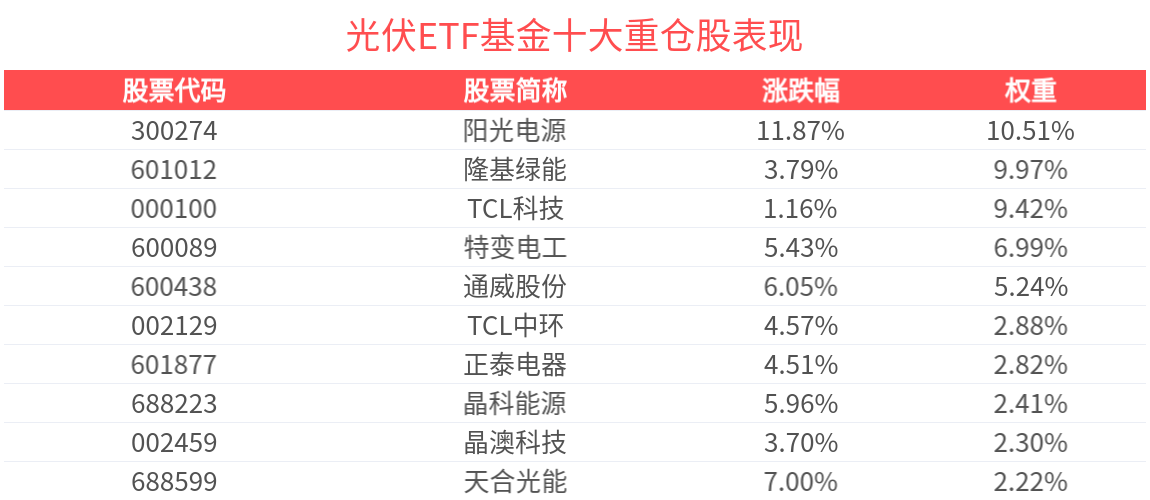
Group 1 - The Zhongzheng Photovoltaic Industry Index (931151) has seen a strong increase of 6.21% as of September 5, 2025, with notable gains from stocks such as Jinlang Technology (300763) up 17.12%, Jing Sheng Mechanical & Electrical (300316) up 16.49%, and others [1] - The Photovoltaic ETF Fund (516180) has risen by 6.02%, marking its third consecutive increase, with a latest price of 0.74 yuan [1] - Over the past week, the Photovoltaic ETF Fund has accumulated a rise of 2.80% as of September 4, 2025 [1] Group 2 - As of August 29, 2025, the top ten weighted stocks in the Zhongzheng Photovoltaic Industry Index include Yangguang Electric (300274), Longi Green Energy (601012), and TCL Technology (000100), collectively accounting for 56.14% of the index [2] - The weightings of the top stocks are as follows: Yangguang Electric at 10.51%, Longi Green Energy at 9.97%, and TCL Technology at 9.42% [4]




再过几年,日本人或许只能购买中国电视机了
创业邦· 2025-09-05 03:18
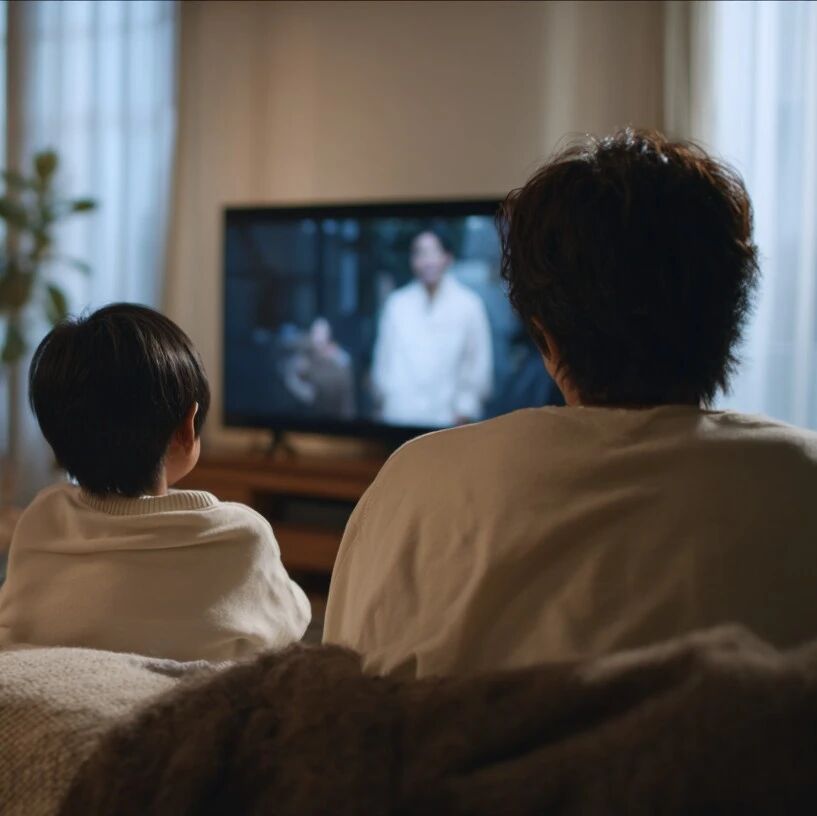
Core Viewpoint - The article discusses the decline of Japanese television manufacturing and the rise of Chinese brands, highlighting the shift in global manufacturing dynamics and the competitive advantages of Chinese companies over their Japanese counterparts [5][8]. Group 1: Historical Context of Japanese Television Industry - The Japanese television industry experienced a golden era, dominating the global market with brands like Sony and Panasonic, which accounted for over 40% of global TV shipments in 1990 [10][12]. - Japan's manufacturing prowess was built on technological advancements and brand reputation, with significant market shares in the high-end segment during the 1980s and 1990s [14][15]. - The shift towards liquid crystal technology in the early 2000s marked a turning point, as Japanese companies failed to adapt, leading to significant losses and market share decline [16][17]. Group 2: Decline of Japanese Brands - By 2024, Japanese brands' global TV shipment share is projected to drop to 9%, down from 28% in 2010, with Panasonic's domestic market share falling from 16.8% in 2018 to 8.8% in 2024 [21][23]. - The inability to pivot from traditional technologies and the slow decision-making processes contributed to the decline of Japanese manufacturers [18][30]. - Japanese companies are now struggling to compete in high-end markets, with many having exited the consumer TV market altogether [17][34]. Group 3: Rise of Chinese Television Brands - Chinese brands have captured nearly 50% of the Japanese TV market by 2024, with Hisense leading at 25.4% market share, marking a significant shift in consumer preferences [23][25]. - Chinese companies like TCL and Xiaomi have also gained substantial market shares, leveraging technology and localization strategies to appeal to Japanese consumers [20][26]. - The global shipment share of Chinese TV brands reached 30.2% in 2024, surpassing that of South Korean competitors for the first time [21][22]. Group 4: Competitive Advantages of Chinese Brands - Chinese manufacturers have developed a complete television industry chain, enabling rapid response to market changes and cost reductions [28][30]. - Innovations such as Hisense's self-developed chips and TCL's advanced display technologies have allowed Chinese brands to outperform traditional Japanese offerings in quality [25][37]. - The ability to quickly adapt to consumer demands, such as energy efficiency standards, has given Chinese brands a competitive edge over their Japanese counterparts [30][38]. Group 5: Broader Implications for Manufacturing - The decline of Japanese manufacturing is indicative of broader trends, where efficiency, innovation speed, and market responsiveness are critical for success in global competition [38]. - The article suggests that without breaking free from path dependency and improving decision-making speed, Japanese companies may continue to lose competitiveness across various industries [39].


再过几年,日本人或许只能购买中国电视机了
Hu Xiu· 2025-09-05 02:39
Core Viewpoint - The article discusses the significant shift in the global television market, highlighting the decline of Japanese brands and the rise of Chinese brands, particularly in Japan, where Chinese brands now hold nearly half of the market share [3][18][24]. Industry Overview - Japanese television brands, once dominant in the global market, have seen their global shipment share drop from 28% in 2010 to an estimated 9% in 2024 [15]. - The decline of Japanese brands is attributed to their slow adaptation to technological changes, particularly the shift to LCD technology, while competitors like Samsung and LG quickly embraced new technologies [14][12]. Market Dynamics - In 2024, Chinese television brands accounted for 30.2% of global shipments, surpassing Korean brands for the first time [20][22]. - Chinese brands, including Hisense, TCL, and Xiaomi, collectively hold a 31.3% market share, exceeding the combined total of Samsung and LG [20][22]. Competitive Strategies - Chinese brands have successfully penetrated the Japanese market by leveraging technology and localization strategies, such as optimizing products for local preferences and providing localized customer service [25][28]. - Hisense's self-developed X chip and TCL's ADS Pro technology have allowed them to meet specific Japanese consumer needs, enhancing their competitive edge [27][31]. Challenges and Opportunities - Japanese manufacturers face challenges due to their "path dependence" and slow decision-making processes, which hinder their ability to innovate and respond to market changes [16][39]. - The article suggests that for Japanese companies to regain competitiveness, they must break free from traditional practices and improve their decision-making speed [49]. Future Outlook - The shift in market dynamics indicates a broader trend of global manufacturing power moving towards China, driven by integrated supply chains and rapid innovation capabilities [50]. - The article concludes that the future of the television industry will depend on the ability of companies to adapt to changing market demands and technological advancements [48].
透视TCL科技半年报:行业周期改善,价值成长逻辑清晰
Ge Long Hui· 2025-09-05 02:13
Core Viewpoint - TCL Technology reported strong financial performance for the first half of 2025, with revenue of 85.6 billion yuan, a year-on-year increase of 6.7%, and a net profit of 1.88 billion yuan, up 89.3% [1]. Group 1: Business Performance - The semiconductor display business is the main growth driver, with TCL Huaxing achieving revenue of 50.43 billion yuan, a 14.4% increase, and a net profit of 4.32 billion yuan, up 74.0% [1][2]. - The demand for large-size displays and AI applications is driving panel demand growth, supported by national policies promoting large-size LCD TVs [2]. - TCL Huaxing maintains a leading market position in large-size products with a market share of 24%, an increase of 4 percentage points year-on-year [2]. Group 2: Market Perception and Opportunities - There is a market misjudgment regarding TCL Technology's sustainable profitability due to the cyclical nature of the panel industry [3][4]. - The industry is becoming more concentrated, with major players like TCL and BOE stabilizing panel prices, which supports sustainable development [4]. - TCL Technology has significant growth potential in both large and small-size display sectors, with rapid growth in the small-size display market [6][7]. Group 3: Technological Advancements - TCL Technology is making strides in new technologies such as printed OLED and MLED, with the first domestic production line for printed OLED screens achieving mass production [8]. - The company is leveraging AI to enhance operational efficiency and is developing AI-related products to open new growth avenues [9][10]. Group 4: Institutional Interest and Market Outlook - TCL Technology's recent capital increase attracted significant institutional investment, indicating strong long-term interest from major investors [11]. - Analysts from various securities firms are optimistic about the company's semiconductor display business benefiting from improved industry supply-demand dynamics [12][13].
透视TCL科技(000100.SZ)半年报:行业周期改善,价值成长逻辑清晰
Ge Long Hui· 2025-09-05 02:00
Core Viewpoint - TCL Technology reported strong financial performance for the first half of 2025, with revenue of 85.6 billion yuan, a year-on-year increase of 6.7%, and a net profit of 1.88 billion yuan, up 89.3% [1] Group 1: Business Growth and Industry Trends - The semiconductor display business is the main growth driver for TCL Technology, with TCL Huaxing achieving revenue of 50.43 billion yuan, a 14.4% increase, and a net profit of 4.32 billion yuan, up 74.0% [2] - The improvement in the semiconductor display industry is attributed to a more concentrated competitive landscape, leading to reduced price volatility and enhanced overall profitability [2][5] - Demand for larger displays and AI applications is driving growth in panel demand, supported by national policies promoting large-size LCD TVs [2] - TCL Huaxing has maintained a leading market position in large-size products, with a market share of 24%, an increase of 4 percentage points year-on-year [2] Group 2: Strategic Acquisitions and Product Development - The acquisition of LGDCA and LGDGZ has positively contributed to TCL Technology's profitability, with these assets starting to generate earnings in Q2 [3] - The company has also acquired a 21.53% stake in Shenzhen Huaxing Semiconductor, which is expected to further enhance performance [3] Group 3: Market Misjudgments and Opportunities - There is a market perception that TCL Technology's profitability is merely a cyclical rebound, underestimating the sustainability of its earnings due to the industry's maturity and concentration [4][5] - The company is well-positioned to benefit from the ongoing trend of larger and higher-end products in the display market [6] Group 4: Growth Potential and Technological Advancements - TCL Technology has shown rapid growth in the small and medium-sized display sector, particularly with its T9 production line [8] - The company is making significant strides in new technologies such as printed OLED and MLED, with the first domestic mass production of printed OLED screens achieved [9] - The integration of AI technologies is enhancing operational efficiency and opening new growth avenues for TCL Technology [10][11] Group 5: Market Sentiment and Institutional Interest - Institutional investors have shown strong interest in TCL Technology, with over 15.7 billion yuan raised in a recent capital increase, attracting major insurance funds [12] - Analysts from various securities firms have given buy ratings, anticipating growth driven by improved supply-demand dynamics in the semiconductor display sector [13][14]
重塑全球产业格局 中国屏何以大“显”身手
Zhong Guo Chan Ye Jing Ji Xin Xi Wang· 2025-09-05 00:20
Core Insights - The Chinese display industry has significantly risen, with domestic manufacturers capturing a substantial share of the global television shipment market and leading in advanced technologies like OLED and Micro-LED [1][8] - The price of large-screen televisions has dramatically decreased, with a 50% drop in the price of 75-inch TVs over the past two years, driven by technological advancements and cost reductions [5][6] Industry Development - The rise of the Chinese display industry is supported by precise government policies and collaborative efforts across the industry chain, with key materials and new display devices being prioritized at the national level [2][4] - Major companies like BOE Technology Group and TCL Huaxing have made significant investments in domestic production lines, overcoming technological barriers and market skepticism [3][4] Technological Advancements - The introduction of Mini-LED technology has improved display quality and facilitated the proliferation of large-screen products, making high-quality, cost-effective large TVs possible [7] - Companies are utilizing advanced cutting techniques on 10.5-generation lines to reduce costs and improve production efficiency for larger panels [7] Market Trends - The demand for large-screen TVs is driven by consumer preferences for immersive experiences and enterprise needs for large interactive displays in various sectors [7][8] - The display industry is evolving towards multiple technology pathways, with a focus on OLED and Micro-LED technologies to maintain competitiveness in the global market [8][9] Future Outlook - The Chinese display industry is poised to continue its growth trajectory, with ongoing investments in innovation and technology to capture higher value in the global supply chain [9]



TCL科技(000100.SZ):AI终端设备的快速发展有望为小尺寸OLED市场带来持续的增长动力
Ge Long Hui· 2025-09-04 13:22
Core Viewpoint - The integration of AI technology into terminal devices is expected to enhance consumer demand for smarter and more efficient products, driving growth in the small-sized OLED market [1] Company Insights - TCL Technology is actively monitoring the evolution of AI technology and its integration with the display industry [1] - The company believes that the rapid development of AI terminal devices will provide sustained growth momentum for the small-sized OLED market [1]
喜报!64家中欧校友掌舵企业荣登“2025中国民营企业500强”榜单
Sou Hu Cai Jing· 2025-09-04 11:47
Core Insights - The "2025 China Private Enterprises Top 500" list highlights the robust vitality, innovative drive, and immense potential of China's private economy, with 64 companies led by alumni from CEIBS making the list, accounting for 12.8% of the total [1][4] - The total revenue of the top 500 private enterprises reached 43.05 trillion yuan in 2024, with an average revenue of 861.02 million yuan per company, marking a 2.72% increase from the previous year [3] - The total assets of these enterprises amounted to 51.15 trillion yuan, with an average asset value of 1.023 billion yuan, reflecting a 2.62% growth year-on-year [3] - The combined net profit of the top 500 private enterprises was 1.80 trillion yuan, with an average net profit of 36.05 million yuan per company, showing a 6.48% increase compared to the previous year [3] - JD Group topped the list with a revenue of 1.158 trillion yuan, followed by Alibaba and Hengli Group with revenues of 981.77 billion yuan and 871.52 billion yuan, respectively, maintaining the same top three positions as in the previous three years [3] Company Contributions - The top 500 private enterprises contributed a total tax revenue of 1.27 trillion yuan and created employment for 11.09 million people, with an average of 22,200 employees per company [3] - Among these enterprises, 48 companies employed over 50,000 individuals, showcasing their significant role in job creation [3] Alumni Influence - A total of 66 alumni from CEIBS hold key positions such as chairman, CEO, president, or general manager in 64 of the listed companies, indicating the strong social influence and ongoing contribution of CEIBS alumni to economic and social development [4]