TCL TECH.(000100)

Search documents
车载显示“一夜红海”
经济观察报· 2025-06-18 01:48
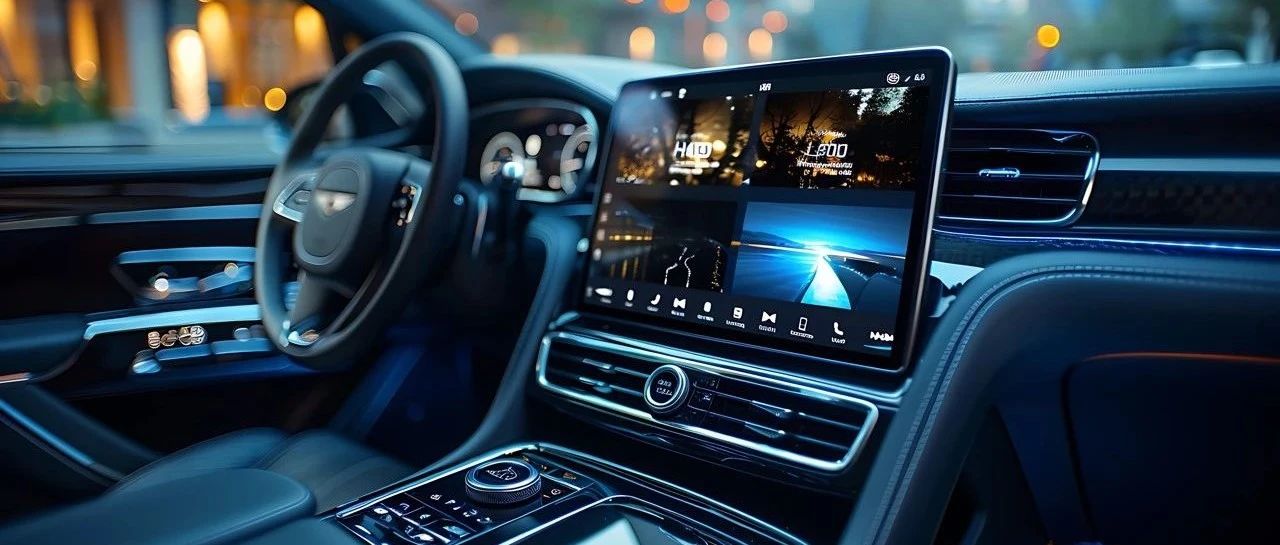
Core Viewpoint - The automotive display market is experiencing high growth but is simultaneously facing a structural dilemma of low profitability, leading to a shift in competitive focus from mere scale expansion to differentiation strategies [4][13]. Market Growth Potential - The global automotive display system market is projected to grow from $23.83 billion in 2024 to $47.37 billion by 2029, with a compound annual growth rate (CAGR) of 14.7% [2]. - The total shipment of automotive display panels is expected to reach 232 million units in 2024, marking a year-on-year increase of 6.2% [2]. Competitive Landscape - The automotive display market is viewed as a "second growth curve" for the display industry, especially as traditional markets like mobile phones and TVs face saturation [3]. - Major display manufacturers are increasingly investing in automotive display capacity, leading to intensified price competition [4]. Structural Challenges - The automotive display market is characterized by "structural dividends and competitive excess," with many suppliers feeling the pressure from both automotive manufacturers and price wars [4][10]. - The shift towards direct partnerships between panel manufacturers and automakers is emerging, reducing reliance on traditional Tier 1 suppliers [10][11]. Differentiation Strategies - Building deep relationships with automakers and Tier 1 suppliers is crucial for success, as the automotive project cycle is long and complex [15]. - Companies must focus on diverse technological innovation capabilities to meet the stringent requirements of automotive-grade products [15][16]. Company Strategies - BOE is adopting a comprehensive strategy to become a "general contractor" for smart cockpits, leveraging its extensive technology portfolio [18]. - Tianma is focusing on high-resolution LTPS LCD technology, achieving over 30% year-on-year revenue growth in its automotive business [19]. - TCL Huaxing is rapidly increasing its market share through deep partnerships with key automotive players, achieving a 125% year-on-year growth in automotive display shipments [20]. Emerging Technologies - The rise of electric vehicles is driving demand for larger and more advanced screens, with HUD technology becoming increasingly common in mid-range vehicles [7]. - Companies like XGIMI are exploring projection technology as an alternative to traditional screens, aiming to address space and adaptability challenges [23].






车载显示“一夜红海”
Jing Ji Guan Cha Wang· 2025-06-17 09:08
Core Insights - The automotive display market is projected to grow significantly, with a forecasted increase from $23.83 billion in 2024 to $47.37 billion by 2029, representing a compound annual growth rate (CAGR) of 14.7% [1] - The demand for in-car displays is driven by the rapid development of automotive intelligence and connectivity, with global automotive sales expected to reach 94.7 million units in 2025, a 3.7% increase from 2024 [3][4] - The market is characterized by high growth but low profitability, as increased competition and price wars among suppliers are putting pressure on margins [2][8] Industry Dynamics - The automotive display sector is seen as a "second growth curve" for the display industry, especially as traditional markets like smartphones and TVs face stagnation [2] - The shift towards smart cockpits has made displays a critical battleground, with the average screen size in vehicles increasing due to the rise of electric vehicles [4][5] - The penetration rate of Head-Up Displays (HUD) in passenger cars is expected to rise from 11% in 2023 to 16% in 2024, indicating a shift from high-end options to more mainstream features [4][5] Competitive Landscape - Major players like BOE, TCL Huaxing, and Tianma Microelectronics are shifting focus to automotive displays to utilize excess capacity from saturated consumer electronics markets [5][10] - The competition is intensifying as companies seek to establish deep partnerships with automakers, emphasizing the importance of collaborative development and customized solutions [9][13] - The trend of "de-Tier 1" is emerging, where panel manufacturers aim to bypass traditional Tier 1 suppliers to directly engage with automakers, enhancing profit margins and supply chain stability [6][13] Strategic Approaches - Companies are adopting different strategies to navigate the competitive landscape, with BOE focusing on a comprehensive ecosystem approach while Tianma is honing in on specific technologies like LTPS LCD [10][11] - TCL Huaxing is rapidly expanding its market share, achieving a 125% year-on-year growth in automotive display shipments in 2024 by forming strategic alliances with key automotive players [11][12] - The industry is witnessing a shift towards integrated solutions, with suppliers like Huayang Group and Desay SV becoming system integrators to create new competitive advantages [13] Future Outlook - Despite the promising growth potential, the automotive display market faces challenges such as price declines and the need for differentiation in a crowded field [6][8][14] - The industry's evolution is expected to lead to a more structured and healthy market environment over time, although this may require a period of adjustment [14]
总金额1400亿!京东方、TCL华星、惠科投资项目一览
WitsView睿智显示· 2025-06-13 04:44
Core Viewpoint - The panel manufacturers are focusing on continuous investment in OLED, LCD, and MLED technologies to maintain competitive advantages and enhance technical capabilities [1][5]. Investment Overview - In the first half of this year, major panel manufacturers have planned new investments in various display technologies, including TCL Huaxing's acquisition of a 21.53% stake in the 11th generation line for 11.6 billion yuan, HKC's investment of 10 billion yuan in a new MLED chip project, and 500 million yuan for acquiring a flexible AMOLED production line [1]. Major Investment Directions - BOE's primary investment direction is the 8.6-generation AMOLED production line, with an investment amount of 63 billion yuan, shifting focus from LCD to OLED [2]. - CSOT is reinforcing its LCD business with a total investment of approximately 25.4 billion yuan through acquisitions of LGD's 8.5-generation line and the 11th generation line stake [2]. - HKC is expanding its investments in the MLED and E-paper sectors, with around 26 billion yuan in MLED and 13.5 billion yuan in E-paper projects [2]. Total Investment Scale - The total planned investment amount by the three major domestic panel manufacturers over the past year and a half is approximately 140 billion yuan [4]. Investment Distribution by Sector - The investment distribution shows that OLED investments account for the highest proportion at 45%, followed by LCD at 20%, MLED at 19%, E-paper at 9%, and IC investments at 6% [5]. - BOE holds the largest share of investment at 48%, primarily due to its significant investment in the 8.6-generation AMOLED line, while HKC accounts for 34% and CSOT for 19% [5]. Future Outlook - As these investment projects are implemented, the competitiveness and technical levels of panel manufacturers are expected to improve further, with future investments likely to continue focusing on OLED as the primary area and LCD as a secondary focus [5].

总金额1400亿!京东方、TCL华星、惠科投资项目一览
WitsView睿智显示· 2025-06-13 04:43
Core Viewpoint - The panel manufacturers are focusing on continuous investment to maintain competitive advantages and enhance technological capabilities, with significant investments planned in OLED, LCD, and MLED sectors [1][7]. Investment Overview - In the past year and a half, the three major domestic panel manufacturers have primarily directed their investments towards specific areas: BOE is focusing on the 8.6-generation AMOLED production line with an investment of 63 billion yuan [2]. - CSOT is strengthening its LCD business with a total investment of approximately 25.4 billion yuan through acquisitions [3]. - HKC is expanding its investments in the MLED and E-paper sectors, with a total investment of around 26 billion yuan in MLED and 13.5 billion yuan in E-paper [3]. Total Investment Scale - The total planned investment by the three major panel manufacturers in the past year and a half is approximately 140 billion yuan, with the highest investment in the OLED sector at 45%, followed by LCD at 20%, MLED at 19%, E-paper at 9%, and IC at 6% [6]. - BOE accounts for the largest share of investment at 48%, primarily due to its significant investment in the 8.6-generation AMOLED production line [6]. - HKC follows with a 34% share, focusing on MLED and E-paper projects, while CSOT's investment is primarily in the LCD sector, accounting for 19% [6]. Future Outlook - As these investment projects are implemented, the competitiveness and technological level of the panel manufacturers are expected to improve further. Future investments are anticipated to continue focusing on OLED, supplemented by LCD investments [7].

光伏设备板块强势拉升,光伏ETF基金(159863)涨近1%,机构:光伏产业链或迎来新一轮景气周期
Xin Lang Cai Jing· 2025-06-11 03:20
Core Viewpoint - The photovoltaic industry is experiencing a recovery in prices and profitability due to industry self-discipline, production limits, and the elimination of outdated capacity, leading to an improved supply-demand balance [1][2]. Group 1: Market Performance - As of June 11, 2025, the CSI Photovoltaic Industry Index (931151) rose by 1.28%, with notable increases in constituent stocks such as Aiko Solar (600732) up 9.44%, and LONGi Green Energy (601012) also seeing gains [1]. - The Photovoltaic ETF (159863) increased by 0.93%, with a recent price of 0.43 yuan, and has accumulated a 1.42% rise over the past week [1]. Group 2: Industry Dynamics - The recent stabilization and rebound in prices for silicon materials and wafers, along with strong demand for N-type solar cells, are contributing to the recovery of profitability for related companies [1]. - The National Energy Administration's new management measures for distributed photovoltaic power generation are expected to enhance industry order and promote high-quality development, instilling long-term confidence in the market [1]. Group 3: Investment Insights - According to a report from China International Capital Corporation (CICC), the photovoltaic sector's valuation remains at historical lows, indicating strong investment potential [1]. - With the traditional installation peak season approaching in the third quarter, the photovoltaic industry chain is likely to enter a new cycle of prosperity, suggesting further upside for related stocks [1]. Group 4: Index Composition - The CSI Photovoltaic Industry Index includes up to 50 representative listed companies involved in the photovoltaic industry chain, with the top ten weighted stocks accounting for 56.2% of the index [2]. - The top ten stocks include LONGi Green Energy (601012), TCL Technology (000100), and Sungrow Power Supply (300274) among others [2].



2025粤港澳大湾区车展正式闭幕,大湾区ETF(512970)活跃上行,盘中溢价频现
Sou Hu Cai Jing· 2025-06-10 02:39
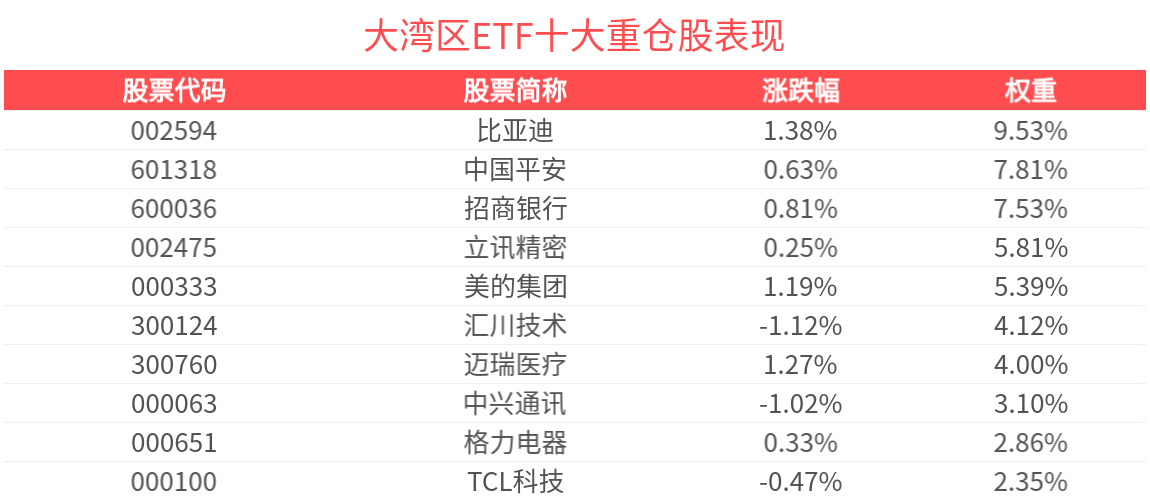
Core Viewpoint - The news highlights the performance of the Guangdong-Hong Kong-Macao Greater Bay Area Development Theme Index and its related ETF, indicating a positive trend in the market driven by recent events and policy support [1][2]. Market Performance - As of June 10, 2025, the Greater Bay Area Development Theme Index rose by 0.26%, with notable increases in constituent stocks such as Shenghong Technology (up 3.72%) and Guangzhou Development (up 3.24%) [1]. - The Greater Bay Area ETF (512970) increased by 0.42%, with a latest price of 1.2 yuan, and has seen a cumulative rise of 0.67% over the past two weeks [1]. Event Highlights - The 2025 Guangdong-Hong Kong-Macao Greater Bay Area Auto Show concluded on June 8, attracting approximately 890,000 visitors and resulting in 42,823 vehicle orders, amounting to around 10.07 billion yuan in sales [1]. - The auto show covered an area of about 260,000 square meters, with 80,000 square meters dedicated to interactive experience zones showcasing innovative technologies and offering test drives [1]. Policy and Economic Outlook - According to Everbright Securities, domestic policies remain proactive, with expectations for continued policy implementation. The suspension of "reciprocal tariffs" for 90 days is anticipated to maintain high export growth in the short term, with consumption being a key driver of economic recovery [1]. - The index is expected to remain volatile throughout June due to the interplay of internal and external factors [1]. Index Composition - The Greater Bay Area Development Theme Index includes various sub-indices and reflects the performance of companies benefiting from the Greater Bay Area's development [2]. - As of May 30, 2025, the top ten weighted stocks in the index accounted for 53.21% of the total, with companies like BYD (9.53%) and Ping An Insurance (7.81%) leading the list [2][4].






TCL科技回暖首季净利增322% 228亿推两起百亿级收购强化主业
Chang Jiang Shang Bao· 2025-06-09 23:33
Core Viewpoint - TCL Technology has finalized a major acquisition deal worth over 11.56 billion yuan, enhancing its control over Huaxing Semiconductor to 84.21% [2][5][9]. Group 1: Acquisition Details - On June 6, 2025, TCL Technology's acquisition of a 21.5311% stake in Huaxing Semiconductor was approved, with a total transaction price of 11.562 billion yuan, consisting of 7.203 billion yuan in cash and 4.359 billion yuan in shares at a price of 4.42 yuan per share [2][4][5]. - This acquisition marks TCL Technology's second major acquisition in the semiconductor display sector within nine months, with a total of 22.762 billion yuan spent on two acquisitions [2][9]. - Following this transaction, Shenzhen Municipal Major Industry Development Fund will become a significant shareholder in TCL Technology, holding 4.99% of the shares [5]. Group 2: Financial Performance - In Q1 2025, TCL Technology reported a revenue of 40.119 billion yuan, a year-on-year increase of 0.43%, and a net profit of 1.013 billion yuan, reflecting a substantial growth of 321.96% [3][10]. - For the year 2024, TCL Technology's revenue was 164.963 billion yuan, a decrease of 5.44%, while net profit fell by 29.38% to 1.564 billion yuan [10]. Group 3: Market Position and Strategy - The acquisition of Huaxing Semiconductor is seen as a strategic move to strengthen TCL Technology's core business and enhance its competitiveness in the semiconductor display industry [6][7]. - Huaxing Semiconductor operates two of the world's highest generation 11 production lines, with an annual design capacity of 2.34 million large panels, primarily supplying major clients like TCL Electronics, Samsung, and Xiaomi [6].
友达/惠科/TCL华星/三星/京东方5面板企业加码电子纸
WitsView睿智显示· 2025-06-09 14:21
Core Viewpoint - The article highlights the growing interest and investment in electronic paper (E-paper) technology by major display panel manufacturers, indicating a shift in focus from traditional LCD and OLED technologies to E-paper, which is seen as having unique advantages in low power consumption and readability under sunlight [1][24]. Group 1: Investment and Collaboration - In April, major panel manufacturers like AUO and Huike showcased their strategic commitment to the E-paper sector through various investments and collaborations [2]. - AUO's subsidiary, Daqin, signed an investment agreement with E Ink to establish a joint venture with a capital of NT$390 million, aiming to create a large-scale E-paper module production line expected to start production in Q4 2025 [3]. - Huike announced a joint development agreement with E Ink focusing on large-size E-paper, and its new production base in Guizhou has commenced operations with a total investment of RMB 5.5 billion [3][4]. Group 2: Technological Advancements - Huike's E-paper products cover sizes from 1.54 inches to 75 inches and possess full-color display capabilities, indicating significant technological advancements in the sector [4]. - Major players like TCL Huaxing and Samsung are also showcasing their latest E-paper products, reflecting their determination to accelerate their E-paper business [5][6]. Group 3: Market Demand and Applications - The demand for E-paper is expected to grow, with a projected 34.8% year-on-year increase in E-paper module shipments in 2024, driven by stable demand in the e-book market and the rise of electronic shelf labels (ESL) [15]. - ESLs are becoming increasingly popular in retail management, with a projected 39.3% year-on-year increase in shipments in 2024, largely due to projects from major retailers like Walmart [15]. Group 4: Unique Characteristics of E-paper - E-paper technology, characterized by bistability and reflective properties, allows images to remain displayed without power and utilizes ambient light for visibility, offering advantages such as ultra-low power consumption and a paper-like reading experience [10][11]. - Despite its advantages, E-paper has faced challenges in performance compared to traditional displays, but ongoing improvements in technology are expected to enhance its capabilities [14][19]. Group 5: Supply Chain Dynamics - The E-paper supply chain consists of upstream core components, midstream module manufacturing, and downstream device manufacturers, with a high concentration of market share among key players [20][23]. - E Ink dominates the global electronic ink market, while major panel manufacturers like TCL Huaxing and BOE are positioned in the TFT substrate segment, leveraging their existing technologies to enter the E-paper market [23]. Group 6: Future Outlook - The article suggests that with continued technological advancements and cost reductions, E-paper is poised to transition from a niche technology to a mainstream solution across various sectors, including smart retail, education, and transportation [26][27]. - The year 2025 is anticipated to be pivotal for the E-paper industry, marking the beginning of a "golden era" driven by investments from major panel manufacturers [27].

TCL光伏亮相SNEC 2025:展示AI赋能全场景方案,全球首发“电碳业务”
Sou Hu Cai Jing· 2025-06-09 14:03
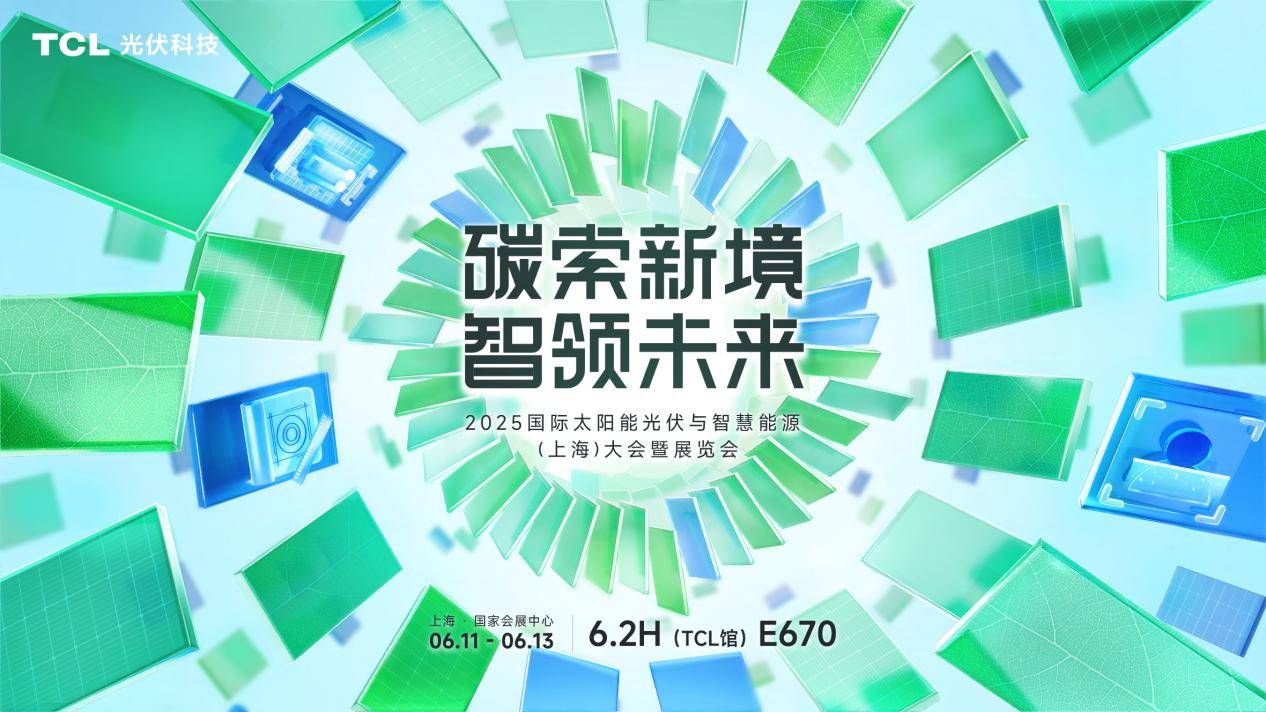
Group 1: Event Overview - The SNEC 2025 International Solar Photovoltaic and Smart Energy Conference will take place from June 11 to 13, 2025, at the National Exhibition and Convention Center, attracting over 3,100 companies to explore energy transformation paths [1] Group 2: Distributed Photovoltaics Solutions - TCL Photovoltaic Technology has launched the "Special Energy Generation" solution to address challenges in distributed photovoltaics, focusing on "zero risk, high efficiency, and stable returns" [2] - The solution is designed to meet the complex needs of large commercial projects and integrates with existing products to form a complete "Special Energy" solution matrix [2] Group 3: Household and Rural Energy Solutions - TCL Photovoltaic Technology has introduced a comprehensive energy solution for households and rural areas, addressing high user participation barriers and system adaptability issues [5] - The solution includes a collaborative model for rural areas, combining rooftop photovoltaics with public facilities and household coverage, promoting scalable energy management [5] Group 4: Carbon and Electricity Synergy - The integration of electricity trading, green certificates, and carbon asset development is crucial for the transformation of distributed energy, yet the current path for corporate zero-carbon transformation remains unclear [7][8] - TCL Photovoltaic Technology will globally launch its innovative carbon and electricity business at the SNEC exhibition, aiming to reconstruct the integrated value chain of carbon asset development and electricity trading [10] Group 5: Global Strategy and AI Integration - TCL Photovoltaic Technology aims to leverage its full industry chain advantages to meet diverse energy needs globally, with a focus on Southeast Asia and Europe [12] - The company has integrated AI throughout the entire lifecycle of energy solutions, enhancing efficiency in design, operation, and carbon trading [14]
早资道 | 亚朵集团通报酒店现医院枕套;吉利李书福:不再建设新的汽车生产工厂
Sou Hu Cai Jing· 2025-06-09 01:52
Group 1 - Atour Group reported that the incident involving hospital pillowcases was due to sorting errors, and the affected store has been closed for rectification. A total of 4,440 pieces of linen will be replaced, and the company will terminate its partnership with the involved laundry supplier [2] - Geely's chairman Li Shufu announced that the company will not build new automobile production plants due to overcapacity in the global automotive industry, aiming to avoid redundant construction [3] - White Elephant Food Co. has decided to rename its "Duoban" series products to "Noodle Cake 120g" and "Duoyiban" series products to "Noodle Cake 110g," with plans to stop producing the original packaging products within the month [4] Group 2 - Miniso is conducting a preliminary assessment of the potential spin-off listing of its trendy toy business operated under the "TOP TOY" brand, aiming to optimize shareholder value. The proposal is in the initial stage and will depend on various factors, including market conditions [5] - TCL Technology's plan to acquire a 21.5311% stake in Huaxing Optoelectronics through a combination of issuing shares and cash has been approved by the Shenzhen Stock Exchange's merger and reorganization review committee, pending final approval from the China Securities Regulatory Commission [6]