BIDU(BIDU)

Search documents
Robotaxi国内进展更新
2025-12-22 01:45
Summary of Robotaxi Industry Conference Call Industry Overview - The Robotaxi industry in China is accelerating commercialization, with Baidu's "LuoBo Kuaipao" leading in revenue, expected to exceed 340 million yuan in 2024 and reach 220 million yuan in the first half of 2025, with projections for significant growth by year-end [1][13] - The industry faces three main challenges: policy, cost, and technology [1][33] Key Players and Strategies - **Baidu's LuoBo Kuaipao**: - Focused on the Wuhan market with 1,200 vehicles, achieving breakeven in gross profit [1][13] - Operates 18 hours daily with a mileage of 200-230 km per vehicle [15] - Average GMV per kilometer before subsidies is 2.98 yuan, with a customer repurchase rate of approximately 25% [1][16] - **Xiaoma Zhixing**: - Targets first-tier cities with a unique site selection strategy, achieving an average nominal income of 400 yuan per vehicle per day [2][20] - Plans to reduce vehicle costs from 270,000 yuan to below 200,000 yuan [2][21] - **WenYuan ZhiXing**: - Focuses on overseas markets, with plans to launch in Shanghai by 2026 and a core market in the Middle East [2][24] - Currently has a smaller domestic presence compared to competitors [2][22] - **Didi Chuxing**: - Faces challenges due to regulatory issues but is developing a joint venture for Robotaxi operations [2][26] Policy Dynamics - The policy landscape is evolving, with rapid opening of road rights in major cities like Shanghai and Wuhan [2][33] - Platform qualification and vehicle licensing are becoming stricter, with a focus on safety and risk prevention [2][33] Technology Development - The industry is divided into three technological routes: high-precision maps, clear maps, and end-to-end no-map solutions [1][8] - High-precision maps are stable but require mapping qualifications, while clear maps are flexible but demand high algorithm capabilities [1][8] Financial Performance and Cost Structure - LuoBo Kuaipao's operational costs include vehicle depreciation, operational center expenses, licensing fees, and insurance, with a vehicle cost of approximately 280,000 yuan [1][17] - The company is exploring cost reduction strategies, including optimizing human resources and leveraging partnerships [1][19] Future Outlook - The commercialization outlook for Robotaxi services is optimistic, with expectations of significant growth as policies relax and technology improves [1][6] - By 2027, it is anticipated that 3-5 major Robotaxi platforms will operate fleets of 2,000-5,000 vehicles [2][28] Additional Insights - The average accident rate for autonomous vehicles is lower than that of human drivers, indicating a potential safety advantage [2][32] - The industry must overcome barriers related to policy, cost, and technology to achieve widespread adoption [2][33]

微资讯!百度旗下基金入股开物纪智能科技公司
Zheng Quan Ri Bao Wang· 2025-12-21 14:32
Group 1 - The core point of the article is that Shanghai Kaiwu Ji Intelligent Technology Co., Ltd. has undergone a business change, adding new shareholders including Baidu's Sanya Baichuan Zhixin Private Equity Investment Fund Partnership and Shanghai Lanchih Xinhao Venture Capital Partnership [2] - The registered capital of the company has increased from 100,000 yuan to approximately 136,000 yuan [2]


百度旗下基金入股开物纪智能科技公司
Zheng Quan Ri Bao Wang· 2025-12-21 11:41
本报讯(记者袁传玺)天眼查App显示,近日,上海开物纪智能科技有限公司发生工商变更,新增百度旗 下三亚百川致新私募股权投资基金合伙企业(有限合伙)、上海蓝驰新皓创业投资合伙企业(有限合伙)等 为股东,注册资本由10万元增至约13.6万元。 ...
智者勇进 接续奋进新江苏|百度秒哒上线以来创造价值超50亿元 未来三年将扶持100万创造者创收
Yang Zi Wan Bao Wang· 2025-12-21 04:50
Core Insights - The article discusses the transition of AI development from a "toy" phase to a monetizable stage, highlighting the launch of Baidu's no-code application platform "秒哒" which has generated over 500,000 commercial applications in just eight months [1][2] Group 1: Platform Development and Impact - The "秒哒" platform has seen a daily increase in new applications by over 150%, with half of these applications featuring backend capabilities, covering over 200 scenarios including education, business, content creation, and enterprise services [1][2] - The platform has created economic and efficiency value exceeding 5 billion yuan, indicating a significant impact on the market [1][3] Group 2: Creator Support Initiatives - Baidu announced the "创造者筑梦计划" aimed at supporting 1 million creators over the next three years through traffic support, revenue sharing, and technical assistance, with plans to identify 15 high-potential projects for significant investment [1][2] - This initiative aims to bridge the gap between AI generation and monetization, facilitating the transformation of creative ideas into sustainable business outcomes [1][2] Group 3: User Demographics and Application Types - 81% of "秒哒" users are non-programmers, primarily from workplace and academic backgrounds, with applications serving over 10 million users and nearly 100,000 daily users [3] - The applications fall into three main categories: direct monetization tools like e-commerce mini-programs, business software for internal systems, and AI efficiency applications for various life scenarios [3] Group 4: Case Studies and User Experiences - Users from various industries shared success stories, such as engineers creating cost-saving design systems and content creators developing AI tools for niche markets, demonstrating the platform's versatility [4] - Young creators have also utilized "秒哒" to develop innovative applications, showcasing the platform's potential to enhance creativity and practical skills among youth [4] Group 5: Industry Trends and Future Competition - As no-code platforms mature, a diverse range of individuals are participating in innovation and commercialization at lower costs, suggesting that future competition will focus on building a comprehensive application ecosystem covering creation, distribution, and monetization [5]
【数智周报】MiniMax和智谱通过港交所聆讯;OpenAI据悉计划以8300亿美元估值筹资至多1000亿美元;寒武纪:拟使用27.78亿元资本公积金弥补亏损
Tai Mei Ti A P P· 2025-12-21 04:23
Group 1 - Elon Musk publicly criticized nuclear fusion power, stating that building small fusion reactors on Earth is economically foolish, as the sun itself is a massive, free fusion reactor capable of meeting all energy needs in the solar system [2] - Musk plans to deploy 100GW of solar-powered AI satellites annually, which is equivalent to about a quarter of the total electricity consumption of the United States [2] Group 2 - Zhongke Shuguang unveiled the scaleX Wanka supercluster at the HAIC2025 conference, marking the first appearance of a domestic 10,000-card AI cluster system in physical form [3] - Unisoc announced the establishment of a Central Research Institute to focus on new architectures and models for edge AI chips, particularly for applications in autonomous driving and robotics [3] Group 3 - Cambricon announced plans to use 2.778 billion yuan of its capital reserve to cover cumulative losses, with the aim of bringing its negative retained earnings to zero by the end of 2024 [4] Group 4 - MiniMax has passed the Hong Kong Stock Exchange hearing and plans to go public in January 2026, potentially becoming the fastest AI company to IPO globally within four years of its establishment [6] - Zhiyuan Technology has officially passed the Hong Kong Stock Exchange IPO hearing, with CICC as the sole sponsor [6] Group 5 - Tencent has established an AI Infra department to enhance its large model research framework, with Vincesyao appointed as the chief AI scientist [6][7] - The AI Infra department will focus on building technical capabilities for large model training and inference platforms [7] Group 6 - ByteDance is advancing a collaboration with Lenovo to develop AI smartphones, aiming to pre-install AIGC plugins to gain user access [8] - Doubao released version 1.8 of its large model, enhancing its capabilities for multi-modal agent scenarios [9] Group 7 - Qianwen APP has integrated with Alibaba's ecosystem, enabling it to access underlying services like Gaode Map for enhanced geographical understanding [10] - Alibaba launched the new generation of the Wanxiang 2.6 model, which supports role-playing functions for video production [11] Group 8 - Baidu launched the Wenxin Health Manager, positioning it as a 24/7 "all-in-one family doctor" service [14] - The application offers a comprehensive AI health service system covering light symptom consultations and complex disease planning [14] Group 9 - Aishi Technology signed a comprehensive cooperation agreement with Alibaba Cloud to enhance global deployment and compliance capabilities for its video generation model [15] - Xiaomi open-sourced its MiMo-V2-Flash model, which boasts competitive capabilities at a significantly lower inference cost compared to closed-source models [16] Group 10 - Muxi Technology officially listed on the Shanghai Stock Exchange's Sci-Tech Innovation Board, aiming to raise 4.197 billion yuan to accelerate the development of "Chinese chips" [17] - The company focuses on high-performance general-purpose GPU products for AI training and inference [17] Group 11 - Meituan released and open-sourced the LongCat-Video-Avatar model, which supports multiple video generation tasks [18] - The model has achieved significant breakthroughs in action realism and video stability [18] Group 12 - Chinese scientists achieved a breakthrough in optical computing chips, enabling large-scale semantic media generation [19][20] - The LightGen chip demonstrates significant improvements in performance and energy efficiency compared to traditional digital chips [20] Group 13 - Baidu's Kunlun chip business is reportedly nearing completion of its restructuring, aiming for a potential listing in Hong Kong [20] - SenseTime's Seko series models have successfully adapted to the domestic AI chip Cambricon [20] Group 14 - Nvidia's CEO revealed that the company has not yet made any payments to OpenAI as part of a planned $100 billion investment [22] - Nvidia launched the Nemotron 3 open-source model series, significantly improving throughput compared to its predecessor [23] Group 15 - OpenAI plans to raise up to $100 billion, potentially valuing the company at $830 billion [24] - The new image model GPT-image-1.5 was launched, enhancing image generation capabilities significantly [25] Group 16 - Intel is in talks to acquire AI chip startup SambaNova for approximately $1.6 billion [30] - Multiple AI companies have recently completed significant funding rounds to support their growth and technology development [31][32][33][34][35][36][37]



中国AI的B战场
Xin Lang Cai Jing· 2025-12-21 01:35
Core Insights - The AI market is experiencing significant competition, particularly between Alibaba and Baidu in the AI cloud sector, with both companies being recognized as industry leaders in a recent Forrester report [3][22][24] - The traditional cloud computing model of "renting computing power" is becoming obsolete in the AI era, leading to a demand for comprehensive AI production systems that can operate stably and be continuously optimized [4][24] - The competition is shifting from a focus on individual model capabilities to a broader emphasis on full-stack product efficiency, with companies needing to define their unique strengths to stand out in a crowded market [30][32] AI Cloud Market Dynamics - The AI cloud market in China reached a scale of 25.9 billion yuan in the first half of 2025, with Alibaba Cloud and Baidu Intelligent Cloud holding over 50% market share [4][24] - Both Alibaba and Baidu are developing full-stack AI cloud services, integrating capabilities from chip development to application solutions [4][24][5] - Baidu has positioned itself as a pioneer in intelligent cloud services, emphasizing the integration of AI infrastructure and agent infrastructure [5][25] Competitive Landscape - The competition among cloud providers is diversifying, with the emergence of new types of cloud vendors focused on high-performance AI infrastructure [3][23] - Baidu's strategy includes leveraging its unique AI search capabilities to enhance its position in the agent development space, making it difficult for competitors to replicate [29] - The focus on agent development and operation is reshaping the cloud service market, with major players like Microsoft, Google, and Amazon also adapting their strategies to include comprehensive agent services [32][33] Future Trends - The year 2025 is being referred to as the year of agent deployment, indicating a significant shift in how cloud services are delivered and utilized [31] - Companies are increasingly required to provide not just computing power but also a complete ecosystem that includes models, tools, and industry-specific components [32] - The ongoing competition between Alibaba and Baidu reflects a broader trend in the industry where adapting to changing demands and seizing opportunities presented by AI technology is crucial for success [33]

中国十大AI巨头,阿里领衔,BAT之外还有谁?
Sou Hu Cai Jing· 2025-12-20 23:38
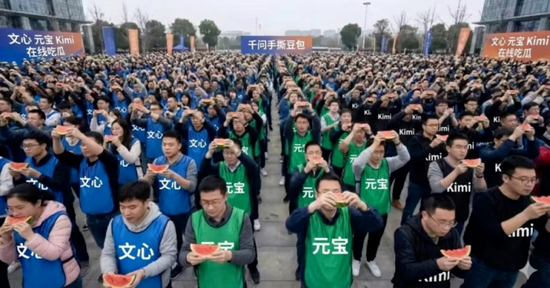
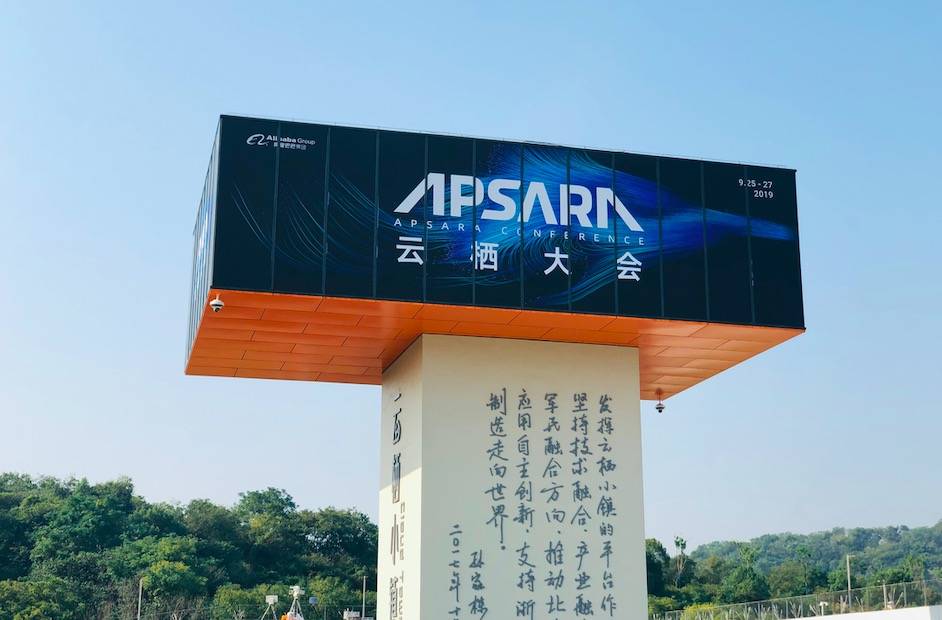
Core Insights - China has emerged as the most innovative market globally, particularly with the launch of the Sci-Tech Innovation Board, which has unleashed the potential of innovation-driven companies in AI and IoT [1][19] - Major technology giants are shifting their strategic focus towards AI and IoT, leading to widespread applications of AI across various sectors such as urban management, security, finance, manufacturing, and healthcare [1][19] Company Summaries Alibaba - Alibaba's market capitalization is $449.2 billion (approximately ¥3.17 trillion), making it the largest listed company in Asia [2][20] - The company has transformed from a pure e-commerce giant to a technology innovation enterprise, leading in IoT, cloud services, and AI applications [2][20] - At the Hangzhou Cloud Conference, Alibaba announced that its AI is called over 1 trillion times daily, serving 1 billion people globally, processing 1 billion images, 1.2 million hours of video, 550,000 hours of voice, and 500 billion natural language sentences [2][20] Tencent - Tencent's market capitalization is HK$3.047 trillion (approximately ¥2.75 trillion) [5][23] - The company has initiated a strategic upgrade focusing on cloud and smart industries, aiming to assist various sectors in digital transformation [5][23] - Tencent AI has been applied in over a hundred industries, including education, retail, industrial, government finance, and healthcare, enhancing efficiency and accuracy in areas like smart healthcare [7][25] Huawei - Huawei's estimated market value is ¥1.78 trillion, supported by significant R&D investments totaling nearly ¥500 billion over the past decade [8][26] - The company envisions a future of interconnected and intelligent devices, leveraging 5G and AI technologies to create a vast ecosystem [8][26] - Huawei plans to invest $1.5 billion over the next five years to develop its industrial ecosystem and continue advancing its AI capabilities [8][26] Ant Group - Ant Group, part of Alibaba, is valued at $160 billion (approximately ¥1.13 trillion), making it the largest unicorn globally [9][27] - The company integrates AI into financial services, enhancing accessibility and efficiency in financial technology [9][27] - Ant Group's intelligent platforms support extensive data processing capabilities, significantly improving risk assessment and credit rating applications [9][27] ByteDance - ByteDance is valued at $75 billion (approximately ¥530 billion), making it one of the most valuable unicorns after Ant Group [10][28] - The company has successfully utilized AI algorithms to drive its information flow products, establishing a strong position against major competitors [10][28] Industrial Fulian (Foxconn) - Industrial Fulian has a market capitalization of ¥321.3 billion and is transitioning towards smart manufacturing and industrial internet [11][29] - The company has implemented over 80,000 robots, significantly reducing labor costs and increasing production efficiency [11][29] Hikvision - Hikvision's market capitalization is ¥297.4 billion, leading the smart security industry with substantial revenue growth from ¥3.6 billion in 2010 to ¥49.8 billion in 2018 [12][30] - The company has integrated AI into its products, enhancing capabilities in data collection and analysis [12][30] - Hikvision's innovative business segments, including smart home and robotics, have shown rapid growth, contributing to its long-term development [13][31] Baidu - Baidu's market capitalization is $36.1 billion (approximately ¥255.3 billion) and is recognized as an early adopter of AI technology among the major internet companies [14][32] - The company has developed a comprehensive deep learning platform, serving over 1.5 million developers and facilitating AI applications across various industries [14][32] Xiaomi - Xiaomi's market capitalization is HK$216.3 billion (approximately ¥195.1 billion), recognized as one of the fastest-growing tech companies globally [15][33] - The company has launched a dual strategy focusing on smartphones and AIoT, with significant growth in its IoT platform, connecting over 196 million devices [15][33] DJI - DJI is valued at $24 billion (approximately ¥169.7 billion) and is a leading player in consumer technology, particularly in the drone industry [16][34] - The company has expanded its applications of AI in various sectors, including agriculture and construction, enhancing operational efficiency [16][34] Industry Trends - The AI sector is experiencing unprecedented growth, with significant investments from technology giants, leading to rapid advancements and widespread adoption [17][35] - China's vast user base, data resources, and application scenarios are propelling the development of AI, positioning Chinese tech companies as leaders in the global market [18][36]
同济孙剑团队首创!三层框架解析端到端自动驾驶训练生态
自动驾驶之心· 2025-12-20 02:16
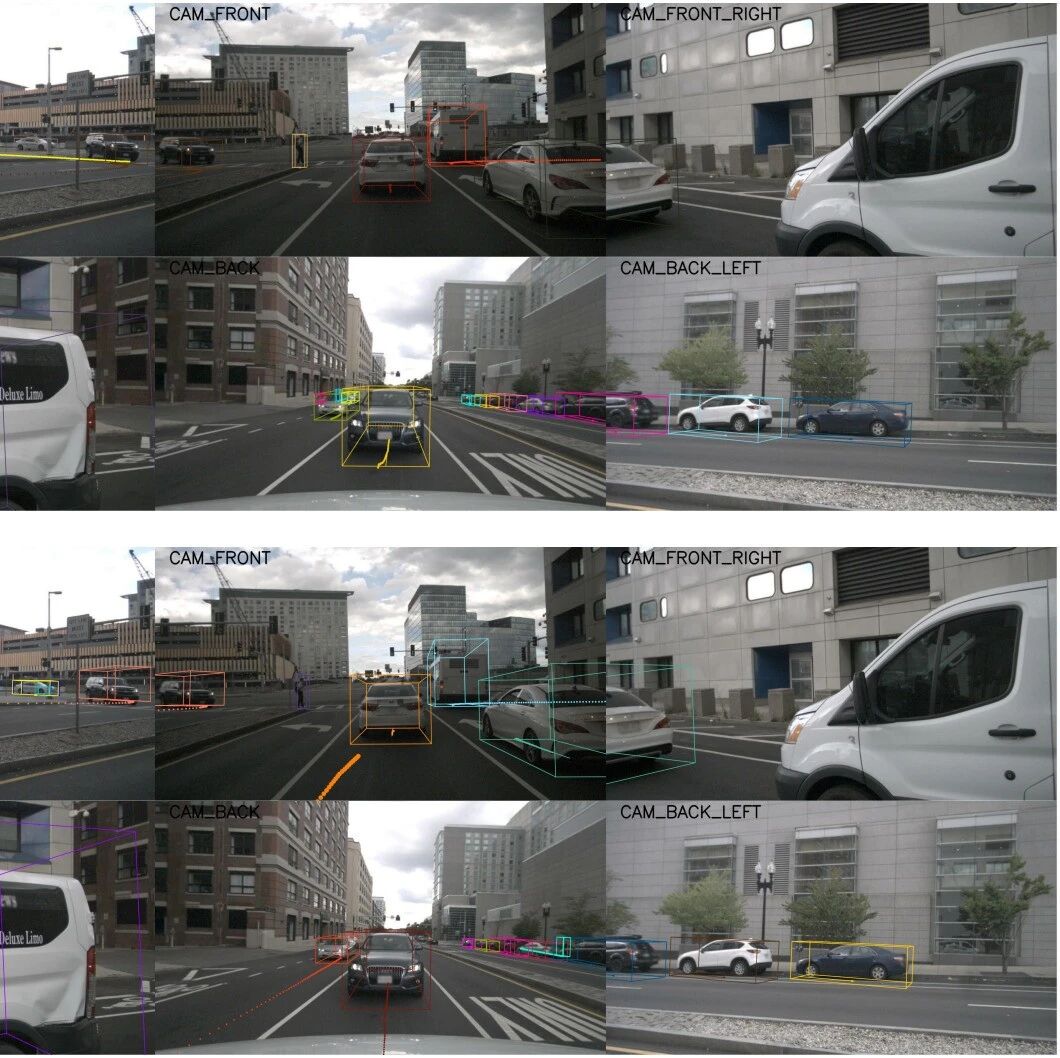
以下文章来源于自动驾驶数据挖掘 ,作者黑客与作家 自动驾驶数据挖掘 作者 | 黑客与作家 来源 | 自动驾驶数据挖掘 原文链接: 【E2E训练】首创!同济孙剑团队三层框架解析端到端自动驾驶训练生态! 点击下方 卡片 ,关注" 自动驾驶之心 "公众号 戳我-> 领取 自动驾驶近30个 方向 学习 路线 >>自动驾驶前沿信息获取 → 自动驾驶之心知识星球 本文只做学术分享,如有侵权,联系删文 导读 破解"训练碎片化"痛点!现有端到端自动驾驶(E2E-AD)训练存在数据堆砌、策略孤立、平台割裂三大问题,导致模型泛化弱、部署难。同济大学 +UNC联合发布 Data-Strategy-Platform三层训练生态框架 ,实现三重核心突破: ① 数据层从 "规模扩张"转向"价值密度" ,聚焦 高风险/长尾场景 ; ② 策略层从 "任务级拼接"升级为"能力型基础" ,涵盖IL/RL到生成式范式(扩散/LLM/世界模型); ③ 平台层从 "静态离线"进化为"持续闭环" ,整合分布式训练、云边协同与灰度发布。 该综述整合280+论文、6大车企工业实践,明确未来三大趋势,为E2E-AD从科研走向量产提供系统级"训练导航图"。 图 ...


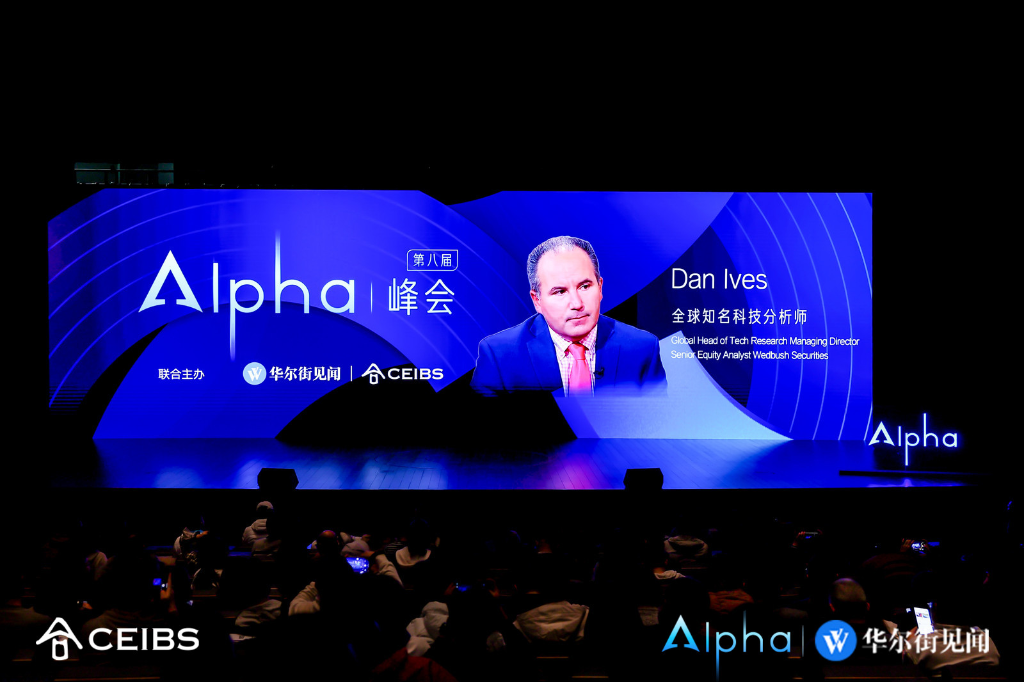
全球知名科技分析师Dan Ives:AI派对才刚开始,2026是“变现之年”,真正的消费者AI革命将由苹果开启|Alpha峰会
Hua Er Jie Jian Wen· 2025-12-20 01:27
Core Insights - The AI revolution is likened to a party that started at 9 PM and is currently at 10:30 PM, indicating that it is still in its early stages with significant growth potential ahead [4][5][13] - The current phase is compared to 1996, suggesting that it is not a bubble like 1999, as the leading companies are financially robust with substantial cash flows [4][5][21][22] - Nvidia's chips have a multiplier effect of 8 to 10 times across various sectors, indicating strong demand and a significant capital expenditure cycle [4][7][28] - The year 2026 is projected to be a critical moment for monetization in AI, distinguishing successful companies from those that fail to execute [10][36] AI Market Dynamics - The AI market is characterized by a supply-demand imbalance for Nvidia chips, with a ratio of 12:1, highlighting the robust demand for AI technologies [4][28] - The AI revolution is expected to create substantial opportunities in the second, third, and fourth layers of derivatives, particularly in software, cybersecurity, and infrastructure [4][7][35] - The consumer AI revolution is anticipated to be led by Apple, leveraging its 2.4 billion iOS devices to reach a broad audience [10][26] China and Global Competition - China has a significant advantage in power supply, particularly in nuclear energy, which is crucial for AI data centers [8][29] - The robotics sector in China is highlighted as a leading area of innovation, with human-like robots being a key focus [8][19] - The relationship between the US and China is viewed as one of interdependence rather than decoupling, with both countries needing to collaborate for the AI revolution to reach its full potential [8][24] Future Projections - By 2030, it is expected that 20% of cars will be autonomous, and one in every 10 to 15 households will have a humanoid robot [10][19] - The technology sector is projected to see a 25% increase in stock prices by next year, with growth expected to continue through 2027 [10][22] - The focus on AI applications is expected to expand significantly by 2026, with a shift from hype to tangible revenue generation [10][36]


甲骨文涨近7% 博通涨超3% 英伟达市值增超万亿元!美联储官员发声 事关利率策略!俄罗斯央行降息50个基点
Mei Ri Jing Ji Xin Wen· 2025-12-19 23:16
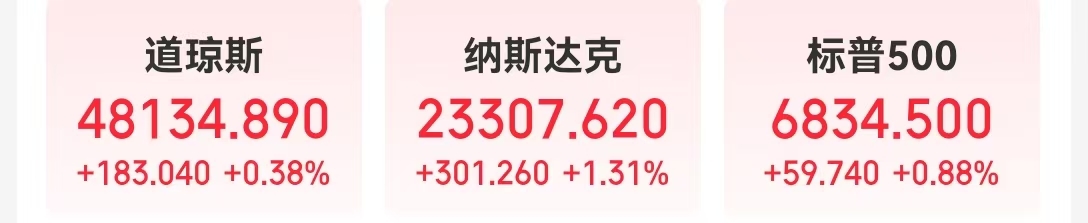
Group 1: Major Tech Stocks Performance - Major tech stocks experienced a rally, with Nvidia rising nearly 4%, adding $166.5 billion (approximately 1172.3 billion RMB) to its market value [1] - Broadcom increased by over 3%, while Google saw an increase of over 1% [1] Group 2: Cryptocurrency and Semiconductor Companies - Cryptocurrency mining companies and semiconductor stocks led the gains, with U.S. Gold Corp rising over 11%, Hut 8 up over 14%, Century Aluminum up over 7%, and Micron Technology, AMD, and Circle each rising over 6% [3] - Other notable increases included Supermicro up over 5%, Americas Silver Corp nearly 4%, and Dell Technologies and Coinbase each up over 2% [3] Group 3: Chinese Stocks and Indices - The Nasdaq China Golden Dragon Index closed up 0.86%, with popular Chinese stocks mostly rising, including Xpeng Motors up over 6%, Li Auto up over 5%, and Pinduoduo up over 3% [6] - Baidu and Zhihu increased by over 2%, while iQIYI saw a decline of over 1% [6] Group 4: Commodity Prices - COMEX gold futures rose by 0.1% to $4368.7 per ounce, with a weekly increase of 0.9%; silver futures increased by 3.34% to $67.395 per ounce, with a weekly rise of 8.55% [6] - WTI crude oil futures rose by 0.91% to $56.66 per barrel, while Brent crude oil futures increased by 1.09% to $60.47 per barrel, both showing weekly declines [6] Group 5: Employment Trends and Economic Indicators - The U.S. employment trend index (ETI) for October and November was reported at 105.8, down from a revised 106.24 in September [7][8] - The University of Michigan's consumer confidence index for December was finalized at 52.9, lower than the initial value of 53.3 [6]