
BYD(BYDDY)

Search documents
天域半导体登陆港股募17亿港元,华为、比亚迪为股东
2 1 Shi Ji Jing Ji Bao Dao· 2025-12-06 08:50
Core Viewpoint - Tianyu Semiconductor, the largest silicon carbide epitaxy manufacturer in China, officially listed on the Hong Kong stock market on December 5, raising HKD 1.744 billion through an IPO priced at HKD 58 per share, but saw a significant drop in share price on the first day of trading, closing at HKD 40.5, a decline of 30.17% [1] Company Overview - Founded in January 2009 in Dongguan, Tianyu Semiconductor specializes in manufacturing silicon carbide epitaxy and is one of the few third-generation semiconductor companies in China, currently producing 4-inch and 6-inch silicon carbide epitaxy and has begun mass production of 8-inch epitaxy [1][2] - The company has established a strong investor base, having completed seven rounds of financing totaling RMB 1.464 billion, with notable investors including BYD and Huawei's Hubble Technology [1][7] Market Position and Performance - Tianyu Semiconductor has achieved a leading position in the domestic silicon carbide epitaxy market, with projected revenue and sales market shares of 30.6% and 32.5% respectively in 2024, ranking first in China [3] - The company has a post-investment valuation exceeding RMB 10 billion as of the end of 2022, and it is recognized for breaking foreign monopolies in the production of thick silicon carbide epitaxy materials [3] Financial Performance - The company's revenue has fluctuated significantly, with reported revenues of RMB 437 million, RMB 1.171 billion, and RMB 520 million for the years 2022 to 2024, respectively, indicating a 55.6% drop in 2024 [5] - Despite a return to profitability in early 2025 with a net profit of RMB 9.5 million, revenue decreased by 13.6% year-on-year, attributed to a strategy of "price for volume" and inventory digestion rather than genuine market demand growth [5] Challenges and Inventory Issues - The continuous decline in the unit price of silicon carbide epitaxy products has negatively impacted revenue growth, with inventory turnover days increasing to 308 days in 2024, although it improved to 219 days in the first three quarters of 2025 [6] - The company faces risks of further inventory devaluation if market prices continue to decline, which could further erode profits [6]


王传福发声:比亚迪不打营销战,不拉踩对手
Nan Fang Du Shi Bao· 2025-12-06 07:12
Core Viewpoint - BYD is facing challenges in the domestic market due to a decline in technological leadership and unresolved user pain points, while its overseas sales are experiencing significant growth, indicating a shift in focus towards international markets. Group 1: Domestic Market Challenges - In November, BYD's total sales reached 480,200 units, but domestic sales were only 348,300 units, reflecting a year-on-year decline of 26.81% for five consecutive months [2] - The decline in domestic sales is attributed to two main factors: a decrease in the "wow factor" of technological advancements and unresolved user issues such as slow charging speeds in low-temperature environments [2] - The company emphasizes that its core competitiveness remains rooted in technology, supported by a research team of 120,000 engineers working on new breakthroughs [2] Group 2: Overseas Market Performance - In the first eleven months of the year, BYD's overseas passenger car sales reached 912,900 units, a year-on-year increase of 153.58%, surpassing the total overseas sales for 2024 [3] - The overseas market is becoming increasingly significant for BYD, with stable pricing contributing positively to the company's overall profit structure [3] Group 3: Future Development Strategy - BYD plans to accelerate "technology democratization" by making advanced technologies available in more affordable models by 2026 [4] - The company aims to enhance its brand strength and product competitiveness, particularly in high-end brands, while avoiding aggressive marketing strategies that could harm its reputation [4] - AI technology will be a focus area, with investments in human resources and hardware design to support its application in automotive manufacturing [5]

比亚迪董事长王传福:我们是龙头老大,可以被别人欺负一下,但不能欺负别人
Sou Hu Cai Jing· 2025-12-06 06:31
Core Viewpoint - BYD has established itself as a leading enterprise in the industry and aims to set an example for others, emphasizing the importance of technological advancement and consumer respect [1][3]. Group 1: Company Strategy - The company plans to focus on electric and intelligent technology advancements over the next 2 to 3 years, increasing research and development efforts to launch more leading-edge technological achievements [1]. - BYD intends to enhance its marketing capabilities to better align with user needs, effectively converting technological advantages into market competitiveness [1]. - The company will continue to expand its overseas market presence [1]. Group 2: Financial Performance - In Q3, BYD reported revenue of 194.99 billion yuan, a year-on-year decrease of 3.05%, and a net profit of 7.82 billion yuan, down 32.60% year-on-year, with basic earnings per share of 0.85 yuan [3]. - For the first three quarters, BYD's revenue reached 566.27 billion yuan, an increase of 12.75% year-on-year, while net profit was 23.33 billion yuan, a decline of 7.55% year-on-year, with basic earnings per share of 2.56 yuan [3]. Group 3: Corporate Governance - During the recent extraordinary general meeting, the board approved several resolutions, including amendments to the company's articles of association, rules of procedure for board meetings, and the selection system for accounting firms [3].
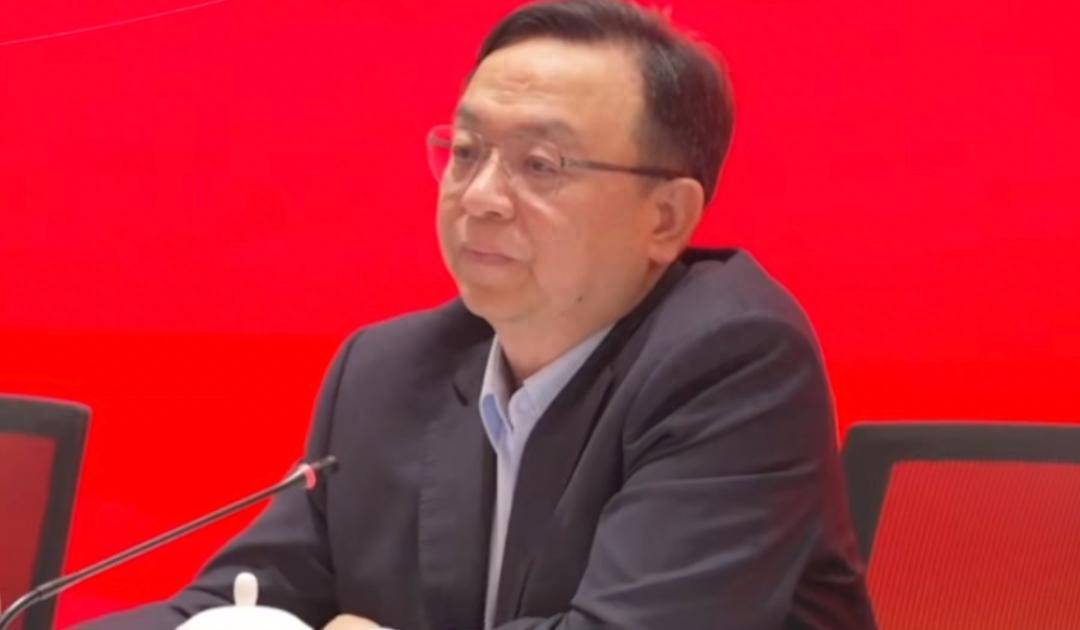
王传福回应比亚迪国内销量下滑:将重塑技术领先优势
Nan Fang Du Shi Bao· 2025-12-06 03:41
Core Viewpoint - BYD is facing a decline in domestic sales due to reduced technological differentiation and unresolved user pain points, while its overseas business is experiencing significant growth, contributing positively to overall profitability [3][4]. Group 1: Domestic Market Challenges - In November, BYD's total sales reached 480,200 units, but domestic sales were only 348,300 units, reflecting a year-on-year decline of 26.81% for five consecutive months [3]. - The decline in domestic sales is attributed to two main factors: a decrease in the "wow factor" of technological advancements and unresolved user issues such as slow charging speeds in low-temperature environments [3]. - The company emphasizes that its core competitiveness remains rooted in technology, supported by a research team of 120,000 engineers working on new breakthroughs [3]. Group 2: Overseas Market Performance - BYD's overseas passenger car sales reached 912,900 units in the first 11 months of the year, marking a year-on-year increase of 153.58%, surpassing the total overseas sales for 2024 [4]. - The overseas market is becoming an increasingly significant part of BYD's business, with stable pricing contributing positively to the company's overall profit structure [4]. Group 3: Future Development Strategy - BYD plans to accelerate "technology democratization" by introducing advanced technologies from flagship models to more volume-oriented models by 2026 [5][6]. - The company aims to enhance its brand strength and avoid aggressive marketing strategies, focusing instead on long-term reputation and consumer recognition [6]. - AI technology will be a key focus, with investments in human resources and hardware design to support its application in automotive manufacturing [6].

王传福:比亚迪要带头做好榜样,用技术创新赢得尊重
Guan Cha Zhe Wang· 2025-12-06 03:25
Core Viewpoint - BYD's chairman Wang Chuanfu emphasizes the company's commitment to not undermine competitors and to lead by example in the industry, focusing on technological advancements to impress consumers [1][3]. Group 1: Company Principles and Performance - Wang reiterates BYD's principle of long-termism and not disparaging peers, stating that the company will only promote its own strengths [3]. - In November, BYD's sales reached 480,200 units, a year-on-year decline of 5.25%, while cumulative sales from January to November totaled 4.182 million units, reflecting a year-on-year growth of 11.3% [3]. - The decline in market appeal of BYD's technological achievements and the increasing homogeneity in the industry are noted as factors affecting performance, which aligns with the cyclical nature of product and technology development [3]. Group 2: Future Directions - BYD plans to focus on electric and intelligent technology advancements over the next 2-3 years, increasing R&D efforts to launch more leading-edge technologies [4]. - The company aims to enhance marketing capabilities to better align with user needs, while avoiding excessive marketing that could backfire [4]. - BYD is committed to expanding its overseas market presence, with November overseas sales reaching 131,900 units, marking a significant milestone, and cumulative overseas sales for the year reaching 917,000 units, doubling from the previous year [4].
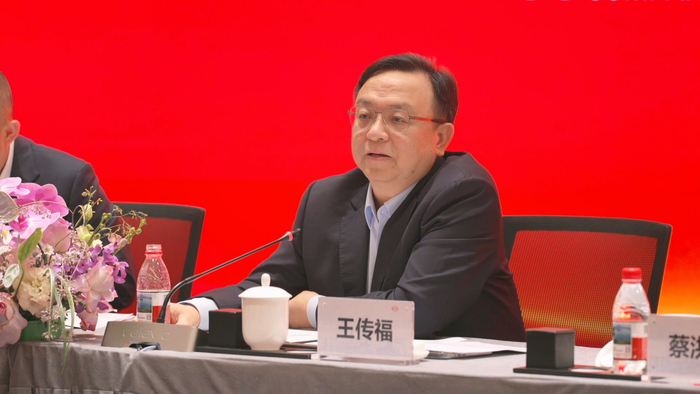
华为、比亚迪投资,又一半导体材料龙头上市!
Sou Hu Cai Jing· 2025-12-05 18:25
Core Viewpoint - Guangdong Tianyu Semiconductor Co., Ltd. has successfully listed on the Hong Kong Stock Exchange, becoming the first company to focus on silicon carbide epitaxial wafers, raising a total of HKD 1.744 billion through its IPO [1] Company Overview - Tianyu Semiconductor was established in 2009 and is one of the earliest companies in China to industrialize third-generation semiconductor silicon carbide epitaxial wafers [1] - The company is recognized as the first silicon carbide semiconductor materials enterprise in China to obtain automotive quality certification (IATF 16949) [1] - Tianyu Semiconductor has the largest production capacity for 6-inch and 8-inch epitaxial wafers in China and ranks first in revenue and sales in the domestic market, as well as among the top three globally [1] Financial Performance - The company’s revenue for 2022, 2023, and 2024 is projected to be CNY 437 million, CNY 1.171 billion, and CNY 520 million respectively, with gross profits of CNY 87.486 million, CNY 217 million, and a loss of CNY 374 million [2] - The gross profit margins are expected to be 20%, 18.5%, and -72% for the respective years [2] - In the first five months of 2025, the company reported revenue of CNY 257 million, a year-on-year decrease of 13.6% [2] Sales and Market Dynamics - In the first three quarters of 2025, the total sales volume of the company's epitaxial wafers reached 162,826 pieces, a 180% increase compared to the same period in 2024 [2] - The sales of 6-inch and 8-inch epitaxial wafers showed significant growth, with increases of 90% and 972% respectively compared to the entire year of 2024 [2] - However, this sales growth was achieved at the cost of price reductions, with the price of 6-inch wafers dropping from CNY 9,631 per piece in 2022 to CNY 3,138 per piece, a decline of 67.4% from the peak in 2023 [2] Industry Context - Silicon carbide epitaxial wafers are critical materials for power semiconductor devices, widely used in electric vehicles, power supply, and rail transportation [3] - China, being the largest market for new energy vehicles, presents significant market opportunities for the silicon carbide industry [3] - As of May 30, 2025, Tianyu Semiconductor's production capacity utilization rate is close to 60%, indicating a tight supply-demand balance in the current market [3]
王传福:比亚迪绝不拉踩别人 要用技术感动消费者
2 1 Shi Ji Jing Ji Bao Dao· 2025-12-05 16:40
"龙头企业要承受得起委屈,国家也希望我们要带好头",王传福透露,公司内部经过反复讨论,虽然可 能会为此丢掉一两个季度的业绩增长,但比亚迪能因此赢得长期的口碑。 "我们可以被人欺负,但不能欺负别人",王传福感慨道,比亚迪将始终坚持不拉踩,要用技术感动消费 者,成为行业的榜样。 12月5日,比亚迪在深圳坪山举行临时股东大会。会上,有股东提及公司近年被恶意造谣攻击,王传福 表示,作为行业龙头,比亚迪坚持不拉踩同行,虽然短期可能损失市场份额,但能赢得长期口碑,以及 国家与行业认可。 0:00 ...
盘点A股研发之王比亚迪首创的新能源黑科技
2 1 Shi Ji Jing Ji Bao Dao· 2025-12-05 16:40
Core Insights - BYD achieved sales of over 480,000 vehicles in November 2025, with overseas sales exceeding 130,000, marking record highs for both domestic and international sales in the year [1] - Cumulatively, BYD sold over 4.18 million vehicles from January to November 2025, solidifying its position as a leader in the global electric vehicle market and making the annual sales target of 4.6 million highly attainable [1] Technological Leadership - BYD is not only a leader in electric vehicle sales but also in technology innovation, having pioneered many features that are now standard in the industry [1] - The company introduced remote vehicle control features in 2011, which are now common across many electric vehicles [1] - In 2012, BYD launched remote driving capabilities, evolving to smartphone control, which has since been adopted by other brands [1] - BYD's bidirectional charging technology (VtoL) was first introduced in 2013 and is now widely available in many electric vehicles [1] R&D Investment - From 2011 to 2024, BYD has spent over 210 billion yuan on R&D, with 13 out of 14 years seeing R&D expenditures exceed annual net profits [3] - In 2019, despite a low net profit of 1.6 billion yuan, BYD invested 8.4 billion yuan in R&D, laying the groundwork for future innovations like blade batteries and DM-i technology [3] - In the first three quarters of this year, BYD's R&D investment reached 43.75 billion yuan, a 31% increase year-on-year, significantly surpassing its net profit of 23.33 billion yuan [3] Industry Perception - A decade ago, BYD was not taken seriously by competitors, but its current market presence is undeniable, with competitors now viewing BYD as a benchmark [4] - The shift in perception from skepticism to emulation highlights BYD's role in setting industry standards [4]
王传福:比亚迪绝不拉踩别人
Di Yi Cai Jing Zi Xun· 2025-12-05 16:25
Core Viewpoint - BYD emphasizes its commitment to maintaining industry integrity and avoiding negative competition, even at the cost of short-term market share loss, to build long-term reputation and recognition from the state and industry [1] Group 1 - During a recent shareholder meeting, a shareholder raised concerns about malicious rumors targeting the company in recent years [1] - Wang Chuanfu, the company's leader, stated that as an industry leader, BYD must endure challenges and not undermine competitors, which may result in sacrificing one or two quarters of performance growth [1] - The company aims to win long-term goodwill by focusing on technology and consumer engagement, positioning itself as a role model in the industry [1]
华为折叠屏比亚迪仰望U8成中东土豪标配
Xin Lang Cai Jing· 2025-12-05 16:23
Core Viewpoint - Huawei's foldable screens and BYD's Yangwang U8 have become standard luxury items among wealthy individuals in the Middle East, indicating a trend towards high-end technology and automotive products in this region [1] Group 1 - Huawei's foldable screens are recognized as a premium product, appealing to affluent consumers who value quality [1] - BYD's Yangwang U8 is also highlighted as a luxury vehicle choice for the wealthy in the Middle East, showcasing the brand's growing influence in the high-end automotive market [1] - The article emphasizes that wealthy individuals are discerning in their choices, indicating a market trend towards high-quality and innovative products [1]
