
MEITUAN(MPNGY)

Search documents
特讯!美团京东淘宝同时声明:自愿执行国标,引发各界关注
Sou Hu Cai Jing· 2025-12-05 21:10
Core Viewpoint - The takeaway from the news is that the food delivery industry in China is transitioning from a phase of chaotic growth to a new stage of refined governance, marked by the implementation of a national standard aimed at addressing long-standing issues within the industry [1][5]. Group 1: Industry Changes - Major food delivery platforms such as Taobao Flash Purchase, Meituan, and JD Delivery have committed to adhering to the newly issued national standard by the State Administration for Market Regulation, signaling the end of the "chaotic growth" era [1]. - The new standard, effective from December 4, 2025, is the first national standard introduced by the platform economy governance committee, highlighting its significance in reshaping the industry landscape [1]. - The standard addresses various industry pain points, including the prevalence of "ghost deliveries," intense price wars, and the lack of protection for delivery personnel [1]. Group 2: Specific Provisions of the Standard - In terms of merchant management, the new regulations require merchants to provide a "one-shot" video with precise store location, which will significantly reduce the space for "ghost deliveries" and protect consumer rights [1]. - The standard introduces a transparent fee structure for platforms, categorizing charges into technology service fees, delivery service fees, and promotional service fees, thereby fostering stable and trustworthy relationships between merchants and consumers [2]. - The standard includes explicit provisions for the protection of delivery personnel's rights, mandating reasonable order acceptance times and the establishment of effective fatigue alerts and mandatory rest mechanisms [4]. Group 3: Industry Consensus and Future Outlook - The collective response from the three major platforms indicates a strong consensus within the industry regarding the need for standardized development, moving away from previous practices of price wars and subsidies [4]. - Experts believe that the implementation of this standard is a crucial step towards promoting healthy development in the food delivery industry, improving working conditions and compensation for delivery personnel [5]. - The market regulation authority has expressed intentions to enhance the promotion and application of the standard, encouraging platforms to actively publish execution statements and fostering a combination of industry self-discipline and social oversight [7]. Group 4: Implementation and Impact - The successful execution of the standard will depend significantly on the platforms' self-discipline and effective supervision from society, with the platforms having participated deeply in the standard's formulation [5][9]. - The industry is expected to shift from a focus on traffic-driven models to service-driven approaches, enhancing service quality, compliance levels, and ecological health [4][9]. - The standard's effective implementation is anticipated to optimize the industry ecosystem, ultimately benefiting consumers and practitioners alike, as the industry moves towards sustainable development [11].



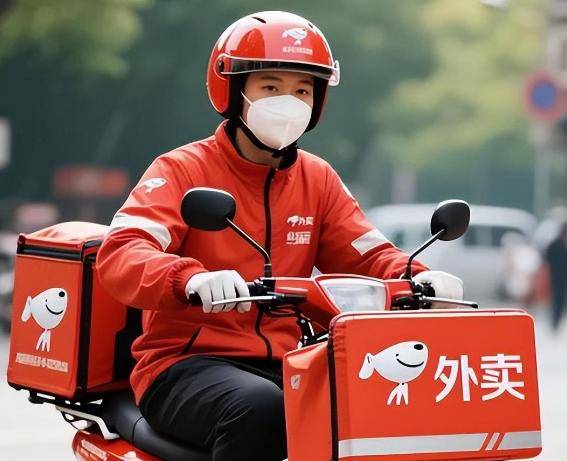
美团、京东、淘宝闪购发布声明
Xin Lang Cai Jing· 2025-12-05 17:14
Core Points - The newly implemented national standard for food delivery platforms aims to optimize management, enhance service quality, and promote win-win scenarios in the industry [1][4] - Major platforms like Meituan, JD, and Taobao Shanguo have voluntarily committed to integrating the standard into their operations to improve service management and consumer experience [2][3] Group 1: Standard Implementation - The standard focuses on addressing key issues in the food delivery industry, including merchant management, pricing and promotional practices, labor management, and dispute resolution [1][4] - It emphasizes the responsibility of platforms to ensure food safety and fair competition while protecting the rights of delivery personnel [4] Group 2: Delivery Personnel Rights - The standard mandates that delivery platforms must ensure reasonable working hours and rest periods for delivery personnel, limiting daily working hours to a maximum of 8 hours [4][5] - It requires platforms to issue fatigue alerts to delivery personnel who have been working for over 4 hours continuously, encouraging them to take breaks [5] Group 3: Operational Guidelines - The standard stipulates that delivery algorithms should consider various factors such as traffic conditions and weather when planning delivery routes [5] - It also sets a maximum average speed of 15 kilometers per hour for electric bicycles during deliveries [5]

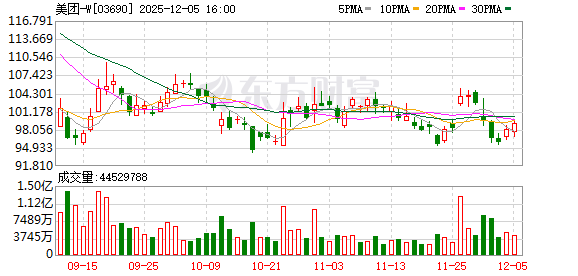
美团-W获南向资金连续7天净买入
Zheng Quan Shi Bao Wang· 2025-12-05 15:08
Group 1 - Meituan-W has seen continuous net buying from southbound funds for 7 days, with a cumulative net buying amount of HKD 2.896 billion, while its stock price has decreased by 4.58% [2] - On December 5, the total trading volume of active stocks through the Hong Kong Stock Connect reached HKD 29.057 billion, with a net buying amount of HKD 1.063 billion [2] - On the same day, Meituan-W recorded a trading volume of HKD 1.728 billion through the Hong Kong Stock Connect, with a net buying amount of HKD 607 million [2]
是时候总结一下外卖大战了:美团上市后最大亏损,阿里利润暴跌
Sou Hu Cai Jing· 2025-12-05 10:52
Core Viewpoint - The ongoing food delivery war has primarily benefited consumers, with significant financial losses reported by major players like Alibaba and Meituan [2][5][11]. Financial Impact - Meituan reported an operating loss of 19.8 billion yuan, marking its largest loss since going public [6]. - Alibaba's operating profit plummeted from 35.2 billion yuan to 5.4 billion yuan, a decrease of 85% [6]. - Over the past six months, Alibaba, Meituan, and JD.com collectively burned over 100 billion yuan in subsidies [6][11]. Strategic Approaches - Meituan adopted a defensive strategy, while Alibaba and JD.com viewed food delivery as a strategic initiative rather than a standalone profit-making business [5][6]. - Alibaba plans to reduce its investment in flash sales while increasing investment in AI infrastructure, indicating a shift in strategy [8]. Market Dynamics - The competition has led to a significant increase in sales expenses due to delivery subsidies, which may not yield long-term benefits [11][12]. - Consumers are increasingly price-sensitive, leading to a "compare prices" mentality, which could undermine the effectiveness of subsidies [13]. Future Considerations - The long-term impact of the food delivery war remains uncertain, with potential competition from Douyin and Pinduoduo, which are rapidly gaining market share [14][16]. - The ultimate winner in the instant retail space is still unknown, as the current focus has primarily been on consumer benefits rather than sustainable business models [16].

冲上热搜!美团、淘宝闪购、京东外卖集体发声
Xin Lang Cai Jing· 2025-12-05 10:14
Core Viewpoint - The release of the new national standard for food delivery services has prompted major platforms like Meituan, Taobao Flash, and JD Delivery to collectively announce their commitment to implement the standard, aiming to enhance service quality and ensure fair competition in the industry [1][6]. Group 1: Industry Response - Major platforms have stated their active participation in the development of the new standard, emphasizing their commitment to fair competition, food safety, service quality, and stakeholder rights [1][6]. - The platforms will integrate the standard into their operational management and service processes, aiming to improve the management of merchants and delivery personnel, enhance consumer experience, and protect the rights of all parties involved [1][6]. Group 2: Regulatory Context - The new standard, titled "Basic Requirements for Delivery Platform Service Management," was issued by the State Administration for Market Regulation to address irrational competition and insufficient protection of delivery personnel's rights in the food delivery industry [2][7]. - The standard focuses on four key areas: merchant management, pricing and promotional behavior, labor management, and dispute resolution, aiming to enhance accountability and transparency within the industry [3][8]. Group 3: Expected Outcomes - The implementation of the standard is expected to improve service quality, enhance consumer rights protection, and shift platforms' focus from merely pursuing traffic to prioritizing service quality and user experience, contributing to sustainable industry development [4][9]. - The standard serves as a significant regulatory measure that provides a scientific basis for market supervision, promotes industry self-discipline, and fosters a fair competitive environment, which is crucial for the high-quality development of the platform economy [10].
外卖“新国标”落地,美团、淘宝闪购、京东发声:积极助力
Nan Fang Du Shi Bao· 2025-12-05 08:56
Core Viewpoint - The implementation of the new national standard for food delivery platforms, titled "Basic Requirements for Delivery Platform Service Management" (GB/T 46862—2025), aims to address issues such as "ghost deliveries," irrational competition, and insufficient protection of delivery personnel's rights within the industry [1][2][7]. Group 1: Standard Implementation - Major food delivery platforms, including Meituan, Taobao Flash Purchase, and JD Delivery, have committed to voluntarily implementing the new national standard and integrating its requirements into their operational management and service processes [1][7]. - All three platforms participated deeply in the drafting and formulation of the standard, contributing to discussions on core clauses and endorsing principles such as fair competition and service quality enhancement [2][4][6]. Group 2: Focus Areas of the Standard - The standard focuses on four main areas: merchant management, platform fees and promotional practices, labor management, and dispute resolution within the platform [1][7]. - Specific measures include requiring merchants to provide location-verified videos to combat "ghost deliveries," implementing dynamic review mechanisms for risk monitoring, and ensuring transparency in fee structures by detailing service charges to merchants [8]. Group 3: Industry Impact and Future Directions - The standard represents a shift from an "efficiency-first" approach to a "people-centered" philosophy, aiming to balance corporate profits with the rights of workers in the delivery sector [9]. - The market regulatory authority plans to promote the standard actively, encouraging the industry to adopt these guidelines to enhance service management and protect the rights of various stakeholders [9].
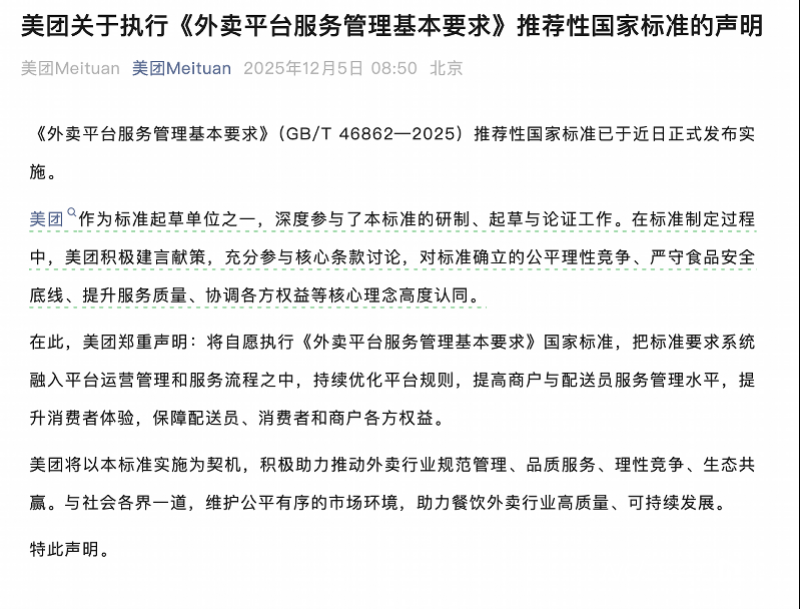
淘宝闪购、美团、京东外卖齐发声明
Guan Cha Zhe Wang· 2025-12-05 08:15
Core Viewpoint - The market regulatory authority has implemented a recommended national standard for food delivery platforms to address issues such as "ghost deliveries," irrational competition, and insufficient protection of delivery personnel rights [1] Group 1: Key Focus Areas of the Standard - Focus on merchant management within platforms, emphasizing the responsibility of platforms to manage and serve merchants effectively, including compliance with food safety standards [1] - Focus on platform fees and promotional activities, aiming to clarify fee structures and promote fair competition by ensuring transparency in pricing and promotional rules [1] - Focus on labor management for delivery personnel, proposing measures to protect their rights, including reasonable working hours, professional training, and diverse protection mechanisms [1] - Focus on dispute resolution within platforms, encouraging the establishment of a consumer rights protection system and transparent complaint handling processes [1] Group 2: Industry Response - Major platforms such as Taobao Shangu, Meituan, and JD Delivery have publicly committed to implementing the national standard, recognizing its importance for fair competition and service quality [2] - These platforms participated in the drafting and discussion of the standard, expressing their commitment to integrate its requirements into their operations and improve service management for merchants and delivery personnel [2] - The platforms view the implementation of this standard as an opportunity to promote industry regulation, quality service, rational competition, and a win-win ecosystem, contributing to the sustainable development of the food delivery sector [2]

剑指“幽灵外卖”“外卖员权益”,外卖服务管理有国标了 美团、京东外卖、淘宝闪购发声
Mei Ri Jing Ji Xin Wen· 2025-12-05 08:13
Core Viewpoint - The introduction of the national standard for food delivery platforms aims to address long-standing issues such as "ghost deliveries," the protection of delivery personnel's rights, and irrational competition among platforms, thereby enhancing the overall service management and transparency in the industry [1][2][3]. Group 1: National Standard Implementation - The national standard titled "Basic Requirements for Food Delivery Platform Service Management" was released by the State Administration for Market Regulation on December 4, 2023, and major platforms like Meituan, JD Delivery, and Taobao Shanguo announced voluntary compliance [1][2]. - The standard mandates that merchants actively participate in the "Internet + Bright Kitchen" initiative, which involves real-time video monitoring of food preparation processes, and platforms are required to support this implementation [1][3]. Group 2: Merchant Management - The standard emphasizes the need for stricter management of merchants to combat "ghost deliveries" and "explosive orders," requiring merchants to provide location-verified videos and ensuring that platforms conduct monthly checks on at least 5% of merchant operations [3][4]. - It also highlights the importance of food safety risk identification and mandates verification of merchant information in cases of customer complaints or discrepancies in operational addresses [3]. Group 3: Pricing Behavior - The standard addresses issues of excessive and irrational pricing by platforms, stating that the costs of promotional activities should be borne by the platforms themselves and not passed on to merchants or delivery personnel [4]. - It prohibits platforms from penalizing merchants who do not participate in promotions by reducing their visibility or limiting their traffic [4]. Group 4: Delivery Personnel Rights - The standard calls for the optimization of scheduling algorithms and the protection of delivery personnel's rights, including fair compensation and the provision of subsidies during adverse conditions [5]. - It specifies that penalties for delivery delays should not involve deductions from earnings, promoting a more equitable treatment of delivery workers [5]. Group 5: Consumer Rights Protection - The standard addresses consumer rights by prohibiting practices such as "big data killing" and personal information leakage, ensuring that promotional pricing is applied equally to all consumers under similar conditions [5]. - It mandates clear notifications for automatic renewals and extensions to protect consumer interests [5]. Group 6: Industry Transition - The food delivery market is shifting from a focus on aggressive subsidies and competition to a model emphasizing food safety, service quality, and social responsibility, marking a transition to a "quality competition" phase [2][6]. - Recent financial reports indicate that major platforms have incurred significant costs in their competitive strategies, leading to a collective reflection on sustainable development paths within the industry [6][7]. - The introduction of the national standard is seen as a catalyst for this transition, providing clear guidelines for enhancing service quality and operational transparency [7].
美团、京东外卖、淘宝闪购集体声明:自愿执行!外卖新国标:骑手连续接单超4小时,暂停派单20分钟,保障骑手平均每周至少休息一天
Mei Ri Jing Ji Xin Wen· 2025-12-05 06:03
Core Viewpoint - The recent implementation of the national standard "Basic Requirements for Delivery Platform Services" aims to address issues in the food delivery industry, including "ghost deliveries," irrational competition, and insufficient protection of delivery personnel's rights. Group 1: Delivery Personnel Rights Protection - The new standard mandates that delivery platforms and partner companies must ensure adequate rest for delivery personnel, limiting their daily working hours to a maximum of 8 hours and requiring a fatigue alert after 4 continuous hours of work [5][6]. - Platforms are prohibited from using algorithms or incentives to force delivery personnel into overtime work, emphasizing the need for a fatigue alert mechanism and ensuring at least one day off per week for delivery personnel [6][15]. Group 2: Merchant Management - Merchants are required to provide a video for location verification, and platforms must ensure consistency between the video and merchant licenses [8]. - Platforms are encouraged to provide "order surge" alerts to merchants and consumers to promote rational ordering behavior [11]. Group 3: Pricing and Fees - The standard outlines three types of fees: technology service fees, delivery service fees, and promotional service fees, with a requirement for platforms to disclose detailed billing information to merchants [12][13]. - Platforms must not transfer promotional costs to merchants or impose unreasonable conditions for participation in promotional activities [13][14]. Group 4: Consumer Rights Protection - Platforms are required to establish a consumer rights protection system that ensures timely responses and safeguards consumer rights, including the right to information and fair treatment [15]. - Personal information collection must be reasonable and consensual, with restrictions on unsolicited commercial communications [15]. Group 5: Complaint and Appeal Mechanisms - Platforms must clarify the procedures for merchant and delivery personnel appeals, ensuring timely responses and simplified processes [16][17]. - A tiered response mechanism for consumer complaints must be established, with immediate human responses for serious safety issues [18].
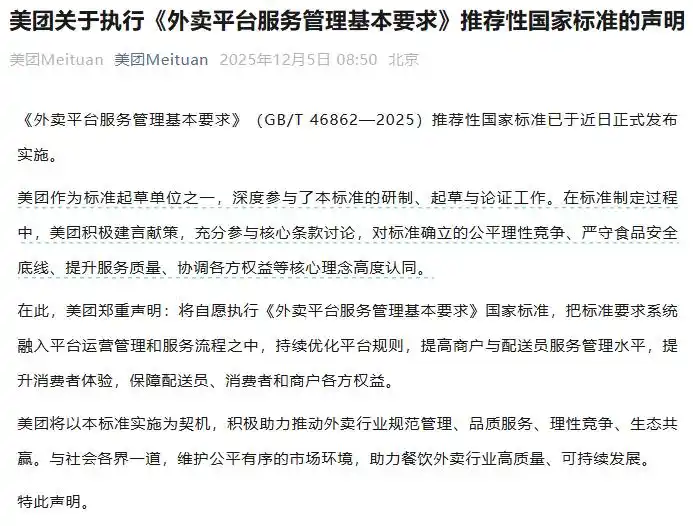
美团、京东外卖、淘宝闪购集体声明:自愿执行国标
2 1 Shi Ji Jing Ji Bao Dao· 2025-12-05 04:43
Core Points - Major food delivery platforms including Taobao Flash Sale, Meituan, and JD Delivery have announced their commitment to voluntarily implement the "Basic Requirements for Food Delivery Platform Service Management" national standard [2] - These platforms aim to integrate the standard requirements into their operational management and service processes, focusing on continuous optimization of platform rules [2] - The initiative is designed to enhance service management levels for merchants and delivery personnel, improve consumer experience, and safeguard the rights and interests of delivery personnel, consumers, and merchants [2]