Nestle(NSRGY)

Search documents
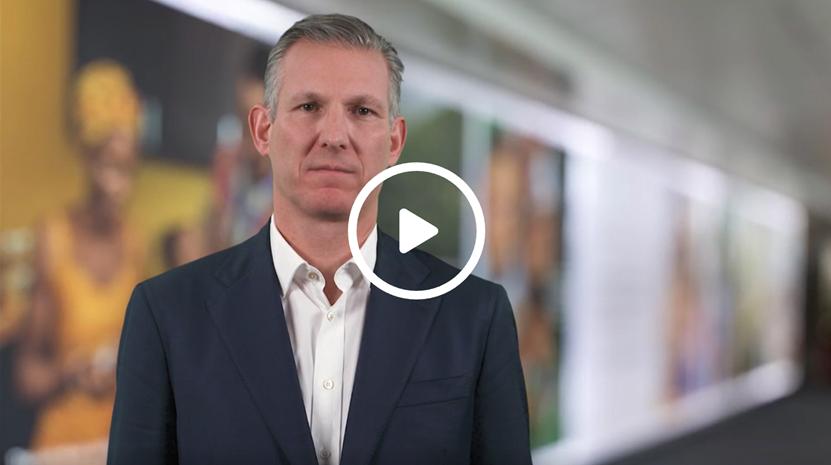
雀巢婴幼儿配方奶召回事件发酵 详解雀巢首席执行官505字致歉视频
Xin Lang Cai Jing· 2026-01-15 06:38
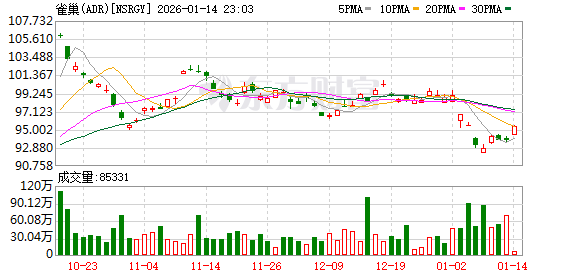
Core Viewpoint - Nestlé Group has faced a significant challenge due to a global recall of infant formula products, affecting 53 countries, and the new CEO Philipp Navratril has addressed the situation through a video statement, which led to a rebound in the company's stock price after a period of decline [1][17]. Group 1: Recall Details - The recall was initiated after the discovery of a quality issue with a specific ingredient used in some batches of infant formula, which was identified during an internal inspection on December 9 [5][21]. - The first recall occurred in Denmark on December 11, while Austria's health authorities also detected the same toxin in two batches of Nestlé products around the same time [5][21]. - The recall has been described as the largest in Nestlé's history, involving 10 factories and 800 products, although this has not been officially confirmed by the company [7][23]. Group 2: CEO's Response - CEO Philipp Navratril, who is the youngest in the company's history, expressed understanding of consumer concerns and emphasized the importance of product safety and quality in his video statement [3][19]. - He acknowledged the delay between the discovery of the toxin and the public recall, which has raised questions about transparency and the company's response time [5][21]. Group 3: Financial Impact - The recall is estimated to potentially cost Nestlé around 1.2 billion Swiss francs, but the company claims the impact on annual sales will be less than 0.5%, translating to approximately 1.3% of the projected sales for 2024, which is 914 billion Swiss francs [15][31]. - Following the release of the CEO's video, Nestlé's stock price saw a noticeable increase, indicating a positive market reaction to the company's handling of the crisis [1][31]. Group 4: Communication Variability - Nestlé's communication regarding the recall has varied by country, with different messaging in China, the UK, and Austria, highlighting the potential for confusion among consumers [12][28]. - The Austrian website provided the most detailed explanation regarding the presence of the toxin, while the Chinese and UK communications were less specific [12][28].


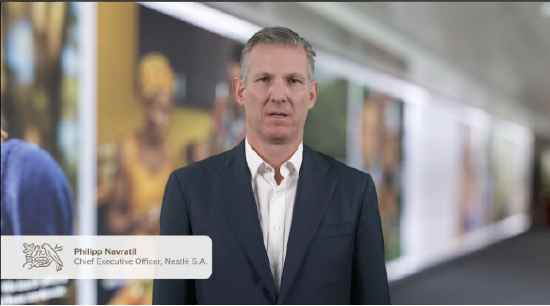
雀巢CEO深夜出镜道歉,损失到底是“0.5%”还是104亿?
Sou Hu Cai Jing· 2026-01-15 02:25
Core Viewpoint - A global recall of infant formula has led to a trust crisis for Nestlé, with the new CEO publicly apologizing and emphasizing food safety as a core value, yet revealing vulnerabilities in supply chain management [1][3]. Group 1: Recall Incident - The recall was triggered by a batch of oil containing ARA that may have been contaminated with Bacillus cereus toxin, causing alarm among parents worldwide [3]. - The recall list includes products like Nestlé NAN, BEBA, and Wyeth Illuma, with Nestlé claiming it is a "preventive measure" and reporting "zero confirmed cases," but parents' anxiety has escalated [5]. Group 2: Communication and Response - There are criticisms regarding the delayed global notification after the issue was discovered in December, with Nestlé stating it needed to coordinate with regulators, but this was perceived as a slow response in the age of rapid information dissemination [5][6]. - The CEO's video apology was seen as a rare move for Nestlé, but it was pre-recorded and lacked interactive engagement, leading to perceptions of it being a "one-way apology" [6]. Group 3: Supply Chain Vulnerabilities - The incident highlights the fragility of multinational supply chains, with the identity of the raw material supplier remaining undisclosed, raising concerns about the reliance on a few suppliers for high-end additives like ARA [6][8]. - Jefferies estimates the potential loss could reach 1.2 billion Swiss francs, significantly higher than Nestlé's own estimate of a 0.5% sales impact, particularly affecting the sensitive Chinese market [8]. Group 4: Future Implications - The CEO's commitment to "restore supply around the clock" is viewed as a gamble, with challenges in production line changes, supply chain audits, and rebuilding market confidence ahead [8][9]. - Nestlé is attempting to turn the crisis into an opportunity for quality upgrades by initiating a thorough review of suppliers, which could potentially attract cautious parents if executed transparently [9]. Group 5: Industry Landscape - The incident underscores a harsh reality in the infant formula industry where safety is paramount, and any lapse in raw material quality can lead to catastrophic consequences for brands [10]. - With regulatory bodies intensifying scrutiny, the infant formula sector may undergo significant cleansing, making the forthcoming quality control measures and supplier transparency critical for Nestlé's recovery [10][12].
波及31国!雀巢CEO就“奶粉召回事件”致歉
Guo Ji Jin Rong Bao· 2026-01-14 15:17
Core Viewpoint - Nestlé's CEO, Philipp Navratil, publicly apologized for a recent infant formula recall, emphasizing the company's commitment to food safety and consumer trust [6][11]. Group 1: Recall Details - The recall was initiated due to quality issues found in an ingredient supplied to a Nestlé factory in the Netherlands, which may contain a harmful toxin [7]. - The recall affects specific batches of infant formula sold in 31 countries, including brands like Nestlé BEBA and Wyeth [7][8]. - In China, 71 batches of infant formula are being recalled, including products sold through cross-border e-commerce [8]. Group 2: Regulatory Response - The Chinese government has expressed significant concern over the recall, urging Nestlé to take responsibility and protect consumer rights [9]. Group 3: Financial Impact - The recalled products account for less than 0.5% of Nestlé's total sales, indicating that the overall financial impact may not be substantial [12]. - However, Jefferies estimates potential sales losses of approximately 1.2 billion Swiss francs, representing about 1.3% of the company's annual sales [12]. Group 4: Market Context - Nestlé faces growth challenges, particularly in the Greater China region, where the infant nutrition segment is one of the few growth drivers [13]. - The competitive landscape in China's infant formula market is intensifying, with local brands increasing their market presence [13].
雀巢集团CEO就奶粉召回公开致歉
Cai Jing Wang· 2026-01-14 09:09
Core Viewpoint - Nestlé's CEO Philipp Navratil issued a public apology regarding a voluntary recall of infant formula due to quality concerns identified at a factory in the Netherlands [1] Group 1: Recall Details - In December 2025, Nestlé confirmed quality issues at a factory in the Netherlands, leading to a proactive voluntary recall across several European countries where the product was sold [1] - The food safety team investigated the issue and concluded that the problem originated from specific raw materials supplied by a vendor [1] - The company immediately ceased distribution of the affected products and initiated a preventive recall in early January in collaboration with local regulatory authorities [1] Group 2: Health Impact - CEO Navratil emphasized that there have been no confirmed cases of illness related to the affected products [1]
雀巢全球CEO发布视频致歉:详解奶粉预防性召回始末,承诺透明迅速处理
3 6 Ke· 2026-01-14 08:34
Core Viewpoint - Nestlé's CEO Philipp Navratil publicly apologized for a precautionary recall of infant formula due to a quality issue, emphasizing the company's commitment to food safety and consumer trust [1][2][4]. Group 1: Recall Details - The recall was initiated after identifying a quality concern at a factory in the Netherlands, affecting multiple brands including Beba, SMA, and others, with a total of 71 batches globally [2][8]. - The recall includes 30 batches from regular channels and 41 batches from cross-border e-commerce channels in China [8]. - The affected products represent less than 0.5% of the company's annual sales, indicating that the financial impact on the overall company is expected to be minimal [8]. Group 2: Response Measures - The company has taken immediate action by halting the distribution of all products containing the affected raw material and has coordinated with authorities for a voluntary recall across impacted European countries [6][7]. - Nestlé has enhanced customer service operations to address consumer inquiries and is working on supply chain adjustments to restore full product availability [2][8]. - A thorough investigation is being conducted in collaboration with the supplier to identify the root cause of the quality issue and prevent future occurrences [2][6].
雀巢“预防性召回”奶粉事件是怎么回事?
Zhong Guo Jing Ji Wang· 2026-01-13 01:39
Core Viewpoint - The article discusses the recall of infant formula by Nestlé in 31 countries due to potential contamination with Bacillus cereus, prompting regulatory scrutiny on Jia Bi You Biotechnology (Wuhan) Co., Ltd. for its involvement in the supply chain [1][3][6]. Group 1: Regulatory Actions - The Shanghai Stock Exchange issued a regulatory letter to Jia Bi You, urging the company to respond promptly and fulfill its information disclosure obligations [1][2]. - The National Market Supervision Administration emphasized the importance of Nestlé (China) Ltd. adhering to corporate responsibility in recalling affected products [6]. Group 2: Product Recall Details - Nestlé announced a voluntary recall of specific batches of infant formula, including products like "力多精" and "惠氏膳儿加," due to quality issues with a supplier's raw materials [3][5]. - The recall affects 30 batches of products sold in mainland China and 41 batches sold through cross-border e-commerce channels [3][5]. Group 3: Supplier and Quality Control - The specific supplier of the problematic arachidonic acid (ARA) used in the affected products has not been disclosed, although major producers include Jia Bi You, DSM, and Runke [6][11]. - Both DSM and Runke have publicly stated that they are not responsible for the contaminated ARA, asserting their products meet strict quality control standards [8][10]. Group 4: Industry Standards and Safety - There is a debate regarding the absence of specific limits for Bacillus cereus in China's infant formula standards, with experts arguing that total bacterial counts are regulated instead [11][12]. - The management of Bacillus cereus is crucial, as it can produce toxins when proliferating, highlighting the need for stringent quality control measures throughout the supply chain [12].

雀巢暴雷,信任已死
3 6 Ke· 2026-01-13 00:56
Core Viewpoint - The dispute between Chongqing Yichong Technology Co., Ltd. and Nestlé (China) Co., Ltd. highlights the challenges in the traditional high-price and post-rebate business model, revealing underlying issues in trust and cooperation within the industry [1][2][3]. Group 1: Dispute Details - Chongqing Yichong Technology accuses Nestlé of improper conduct, including high rebate promises that led to significant unpaid rebates totaling nearly 19 million yuan [1]. - The cooperation model between the two companies involved high initial purchase prices with subsequent rebates, which were initially paid but began to be delayed from Q3 2023 [1]. - Nestlé proposed a "three-fold package" solution to settle the debt, which was rejected by Yichong, leading to arbitration proceedings [1]. Group 2: Market Context - Nestlé faces multiple challenges in both global and Chinese markets, with a reported 6.1% decline in organic growth in the Greater China region for the first three quarters of 2025 [1]. - The company is undergoing a global restructuring, planning to lay off approximately 16,000 employees over the next two years to cut costs and focus on core businesses like coffee and pet care [1]. Group 3: Business Model Analysis - The rebate model used by Nestlé is described as a double-edged sword, where high pricing and post-sale rebates create a risky dynamic for distributors [3][4]. - This model relies heavily on trust, with Nestlé holding significant power over pricing and terms, leading to potential delays in rebate payments as a means of maintaining control over distributors [5][6]. Group 4: Internal Management Issues - The lack of clarity in the formal distribution agreement regarding rebate calculations and payment guarantees has left Nestlé with legal leeway [6]. - Promises made by Nestlé employees through informal channels have created a dual system of formal contracts and informal commitments, which can lead to disputes when market conditions change [7][10]. Group 5: Implications for Future Relationships - The arbitration case reflects a shift from cooperative business relationships to zero-sum games, indicating a lack of flexibility and foresight in Nestlé's local management under financial pressure [9][31]. - The incident has damaged Nestlé's reputation in the Chinese market, potentially affecting future partnerships and increasing the psychological costs for new collaborators [15][31]. Group 6: Broader Industry Challenges - Nestlé's traditional business model is under scrutiny as it struggles to adapt to the rapidly changing market dynamics in China, where local competitors are more agile [17][20]. - The company's reliance on outdated channel strategies and a complex management structure has hindered its ability to respond effectively to market demands [24][26]. Group 7: Future Considerations - The need for Nestlé to redefine its business philosophy in China is emphasized, moving from a focus on financial negotiations to a model based on data sharing and collaborative value creation [31][29]. - Companies must recognize the importance of building trust and transparent relationships with partners to avoid similar disputes in the future [31][29].
雀巢大中华区销售额增长率跌6.1% 召回中国市场71个批次婴儿配方奶粉
Chang Jiang Shang Bao· 2026-01-12 03:07
Core Viewpoint - Nestlé is conducting a global recall of certain infant formula products due to potential contamination with Bacillus cereus, a bacteria that can cause foodborne illness, affecting multiple countries and brands [3][4]. Group 1: Recall Details - On January 6, Nestlé China announced a voluntary recall of 71 batches of infant formula, including 41 batches imported from Europe and 30 batches sold in mainland China [1][5]. - The recalled products include various brands such as "Nestlé BEBA Supreme" and "Wyeth启赋未来" [5]. - The recall is a precautionary measure due to quality issues with a specific oil ingredient used in the production of the affected formulas [3][4]. Group 2: Market Impact - As of now, Nestlé China has not received any reports of illness related to the recalled products [2][5]. - The organic sales growth rate for Nestlé's Greater China region was -6.1% for the first three quarters of 2025, with a significant drop of -10.4% in the third quarter [2][7]. - The company is shifting its strategy from a "channel-driven" approach to a "demand-driven" model to address declining sales [2][8]. Group 3: Management Changes and Strategy - Mark Schneider took over as Chairman and CEO of Nestlé Greater China in July 2025, emphasizing the need for a strategic shift in operations [8]. - The previous growth model relied heavily on expanding distribution channels and inventory pressure, which has proven unsustainable [8]. - Schneider has initiated changes in key management positions and integrated e-commerce teams to enhance operational efficiency [8].
雀巢大中华区销售额有机增长率跌6.1% 召回中国市场71个批次婴儿配方奶粉
Chang Jiang Shang Bao· 2026-01-11 23:33
Core Viewpoint - Nestlé is conducting a global recall of certain infant formula products due to potential contamination with Bacillus cereus, a bacteria that can cause foodborne illness, affecting multiple countries including China [4][5]. Group 1: Recall Details - On January 6, Nestlé China announced a voluntary recall of 71 batches of infant formula, including 41 batches imported from Europe and 30 batches sold in mainland China [1][6]. - The recalled products include various brands such as "Nestlé BEBA Supreme" and "Wyeth启赋未来" [1][6]. - The recall is a precautionary measure, and as of now, no adverse health reports related to the products have been received [2][5]. Group 2: Market Impact and Performance - Nestlé's sales in the Greater China region have seen a decline, with an organic growth rate of -6.1% for the first three quarters of 2025, and -10.4% in the third quarter [3][8]. - The company is shifting its strategy from a "channel-driven" model to a "demand-driven" approach, as stated by the new CEO, Mark Schneider [3][8]. - From 2019 to 2024, sales in the Greater China region dropped from 6.913 billion Swiss francs to 5.558 billion Swiss francs, with only one year of positive growth [8]. Group 3: Strategic Changes - The new CEO has emphasized the need to address previous sales strategies that relied heavily on channel expansion and inventory pressure, which led to unsustainable practices [8]. - Recent management changes have been made to improve operations, including the appointment of a new head for the dairy business to oversee e-commerce and retail channels [8]. - The company remains committed to long-term development in China, focusing on local innovation and quality products for consumers [9].
彻底卖光!又一国产品牌落入外资之手,创始人套现百亿潇洒离场
Sou Hu Cai Jing· 2026-01-11 01:45
Core Viewpoint - Nestlé has acquired the remaining 40% stake in Xu Fu Ji, marking the complete transition of the once-local candy brand into foreign ownership, raising questions about the preservation of cultural significance in Chinese traditions [1] Group 1: Company History and Development - Xu Fu Ji started as a small workshop in Dongguan, founded by four brothers from Taiwan, who initially sold candy on the streets of Taipei in the 1980s [3] - The company transformed from a contract manufacturer to an industry leader by introducing gift box packaging in 1996, which was considered high-end at the time, priced at 20 yuan [5] - By 2011, Xu Fu Ji achieved annual revenue of 4.3 billion yuan, but faced challenges with the entry of international brands like Dove and Ferrero into the Chinese market [5][7] Group 2: Financial Performance and Strategic Changes - After a significant investment from Nestlé, which acquired 60% of the company for $1.7 billion, Xu Fu Ji aimed to enhance its technology and research capabilities [7] - The company struggled with declining sales due to the rise of e-commerce and health trends, leading to a drop in performance, with annual reports no longer listing Xu Fu Ji separately [7] - A turnaround occurred post-2020 with the introduction of live-stream selling and low-sugar products, projecting revenue to exceed 7 billion yuan in 2024 [9] Group 3: Market Position and Consumer Sentiment - The acquisition by Nestlé has raised concerns about the future of Xu Fu Ji, especially as younger consumers gravitate towards brands like Three Squirrels and Liangpin Shop [11] - Quality issues have been reported, including incidents of foreign objects found in products, which may affect consumer trust [11] - The sentiment among consumers may not focus on the ownership of the brand but rather on the quality and pricing of the products, especially during festive seasons [12][14]