PDD(PDD)

Search documents
拼多多十年 那些变与不变
Huan Qiu Wang· 2025-10-15 07:02
Core Insights - Pinduoduo has completed its first decade, emphasizing its commitment to consumer benefits and innovative promotional strategies like "100 Billion Subsidy" [1][2] - The company has amassed over 9 million active users and more than 10 million active merchants, significantly impacting daily life in China [1][3] - Pinduoduo's approach to e-commerce focuses on inclusivity and affordability, redefining consumption upgrades for a broader audience [6][9] Group 1: Business Strategy - Pinduoduo's strategy is characterized by a focus on core e-commerce operations rather than chasing fleeting trends, prioritizing consumer and merchant interests over short-term profits [1][11] - The company has successfully penetrated rural markets, enhancing digital literacy and access to goods for underserved populations [4][6] - Pinduoduo's unique business model emphasizes a "reverse paradigm" in e-commerce, concentrating on agricultural product sales and supply chain optimization [11][12] Group 2: Consumer Experience - The platform's user-friendly design and features like group buying have made online shopping accessible to older demographics [6][9] - Pinduoduo has transformed the shopping experience by offering significant discounts and a wide range of products, catering to diverse consumer needs [3][4] - The introduction of "100 Billion Subsidy" has built consumer trust and loyalty, leading to a substantial increase in transaction volume [4][12] Group 3: Merchant Impact - Pinduoduo has facilitated significant growth for merchants, with some reporting revenue increases from millions to over a billion yuan through the platform [8][9] - The company has initiated various support programs for merchants, including a "100 Billion Relief" plan to alleviate operational costs [12][13] - Pinduoduo's focus on community and collaboration has fostered a sustainable ecosystem for merchants, encouraging innovation and local economic development [11][16]



普惠与聚焦,拼多多十年穿越周期的增长哲学
Jing Ji Guan Cha Wang· 2025-10-15 04:36
Core Insights - Pinduoduo has completed its first decade, emphasizing its commitment to consumer benefits and innovative pricing strategies, such as the "100 Billion Subsidy" program [1][2] - The company has amassed over 9 million active users and more than 10 million active merchants, significantly impacting daily life in China [1][6] - Pinduoduo's approach to e-commerce focuses on inclusivity and affordability, redefining consumption upgrades for a broader audience [7][10] Group 1: Business Strategy - Pinduoduo's strategy is characterized by a focus on core e-commerce operations rather than chasing fleeting trends, prioritizing consumer and merchant interests over short-term profits [1][10] - The company has successfully penetrated rural markets, facilitating digital literacy and access to e-commerce for older generations [6][7] - Pinduoduo's unique business model emphasizes a "win-win" ecosystem, fostering collaboration with merchants and prioritizing their needs [12][14] Group 2: Market Impact - The platform has transformed the lives of many users, providing affordable access to quality products and enhancing the shopping experience through features like group buying [3][5] - Pinduoduo has become a significant player in the agricultural sector, connecting over 1.6 million farmers to the digital economy and increasing their average income by 18.2% from 2020 to 2024 [9][10] - The company has also facilitated the growth of small businesses, with many merchants reporting substantial revenue increases after joining the platform [8][9] Group 3: Future Outlook - Pinduoduo is committed to investing over 100 billion RMB in merchant support initiatives over the next three years, aiming to enhance the quality of its ecosystem [12][14] - The company is focused on maintaining operational efficiency and agility, avoiding the pitfalls of larger corporations [11][12] - Pinduoduo's leadership emphasizes a collaborative growth model, aiming to create value for consumers and society while fostering innovation [14]
拼多多十年,那些变与不变
Huan Qiu Wang· 2025-10-15 03:31
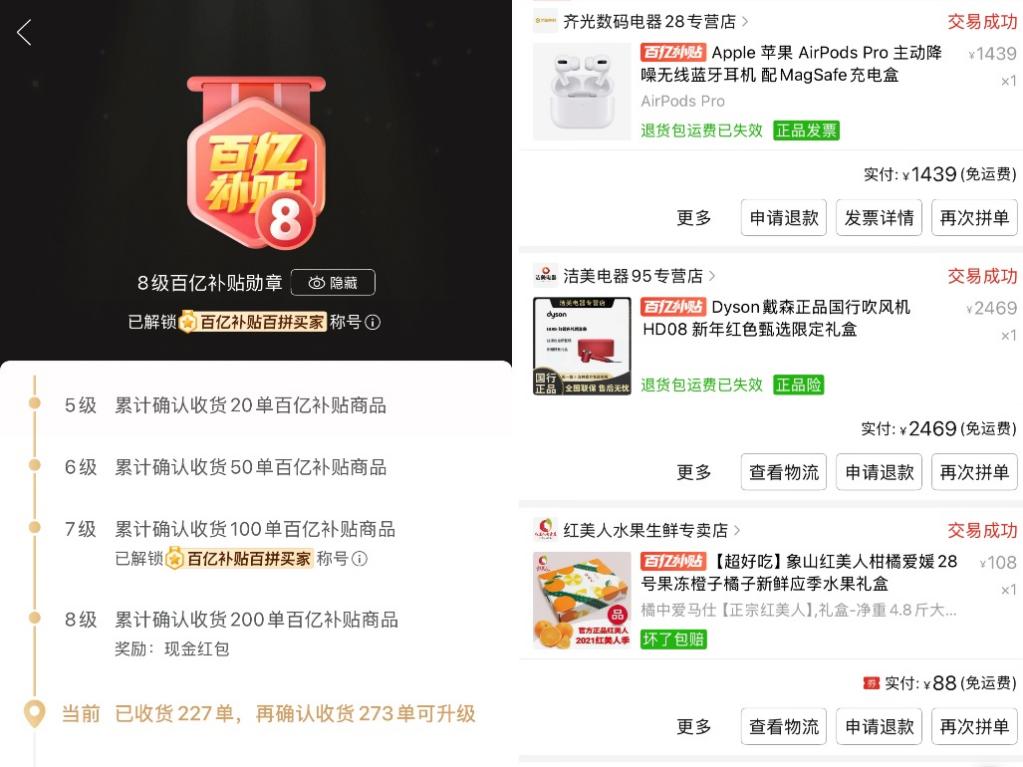
Core Insights - Pinduoduo has completed its first decade, emphasizing its commitment to consumer benefits and innovative promotional strategies like "100 Billion Subsidy" [1][2] - The platform has amassed over 9 million active users and more than 10 million active merchants, significantly impacting daily life in China [1][3] - Pinduoduo's approach focuses on deepening its core e-commerce business while prioritizing consumer and merchant interests over short-term profits [1][7] Business Model and Strategy - Pinduoduo has redefined "consumption upgrade" by making quality products accessible to a broader audience, breaking the elitist view of consumerism [3][7] - The platform's unique features, such as group buying and user-friendly design, have facilitated the integration of various demographics, including the elderly, into digital shopping [7][10] - Pinduoduo's commitment to agricultural products and white-label goods has established it as a leading platform for rural e-commerce, connecting over 1,000 agricultural regions and benefiting 16 million farmers [10][11] Market Impact - The rise of Pinduoduo has sparked discussions about its role in serving lower-tier markets and redefining consumer needs, emphasizing affordability and accessibility [7][13] - The platform's focus on community-driven sales has led to significant growth for many merchants, with some reporting revenue increases of up to 18 times since joining [8][10] - Pinduoduo's "thousand billion support plan" aims to invest over 100 billion RMB in merchant support, reflecting its commitment to fostering a sustainable ecosystem [14][15] Future Outlook - Pinduoduo's strategy includes continuous innovation and a focus on core competencies, which has allowed it to maintain a competitive edge in the e-commerce landscape [13][17] - The company aims to create a win-win ecosystem by prioritizing the interests of consumers and merchants, setting a foundation for long-term growth [14][17] - As Pinduoduo enters its second decade, it seeks to further enhance its operational efficiency and adapt to changing market dynamics while maintaining its core values [15][17]

以旧换新添力 绿色消费升温
Jin Rong Shi Bao· 2025-10-15 02:17
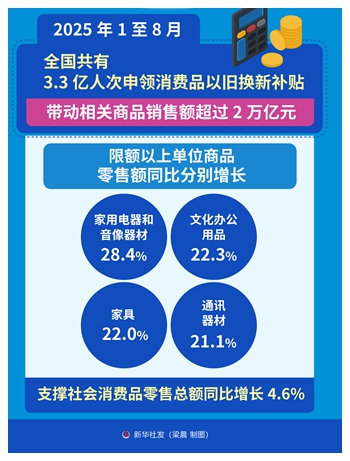
Core Insights - The article highlights the significant impact of the "trade-in" policy on consumer behavior and the economy, showcasing impressive statistics that reflect its success in promoting green consumption and economic stability [5][9]. Group 1: Trade-in Program Statistics - 8.3 million trade-in applications for vehicles have been recorded since 2025 [2]. - 8.465 million electric bicycles have been exchanged in the first half of this year [2]. - Over 110 million units of 12 major categories of home appliances have been traded in this year [3]. Group 2: Growth in Recycling and Recovery - The recycling and dismantling rates of waste home appliances have increased by 14.83% and 20% year-on-year, respectively [4]. - The Ministry of Finance has allocated 69 billion yuan for the third batch of trade-in funds [5]. Group 3: Economic Impact and Consumer Reach - The trade-in program has generated over 1.9 trillion yuan in sales related to consumer goods, benefiting more than 320 million people [5]. - The combination of government subsidies, financial support, and merchant discounts has created a powerful effect in stimulating consumption [5][6]. Group 4: E-commerce Platform Innovations - E-commerce platforms are enhancing consumer experience through various incentives, such as JD's dual subsidies and Pinduoduo's additional recycling subsidies [6]. - Tmall's trade-in program covers over 1,600 categories and 20,000 products, with daily visits exceeding 150 million [6]. Group 5: Financial Services and Consumer Demand - Financial services are crucial for supporting the trade-in program, with a focus on consumer needs for simple, safe, and low-cost options [7]. - Green consumption is increasingly driven by consumer preferences for energy-efficient and environmentally certified products, with over 90% of home appliance sales being of first-level energy efficiency [7]. Group 6: Supply Chain and Green Transformation - The trade-in policy is fostering a closed-loop system in production, with a significant increase in the recycling of waste electrical and electronic products [8]. - Companies are integrating recycled materials into their production processes, enhancing product sustainability [8]. Group 7: Challenges and Future Directions - Challenges remain in the form of high pricing for green products and inadequate recycling networks [9]. - A collaborative effort among government, financial institutions, businesses, and consumers is necessary to enhance the effectiveness of the trade-in program and promote green consumption [9].

双十一“四大新趋势”
3 6 Ke· 2025-10-14 23:14
Core Insights - Douyin E-commerce reported strong initial performance for the "Double 11" sales event, with a 75% year-on-year increase in the number of merchants participating, indicating high platform activity and growth momentum [1] - The number of brands achieving over 100 million yuan in sales surged by 800% year-on-year, while the number of individual products exceeding 10 million yuan in sales grew by 500% [1] - The "Double 11" event has evolved from a single explosive sales day to a longer, more systematic promotional period, reflecting a shift in industry strategy [2][3] Trend Summaries Trend 1: Extended Sales Period - The "Double 11" sales period has been systematically extended, with platforms like JD.com and Taobao starting promotions as early as October and extending through mid-November [3] - This change allows merchants more time to adjust strategies and manage inventory, transforming the event from a single peak into a long-term operational strategy [4] Trend 2: Focus on Individual Bestsellers - Platforms are shifting their focus from broad price wars to promoting individual bestsellers, simplifying the shopping experience for consumers [5][6] - The trend reflects a consumer preference for straightforward discounts and immediate price advantages, moving away from complex promotional strategies [5] Trend 3: Integration of Online and Offline Retail - Platforms are increasingly utilizing offline stores and local warehouses as part of their sales strategy, blurring the lines between online and offline retail [8][9] - This integration allows for faster delivery and a more sustainable flow of customer traffic, enhancing the overall shopping experience [11] Trend 4: AI Utilization in E-commerce - AI has become a standard tool for both platforms and merchants, enhancing operational efficiency and consumer engagement [12][13] - The widespread use of AI tools is changing the competitive landscape, making it essential for brands to focus on product quality and customer trust rather than just promotional tactics [13][14]

红筹架构 | 拼多多美股上市红筹架构深度解析
Sou Hu Cai Jing· 2025-10-14 06:56
Core Viewpoint - The article discusses the significance of the red-chip structure in enabling Chinese companies, particularly Pinduoduo, to access international capital markets while navigating complex cross-border regulations. Pinduoduo's red-chip structure serves as a benchmark for the Variable Interest Entity (VIE) model, effectively addressing foreign ownership restrictions in the internet information services sector and ensuring compliance with regulatory requirements in both China and the U.S. [2][12] Summary by Sections Red-chip Structure Breakdown - The essence of the red-chip structure is to achieve overseas financing for industries with restricted foreign investment through layered control by offshore entities. Pinduoduo's design exemplifies a clear cross-border control loop with five key entities [6]. Core Structure Levels - The VIE entity, Hangzhou Aimei Technology Co., Ltd., operates the Pinduoduo platform and holds essential licenses that restrict foreign ownership. The ownership structure reveals that the founding team holds 91.1% of the shares, with Tencent's affiliate holding 8.9% [7]. Agreement Control System - Pinduoduo established a legal control chain through ten core contracts between Hangzhou Weimi and the VIE entity, achieving "substantial control without equity." This includes various agreements that ensure decision-making, profit transfer, and operational control [8][9]. Compliance Key Nodes - Pinduoduo completed essential compliance procedures before its 2018 IPO, including foreign exchange compliance and offshore listing registration with the China Securities Regulatory Commission (CSRC). These steps were crucial for ensuring the legality of the VIE structure and the repatriation of profits [10]. SEC Information Disclosure - Pinduoduo's prospectus includes a dedicated section on "Contractual Arrangements and Risks," providing detailed disclosures to meet SEC requirements. This includes evidence of substantial control over the VIE and the financial implications of the agreements [13]. Risk Management Strategies - To mitigate delisting risks following the implementation of the Holding Foreign Companies Accountable Act (HFCAA), Pinduoduo took significant actions, including submitting evidence of independent operations and compliance with U.S. auditing standards [13]. Timeline of Structure Development - The construction of Pinduoduo's red-chip structure took three years, closely tied to its business growth and financing processes, following a rhythm of "structure first, financing follows, compliance concludes" [15][16]. Nature of the Structure - The core intelligence of Pinduoduo's red-chip structure lies in achieving "dual compliance" with both Chinese and U.S. regulations, allowing for effective capital flow while adhering to legal frameworks [18].

美股强势爆发,银行、科技、中概股携手拉升,黄金再创新高
Ge Long Hui· 2025-10-14 04:52
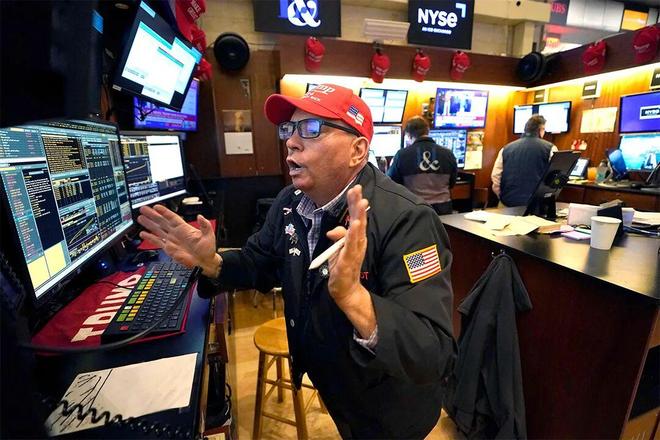
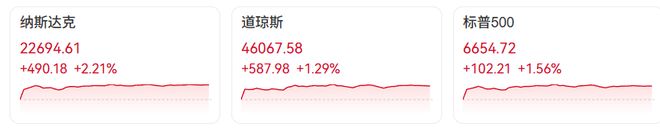
Market Overview - After five consecutive declines, the U.S. stock market rebounded strongly, with all three major indices closing higher: the Dow Jones increased by 1.29%, the Nasdaq rose by 2.21%, and the S&P 500 gained 1.56% [1] Banking Sector - The banking sector experienced a collective reversal, with notable gains including Alliance West Bank up by 5.23%, and other major banks such as Citigroup, Goldman Sachs, Morgan Stanley, JPMorgan Chase, and Zions Bank all seeing increases of over 2% [3] Technology Sector - The technology sector saw a robust performance, highlighted by Tesla's increase of 5.42%, Qualcomm up by 5.33%, Google rising by 3.2%, Nvidia gaining 2.82%, Intel up by 2.34%, and Amazon increasing by 1.71%. Other tech giants like Apple and Microsoft also recorded slight gains [3] Chinese Concept Stocks - Chinese concept stocks opened high and maintained strong performance throughout the day, with the China Golden Dragon Index rising by 3.21%. Notable individual performances included NIO up by 7%, Alibaba increasing by 4.91%, JD.com rising by 4.4%, and XPeng Motors up by 3.38% [3] Gold Market - COMEX gold prices opened lower but surged throughout the day, closing up by 2.34% at $4,130 per ounce. The intraday range saw a low of $4,011.3 and a high of $4,137.2. The current sentiment around gold is mixed, balancing fears of high prices against prevailing trends [3]


史上最早“双十一”启幕,工人日报:“最早”不如“最诚意”
Xin Lang Cai Jing· 2025-10-14 03:24
Group 1 - The "Double Eleven" shopping festival has started earlier this year, marking the earliest launch in its history, with major platforms like Kuaishou, JD.com, and Douyin kicking off pre-sales in early October [1] - The promotional strategies have shifted towards simplicity, moving away from complex discount structures to straightforward price reductions, aiming to enhance consumer experience [1][2] - The extended duration of the event reflects a response to past logistical challenges and aims to optimize shopping experiences by distributing consumer traffic over a longer period [1][3] Group 2 - The evolution of "Double Eleven" mirrors the maturation of Chinese consumers and the ongoing transformation of the e-commerce market, transitioning from impulsive buying to a more rational approach focused on value [2] - Despite the simplification of rules, consumer skepticism remains, with some perceiving minimal discounts and a diluted shopping enthusiasm due to the prolonged promotional period [2] - The industry is encouraged to move beyond price wars and focus on building a healthy commercial ecosystem, emphasizing better logistics, customer service, and unique product value [3]



中方对美船舶收取特别港务费今起正式施行;加沙停火协议文件在埃及签署
Di Yi Cai Jing Zi Xun· 2025-10-14 01:16
Market Overview - The Dow Jones Industrial Average rose by 587.98 points, or 1.29%, closing at 46067.58 points, while the Nasdaq increased by 2.21% to 22694.61 points, and the S&P 500 gained 1.56% to 6654.72 points [1][5] - The market rebound was attributed to President Trump's softened stance on trade tensions, alleviating investor concerns [2][3] - Analysts expect S&P 500 companies to report an 8.8% year-over-year increase in earnings for the third quarter [3] Sector Performance - Broadcom's stock surged by 9.9% after announcing a partnership with OpenAI to produce its first self-developed AI chip, contributing to a nearly 5% rise in the Philadelphia Semiconductor Index [1][5] - Other tech stocks also performed well, with Tesla up 5.4%, Google up 3.0%, Amazon up 1.7%, Meta up 1.5%, and Apple up 1.0% [1] - The Nasdaq China Golden Dragon Index rose by 3.2%, with Alibaba and JD.com both increasing over 4% [1] Upcoming Financial Reports - Major U.S. banks, including JPMorgan Chase, Goldman Sachs, Citigroup, and Wells Fargo, are set to release their quarterly earnings on Tuesday, which will be crucial for assessing market trends amid ongoing government shutdowns [2]


美股高开高走,中国资产大爆发
Di Yi Cai Jing Zi Xun· 2025-10-13 23:54
Market Overview - US stock market experienced a significant rise, with the Dow Jones increasing by 587.98 points (1.29%) to close at 46067.58 points, the Nasdaq rising by 2.21% to 22694.61 points, and the S&P 500 gaining 1.56% to 6654.72 points [2] - Broadcom's stock surged by 9.9% following the announcement of a partnership with OpenAI to produce its first self-developed AI chip, contributing to a nearly 5% increase in the Philadelphia Semiconductor Index [2] - Major tech stocks also saw gains, with Tesla up 5.4%, Google up 3.0%, Amazon up 1.7%, Meta up 1.5%, Apple up 1.0%, and Oracle up 5.1% after several brokerages raised its target price [2] Trade Tensions and Market Sentiment - President Trump's recent comments on trade tensions have eased investor concerns, stating "everything will be fine," which has positively impacted market sentiment [3] - Analysts suggest that the market is beginning to view the trade dispute as a negotiation strategy rather than a full-blown trade war, leading to a rebound in stock prices [4] Upcoming Earnings Season - The focus is shifting to the upcoming earnings season, with major banks like JPMorgan, Goldman Sachs, Citigroup, and Wells Fargo set to report quarterly results [4] - Analysts expect an 8.8% year-over-year growth in earnings for S&P 500 companies in the third quarter [4] Commodity Prices - International oil prices saw a slight increase, with WTI crude oil rising by 1.00% to $59.49 per barrel and Brent crude oil increasing by 0.94% to $63.32 per barrel [6] - Gold prices reached a new historical high, with COMEX gold futures for October delivery rising by 3.34% to $4108.60 per ounce [6]