
Starbucks(SBUX)

Search documents
星巴克劲敌要卖了
Hu Xiu· 2025-08-25 08:04
Core Viewpoint - Coca-Cola is planning to sell Costa Coffee, with a significant price drop from its original acquisition cost, indicating a shift in strategy amid increasing competition in the coffee market [2][14][17]. Group 1: Company Developments - Coca-Cola is collaborating with Lazard to evaluate the sale of Costa Coffee, having already engaged in preliminary talks with private equity firms [2][13]. - Costa Coffee was acquired by Coca-Cola for £3.9 billion (approximately ¥34.7 billion) in 2018, but the current sale price is expected to be around £2 billion (approximately ¥19.4 billion), reflecting a 50% decrease [2][14]. - As of the end of 2023, Costa Coffee generated revenues of £1.22 billion (approximately ¥12.8 billion) and operates over 4,000 stores globally [11]. Group 2: Market Context - The coffee market has become increasingly competitive, with major players like Starbucks, McDonald's (McCafé), and Tim Hortons aggressively expanding their coffee offerings [17]. - Starbucks China is also in talks for a potential sale, with its market share dropping from 34% in 2019 to an estimated 14% in 2024, despite a valuation increase from $5-6 billion to potentially $10 billion [21][22]. - The global coffee market is undergoing significant changes, with multiple brands, including Costa and Peet's Coffee, facing strategic shifts and potential acquisitions [26][29]. Group 3: Strategic Implications - Coca-Cola's decision to divest Costa Coffee is seen as a move to focus on its core beverage business and reduce reliance on lower-margin products [17][27]. - The ongoing changes in the coffee industry reflect broader economic trends, with companies adapting to competitive pressures by shifting from "heavy asset" to "light asset" strategies [27][29]. - The current environment presents opportunities for investors looking to acquire undervalued assets in the coffee sector [28].


刚刚,星巴克劲敌要卖了
投资界· 2025-08-25 07:27
Core Viewpoint - The global coffee market is undergoing significant changes, with major players like Coca-Cola and Starbucks considering divestitures amid increasing competition and shifting market dynamics [2][10]. Group 1: Coca-Cola and Costa Coffee - Coca-Cola is reportedly evaluating the sale of Costa Coffee, having initially acquired it for £3.9 billion (approximately ¥34.7 billion) in 2018, but is now considering a sale price of only £2 billion (approximately ¥19.4 billion), indicating a significant depreciation in value [3][11]. - Costa Coffee's revenue was £1.22 billion (approximately ¥12.8 billion) in 2023, but the company has faced challenges in maintaining growth due to economic conditions and inflationary pressures [8][12]. - The competitive landscape has intensified, with rivals like Starbucks and fast-food chains such as McDonald's and Tim Hortons eroding market share, particularly in China, which is a crucial market for Costa [12][10]. Group 2: Starbucks and Market Dynamics - Starbucks China is also in talks for a potential sale, with interest from various investment firms, reflecting the competitive pressures it faces from local brands like Luckin Coffee and others [14][15]. - Starbucks' market share in China has dropped from 34% in 2019 to an estimated 14% by 2024, yet its valuation has increased significantly, with potential bids reaching up to $10 billion [15]. - The coffee market is experiencing a broader trend of consolidation and strategic realignment, as companies adapt to fierce competition and changing consumer preferences [16][17]. Group 3: Industry Trends - The coffee industry is witnessing a major reshuffling, with established brands like Costa and Starbucks reassessing their strategies in response to market pressures [13][16]. - The trend of divestitures and acquisitions is indicative of a larger shift in the consumer sector, where companies are moving from heavy asset models to lighter asset strategies to remain competitive [17].


星巴克是什么时候没了肉桂粉的
Hu Xiu· 2025-08-25 03:33
Group 1 - The article discusses the evolution of coffee culture in China, highlighting the shift from traditional coffee experiences to a more commercialized and fast-paced consumption model [12][13][14] - Starbucks has historically been a significant player in the Chinese coffee market, but its dominance is being challenged by new entrants like Luckin Coffee, which offers lower prices and a different consumer experience [13][14][15] - The disappearance of traditional coffee accompaniments, such as cinnamon powder, reflects changing consumer preferences and the commercialization of coffee culture in China [6][14][20] Group 2 - The rise of various coffee brands and the increasing competition in the market have led to a dilution of Starbucks' unique offerings, as consumers prioritize convenience and price over quality [14][15] - The article notes that the coffee market in China is becoming increasingly saturated, with many brands vying for consumer attention, leading to a more fragmented market [19] - The changing landscape of coffee consumption is paralleled by trends in other beverage markets, such as tea, indicating a broader shift in consumer habits and preferences [16][19]
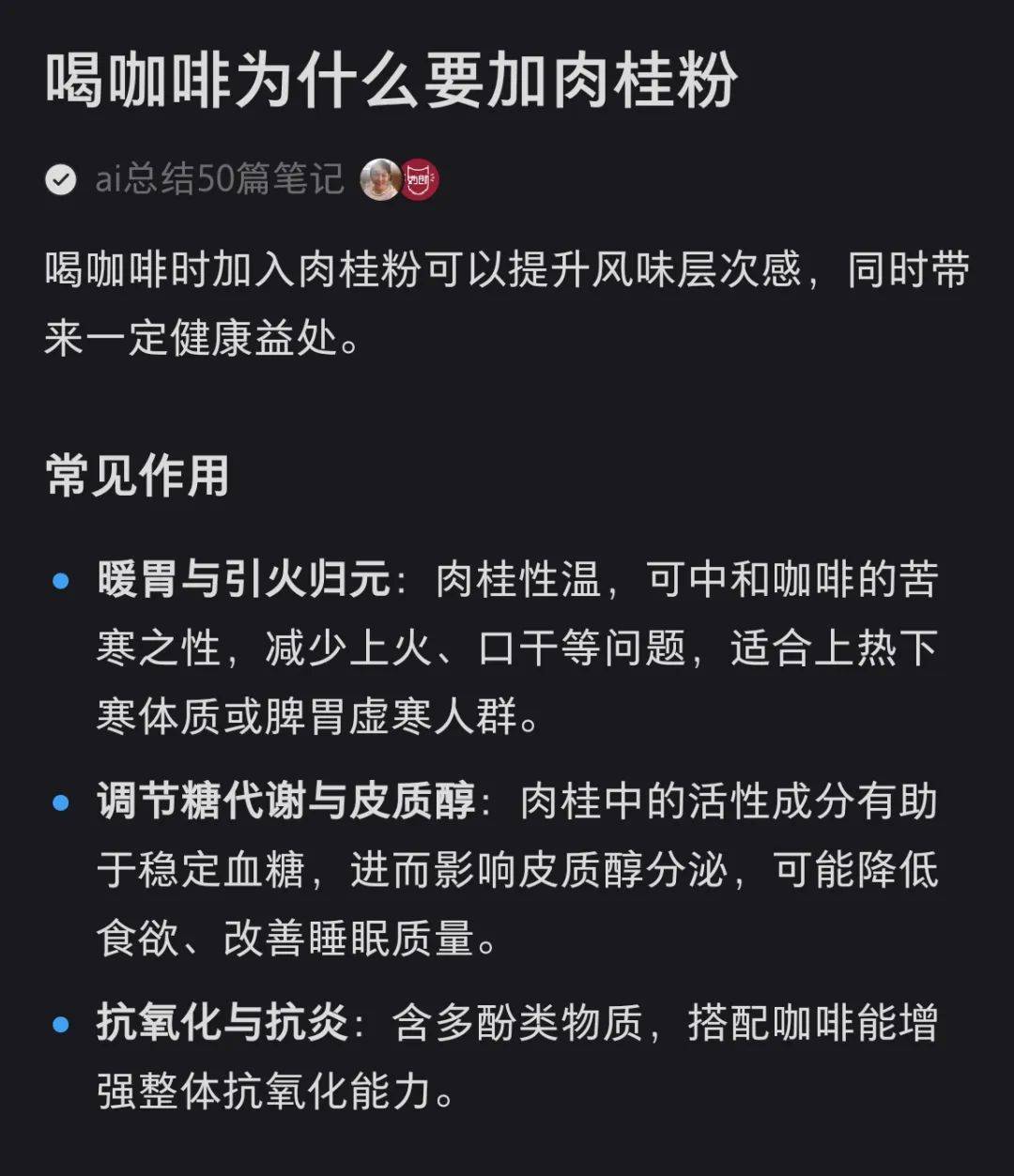
星巴克计划削减美国工厂生产安排以降低成本
Ge Long Hui A P P· 2025-08-25 02:28
Group 1 - Starbucks plans to reduce production arrangements at five coffee roasting and packaging plants in the U.S. starting January next year [1] - As part of cost-cutting measures, Starbucks has fixed the salary increase for all North American salaried employees at 2% [1]
If You'd Invested $10,000 in Starbucks Stock 3 Years Ago, Here's How Much You'd Have Today
The Motley Fool· 2025-08-24 09:35
Core Viewpoint - Starbucks is facing significant challenges in its financial performance despite its global brand recognition and extensive store presence [1][5]. Group 1: Financial Performance - Starbucks has 17,230 stores in the U.S. and a total of 41,097 worldwide, but this extensive reach has not translated into financial success in recent years [1]. - An investment of $10,000 in Starbucks shares three years ago would now be worth $11,060, reflecting a total return of 10.6%, which is underwhelming compared to the S&P 500's total return of 58.2% during the same period [4]. - The company's stock price has fallen 30% since reaching an all-time high in July 2021, and it reported a same-store sales decline of 2% in Q3 2025, marking the sixth consecutive fiscal quarter of decline [5]. Group 2: Turnaround Efforts - Starbucks is currently implementing a major turnaround plan aimed at winning over customers and boosting revenue and profits, which is crucial for shareholder confidence [2]. - The leadership team is taking steps to improve the customer experience by simplifying the menu and investing heavily in labor [6]. - Despite these efforts, the company's price-to-earnings ratio stands at 38.2, suggesting that a successful turnaround may already be factored into the current valuation [6].
X @The Wall Street Journal
The Wall Street Journal· 2025-08-23 17:05
The coffee chain that won't leave Starbucks alone is now coming for America. 🔗 https://t.co/7DMhYf7Jlp https://t.co/COGCMYhJYX ...
2025咖啡预言:下沉市场、银发经济与可持续供应链的终极战场
Sou Hu Cai Jing· 2025-08-23 16:51
Core Viewpoint - The Chinese coffee market is experiencing unprecedented rapid growth and profound transformation, with significant competition between international giants and local brands [4][5]. Market Overview - The Chinese chain coffee market is projected to exceed 100 billion RMB by 2025, with a compound annual growth rate (CAGR) of over 15% [5]. - As of the first half of 2025, there are 66,568 stores from 27 major chain coffee brands, marking a net increase of 11,841 stores, a growth of 21.64% compared to the end of 2024 [5]. Competitive Landscape - Starbucks leads the market with over 7,750 stores, reporting an 8% year-on-year revenue growth to $790 million (approximately 5.67 billion RMB) in Q3 2025 [6]. - Local brands like Luckin Coffee are gaining market share, with a 47.1% year-on-year revenue increase to 12.36 billion RMB in Q2 2025, and a net profit of 1.75 billion RMB [8]. - The market is characterized by a dual-track competition: international brands focus on the high-end market while local brands adopt differentiated strategies for rapid expansion [5][11]. Brand Performance - Luckin Coffee has surpassed 26,000 stores, capturing a 35% market share, while Kudi Coffee has 15,000 stores, growing at a rate of 50% [9][11]. - The pricing strategy varies significantly, with Luckin and Kudi targeting the 10-20 RMB range, Starbucks positioned above 30 RMB, and Lucky Coffee focusing on a low price of 6 RMB [11]. Regional Differences - The coffee market shows significant regional disparities, with first-tier cities nearing saturation and lower-tier cities becoming the new battleground for brands [12][14]. - First-tier cities are dominated by brands like Starbucks and Manner, while new first-tier and second-tier cities are seeing rapid expansion from brands like Luckin and Kudi [12][14]. Innovation and Technology - Digitalization and new technology applications are becoming industry standards, with Luckin leveraging big data for consumer insights and operational efficiency [16][26]. - The integration of AI technologies, such as smart ordering systems and facial recognition payments, is enhancing operational efficiency and user experience [16][26]. Product Trends - There is a growing demand for health-oriented and functional products, with brands introducing low-sugar and plant-based options to meet consumer preferences [24][25]. - The trend of "coffee+" is emerging, where coffee brands are diversifying their offerings to include tea and other beverages, creating a more comprehensive consumer experience [18][28]. Future Outlook - The coffee industry is expected to transition from rapid expansion to a more mature phase, with sustainable practices becoming increasingly important [30]. - The market may see consolidation as larger brands leverage their scale and capital to acquire smaller players, leading to a stable competitive landscape [30].

陆家嘴财经早餐2025年8月23日星期六
Wind万得· 2025-08-22 22:42
Group 1 - The Shanghai Cooperation Organization summit will be held in Tianjin from August 31 to September 1, 2025, with President Xi Jinping presiding over the meetings [2] - The Federal Reserve Chairman Jerome Powell indicated a shift in risk balance, suggesting a potential adjustment in policy stance due to rising downside risks to employment [2] - The People's Bank of China announced a 600 billion yuan MLF operation on August 25, resulting in a net injection of 300 billion yuan for the month, marking the sixth consecutive month of increased liquidity [2] Group 2 - The State Council, led by Premier Li Qiang, discussed policies to promote sports consumption and high-quality development of the sports industry, emphasizing the need to combat fraudulent subsidy claims [3] - The Ministry of Industry and Information Technology announced total control management for rare earth mining and processing, requiring companies to maintain flow records [3] - Financial regulatory authorities proposed 16 policy measures to enhance support for cross-strait economic integration, encouraging investment from Taiwanese financial institutions [3] Group 3 - From January to July, actual foreign investment in China amounted to 467.34 billion yuan, a year-on-year decrease of 13.4%, while investments from ASEAN, Switzerland, Japan, and the UK showed growth [4] Group 4 - The A-share market saw a strong upward trend, with the Shanghai Composite Index breaking through 3,800 points, marking a ten-year high, and significant gains in the semiconductor sector [5] - The Hang Seng Index rose by 0.93%, with notable net purchases in stocks like Kuaishou and SMIC, while some companies faced net sell-offs [6] - A survey indicated that insurance institutions prefer stocks as their primary investment asset for the second half of the year, with optimism towards sectors like pharmaceuticals and technology [6] Group 5 - Morgan Stanley projected that the Chinese stock market's upward momentum will continue, estimating an additional liquidity injection of approximately 14 trillion yuan, equivalent to 16% of the market capitalization [6] - The Hang Seng Index Company announced an increase in the number of constituent stocks from 85 to 88, effective September 8 [6] - The Shanghai Stock Exchange took regulatory measures against 253 instances of abnormal trading behavior [7] Group 6 - The China Securities Regulatory Commission released new regulations to enhance the classification and evaluation of securities companies, focusing on high-quality development and investor protection [11] - The China Photovoltaic Industry Association issued a statement against price competition below cost and reported an increase in the average bid price for solar components [11] Group 7 - Alibaba restructured its business segments, consolidating into four main groups, and launched a programming platform for AI development [14] - NIO's chairman commented on the pricing strategy for the new ES8 model, indicating a necessary adjustment to remain competitive [14] - Tesla partnered with Volcano Engine to provide large model services for its new Model Y L vehicle [15]



X @Bloomberg
Bloomberg· 2025-08-22 21:04
Production Adjustment - Starbucks' US coffee bean roasting and packaging plants are reducing weekly production by two days [1] Cost Reduction - The production cut is part of management's cost-cutting efforts [1]
传星巴克(SBUX.US)要求中国业务股权竞标者两周内提交非约束性报价
智通财经网· 2025-08-22 11:36
智通财经APP获悉,据报道,星巴克(SBUX.US)已要求入围的竞标者在两周内提交对其中国业务股权的 非约束性报价。消息人士透露,该公司邀请了凯雷、殷拓、高瓴和春华资本在内的多家公司参加管理层 会议,会上详细介绍其在华业务的财务和运营细节。其他潜在竞购者包括腾讯、KKR和贝恩资本。 据报道,星巴克自去年年底以来一直在与潜在买家进行非正式谈判,并计划在年底前达成交易。首席执 行官Brian Niccol在上个月的财报电话会议上表示,星巴克已吸引了超过 20 家买家的兴趣,目前正在评 估各种选择。Niccol表示:"我们仍然致力于中国业务,并希望保留相当一部分股份……只有对星巴克 有利,我们才会进行交易。" 据报道,星巴克于5月启动其中国业务的正式出售程序,并要求潜在买家提交一份调查问卷的回复。当 时该公司表示,并未打算进行全面出售。消息人士称,星巴克于7月将最多10家竞标者列入候选名单, 并签署了保密协议,之后才允许这些买家获取财务和运营数据。 周五美股盘前,截至发稿,星巴克涨0.86%。 此次股权出售预计将使该业务价值达到约100亿美元,此举旨在重振因增长放缓和竞争加剧而受到打击 的业务。市场研究公司欧睿国际 ...