SoftBank(SFTBY)

Search documents
豪赌AI!软银发行2000亿日元混合型债券,票面利率4.556%创日本今年新高
智通财经网· 2025-08-29 06:13
Group 1 - SoftBank Group Corp. has announced a hybrid bond issuance of 200 billion yen (approximately 1.3 billion USD) with a coupon rate of 4.556%, marking the highest coupon rate for yen-denominated corporate bonds in Japan this year [1][2] - The bond features a "35-year term with a 5-year non-call" structure and has a spread of 340 basis points over Japanese government bonds, with a yield approximately three times that of 10-year Japanese government bonds [1] - The issuance is part of SoftBank's efforts to fund its ambitious $500 billion "Stargate" artificial intelligence initiative, which has led to unprecedented financing demands, resulting in a total bond issuance of 820 billion yen in Japan this fiscal year, the highest among Japanese companies [1] Group 2 - The hybrid bond includes a "deferred interest payment" clause and is subordinate to senior debt, with credit rating agencies expected to classify about half of the bond's principal as equity capital [2] - Initially, SoftBank aimed to raise about 100 billion yen through this issuance, which was later increased to 150 billion yen, ultimately finalizing at 200 billion yen [2] - Given the current upward trend in interest rates and strong market expectations for further increases, SoftBank's decision to lock in funding through this issuance is seen as a prudent move to maintain sufficient buffer capital [2]

人工智能焦虑令美股市场陷入慌乱,根源何在?
财富FORTUNE· 2025-08-25 13:05
Core Insights - Recent significant declines in major AI-related tech stocks have raised concerns about the industry's ability to deliver promised billions in revenue [2][3] - A report from MIT indicates that approximately 95% of generative AI pilot projects have minimal or no impact on revenue or profits, highlighting execution challenges within companies [4] - Experts suggest that while there is skepticism about AI valuations, the underlying technology remains valuable, and the current market fluctuations are part of a long-term transformation process [5][6] Group 1: Market Reactions and Stock Performance - Major tech stocks related to AI, such as Palantir Technologies, Oracle, AMD, Arm Holdings, and Nvidia, experienced significant stock price declines, with Palantir dropping over 9% [2] - SoftBank's stock fell more than 7%, reflecting broader concerns about the tech sector's correction and the sustainability of high valuations in AI-focused companies [3] - The market is distinguishing between companies with genuine AI revenue and those merely leveraging the AI label for marketing purposes [7] Group 2: Insights from Research and Experts - The MIT report, based on extensive interviews and surveys, concluded that most generative AI projects have not justified their substantial expenditures, with execution issues being a primary concern [4] - Experts emphasize that the current market volatility is typical of technology cycles, and while there may be a bubble, the fundamental potential of AI technology is strong [5][8] - The consensus among experts is that the recent market downturn serves as a necessary correction, separating speculative investments from those with real, sustainable value [8][9] Group 3: Long-term Perspectives on AI - AI is expected to have a transformative impact comparable to the Industrial Revolution, despite current market bubbles [5] - Companies that successfully integrate AI into their operations are likely to emerge as winners in the long run, while those that fail to do so may face significant corrections [6][8] - The anticipated increase in AI spending, projected to exceed $360 billion by 2025, indicates a robust underlying demand for AI technologies [7]





AI 泡沫?麻省理工学院报告 95% 企业 AI 投资几乎无回报
Sou Hu Cai Jing· 2025-08-23 06:04
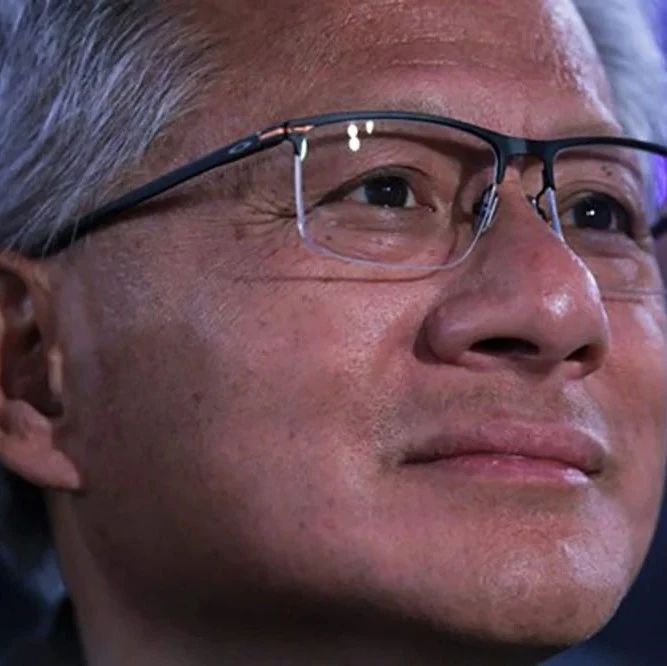
Core Insights - A recent MIT report warns that 95% of generative AI investments have yielded little to no returns for businesses, with half of the projects failing and only 5% achieving commercialization [1][3][4] Investment and Market Impact - The report has led to market concerns about a potential AI bubble, resulting in significant stock declines for major tech companies: Nvidia down 3.5%, Palantir down 9%, and SoftBank down 7% [1][3] - Despite investments ranging from $30 billion to $40 billion (approximately 215.18 billion to 286.91 billion RMB), 95% of AI projects have not generated financial returns, and only 40% of companies have deployed AI applications [1][3] Industry Trends - Many companies are reportedly "quietly abandoning" complex and expensive enterprise-level AI systems, with employees preferring to use consumer-grade tools like ChatGPT at their own expense [3] - The report's release coincides with a decline in confidence regarding AI's profitability, as expectations set since the launch of ChatGPT in 2022 have not been met [4] - OpenAI's release of ChatGPT-5 has been perceived as having limited upgrades, with some users requesting a return to previous versions, indicating dissatisfaction with current offerings [4]
软银20亿投资报告书曝光 任天堂未来或与英特尔合作
Sou Hu Cai Jing· 2025-08-22 05:45
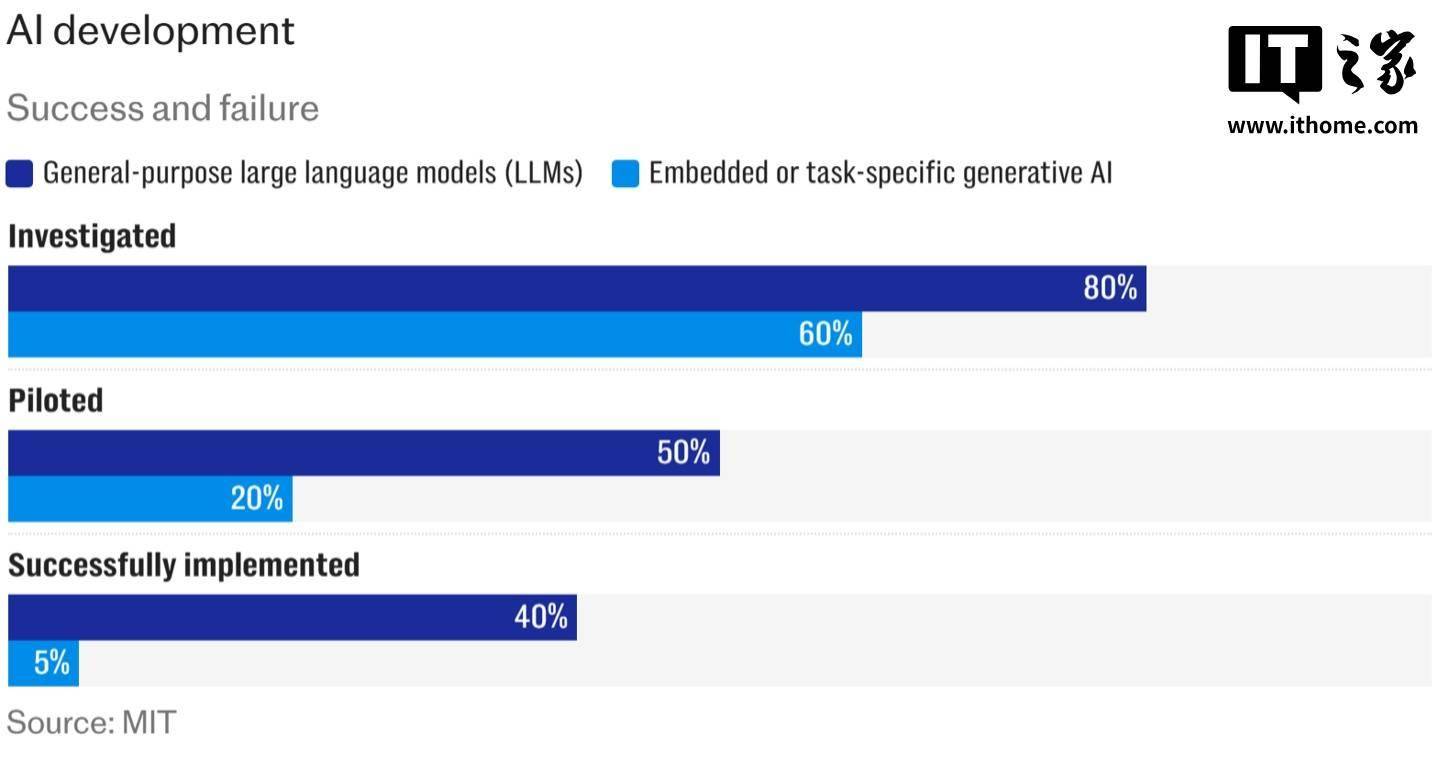
Core Viewpoint - Recent rumors suggest a potential collaboration between Nintendo and chip giant Intel, following SoftBank's $2 billion investment in Intel to help the company recover from strategic missteps over the past five years [1][3]. Group 1: Investment and Ownership - SoftBank's investment will grant it a 2% stake in Intel, making it a significant investor without obtaining controlling interest [3]. - The investment aims to stabilize Intel's supply chain and enhance local production capabilities through partnerships with companies like Nintendo [4]. Group 2: Potential Collaboration - SoftBank's report hints at Nintendo's intention to shift some manufacturing processes to the U.S., leveraging Intel's manufacturing capabilities and ARM architecture technology [4][9]. - Analysts previously speculated that Intel would become a supplier for Nintendo, specifically for the upcoming Switch 3's GPU orders [5]. Group 3: Industry Context - Intel is expanding beyond traditional CPU production into the chip foundry business, indicating a broader scope of operations [7]. - The collaboration may also involve NVIDIA, as Intel could potentially manufacture NVIDIA-designed SOC chips for Nintendo [7].


140亿,孙正义投了个老伙伴
创业邦· 2025-08-21 03:47
Core Viewpoint - SoftBank's $2 billion investment in Intel is seen as a vote of confidence in the company's future, as it struggles with significant losses and competition in the semiconductor industry [3][4][6]. Group 1: Investment and Strategic Moves - SoftBank's investment will make it Intel's fifth-largest shareholder, holding approximately 2% of the company [3]. - The investment is expected to facilitate collaboration between SoftBank's Arm and Intel, potentially allowing Arm to use Intel for manufacturing its AI chips [4][8]. - Intel's stock price saw a 12% increase on the day of the investment announcement, reflecting market optimism [6]. Group 2: Intel's Challenges and Leadership Changes - Intel has faced significant challenges, including a net loss of $3.7 billion in the first half of 2025, an 88% increase in losses year-over-year [4]. - The previous CEO, Pat Gelsinger, was forced to resign due to the company's struggles [4]. - New CEO Chen Lifeng has initiated a restructuring plan, aiming to reduce the workforce by approximately 15%, equating to about 21,000 employees [16]. Group 3: Strategic Initiatives by Chen Lifeng - Chen Lifeng's three main strategies include organizational streamlining, reshaping manufacturing, and upgrading AI capabilities [4][17]. - Intel is focusing on advancing its 14A (1.4nm) process technology to catch up with TSMC's leading position in semiconductor manufacturing [8][19]. - The company has decided to halt external sales of its 18A (1.8nm) process technology, focusing instead on internal use due to low customer penetration and yield rates [21]. Group 4: Broader Industry Context - The semiconductor industry is increasingly dominated by Asian leaders, with many top executives being of Chinese descent [25][27]. - Notable figures include NVIDIA's Jensen Huang and AMD's Lisa Su, both of whom have significantly increased their companies' market valuations [25][27]. - The trend of Chinese leaders in the semiconductor sector is attributed to a combination of historical circumstances and educational backgrounds in top engineering programs [27][29].
一家芯片“新”巨头,横空出世
3 6 Ke· 2025-08-21 03:13
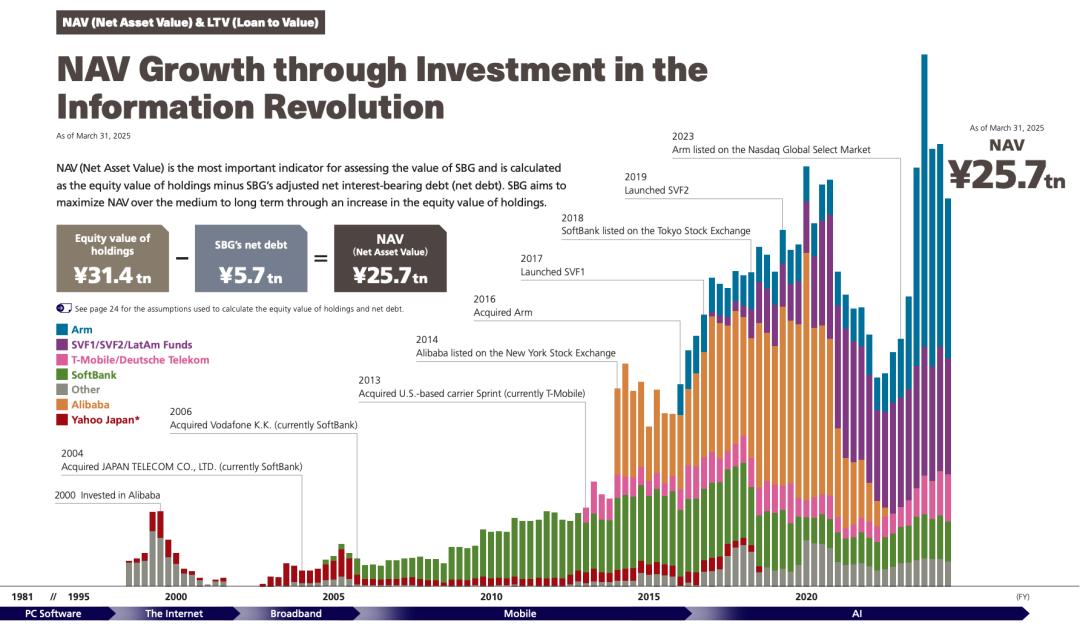
Group 1 - The article discusses the strategic moves of SoftBank under Masayoshi Son, focusing on its investments in AI and semiconductor industries to build a comprehensive AI computing ecosystem [1][3][25] - As of June 2025, SoftBank's net asset value is approximately 31 trillion yen, with a market capitalization of about 14 trillion yen, indicating a significant gap between asset value and market perception [3] - SoftBank's recent acquisitions include Graphcore, a struggling UK AI chip company, and a $20 billion investment in Intel, positioning itself as a major player in the semiconductor sector [9][10][11] Group 2 - Masayoshi Son's vision for SoftBank is to become the world's leading provider of Artificial Super Intelligence (ASI), focusing on AI chips, AI robots, AI data centers, and energy [7][19] - The Stargate project aims to create a new generation of AI infrastructure, with an investment of up to $500 billion to standardize and mass-produce AI servers in the U.S. [10][11] - SoftBank's investment in OpenAI, totaling $400 billion, signifies its commitment to both the infrastructure and application layers of AI technology [11][14] Group 3 - The acquisition of Ampere for $6.5 billion fills a gap in SoftBank's CPU capabilities, enhancing its position in the AI and cloud computing markets [14][15] - The purchase of Graphcore not only saves the company from bankruptcy but also diversifies SoftBank's AI accelerator technology portfolio [15][16] - SoftBank's strategy involves creating a capital map that integrates various components of the AI ecosystem, from IP (Arm) to CPUs (Ampere) and AI accelerators (Graphcore) [16][18] Group 4 - Arm's business model allows for long-term revenue generation through licensing, with a significant portion of its income coming from products launched years ago [20][21] - Arm is planning to develop its own chips, which could enhance its influence in the data center market, although this move carries risks and challenges [21][22] - SoftBank's approach contrasts with Nvidia's vertical integration and cloud giants' self-sufficient models, as it seeks to leverage capital to control various segments of the AI ecosystem [23][24]
英特尔获投资;a2收购雅士利新西兰工厂;The Body Shop任命品牌官
Sou Hu Cai Jing· 2025-08-21 02:18
Investment Dynamics - SoftBank has signed a final securities purchase agreement to invest $2 billion in Intel, making SoftBank the fifth-largest shareholder of Intel, with a share price of $23 per share [3] - Cereal Partners Worldwide (CPW), a joint venture between Nestlé and General Mills, plans to sell two factories in France and the UK, with Ecco Group considering the acquisition, as CPW shifts focus to organic, high-protein, and gluten-free products [5] - a2 Milk Company announced the acquisition of Yashili New Zealand Dairy Company for approximately NZD 282 million (around CNY 1.2 billion), enhancing its supply chain control and market diversification in China [8] Brand Dynamics - Metro's first "fat reform store" has opened in Beijing, optimizing product structure with a reduced SKU count of about 8,000 and increasing the number of baked and prepared food items by nearly six times [13] - Haidilao has launched its first innovative concept store in Beijing, featuring a dessert station and interactive entertainment area, aiming to attract consumers with a diverse dining experience [16] - LANCY has released a new brand campaign featuring global ambassador Song Jia, emphasizing a blend of strength and elegance in its autumn/winter collection [19] - Swatch faced controversy over an advertisement perceived as discriminatory towards Asians, leading to a swift public apology and removal of the related materials [20] - Luzhou Laojiao has established a cultural tourism development company to diversify its revenue streams amid intense competition in the liquor industry [22] Personnel Dynamics - The Body Shop appointed Alia Sirina Hawa as Chief Business and Brand Officer, indicating a strategic shift towards growth after a period of restructuring [25]

一家芯片“新”巨头,横空出世
半导体行业观察· 2025-08-21 01:12
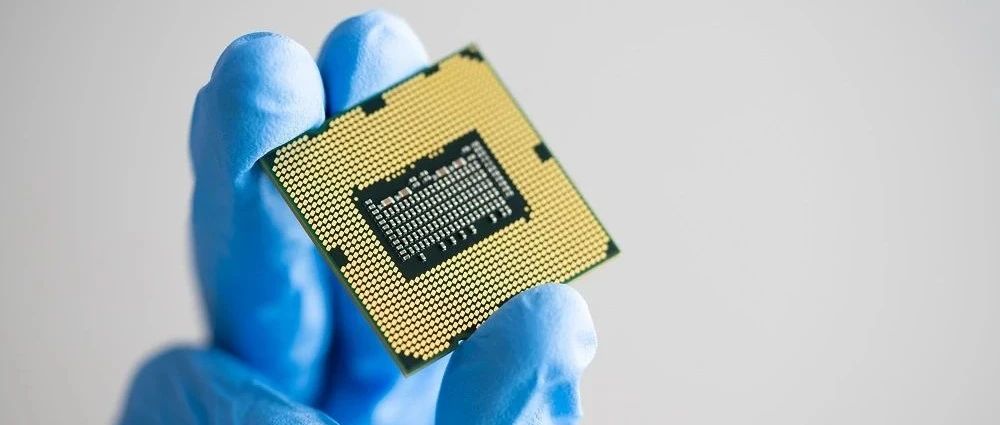
Core Viewpoint - SoftBank, under the leadership of Masayoshi Son, is strategically positioning itself to become the world's leading provider of Artificial Super Intelligence (ASI) by investing heavily across the AI and semiconductor value chain, from IP to application layers [5][10][37]. Group 1: Historical Context and Vision - Masayoshi Son's journey began in 1975 when he was inspired by a microcomputer chip photo, which ignited his lifelong commitment to technology and innovation [6][9]. - In the 2025 fiscal year report, Son articulated a new strategic goal for SoftBank: to become the foremost ASI platform provider, emphasizing the belief in the eventual emergence of intelligence surpassing human capabilities [9][10]. Group 2: Strategic Investments - SoftBank has made significant investments in various companies to build a comprehensive AI and semiconductor ecosystem, including a $20 billion investment in Intel, becoming one of its top shareholders [13]. - The Stargate project, in collaboration with OpenAI and Oracle, aims to construct large-scale data centers for AI infrastructure, with an estimated investment of up to $500 billion [14]. - SoftBank led a $40 billion financing round for OpenAI, indicating its commitment to both infrastructure and application layers in the AI stack [16][19]. - The acquisition of Ampere for $6.5 billion aims to fill gaps in SoftBank's CPU capabilities, enhancing its position in the cloud computing and AI inference markets [20]. - The purchase of Graphcore, a struggling AI chip company, allows SoftBank to diversify its AI accelerator technology portfolio [21]. Group 3: Capital Map and Ecosystem Integration - SoftBank is constructing a capital map that integrates various components of the AI and semiconductor ecosystem, from IP (Arm) to CPUs (Ampere) to AI accelerators (Graphcore) and manufacturing (Intel Foundry) [23]. - The strategy involves creating a closed-loop system that connects upstream IP with downstream applications, thereby enhancing SoftBank's influence in the AI sector [27][28]. Group 4: Arm's Role and Future Prospects - Arm remains a crucial asset for SoftBank, with the company holding approximately 90% of Arm's shares post-IPO, which is pivotal for revenue generation through licensing and royalties [26][30]. - Arm's business model, characterized by long-term benefits from initial licensing, positions it well for sustained revenue growth, particularly in emerging markets like AI and cloud computing [30][31]. - The potential development of proprietary chips by Arm could further solidify its position in the data center market, although it presents challenges and risks [31][32]. Group 5: Competitive Landscape - SoftBank's approach contrasts with Nvidia's vertical integration strategy, as it seeks to leverage capital to control various segments of the AI and semiconductor landscape without focusing solely on in-house development [34][35]. - Unlike cloud giants like Microsoft and Amazon, which emphasize self-developed chips and infrastructure, SoftBank aims to reorganize production factors across the ecosystem, culminating in applications like OpenAI [35][36].
Is Intel's Revival Ahead After SoftBank's $2 Billion Investment
ZACKS· 2025-08-20 23:16
Core Viewpoint - Intel is experiencing a revival as a leading chipmaker, bolstered by SoftBank's $2 billion investment and potential government stake, aimed at strengthening domestic chip production capabilities [1][2][5]. Group 1: Investment and Stakeholders - SoftBank has acquired a nearly 2% stake in Intel, valued at $2 billion, indicating confidence in Intel's recovery [1]. - The Trump administration is considering a 10% stake in Intel, which could position the U.S. government as the largest shareholder [1]. - Intel has received approximately $11 billion in grants through the CHIPS Act for commercial and military chip production, which may be converted into equity by the government [2]. Group 2: Financial Performance and Projections - Intel's shares surged by 18% in August, outperforming broader market indexes, as investor sentiment improves [3]. - Intel is projected to return to profitability in fiscal 2025 with earnings of $0.15 per share, recovering from an adjusted loss of -$0.13 per share last year [10]. - Total sales for Intel are expected to dip over 1% this year but are projected to rebound by 4% in FY26 to $54.2 billion, still below the peak of $79 billion in 2021 [11]. Group 3: Strategic Importance of Investment - SoftBank's investment provides Intel with financial flexibility, crucial for stabilizing operations after a significant loss of $18.8 billion in 2024, marking its first unprofitable year since 1986 [6]. - The investment is vital for Intel to maintain its mega semiconductor factory project in Ohio, which is seen as a key infrastructure initiative [7][9]. - SoftBank's deep ties with Intel and its investments in AI and semiconductor companies position it as a significant player in the global chip supply chain [4][5]. Group 4: Financial Health and Valuation - Intel's balance sheet shows strong financial health, with total assets of $192.52 billion and total liabilities of $86.76 billion as of Q2 [12]. - The company has over $21 billion in cash and equivalents, providing a solid financial cushion [12]. - Intel's price-to-sales ratio is near the preferred level of less than 2X forward sales, contrasting with higher valuations of peers like Nvidia and Taiwan Semiconductor [13].
软银曾考虑买下晶圆厂?
半导体芯闻· 2025-08-20 11:10
Core Viewpoint - SoftBank plans to acquire a record $2 billion stake in Intel, making it one of the largest shareholders of the American chip manufacturer, while also considering a direct acquisition of Intel's foundry division shortly before the deal [1][2]. Group 1: Investment and Strategic Moves - SoftBank's investment in Intel represents a significant commitment to turning around the struggling company and highlights its geopolitical importance in keeping advanced semiconductors in the U.S. [2][3]. - The investment aligns with SoftBank's broader strategy to expand its influence in the artificial intelligence market and establish a foothold in emerging technologies [2][3]. - Previously, SoftBank held a 4.9% stake in Nvidia but sold it during a downturn, resulting in substantial losses as Nvidia's stock rebounded [3]. Group 2: Intel's Challenges and Leadership - Intel has faced ongoing challenges and is competing with TSMC for advanced semiconductor processes, with geopolitical concerns surrounding TSMC's operations in Taiwan [1][2]. - CEO Lip-Bu Tan has been working to refocus Intel on core operations and cost-saving measures, but faces scrutiny due to past associations with China [1][2]. - Intel's foundry business is struggling, and without sufficient customer commitments, its next-generation manufacturing processes may be at risk [3][4]. Group 3: Political and Economic Context - The U.S. government is considering using funds from the CHIPS Act to acquire a 10% stake in Intel, emphasizing the strategic importance of domestic semiconductor manufacturing [1]. - The relationship between Trump and Lip-Bu Tan has evolved, with Tan previously being a board member at SoftBank until 2022 [2]. - The outcome of SoftBank's investment and the political interventions by Trump and Son Masayoshi remain uncertain regarding their potential to revitalize Intel [4].