TSMC(TSM)

Search documents
ASML Holds Premium Valuation as Semiconductor Capex Momentum Carries Into 2026
Investing· 2025-12-29 20:51
Group 1 - The article provides a market analysis focusing on key players in the semiconductor industry, including Intel Corporation, ASML Holding NV, Micron Technology Inc, and Taiwan Semiconductor Manufacturing [1] Group 2 - The analysis highlights the competitive landscape and technological advancements within the semiconductor sector, emphasizing the importance of innovation and investment in research and development [1]


Taiwan Semiconductor Manufacturing Company Limited (TSM) Rebounded Strongly in Q3
Yahoo Finance· 2025-12-29 13:53
Core Insights - Hardman Johnston Global Advisors reported that its "Global Equity Strategy" portfolio underperformed in Q3 2025, returning 5.02% net of fees compared to 7.62% for the MSCI AC World Net Index [1] Company Performance - Taiwan Semiconductor Manufacturing Company Limited (TSM) had a one-month return of 5.27% and a 52-week gain of 51.13%, closing at $302.84 per share with a market capitalization of $1.571 trillion on December 26, 2025 [2] - TSMC was highlighted as a top contributor to relative performance in Q3 2025, alongside Prosus N.V. and Commerzbank AG [3] - TSMC raised its full-year 2025 revenue guidance by approximately 5 percentage points to 30% growth, with its High Performance Computing segment accounting for 60% of total sales [3] - TSMC's revenue increased by 6% sequentially in NT in Q3 2025, and it remains a key player in AI infrastructure across various ecosystems [4] Investment Sentiment - TSMC is ranked 9th among the 30 most popular stocks among hedge funds, with 194 hedge fund portfolios holding TSMC at the end of Q3 2025, up from 187 in the previous quarter [4] - Despite TSMC's strong performance, there is a belief that certain AI stocks may offer greater upside potential and carry less downside risk [4]
芯片代工涨价潮来了!
国芯网· 2025-12-29 11:12
Core Viewpoint - The semiconductor industry is experiencing a significant price increase across both mature and advanced processes, driven by structural supply-demand imbalances and rising costs, particularly influenced by the AI industry's growth [2][4][5]. Group 1: Price Increases - SMIC has officially notified downstream customers of a price increase of approximately 10% for 8-inch BCD process foundry services, with multiple chip companies confirming receipt of this notice [2]. - Taiwan's World Advanced Semiconductor has followed suit with a similar 10% price increase for the same process, indicating a clear industry-wide trend [2]. - TSMC plans to implement a series of price increases for advanced processes below 5nm starting January 2026, with an average increase of 3%-5% over four years [2]. Group 2: Supply-Demand Dynamics - The current price surge is attributed to a long-term structural imbalance between supply and demand, with explosive growth in demand, particularly from the AI sector, being a key driver [4]. - The demand for power management chips in AI servers has surged, leading to a critical shortage of related production capacity, particularly for BCD processes [4]. - TrendForce's research indicates that by the second half of 2025, driven by AI demand, wafer foundries' capacity utilization rates are expected to remain higher than previously anticipated, with some manufacturers performing better in Q4 than in Q3 [4]. Group 3: Supply Constraints - TSMC is actively reducing its 8-inch mature process capacity to focus on high-value advanced processes, planning to shut down some production lines by the end of 2027, which exacerbates the supply constraints in the mature process segment [5]. - Domestic foundries are operating at full capacity, with SMIC achieving a capacity utilization rate of 95.8% and a monthly output of over 1 million 8-inch wafers [5]. - Huahong Semiconductor's capacity utilization rate has reached 109.5%, indicating an overworked state, which provides a strong basis for price increases [5]. Group 4: Cost Pressures - The cost of raw materials, particularly metals like gold and copper, remains high, with leading silicon wafer companies raising prices by an average of 12% in late December, directly increasing wafer manufacturing costs [5]. - Rising energy and labor costs further compress profit margins for foundries, making price increases a necessary response to maintain profitability [5].

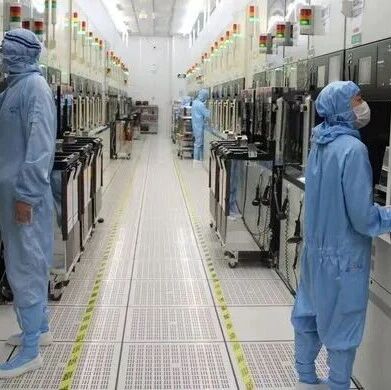
台湾地区6.6级地震,台积电“安然无恙”
国芯网· 2025-12-29 11:12
Core Viewpoint - The article emphasizes the resilience of TSMC's operations in the face of a significant earthquake, highlighting the effectiveness of their extensive seismic safety measures and the minimal impact on global semiconductor supply chains [2][4][5]. Group 1: Earthquake Impact - A 6.6 magnitude earthquake struck near Yilan County, Taiwan, marking the strongest quake in the region in 27 years [1]. - TSMC reported that all its factories remained undamaged, preventing major fluctuations in global chip prices [2]. - The earthquake's effects were largely limited to minor damages across Taiwan, with TSMC's facilities experiencing only a level 4 tremor [4]. Group 2: TSMC's Safety Measures - TSMC has invested heavily in seismic safety, implementing advanced structural designs and emergency systems to mitigate earthquake risks [5]. - The company's clean rooms feature double-shell designs and are equipped with dampers and hydraulic pistons to isolate vibrations [5]. - TSMC's proactive measures include a dedicated earthquake early warning system, which has proven effective in past seismic events, allowing for rapid recovery of operations [5]. Group 3: Operational Resilience - Following the earthquake, TSMC quickly initiated evacuation and safety protocols, ensuring personnel safety while maintaining operational integrity [2][4]. - The company demonstrated its capability to restore 70% of equipment functionality within 10 hours during a previous earthquake, showcasing its robust recovery plans [5]. - TSMC's investments in disaster preparedness have significantly reduced potential economic losses, with past incidents resulting in manageable damages [5].
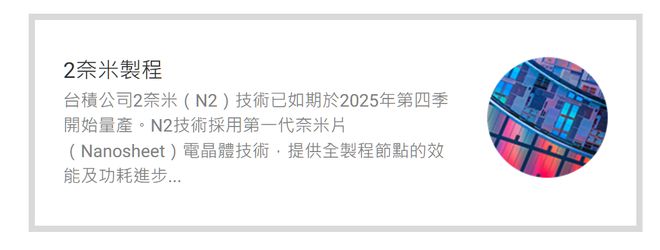
台积电:2纳米制程量产
Guan Cha Zhe Wang· 2025-12-29 10:49
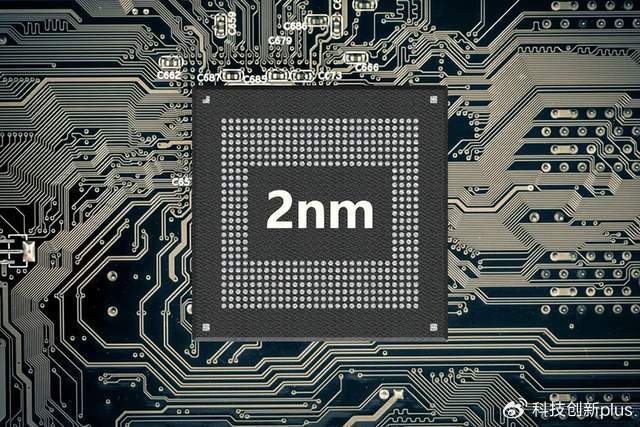
Group 1 - TSMC's 2nm process is set to begin mass production in Q4 2025, utilizing the first-generation nanosheet GAA transistor technology, which promises significant advancements in performance and power efficiency [1] - TSMC's 2nm process has already seen high demand, with major clients like Apple, Nvidia, and Qualcomm pre-ordering most of the initial capacity, which is booked until the end of 2026 [3] - TSMC plans to construct three new 2nm fabs in Hsinchu, Taichung, and Kaohsiung, with trial production expected in 2025 and gradual ramp-up in 2026 [3] Group 2 - TSMC is expected to adjust pricing for its 2nm and 3nm processes starting January 1, 2026, with anticipated increases ranging from 3% to 10%, depending on client contracts and wafer volumes [3] - Samsung has launched its first 2nm process SoC, the Exynos 2600, which is currently in mass production, indicating improved yield rates necessary for large-scale production [4] - TSMC holds a 72% market share in the foundry sector as of Q3 2025, while Samsung's share is only 7%, slightly above SMIC's 5% [4]
Stock Market Today: Dow Futures Rise, S&P 500, Nasdaq Slip Ahead Of New Year's Week—Target, Coupang, Taiwan Semiconductor In Focus - SPDR S&P 500 (ARCA:SPY)
Benzinga· 2025-12-29 10:44
Market Overview - U.S. stock futures showed mixed performance with Dow Jones up 0.03%, S&P 500 down 0.22%, Nasdaq 100 down 0.42%, and Russell 2000 up 0.04% [2] - The 10-year Treasury bond yielded 4.11%, while the two-year bond was at 3.47% [2] - An 82.8% likelihood is projected for the Federal Reserve to keep interest rates unchanged in January [2] Company Insights - **Target Corp. (NYSE:TGT)**: Shares increased by 0.11% following a report of a significant investment from activist investor Toms Capital Investment Management [7] - **Sable Offshore Corp. (NYSE:SOC)**: Shares fell by 2.34% due to an emergency lawsuit from environmental groups against the restart of the Las Flores pipeline [7] - **Bolt Projects Holdings Inc. (NASDAQ:BSLK)**: Shares surged by 25.19% after announcing expected preliminary results for 2025, projecting a 200% annual revenue increase to $4.5 million [7] - **Taiwan Semiconductor Manufacturing Co. Ltd. (NYSE:TSM)**: Shares decreased by 0.54% following concerns about production due to a recent earthquake near Taiwan [6][8] - **Coupang Inc. (NYSE:CPNG)**: Shares rose by 2.68% after announcing a settlement involving over $1 billion in vouchers for 33.7 million affected customers due to a data breach [16] Economic Data and Trends - Upcoming economic data includes pending home sales on Monday, S&P Case-Shiller home price index on Tuesday, and initial jobless claims on Wednesday [17] - Analysts highlight that the U.S. economy is robust but complicated by persistent inflation and geopolitical influences [12][13] - Market dynamics are expected to shift towards "geo-economics," emphasizing the impact of geopolitics and national security on economic conditions [13][14]

Stock Market Today: Dow Futures Rise, S&P 500, Nasdaq Slip Ahead Of New Year's Week—Target, Coupang, Taiwan Semiconductor In Focus
Benzinga· 2025-12-29 10:44
Market Overview - U.S. stock futures showed mixed performance with Dow Jones up 0.03%, S&P 500 down 0.22%, Nasdaq 100 down 0.42%, and Russell 2000 up 0.04% [2] - The 10-year Treasury bond yielded 4.11%, while the two-year bond was at 3.47% [2] - An 82.8% likelihood is projected for the Federal Reserve to keep interest rates unchanged in January [2] Company-Specific Insights - **Target Corp. (NYSE:TGT)**: Shares increased by 0.11% following a report of a significant investment from activist investor Toms Capital Investment Management [7] - **Sable Offshore Corp. (NYSE:SOC)**: Shares fell by 2.34% due to an emergency lawsuit from environmental groups against the restart of the Las Flores pipeline [7] - **Bolt Projects Holdings Inc. (NASDAQ:BSLK)**: Shares surged by 25.19% after announcing expected preliminary results for 2025, projecting a 200% annual revenue increase to $4.5 million [7] - **Taiwan Semiconductor Manufacturing Co. Ltd. (NYSE:TSM)**: Shares decreased by 0.54% following concerns about production due to a recent earthquake near Taiwan [6][8] - **Coupang Inc. (NYSE:CPNG)**: Shares rose by 2.68% after announcing a settlement involving over $1 billion in vouchers for 33.7 million affected customers due to a data breach [16] Economic Data and Trends - Upcoming economic data includes pending home sales on Monday, S&P Case-Shiller home price index on Tuesday, and initial jobless claims on Wednesday [17] - Analysts highlight that the U.S. economy is robust but complicated by persistent inflation and geopolitical influences [12][13] - Market dynamics are expected to shift towards "geo-economics," emphasizing the impact of geopolitics and national security on economic conditions [13][14]



芯片通涨,来了?
半导体芯闻· 2025-12-29 10:26
Core Viewpoint - TSMC is set to increase advanced process pricing from 2026 to 2029 due to high demand driven by AI applications, with expectations of maintaining or slightly increasing performance in the traditionally weak first quarter of 2026 [2][3]. Group 1: Pricing Strategy - TSMC plans to raise advanced process prices by a single-digit percentage starting January 2026, reflecting increased production costs and high demand [2][4]. - Analysts predict a price increase of 3% to 10% for TSMC's advanced processes in 2026, with variations based on customer procurement levels [2][4]. Group 2: Capacity and Demand - TSMC's advanced process capacity is currently in high demand, with major clients like NVIDIA and AMD launching new platforms, contributing to a supply shortage [2][3]. - Despite the price increase, customers are actively reserving advanced process capacity to maintain a competitive edge in technology [3][4]. Group 3: Capital Expenditure - TSMC's capital expenditure for 2026 is projected to reach between $42 billion and $45 billion, marking a historical high [4][5]. - The company has already reported a capital expenditure of $29.39 billion for the first three quarters of 2023, with expectations for the fourth quarter to reach between $10.61 billion and $12.61 billion [4][5]. Group 4: Industry Context - Global semiconductor manufacturing capital expenditure is estimated to reach $160 billion in 2023, with a 3% year-over-year growth, primarily supported by TSMC and Micron's investments [5][6]. - The semiconductor industry is experiencing a "chip inflation" era, with rising prices across wafer foundry, advanced packaging, and memory sectors, potentially impacting consumer electronics demand [6][7].
全球2nm芯片发布,我们与全球顶尖水平,还落后3代?
Xin Lang Cai Jing· 2025-12-29 09:39
Core Insights - Samsung has unveiled the world's first 2nm chip, the Exynos 2600, utilizing its own GAAFET 2nm technology, marking a significant advancement in chip manufacturing [1][3] - The Exynos 2600 features a 10-core design with a 39% performance increase and a 16% reduction in thermal efficiency due to HPB technology [1] - The introduction of the 2nm chip indicates that global chip manufacturing has officially entered a new era, widening the technological gap with leading manufacturers [3][5] Group 1 - The Exynos 2600 is Samsung's second-generation GAA technology chip, showcasing advancements in semiconductor technology [1] - Current parameters such as transistor density remain unclear, but the chip's release signifies a leap in manufacturing capabilities [3] - The gap in chip manufacturing technology between domestic capabilities and international leaders like Samsung and TSMC has widened, with domestic technology still at an equivalent of 7nm [5] Group 2 - The transition to 2nm technology by Samsung and the impending arrival of TSMC's 2nm process highlights a significant technological leap, with domestic manufacturers lagging behind by three generations [5] - The lack of EUV lithography machines poses a significant challenge for domestic manufacturers aiming to produce chips below 7nm, as alternative methods have not been proven effective at this scale [8][10] - The necessity for domestic production of EUV lithography machines is emphasized, as reliance on foreign technology could exacerbate the existing technological gap [10]
现在,哪些芯片厂商已经开始涨价了?(附最新涨价汇总)
芯世相· 2025-12-29 07:48
Price Increases in the Chip Industry - The chip industry is experiencing a significant price increase trend, with various manufacturers announcing price hikes due to rising raw material costs and supply chain pressures [3][4] - Major companies such as TSMC, SMIC, Samsung, and Micron have implemented or are expected to implement price increases across their product lines [12][13][14][19] Raw Material and PCB Price Increases - Jiantek announced a second price increase in December, raising prices for its copper-clad laminates by 5% to 10% due to escalating raw material costs [9] - Nanya Plastics raised prices for all CCL products and PP by 8% starting November 20, citing increases in copper prices and other raw materials [10] Semiconductor Price Adjustments - TSMC has informed clients of a price increase for advanced technology nodes (5nm to 2nm) over the next four years, with expected increases of 8% to 10% for 5nm and up to 50% for 2nm wafers [12] - SMIC has raised prices for some of its production capacity by approximately 10% [13] Memory Chip Price Surge - Samsung has notified clients of a price increase for DRAM and NAND Flash products, with increases of 15% to 30% for certain DRAM types and 5% to 10% for NAND products [14] - Micron has announced a price increase of 20% to 30% for its storage products, effective from September 12 [16] Passive Component Price Increases - Multiple passive component manufacturers have joined the price increase trend, with companies like KEMET and Yageo announcing price hikes of 20% to 30% due to raw material cost pressures [30][33] - Panasonic has raised prices for certain tantalum capacitor models by 15% to 30% [35] Power Device Price Adjustments - China Resources Microelectronics confirmed a price increase for some IGBT products, driven by rising raw material costs and strong order performance [45] - Jingdao Microelectronics has raised prices for certain product series by 10% to 15% due to the increase in raw material prices [46] End-User Impact - Major PC manufacturers like Lenovo, Dell, and HP are planning to raise prices by up to 20% due to ongoing storage price increases [66] - Several smartphone manufacturers have paused procurement of storage chips, facing challenges with rising prices from suppliers [68]