海信视像

Search documents
长春“马年迎新·乐购新春”新春消费季来啦~
Xin Lang Cai Jing· 2026-02-07 09:26
Group 1 - The "Spring Consumption Season" in Changchun has officially launched, featuring 300 promotional activities to stimulate consumer spending in response to national policies [8][11] - The city is implementing a 100 million yuan lottery for invoices during the Spring Festival, encouraging residents to participate in the "Lucky Invoice" campaign [11][13] - National and commercial subsidies are being offered for automobiles, home appliances, and digital products, simplifying the purchasing process for consumers [13][15] Group 2 - Four core consumption scenarios are being created to cater to diverse consumer needs, including shopping festivals and food offerings [15][16] - Restaurants are introducing themed New Year's Eve dinners and special gift boxes for traditional foods, enhancing the festive experience for residents [16][19] - E-commerce platforms are collaborating with local businesses to provide various promotions, ensuring a wide range of products are available for consumers [19][21] Group 3 - Traditional markets and modern experiences are being combined in the "Year Rhythm Market" series, promoting local culture and community engagement [21][23] - Various commercial entities are hosting unique New Year goods festivals, offering a one-stop shopping experience for essential and creative products [23][25] - The overall initiative aims to create a vibrant and engaging atmosphere for the Spring Festival, enhancing consumer satisfaction and participation [25][26]



日媒:中资占日本电视“半壁江山”
Huan Qiu Shi Bao· 2026-02-07 04:22
索尼剥离电视业务后,日本仍以独立路线维持电视整机制造的主要企业只剩松下控股。但松下也已将低 价机型生产外包,只有高端机型保持自己制造。业内人士指出,销量缩小将压缩研发的投入空间,未来 恐怕也会卷入产业整合。 电视制造业只是缩影。冰箱、洗衣机等传统白色家电领域,日企同样在经历业务出售或与海外企业重 组。而且随着中国企业成本控制与技术水平的提升,中国产品正在逐渐摆脱"价廉质低"的印象。 在东京一些电器大卖场,TCL、海信等中国制造的电视机已经开始出现在比较显眼的位置。最显眼的位 置仍是"REGZA""BRAVIA""VIERA"等日系品牌,但这些品牌背后的资本结构已发生变化。 以"REGZA"为例,该公司95%的股权由海信集团持有,东芝出资比例仅为5%。索尼电视业务将转入由 TCL集团持股51%的合资公司运营。虽然"索尼""BRAVIA"等品牌仍将保留,但在资本与运营层面,已 纳入中资体系。 报道提及,中国企业在价格方面有明显优势。在43英寸4K液晶电视这一主流规格上,中国产品价格约 为5万日元(约合2210元人民币),而日本厂商产品多在10万日元左右。同时,日企的液晶面板等关键 部件早就开始外购,技术上也难以凸 ...



研选 | 光大研究每周重点报告 20260131-20260206
光大证券研究· 2026-02-07 00:03
Industry Research - By 2025, China's outbound direct investment scale is expected to increase, with more small and medium-sized enterprises venturing abroad. The light manufacturing and home appliance sectors have a high proportion of overseas revenue. Industries with high foreign exposure, such as light manufacturing and automotive, are expected to perform better in stock prices. The correlation between overseas gross profit margins and revenue structure indicates that rising overseas gross profit margins will drive the expansion of overseas business [5]. - Early-stage industries venturing abroad include machinery, basic chemicals, and electric equipment/home appliances. Industries in the acceleration phase of going abroad include electronics, light manufacturing, and automotive. The process of going abroad does not necessarily lead to a decline in export growth; rather, it structurally benefits upstream equipment exports and investments [5]. Company Research - Hisense Visual Technology (600060.SH) is a leading global provider of display solutions, focusing on "multi-scenario large display" and building a comprehensive matrix covering home, commercial, and automotive scenarios. The company adheres to a development strategy of "technology-driven and stable operation," being the only domestic display enterprise with a comprehensive layout in LCD, laser display, and LED technologies. In 2024, the company is projected to achieve total operating revenue of 58.5 billion yuan and a net profit attributable to shareholders of 2.2 billion yuan [7]. - Chao Hong Ji (002345.SZ) emphasizes product research and innovation, successfully transitioning from a channel-driven to a product-driven industry. The company attracts young consumers through low-priced, lightweight IP products while enhancing brand quality with high-end series products featuring intangible cultural heritage, premium gold and diamonds, and collaborations with the Palace Museum [8].

The best Hisense TVs of 2026
Business Insider· 2026-02-06 21:10
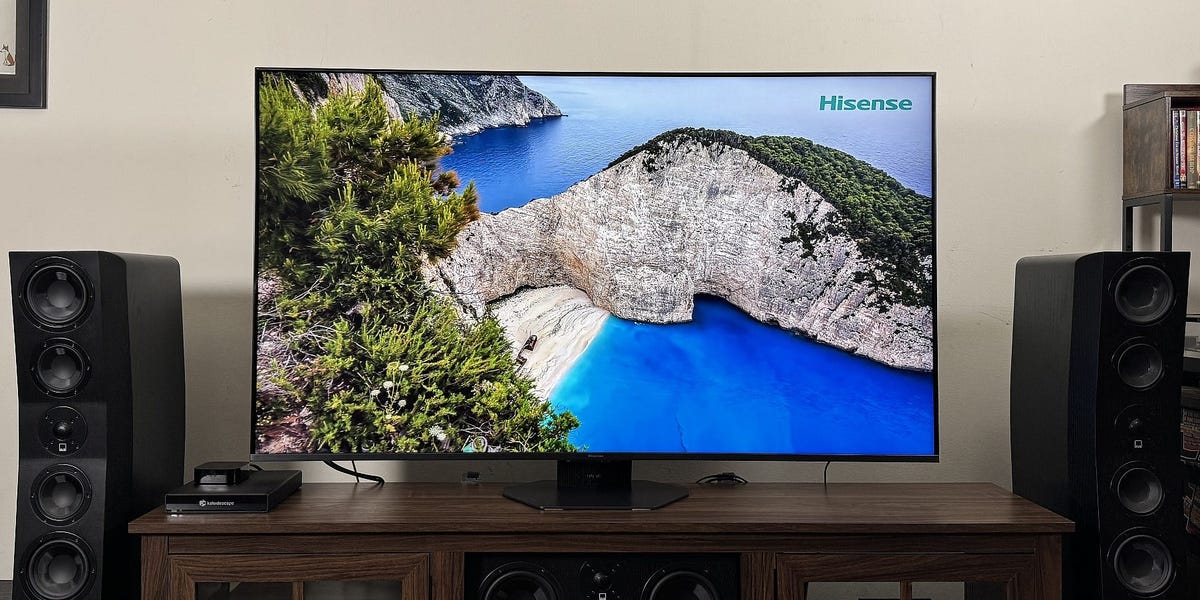
Core Insights - Hisense has established itself as a significant player in the TV market, offering competitive products that balance price and performance [1] Group 1: Product Recommendations - The top recommendation for Hisense is the U8QG QLED TV, known for its bright picture and excellent contrast due to its Mini LED backlight [2][8] - For budget-conscious consumers, the U65QF QLED TV is highlighted as an affordable option that still delivers great image quality, albeit with a dimmer screen [2][21] - The best overall Hisense TV is the U8QG QLED 4K TV, while the U65QF is recognized as the best budget option [4][15] Group 2: Performance and Features - The U8QG TV impresses with brightness exceeding 5,000 nits in HDR, making it suitable for bright environments [9][10] - It features HDMI 2.1 support, low input lag, and a variable refresh rate up to 165Hz, catering to gamers [11] - The U65QF achieves a peak brightness of around 1,050 nits, providing strong HDR performance for its price range [22][23] Group 3: Design and Usability - The U8QG runs on Google TV, offering a reliable smart TV platform with smooth navigation [12] - The U65QF uses the Fire TV operating system, which is noted to be less intuitive compared to Google TV [26] - The Canvas S7N QLED TV is designed for wall mounting and features a matte screen and magnetic bezel, appealing to aesthetic-focused consumers [31][35] Group 4: Limitations - The U8QG has some color inaccuracies, particularly with reds, and only includes three HDMI ports [10][11] - The U65QF has limited viewing angles and some light bleed issues, which are common in budget TVs [24][25] - The Canvas TV lacks local dimming and has lower brightness, making it less suitable for picture quality enthusiasts [39][40]
“CEO还需要CIO吗?”——一顿年夜饭,击中了AI时代的管理焦虑
Sou Hu Cai Jing· 2026-02-06 14:28
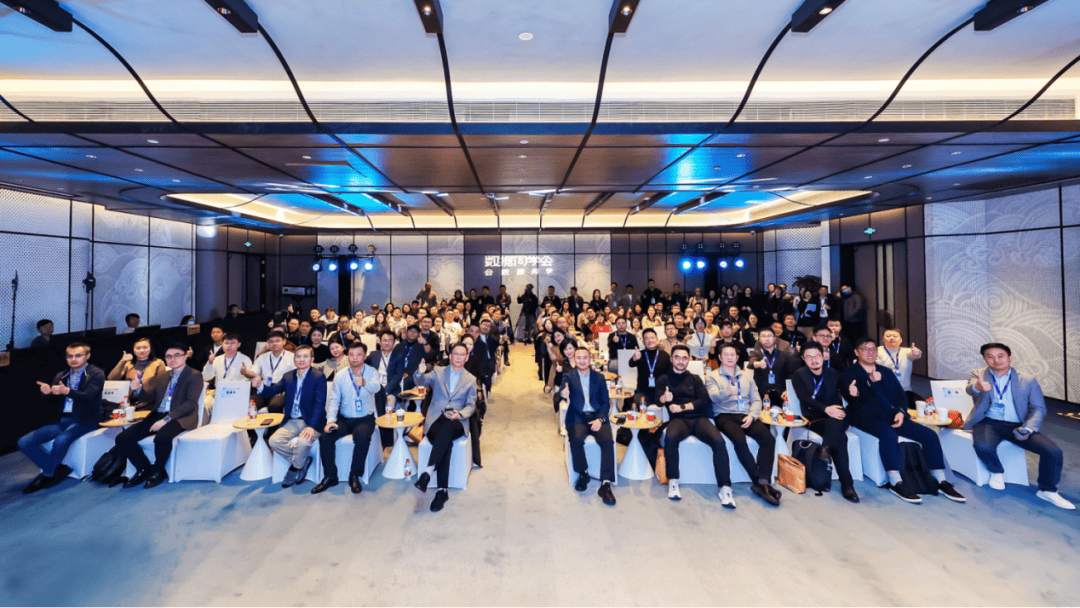
"AI时代,IT团队真的成了"绊脚石"? "企业还需要CIO吗?" 这不是一场单单讲"落地案例"的技术年会,更不是一场"生态互捧"的媒体秀,而是一顿寒风中的思想盛宴。 在湘湖的闭门会场上,一个共识正在浮现:AI肯定确定无疑的趋势,但在具体的方向上"有没有押对",这是一个关键的问题。 过去一年,从ChatGPT到DeepSeek、千问,再到各类垂直领域Agent,技术演进之快,超出大多数企业的适应速度。而令管理者真正焦虑的,是"我们会不 会错过这趟列车",或者是不是"下错注"了? 那应该如何看清市场的方向呢,有没有什么可以衡量的标准? "未来,企业是不是根本不需要IT团队了?" 这两年,越来越多CEO、创业者开始抛出这样的问题。在生成式AI席卷一切的时代,IT部门常被视为"行动迟缓、不懂业务、做不到AI落地"的代名词。 而"AI原生公司"的神话不断强化这种认知:更少的人、更少的中后台,却跑得更快、成本更低。 在这场技术洪流中,CTO、CIO、CDO的角色,似乎正变得尴尬。当老板们讨论"谁应该成为企业AI战略的主导者"时,答案往往是:业务部门、产品团 队,甚至——外部创业者。 但就在1月的湘湖畔,一场被称为"中国 ...
家电行业专题:汇率升值,出海后势如何?
Guolian Minsheng Securities· 2026-02-06 11:37
Investment Rating - The report maintains a "Recommended" rating for the home appliance industry [1] Core Insights - The report highlights that the nominal appreciation of the RMB is expected to have limited impact on export recovery and external sales profitability, as leading brands have strong pricing power, overseas production capacity, and effective foreign exchange hedging [8][11] - The report emphasizes that the home appliance sector is likely to benefit from increased foreign capital inflow due to RMB appreciation, with the sector's valuation and holdings at historical lows, indicating significant upside potential [7][8] Summary by Sections 1. Industry: Nominal Appreciation and Dollar Price Elasticity - Since Q2 2025, the RMB has appreciated approximately 5% due to the easing of trade tensions and economic recovery expectations, with the CFETS index remaining close to its 3-5 year average [11][12] - The report discusses the impact of exchange rates on export volume and pricing, noting that during appreciation phases, exporters may adjust dollar prices or lower RMB prices to mitigate the effects of appreciation [12][22] 2. Financial Statements: External Sales Profitability and Hedging - External sales gross margins have been under pressure, with historical data showing that external sales margins are generally weaker than domestic sales margins [4][6] - The report indicates that major companies have high foreign exchange hedging ratios, which effectively mitigate the impact of exchange rate fluctuations on their financials [4][6] 3. Capital: High Foreign Ownership Proportion - The report notes a strong correlation between RMB appreciation and net inflows of foreign capital, with the home appliance sector consistently attracting significant foreign investment [7][8] - The sector's Northbound trading and public fund holdings are at historical lows, suggesting ample room for upward movement [7] 4. Industry Perspective and Investment Recommendations - The report suggests that under the expectation of moderate appreciation, the competitive edge of leading companies backed by domestic supply chain advantages and proactive overseas capacity expansion will remain intact [8] - Recommended stocks include high-quality white goods leaders such as Midea Group, Haier Smart Home, Gree Electric Appliances, and Hisense Home Appliances, as well as TV leader Hisense Visual and global leaders in robotic vacuum cleaners like Roborock and Ecovacs [8]



电视行业,为什么总被科技潮流“遗忘”?
Xin Lang Cai Jing· 2026-02-06 07:20
文|深观商业 开年的第一个月,传统电视行业被两份截然不同的公告彻底搅动:一边是TCL高歌猛进,将索尼这一昔 日的彩电霸主收入囊中,而另一边,曾经的"彩电大王"创维集团,却在同一天按下了暂停键——宣布拟 私有化退市,寄希望于光伏业务。 从前沿技术中找到改变电视市场低迷的突破口,一直是电视巨头们的共同战略,甚至在整个家电市场, 也是如此。 2024年3月,中国家电及消费电子博览会(AWE2024)上,AI的"龙卷风"席卷了整个家电行业,而在电 视领域,AI电视成了厂商们"秀肌肉"的重要品类。比如海信重磅发布自研星海大模型,推出全新 ULEDX全场景的AI计算画质平台以及多款旗舰新品,长虹电视则展出基于AI技术智慧研发成果的长虹 壁画+电视,其他知名电视厂商如LG、TCL、创维等,也已推出AI 电视。 当时,ChatGPT的诞生和更新持续引领AI技术热潮,Sora的问世更是惊艳全球,创造了新一轮高潮,如 何与AI融合几乎成为了各行业的必答题。所以,电视厂商拥抱新技术的热情也空前高涨,由此出现了 家电及消费电子博览会上的那一幕。 AI电视是一个新产物,它究竟会长成什么样需要行业、需要时间去定义,然而现在略显尴尬的是, ...

中国厂商掌握6成日本电视市场
3 6 Ke· 2026-02-06 05:16
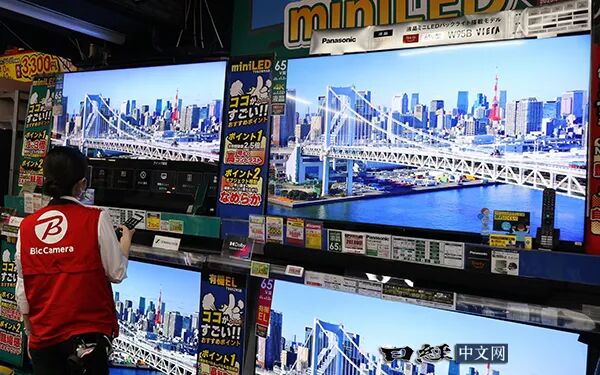
Group 1 - The core viewpoint of the articles highlights the increasing dominance of Chinese companies in the Japanese television market, with projections indicating that they will control 60% of the market share by 2025 due to the withdrawal of Japanese brands like Sony and Toshiba [2][3]. - Sony Group plans to divest its television business by 2027, transitioning it to a joint venture with TCL, which will hold a 51% stake, while Sony retains 49% [2]. - REGZA, a brand associated with Toshiba, is primarily manufactured and sold by TVS REGZA, which is 95% owned by China's Hisense Group, indicating a significant shift in ownership and market dynamics [2]. Group 2 - Chinese companies are outperforming Japanese firms in pricing, with TCL's 43-inch 4K LCD TV priced around 50,000 yen (approximately 2,257.55 RMB), compared to Sony's price of around 100,000 yen (approximately 4,515.1 RMB) [3]. - By 2025, REGZA is projected to lead the Japanese television market, with Chinese brands like Hisense and TCL collectively holding 50% of the market share, which could rise to 60% if Sony's brand is transferred to the TCL-led joint venture [3]. - The global television market is increasingly dominated by companies like Samsung, LG, Hisense, and TCL, which together hold over 50% of the market share, indicating a decline in the presence of Japanese companies [5]. Group 3 - Panasonic is the only major Japanese company pursuing an independent path in the television sector after Sony's divestment, but it is also considering selling or exiting the television business [5]. - Japanese companies are struggling with scale and supply chain issues, making it difficult to compete in the hardware-centric home appliance market [6]. - Companies like Sony and Hitachi are shifting their business models towards digital infrastructure and subscription-based products, indicating a strategic pivot away from traditional home appliances [6].
BCN综研:“中国系”厂商将掌握6成日本电视市场
Sou Hu Cai Jing· 2026-02-06 03:54
Group 1 - The core viewpoint of the articles indicates that Chinese companies are significantly increasing their market share in the Japanese television market, projected to reach 60% by 2025, highlighting the need for Japanese companies to adapt their business models [1][4] - Chinese companies are outperforming Japanese firms in pricing, with TCL's 43-inch 4K LCD TV priced at approximately 50,000 yen (around 2,211 RMB), compared to Sony's price of about 100,000 yen (around 4,422 RMB) [1] - According to BCN Research, REGZA is expected to lead the Japanese TV market, while the combined market share of Hisense and TCL will account for 50%, potentially increasing to 60% if Sony's brand shifts to a TCL-led joint venture [1] Group 2 - Global television market data from Euromonitor International shows that Samsung Electronics is the leading company, with LG Electronics, Hisense, and TCL collectively holding over 50% of the global market share [3] - Chinese companies are not only enhancing their cost competitiveness but also improving their technological capabilities, moving away from the perception that "cheap products are of low quality" [3] - The earlier announcement by Sony Group regarding the spin-off of its television business into a joint venture with TCL represents a significant restructuring of its home entertainment segment [4]
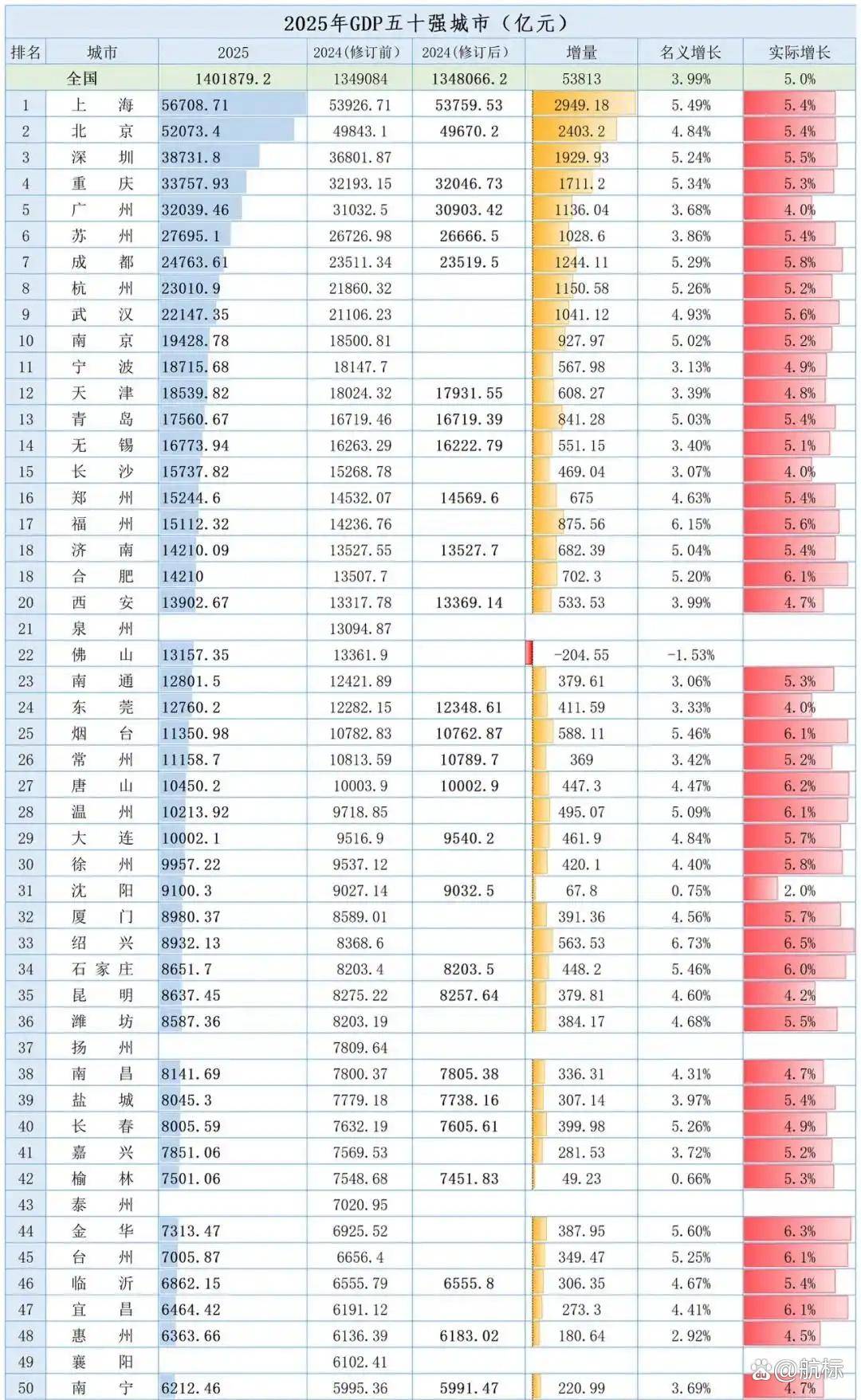
2025年GDP50强城市大调整:深圳近4万亿,青岛逼近天津,温州大连突破万亿!
Sou Hu Cai Jing· 2026-02-05 18:55
Core Insights - The 2025 GDP rankings of Chinese cities reveal significant shifts, indicating intense competition among cities to enhance their economic foundations and future prospects [1] Group 1: Economic Performance - Shenzhen's GDP reached 38,731.8 billion, with a nominal growth rate of 5.34%, positioning it as a leader among first-tier cities [3][4] - Qingdao's GDP is projected at 17,560.67 billion, closing the gap with Tianjin, which has a GDP of 18,539.82 billion, indicating a competitive economic landscape in northern China [6] - Wenzhou and Dalian both entered the "trillion club" with GDPs of 10,213.92 billion and 10,002.1 billion respectively, marking significant milestones for their regional economies [8][10] Group 2: Key Economic Drivers - Shenzhen's economic growth is driven by its innovation ecosystem, with over 23,000 high-tech enterprises and a dominant position in PCT international patent applications [3][4] - Qingdao's economic strength is bolstered by its maritime economy, with a port handling over 700 million tons of cargo, and a focus on high-end manufacturing and services [6] - Wenzhou's growth is attributed to its vibrant private sector, with over 1.3 million market entities and a significant increase in digital retail sales [8] - Dalian's economic expansion is linked to its focus on high-end equipment manufacturing and petrochemical industries, alongside a strong performance in foreign investment and trade [10] Group 3: Future Competitiveness - The evolving GDP rankings reflect deeper competitive dynamics among cities, emphasizing the importance of leveraging unique advantages to build sustainable competitive strengths [12]