博通

Search documents
雷军终于对绿牌下手了!两会提议优化绿牌设计;夸克AI上线「深度思考」,从找答案进阶给方案;罗永浩挖来小米前50号员工做AIOS
雷峰网· 2025-03-05 00:28
Group 1 - The topic of new energy vehicle license plates has become a hot discussion at the Two Sessions, with suggestions for optimization from industry leaders like Lei Jun [2][4] - Lei Jun proposed three suggestions for improving the design of new energy vehicle license plates, including restarting research on plate styles and expanding intelligent features [2] - The recent promotion efforts by Tencent's Yuanbao have seen an investment of nearly 300 million yuan in just half a month, significantly boosting user engagement [5][6] Group 2 - Ideal Auto's executives commented on the design of license plates, suggesting that the main issue is the lack of aesthetic appeal rather than just color [4] - Stone Technology reported a total revenue of 11.927 billion yuan for 2024, marking a 37.82% increase year-on-year, driven by both domestic and international market growth [9][10] - The company has adopted aggressive marketing strategies in overseas markets, including partnerships with high-profile endorsements [10][11] Group 3 - Mercedes-Benz China is undergoing significant restructuring, including layoffs and a focus on improving operational efficiency in response to new competition in the automotive sector [8][9] - Xiaomi's pricing strategy for the Xiaomi 15 Ultra has sparked discussions, with the device priced higher than Apple's iPhone 16 Pro Max, reflecting confidence in its technology [12][13] - OpenAI's CEO announced that the release of GPT-4.5 will be phased due to GPU shortages, highlighting the challenges in scaling AI models [22][23] Group 4 - BYD announced a significant H-share placement to raise approximately 43.5 billion HKD, marking the largest equity refinancing in the automotive industry in a decade [16] - Didi's autonomous driving division is reportedly seeking financing at a valuation of 5 billion USD, indicating ongoing investment in autonomous technology [17] - Nvidia's stock has seen a significant drop, with a market value loss exceeding 260 billion USD, reflecting broader market trends affecting tech stocks [25]


没有理由让股价上涨,彻底远离英特尔!
美股研究社· 2025-03-04 10:56
Core Viewpoint - Intel's stock has experienced significant volatility, dropping from $62 in mid-2021 to a low of $18.90 in September 2024, despite a general market and semiconductor stock rally [2][4]. Group 1: Market Performance - Intel's stock rose by 15.8% this year, but remains below its February peak of 36.6% [4]. - The S&P 500 and iShares Semiconductor ETF have remained flat this year, contrasting with Intel's performance [4]. Group 2: Competitive Landscape - Intel is losing market share in CPU, GPU, and data center markets, with its x86 CPU market share dropping to 75-80% in 2024 from 82% in 2023, while AMD's share increased to 20-25% [6][7]. - AMD's EPYC chips have captured 25% of the server CPU market, while Intel's data center sales have declined for ten consecutive quarters [6]. - NVIDIA dominates the GPU market with approximately 88% share, leaving Intel trailing significantly [6][7]. Group 3: Financial Performance - Intel's sales have significantly declined, stabilizing between $52 billion and $58 billion in 2023, a drop of about 30% from peak levels [9]. - The company's gross margin has decreased from historical levels of 55-60% to 33.8% in 2024 [9]. - Intel's manufacturing division reported an operating loss of $7 billion in 2023, projected to increase to $13 billion in 2024 [10]. Group 4: Leadership and Strategic Challenges - Intel's leadership has changed, with the CEO being replaced after nearly four years, and interim executives are currently in place while a search for a permanent CEO is ongoing [10]. - The company faces significant challenges in its manufacturing capabilities, particularly with 10nm and 7nm processes, which have hindered its competitiveness [7]. Group 5: Strategic Importance and Future Outlook - Intel is considered a strategic asset for U.S. defense and military applications, having received substantial investments through the CHIPS Act [11]. - Concerns arise regarding potential foreign ownership of Intel's assets, which could undermine U.S. interests and lead to job losses in American facilities [11]. - Despite the potential for a turnaround, there are currently no signs of improvement, and recent stock price increases are viewed as speculative [11].

Intel 18A或能获得“数亿美元”定单!
国芯网· 2025-03-04 04:33
Core Viewpoint - Intel's 18A process technology is being tested by NVIDIA and Broadcom, which could lead to significant manufacturing contracts for Intel's foundry services if successful [2] Group 1: Intel's 18A Process Technology - NVIDIA and Broadcom are testing Intel's 18A process technology, which utilizes RibbonFET transistors and PowerVia backside power delivery [2] - The performance of Intel's 18A process is considered to be between TSMC's current and next-generation nodes, providing Intel a competitive opportunity in the foundry market [2] - Successful testing by NVIDIA and Broadcom is crucial for Intel to enter the foundry market, currently dominated by TSMC [2] Group 2: Impact of IP Module Certification - The certification of third-party IP modules for Intel's 18A process has been delayed by six months, potentially affecting service capabilities for small and medium chip design companies [2] - Once certified, these IP modules (such as PHY, controllers, PCIe interfaces) are expected to be widely used in millions of chips [2] Group 3: Strategic Importance of Intel - The U.S. government is focused on revitalizing the domestic semiconductor industry, with Intel being a key player as the largest chip manufacturer in the U.S. [2] - If all goes well, Intel is expected to start offering 18A foundry services to third-party customers by mid-2026 [2]
台积电在美国:再建三座晶圆厂,两座封测厂
半导体行业观察· 2025-03-04 00:53
Core Viewpoint - TSMC announced a significant investment of $100 billion in the U.S. semiconductor manufacturing sector, bringing its total investment in the U.S. to $165 billion, which is expected to create thousands of jobs and enhance national security [1][5][6]. Investment Details - TSMC's new investment will support the construction of three new manufacturing plants, two advanced packaging facilities, and a large R&D center, marking it as the largest single foreign direct investment in U.S. history [5]. - The expansion is projected to generate semiconductor value worth hundreds of billions for AI and other advanced applications, creating tens of thousands of high-paying, high-tech jobs [5][6]. Government Support - The U.S. government, under President Biden, finalized a $6.6 billion subsidy for TSMC's Arizona factory as part of the CHIPS and Science Act, which allocated $52.7 billion to boost domestic semiconductor production [3]. - TSMC has already received $1.5 billion from the CHIPS Act prior to the new administration [3]. Strategic Importance - TSMC's expansion in the U.S. is seen as a critical step in rebuilding the semiconductor sector and reducing reliance on Asian manufacturing [2][3]. - The investment is expected to contribute over $200 billion in indirect economic output for Arizona and the U.S. over the next decade [5]. Leadership and Vision - TSMC's CEO, Dr. C. C. Wei, emphasized the importance of semiconductor technology in driving new applications and functionalities, highlighting the company's commitment to supporting leading U.S. tech firms [6]. - The expansion aligns with the vision established during Trump's presidency, showcasing a bipartisan effort to strengthen U.S. semiconductor manufacturing [6].

美加墨贸易战升级:申万期货早间评论-20250304
申银万国期货研究· 2025-03-04 00:50
2月财新制造业PMI 50.8%,为近三个月最高,用工收缩率明显放缓。十四届全国人大三次会议将于 3月5日开幕,3月4日12时举行新闻发布会,大会发言人就大会议程和人大工作相关问题回答中外记 者提问。美国2月ISM制造业PMI为50.3%,较1月超预期回落,趋于停滞状态。美国对墨西哥和加拿 大商品征收25%的关税将于3月4日生效,对等关税将于4月2日开始征收。加拿大已经准备好一系列 可以立即反击的报复性措施。美股、中概股、原油、农产品普遍下跌,贵金属、基本金属、美债价 格普遍上涨。 重点品种: 股指、黄金、国债 股指 :美国三大指数下跌,上一交易日股指回落调整为主,有色金属板块领涨,家用电器板块领跌, 全市成交额 1.66万亿元,其中IH2503下跌0.69%,IF2503下跌0.28%,IC2503上涨0.31%,IM2503下跌 0.23%。资金方面,2月28日融资余额减少178.58亿元至18871.70亿元。经过2月份快速上涨后,我们认 为短期有可能需要进行一段时间的消化整理,美国针对中国提高关税也会影响资金短期风险偏好,操作 上建议先观望。 黄金 : 昨夜金银反弹。特朗普周一决定,从周二早些时候开始 ...

川普出手,中概重估还能继续吗?
海豚投研· 2025-03-03 12:03
Group 1 - The article discusses the significant decline in U.S. consumer spending in January, with a 0.47% month-over-month decrease in inflation-adjusted personal consumption expenditures (PCE) [2][5] - The decline in consumer spending is attributed to a drop in both durable and non-durable goods, with durable goods experiencing a larger decline of 3.35% [2][5] - Despite the drop in spending, U.S. residents' income sources increased, with employee compensation rising by $67 billion and total income increasing by $222 billion, indicating that the decline in spending may be due to increased savings rather than decreased income [5][6] Group 2 - The article highlights the recent adjustments in Chinese assets, which experienced a pullback after a period of revaluation, influenced by U.S. policies and tariffs [3][4] - Global assets, including Chinese assets, faced declines, but Chinese assets had previously outperformed the market since the beginning of 2025 [4][17] - The article notes that the recent U.S. tariffs and policies could lead to further adjustments in Chinese assets, particularly in the technology sector [17][18] Group 3 - The performance of major U.S. tech companies, particularly Nvidia and Salesforce, is under scrutiny as they represent key indicators for the AI sector's growth and investment [10][11] - Nvidia's recent earnings report did not meet market expectations, leading to concerns about the sustainability of AI-driven stock prices [10][11] - Salesforce's slow progress in AI applications and the high costs associated with new business ventures have also contributed to a negative outlook for the AI narrative in the stock market [11][12] Group 4 - The article emphasizes the importance of upcoming economic data releases, including PMI and non-farm payrolls, which could influence market sentiment and investment strategies [16][27] - The focus is on the potential for new consumer stimulus policies during China's Two Sessions, which could impact market dynamics [16][27] - The article suggests that investors should consider hedging strategies for Chinese tech assets in light of recent tariff announcements and currency fluctuations [18][19]

一周收益前瞻:TGT、COST、CRWD、AVGO、JD、PLUG、MRVL 等
美股研究社· 2025-03-03 11:39
Core Viewpoint - The article highlights the upcoming earnings reports from various sectors, particularly retail and technology, providing insights into how companies are navigating the current economic landscape [2][3]. Retail Sector - Major retailers such as Target, Costco, Best Buy, and Macy's are set to release their quarterly earnings, with expectations of varied performance based on recent trends [2]. - Target is anticipated to report a profit decline of over 28% and a slight revenue decrease, despite a 2.8% increase in holiday sales [9][11]. - Costco's comparable sales surged by 9.9% in December, significantly exceeding the expected 5.2%, with analysts maintaining a "buy" rating despite concerns over high valuations [16][18]. Technology Sector - Key technology companies including Broadcom, CrowdStrike, and MongoDB will also report earnings, providing updates on enterprise demand and trends in AI adoption and cybersecurity [2]. - GitLab is expected to show a 52% profit increase and a 26% revenue growth, with a strong buy rating from analysts [6]. - Zscaler is projected to see a 21% revenue growth but a 9% profit decline, with mixed ratings from analysts regarding its valuation [13][14]. Renewable Energy and Electric Vehicles - Companies in the renewable energy and electric vehicle infrastructure sectors, such as Plug Power and ChargePoint, are also scheduled to report earnings, contributing to the overall insights into these rapidly growing industries [3]. Summary of Earnings Expectations - A summary of key earnings reports from March 3 to March 7 includes GitLab, Target, Zscaler, Costco, and Genesco, with each company showing distinct trends and analyst expectations [5][8][20].
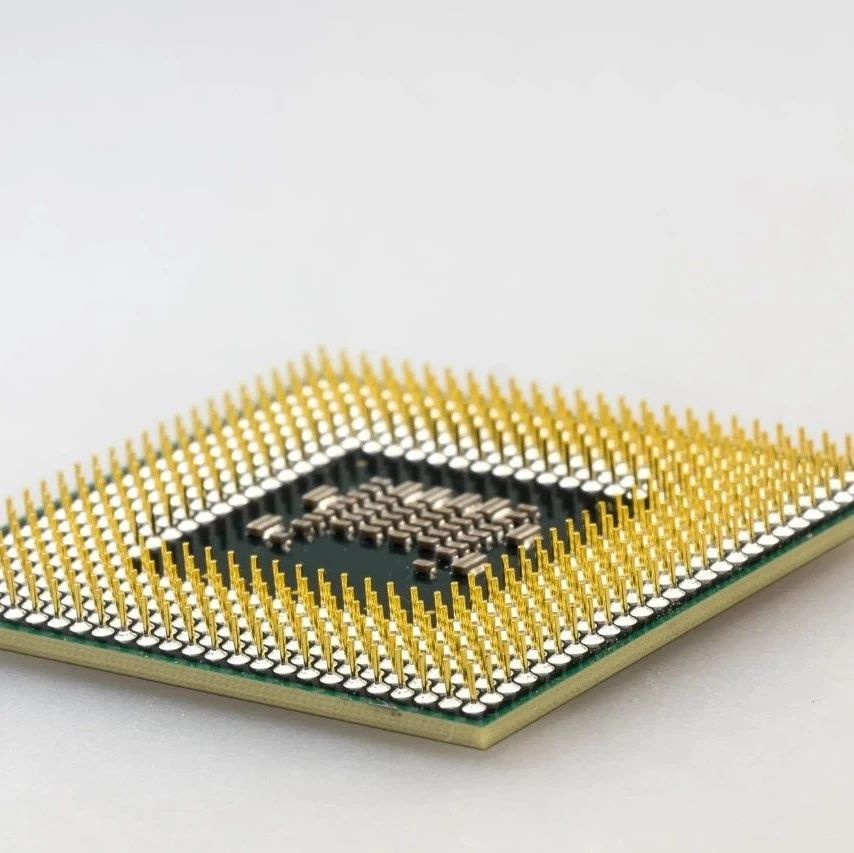
半导体行业处于巨变之际
半导体芯闻· 2025-03-03 10:17
Core Viewpoint - The semiconductor industry is undergoing significant upheaval, with potential splits and acquisitions involving Intel, TSMC, and Broadcom, alongside the rise of Arm as a chip manufacturer, which will profoundly impact the semiconductor supply chain, industry dynamics, and future technological innovation [1]. Group 1: Intel's Decline and Potential Acquisition - Intel, once a leader in the semiconductor market, is facing major challenges, leading to acquisition interest from TSMC and Broadcom [3]. - Broadcom is closely monitoring Intel's chip design and marketing business, considering a potential acquisition offer, while TSMC may look to control Intel's factories as part of an investment consortium [3]. - Intel's stock surged by 16% on excitement over potential dual transactions, ultimately rising 5.3% for the week [3]. Group 2: Supply Chain Vulnerabilities and Geopolitical Considerations - The complexity and international integration of the semiconductor supply chain are increasingly evident, with a shift from vertical integration to reliance on advanced foundries like TSMC [5]. - The U.S. government is pushing for domestic semiconductor manufacturing while limiting technology transfer to China, raising questions about its policies in light of potential TSMC acquisitions of Intel [5][6]. Group 3: Arm's Ambitions and Market Disruption - Arm plans to launch its own chips, marking a significant shift in its business model that could disrupt the semiconductor industry [7]. - The upcoming chips are expected to serve as CPUs for large data center servers, with production outsourced to manufacturers like TSMC [7]. - Arm's move into chip production raises concerns about potential conflicts with existing customers who rely on Arm's designs [7]. Group 4: Opportunities and Aspirations in Europe - Europe is striving to strengthen its position in the semiconductor industry, with significant investment plans announced, including a €109 billion initiative in France [8]. - The rise of RISC-V architecture poses challenges to existing chip designs from Intel, Arm, and Nvidia, creating opportunities for job creation in chip design [8]. - The competition and innovation landscape in the semiconductor industry is expected to intensify with Intel and Arm's potential divergence into chip manufacturing [8][10].

2024在中国的美国企业特别报告
上海胡润百富投资管理咨询· 2025-03-03 07:37
Group 1: Market Overview - In 2023, 70 sample American companies generated over $3,000 billion in revenue from the Chinese market, contributing 12% to their global revenue[6] - The total global revenue of these companies exceeded $2.5 trillion, with a year-on-year growth of 1.1%[6] - The average revenue from the Chinese market for these companies was $4.39 billion, with a median of $2.16 billion[30] Group 2: Investment Trends - In 2023, the actual foreign investment in China reached $163.25 billion, ranking China as the second-largest recipient of foreign investment globally[15] - The number of newly established foreign-invested enterprises in China increased by 39.7% year-on-year, totaling 54,000[15] - The compound annual growth rate of U.S. investment in China from 2020 to 2023 was 13.5%, significantly higher than the overall growth rate of 3% for foreign investment in China[20] Group 3: Industry Performance - The consumer sector in China saw a compound annual growth rate of 19.4% from 2020 to 2023, double the global growth rate of 9.1%[50] - The healthcare sector in China grew by 16.8% during the same period, while the global healthcare market declined by 2%[59] - The information technology sector contributed the highest revenue share, averaging 25.7% of total revenue from the Chinese market[30]


传台积电CoWoS,又被砍单
半导体行业观察· 2025-03-03 01:06
Core Viewpoint - NVIDIA's recent earnings report did not meet market expectations, leading to a decline in AI stocks, with supply chain sources indicating a reduction in advanced packaging orders from TSMC [1][2]. Group 1: NVIDIA's Product and Market Dynamics - NVIDIA's CEO Jensen Huang emphasized strong market demand for the Blackwell series, with gross margins expected to remain around 70% during the ramp-up phase [1]. - The upcoming GTC event will showcase new products like Blackwell Ultra and GB300, with expectations for faster integration based on previous experiences with GB200 [2]. - The transition from the Hopper architecture to Blackwell architecture is underway, with production challenges noted due to lower yield rates of the new CoWoS-L packaging technology [4]. Group 2: TSMC's Capacity and Order Adjustments - TSMC's advanced packaging capacity remains near full utilization, but there are indications of a potential decrease in orders as the lifecycle of NVIDIA's previous GPU generation ends [1][3]. - Reports suggest that TSMC's CoWoS average monthly capacity has dropped to 62,500 wafers, below the expected 70,000 wafers, with NVIDIA's monthly orders also reduced from approximately 42,000 to 39,000 wafers [3]. - Despite rumors of order cuts, TSMC has denied these claims, stating that demand for CoWoS remains strong and that any perceived reductions may be due to process upgrades and product transitions [2][3]. Group 3: Future Prospects and Industry Trends - TSMC is ramping up production at its newly acquired facilities to meet the growing demand for advanced packaging technologies like CoWoS-L and SoIC [4]. - The industry anticipates that the new Rubin GPU and Vera CPU developments will contribute positively to market dynamics, with production expected to begin early next year [2].