
三生制药

Search documents
辉瑞73亿美元收购Metsera 当创新药BD预期降温 板块估值逻辑变了吗?
Mei Ri Jing Ji Xin Wen· 2025-09-28 23:20
Core Viewpoint - The surge in A-share and Hong Kong stock prices of innovative drug companies is driven by potential business development (BD) expectations, particularly for those seen as acquisition targets by multinational pharmaceutical companies [2][3] Group 1: Business Development Trends - Pfizer's recent $7.3 billion acquisition of Metsera signals a significant return to the weight-loss drug market, impacting domestic stock prices of related companies [2] - Global pharmaceutical transactions have increased from 358 in 2015 to 743 in 2024, with a compound annual growth rate of 8%, while China's transactions surged from 55 to 213, with total values rising from $3.1 billion to $57.1 billion [3] - Major Chinese companies like 3SBio, CSPC, and Hengrui have secured BD deals exceeding $5 billion this year, with Hengrui's $12.5 billion agreement with GSK setting a record for Chinese innovative drug exports [3] Group 2: Market Sentiment and Investor Behavior - Investors are becoming more discerning, focusing on the specifics of BD deals, such as upfront payment ratios and the long-term capabilities of partners, rather than merely the announcement of negotiations [4] - There is a growing concern that many top buyers have already completed their acquisitions, leading to potential valuation declines and tougher negotiations for remaining assets [4][5] - Past instances show that underwhelming BD deals can lead to significant stock price declines, as seen with Rongchang Bio and Hengrui [5] Group 3: Future Opportunities and Market Dynamics - Despite concerns about a potential slowdown in BD activity, industry leaders assert that opportunities continue to emerge, particularly as multinational companies adjust their R&D strategies every 5 to 10 years [7] - The demand for innovative assets remains strong, with a shift towards ADCs and bispecific antibodies, indicating a recognition of Chinese companies' R&D capabilities [8][9] - The trend of multinational companies seeking earlier-stage projects reflects a strategic shift towards building comprehensive product portfolios, as seen in Pfizer's acquisition of Metsera, which enhances its offerings in the GLP-1 space [9]


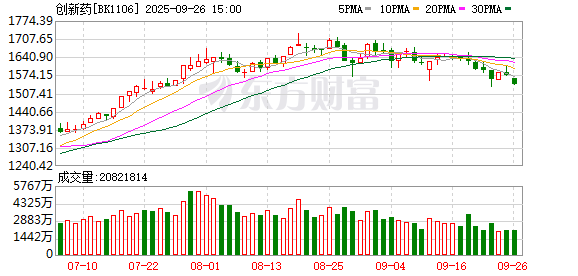
辉瑞73亿美元收购Metsera,A股减肥药概念股应声下跌
Mei Ri Jing Ji Xin Wen· 2025-09-28 22:56
Core Insights - The article discusses the recent surge in the stock prices of domestic innovative drug companies in A-shares and Hong Kong stocks, driven by potential business development (BD) expectations, particularly those seen as targets for collaboration or acquisition by multinational pharmaceutical companies [1][2] - Pfizer's announcement of a $7.3 billion acquisition of weight-loss drug developer Metsera is viewed as a significant signal of its return to the weight-loss drug market, causing a ripple effect in the domestic capital market, particularly impacting the stock prices of several weight-loss drug concept stocks [1][3] BD Expectations Driving Innovative Drug Market - The global pharmaceutical transaction volume has increased from 358 deals in 2015 to 743 deals projected for 2024, with a compound annual growth rate of 8%, and total transaction value rising from $56.9 billion to $187.4 billion [1] - In China, the growth rate of pharmaceutical transactions significantly outpaces the global average, with the number of deals increasing from 55 to 213 and total value soaring from $3.1 billion to $57.1 billion [1] - Major Chinese companies like 3SBio, CSPC Pharmaceutical, and Hengrui Medicine have secured BD deals exceeding $5 billion this year, with Hengrui's $12.5 billion deal with GSK setting a new record for single BD transactions for Chinese innovative drugs [1] Shifts in Investor Sentiment - Investors are becoming more discerning regarding BD deals, focusing on details such as upfront payment ratios, the long-term development capabilities of partners, and clarity on future revenue sharing [2] - There is a growing concern that many leading buyers have already completed their acquisitions, leading to potential valuation declines and tougher negotiations for remaining assets [2] - Past instances show that underwhelming BD deals can lead to significant stock price declines, as seen with Rongchang Biologics and Hengrui Medicine [2][3] Market Dynamics and Future Opportunities - Despite concerns about a potential slowdown in BD activity, industry leaders assert that opportunities continue to emerge, with new technologies like ADCs and bispecific antibodies gaining traction [4][5] - The changing preferences of buyers indicate a willingness to invest in earlier-stage projects, reflecting increased recognition of Chinese companies' R&D capabilities [5][6] - The importance of product portfolios is emphasized, with companies seeking to build comprehensive offerings rather than focusing solely on clinical-stage projects [6]
【港股一周见】医药板块承压回调,AI战略驱动科技股
Xin Lang Cai Jing· 2025-09-28 13:21
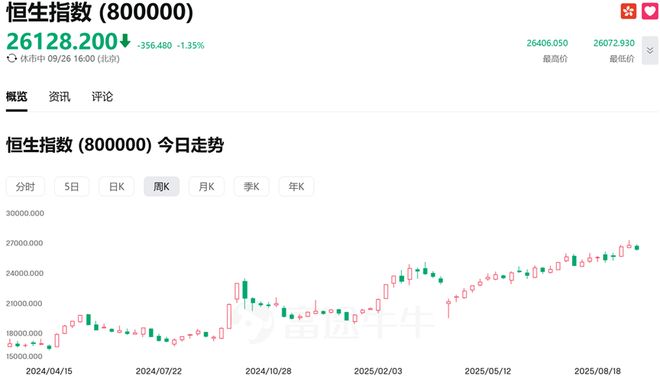
Market Overview - The Hang Seng Index closed at 26,128.2 points, down 1.57% for the week, while the Hang Seng Tech Index fell 1.58% to 6,195.11 points, and the National Enterprises Index decreased by 1.79% to 9,303.10 points [1] Fund Flow - The net inflow for the Hong Kong Stock Connect (Shanghai to Hong Kong) over the past 5 days was +23.253 billion, and for the Shenzhen to Hong Kong was +20.706 billion. Over the past 20 days, the inflow was +72.618 billion and +102.073 billion respectively. For the past 60 days, the inflow reached +182.005 billion and +231.819 billion [4] Alibaba's Performance - Alibaba's stock rose 4.65% to HKD 166.50, with a notable single-day increase of 9.16% on September 24. This performance was driven by positive signals from the 2025 Alibaba Cloud Summit, where the CEO announced an increased investment in AI infrastructure and a goal to enhance data center energy efficiency by tenfold by 2032. The company also introduced its new AI model Qwen3-Max, which performed well in global evaluations [5] Pharmaceutical Sector - The pharmaceutical sector experienced a downturn, with Fosun Pharma dropping 11.19%. Other companies like Kanglong Chemical and 3SBio also saw declines. The primary reasons for this adjustment were overseas policy disturbances, including fluctuating expectations of interest rate cuts by the Federal Reserve and proposed tariffs on pharmaceutical products by Trump. However, the actual impact on Chinese innovative pharmaceutical companies is expected to be limited due to their licensing models [6] New Energy Sector - The new energy sector showed strong performance, with Zhongxin New Energy rising 15.36% to HKD 30.94, marking over 140% increase year-to-date. This growth is attributed to robust performance in the company's energy storage business and positive institutional evaluations. Policy support from the government, including tax incentives and technological advancements, is expected to foster further growth in the sector [7] Online Travel Industry - The online travel sector is witnessing a transformation, with cross-province travel orders increasing by 45% year-on-year during the "Golden Week." Companies are shifting from price competition to AI-driven value creation, enhancing user experience through AI applications. Major platforms are integrating AI into their services, indicating a shift in competitive dynamics from resource monopolization to technological service capabilities [8] U.S. Market Signals - The U.S. bond market is showing concerning signals, with investment-grade corporate bond risk premiums at a 27-year low and signs of rising consumer defaults. These trends echo pre-2007 financial crisis characteristics. Additionally, the Trump administration's trade protectionist policies are reshaping global trade dynamics, with tariffs on various products potentially leading to a restructuring of global supply chains [9]

海外利空突袭,“港股科技双雄”携手下探,低吸资金涌动!机构:港股补涨动力仍足
Xin Lang Ji Jin· 2025-09-28 12:25
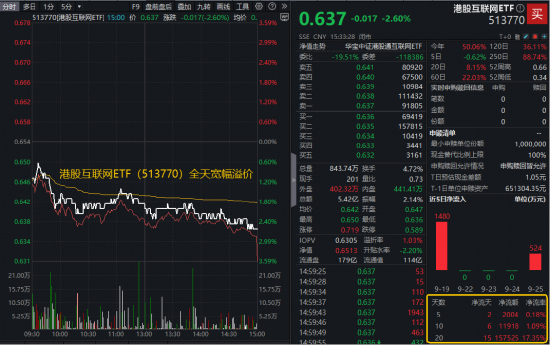
Group 1: Market Overview - The Hong Kong stock market experienced a broad adjustment, with the Hang Seng Index falling by 1.35%, and the Hang Seng Technology and Biotechnology indices dropping by 2.89% and 2.44% respectively [1][3] - Major tech stocks, including Alibaba and Xiaomi, saw significant declines, with Alibaba down 3.2% and Xiaomi plunging 8% [1][5] - The Hong Kong Internet ETF (513770) closed down 2.6%, ending a two-day upward trend, despite active buying interest [1] Group 2: Innovation Drug Sector - The innovation drug sector faced another round of adjustments, with major stocks like 3SBio and BeiGene dropping by 5.32% and nearly 2% respectively [3][6] - The Hong Kong Innovation Drug ETF (520880) closed down 1.44% with a trading volume of 410 million, indicating increased market activity [3][6] - The announcement of a 100% tariff on pharmaceutical products by the U.S. starting October 1 has negatively impacted sentiment in the sector, although it does not directly affect Chinese innovation drug companies [6] Group 3: Future Outlook - Analysts remain optimistic about the long-term prospects of the Hong Kong stock market, suggesting a potential slow bull market with upward momentum [7] - The internet sector is expected to shift focus from competitive pricing to AI-driven narratives, enhancing growth potential [6][7] - The innovation drug sector is also viewed positively, with September seen as a good opportunity for positioning [7]
“老登”起舞,“小登”回调!节前资金调仓忙,金融科技、人工智能、创新药等ETF被逢跌抢筹
Xin Lang Ji Jin· 2025-09-28 11:57
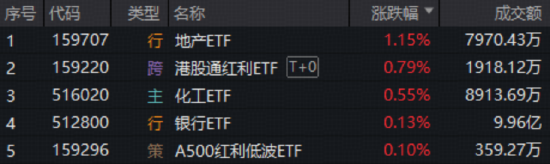
Market Overview - A-shares experienced fluctuations with the Shanghai Composite Index down 0.65%, Shenzhen Component Index down 1.76%, and ChiNext Index down 2.60, with a total market turnover of 2.15 trillion yuan [1][2] - Over 3,400 stocks in the market declined, while traditional sectors like real estate, liquor, and banking showed resilience [1][2] Real Estate Sector - The real estate sector outperformed, with the real estate ETF (159707) rising over 1%, reaching a new high for the year, and seeing a net purchase of 23.5 million shares [1][3][5] - The implementation of new housing policies in Shanghai led to a significant increase in new home transactions, with a 30% month-on-month increase in the first week and a 19% increase overall for the month [5][6] - Analysts suggest that the easing of policies in major cities may lead to a short-term recovery in the housing market, with a focus on high-quality developers and those benefiting from debt relief and improved sales [5][6] Food and Beverage Sector - The food and beverage sector, represented by the food ETF (515710), showed a slight decline of 0.16%, with the overall performance of liquor stocks being weak [8][9] - Moutai's sales volume reportedly doubled, with significant growth observed in September, indicating a potential recovery in the liquor market [11][12] - The food ETF's underlying index is at a low valuation, suggesting a good opportunity for long-term investment [12][13] Hong Kong Market - The Hong Kong stock market faced declines, particularly in the internet and innovative drug sectors, with the Hong Kong Internet ETF (513770) down 2.6% and the Hong Kong Innovative Drug ETF (520880) down 1.44% [2][15] - Despite the downturn, there were signs of active buying in the innovative drug sector, indicating potential opportunities for investors [15][19] - Analysts maintain a positive long-term outlook for the Hong Kong market, suggesting that the technology sector may recover as it shifts focus from competition to AI-driven growth [18][19]
估值周报:最新A股、港股、美股估值怎么看?-20250927
HUAXI Securities· 2025-09-27 08:12
A-share Market Valuation - The current PE (TTM) for the A-share market is 17.33, with a historical average of 25.85[7] - The Shanghai Composite Index has a PE (TTM) of 14.08, while the CSI 300 Index stands at 13.30[10] - The growth in earnings per share (EPS) has contributed significantly to the index performance, with the Shanghai Composite Index showing a current value of 16.41%[14] Hong Kong Market Valuation - The Hang Seng Index has a current PE (TTM) of 11.84, with a historical maximum of 22.67[59] - The Hang Seng Technology Index has a PE (TTM) of 23.69, indicating a higher valuation compared to the broader market[63] U.S. Market Valuation - The S&P 500 Index has a current PE (TTM) of 29.36, with a historical maximum of 41.99[82] - The NASDAQ Index shows a PE (TTM) of 42.83, reflecting its growth-oriented nature[90] Sector Valuation Insights - In the A-share market, the food and beverage sector has a low PE, while the technology sector has a high PE, indicating sector-specific valuation disparities[21] - The banking sector in Hong Kong has a current PB (LF) of 1.02, which is relatively low compared to other sectors[71] Key Stock Valuations - Major stocks like Kweichow Moutai and Wuliangye have median PEs of 29.04 and 22.36, respectively, indicating strong market positions[50] - Alibaba's current PE (TTM) is 19.53, reflecting its recovery potential in the market[75]






地缘经济论 | 第十章 产业创新:从国家竞争力看并行产业发展
中金点睛· 2025-09-27 00:06
Core Viewpoint - The article discusses the concept of parallel industries in China and the U.S., highlighting their respective strengths and challenges, particularly in the context of geopolitical economic power and the need for China to enhance its domestic demand and international competitiveness in sectors like AI, platform economy, innovative pharmaceuticals, and commercial aerospace [3][5][10]. Summary by Sections 1. Parallel Industries and Geopolitical Economic Power - Parallel industries are defined as sectors where both China and the U.S. have their strengths and are developing concurrently, such as AI, platform economy, innovative pharmaceuticals, and commercial aerospace [3][5]. - From a geopolitical economic perspective, competition in these industries is not just about business rivalry but also about enhancing national economic power [10]. 2. Challenges Facing China's Parallel Industries - China's parallel industries face challenges including weak domestic demand, limited external market expansion, significant financing constraints, and a need to improve its influence over technical standards [3][10]. - The primary contradiction is insufficient demand, necessitating strategies to expand market demand, especially for small and medium-sized enterprises [3][10]. 3. Sector-Specific Analysis AI - AI is viewed as a critical technology for national competitiveness, with significant potential to enhance productivity [11]. - The U.S. has established a strong military application for AI, emphasizing the need to maintain leadership in this field [11]. Platform Economy - The platform economy is crucial in the digital age, influencing information dissemination and resource allocation [12]. - Chinese platforms like Alipay and WeChat are leading domestically but face challenges in international expansion due to reliance on the SWIFT system [12]. Innovative Pharmaceuticals - The COVID-19 pandemic highlighted the strategic value of pharmaceutical innovation, with countries that control vaccines and treatments gaining significant geopolitical power [13]. - China's pharmaceutical market is growing, but it still lags behind the U.S. in terms of innovation and market share [23]. Commercial Aerospace - The rise of commercial aerospace has lowered entry barriers, allowing private companies to participate in satellite manufacturing and launching [14]. - The global space economy is projected to reach $1.8 trillion by 2035, with significant military applications [14]. 4. Demand-Side Challenges - Insufficient demand is a key constraint on the development of China's parallel industries, with factors such as market saturation and low payment willingness among consumers [31][33]. - The platform economy faces user saturation, while commercial aerospace relies heavily on public sector orders, limiting private sector growth [33][34]. 5. Supply-Side Issues - The lack of vibrant capital markets and insufficient technical standard influence are significant challenges for innovation in parallel industries [52][53]. - The number of new unicorns in sectors like AI and innovative pharmaceuticals has declined, indicating reduced market vitality [55].

港股科技双雄齐挫!港股互联网ETF(513770)回调2.6%
Xin Lang Cai Jing· 2025-09-26 12:16
Group 1: Market Overview - The Hong Kong stock market experienced a broad adjustment, with the Hang Seng Index falling by 1.35%, and the Hang Seng Technology and Biotechnology indices dropping by 2.89% and 2.44% respectively [1][3] - Major technology stocks, including Alibaba and Xiaomi, saw significant declines, with Alibaba down 3.2% and Xiaomi plunging 8% [1] - The Hong Kong Internet ETF (513770) closed down 2.6%, ending a two-day winning streak, indicating a shift in market sentiment [1] Group 2: Innovation Drug Sector - The innovation drug sector also faced a downturn, with major players like 3SBio and BeiGene dropping by 5.32% and nearly 2% respectively [3] - The Hong Kong Innovation Drug ETF (520880) closed down 1.44%, with a trading volume of 410 million yuan, reflecting increased market activity [3][6] - Despite the overall decline, there was a notable recovery in the ETF's performance, with the drop narrowing from over 2.5% to 1.44%, suggesting some investor interest in perceived undervalued assets [6] Group 3: External Influences - Recent comments from Federal Reserve officials indicated significant disagreement regarding future interest rate cuts, impacting short-term market sentiment [5] - The announcement of a 100% tariff on pharmaceutical products by the U.S. government is expected to negatively affect sentiment in the pharmaceutical sector, although it may not directly impact Chinese innovation drug companies [6] Group 4: Future Outlook - Analysts maintain a bullish long-term outlook for the Hong Kong stock market, suggesting a potential slow upward trend in the near term [7] - The internet sector is viewed as a resilient investment theme, with expectations that AI developments will reshape the competitive landscape [6][7] - The innovation drug sector is also seen as a strategic investment opportunity, with analysts suggesting that September may present a good entry point for investors [7]
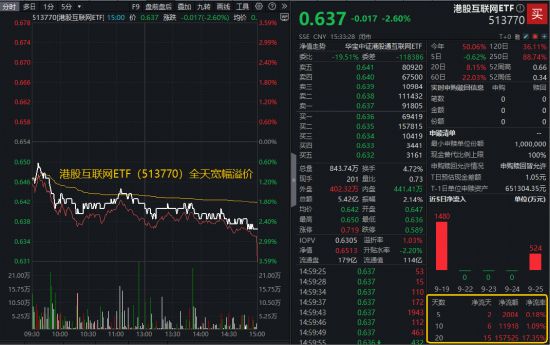
港股科技双雄齐挫!港股互联网ETF(513770)回调2.6%,小米跌逾8%!创新药遭“错杀”,520880放量溢价
Xin Lang Ji Jin· 2025-09-26 12:09
Group 1: Market Overview - The Hong Kong stock market experienced a broad adjustment, with the Hang Seng Index falling by 1.35%, and the Hang Seng Technology and Biotechnology indices dropping by 2.89% and 2.44% respectively [1][3] - Major tech stocks, including Alibaba and Xiaomi, saw significant declines, with Alibaba down 3.2% and Xiaomi plunging 8% [1][5] - The Hong Kong Internet ETF (513770) closed down 2.6%, ending a two-day upward trend, despite active buying interest [1] Group 2: Innovation Drug Sector - The innovation drug sector faced another round of adjustments, with major stocks like 3SBio and BeiGene dropping by 5.32% and nearly 2% respectively [3][6] - The Hong Kong Innovation Drug ETF (520880) closed down 1.44% with a trading volume of 410 million, indicating increased market activity [3][6] - The announcement of a 100% tariff on pharmaceutical products by the U.S. starting October 1 has negatively impacted sentiment in the sector, although it does not directly affect Chinese innovation drug companies [6] Group 3: Future Outlook - Analysts remain optimistic about the long-term prospects of the Hong Kong stock market, suggesting a potential slow bull market with upward momentum [7] - The internet sector is expected to shift focus from competitive pricing to AI-driven narratives, enhancing growth potential [6][7] - The innovation drug sector is also viewed positively, with September seen as a good opportunity for positioning [7]
A股节前缩量回调,“老登”板块逆市活跃,地产ETF涨逾1%创年内新高!高人气“小登”回调,资金果断布局
Xin Lang Ji Jin· 2025-09-26 11:52
Market Overview - A-shares experienced fluctuations with the Shanghai Composite Index down 0.65%, Shenzhen Component Index down 1.76%, and ChiNext Index down 2.60, indicating a broad market decline with over 3,400 stocks falling [1] - The total trading volume across both markets was 2.15 trillion yuan, reflecting a decrease in market activity [1] Sector Performance - The real estate sector showed resilience, with the real estate ETF (159707) rising over 1%, reaching a new high for the year, and attracting significant investment with 23.5 million shares purchased [1][3] - The banking ETF (512800) also saw a slight increase, with nearly 1 billion yuan invested over the past ten days [1] - In contrast, high-profile sectors such as AI and fintech experienced pullbacks, with the AI-focused ETF (159363) declining over 3% despite a net subscription of 144 million yuan [1][2] Real Estate Insights - The implementation of new housing policies in Shanghai has led to a significant increase in new home transactions, with a 30% week-on-week rise in the first week and a 19% increase in total transactions for the month [5] - Analysts suggest that the easing of policies in major cities could lead to a short-term recovery in the housing market, with a focus on high-quality developers and those benefiting from debt relief and improved sales [5][6] Food and Beverage Sector - The food and beverage sector, represented by the food ETF (515710), showed mixed performance, with a slight decline of 0.16% [8] - Despite the overall downturn, there are indications of strong sales growth for premium products like Moutai, with sales volume reportedly doubling month-on-month and over 20% year-on-year [11][12] Hong Kong Market Dynamics - The Hong Kong market faced declines, particularly in the internet and innovative drug sectors, with the internet ETF (513770) down 2.6% and the innovative drug ETF (520880) down 1.44% [2][15] - The market's performance is influenced by external factors, including potential tariffs on pharmaceutical products announced by the U.S., which have affected investor sentiment [18][19] Future Outlook - Analysts maintain a positive medium-term outlook for the market, emphasizing the importance of liquidity and the potential for a rebound post-holiday [2][6] - The real estate sector is expected to benefit from seasonal demand during the "Golden September and Silver October" period, with recommendations to focus on leading developers and those with strong land acquisition strategies [5][6]