格力电器

Search documents
2025年最后一个月,资金开始换方向
Ge Long Hui· 2025-12-11 10:51
截至目前,代表成长科技属性的创业板指数已经弱势调整超2个月,科创50指数甚至自高点回调超过了15%。 很显然,随着时间迈入2025年最后一个月,有资金开始选择避险或退场以等待来年再战,导致市场主线行情开始走弱和分化。 这种情况下,合适的投资策略就显得越发重要了。 作者 | 哥吉拉 数据支持 | 勾股大数据 12月11日,A股市场继续进入调整状态,多数板块依旧弱势下跌。 截至收盘,沪指跌0.7%失守3900点,深成指跌1.27%,创业板指跌1.41%,全市场成交额1.89万亿元,超4300股下跌。 板块上,除银行、贵金属等少数板块维持上涨外,其余大多数板块跌幅明显,其中包括了昨日大涨的房地产、通信设备、半导体等热热点板块。 01 市场进入估值消化期 富途行情数据显示,A股市场近20日有超4200只股录得下跌,占比全部A股的接近80%,其中跌幅超5%的有3200多家,接近6成。 在A股131个细分行业里面,超过110个最近20日录得下跌,其中一半行业跌幅超过5%。 同时,A股的总成交额自从8月份达到巅峰时期的3.17万亿后开始持续进入缩量交易的趋势,目前已经回落至不到1.9万亿,降幅可谓明显。 在近期,即使是AI ...


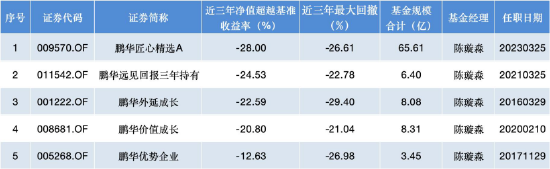
薪酬新规透视 | 鹏华陈璇淼5只产品跑输三年基准,4只跑输超20%,持仓高度重合格力电器、贵州茅台等个股
Xin Lang Cai Jing· 2025-12-11 09:53
Core Viewpoint - The recent reform of the compensation system in the public fund industry has drawn significant market attention, marking the arrival of an "era of performance" where nearly a thousand fund managers face potential salary reductions due to underperformance [1][7]. Summary by Relevant Sections Compensation Reform - According to the new guidelines from the Asset Management Association of China, if a fund manager's product returns are more than 10 percentage points below the performance benchmark over the past three years and the fund's profit margin is negative, their performance-based compensation must be reduced by at least 30% [8]. - Fund companies are required to assess the performance of fund managers managing multiple products based on weighted criteria such as fund size and management duration, excluding funds managed for less than a year from evaluation [8]. Performance Data - As of December 10, there are 9,430 funds with performance data over the past three years, of which 1,615 funds have underperformed their benchmarks by more than 10 percentage points, and 56 funds have underperformed by over 50 percentage points [8]. - Notable underperforming funds include Guangfa High-end Manufacturing A, Fangzheng Fubon Innovation Power A, and Zheshang Smart Economic Dynamics A, with underperformance rates of 82.38%, 75.34%, and 69.84% respectively [8]. Focus on Fund Managers - The performance of senior fund managers over the past three years has become a focal point in the industry, particularly for Chen Xuanmiao from Penghua Fund, whose multiple products have shown poor performance [8]. - Data indicates that all five products managed by Chen Xuanmiao have negative returns compared to their benchmarks, with significant underperformance [8]. Specific Fund Performance - The Penghua Jiangxin Selected A fund has underperformed its benchmark by 28%, while Penghua Vision Return has underperformed by 24.53%, and other funds managed by Chen have similar negative returns [10]. - These funds have experienced notable net value declines, with maximum drawdowns ranging from 21% to 30% [10]. Portfolio Analysis - The top ten holdings across Chen Xuanmiao's five funds show a high degree of overlap, with a significant focus on consumer, pharmaceutical, and some undervalued cyclical sectors [10]. - Key stocks in the top holdings include Gree Electric Appliances, Kweichow Moutai, Renfu Pharmaceutical, and Mindray Medical, all of which are present in all five products [13]. Industry Transformation - The binding of fund managers' performance compensation to specific product benchmarks, rather than solely to fund size and management fees, indicates a profound restructuring of the asset management industry's operational rules [12]. - This shift signifies a fundamental change in industry values, emphasizing long-term investment philosophy, sustainable performance, and overall research capabilities of firms [12].

美的、海尔、小米等联手推动→
第一财经· 2025-12-11 08:24
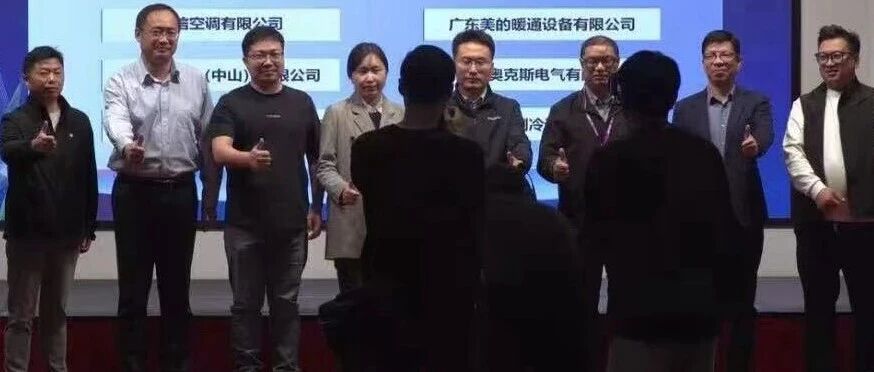
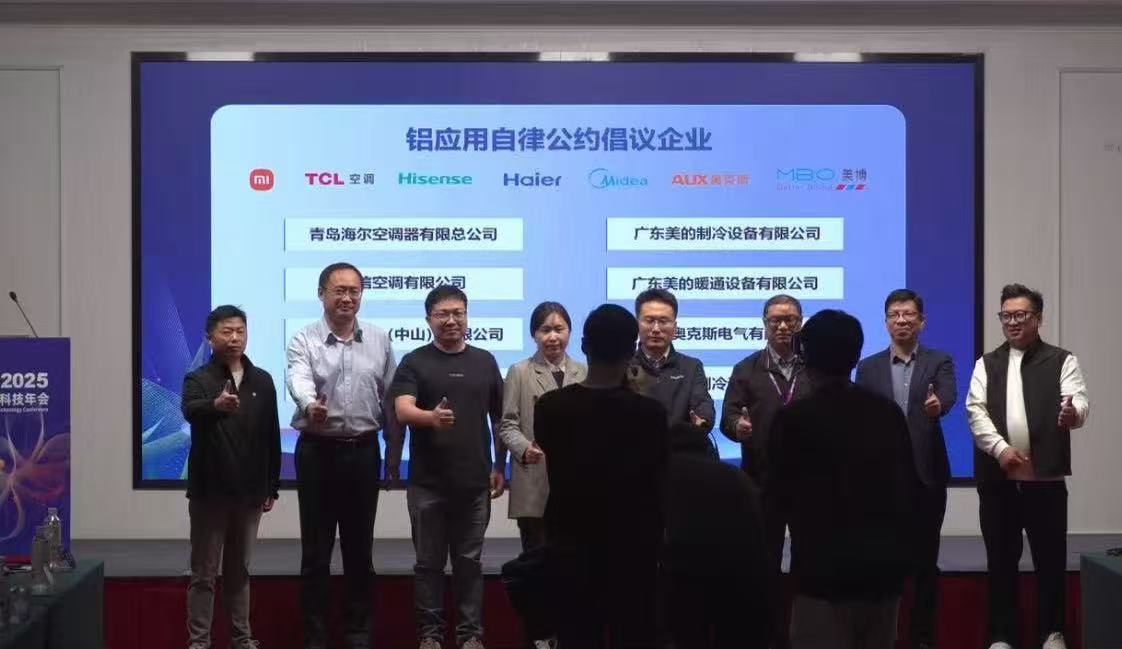
Core Viewpoint - The article discusses China's initiative to promote the use of aluminum instead of copper in air conditioning systems, driven by rising copper prices and the need for a secure supply chain in the multi-billion dollar industry [3][4]. Group 1: Industry Standards and Developments - China has released the group standard for "Aluminum Tube Fin Heat Exchanger Production Line for Room Air Conditioners" and is in the process of drafting additional standards related to aluminum heat exchangers [3][4]. - Major companies such as Gree, Midea, Haier, Xiaomi, and others are participating in the revision of national standards for air conditioning heat exchangers, with discussions scheduled for January 2026 [3][4]. - The China Household Electrical Appliances Research Institute has expanded its research group on aluminum applications in air conditioning to 19 members, including leading air conditioning manufacturers and related material companies [3][4]. Group 2: Technical Challenges and Solutions - The transition to aluminum heat exchangers faces three main challenges: high corrosion resistance technology, lack of standardized testing methods, and consumer biases against aluminum [4][5]. - The Ministry of Industry and Information Technology has outlined a plan to support the development of aluminum heat exchangers for air conditioning and refrigeration, emphasizing the need for high corrosion resistance technology [5]. - Companies are focusing on three technical directions for aluminum replacement: corrosion-resistant material design, surface treatment, and coating design, which require enhanced manufacturing and welding capabilities [5]. Group 3: Market and Consumer Perception - The demand for copper in household air conditioning is significant, with 10.7% of China's copper consumption (approximately 1.723 million tons) attributed to this sector, heavily reliant on imports [4]. - There is a need for government guidance and market cultivation to overcome consumer skepticism regarding aluminum's effectiveness compared to copper [4][5]. - A self-regulation agreement has been established among major air conditioning companies to promote the benefits of aluminum heat exchangers and enhance consumer trust in the technology [5].
美的、海尔、小米等联手:推动“铝代铜”标准落地、禁止互相恶意攻击
Di Yi Cai Jing· 2025-12-11 07:35
Core Insights - China's air conditioning industry is accelerating the adoption of aluminum instead of copper due to rising copper prices, with a focus on establishing relevant standards to ensure the safety of this billion-dollar industry [2][3] Group 1: Industry Developments - The China Refrigeration Society has released a group standard for the construction of aluminum tube fin heat exchanger production lines for room air conditioners, with additional standards for aluminum heat exchanger raw material requirements and production line construction currently being developed [2] - A national standard related to "aluminum instead of copper" for room air conditioners is under revision, with major companies like Gree, Midea, Haier, and Xiaomi participating in the discussions [2][3] - The China Household Electrical Appliances Research Institute has expanded its research group on aluminum applications in air conditioning to 19 members, including leading air conditioning manufacturers and related material companies [2] Group 2: Technical Challenges and Proposals - The demand for copper in household air conditioning is significant, with 10.7% of China's copper consumption in 2023 attributed to this sector, amounting to approximately 1.723 million tons, with 80% of this copper being imported [3] - There are three main challenges in adopting aluminum heat exchangers: high corrosion resistance technology issues, lack of standardized testing methods, and consumer biases against aluminum [3][4] - The Ministry of Industry and Information Technology has outlined a plan to support the development of aluminum applications in air conditioning and refrigeration, emphasizing the need for high corrosion resistance technology [4] Group 3: Industry Collaboration and Standards - Major air conditioning companies have signed a self-regulation agreement to promote aluminum heat exchangers, ensuring scientific communication about their benefits and preventing misleading claims [4] - The establishment of a standard system for aluminum heat exchangers is a priority, with a focus on addressing corrosion resistance and manufacturing capabilities [4]



自由现金流ETF(159201)近5个交易日净流入2.16亿元,连续3天获杠杆资金净买入
Xin Lang Cai Jing· 2025-12-11 02:27
Group 1 - The core viewpoint of the news is that the National Index of Free Cash Flow has shown positive performance, with a 0.46% increase as of December 11, 2025, and the Free Cash Flow ETF has also risen by 0.59% [1] - The Free Cash Flow ETF has seen significant liquidity, with an average daily trading volume of 455 million yuan over the past month and a total inflow of 216 million yuan over the last five trading days [1] - Leveraged funds have been actively investing in the Free Cash Flow ETF, with net purchases for three consecutive days, reaching a maximum single-day net purchase of 66.59 million yuan [1] Group 2 - The National Index of Free Cash Flow reflects the price changes of listed companies with high and stable free cash flow levels in the Shanghai and Shenzhen stock exchanges [2] - As of November 28, 2025, the top ten weighted stocks in the National Index of Free Cash Flow account for 54.4% of the index, including companies like China National Offshore Oil Corporation, SAIC Motor, and Wuliangye [2] - The Free Cash Flow ETF closely tracks the National Index of Free Cash Flow and has associated off-market connection products [2]
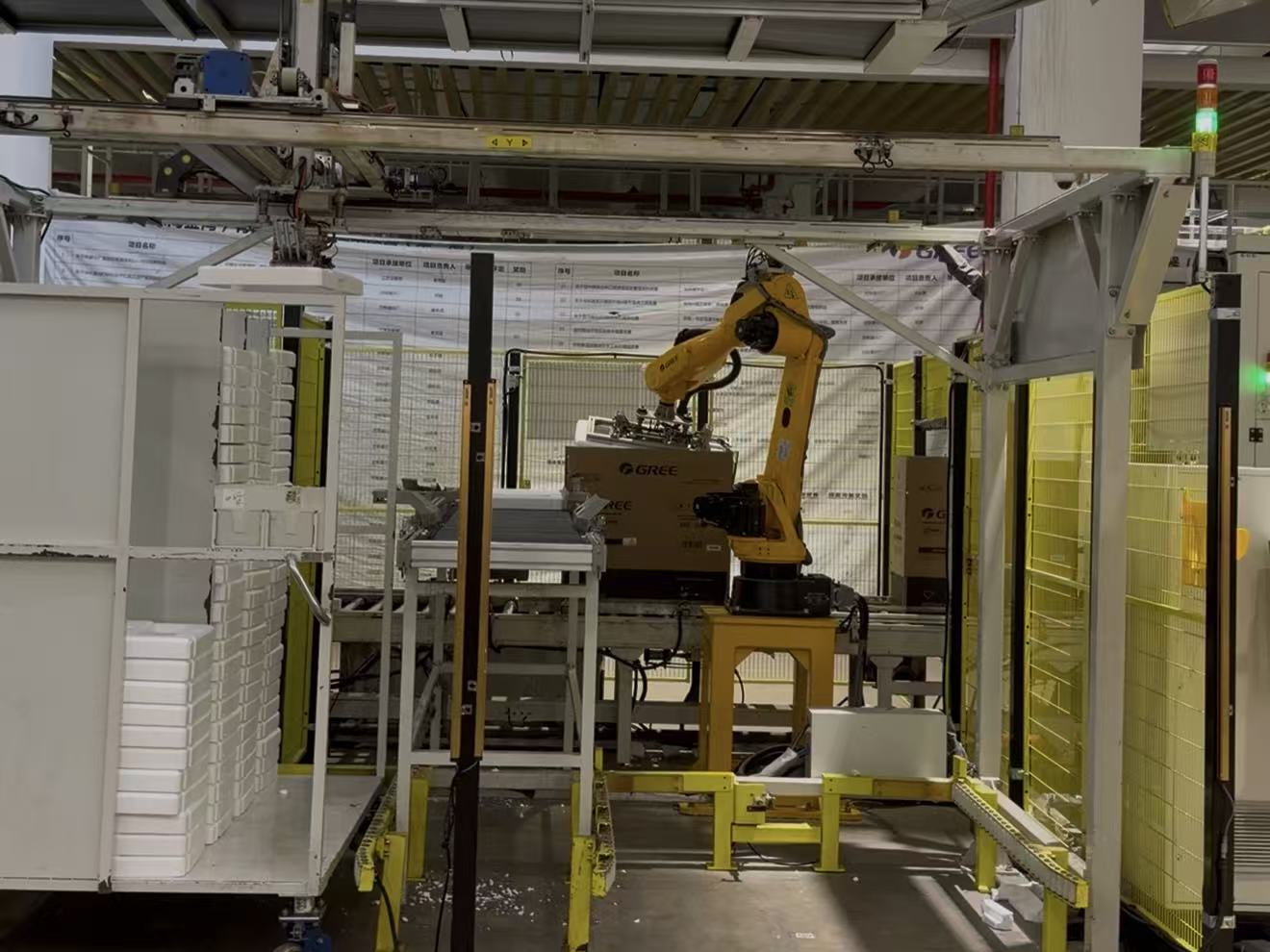
格力金湾智能制造工厂构建“格力协同屋”模式 实现全价值链智能协同
Zhong Guo Zheng Quan Bao· 2025-12-10 22:31
Core Viewpoint - The Gree Jinwan Intelligent Manufacturing Factory has been recognized as one of the first 15 "Leading-Level" smart factories in China, showcasing advanced automation and digitalization in manufacturing processes [2][3][5]. Group 1: Automation and Efficiency - The factory boasts a digital coverage rate of 100% and an overall automation rate exceeding 80%, significantly enhancing production efficiency and product quality [2][4]. - Key production processes have been automated, reducing the workforce from over 70 to approximately 20 for certain assembly lines, achieving a 200% increase in production efficiency [4][6]. Group 2: Smart Manufacturing Model - Gree has introduced the "Gree Collaborative House" smart manufacturing model, which integrates industrial internet platforms and AI algorithms to optimize the entire value chain from demand to supply [3][6]. - The factory employs advanced scheduling systems that allow for precise production planning, enabling real-time data collection and quality traceability [4][6]. Group 3: Sustainable Manufacturing - Gree is committed to a sustainable manufacturing model, utilizing integrated technologies for energy management and aiming for a circular development goal of producing green products with green energy [6][7]. - The company plans to enhance its industrial internet platform and implement advanced connectivity technologies like 5G-A and 6G to support data-driven transformations across the value chain [6][7]. Group 4: Diversification and Growth - Gree's self-developed equipment rate stands at 100%, with over 2,000 self-manufactured industrial robots in operation, marking a significant step in diversifying its product offerings [7]. - The intelligent equipment segment reported a year-on-year revenue growth of 20.90%, while the industrial products and green energy segment saw a 17.13% increase, reflecting Gree's robust market position and growth strategy [7].

格力金湾智能制造工厂构建“格力协同屋”模式
Zhong Guo Zheng Quan Bao· 2025-12-10 20:17
Core Insights - The Ministry of Industry and Information Technology and five other departments have announced the first batch of leading smart factories, with Gree Electric's Zhuhai Jinwan Smart Manufacturing Factory being one of the 15 selected [1] - Gree's smart factory boasts a digital coverage rate of 100% and an overall automation rate exceeding 80%, utilizing advanced smart processing equipment, industrial robots, and logistics equipment [1][2] - The factory has implemented the "Gree Collaborative House" smart manufacturing model, enhancing efficiency across the entire value chain through data-driven insights and dynamic optimization [2] Group 1: Smart Manufacturing Achievements - Gree's smart factory has achieved a 200% increase in production efficiency, with 86 out of 103 processes in the assembly line automated, reducing the workforce from over 70 to approximately 20 [2] - Key processes such as helium testing, welding, vacuum infusion, and quality inspections have been automated, enabling real-time data collection and quality traceability [2] - The factory's autonomous operations extend to warehousing, utilizing unmanned forklifts and intelligent algorithms for full automation [2] Group 2: Sustainable Manufacturing Model - Gree is integrating green and low-carbon principles into its manufacturing system, employing "light-storage-air" technology for energy optimization and aiming for a circular development goal of producing green products [4] - The company is committed to a sustainable manufacturing model that emphasizes energy efficiency and low consumption [4] Group 3: Diversification and Future Growth - Gree's smart manufacturing factory has a 100% self-research equipment rate, with over 2,000 self-developed industrial robots in operation, serving both air conditioning and industrial equipment production [4] - The company is transitioning into a diversified, technology-driven global industrial group, with its smart equipment segment reporting a 20.90% year-on-year revenue growth [5][6] - Gree aims to continue innovating its smart manufacturing systems and exploring new models and paradigms for future factories [6]
预见未来家:2025年度家电行业十大趋势
Xin Lang Cai Jing· 2025-12-10 14:00
Group 1 - The core viewpoint of the articles highlights the transformative impact of AI and green technology on the home appliance industry, driven by policies such as the "old-for-new" initiative, which has invigorated the market and accelerated technological upgrades [1][25][48] - The integration of AI into home appliances has shifted from optional enhancements to fundamental redefinitions of product forms and user experiences, marking a new phase in the industry [3][27] - The sales growth of smart home products has been significant, with a reported increase of 940.7% in new smart home product barcodes, indicating a robust market trend [4][30] Group 2 - The trend towards personalized and flexible customization in home appliances is emerging, exemplified by the popularity of products like the "three-tub washing machine," which responds to consumer feedback [8][33] - The green upgrade of home appliances is gaining momentum, with a reported sales increase of over 10% for first-level energy-efficient products, reflecting a shift in consumer awareness towards sustainable living [11][36] - The aging population in China is driving the demand for elder-friendly appliances, with new standards and products being developed to cater to this demographic [13][38] Group 3 - The "Good House" initiative is fostering a deep integration of home appliances with home design, pushing for a seamless experience in kitchen and living spaces [14][39] - The trend of collaboration among major appliance brands, such as the strategic partnership between Hisense and Midea, signifies a shift from competition to "co-opetition" in the industry [19][44] - The globalization of the Chinese home appliance industry is accelerating, with companies expanding their presence through mergers and international marketing strategies, including partnerships with global sports events [21][46]



格力电器:已研发推出数据中心全栈冷却方案及液冷设备
Zheng Quan Shi Bao Wang· 2025-12-10 13:20
Core Viewpoint - Gree Electric Appliances has developed key technologies for liquid cooling systems and phase change cooling systems, enabling the launch of a comprehensive cooling solution for data centers that meets the energy-saving target of PUE ≤ 1.15 [1] Group 1: Technology Development - The company has mastered critical technologies such as cold plate liquid cooling systems and phase change cooling systems [1] - Gree has introduced a full-stack cooling solution and liquid cooling equipment for high power density data rooms [1] Group 2: Project Delivery - Recent successful deliveries include projects for China Unicom's Yangtze River Delta Intelligent Computing Center, Guangdong-Hong Kong-Macao Greater Bay Area Hub Data Center, Chengdu AI Computing Center, Wuhan AI Computing Center, and Ulanqab Cloud Data Center [1] Group 3: Future Focus - The company plans to concentrate on integrated solutions for liquid cooling systems and the iteration of core components [1] - There will be an emphasis on modular and standardized delivery, as well as strengthening collaborations with leading internet companies to expand applications in AI computing centers and intelligent computing centers [1]
从“制造”到“智造”:探访格力金湾智能工厂,解码“领航级”转型路径
Guo Ji Jin Rong Bao· 2025-12-10 11:52
从珠海一家地方空调厂,到成功入选国家最高层级的"领航级"智能工厂培育名单——格力电器(珠海金湾)有限公司(下称"格力金湾智能制造工厂")的升 级之路,正为当下全球产业竞争格局重构中的中国制造业,如何向高端化、智能化转型,提供深刻启示。 此前11月,格力金湾智能制造工厂凭借"全价值链格力协同屋空调智能工厂项目,成功入选最高层级的"领航级"智能工厂培育名单。 12月9日,《国际金融报》记者走进这一智能制造工厂。在这里,记者看到,工厂能够像"智能大脑"一样,自动、精准地指挥生产。总装集成智造车间 内,480米长的外机生产线,103个工序中86个已实现自动化,传统需70多人的产线现仅需约20人。 与此同时,与传统空调工厂流水线主要依赖工人操作不同,在金湾智能工厂的生产线上,工业机器人与智能装备已成为绝对的主角。关键工序中氨检、 焊接、抽空灌注、商检测试、激光打标、外观检测、套袋包装等环节均已实现无人化作业。 以套袋包装环节为例,记者看到现场的工业机器人会先将压平的纸箱铺开,精准撑起四角,随后进入装箱流程。为了让纸箱与空调机身更紧密贴合,搭 载仿生臂的机器人会一边套箱,一边"试探"着有节奏的轻微摇晃动作,从而让包装自然 ...