佳能

Search documents
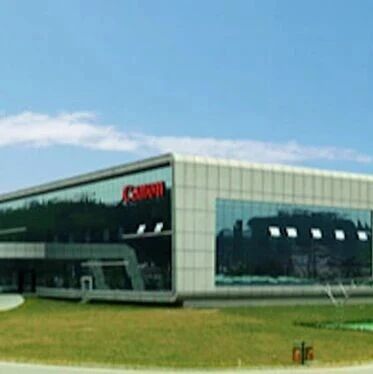
佳能关闭中国广东省中山市的打印机工厂
日经中文网· 2025-11-28 02:58
Core Viewpoint - Canon (Zhongshan) Office Equipment Co., Ltd. has ceased operations due to market shrinkage and the rise of Chinese companies, leading to the transfer of production functions to other factories and the discontinuation of certain products [2][5]. Group 1 - Canon (Zhongshan) Office Equipment Co., Ltd. stopped operations on November 21, with the factory established in 2001 and expanded in 2012 to increase production capacity for laser printers and multifunction printers [4]. - As of September 30, 2025, the company had approximately 1,400 employees, and Canon plans to provide re-employment support [5]. - The shift towards paperless offices, driven by the popularity of smartphones and online payments, has intensified in China, affecting the business environment for Japanese companies [5]. Group 2 - Printing-related products, including laser printers, account for over 50% of Canon's sales revenue, making them a crucial profit pillar [5]. - In response to the challenges posed by the paperless trend, Canon is focusing on expanding sales of digital printing machines, which have greater growth potential [5].

中国贸促会:应美国商会邀请 将于12月初组织中国企业家代表团访美
智通财经网· 2025-11-27 06:48
智通财经APP获悉,11月27日,中国贸促会举行11月例行新闻发布会,贸促会新闻发言人杨帆介绍相关 情况并回答媒体提问。杨帆表示,应美国商会邀请,中国贸促会将于12月初组织中国企业家代表团访问 美国。随团企业涉及领域广泛,包括农业食品、机械电子、金融服务、跨境贸易、物流运输、生物医药 及潮流文化等多个领域。代表团将与美政商各界广泛交流,举办多场中美工商界交流活动,积极向美各 界介绍中国坚持高质量发展和高水平对外开放新举措。 原文如下: 中国贸促会召开11月例行新闻发布会 杨帆: 上午好!欢迎参加中国贸促会11月例行新闻发布会。我是中国贸促会新闻发言人杨帆。 我首先向大家通报3条信息。 第一条信息,发布9月全球经贸摩擦指数。 从综合指数看,9月全球经贸摩擦指数为106,持续处于高位。全球经贸摩擦措施涉及金额同比增长 7.9%,环比下降15.6%。 从行业指数看,在监测范围内13个主要行业中,经贸摩擦措施的冲突点聚焦于电子、运输设备、医药、 机械设备和化工行业,其中电子行业经贸摩擦指数居首。 从分项指数看,在监测范围内的20个国家(地区)共发布30项进出口关税措施,发起67起贸易救济调查, 向WTO提交技术性贸易 ...
最新消息!即日起每人都可申领
中国能源报· 2025-11-24 10:12
Group 1 - The event runs from now until December 30, 2026, offering various gifts for participants [1] - Participants can receive gifts by signing in daily, with specific rewards for different milestones, such as free items on the first day and after 8, 14, 30, 45, 65, 90, 115, 130, and 190 days [4][5] - Notable gifts include a stylish electric motorcycle, Canon EOS R6 Mark II camera, air purifier, and Samsung and Huawei smartphones [5][6] Group 2 - The event is organized by Shanghai Baidu Artificial Intelligence Co., Ltd., indicating a corporate initiative to engage users [6][8] - The rewards structure is designed to encourage continuous participation, enhancing user engagement and brand loyalty [4][5]

EUV光刻机“秘史”!
半导体行业观察· 2025-11-24 01:34
Core Viewpoint - The article discusses the evolution and commercialization of Extreme Ultraviolet (EUV) lithography technology, highlighting the geopolitical implications and the significant contributions from various research institutions, particularly in the U.S. and the eventual dominance of ASML in the market [1][22][23]. Group 1: Semiconductor Lithography Technology - Moore's Law indicates that the number of transistors on integrated circuits doubles approximately every two years, largely due to advancements in lithography technology [1]. - The latest advancement in lithography is EUV technology, which uses light with a wavelength of 13.5 nanometers to create patterns on chips [1][22]. - The development of EUV technology involved significant investment and research from U.S. institutions like DARPA, Bell Labs, and IBM, amounting to hundreds of millions of dollars over decades [1][22]. Group 2: Historical Context of Lithography Techniques - Early semiconductor lithography used mercury lamps emitting light at 436 nanometers, but diffraction limited the ability to create smaller features [2][4]. - Alternative methods like electron beam lithography and X-ray lithography were explored, but they faced challenges such as slow processing speeds and the complexity of X-ray sources [4][5][6]. - Optical lithography continued to evolve through techniques like immersion lithography and phase-shifting masks, delaying the need to transition to new technologies [6][8]. Group 3: Development of EUV Technology - The transition to EUV technology began in the 1990s, with significant contributions from various research labs and companies, including NTT and Bell Labs [9][16]. - The technology faced skepticism initially, but advancements in multilayer mirrors capable of reflecting X-rays led to successful demonstrations of soft X-ray lithography [10][12]. - The name "Extreme Ultraviolet Lithography" was adopted in 1993 to distinguish it from earlier X-ray techniques [15]. Group 4: Commercialization and Market Dynamics - Despite initial funding cuts in 1996, Intel continued to invest in EUV technology, forming the EUV-LLC alliance to support research and development [18][19]. - ASML emerged as a key player in the EUV market, gaining access to technology and support from major semiconductor companies like Intel, TSMC, and Samsung [19][23]. - By 2013, ASML delivered its first production EUV equipment, marking a significant milestone in the commercialization of this technology [23].


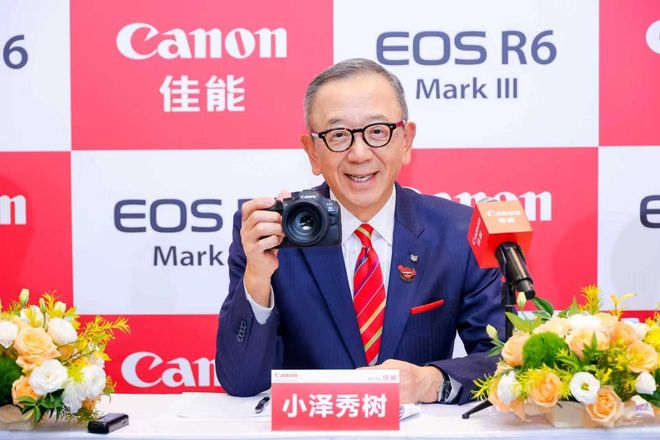
外资在中国 小泽秀树:我们当前处于一个“乌卡时代” 将保持战略定力深耕中国市场
Zhong Guo Jing Ying Bao· 2025-11-16 11:52
Core Insights - Canon's commitment to the Chinese market is highlighted by its 20-year journey with the EOS 5 series digital cameras, emphasizing the company's growth alongside Chinese users [2] - The launch of the EOS R6 Mark III camera demonstrates Canon's understanding of local user needs and its confidence in leading the market [2] - Canon's long-term strategy includes a focus on deepening its presence in China, with a comprehensive sales and service network established across the country [5] Group 1: Company Strategy and Market Position - Canon's strategy in China has evolved since the 1970s, transitioning from technical cooperation to establishing production facilities and sales companies [5] - The company has built a robust network with 13 branches and various service centers, covering multiple business areas including imaging systems and IT solutions [5] - Canon's sales revenue in 2022 surpassed 4 trillion yen (approximately 200 billion RMB), with projections for 2024 to reach 4.5 trillion yen (about 230 billion RMB), indicating steady growth despite challenges [6] Group 2: Future Plans and Market Trends - Canon is currently concluding its first five-year plan, which has been marked by significant challenges but also by growth in its imaging business [7] - The company aims to create a new "golden era" for imaging products, targeting a large consumer base of approximately 600 million potential customers in China [8] - Canon's dual investment strategy for the next five years focuses on increasing investment in B2C imaging business while remaining cautious in B2B sectors, adapting to market opportunities [8]
AI Native 的影像公司们,颠覆赛道的机会来了!
Founder Park· 2025-11-16 03:05
Core Insights - The article discusses the transformative impact of AI on the imaging equipment industry, highlighting a shift from optical dominance to computational capabilities as the primary value driver [4][5][6]. Group 1: Historical Context and Evolution - Over the past 50 years, the balance between optical and computational contributions in imaging has evolved, indicating a new logic for the emergence of successful imaging companies [5][6]. - In the film era, the value of photography was almost entirely determined by optical and mechanical factors, with companies like Leica and Zeiss leading the market [8]. - The advent of digital technology marked the first significant intervention of computation, allowing companies like Canon and Sony to disrupt traditional optical firms by integrating computational elements into their products [8][9]. Group 2: The Role of Computation - Initially, computation served to optimize optical performance and simplify user operations, enhancing the overall user experience and expanding market demand [8][9]. - The true disruption began when computation shifted from merely optimizing optics to defining scenarios and reshaping reality, as seen with companies like GoPro and DJI [9][10]. - DJI's drones exemplify this shift, functioning as advanced computational platforms that deliver unprecedented aerial imaging capabilities [10]. Group 3: New Computational Paradigms - A new computational architecture is emerging, characterized by a combination of on-device processing, lightweight local models, and powerful cloud-based models, enabling unprecedented capabilities in imaging devices [11]. - This evolution allows for real-time AI functionalities and opens up new possibilities for understanding, enhancing, and generating images [11][13][15]. Group 4: Layers of Value Creation - The first layer of value is "understanding reality," where AI enhances the camera's ability to interpret and provide context to images, moving beyond mere recording [13]. - The second layer is "augmented reality," where AI contributes to creative expression and emotional resonance in photography [15]. - The third layer, "generating reality," represents a paradigm shift where images are created through computation rather than traditional optical means, as demonstrated by products like the Paragraphica camera [23][29]. Group 5: Market Opportunities and Future Directions - The potential for new imaging companies lies in leveraging high computational capabilities to unlock previously suppressed market demands, particularly in niche segments [29][30]. - Successful companies will focus on providing exceptional user experiences in specific scenarios, thereby expanding overall market demand [30][33]. - The future of the imaging industry is expected to be shaped by AI-native companies that prioritize innovative product thinking and a deep understanding of user needs [34].


车载电池(5)如何防起火?
日经中文网· 2025-11-16 00:33
Core Viewpoint - The article discusses the growing concerns regarding electric vehicle (EV) battery fires, despite their lower frequency compared to gasoline vehicles. It highlights the need for technological advancements and regulatory measures to enhance safety and promote EV adoption. Group 1: Causes and Risks of EV Battery Fires - The primary cause of battery fires is "short circuits," which occur when the positive and negative terminals are incorrectly connected, leading to high current and heat generation [3] - Damage to the battery pack from vehicle collisions or foreign objects entering the battery can also cause short circuits, potentially leading to severe losses [3] - A lawsuit has been filed by Mitsui O.S.K. Lines against Porsche, attributing a fire on an automobile transport ship to the EV batteries being transported [3] Group 2: Technological Innovations to Mitigate Fire Risks - The first category of measures involves developing batteries that are less prone to catching fire. 24M Technologies, backed by Itochu Corporation, has created batteries using special insulating materials to reduce short circuit risks [5] - The second category focuses on preventing quality defects that could lead to fires. Japanese companies are applying sensor technologies to detect foreign objects on electrodes, with Konica Minolta developing detection equipment for this purpose [7] - The third category includes improvements to vehicle bodies and battery casings. CATL has developed a vehicle body that ensures battery safety even during high-speed collisions [7] - Renault has patented a technology called "Fireman Access," which enhances the battery casing to allow firefighting water to penetrate the battery more easily in case of a fire [7] Group 3: Regulatory Developments - Various countries are beginning to establish regulations and improve legal frameworks regarding EV battery safety. China is actively revising safety standards for EV batteries [7] - Despite the lower fire frequency of EVs compared to gasoline vehicles, consumer concerns remain significant, necessitating both technological innovation and regulatory development for widespread adoption [7]


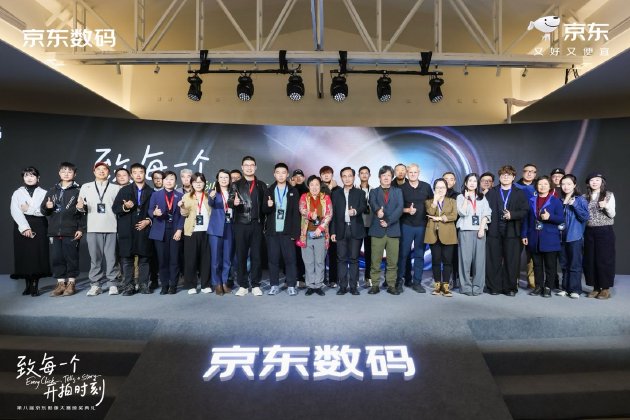
第八届京东影像大赛收官 京东携手索尼、佳能等品牌激发全民创作热情
Xin Lang Cai Jing· 2025-11-15 14:05
Core Insights - The 8th JD Imaging Competition concluded successfully, attracting over 100,000 photography enthusiasts who submitted 730,000 works across seven thematic categories, showcasing diverse perspectives from both professional and amateur creators [1][3] Group 1: Event Overview - The competition serves as a platform for photographers to showcase their talents and promotes the sharing of creative experiences and technological trends, contributing to the popularization of imaging culture and the healthy development of the industry [3][10] - The event featured a gathering of top global imaging brand representatives and authoritative judges who announced the results and awarded outstanding entries [1][3] Group 2: Award Highlights - The gold award-winning piece, "Clouds over Lujiazui," captures the dynamic interplay of Shanghai's skyline and clouds, earning the creator a top camera worth 100,000 yuan and a global travel honor [3][5] - Silver award-winning works include "Football Boys of the Palm Plateau," "Rural Supply and Marketing Cooperative," and "Harvest Apple Stall," which collectively depict a narrative spectrum from individual to community experiences [5][7] - Bronze award-winning entries such as "Red Cornel Berries," "Heart of the Earth," and "Silent Maternal Love" reflect the creators' detailed observations and unique insights into life [7] Group 3: Brand Collaboration and Market Impact - The successful execution of the competition is attributed to the deep collaboration between JD and leading imaging brands like Sony, Canon, DJI, and Nikon, enhancing consumer conversion through superior shopping experiences and product offerings [9] - During the JD 11.11 shopping festival, new photography users increased by over 80%, providing solid user support for top brands and boosting both brand visibility and sales performance [9] - The competition not only served as an award ceremony but also ignited a nationwide creative enthusiasm, with expert judges offering detailed feedback to participants [9][10] Group 4: Future Directions - The conclusion of the 8th JD Imaging Competition marks a significant step for JD in building an imaging ecosystem and promoting photography culture, with plans to continue collaborating with global imaging brands and enthusiasts to drive sustainable development in the Chinese imaging industry [10][11]


城西,招商范式在变
Su Zhou Ri Bao· 2025-11-13 22:47
Core Viewpoint - Suzhou High-tech Zone is actively engaging in investment promotion during the "Golden Autumn Economic and Trade Season," focusing on breakthroughs in automotive technology, new consumption, and digital economy sectors to enhance its economic landscape for the "14th Five-Year Plan" conclusion and the "15th Five-Year Plan" initiation [1] Group 1: Investment Promotion Activities - A significant automotive technology and equipment development forum was held, attracting over 80 enterprises and serving as a core platform for resource integration within the automotive industry [2][3] - The forum featured the launch of multiple innovative platforms and discussions on cutting-edge topics such as smart manufacturing and battery safety, highlighting the importance of integrating innovation with industry needs [2][3] - The "Suzhou New Consumption Scenario Win-Win" matchmaking event was organized to facilitate deep connections between chain brand enterprises, showcasing a comprehensive approach to investment promotion [3][4] Group 2: Project Development and Execution - A series of quality projects have been signed, initiated, and completed since October, including the commencement of the New Lei Semiconductor project and the opening of the Kema Technology headquarters [5] - The focus on "scene-based investment" aims to address gaps in the industrial chain, ensuring that investment activities are aligned with the development needs of key industries [5][6] - The "Intelligent Gathering Su High-tech • Talent Gathering Science City" innovation and entrepreneurship competition successfully showcased 21 projects, emphasizing the importance of talent attraction and project implementation [6] Group 3: Strategic Approach to Investment - The investment strategy has shifted from a passive to an active approach, emphasizing proactive engagement and precise matching with potential investors [7][8] - The high-tech zone is focusing on building an ecosystem for investment that includes industrial layout, policy support, and capital empowerment, while breaking down departmental barriers to enhance collaboration [8][9] - A "key project attack list" has been established to ensure targeted and effective investment promotion, reflecting the zone's commitment to not just attracting individual enterprises but fostering a thriving industrial chain [9]
他靠巴掌大的打印机,征服欧美,年入18亿
创业家· 2025-11-11 10:15
Core Viewpoint - The article highlights the success story of 趣印科技 (Phomemo Technology), which transformed from a small startup into a leading player in the portable printer market, achieving significant revenue growth through innovative product development and strategic market positioning [8][42]. Group 1: Company Background and Initial Challenges - 趣印科技 was founded by 郭晋鹏 in 2013, initially focusing on the niche market of label ribbons, which was dominated by established companies like Brother and DYMO [19][18]. - The company faced significant challenges in its early years, including a lack of industry experience and financial difficulties, leading 郭晋鹏 to sell personal assets to sustain operations [22][44]. - By 2015, the company began to see revenue growth, surpassing 4 million RMB, as it navigated a competitive landscape marked by price wars [22][23]. Group 2: Strategic Decisions and Market Expansion - In 2015, the introduction of cross-border e-commerce policies allowed 趣印科技 to expand internationally, leveraging platforms like Amazon to reach global customers [26][25]. - The company transitioned from solely producing consumables to developing its own line of lightweight, portable printers, launching the "印先森M02" in 2018, which catered to specific user needs [32][28]. - By 2022, 趣印科技 became the global leader in the portable printer market, with a revenue increase from 4 million RMB to 1.8 billion RMB over a decade [44][42]. Group 3: Product Innovation and User Engagement - The company emphasized user feedback to drive product innovation, leading to the development of various applications for its printers, including DIY printing solutions [34][35]. - 趣印科技's app has attracted 5 million users globally, showcasing the importance of content in enhancing product value and user engagement [38][40]. - The strategic focus on content and user experience has allowed 趣印科技 to differentiate itself in a crowded market, creating a robust ecosystem of products and services [46][48]. Group 4: Future Outlook and Industry Impact - The company plans to continue its growth trajectory by investing in high-end printing technology and expanding its product offerings [51][52]. - 趣印科技's journey serves as a model for other Chinese enterprises, demonstrating the potential for innovation and market leadership through strategic focus and product excellence [53][54].