
全球经贸摩擦

Search documents
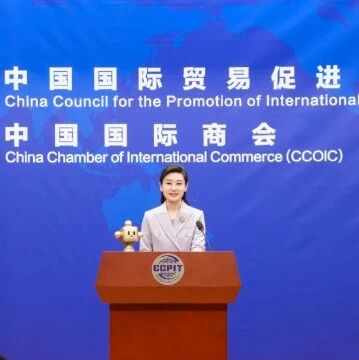
贸促会发布新一期全球经贸摩擦指数,欧盟升至榜首
第一财经· 2026-01-28 11:31
Core Viewpoint - The article highlights the increasing trade friction between the EU and China, driven by the EU's recent measures that disproportionately affect Chinese companies, particularly in key industries such as semiconductors and rare earth materials [3][4][5]. Group 1: Trade Friction and Measures - The EU has recently intensified its trade friction measures, surpassing the US in the amount of anti-subsidy and anti-dumping investigations initiated, marking a significant shift in the global trade landscape [3]. - In November 2025, the trade friction index for China recorded a high of 101, with the EU having the highest index among 19 countries, particularly affecting critical sectors like semiconductors and rare earth magnets [3][4]. - Despite the high index, the absolute monetary value of trade friction measures against China decreased by 12.4% year-on-year and 2.4% month-on-month [3]. Group 2: Discriminatory Measures Against Chinese Companies - The EU has increased unreasonable discriminatory measures against Chinese enterprises, including the implementation of the Carbon Border Adjustment Mechanism (CBAM), which sets excessively high default values for carbon emissions from Chinese products [5]. - New EU regulations require member states to exclude "high-risk suppliers" in 18 critical industries, unjustly labeling certain Chinese companies as high-risk and limiting their participation in 5G infrastructure [6]. - The Chinese Ministry of Commerce has criticized these actions as unfair and discriminatory, urging the EU to provide a fair and transparent business environment for Chinese companies [6]. Group 3: Chinese Companies' Investment Outlook - In 2025, China's foreign direct investment grew by 7.1%, indicating a strong demand for Chinese companies to expand internationally [8]. - A survey of over 1,200 Chinese companies revealed that nearly 80% intend to maintain or expand their foreign investment, with 90% expressing optimism about the future of Chinese overseas investments [8]. - The Chinese government is enhancing its overseas service systems to support companies in their international ventures, with initiatives like the "Thousand Groups Going Abroad" program facilitating business negotiations in 92 countries [9].

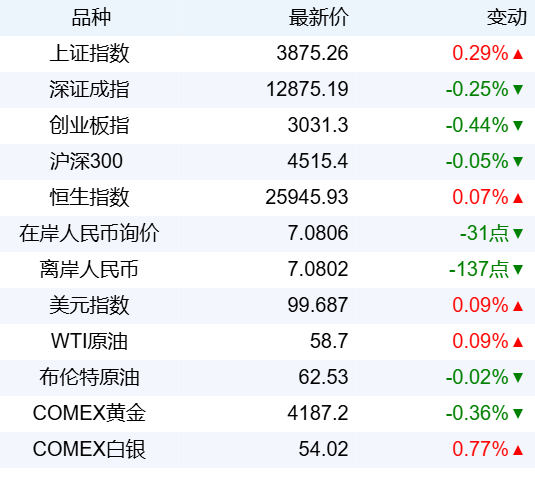
管涛:三大意外或令2026年美元汇率走势超预期
Sou Hu Cai Jing· 2025-12-09 11:58
Core Viewpoint - The unexpected decline of the US dollar index amidst global tariff storms is a significant development in the international foreign exchange market for 2025 [2] Group 1: Dollar Index Trends - The dollar index reached a year-low of 96.64 on September 16, 2025, marking a maximum decline of 10.9% for the year, before rebounding to around 99.44 by the end of November, resulting in an annual decline of 8.34% [2] - Despite a recent rebound, market institutions remain bearish on the dollar, citing factors such as interest rate expectations, geopolitical risks, and changes in the international monetary system [3] Group 2: Impact of Tariff Policies - Trump's return to the White House has led to policies that have weakened the credibility of the dollar, including the imposition of "reciprocal tariffs" aimed at reducing the US trade deficit, which undermines the capital flow basis of dollar credibility [4] - The "reciprocal tariffs" not only target competitors but also traditional allies, damaging political relationships and further eroding the dollar's credibility [4] - The expansion of fiscal deficits under Trump's administration threatens the dollar's safe-haven status, as the credibility of US Treasury securities relies heavily on fiscal discipline and debt repayment capacity [5] Group 3: Global Monetary System Dynamics - The current international monetary system is experiencing challenges, with the dollar's dominance facing unprecedented threats due to the weakening of the Federal Reserve's independence and the emergence of alternative cross-border payment systems [5] - Despite the decline in dollar reserves, there are no immediate alternatives in the market, suggesting that the dollar may not have much further to fall [6] - The diversification of international reserve assets has primarily benefited gold, which saw a 6.24 percentage point increase in reserve share, while the dollar's share declined by 9.77 percentage points from early 2022 to mid-2025 [6] Group 4: Future Outlook - The potential for a multi-polar international monetary system may limit the impact on the dollar's exchange rate, as major commodity transactions are still predominantly priced in dollars [7] - The correlation between the dollar index and gold prices has shifted, with gold prices rising significantly, indicating a complex relationship that may provide support for the dollar [8] - Concerns about the Federal Reserve becoming a political tool under Trump's influence could lead to unexpected dollar index stabilization or strengthening in 2026 [9][12] Group 5: Trade Dynamics and Global Economic Relations - The global trade landscape is dynamic, with potential shifts in the main actors of trade disputes, which could lead to a re-evaluation of the dollar's role as a safe-haven asset [14] - The tariffs imposed by Trump are seen as a source of increased unilateralism and protectionism, which could disrupt global supply chains and hinder international economic circulation [13] - The potential for trade agreements to include restrictive clauses may provoke new trade disputes among nations, further complicating the global economic environment [14]

中国外汇 | 管涛:三大意外或令2026年美元汇率走势超预期
Sou Hu Cai Jing· 2025-12-09 11:17
Core Viewpoint - The article discusses the unexpected decline of the US dollar index in 2025, despite predictions of its strength due to global trade tensions and monetary policy shifts. It suggests that the dollar index may not be as weak as anticipated in 2026, as various negative factors may have already been priced in [2][14]. Group 1: Dollar Index Performance - The dollar index experienced a significant decline in 2025, reaching a year-low closing price of 96.64 on September 16, with a maximum drop of 10.9% for the year [2]. - By the end of November 2025, the dollar index rebounded to around 99.44, reducing the annual decline to 8.34% [2]. - Despite recent rebounds, market institutions remain bearish on the dollar, citing interest rate expectations, geopolitical risks, and changes in the international monetary system as ongoing pressures [3]. Group 2: Impact of US Policies - The return of Trump to the White House has led to policies that have weakened the credibility of the dollar, including the imposition of "reciprocal tariffs" aimed at reducing the trade deficit [4]. - Trump's policies have undermined the political and monetary foundations of dollar credibility, including interference with the independence of the Federal Reserve [4][5]. - The fiscal discipline of the US has been compromised, with increasing fiscal deficits potentially damaging the dollar's status as a safe-haven asset [5]. Group 3: Future Outlook - The article warns that while the dollar may face depreciation, there is a possibility of stabilization or even strengthening in 2026, particularly if global economic tensions shift away from the US [3][13]. - The dynamics of the international monetary system are evolving, with gold emerging as a significant reserve asset, while the dollar's share in global reserves has declined [6][7]. - The potential for a multi-polar currency system may not benefit non-dollar currencies significantly, as the dollar remains the primary currency for major commodity transactions [7]. Group 4: Federal Reserve's Role - Concerns exist regarding the Federal Reserve's independence under potential political pressures, especially with the upcoming change in leadership in 2026 [8][9]. - The Fed's ability to maintain its credibility may be tested if economic conditions lead to conflicting pressures on interest rates [8][10]. - The internal dynamics of the Fed may shift towards a more divided voting structure, increasing market volatility and uncertainty regarding future monetary policy [11]. Group 5: Global Trade Dynamics - The article highlights the potential for global trade tensions to shift, with the US's unilateral trade policies impacting international supply chains and economic stability [12][13]. - The possibility of other countries becoming the main actors in global trade disputes could lead to a renewed role for the dollar as a safe-haven asset [13]. - The evolving landscape of global trade and economic relations necessitates a nuanced understanding of currency movements and their implications for investment strategies [14].
新华财经晚报:1—10月份全国规模以上工业企业利润同比增长1.9%
Xin Hua Cai Jing· 2025-11-27 13:53
Domestic News - The National Development and Reform Commission (NDRC) aims to establish a fair competitive market environment for the embodied intelligence industry by developing industry standards and an admission and exit mechanism [1] - The Ministry of Commerce plans to promote reforms in the automotive circulation sector, expanding consumption across the entire automotive value chain, including second-hand car circulation and automotive aftermarket services [2] - The China Council for the Promotion of International Trade (CCPIT) reported that the global trade friction index remained high in September, with a composite index of 106, indicating ongoing trade tensions [3] - From January to October, profits of large-scale industrial enterprises in China increased by 1.9% year-on-year, totaling 59,502.9 billion yuan, with state-owned enterprises maintaining profits while private enterprises saw a 1.9% increase [3] Industry Developments - The NDRC will accelerate key technology breakthroughs in the embodied intelligence sector, supporting collaboration among enterprises, universities, and research institutions to address industry bottlenecks [1] - The Ministry of Commerce is set to enhance the adaptability of consumer goods supply and demand, focusing on expanding automotive consumption through various initiatives [2] - The CCPIT will organize a delegation of Chinese entrepreneurs to visit the U.S. in December, aiming to foster cooperation and mutual prosperity across various sectors, including agriculture, machinery, finance, and logistics [2]
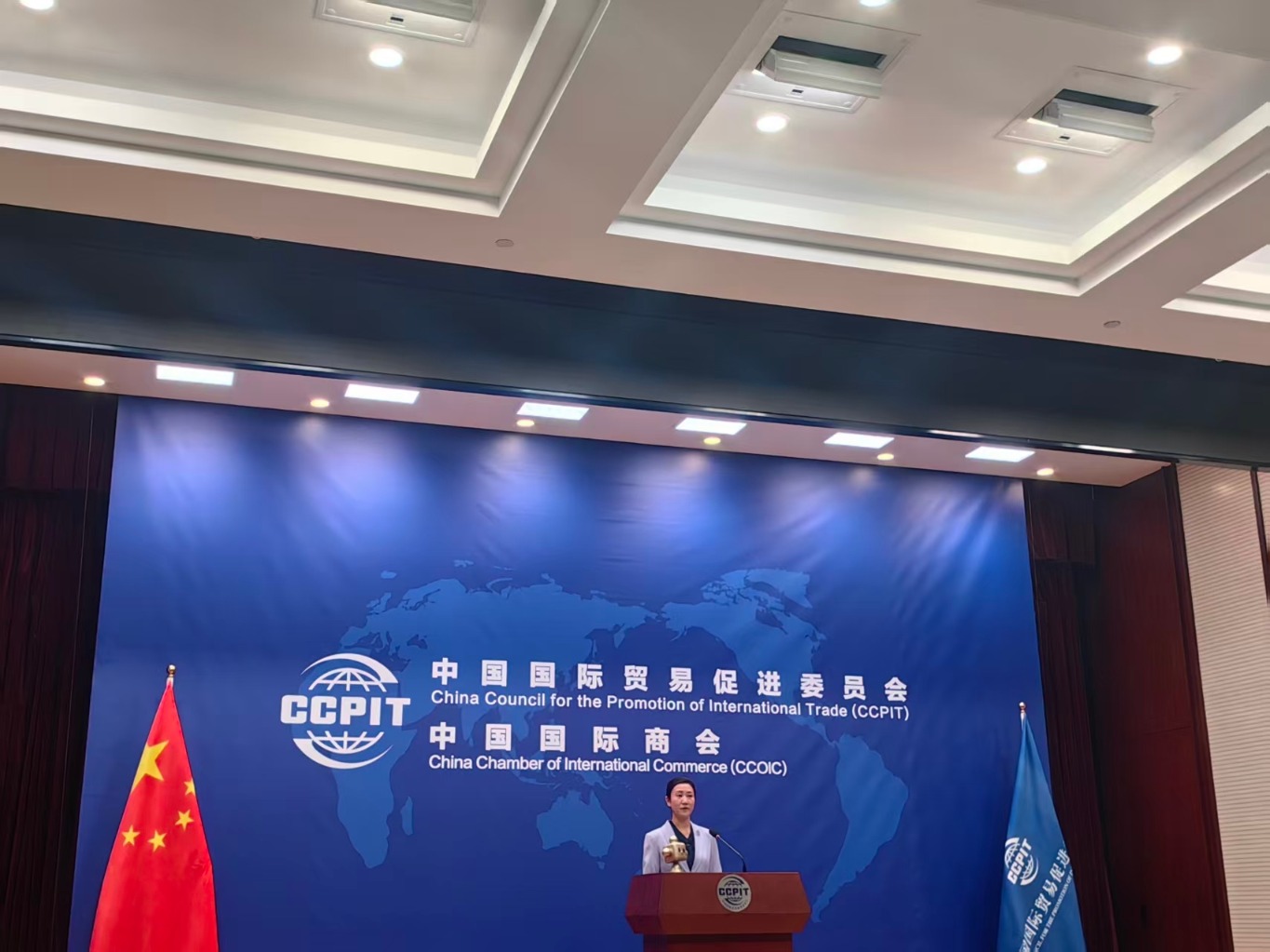
中国贸促会:9月全球经贸摩擦指数持续处于高位
Zhong Guo Xin Wen Wang· 2025-11-27 06:52
Core Insights - The global trade friction index for September remains high at 106, with a year-on-year increase of 7.9% in the monetary value of trade friction measures, but a month-on-month decrease of 15.6% [1] Country-Specific Summary - Among the 20 monitored countries and regions, India, the United States, and Russia have the highest global trade friction indices, with the U.S. maintaining the top position for 15 consecutive months in terms of monetary value involved in trade friction measures [1] Industry-Specific Summary - The trade friction measures are primarily concentrated in the electronics, transportation equipment, pharmaceuticals, machinery, and chemical industries, with the electronics sector having the highest trade friction index [1] - The trade remedy measures index ranks first among five sub-index measures, indicating that traditional trade remedy investigations are being used by countries to protect domestic industries and enhance competitiveness [1] China-Specific Summary - The trade friction index concerning China from 19 countries and regions stands at 115, indicating a high level of trade friction. India has the highest trade friction index related to China, particularly in the semiconductor, battery, and copper cable industries [1] - The monetary value of trade friction measures involving China from these 19 countries decreased by 36.6% year-on-year but increased by 9.6% month-on-month [1]
中国贸促会:应美国商会邀请 将于12月初组织中国企业家代表团访美
智通财经网· 2025-11-27 06:48
Group 1: Trade Relations and Events - The China Council for the Promotion of International Trade (CCPIT) will organize a delegation of Chinese entrepreneurs to visit the United States in early December, covering various sectors including agriculture, machinery, finance, and biomedicine [1][10] - The 18th China-EU Investment Trade and Technology Cooperation Fair was successfully held in Chengdu, attracting over 10,000 enterprises and resulting in more than 3,300 intended cooperation agreements [7] - The upcoming 2026 China International Cooperation Forum on Exhibition Economy will be held in Wuhan, focusing on global exhibition industry trends and sustainable development [4][5] Group 2: Economic Indicators and Trade Data - The global trade friction index for September was reported at 106, with a year-on-year increase of 7.9% in trade friction measures, while the amount involved decreased by 15.6% compared to the previous month [2] - The CCPIT reported that the total number of certificates issued by the national trade promotion system reached 656,900 in October, a year-on-year increase of 7.48%, indicating resilience in foreign trade [3] - The RCEP certificates issued amounted to $86.9 million, with a year-on-year growth of 10.85%, demonstrating the ongoing benefits of free trade agreements [3] Group 3: International Cooperation and Forums - The B20 summit, part of the G20 framework, was held in Johannesburg, South Africa, with over 30 Chinese enterprises participating, contributing to discussions on AI, energy transition, and trade investment [12][13] - The CCPIT is preparing for the 2026 APEC Business Leaders' Summit, aiming to enhance global economic governance and promote international cooperation [14] - The "Friendship Cup" football invitation tournament was held, integrating sports with economic cooperation, featuring participation from various foreign enterprises [18] Group 4: Legal and Compliance Support - The "Trade Law Pass" platform has been actively addressing legal inquiries from enterprises, with a focus on international trade disputes and compliance issues, particularly related to the U.S. [21][22] - Recent consultations have highlighted a shift in focus towards international compliance and trade dispute resolution, with a significant number of inquiries related to U.S. export regulations [21]
中国贸促会:年内已邀请和应约接待超60批次美方机构和企业负责人访华,中美两国工商界已形成互利共赢的利益共同体
Mei Ri Jing Ji Xin Wen· 2025-10-31 17:56
Group 1 - The global trade friction index for August remains high at 100, with a year-on-year decrease of 4.3% and a month-on-month decrease of 15.2% in the amount involved in trade friction measures [1] - The United States, Brazil, and Japan have the highest trade friction indices among 20 monitored countries, with the U.S. maintaining the top position for 14 consecutive months [1] - The electronics industry has the highest trade friction index among 13 major industries, indicating significant conflict points in sectors such as electronics, transportation equipment, pharmaceuticals, machinery, and light industry [1] Group 2 - The number of U.S. exhibitors at the Chain Expo has increased by 15% compared to the previous year, continuing to lead in the number of foreign exhibitors [4] - Over 3,500 Chinese companies have participated in more than 50 professional exhibitions in the U.S. from January to October, covering various sectors including electronics, textiles, and pharmaceuticals [5] - The China Council for the Promotion of International Trade (CCPIT) has facilitated over 100 activities under the China-U.S. Enterprise Cooperation Project, benefiting nearly 3,000 companies [5] Group 3 - In the first three quarters of this year, China's total import and export value with ASEAN reached 5.57 trillion yuan, a year-on-year increase of 9.6%, maintaining ASEAN as China's largest trading partner [6] - The CCPIT has organized multiple delegations to ASEAN countries for trade negotiations, with significant participation in various forums and summits [6][7] - The number of RCEP certificates issued and the corresponding visa amounts have increased by 25.57% and 24.01% respectively, enhancing trade dynamics between China and RCEP member countries [7]
8月全球经贸摩擦指数继续处于高位
Yang Shi Xin Wen· 2025-10-31 03:03
Core Insights - The latest global trade friction index released by the China Council for the Promotion of International Trade indicates that the index remains at a high level as of August 2023, with a composite index value of 100 [1] Summary by Category Global Trade Friction Index - The global trade friction index for August 2023 is reported at 100, indicating sustained high levels of trade friction [1] - The monetary value of global trade friction measures has decreased by 4.3% year-on-year and 15.2% month-on-month, yet remains at elevated levels [1] Country-Specific Insights - Among the 20 monitored countries and regions, the United States, Brazil, and Japan have the highest global trade friction indices [1] - The United States has maintained the highest level of trade friction measures for 14 consecutive months [1] Industry-Specific Insights - Trade friction measures are concentrated in five main industries: electronics, transportation equipment, pharmaceuticals, machinery, and light industry, with the electronics sector having the highest trade friction index [1] - The import and export tariff measures index ranks first among five sub-index measures, highlighting its role as a primary tool for countries to protect domestic industries and adjust industrial structures [1]
瑞达期货贵金属产业日报-20250929
Rui Da Qi Huo· 2025-09-29 09:57
1. Report Industry Investment Rating - Not provided in the given content 2. Core View of the Report - The precious metal market maintains an oscillating upward trend, with the price movements of gold and silver showing phased differentiation. Driven by the sentiment of repairing the gold - silver ratio, the performance of silver is significantly stronger than that of gold. The US initial jobless claims data is better than expected, indicating the resilience of the labor market. The annualized GDP growth rate in the second quarter was revised up from 3.3% to 3.8%, reaching a two - year high. The core PCE year - on - year rose to 2.6%, slightly higher than expected, showing that inflation remains sticky. The US dollar index rebounded for two consecutive days, stabilizing above the 98 mark, and the 10 - year US Treasury yield rose to 4.2%. The short - term rebound of the US dollar may suppress the precious metal market. There are differences within the Fed on the future monetary policy path. The ETFs of gold and silver in the external market recorded large net inflows, and the market bullish sentiment remains high. It is recommended to conduct interval band trading and pay attention to short - term correction risks [3] 3. Summary by Directory 3.1 Futures Market - The closing price of the Shanghai gold main contract is 866.52 yuan/gram, with a week - on - week increase of 10.46; the closing price of the Shanghai silver main contract is 10939 yuan/kilogram, with a week - on - week increase of 307. The main contract positions of Shanghai gold are 263220 lots, a decrease of 1085; the main contract positions of Shanghai silver are 508967 lots, a decrease of 35265. The net positions of the top 20 in the Shanghai gold main contract are 167719 lots, an increase of 2252; the net positions of the top 20 in the Shanghai silver main contract are 98895 lots, a decrease of 14959 [3] 3.2 Spot Market - The warehouse receipt quantity of gold is 68628 kilograms, an increase of 2802; the warehouse receipt quantity of silver is 1189648 kilograms, an increase of 31382. The spot price of gold on the Shanghai Non - ferrous Metals Network is 857.03 yuan/gram, an increase of 4.04; the spot price of silver is 10770 yuan/kilogram, an increase of 275. The basis of the Shanghai gold main contract is - 9.49 yuan/gram, a decrease of - 6.42; the basis of the Shanghai silver main contract is - 169 yuan/kilogram, a decrease of - 32 [3] 3.3 Supply - Demand Situation - The gold ETF holdings are 1005.72 tons, an increase of 8.87; the silver ETF holdings are 15361.84 tons, a decrease of 28.23. The non - commercial net positions of gold in CFTC are 266749 contracts, an increase of 339; the non - commercial net positions of silver in CTFC are 52276 contracts, an increase of 738. The total supply of gold in the quarter is 1313.01 tons, an increase of 54.84; the total supply of silver in the year is 987.8 million troy ounces, a decrease of 21.4. The total demand for gold in the quarter is 1313.01 tons, an increase of 54.83; the global total demand for silver in the year is 1195 million ounces, a decrease of 47.4 [3] 3.4 Option Market - The 20 - day historical volatility of gold is 13.38%, a decrease of 0.71; the 40 - day historical volatility of gold is 11.45%, a decrease of 0.1. The implied volatility of at - the - money call options for gold is 19.59%, a decrease of 0.94; the implied volatility of at - the - money put options for gold is 19.58%, a decrease of 0.95 [3] 3.5 Industry News - Trump will meet with the four leaders of Congress on Monday due to the approaching risk of the US government shutdown. Goldman Sachs analysts said that the risk of the US economy re - accelerating is rising. Affected by the US tariff policy adjustment, the global economic and trade frictions have heated up again, and the global economic and trade friction index in July was 110, at a high level. The amount involved in global economic and trade friction measures increased by 6.6% year - on - year and 27.6% month - on - month, with the US having the largest amount involved [3]

瑞达期货铝类产业日报-20250929
Rui Da Qi Huo· 2025-09-29 08:39
1. Report Industry Investment Rating - No information provided in the given content. 2. Core View of the Report - The aluminum market shows a complex situation with different trends in various segments including futures, spot, upstream, and downstream markets. Overall, the market is influenced by factors such as policy, supply - demand balance, and international economic data. Different types of aluminum products (alumina, electrolytic aluminum, and casting aluminum alloy) have their own supply - demand characteristics, and the report suggests light - position oscillatory trading in all cases while controlling risks [2]. 3. Summary by Relevant Catalogs 3.1 Futures Market - **Aluminum Futures**: The closing price of the Shanghai aluminum main contract was 20,730 yuan/ton, down 15 yuan; the main - second - consecutive contract price difference was 20 yuan, up 20 yuan; the main contract position was 203,858 lots, down 8,862 lots; the LME electrolytic aluminum three - month quotation was 2,649 dollars/ton, down 15 dollars; the LME aluminum inventory was 517,700 tons, up 1,775 tons; the Shanghai - London ratio was 7.83, up 0.04 [2]. - **Alumina Futures**: The closing price of the alumina futures main contract was 2,904 yuan/ton, up 3 yuan; the main - second - consecutive contract price difference was - 37 yuan, down 4 yuan; the main contract position was 292,517 lots, down 13,932 lots [2]. - **Casting Aluminum Alloy Futures**: The closing price of the casting aluminum alloy main contract was 20,270 yuan/ton, down 55 yuan; the main - second - consecutive contract price difference was - 90 yuan, down 65 yuan; the main contract position was 11,805 lots, down 28 lots [2]. 3.2 Spot Market - **Aluminum Spot**: The price of Shanghai Non - Ferrous A00 aluminum was 20,690 yuan/ton, down 80 yuan; the price of Yangtze River Non - Ferrous Market AOO aluminum was 20,830 yuan/ton, down 180 yuan; the basis of electrolytic aluminum was - 40 yuan, down 65 yuan; the Shanghai Wumaotrade aluminum premium/discount was - 30 yuan, down 20 yuan; the LME aluminum premium/discount was - 4.7 dollars/ton, down 2.6 dollars [2]. - **Alumina Spot**: The alumina spot price was 2,895 yuan/ton, down 5 yuan; the basis of alumina was - 9 yuan, down 8 yuan [2]. - **Casting Aluminum Alloy Spot**: The basis of casting aluminum alloy was 630 yuan, down 80 yuan [2]. 3.3 Upstream Situation - **Alumina**: The monthly production was 792.47 million tons, up 35.98 million tons; the national monthly opening rate was 82.93%, down 1.09 percentage points; the monthly demand (electrolytic aluminum part) was 725.80 million tons, up 3.73 million tons; the monthly supply - demand balance was 28.73 million tons, up 12.41 million tons; the export volume was 18 million tons, down 5 million tons; the import volume was 9.44 million tons, down 3.16 million tons [2]. - **Aluminum Scrap**: The average price of crushed raw aluminum in Foshan was 16,400 yuan/ton, down 50 yuan; the average price in Shandong was 16,000 yuan/ton, unchanged; China's import volume was 172,610.37 tons, up 12,115.77 tons; the export volume was 53.23 tons, down 26.16 tons [2]. 3.4 Industry Situation - **Electrolytic Aluminum**: The monthly import volume was 217,260.71 tons, down 30,322.61 tons; the export volume was 25,604.34 tons, down 15,383.37 tons; the total production capacity was 4,523.20 million tons, unchanged; the opening rate was 98.11%, up 0.33 percentage points; the social inventory was 56.70 million tons, down 3.10 million tons [2]. - **Aluminum Products**: The monthly output was 554.82 million tons, up 6.45 million tons; the export volume of un - forged aluminum and aluminum products was 53 million tons, down 1 million tons [2]. - **Recycled Aluminum Alloy Ingot**: The monthly output was 63.59 million tons, up 1.27 million tons; the total built - up production capacity was 126 million tons, unchanged [2]. 3.5 Downstream and Application - **Automobile**: The monthly output was 275.24 million vehicles, up 24.21 million vehicles [2]. - **Real Estate**: The national real estate prosperity index was 93.05, down 0.28 [2]. 3.6 Option Situation - The 20 - day historical volatility of Shanghai aluminum was 6.24%, down 0.22 percentage points; the 40 - day historical volatility was 6.05%, unchanged; the call - put ratio was 1.17, down 0.0227; the implied volatility of the Shanghai aluminum main contract at - the - money option was slightly decreased [2]. 3.7 Industry News - Eight departments issued the "Work Plan for Stabilizing Growth in the Non - Ferrous Metal Industry (2025 - 2026)", aiming for an average annual growth of about 5% in the added value of the non - ferrous metal industry and about 1.5% in the output of ten non - ferrous metals from 2025 to 2026 [2]. - In July, affected by US tariff policies, the global economic and trade friction index reached 110, with the US, EU, and Brazil ranking in the top three [2]. - The US August core PCE price index increased by 2.9% year - on - year and 0.2% month - on - month, in line with expectations. Real consumer spending increased for the third consecutive month [2]. - From January to August, the total profit of Chinese industrial enterprises above designated size was 46929.7 billion yuan, a year - on - year increase of 0.9%. In August, the profit increased by 20.4% year - on - year [2]. 3.8 Views on Different Aluminum Products - **Alumina**: The main contract shows an oscillatory trend with decreasing positions, and the basis weakens. The supply is expected to remain stable, and the demand will increase slightly. It is recommended to conduct light - position oscillatory trading [2]. - **Electrolytic Aluminum**: The main contract oscillates weakly with decreasing positions, and the basis weakens. The supply is expected to increase slightly, and the demand will be boosted. It is recommended to conduct light - position oscillatory trading [2]. - **Casting Aluminum Alloy**: The main contract oscillates weakly with decreasing positions, and the basis weakens. The supply growth will slow down, and the demand will increase. It is recommended to conduct light - position oscillatory trading [2].