
星巴克

Search documents
2025,中产都抛弃了哪些消费品牌?
阿尔法工场研究院· 2025-12-30 00:02
Core Viewpoint - The article discusses the stark contrast in China's consumer market in 2025, highlighting a significant divide between thriving companies and those that have collapsed, marking a shift from a "growth at all costs" mentality to a focus on efficiency and sustainability in business models [5][6][11]. Group 1: Market Dynamics - In 2025, the consumer market experienced a "violent clearing," with many once-prominent unicorns collapsing, signaling the end of an era characterized by unsustainable growth strategies [6][8]. - The year 2025 is described as a "tombstone" for new consumption, as the last illusions surrounding high prices and influencer-driven brands were shattered, exemplified by the downfall of brands like Zhong Xuegao [8][9]. - The collapse of established giants like Christine and Xu Li Shan reflects a failure to adapt to changing consumer preferences and market conditions, leading to their eventual exit from the market [9][10]. Group 2: Survivors and New Trends - Despite the failures, a new wave of companies thrived in 2025, particularly in the new tea beverage sector, with brands like Mixue Ice City and Tea Baidao successfully going public [15][16]. - The success of these companies is attributed to their focus on supply chain efficiency and cost control, moving away from traditional notions of craftsmanship to a more industrialized approach [16][17]. - The "lipstick effect" emerged as consumers shifted spending from large purchases to small, affordable pleasures, benefiting brands like Bubble Mart and new tea beverage companies [18]. Group 3: Investment Landscape - The investment landscape in 2025 saw a dramatic reduction in financing activities, with only 74 rounds of funding compared to 133 in the previous year, indicating a shift away from reckless spending [23][24]. - The restaurant sector remained a focal point for investment, accounting for 45 out of the 74 financing rounds, as capital sought safety in high-frequency, essential consumer needs [24][26]. - Brands that demonstrated strong supply chain control and technological integration, such as those in the coffee sector, began to attract significant investment, reflecting a new focus on efficiency and innovation [27][28]. Group 4: Future Outlook - The article suggests that the consumer market in 2026 will prioritize global distribution over domestic expansion, as companies seek to leverage their efficiencies in international markets [31][32]. - The survival of brands in the coming years will depend on their ability to adapt to changing consumer behaviors and market conditions, emphasizing the importance of supply chain management and genuine consumer engagement [33][34].

星巴克收缩美国都市圈门店布局
Xin Lang Cai Jing· 2025-12-29 15:27
Core Viewpoint - Starbucks is facing significant challenges due to intensified competition, the rise of remote work, and increasing costs, leading to a strategic shift in its store operations [1][2]. Group 1: Store Closures and Restructuring - As part of a $1 billion restructuring plan, Starbucks will close approximately 400 stores concentrated in major metropolitan areas across the U.S. [1][2] - In New York, Starbucks has closed 42 stores, which accounts for 12% of its total locations in the city [1][2]. - Other cities have also seen significant closures, including over 20 stores in Los Angeles, 15 in Chicago, 7 in San Francisco, 6 in Minneapolis, and 5 in Baltimore, with additional closures in other cities totaling several dozen [1][2]. Group 2: Future Plans and Brand Positioning - CEO Brian Niccol aims to reposition Starbucks to return to its "third space" concept, which serves as a social space between home and work [1][3]. - Starbucks has evaluated over 18,000 stores in the U.S. and Canada, closing underperforming locations that do not meet brand standards [3]. - The company plans to open new stores and renovate existing ones by 2026, focusing on design upgrades and enhanced customer experiences in major urban areas like New York and Los Angeles [3].

快餐巨头,又被曾经的「死对头」买走了
3 6 Ke· 2025-12-29 10:07
Core Insights - The acquisition of KFC Korea by Carlyle Group marks a significant trend in the global restaurant industry, where major brands are frequently changing hands amid ongoing inflation and evolving consumer demands [2][11][12] - KFC Korea's valuation has surged by 186% over the past three years, reflecting a recovery from previous operational challenges [3][4] - Carlyle Group's strategy focuses on acquiring and optimizing core restaurant brands in Asia, having previously invested in McDonald's China and now expanding its portfolio with KFC in both Japan and Korea [5][6][10] Group 1: Acquisition Details - Carlyle Group has finalized the acquisition of KFC Korea for approximately 200 billion KRW (about 135 million USD) [2] - This follows Carlyle's earlier acquisition of KFC Japan for 835 million USD, indicating a strategic consolidation of KFC operations in East Asia [7] - The deal is expected to be completed in the first half of 2026, further solidifying Carlyle's presence in the Asian fast-food market [7] Group 2: Performance and Recovery - KFC Korea's operational recovery is notable, with a reported 469% increase in operating profit for 2024, reaching 16.4 billion KRW (over 8 million RMB) [3] - The brand had previously faced significant challenges, including a reduction in store count from over 300 to around 200 and a period of financial distress [3][4] - The turnaround was facilitated by capital injection and operational adjustments, including menu localization and enhanced delivery services [3] Group 3: Market Context - The competitive landscape in South Korea is challenging, with KFC operating approximately 200 stores compared to McDonald's 400, highlighting the need for strategic positioning against both international and local brands [4][20] - The trend of foreign brands relinquishing control in favor of local partnerships is becoming more common, as seen with Starbucks and Burger King in China [12][15] - The shift towards local capital involvement is a response to the increasing competition from domestic brands, which have been rapidly expanding their market presence [20]
快餐巨头,又被曾经的「死对头」买走了
36氪· 2025-12-29 09:54
Core Viewpoint - The article discusses the recent acquisition of KFC Korea by Carlyle Group, highlighting the trend of foreign investment firms taking control of international fast-food brands in Asia, particularly in the context of changing market dynamics and consumer preferences [4][11][21]. Group 1: Carlyle Group's Acquisition Strategy - Carlyle Group has acquired KFC Korea for approximately 200 billion KRW (about 1.35 million USD or 9.72 million RMB), marking its continued investment in the Asian fast-food sector [5][12]. - This acquisition follows Carlyle's previous successful investment in KFC Japan, where it completed a full acquisition for 835 million USD (approximately 58.5 million RMB) [6][15]. - The valuation of KFC Korea has increased by 186% over the past three years, demonstrating a significant recovery from previous operational challenges [7][9]. Group 2: Market Dynamics and Trends - The fast-food industry is experiencing a wave of ownership changes, with major brands like Starbucks and Burger King also shifting to local capital management due to competitive pressures and declining growth in their traditional markets [21][24]. - Starbucks has announced a joint venture with local capital, reducing its stake to 40% in China, reflecting a strategic shift to adapt to local market conditions [22]. - Burger King China has similarly transferred control to local private equity, indicating a broader trend of foreign brands relinquishing control to better navigate the competitive landscape [23][24]. Group 3: Performance and Recovery of KFC Korea - KFC Korea's operational recovery is notable, with a reported 469% increase in operating profit for 2024, reaching 16.4 billion KRW (over 80 million RMB), marking a historical high [9]. - The brand's recovery involved capital infusion and operational adjustments, including menu localization and enhanced delivery services, which have contributed to its improved performance [9][10]. - Despite a reduction in store numbers from over 300 to around 200, KFC Korea has managed to stabilize and grow its business amidst fierce competition from both international and local brands [9][10]. Group 4: Broader Implications for the Fast-Food Industry - The article highlights a significant restructuring in the global consumer services sector, particularly in the fast-food industry, where foreign brands are increasingly ceding control to local investors [20][25]. - This trend is not limited to fast food; it extends to various consumer sectors, indicating a broader shift in how international brands operate in local markets [27][29]. - The competitive landscape is evolving, with local brands gaining market share through innovative business models and cost-effective operations, challenging the traditional dominance of foreign brands [29].
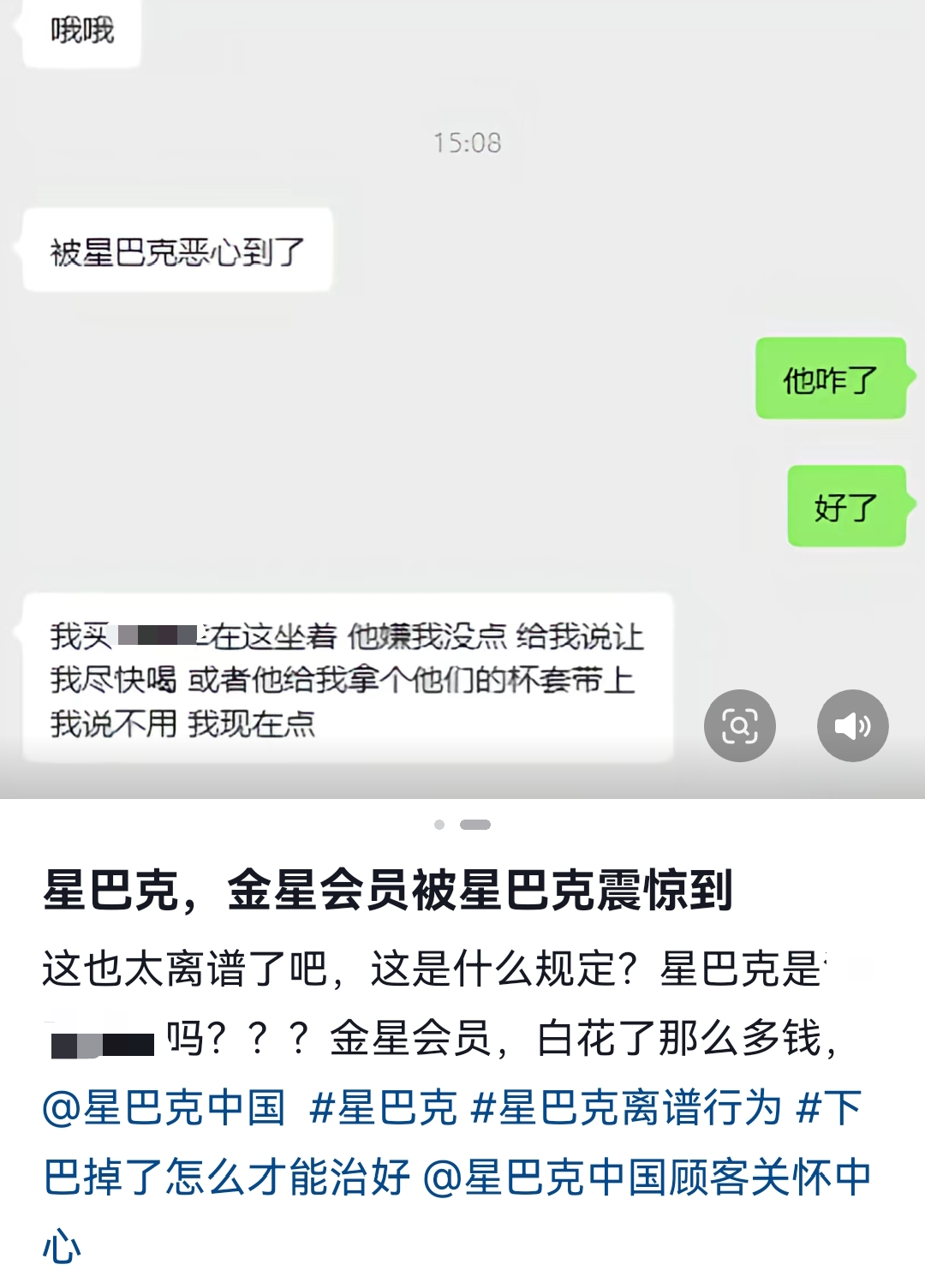
星巴克回应顾客喝竞品被要求遮挡杯子
Xin Lang Ke Ji· 2025-12-28 07:03
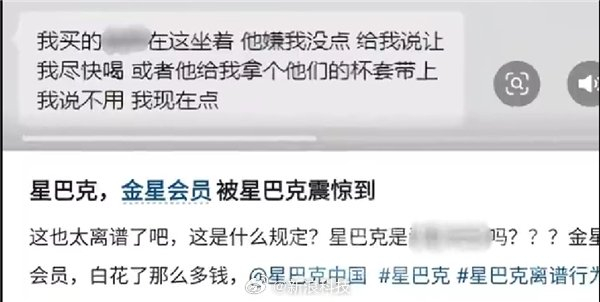
Group 1 - The core issue involves a customer at Starbucks being asked to either finish their competing brand drink quickly or cover it with a Starbucks cup sleeve [1] - The customer, a "Gold Star Member," expressed dissatisfaction as there were no signs indicating a ban on outside food or drinks in the store [1] - Starbucks customer service stated that they generally do not recommend consuming food with strong odors in their stores, emphasizing respect for customer choices [1]
快餐巨头,又被曾经的“死对头”买走了
Xin Lang Cai Jing· 2025-12-28 02:17
炒股就看金麒麟分析师研报,权威,专业,及时,全面,助您挖掘潜力主题机会! 下一个站上资本谈判桌的餐饮巨头,又会是谁呢? 作者 | 李冰之 来源 | #融中财经 肯德基,又双叒叕被曾经的"老对手"买走了。 2025年12月22日,曾持股麦当劳中国28%股权的全球私募巨头凯雷集团(Carlyle Group),正式敲定凯 雷亚洲合伙人对韩国肯德基的收购。这笔交易的具体金额虽未对外披露,但据韩媒报道,有知情人士表 示,本次收购对价约为2000亿韩元(约1.35亿美元、9.72亿元人民币)。 这并非凯雷首次拿下肯德基——2024年7月,凯雷以8.35亿美元(约58.5亿元人民币)的总价完成对日本 肯德基超1200家门店的全资收购。 在全球通胀持续挤压餐饮行业利润空间、消费需求加速迭代升级的行业大背景下,2025年以来,肯德 基、星巴克、哈根达斯、汉堡王等头部跨国餐饮品牌的区域业务频频挂牌出售、易主换手。从亚洲到欧 美,这类资本运作接连落地,已成当下餐饮行业的核心趋势。 韩国肯德基, 三年内估值涨了186% 韩国肯德基,这家1984年在首尔开出首店的快餐品牌,自2017年起的特许经营方是韩国KG集团,而它 最近三年内经 ...
顾客称在店内饮用星巴克竞品,被工作人员提醒“尽快喝完”或“套上星巴克杯套”,星巴克回应
Huan Qiu Wang· 2025-12-27 13:00
Group 1 - The core incident involves a consumer at a Starbucks store who was advised by staff to either finish their competing brand drink quickly or use a Starbucks cup sleeve to cover it, leading to public outcry [1][5] - Starbucks customer service responded by stating that they respect every customer's choice and will verify the situation reported by the consumer [1][5] - The consumer, identified as a "Gold Star Member," expressed discomfort with the staff's approach, noting that there were no signs prohibiting outside food or drinks in the store [5] Group 2 - Starbucks staff generally do not recommend customers consume strong-smelling food in-store, emphasizing a customer care perspective [5] - A lawyer commented that the staff's actions could be seen as a normal business operation to protect brand interests, as they did not prohibit the consumer from bringing in the competing drink [5] - The lawyer also noted that if a company were to impose strict rules against outside food or enforce mandatory purchases, it could infringe on consumer rights [5]
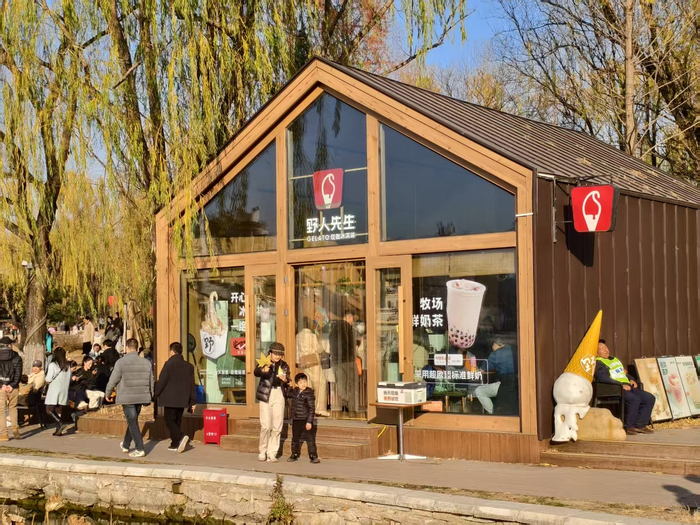
死磕“冰冷”赛道15年,野人先生接棒星巴克成为新“多巴胺放大器” | 穿越周期的消费品
Tai Mei Ti A P P· 2025-12-27 03:12
Core Insights - The article highlights the rapid growth of the ice cream brand "Mr. Wildman," which has expanded from 431 stores in 2024 to over 1,200 stores by 2025, surpassing Haagen-Dazs in mainland China [1][4][9] - The brand's founder, Cui Jianwei, emphasizes the need for market education regarding fresh ice cream, as traditional views on health and diet still pose challenges [1][2] - Mr. Wildman differentiates itself by using fresh ingredients and a "made on the same day" principle, competing against established brands like DQ and Haagen-Dazs [2][4] Company Growth and Strategy - Mr. Wildman started as a small shop in Beijing in 2011, leveraging social media to attract young customers [5][6] - The brand initially faced challenges with rapid expansion, leading to a retreat and a more cautious approach to growth [7][8] - After a three-year period of stabilization, the brand successfully re-entered the market, focusing on major cities like Shanghai [8][9] Market Position and Consumer Engagement - The brand has developed a unique customer engagement strategy, including a trial system that encourages potential customers to sample products without pressure [9][10] - Mr. Wildman aims to create a strong emotional connection with consumers, positioning ice cream as a lifestyle product rather than just a dessert [11][17] - The brand's innovative flavors, such as the Five常大米 (Wuchang rice) ice cream, reflect a commitment to local ingredients and cultural relevance [12][13] Founder’s Vision and Market Perspective - Cui Jianwei, with a background in investment, has chosen not to seek external funding, focusing instead on organic growth and a solid supply chain [14][16] - The founder believes in the potential for the fresh ice cream market to grow independently, without the intense competition seen in coffee and tea sectors [17] - The brand's success is attributed to the overall improvement in consumer spending power and a shift towards premium lifestyle products [17]
人造肉行业退潮:别样肉客败走中国背后的多重困局
Xin Lang Cai Jing· 2025-12-25 10:30
Core Insights - Beyond Meat, once valued at over $15 billion and backed by Bill Gates, officially ceased its operations in China by shutting down its Tmall and Pinduoduo flagship stores and halting production at its Jiaxing factory by the end of 2025, marking a significant failure of foreign brands in localizing their business in China and reflecting the complete cycle of the once-booming plant-based meat sector from enthusiasm to bubble burst [1][7] Group 1: Company Journey - Beyond Meat entered the Chinese market in 2020, leveraging the global plant-based food trend and quickly gaining recognition through partnerships with major restaurants, including Starbucks and Yum China [2][8] - The company established its first overseas factory in Jiaxing in September 2020, and by April 2021, it launched customized products like plant-based dumplings, reducing local prices by 30% compared to imported products [2][8] - Despite aggressive market strategies, sales did not translate into sustained growth, with the highest monthly sales of its plant-based burger patties on Tmall in 2023 being only about 400 units, leading to product removal from some retail locations [2][8] Group 2: Financial Performance - From 2022 to 2024, Beyond Meat's revenue declined from $419 million to $326 million, accumulating losses of $864 million, with a net loss of $156 million in 2024 [3][9] - The company's stock price plummeted from nearly $180 to $1.02, resulting in a market capitalization drop of over 98% [3][9] - In February 2025, the brand announced plans to suspend operations in China by the end of June and cut 95% of its workforce, ultimately closing its e-commerce channels by November [3][9] Group 3: Industry Challenges - High prices are a key barrier to market acceptance, with plant-based meat averaging 82% higher than traditional meat, leading to consumer complaints about affordability [4][10] - Taste and texture issues persist, with many products being perceived as "seasoned bean products" lacking the desired meat-like qualities, causing approximately 74% of Chinese consumers to express no intention to repurchase plant-based meat due to taste concerns [4][10] - The lack of national standards for plant-based meat in China raises consumer doubts about nutritional value and safety, further diminishing purchase willingness [4][10] Group 4: Market Dynamics - The capital frenzy that once fueled the sector saw 31 out of 35 financing events in the domestic plant-based meat field from 2019 to 2022, with 2020 alone witnessing a funding scale of 8 billion yuan; however, by 2024, global investment in plant-based meat companies plummeted by 64% [5][11] - The industry is undergoing a contraction, with many startups either ceasing operations or pivoting, as evidenced by the low sales figures even for major brands like Nestlé, which reported monthly sales of only over 500 units on Tmall [6][12] - Despite the downturn, long-term prospects for plant-based meat may still exist due to the push for carbon neutrality and rising health-conscious consumer demands [6][12]
瑞幸拟竞购蓝瓶咖啡:高端化与全球化背后的战略豪赌
Xin Lang Cai Jing· 2025-12-24 10:04
Core Viewpoint - Luckin Coffee, China's largest coffee chain, is considering acquiring Blue Bottle Coffee, a premium brand owned by Nestlé, marking a significant move towards the global high-end coffee market [1][10]. Group 1: Strategic Implications - The potential acquisition is part of Luckin's globalization strategy, aiming to enhance its brand image and enter the high-end market dominated by Starbucks and independent cafes [2][11]. - Luckin Coffee has surpassed Starbucks in store count in China but is perceived as a budget brand, while Blue Bottle represents a premium positioning with a focus on quality and aesthetics [2][12]. - The acquisition could provide Luckin with over 100 international store locations, particularly in the U.S. and Japan, enhancing its global footprint [1][3][10]. Group 2: Financial Performance - As of Q3 2025, Luckin reported a net revenue of $2.1 billion, a 50% year-on-year increase, and a net profit of approximately $180 million, indicating strong financial health post-scandal [3][13]. - The financial strength supports the feasibility of a large-scale acquisition, allowing Luckin to pursue its strategic goals [3][13]. Group 3: Challenges and Risks - The acquisition faces significant challenges, including high valuation risks, as Blue Bottle's worth has likely increased since Nestlé's 2017 acquisition for approximately $425 million [4][14]. - Cultural integration poses a challenge, as Luckin's operational model differs significantly from Blue Bottle's emphasis on artisanal coffee and customer experience [4][15]. - Operational complexities arise from differing business models and supply chain management, which could hinder efficiency post-acquisition [4][15]. Group 4: Competitive Landscape - The coffee market in China is becoming increasingly competitive, with new entrants like Luckin's former executive's brand and aggressive pricing strategies from competitors [5][15]. - Luckin's profit margins are under pressure, with a reported 2.7% decline in net profit and a net profit margin of 8.26%, the lowest since 2022 [5][15]. - The global coffee industry is evolving, with major players like Starbucks expanding aggressively, indicating a shift from mere store count competition to brand positioning and capital strategies [7][17].