Rapidus

Search documents
Rapidus启动(中)与台积电争人才
日经中文网· 2025-08-03 00:33
Rap idus社长小池淳义(中)和员工们(图片由Rapidus提供) Rapidus在2022年8月由曾任Tokyo Electron会长的东哲郎会长和日立制作所出身的小池淳义社长等14人成 立。2023年以后,以每月30人的速度扩大阵容,正式员工达到800人…… 日本Rapidus公司内部的气氛高涨。2022年刚成立时,由于平均年龄较大,曾被揶揄为"大叔集团",但 能够挑战最先进芯片研发的环境吸引了年轻人,平均年龄已降至50岁以下。在人才培养的循环开始运转 的同时,与世界排名第一的台积电(TSMC)的人才争夺战也迫在眉睫。 在与美国IBM的联合开发中担任Rapidus团队领导的富田一行表示,"刚入职的员工也被派往美国,全体 人员都快速成长"。富田一行拥有在比利时 研究机构imec开发最尖端的2纳米(纳米为10亿分之1)芯片 的经验,在索尼集团工作后于2024年加入了Rapidus。 2024年4月,首批8名应届毕业生进入Rapidus,最短一个月就被派往美国纽约州的IBM研究所。 大部分Rapidus员工都缺乏现代的最尖端产品的开发经验,与IBM的技术人员并肩致力于联合开发。富 田一行说:"很多员工并非作 ...



Rapidus启动(上)两倍速生产
日经中文网· 2025-08-02 00:33
Core Viewpoint - Rapidus, a Japanese semiconductor startup, has accelerated its production pace, achieving prototype development in just three months after factory launch, which is twice the usual time frame, supported by experienced engineers and suppliers from Japan's semiconductor industry [2][4]. Group 1: Production and Technology - Rapidus successfully completed the trial production of 2-nanometer semiconductors, significantly shortening the typical six-month process to just three months [4]. - The company has implemented a "fully single wafer" production line that allows for high-speed processing of individual wafers, achieving processing speeds 2-3 times faster than TSMC [6]. - The use of digital technology for data analysis, including a dedicated team for deep learning automation, has enhanced the efficiency of the production process [6]. Group 2: Market Position and Competition - Japan's semiconductor sales once surpassed those of the U.S. in the 1980s, but the country has since lost its edge in advanced production technologies, with TSMC holding a dominant 67.6% market share in semiconductor foundry services as of Q1 2025 [7]. - If Rapidus succeeds in mass production, it could create new revenue opportunities for Japanese equipment and materials manufacturers [7]. Group 3: Collaborations and Future Plans - Dainippon Printing has begun developing photomasks for transferring 2-nanometer circuits to wafers, with plans to supply Rapidus by 2027 [9]. - Tokyo Electron has established a base in Chitose City for equipment installation and maintenance, with plans to increase the number of engineers to support production [10]. - The collaboration across various industries is essential for Rapidus to refine its mass production technology and enhance Japan's overall competitiveness in the semiconductor sector [10].

2nm大混战,最大赢家曝光
半导体行业观察· 2025-07-30 02:18
Core Viewpoint - The semiconductor industry is witnessing significant developments, particularly in advanced process nodes below 2nm, with major players like Intel, Samsung, and Japan's Rapidus making headlines. The competition is intensifying, and TSMC is positioned as a potential major beneficiary of these advancements [3][4][5]. Group 1: Intel and Samsung Developments - Intel's CEO emphasizes that the success of the Intel 14A process node depends on customer commitments and the ability to deliver reliable results for clients [3]. - Tesla has signed a $16.5 billion contract with Samsung for the production of its next-generation Full Self-Driving (FSD) chip, indicating a significant partnership and potential for increased future orders [3][4]. - The Samsung Taylor factory, which has been inactive for over four years, will see its first mass-produced product with the AI6 chip, marking a pivotal moment for the facility [4]. Group 2: Japan's Rapidus and Technological Advancements - Rapidus has announced successful trial production of advanced 2nm chips, aiming for mass production by 2027, which could disrupt the dominance of TSMC and Samsung in the advanced process field [4][5]. - The rapid rise of Rapidus is attributed to its collaboration with IBM, which provided essential patent licenses and technology transfer, enabling Rapidus to achieve breakthroughs in a short time [5]. - The 2nm chip developed by IBM integrates 50 billion transistors in a 150 square millimeter area, offering nearly 45% performance improvement over mainstream 7nm chips at the same power consumption [5]. Group 3: China's Semiconductor Strategy - Chinese companies are focusing on independent research and development in the semiconductor sector, achieving significant milestones such as SMIC's maturation of 14nm process technology [6]. - The strategy of "unauthorized innovation" is seen as a sustainable path for Chinese firms, contrasting with Rapidus's reliance on external technology [6][7]. - The market share gap between SMIC and Samsung has narrowed from 5.8 percentage points in Q2 to 3.3 percentage points in Q3, indicating competitive progress [7]. Group 4: TSMC's Growth Potential - TSMC's current market capitalization is approximately $1.25 trillion, with expectations to reach $3 trillion, requiring a 140% return rate [11]. - The upcoming N2 chip node is anticipated to significantly improve energy efficiency, reducing power consumption by 25% to 30% compared to 3nm chips, which is crucial for the smartphone and AI computing sectors [12]. - TSMC's management forecasts a nearly 20% compound annual growth rate in revenue starting from 2025, suggesting strong growth potential and an upward adjustment in market expectations [12][13].
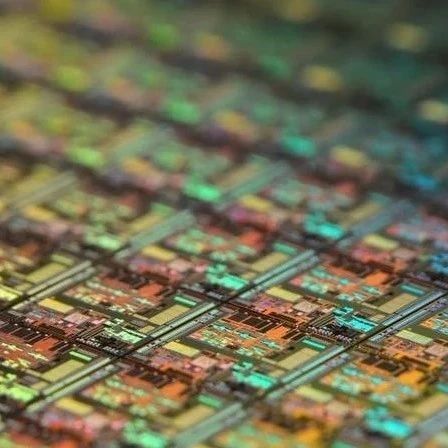
集八强之力,日本半导体龙头瞄准了谁?
Huan Qiu Shi Bao· 2025-07-30 01:01
Core Viewpoint - Japan's semiconductor industry is experiencing a potential revival with the announcement from Rapidus about successfully trialing 2nm semiconductor components, aiming for mass production by 2027, amidst discussions on whether Japan can regain its former global dominance in the semiconductor sector [1][2]. Group 1: Industry Context - Rapidus was established in 2022 with significant backing from major Japanese companies like Toyota and Sony, raising 73 billion yen (approximately 0.5 billion USD) to support its semiconductor initiatives [2]. - The Japanese government views the semiconductor industry as crucial for national economic security and has committed substantial financial support, including up to 1.72 trillion yen (approximately 11.5 billion USD) for Rapidus [2]. - Japan's semiconductor manufacturing capabilities have lagged behind global leaders, with the most advanced technology previously reaching only 40nm, while competitors like TSMC have already achieved 3nm production [3][4]. Group 2: Technological and Financial Challenges - Rapidus faces a daunting financial challenge, with total investment needs estimated at 5 trillion yen (approximately 33.5 billion USD), requiring additional funding from private sources [2]. - The company must establish a stable customer base to ensure the viability of its operations, as the success of its semiconductor production hinges on the demand for high-quality products [5][9]. - Despite receiving technical support from companies like IBM and TSMC, Rapidus must overcome the challenge of attracting and retaining skilled engineers, as competition for talent is fierce [6][7]. Group 3: Market Dynamics - The global semiconductor market is highly competitive, and Rapidus must quickly transition into a cycle of producing quality products, maintaining key markets, and further developing its technology to survive [5][9]. - The lack of a clear customer base for Rapidus raises concerns about the sustainability of its business model, as the company has yet to secure stable clients since its project announcement [9][11]. - The Japanese government is also supporting TSMC's expansion in the U.S., which could further complicate Rapidus's efforts to establish itself in the semiconductor market [10].
财经观察:集八强之力,日本半导体龙头瞄准了谁?
Huan Qiu Shi Bao· 2025-07-29 22:50
Core Viewpoint - Japan's semiconductor industry is experiencing a potential revival with the announcement from Rapidus about successfully trial-producing 2nm semiconductor core components, aiming for mass production by 2027, amidst discussions on whether Japan can regain its former global dominance in the semiconductor sector [1] Group 1: Industry Context - The Japanese government views the semiconductor industry as crucial for national economic security, leading to the establishment of Rapidus in 2022 with significant backing from major companies like Toyota and Sony, totaling 7.3 billion yen [2] - Rapidus faces a daunting financial challenge, with an estimated total investment of 5 trillion yen required to achieve 2nm chip mass production, while the government has pledged up to 1.72 trillion yen in support [2][10] - Japan's semiconductor manufacturing has lagged behind global leaders, with the most advanced process previously being 40nm, while TSMC has already achieved 3nm production and plans to start 2nm production by late 2025 [4] Group 2: Technological and Competitive Challenges - The success of Japan's semiconductor industry hinges on establishing a stable customer base for Rapidus, which is essential for sustaining production and further development [6][10] - Despite receiving external technological and talent support, Japan's semiconductor industry struggles with a significant talent shortage, as many top graduates are attracted to companies like TSMC [7][8] - The reliance on external sources for core technologies raises concerns about Japan's ability to create a self-sustaining semiconductor supply chain, with the lack of clear customer demand for 2nm products posing a risk of high production costs and reduced customer interest [11]
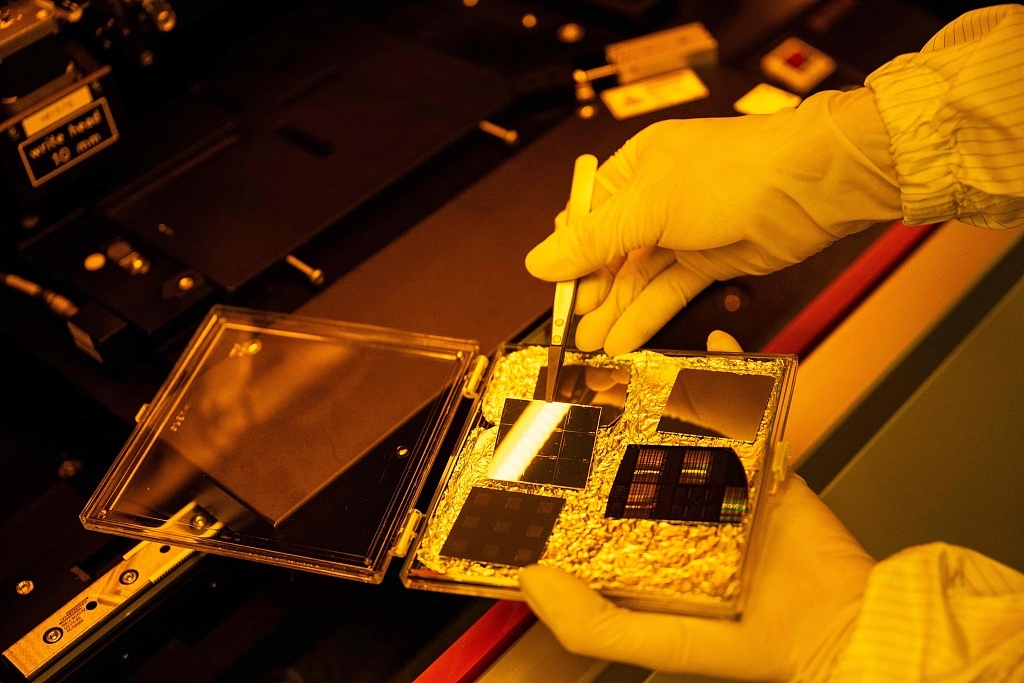
有制造业,才有Rapidus
日经中文网· 2025-07-28 02:25
Core Viewpoint - Rapidus, Japan's cutting-edge semiconductor foundry, has entered the trial operation phase before mass production, but concerns remain about its ability to secure strong customers and achieve profitability [1][2]. Group 1: Company Overview - Rapidus has successfully initiated the operation of the advanced EUV lithography machine, which is crucial for its production goals [2]. - The company aims to start formal production by 2027, but the ability to achieve a yield rate of over 70% is uncertain [2]. - There is a lack of enthusiasm from private enterprises regarding investment in Rapidus, indicating a reliance on continued government support [2][3]. Group 2: Market Context - The success of Rapidus hinges on its ability to attract customers, particularly in Japan, as it competes with TSMC, which has a strong client base including major companies like Apple and Nvidia [3]. - Rapidus has signed memorandums with several powerful companies, including NTT Group, to produce chips for next-generation communication infrastructure [3]. - The semiconductor industry operates on a virtuous cycle, where the number and quality of customers directly impact product excellence and innovation [3][4]. Group 3: Industry Dynamics - The semiconductor industry is characterized by rapid advancements, as indicated by Moore's Law, which predicts that the number of transistors on a chip will double approximately every two years [4]. - Japan's semiconductor industry has faced challenges, including a trade deficit in digital products since the 2010s, leading to a decline in its once-dominant position [5]. - The establishment of Rapidus is seen as an attempt to restore the connection between semiconductor manufacturing and the broader digital product market in Japan [5].

2nm代工厂:我不与台积电竞争
半导体芯闻· 2025-07-24 10:21
Core Viewpoint - Rapidus, a joint venture in Japan, aims to mass-produce 2nm chips by 2027, showcasing its prototype just three months after the trial production line was activated [1][2]. Group 1: Company Overview - Rapidus has engaged in discussions with 30-40 potential clients, indicating strong interest in its technology [2]. - The company emphasizes that it will not compete directly with TSMC, focusing instead on providing an alternative supplier option for clients [2]. Group 2: Production Capacity and Market Position - Current production capacity is approximately 7,000 12-inch wafers per month, with plans to increase to 25,000-30,000 wafers upon mass production [2]. - TSMC's main factory is projected to exceed 100,000 wafers, highlighting the significant scale difference between the two companies [2]. Group 3: Industry Context - Rapidus's president noted that TSMC's new facility in Arizona may face challenges in achieving production and yield targets, which could impact its ability to meet demand [2].
全球半导体格局或将重塑!日本Rapidus成功试产2nm芯片,计划2027实现量产【附全球半导体行业市场分析】
Qian Zhan Wang· 2025-07-22 10:10
Core Insights - Rapidus, a Japanese semiconductor manufacturer, has announced the initiation of 2nm wafer test production, aiming for mass production by 2027 in Chitose, Hokkaido, which could disrupt the current dominance of TSMC, Samsung, and Intel in the global chip industry [2][3] - The 2nm trial production utilizes Gate-All-Around (GAA) transistor technology, which enhances transistor density and energy efficiency compared to traditional FinFET technology [2] - The IIM-1 facility has made significant progress since its construction began in September 2023, with a cleanroom expected to be completed by 2024 and over 200 advanced equipment sets connected by June 2025 [2][3] Industry Context - Japan's semiconductor strategy, initiated in 2021, aims to restore global competitiveness through subsidies and tax incentives, with Rapidus receiving 590 billion yen (approximately $3.8 billion) in government funding [3] - Japan's semiconductor industry, once a leader in the 1980s, has faced decline due to technological lag and industry shifts, but the push for 2nm technology represents a strategic effort to regain influence in high-end chip manufacturing [3] - The global semiconductor market is currently dominated by TSMC, which holds over 50% of the foundry market share with 7nm and below processes, while Samsung and Intel also maintain significant positions in memory and processor markets, respectively [3] Competitive Landscape - TSMC plans to mass-produce 2nm chips by 2025, with Samsung following closely, presenting a significant challenge for Rapidus to catch up within a two-year timeframe [5] - The semiconductor industry is characterized by high investment and long development cycles, with the IIM-1 facility's construction costs exceeding 5 trillion yen (approximately $32 billion) [5] - Despite the fierce competition in advanced processes, there remains a substantial demand for mature process technologies, with the global semiconductor market reaching $428.4 billion in 2023, where integrated circuits account for 81% [6] Market Opportunities - Japan's traditional strengths in materials science and precision manufacturing could create new market opportunities by integrating advanced 2nm processes with mature technologies, particularly in sectors like automotive electronics [10]


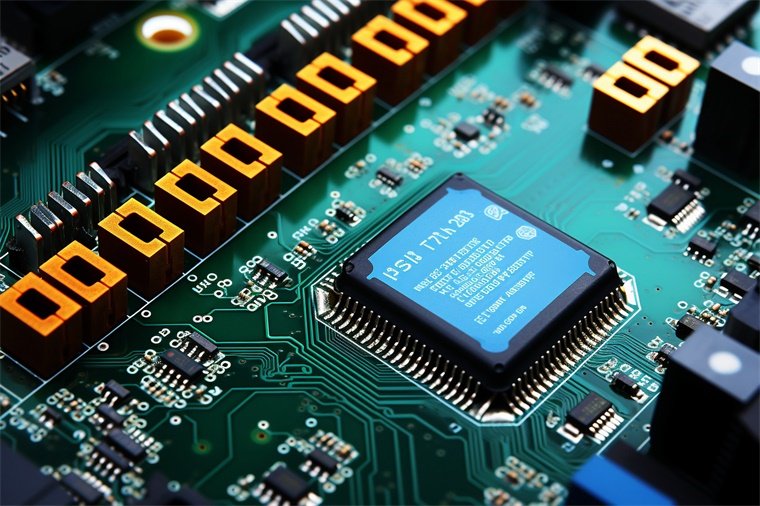
日本宣布造出首颗2nm芯片!
国芯网· 2025-07-21 13:52
Core Viewpoint - Japan's Rapidus has made significant progress in its $34 billion 2nm chip project, marking a milestone in the country's efforts to rebuild its domestic semiconductor manufacturing capabilities [2][4]. Group 1: Project Overview - Rapidus, a government-supported startup, has successfully produced Japan's first 2nm transistor and is collecting data to improve chip manufacturing processes [2]. - The company aims to optimize device characteristics, enhance performance and yield, and scale up for mass production, with a current defect rate target of 50% and future goals of 10%-20% [3]. Group 2: Industry Context - The production of transistors is a core process in the early stages of chip manufacturing, which also includes additional steps like wiring and packaging [3]. - The company utilizes advanced lithography machines exclusively manufactured by Dutch supplier ASML for transistor production [3]. Group 3: Strategic Importance - Rapidus is central to Japan's strategy to revitalize its domestic chip manufacturing capabilities, receiving support from major Japanese companies such as Toyota, NTT, and Sony [4].

前瞻全球产业早报:最严电动自行车国标即将实施
Qian Zhan Wang· 2025-07-21 12:41
Group 1 - The Ministry of Industry and Information Technology aims to promote innovation in future industries such as humanoid robots, the metaverse, and brain-computer interfaces, while accelerating the development of biomanufacturing and low-altitude industries [2] - The Ministry of Commerce plans to continue reducing restrictive measures in the service consumption sector during the 14th Five-Year Plan period, focusing on enhancing service quality and expanding supply in areas like healthcare and elderly care [3] Group 2 - A new mandatory national standard for electric bicycles, GB 17761—2024, will be implemented on September 1, 2025, setting a maximum design speed of 25 km/h and requiring automatic power cut-off for speeds exceeding this limit [4] - China's L2-level assisted driving penetration rate has surpassed 50%, leading globally, with parking assistance technology also seeing over 20% penetration in mid-to-high-end models [5] Group 3 - The humanoid robot company UBTECH has unveiled a groundbreaking technology that allows its robots to autonomously change batteries without shutting down, enhancing operational efficiency and reducing maintenance costs [6] - Xiaopeng Motors' CEO predicts that low-altitude flying vehicles will transform urban transportation within the next decade, with the company already having significant experience in this field [7] Group 4 - Starbucks China has formed a strategic partnership with Envision Group to develop a digital carbon management platform, aiming to measure and reduce the carbon footprint of its supply chain over the next three years [10] - Germany's total fertility rate has dropped to 1.35 in 2024, the lowest in 17 years, indicating demographic challenges [11] Group 5 - Meta has hired two AI researchers from Apple to enhance its capabilities in artificial intelligence [12] - OpenAI has launched ChatGPT Agent, a unified intelligent agent capable of autonomous thinking and tool selection for complex tasks [13] Group 6 - Uber plans to invest hundreds of millions of dollars in partnerships with Lucid and Nuro to launch autonomous taxis in the U.S. by 2026, with a goal of deploying at least 20,000 vehicles within six years [14] - Japanese semiconductor manufacturer Rapidus maintains its goal of mass production by 2027, focusing on 2nm technology [14] Group 7 - BP has agreed to sell its U.S. onshore wind energy business to LS Power [15] - Sanofi has completed the acquisition of Blueprint Medicines for over $9 billion, including a rare disease drug that has received regulatory approval [15]