奔驰

Search documents
科技与性价比拉满!2025齐鲁车展(秋季)新车型亮点抢先看
Qi Lu Wan Bao· 2025-08-13 09:32
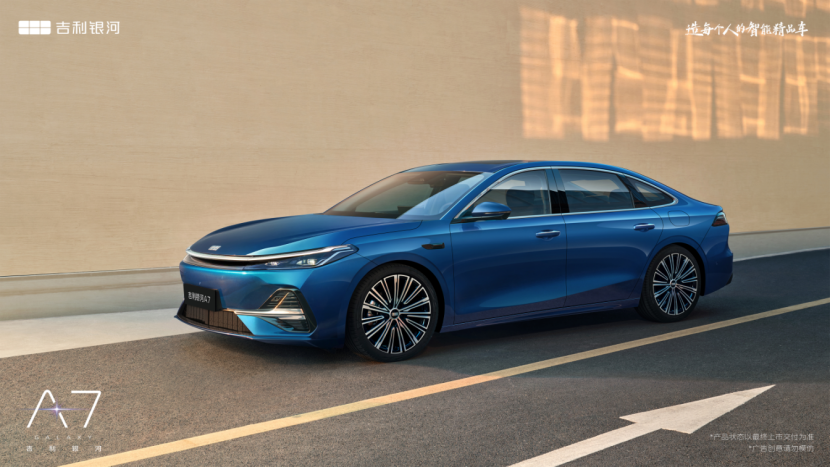
Core Viewpoint - The 2025 Qilu Auto Show (Autumn) will take place from September 4 to 8 at the Shandong International Convention and Exhibition Center, showcasing over a hundred mainstream automotive brands and featuring a record exhibition area of nearly 80,000 square meters [1][16]. Group 1: Event Details - The event will include four exhibition halls and will present luxury brands, new energy vehicles, joint ventures, and independent new forces, along with dozens of newly launched models [1][16]. - The auto show is positioned as a significant opportunity for car purchases and a window to witness industry trends, featuring cutting-edge technologies and immersive experience zones [16]. Group 2: Featured Models - The Geely Galaxy A7, a mid-size plug-in hybrid sedan, boasts a pure electric range of 70/150 kilometers and a comprehensive range exceeding 2100 kilometers, with a fuel consumption of only 2.67L/100km [1]. - The SAIC Audi A5L Sportback, priced between 260,000 to 320,000 yuan, is the first model on the PPC platform, integrating Huawei's intelligent driving assistance and a fifth-generation EA888 engine [3]. - The FAW Audi Q6L e-tron features a CLTC range of 765 kilometers and can charge from 10% to 80% in just 20 minutes, aiming to reshape the luxury pure electric SUV market [5]. - The Aito M8 pure electric version has a pre-sale exceeding 10,000 units, with a range of 705 kilometers and equipped with Huawei's ADS4 intelligent driving system [7]. - The new FAW-Volkswagen Teramont is priced between 299,900 to 319,900 yuan, featuring a new generation EA888 2.0T engine and upgraded interior with a floating dual-screen design [10]. - The XPeng G7, a mid-size SUV, features a "Chasing Light" panoramic AR-HUD and a range of 702 kilometers, with a pre-sale price of 235,800 yuan [12]. - The Chery Fengyun A9L, a mid-large executive sedan, has a pre-sale starting at 159,900 yuan and offers a range of 2500 kilometers with a hybrid system [14].

豪华车专题报告:传统燃油向新能源过渡,关注品牌溢价&设计溢价两大主线
SINOLINK SECURITIES· 2025-08-13 09:27
Investment Rating - The report suggests a positive outlook for companies with strong brand power and product development capabilities in the high-end market of luxury vehicles, particularly focusing on brands like Xiaomi and Huawei [5][4]. Core Insights - The luxury car market is characterized by a pursuit of premium pricing, driven by brand, design, and technology premiums. The transition to electric vehicles has shifted the focus from technology premiums to brand and design premiums [1][2][3]. - In the electric vehicle era, the competitive landscape has changed significantly, with technology barriers being lowered, making brand and design the primary factors for premium pricing [2][3]. - The high-end market is less affected by price wars, as consumers in this segment have stronger purchasing power and are less sensitive to tax incentives [3][4]. Summary by Sections Section 1: Overview of Fuel Luxury Cars - Luxury cars are defined as products from widely recognized luxury brands, typically priced above 200,000 RMB [12][16]. - The market is highly concentrated, with leading brands dominating sales, particularly in the mid-to-high-end segments [24][25]. Section 2: Competitive Characteristics of Fuel Luxury Cars - The market emphasizes brand, design, and technology premiums, with a notable shift towards brand and design in the electric vehicle era [1][2][3]. - The consumer demand for personalized and high-quality experiences is increasing, leading to a focus on product refinement and scarcity [1][2][3]. Section 3: Transition from Fuel Luxury Cars to Electric Vehicles - The pricing and competitive barriers have changed, with technology premiums diminishing and brand and design becoming more critical [2][3]. - New players like Huawei and Xiaomi are emerging as leaders in the electric vehicle high-end market, leveraging their brand strength [2][3][4]. Section 4: Recommendations for Investment - Companies with strong brand power and product development capabilities, such as Xiaomi and Huawei, are recommended for investment [5][4]. - The report highlights the potential of companies like Li Auto, which has shown strong product development capabilities [5][4]. Section 5: Industry Competition - The competition in the automotive and electric vehicle markets is intensifying, with sales not meeting expectations [6].
“活不下去”的丰田,又成了全球第一
盐财经· 2025-08-12 10:17
Core Viewpoint - Toyota's sales are set to break records despite the global shift towards electric vehicles, with a planned increase in production capacity to 10 million vehicles by 2025, while simultaneously reducing electric vehicle production by 20,000 units [4][6][12]. Group 1: Sales Performance - In the first half of 2025, Toyota's global sales reached 5.545 million vehicles, maintaining its position as the world's top seller, driven by a 27.4% growth in Japan and a 6.8% increase in China [4][11]. - Despite the rise of new energy vehicles (NEVs) in China, which sold 5.524 million units, Toyota's production capacity reached a historical high of 10.03 million units in 2023 [4][11]. - Toyota's net profit for the 2025 fiscal year is projected to be approximately 2.364 billion RMB, while 13 of the 18 listed passenger car companies in China are expected to collectively earn only 1.2268 billion RMB [5][6]. Group 2: Electric Vehicle Strategy - Toyota's electric vehicle sales accounted for only 1.5% of total sales in the first half of 2025, with a total of 82,000 units sold, leading to a downward revision of its 2026 electric vehicle sales target to 1 million units [9][10]. - The company has faced criticism for its slow transition to electric vehicles, with a history of dismissing the viability of pure electric cars in favor of hydrogen fuel technology [8][10]. - Despite the overall decline in the Japanese automotive market, Toyota's sales in various global markets, including North America and Europe, continue to grow [11][12]. Group 3: Market Dynamics - The automotive market is experiencing a significant shift, with electric vehicle market shares in Europe and the U.S. falling short of regulatory expectations, while Toyota's strategy of maintaining a focus on fuel vehicles has allowed it to avoid the pitfalls of aggressive price competition [13][16]. - The overall profit margin in China's automotive industry has dropped to 3.9%, indicating increased operational risks for manufacturers, while Toyota's profit decline remains relatively modest compared to competitors [15][16]. - The competitive landscape in the automotive industry is characterized by increasing numbers of competitors and price wars, which have led to significant losses for many companies, while Toyota has managed to maintain profitability [14][16]. Group 4: Historical Context and Production Efficiency - Toyota's historical approach to production, known as "lean manufacturing," emphasizes efficiency and quality, which has helped the company navigate challenging market conditions in the past [21][22]. - The company's ability to maintain a stable supply chain and production efficiency has been highlighted as a key factor in its resilience during periods of market downturns [22][23]. - The lessons learned from previous market cycles suggest that stability and quality will be more critical than rapid growth in the evolving automotive landscape [23][24].


奔驰净利腰斩,多家燃油车企业绩滑铁卢
3 6 Ke· 2025-08-12 10:08
Core Insights - Traditional fuel vehicle manufacturers are facing significant financial challenges, with many reporting declines in revenue and profit due to the costs associated with the transition to electric vehicles [1][2][4][5] - Companies like Audi and BMW are adjusting their strategies, opting for a more flexible approach that allows for the coexistence of fuel and electric vehicles, rather than a strict timeline for phasing out internal combustion engines [9][12] Financial Performance - Major Japanese and German automakers, including Toyota, Honda, Nissan, Volkswagen, and BMW, reported a downturn in their financial results for the first half of the year, attributing this to the costs of electrification [2][3][4] - Toyota's first fiscal quarter saw a 3.5% increase in sales to 12.25 trillion yen, but an 11% drop in operating profit to 1.17 trillion yen, and a 37% decrease in net profit to 841.35 billion yen [2] - Honda's sales revenue decreased by 1.2% to 5.34 trillion yen, with operating profit down 49.6% and net profit down 50.2% [2] - Volkswagen's sales revenue fell by 0.3% to 158.4 billion euros, with operating profit down 32.8% and net profit down 38.3% [3] - Mercedes-Benz reported an 8.6% decline in revenue to 66.377 billion euros and a 55.8% drop in net profit [4] - BMW's sales revenue decreased by 8% to 67.7 billion euros, with net profit down 29% [5] Strategic Adjustments - Honda announced a reduction in its planned investment in electric vehicles from 10 trillion yen to 7 trillion yen and adjusted its sales targets for electric vehicles [6] - Audi has retracted its plan to stop developing internal combustion engine vehicles by 2033, opting for a more flexible strategy [9] - Mercedes-Benz has also adjusted its electric vehicle strategy, allowing for a coexistence of fuel and electric vehicles [9] Market Trends - Despite the challenges, there are signs of recovery in the Chinese market, with several brands reporting increased sales in the first half of the year [10][11] - The introduction of fixed pricing strategies and price reductions for fuel vehicles has contributed to a rebound in sales [12] - Companies are enhancing the intelligence of fuel vehicles through partnerships with technology firms, aiming to close the gap with electric vehicles in terms of smart features [15][16]


孚能科技:公司已与奔驰、TOGG、Mahindra Group 等海外车企业形成合作
Mei Ri Jing Ji Xin Wen· 2025-08-12 09:26
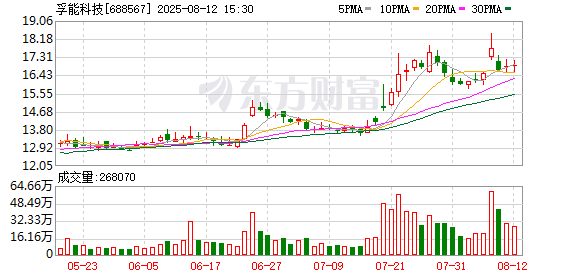
孚能科技(688567.SH)8月12日在投资者互动平台表示,公司已与奔驰、TOGG、Mahindra Group 等海 外车企业形成合作,半固态电池已商业化交付美国头部eVTOL客户,国际化程度位于行业前列。据中 国汽车动力电池产业创新联盟统计,公司2024 年度动力电池出口销量位居全国第三。目前,公司合资 公司 Siro 已在土耳其建成投产 6GWh 产线,当前产能爬坡已基本完成,形成对欧洲、中东、非洲业务 的支持和辐射能力。未来,公司将进一步加强SPS 产品的海外市场拓展工作。 (文章来源:每日经济新闻) 每经AI快讯,有投资者在投资者互动平台提问:公司海外客户有哪些?未来,海外发展规划怎样? ...

孚能科技(688567.SH):半固态电池已商业化交付美国头部eVTOL客户
Ge Long Hui· 2025-08-12 09:00
Core Viewpoint - The company has established partnerships with international automotive firms such as Mercedes-Benz, TOGG, and Mahindra Group, and has successfully commercialized its semi-solid-state batteries for leading eVTOL customers in the U.S. [1] Group 1: International Collaboration and Market Position - The company is recognized for its high level of internationalization within the industry, being among the leaders in this aspect [1] - According to the China Automotive Power Battery Industry Innovation Alliance, the company's export sales of power batteries for the year 2024 are projected to rank third nationally [1] Group 2: Production Capacity and Expansion - The company's joint venture, Siro, has established a 6GWh production line in Turkey, which has completed its ramp-up phase [1] - This production capacity is aimed at supporting and expanding the company's business in Europe, the Middle East, and Africa [1] - The company plans to further enhance the overseas market development of its SPS products [1]
汽车之家用评测引领汽车消费新航向
Xin Hua Wang· 2025-08-12 06:17
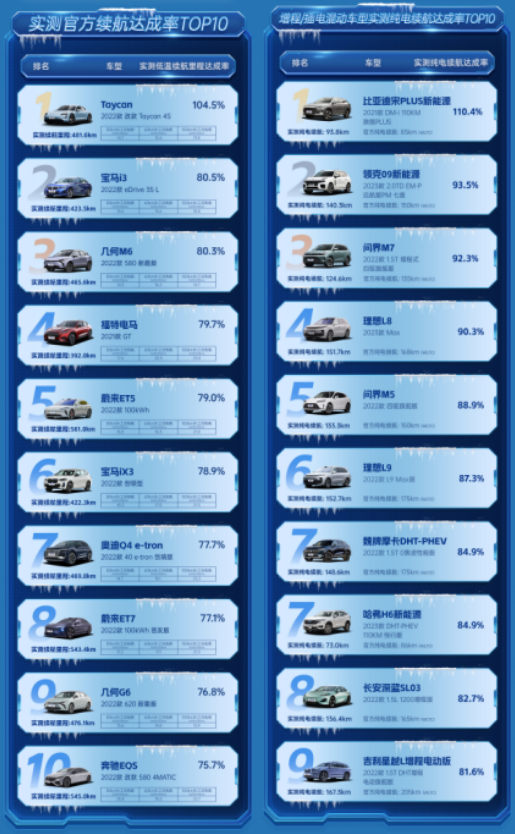
Core Viewpoint - The automotive consumption landscape is undergoing transformation due to upgraded consumer demand and the application of new technologies, leading to the emergence of new demands and business models, which will reshape the automotive consumption value chain [1] Group 1: Testing and Evaluation - The 2022 "Super Test - Winter Laboratory" introduced a new dual-temperature testing method, collecting over 20,000 real user samples to provide comprehensive evaluations of 58 popular new energy vehicle models [2][3] - The testing included both pure electric and range-extended/integrated models, covering popular domestic and joint venture brands, and also included new models still in testing [2][4] - The dual-temperature testing approach provided a more comprehensive understanding of vehicle performance under varying conditions, including extreme cold [3][4] Group 2: Performance Insights - In the low-temperature tests, joint venture brands outperformed domestic brands in pure electric models, while all range-extended/integrated models were domestic, highlighting the market dominance of domestic brands in this segment [4] - The average range achievement rate for pure electric models in Beijing was 71.8%, with the Taycan achieving 104.5%, while extreme cold conditions significantly reduced the range of many models [5][4] - The extreme cold testing revealed that the performance of electric vehicles was severely impacted, with some models achieving less than 40% of their official range [5] Group 3: Consumer Guidance - The testing results provided valuable insights into factors affecting winter range, such as battery performance, heating system efficiency, and tire performance under low temperatures [9][12] - The "Super Test" aims to address consumer pain points in selecting electric vehicles by providing clear, data-driven evaluations and recommendations [13] - The initiative emphasizes the importance of transparency and accuracy in automotive evaluations to help consumers make informed decisions [14] Group 4: Industry Impact - The automotive industry is encouraged to upgrade technology and improve product quality through the insights gained from the testing, which serves as a catalyst for innovation [10][14] - The integration of real user data into the evaluation process enhances the credibility and relevance of the assessments, positioning the company as a leader in automotive testing [12][14] - The company's brand upgrade reflects its commitment to meeting evolving consumer needs and promoting sustainable development in the automotive industry [13]
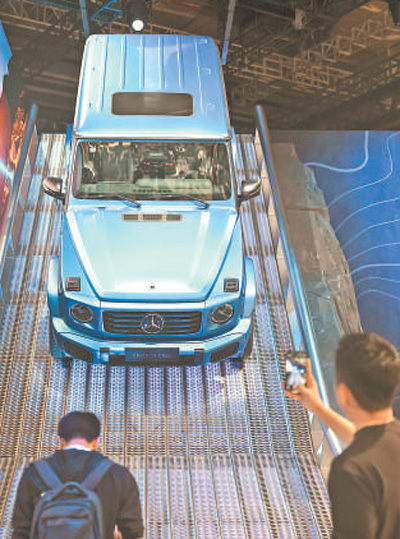
外资车企携新车、前沿技术亮相上海车展 坚定信心深耕中国市场
Xin Hua Wang· 2025-08-12 05:57
Group 1 - The Shanghai International Automobile Industry Exhibition showcases nearly 1,000 domestic and foreign enterprises from 26 countries, featuring over 100 new vehicles and cutting-edge technologies [2] - Multinational automotive companies like BMW, Audi, and Continental are demonstrating their commitment to the Chinese market through localized products and significant investment plans [2][3] - The exhibition serves as a platform for global automakers to present advancements in smart and electric vehicles, with companies like Continental and Aptiv unveiling localized solutions tailored for China's complex driving conditions [2][3] Group 2 - China has maintained its position as the world's largest automobile production and sales country for 16 consecutive years, with new energy vehicles accounting for over 40% of total new car sales [3] - The rapid development of new energy and smart connected vehicles, along with a complete industrial chain and a wealth of technological talent, attracts foreign enterprises to engage in collaborative innovation [3] - The active participation of foreign companies in the Shanghai Auto Show reflects China's strong appeal to the global automotive industry and will further promote the integration of China's automotive sector with the global market [3][4] Group 3 - Foreign companies are restructuring their relationship with the Chinese market through deep localization, moving beyond mere technology transfer to collaborative innovation with local partners [4] - This "mutual engagement" is expected to elevate China's automotive industry to the high end of the global value chain while opening new growth avenues for multinational enterprises [4] - The scale and innovative dynamism of the Chinese market will determine the competitiveness of global automakers over the next decade [4]

汽车与汽车零部件行业周报、月报:智界转向独立化运营,理想i8调价-20250812
Guoyuan Securities· 2025-08-12 02:17
Investment Rating - Maintain recommendation [6] Core Insights - The wholesale of passenger cars is growing faster than retail, with a stable and rapid growth in the passenger car market. In July 2025, the national retail of passenger cars reached 1.834 million units, a year-on-year increase of 7%, while wholesale reached 2.192 million units, a year-on-year increase of 12% [1][20] - The new energy vehicle market is also showing strong growth, with retail sales of 1.003 million units in July, a year-on-year increase of 14%, and a cumulative retail of 6.472 million units this year, up 30% year-on-year [1][20] - The penetration rate of new energy vehicles in the passenger car market reached 54.7% in July, indicating a significant shift towards electric vehicles [1][20] Summary by Sections 1. Weekly Market Review - The automotive sector rose by 2.68% in the week of August 2-8, 2025, outperforming the Shanghai Composite Index by 1.45 percentage points [12] - The motorcycle and other segments saw the highest increase of 8.24%, while the passenger car segment experienced a slight decline of 0.65% [15] 2. Weekly Data Tracking - Passenger car retail and wholesale data for July 1-31, 2025, showed retail at 1.834 million units and wholesale at 2.192 million units, both reflecting year-on-year growth [20] - The new energy vehicle segment's wholesale reached 1.179 million units in July, with a year-on-year increase of 25% [20] 3. Industry News - Chery and Huawei signed a strategic cooperation agreement for the Zhijie brand, committing over 10 billion yuan and increasing the R&D team to 5,000 people [2][49] - Li Auto announced a price reduction for the Li One model, now priced at 339,800 yuan, reflecting the competitive nature of the mid-to-high-end electric vehicle market [3][41] - The integration of autonomous driving teams within Geely aims to streamline operations and enhance technological capabilities [32] 4. Investment Suggestions - Focus on leading automotive companies enhancing their competitive edge in differentiated markets and the potential for brand reputation to create a snowball effect [4]
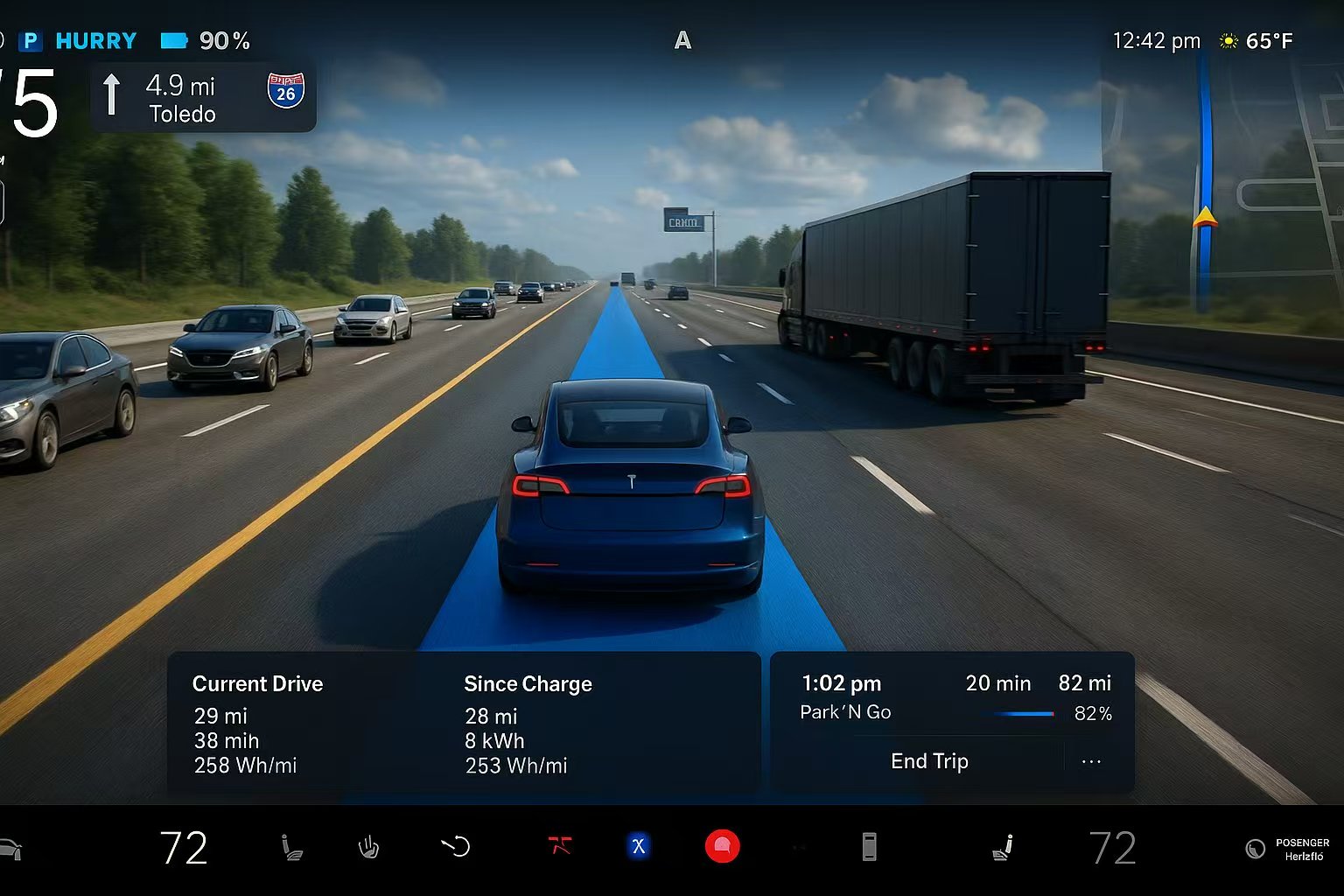
特斯拉车机引入虚幻引擎,智驾界面堪比3A大作,然并卵?
3 6 Ke· 2025-08-12 02:09
Core Insights - Tesla is integrating Unreal Engine into its software updates, enhancing the visual effects of its AutoPilot and Full Self-Driving (FSD) systems, which could lead to more realistic environmental representations in vehicles [1][21] - The use of 3D elements in vehicle interfaces has shifted from being an optional feature to a necessity, with a projected market size of 212.7 billion yuan in China's smart cockpit sector by 2026, indicating a penetration rate exceeding 82% [12][9] Group 1: Tesla's Integration of Unreal Engine - Tesla's recent software update (version 2025.20) includes binary files related to Unreal Engine, allowing for interactive 3D models in the Model X and Model S [1] - The integration aims to enhance the visual experience of the AutoPilot and FSD systems, potentially providing a more detailed and immersive environment [1][21] - The expectation is that Tesla will leverage Unreal Engine to create advanced features that could inspire the automotive industry [3] Group 2: Industry Trends in 3D Cockpit Systems - Other automotive brands, such as HiPhi and Lotus, have also adopted Unreal Engine for their cockpit systems, indicating a trend towards 3D digital cockpits in the industry [4][6] - The shift to 3D interfaces is driven by the need for more engaging and interactive user experiences, moving away from traditional 2D interfaces [9][12] - Companies like Mercedes and Xiaomi are also utilizing 3D engines to enhance their vehicle interfaces, showcasing a broader industry movement towards advanced visual technologies [8][12] Group 3: Practical Implications of 3D Visuals - The practical benefits of 3D visuals in vehicle interfaces are debated, with some experts suggesting that the enhancements may not significantly improve user interaction efficiency [13][21] - Current industry practices favor simpler 3D representations for ADAS systems to ensure clarity and efficiency in conveying environmental information to drivers [16][19] - The complexity of rendering realistic 3D environments may lead to performance challenges, necessitating powerful hardware to support such features [18][20] Group 4: Future Prospects - The future of 3D engines in automotive applications may involve creating simulation platforms for autonomous driving training, enhancing the realism of driving scenarios [24] - The role of physical engines in smart vehicles is expected to evolve, focusing on improving user interaction and experience rather than merely achieving high-fidelity graphics [24][23]