
雷鸟创新

Search documents
CES 2026前瞻:黄仁勋到处赶场站台,中国军团角逐AI明日终端
Tai Mei Ti A P P· 2026-01-04 02:13
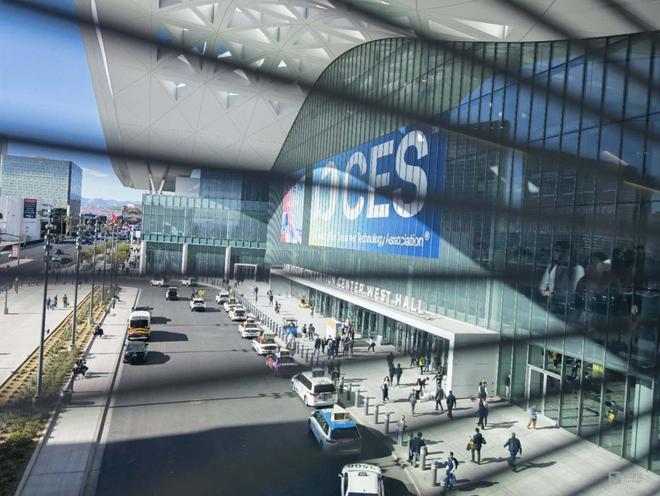
Group 1: CES 2026 Overview - CES 2026 will take place from January 6 to January 9, 2026, in Las Vegas, showcasing the latest innovations in technology and serving as a window to predict future trends in the tech industry [2] - A total of 4,112 companies will participate, with China and the US being the main players, despite Apple's absence [2] - The central theme of CES 2026 will revolve around AI, transitioning into the stage of practical applications and integration across various industries, including consumer electronics and automotive sectors [2] Group 2: Key Company Highlights - Nvidia, AMD, and Intel are expected to showcase significant advancements in AI technology, with AMD's stock having risen over 75% in the past year [5] - AMD will unveil its next-generation mobile processor, the Ryzen AI 400 series, featuring 12 Zen 5 cores and enhanced NPU capabilities [5] - Intel will introduce the third-generation Core Ultra series processors, boasting a 50% performance improvement over the previous generation [5] Group 3: AI Integration in Consumer Electronics - AI is increasingly embedded in consumer electronics, with major home appliance companies demonstrating deep applications of AI to enhance product efficiency [9] - Hisense will launch the world's first upgraded display technology featuring a "four-core architecture" and AI image processing capabilities [9] - TCL will present a wide range of display products, including the world's first printed OLED screen for automotive displays [10] Group 4: Robotics and Smart Home Innovations - The robotics sector is seeing a surge in companies showcasing products capable of complex tasks, with a significant presence from Chinese firms at CES 2026 [19] - New products include flying vacuum cleaners and stair-climbing robots, indicating advancements in smart home technology [14][16] - Companies like Ecovacs and Roborock are expected to unveil new models in the cleaning appliance category, with Ecovacs CEO scheduled to give a keynote speech [12] Group 5: AI-Driven New Devices - CES 2026 will feature a variety of AI-native devices, including AI glasses and headphones, with numerous companies participating in this emerging market [23] - XREAL will showcase its latest AI glasses, while other firms will present innovative AR products [25] - Lightwear AI, a new wearable device, will be introduced, aiming to redefine human-computer interaction in the AI era [26] Group 6: Industry Discussions and Networking - TiMedia will host multiple roundtable discussions on topics such as AI's impact on industries and the commercialization of embodied intelligence [31] - A high-end networking event, "China Innovation Night," will take place, bringing together leaders from global tech brands and AI ecosystems [31] - The event will also feature the release of the "2026 CES Innovation List," recognizing outstanding achievements in technology and design [31]





“百镜大战”2025年全面打响 AI眼镜距离“随身终端”还有多远?
Shen Zhen Shang Bao· 2026-01-01 21:54
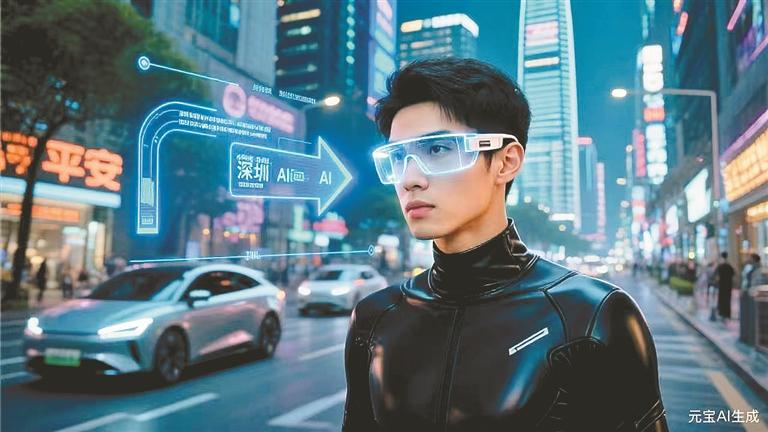
Core Insights - The article discusses the rising trend of AI glasses, which are expected to become a significant consumer product by 2026, transitioning from concept to practical demand in 2025 [2][3] - The competition in the AI glasses market, referred to as the "Hundred Glasses War," involves major tech companies and startups, indicating a robust ecosystem development [2][9] Industry Overview - The AI glasses market is experiencing rapid growth, with a 110% year-on-year increase in global shipments in the first half of 2025 [5] - Major players include tech giants like Meta, Samsung, Xiaomi, and Alibaba, as well as specialized XR companies, all launching various AI glasses products [3][4] Technological Advancements - Significant improvements in display technology are noted, with many AI glasses featuring high-resolution and high-refresh-rate displays to enhance user experience [6] - Innovations in interaction methods, such as Meta's "Neural Band" for gesture control and various voice and touch interfaces, are transforming user engagement [7] Market Dynamics - The demand for AI glasses is driven by advancements in AI capabilities and consumer needs for hands-free information access, including real-time translation and health monitoring [4][10] - The competitive landscape is not only about hardware but also about creating a cohesive ecosystem that integrates AI glasses with other devices and services [9][10] User Experience - Comfort and weight are critical factors for user acceptance, with many companies striving to make their products lightweight and comfortable to wear [7][8] - The core positioning of AI glasses is as a "wearable service entry point," which directly influences user adoption [8] Ecosystem Development - The integration of AI glasses with various services, such as navigation and payment systems, is essential for creating a seamless user experience [10][11] - Establishing standardized communication protocols and security measures is crucial for ensuring interoperability and data safety within the AI glasses ecosystem [9]




2025 年度全球XR行业十大重磅事件
Xin Lang Cai Jing· 2025-12-31 16:03
Core Insights - 2025 is identified as a milestone year for the XR industry, marking significant advancements in technology and product development [1][3][33] - The year is characterized by a chemical reaction between "spatial computing" and "AI glasses," leading to transformative changes in the industry [3][35] Group 1: Major Events in XR Industry - Rokid's AI glasses gained significant media attention in February 2025, with over 1 billion views on Douyin, enhancing brand visibility and attracting investors [6][36][38] - The launch of RayNeo X3 Pro AR glasses in May 2025 showcased advanced Micro-LED technology, achieving a 50% improvement in light efficiency and peak brightness of 6000 nits [7][39][41] - Google re-entered the XR space in 2025, unveiling the Android XR ecosystem and collaborating with Samsung and XREAL on new XR devices [9][42][46] Group 2: Product Launches and Innovations - Xiaomi introduced its first AI shooting glasses in June 2025, featuring a 12MP camera and various color options, marking a significant entry of traditional smartphone manufacturers into the AI glasses market [10][46][48] - Meta invested $3.5 billion in EssilorLuxottica in July 2025, acquiring nearly 3% of the company, and has plans to increase its stake [11][49][50] - Vivo launched its first MR spatial computing device, Vivo Vision, in August 2025, emphasizing its role in the development of robotics and human-computer interaction [12][52] Group 3: Technological Advancements - Meta Ray-Ban Display was released in September 2025, featuring a display optical scheme with a resolution of 600x600 pixels and peak brightness of 5000 nits [13][52][53] - Apple launched the M5 chip version of Apple Vision Pro in October 2025, enhancing processing power by nearly 50% and supporting a 120Hz refresh rate [14][56][58] - ByteDance announced plans for a new high-end MR headset to be released in 2026, focusing on self-developed chips to address latency and distortion issues [15][60] Group 4: New Entrants and Market Dynamics - Alibaba entered the AI glasses market in November 2025 with the launch of Quark AI glasses, integrating various AI functionalities and marking its strategic move into the physical world [16][61][63]



弱复苏低通胀强补贴下的内需主线
2025-12-31 16:02
Summary of Key Points from Conference Call Records Industry Overview - The focus is on the domestic consumption sector, with policies aimed at boosting consumer spending through increased household income, including minimum wage hikes and corporate salary increases [1][4][5] - The service consumption sector is expected to benefit from reforms in pricing mechanisms, particularly in healthcare, transportation, and public utilities [1][6] - The retail sector, especially offline retail, is seen as a crucial driver for domestic demand, supported by policies for updating commercial facilities [1][12] Core Insights and Arguments - **Consumer Policy Effectiveness**: The effectiveness of consumer promotion policies is anticipated to exceed market expectations, with significant increases in minimum wage across provinces, averaging over 8% [4][5] - **Service Sector Reforms**: Reforms in service pricing, particularly in healthcare, are expected to enhance the income of service providers while controlling costs for consumers [6] - **Product Innovation**: In the goods consumption sector, companies that excel in innovation and new supply offerings are likely to thrive, moving away from traditional consumer upgrade logic [7] - **Tourism and Local Policies**: Local government competition is expected to stimulate tourism, benefiting cultural and agricultural sectors [1][7] Important but Overlooked Content - **Retail Performance**: The first quarter of 2026 is projected to be crucial for leading regional retail companies, with expectations of strong performance during the extended Spring Festival [12] - **Cross-Border E-commerce**: Currency fluctuations have a limited impact on leading cross-border e-commerce companies, with exchange rate losses being a minor portion of profits [13] - **Household Appliances and Smart Hardware**: The government has initiated a subsidy plan for key household appliance categories, with a total subsidy of approximately 250 billion for 2026, focusing on six core categories [19][20] - **Food and Beverage Sector**: The food and beverage sector is expected to hit a performance bottom in Q1 2026, with a gradual recovery anticipated in Q2 [22] Future Outlook - **Economic Rebalancing**: The macroeconomic narrative is shifting towards economic rebalancing, with a cautious optimism for 2026 as supply-demand dynamics are expected to improve [8][9] - **Investment Opportunities**: Key investment opportunities are identified in sectors benefiting from government support, particularly in smart home and wearable technology, with a focus on companies like Midea, Haier, and TCL [20][21] - **Pork Market Expectations**: The pork market is showing signs of recovery, with prices expected to stabilize and improve, leading to a more optimistic outlook for the industry [16] This summary encapsulates the essential insights and projections from the conference call records, highlighting the key themes and potential investment opportunities across various sectors.
看2026|雷鸟创新李宏伟:构建全球化产业合作生态
Bei Ke Cai Jing· 2025-12-31 15:41
Group 1 - The central economic work meeting emphasizes the need to continuously expand domestic demand, optimize supply, enhance incremental growth, and revitalize existing resources, while developing new productive forces tailored to local conditions [2][5]. - 雷鸟创新 plans to increase R&D efforts in key technologies such as AR optical display, spatial computing, and AI large model technologies to enhance core competitiveness [5]. - 雷鸟创新 aims to build a global industrial cooperation ecosystem, achieving domestic substitution across the entire supply chain from Micro-OLED screens to AR-specific chips, with many related technologies becoming industry standards [5]. Group 2 - In 2026, 雷鸟创新 plans to expand market size while maintaining its leading position in the Chinese market and increasing market share in key countries and regions such as North America and Europe [6]. - The company will continue to invest in core technology R&D to improve its competitiveness [6].

王自如又被限制高消费
21世纪经济报道· 2025-12-29 10:30
作者丨朱芷葵 3小时前 来自 微博视频号 编辑丨叶映橙 12月29日,21财经·南财快讯记者注意到,企查查APP显示,近日, 王自如被执行案件更 新,王自如被法院签发限制消费令。 据悉,该起案件涉及与交通银行股份有限公司惠州分 行间借款合同纠纷,因王自如未按期履行生效法律文书确定的给付义务,法院对其采取限制 消费措施。据此前报道, 王自如与岐山度假村发展公司因此案被执行246万元。 此前,王自如曾被执行3383万元,并因此案被冻结股权、限制高消费。任职信息显示,目 前,王自如名下关联4家企业,其中2家为存续状态,包括深圳市悦宸汽车美容有限公司 等。 值得注意的是,今年6月, 王自如在社交平台高调复出,选择在AI领域二次创业。 10月20 日,雷鸟创新突然官宣,近日王自如已正式入职,但并未提供明确职务信息,只是放出了涉及 王自如及公司新产品的活动海报。 11月13日, 王自如发布视频,再次明确表示"自己从未签过对赌协议" ,并建议创业者,"如 果对所处行业和项目有十足信心,可考虑签订对赌协议。但99%的情况下,不建议创业者签署 包含无限连带责任、创始人兜底条款的对赌协议,这类条款会大幅增加创业成本与个人风 险。 ...

智能眼镜淘金热,博士眼镜“借钱”也要当“卖铲人”
3 6 Ke· 2025-12-24 09:29
Group 1 - The smart glasses market is experiencing a surge, with multiple companies like Thunderbird Innovation, Xiaomi, Rokid, Baidu, and Quark launching products, leading to intense competition known as the "Hundred Glasses War" [1] - IDC predicts a compound annual growth rate of 55.6% for China's smart glasses market over the next five years, the highest globally [2] - Doctor Glasses has announced plans to raise up to 375 million yuan through convertible bonds, with over 90% of the funds allocated for store expansion [2] Group 2 - Smart glasses have become a significant category in the consumer electronics market, with Tmall reporting a 2500% year-on-year increase in sales during the Double 11 shopping festival, and JD.com showing a 346% increase [3] - Doctor Glasses has established a comprehensive sales system for smart glasses, collaborating with various brands and creating dedicated smart glasses sections in stores [6][5] - The company has partnered with brands like Starry Sky Meizu, Thunderbird Innovation, and Xiaomi, and has set up smart glasses showcases in over 150 retail locations [5] Group 3 - Doctor Glasses has experienced fluctuating performance, with revenues of 962 million yuan, 1.176 billion yuan, and 1.203 billion yuan from 2022 to 2024, showing growth rates of 8.42%, 22.02%, and 2.29% respectively [8] - The gross margins for Doctor Glasses' main businesses have declined, indicating a need for new growth avenues, particularly in the smart glasses sector [8] - As of September 2023, Doctor Glasses operates 584 stores nationwide, making it an attractive partner for smart glasses manufacturers seeking established retail channels [9] Group 4 - Despite the potential of the smart glasses market, the related revenue for Doctor Glasses remains negligible, with traditional optical products accounting for over 97% of total revenue [10] - The company lacks the capability to provide fitting services for certain smart glasses, limiting its revenue from this segment [10] - Doctor Glasses plans to raise funds to expand its store network and upgrade existing locations, focusing on creating smart glasses sections to leverage its channel advantages [11]

视涯科技冲刺科创板,以硅基OLED技术卡位XR赛道
Xin Lang Cai Jing· 2025-12-22 03:59
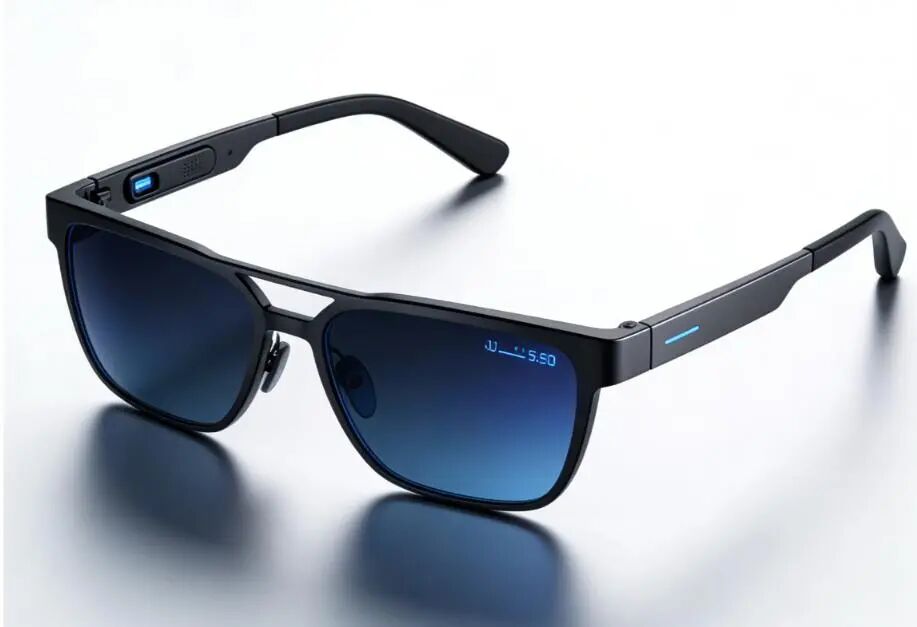
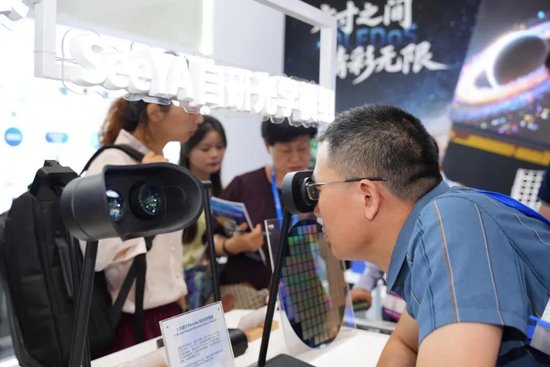
Core Viewpoint - The competition for the next generation of XR (AR/VR/MR) devices is intensifying, with display technology recognized as a critical factor. Visionary Technology, specializing in silicon-based OLED microdisplays, is positioned to capitalize on this opportunity as it prepares for its IPO on December 24, aiming to leverage its technological advancements in the XR industry [1][14]. Group 1: Industry Trends - The XR industry is expected to see a surge in new product releases by 2025, including various AR glasses, highlighting the increasing importance of display components [2][15]. - The demand for silicon-based OLED microdisplays is projected to grow significantly, with global shipments expected to rise from 6.365 million units in 2024 to 400 million units by 2030, reflecting a compound annual growth rate (CAGR) of 99.36% [4][17]. - The market for silicon-based OLED displays in XR devices is anticipated to grow from 2.837 million units in 2024 to 39.2 million units by 2030, with a CAGR of 127.4% [4][17]. Group 2: Company Developments - Visionary Technology has achieved significant technological breakthroughs, including advancements in silicon-based OLED strong microcavity technology and high-efficiency stacked OLED full-color technology, surpassing international competitors in key performance metrics [6][19]. - The company is uniquely positioned with a fully self-developed capability that integrates display chips, screens, and optical systems, allowing it to provide comprehensive XR solutions [6][19]. - Visionary Technology plans to raise 2.015 billion yuan through its IPO, with 1.609 billion yuan allocated for expanding its high-resolution silicon-based OLED microdisplay production line and 406 million yuan for R&D center development [8][21]. Group 3: Financial Performance - The company's revenue is projected to grow from 190 million yuan in 2022 to 280 million yuan in 2024, with a forecast of 469 million yuan in 2025, potentially exceeding 500 million yuan [10][26]. - In the first three quarters of 2025, the company reported a revenue of 293 million yuan, a 54.67% increase year-over-year, while reducing net losses by 10.25% [10][23]. - The company anticipates revenues of 2.26 billion yuan and 3.734 billion yuan in 2026 and 2027, respectively, indicating a trajectory of rapid growth [11][26].
亚马逊与OpenAI联系加深,美光预计HBM市场加速增长
Guotou Securities· 2025-12-21 08:02
Investment Rating - The report maintains an investment rating of "Outperform" with a target to exceed the market by 10% or more over the next six months [6]. Core Insights - Amazon is negotiating to invest at least $10 billion in OpenAI, which would increase OpenAI's valuation to over $500 billion. This deal includes the use of Amazon's proprietary Trainium AI chips, reducing OpenAI's reliance on Nvidia [2]. - Micron's CEO predicts that the global HBM market will reach $100 billion by 2028, with a compound annual growth rate (CAGR) of approximately 40%. The market is expected to grow from about $35 billion in 2025 to around $100 billion by 2028, driven by demand from AI, cloud computing, and high-performance computing [3]. - DTE has received regulatory approval to provide power for Oracle and OpenAI's planned large data center project, which will cost billions and have a capacity of 1.4 GW. The project is part of a broader investment strategy that includes over $450 billion in planned investments over the next three years [4]. Summary by Sections Industry News Overview - Amazon is restructuring its AI-related project teams to enhance its competitive position against Microsoft and Google in the AI development space [17]. - The semiconductor industry is seeing significant developments, including the IPO application of Guangdong-based Yuexin Semiconductor, which aims to raise $7.5 billion [19]. Industry Data Tracking - The semiconductor market is experiencing growth, with the production of electric vehicles in China increasing by 32.4% year-on-year [20]. - The consumer electronics sector is also expanding, with smart wearables and robots growing by 22.1% and 19.4%, respectively [23]. Market Performance Review - The electronic sector saw a decline of 3.28% in the past week, ranking last among all sectors [35]. - The price-to-earnings (PE) ratio for the electronic sector is currently at 63.01, with a 10-year percentile of 82.53% [37].
我们准备好让AI“看”世界了吗?
Xin Lang Cai Jing· 2025-12-19 12:14
Core Insights - In 2025, AI glasses have emerged as a significant trend in the tech industry, with major companies like Meta, Google, and Apple making substantial advancements and product launches in this space [1][3] - Domestic companies in China, including Huawei, Xiaomi, Alibaba, and ByteDance, are also actively developing AI glasses, with notable products like Alibaba's Quark AI glasses experiencing high demand [1][3] - The competition landscape is diverse, with various types of AI glasses categorized into AI audio glasses, AI photography glasses, and AI+AR glasses, each with distinct functionalities [3][7] Industry Overview - The AI glasses market is driven by advancements in large model technology, with companies recognizing the necessity to invest in AI glasses to avoid falling behind in the AI race [3][21] - Meta's Ray-Ban smart glasses have set a successful precedent, selling over 1 million units and demonstrating the feasibility of integrating AI capabilities into eyewear [3][21] - The market is expected to see significant sales growth, with projections indicating that AI glasses could reach 7 million units sold, with Meta accounting for 5 million of that total [9] Competitive Landscape - Major competitors in the AI glasses market include: - Internet platform companies like Alibaba, Baidu, and ByteDance, leveraging their ecosystem advantages [8] - Hardware manufacturers such as Xiaomi and Huawei, utilizing their supply chain and user base [9] - New automotive entrants like Li Auto, which are creating niche products tailored to specific use cases [9] - Specialized XR/AR companies like Rokid and Thunderbird, focusing on optical display technology and lightweight designs [9] Market Dynamics - The pricing of AI glasses varies widely, from hundreds to thousands of yuan, reflecting the differentiation in product features and target markets [12] - The current market is characterized by a mix of established tech giants and agile startups, each pursuing different strategies to capture market share [10][20] - The demand for AI glasses is still being evaluated, with concerns about whether consumers truly need such devices compared to existing technologies like smartphones [13][19] Future Outlook - The AI glasses market is anticipated to evolve, with companies needing to address privacy concerns and enhance user experience to transition from novelty items to essential tools [17][24] - The exploration of AI glasses is seen as a stepping stone towards more advanced human-machine interactions, potentially leading to future innovations like implantable devices or brain-computer interfaces [24][22] - As the market matures, companies are expected to focus on validating the value of AI glasses in B2B applications while nurturing consumer interest in C2C scenarios [20][22]

