洋河股份

Search documents
洋河全明星阵容亮相秋糖,“六境”沉浸式体验重构白酒消费场景
Xin Jing Bao· 2025-10-17 10:36
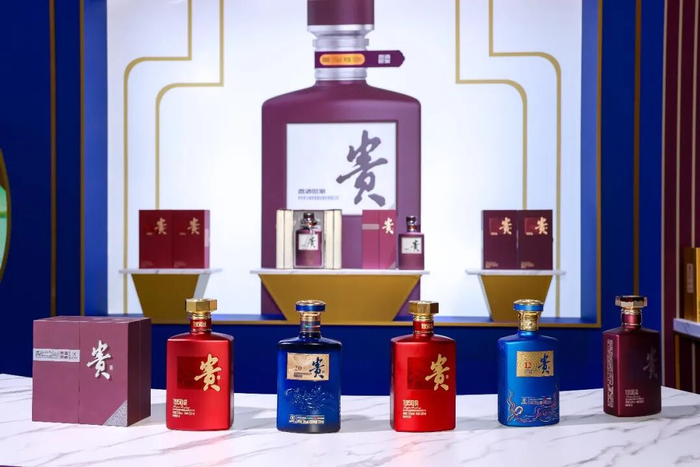
Core Insights - The 113th National Sugar and Wine Fair, held from October 16 to 18 in Nanjing, showcased Yanghe Co., which highlighted its brand strength through an all-star product lineup and an immersive experience centered around new products [1][3] Group 1: Product Showcase - Yanghe Co. presented its all-star product lineup, including the Dream Blue series (Handcrafted Class, M9, M6+, Crystal Edition), which solidifies its high-end market position [3] - The company’s products, such as the seventh generation of Sea Blue and the high-line bottled liquor, have received widespread acclaim, with the former promising "3 years + 5 years, better wine is softer" and achieving record sales [3][4] Group 2: Strategic New Product Launch - Yanghe Co. launched several strategic new products during the fair, including Yanghe Guobin, Micro-molecule, Super Football, and Jinmeng Nine, aligning with current industry trends of diversification and younger consumer engagement [4][6] - The new product launch is seen as a deep rebranding effort and aims to establish emotional connections with consumers [6] Group 3: Immersive Experience - The "Six Realms" immersive experience created by Yanghe Co. allowed guests to explore different aspects of the brand, enhancing their understanding of its soft flavor profile [7] - The event featured a performance showcasing the evolution of Chinese wine etiquette across different dynasties, along with interactive tasting sessions where guests could compare different aged wines [7] Group 4: Industry Positioning - Yanghe Co. is recognized for its innovative capabilities and responsiveness to market changes, maintaining its position at the forefront of Chinese liquor innovation for over 30 years [7]


53度飞天茅台补贴价跌破1700元!酒企重新审视电商渠道
Di Yi Cai Jing· 2025-10-17 07:55
Core Insights - The collaboration with e-commerce channels has become an unavoidable topic for liquor companies, as they seek new growth amidst declining traditional sales [1][2] - The rapid growth of online liquor sales is not driven by liquor companies, which have historically undervalued e-commerce, but they can no longer resist the trend of online and offline integration [3][6] Group 1: Market Trends - The liquor industry is experiencing a significant downturn, with major companies reporting varying degrees of sales decline, particularly during the recent holiday seasons [2] - Sales of white liquor during the Mid-Autumn and National Day holidays dropped approximately 25%, primarily due to a significant contraction in group purchases and government-related markets [2] - In contrast, online sales of white liquor have surged, with Meituan reporting an 8-fold increase in sales for white liquor categories, and JD's sales growing by 109% during the holiday period [2] Group 2: E-commerce Dynamics - The entry of major liquor brands into e-commerce platforms marks a shift from resistance to cooperation, as companies like Moutai and Fenjiu have begun to embrace online sales [4] - However, the low-price competition from e-commerce platforms poses a significant challenge to traditional sales channels, with some premium liquor prices dropping below wholesale costs [4][7] - The current pricing chaos in the e-commerce sector is attributed to an oversupply in the liquor market, leading to platforms bypassing traditional controls set by liquor companies [6][7] Group 3: Brand Value and Consumer Perception - White liquor is characterized by information asymmetry, making it difficult for consumers to assess value, which is traditionally established through brand and pricing strategies [5] - The long-term low-price promotions on premium liquor products online threaten to undermine the established brand value and pricing structures of liquor companies [5] - The competition for market share between e-commerce platforms and liquor companies is intensifying, with platforms increasingly disregarding the concerns of liquor brands [7]

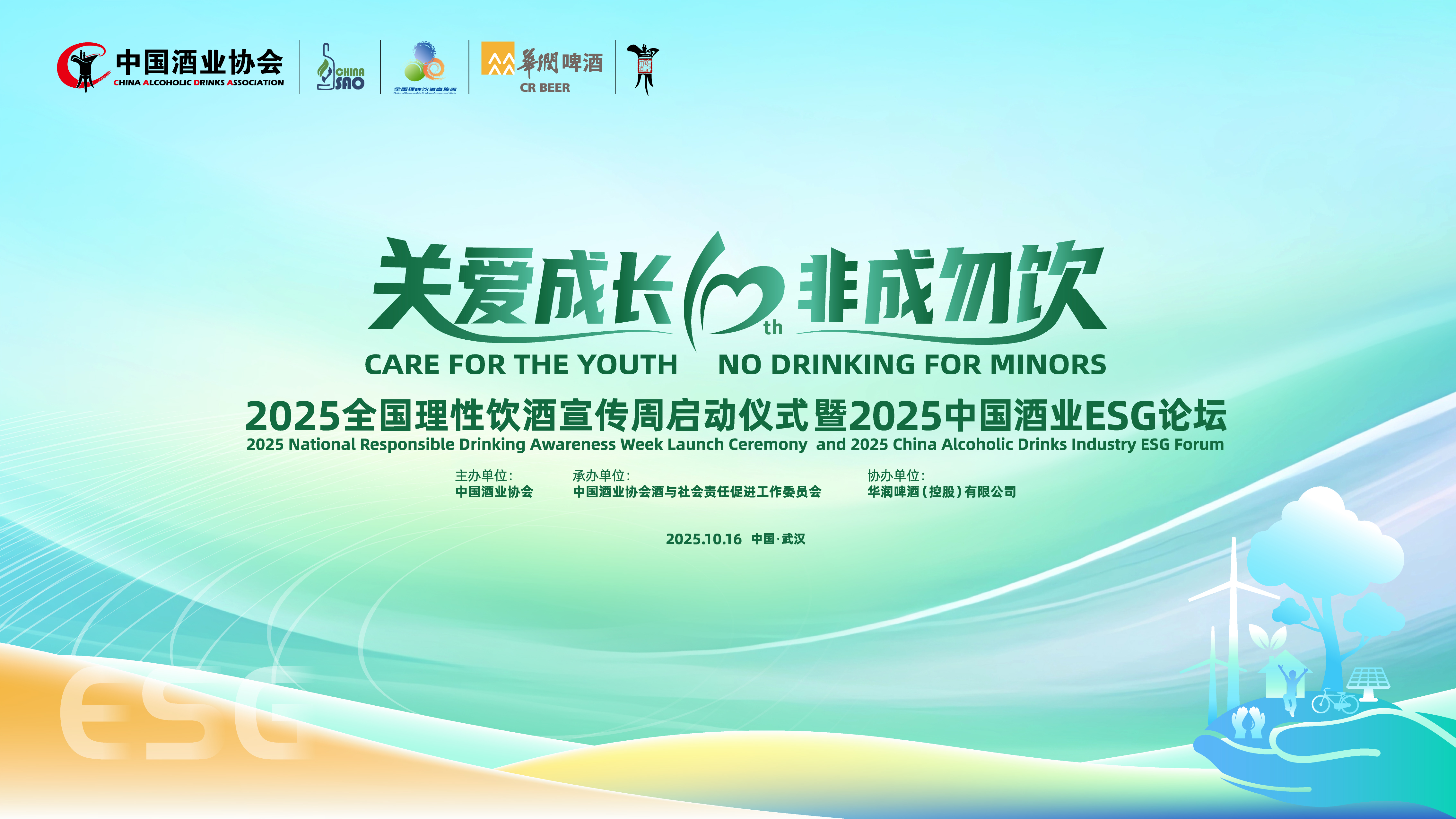
2025全国理性饮酒宣传周启动仪式盛大举行
Qi Lu Wan Bao· 2025-10-17 07:55
Core Viewpoint - The 2025 National Rational Drinking Promotion Week was launched in Wuhan, emphasizing the theme "Caring for Growth, No Drinking for Minors," highlighting the importance of responsible drinking and ESG (Environmental, Social, and Governance) principles in the Chinese liquor industry [1][9][12]. Group 1: Event Overview - The event was organized by the China Alcoholic Drinks Association, with participation from various industry leaders and government officials, showcasing a collaborative effort to promote responsible drinking [1][3][4]. - The launch included the release of the "2025 China Prevention of Underage Drinking Green Book," which emphasizes a multi-faceted approach involving families, schools, society, liquor companies, and government [32][33]. Group 2: Key Messages from Leaders - Yang Xiangwei, Deputy Director, highlighted Wuhan's potential as a consumer city and the importance of promoting the "No Drinking for Minors" concept [7]. - Song Shuyu, Chairman of the China Alcoholic Drinks Association, reflected on the achievements of the Rational Drinking Promotion Week over the past decade and stressed the significance of ESG in the industry's sustainable development [9][21]. - Zhao Chunwu, Chairman of China Resources Beer, emphasized the role of ESG in driving high-quality development within the industry [12]. Group 3: ESG Initiatives - The first "China Alcohol Industry ESG Development Index Report" was released, detailing the industry's social responsibility and ESG practices for 2024 [22][25]. - A vertical ESG rating platform for the liquor industry was established, incorporating AI technology to assess 155 industry indicators [25]. - The 2024 ESG list highlighted outstanding cases in environmental governance, social welfare, and corporate governance within the industry [28][26]. Group 4: Public Engagement and Outreach - The promotion week aims to reach a broader audience, with last year's activities impacting 500 million people [33]. - Various promotional plans were initiated to further spread the message of rational drinking, including the "5X Promotion Plan" and the "Fengming Plan" [33]. - A public-themed microfilm titled "Heaven and Earth Apart" was released, aligning with the year's theme and showcasing the importance of responsible drinking [38].

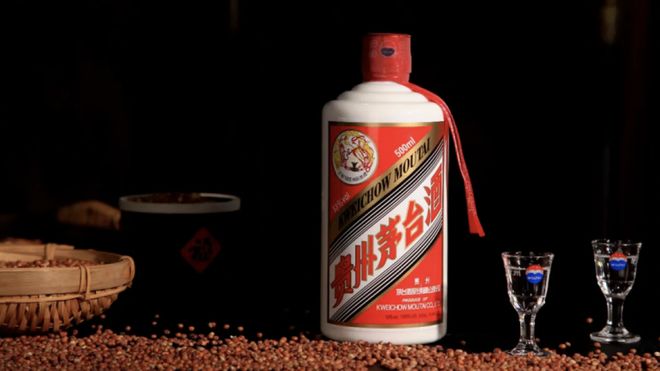
“双十一”大促刚开场,53度飞天茅台补贴价跌破1700元
Di Yi Cai Jing· 2025-10-17 06:14
Core Insights - The collaboration with e-commerce channels has become an unavoidable topic for liquor companies, as they seek new growth amidst declining traditional sales [1][2] - The rapid growth of online liquor sales is not driven by liquor companies, which have historically undervalued e-commerce, but they can no longer resist the trend of online and offline integration [3][6] Group 1: Market Trends - The liquor industry is experiencing a significant adjustment, with major companies reporting varying degrees of sales decline, particularly during the recent holiday seasons [2] - Data shows that overall sales of liquor during the Mid-Autumn and National Day holidays dropped approximately 25%, largely due to a significant contraction in group buying and government markets [2] - In contrast, online sales of liquor have surged, with platforms like Meituan reporting an 8-fold increase in liquor sales year-on-year, and JD's liquor category seeing a 109% increase during the holiday period [2] Group 2: E-commerce Dynamics - The entry of liquor brands into e-commerce has shifted from resistance to cooperation, with companies like Moutai and Fenjiu partnering with platforms for instant retail services [4] - However, the low-price competition from e-commerce platforms poses a significant challenge to offline markets, with some premium liquor prices dropping below wholesale costs [4][7] - The phenomenon of "naked pricing" in the liquor market is becoming a reality, with many brands struggling to maintain profitability due to aggressive online pricing strategies [4][6] Group 3: Brand Value and Consumer Perception - Liquor is characterized by information asymmetry, making it difficult for consumers to assess value solely based on product appearance, which is why brands have built a pricing system around star products [5] - The long-term low-price promotions online threaten to undermine the established brand value and pricing structures of liquor companies [5] Group 4: Future Outlook - Predictions indicate that the e-commerce market share for the liquor distribution industry could exceed 30% within the next three years [3] - The ongoing price wars and the need for e-commerce platforms to attract traffic through low prices may lead to a shift in market power towards online channels if liquor companies do not adapt [7]

招商证券:白酒延续调整 食品景气分化
智通财经网· 2025-10-17 06:12
Core Viewpoint - The report from China Merchants Securities indicates a decline in participation and investor interest in the 2025 Autumn Sugar Exhibition, reflecting a decrease in industry enthusiasm, while the liquor sector's performance during the holiday season aligns with expectations [1][2]. Liquor Industry - The number of participating liquor companies at the Autumn Sugar Exhibition has decreased, with a shift in investment focus towards the consumer end, leading to a cautious attitude among liquor distributors [2]. - The performance of high-end liquor brands remains resilient, with Moutai's price stabilizing around 1800 yuan, which has positively impacted sales during the holiday season [3]. - The overall sales during the holiday season for liquor have declined, but leading brands have shown better performance compared to the industry average, indicating a trend towards increased industry concentration [3]. Food Industry - The beverage sector has shown significant inventory reduction during the holiday period, with leading brands like Nongfu Spring expected to achieve double-digit growth [4]. - The snack sector continues to expand, particularly in discount store formats, although same-store sales have seen a slight decline [4]. - The dairy sector remains under pressure, particularly for ambient liquid milk, with a need for structural improvements [4]. Investment Recommendations - The report suggests focusing on leading liquor brands such as Kweichow Moutai, Shanxi Fenjiu, Luzhou Laojiao, and Wuliangye, as well as emerging brands like Zhenjiu Lidu and Yingjia Gongjiu, which are expected to contribute positively [5][6]. - In the food sector, recommendations include leading snack brands like Ximai Foods and beverage leaders like Nongfu Spring and Dongpeng Beverage, while also highlighting opportunities in the dairy sector with companies like Yili [6].


53度飞天茅台补贴价跌破1700元
Di Yi Cai Jing Zi Xun· 2025-10-17 05:41
Core Insights - The collaboration with e-commerce channels has become an unavoidable topic for liquor companies, as they seek new growth amidst declining traditional sales [2][3] - The rapid growth of online liquor sales is not driven by liquor companies, which have historically undervalued e-commerce, but the trend of online and offline integration is now unstoppable [4] - The low-price competition in e-commerce poses a significant conflict for liquor brands, as they struggle to maintain pricing integrity while facing aggressive online promotions [5][6] Industry Trends - The liquor industry is experiencing a deep adjustment, with major companies reporting varying degrees of sales decline, particularly during the recent holiday seasons [3] - E-commerce platforms have seen substantial growth in liquor sales, with some platforms reporting sales increases of up to 800% year-on-year [3] - The shift in consumer shopping habits towards e-commerce is evident, with new retail channels like instant retail showing clear advantages over traditional retail [3] E-commerce Dynamics - The entry of major liquor brands into e-commerce platforms marks a shift from resistance to cooperation, as companies seek to leverage online sales for growth [5] - The pricing strategies of e-commerce platforms have led to significant price drops for premium liquor brands, with some products being sold below cost [5][6] - The lack of control over pricing and distribution by liquor companies has resulted in a chaotic pricing environment, with e-commerce platforms independently setting low prices [6][7] Future Outlook - Predictions indicate that the e-commerce market share for the liquor distribution industry could exceed 30% within the next three years [4] - The ongoing conflict between liquor companies and e-commerce platforms over pricing and market control is likely to persist unless a unified management approach is adopted [7] - The increasing online sales of liquor are expected to shift market power towards e-commerce platforms, challenging traditional liquor companies' influence [7]
53度飞天茅台补贴价跌破1700元
第一财经· 2025-10-17 05:32
Core Viewpoint - The collaboration with e-commerce channels has become an unavoidable topic for liquor companies, as traditional sales channels continue to decline, prompting companies to seek growth in the booming e-commerce sector while facing challenges from aggressive price competition [3][5]. Group 1: Industry Trends - The liquor industry is undergoing deep adjustments, with major liquor companies reporting varying degrees of sales decline in their half-year reports. During the recent "Double Festival" peak season, overall sales of liquor dropped by approximately 25%, primarily due to a significant contraction in group purchases and government-related markets [5][6]. - E-commerce platforms have shown strong growth in liquor sales, with Meituan's liquor category sales increasing by about 800% year-on-year during the last weekend before the holiday. JD's liquor category sales grew by 109% during the "Double Festival," and Douyin's liquor sales heat increased by 41% compared to last year [6]. Group 2: E-commerce Integration - The attitude of liquor brands towards e-commerce has shifted from rejection to cooperation, with companies like Kweichow Moutai and others entering e-commerce platforms to offer services like 30-minute delivery [8]. - Despite the desire for growth through e-commerce, the issue of low-price promotions disrupting offline markets remains unresolved, creating a core conflict between liquor companies and e-commerce platforms [8][10]. Group 3: Pricing and Competition - The current low-price competition in the liquor market is attributed to an oversupply in the industry. E-commerce platforms have begun to operate independently, leading to significant price drops for well-known liquor brands, with some prices falling below wholesale costs [10][11]. - The phenomenon of "naked pricing" in the liquor market has emerged, where prices are driven down by e-commerce platforms, making profitability challenging for liquor companies in the next 3-5 years [9][11]. Group 4: Consumer Perception and Brand Value - Liquor is characterized as an information-asymmetric product, where consumers cannot easily assess its value. The long-term low-price promotions on star products can undermine the brand's foundation [9][10]. - The need for e-commerce platforms to attract traffic has led to a focus on star products, which are crucial for driving sales. Without stronger collaboration between platforms and liquor companies, the ongoing low-price competition will be difficult to manage [11].
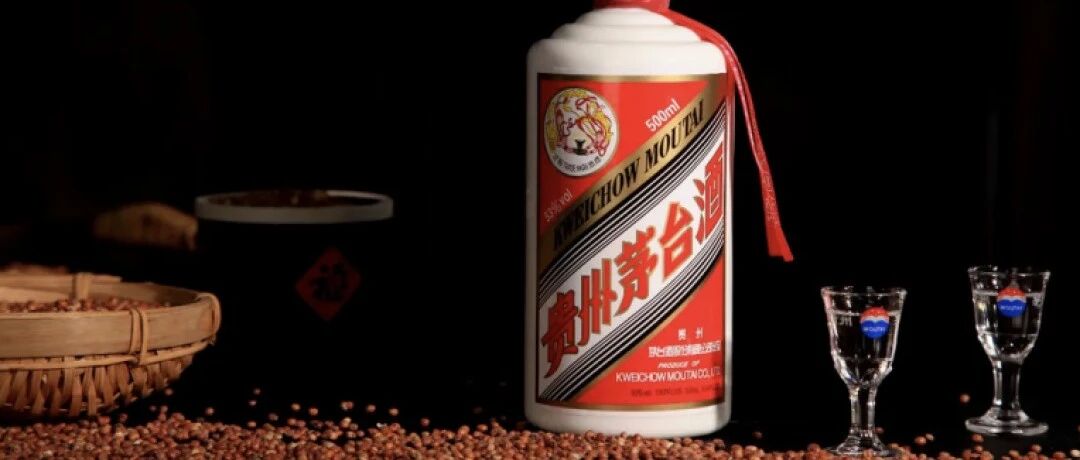
聚焦双十一|又想电商增量 又怕电商乱价?白酒企业面临两难局面
Di Yi Cai Jing· 2025-10-17 04:59
Core Viewpoint - The collaboration with e-commerce channels has become an unavoidable topic for liquor companies, as they seek new growth opportunities amidst declining traditional sales, while also facing challenges from aggressive low-price competition in the e-commerce space [1][2]. Group 1: Industry Trends - The liquor industry is undergoing deep adjustments, with major companies reporting varying degrees of sales decline in their half-year reports. The overall sales of white liquor during the recent Mid-Autumn and National Day holidays dropped by approximately 25%, primarily due to a significant contraction in group purchases and government-related markets [2]. - E-commerce platforms have shown strong growth in white liquor sales, with Meituan's white liquor category sales increasing by about 800% year-on-year during the last weekend before the holidays, and JD's overall white liquor sales during the holiday period rising by 109% year-on-year [2]. - The rapid growth of online liquor sales is not directly driven by liquor companies, which have historically undervalued e-commerce. However, the trend towards online and offline integration in liquor distribution is now evident [3]. Group 2: Pricing and Competition - The shift in liquor brands' attitudes towards e-commerce has moved from rejection to cooperation, as companies like Moutai and Fenjiu have begun to engage with e-commerce platforms to find new sales channels [4]. - Despite the desire to find new growth through e-commerce, the issue of low-price promotions disrupting offline markets remains unresolved, creating a core conflict between liquor companies and e-commerce platforms [4]. - Recent promotional activities have led to significant price drops for well-known liquor brands, with Moutai's price falling below 1700 yuan per bottle and Fenjiu's price dropping below 700 yuan per bottle, raising concerns among distributors about profitability [4]. Group 3: Market Dynamics - The current pricing chaos in the e-commerce liquor market is attributed to an oversupply in the industry, leading to a situation where e-commerce platforms can bypass liquor companies' control and offer low prices [6]. - E-commerce platforms are competing for market share by leveraging low prices, which has become a primary strategy in the industry. However, this approach is not sustainable without better cooperation between platforms and liquor companies [7]. - As online liquor sales continue to grow, the balance of power may shift towards e-commerce platforms, especially if liquor companies do not adapt to the changing market dynamics [7].
聚焦双十一|又想电商增量,又怕电商乱价?白酒企业面临两难局面
Di Yi Cai Jing· 2025-10-17 04:56
Core Insights - The rise of e-commerce has created both opportunities and challenges for the liquor industry, particularly for baijiu companies, as they seek to navigate low-price competition while trying to capture new market growth [1][2][6] Group 1: E-commerce Opportunities and Challenges - E-commerce has become a focal point for baijiu companies as traditional sales channels continue to decline, prompting a shift in strategy towards online platforms [2][6] - Despite the overall sales decline of approximately 25% during the recent holiday seasons, e-commerce platforms have seen significant growth, with sales on platforms like Meituan increasing by about 800% year-on-year [6] - The rapid growth of online sales is attributed to changing consumer habits and the ability of e-commerce to reach a broader audience, breaking traditional regional market barriers [6][7] Group 2: Price Competition and Market Dynamics - The aggressive pricing strategies employed by e-commerce platforms have led to a significant drop in prices for premium baijiu brands, with some products being sold below wholesale prices [7][9] - Baijiu companies are struggling to maintain their brand value as online low-price promotions undermine established pricing structures, leading to concerns about long-term profitability [8][9] - The current market dynamics are characterized by an oversupply of baijiu, which has allowed e-commerce platforms to operate outside the control of liquor companies, exacerbating the pricing conflict [8][9] Group 3: Future Outlook - Industry experts predict that the e-commerce market share for liquor sales could exceed 30% within the next three years, indicating a significant shift in the distribution landscape [6] - The ongoing tension between liquor companies and e-commerce platforms suggests that unless there is a collaborative approach to pricing and distribution, the conflict over low-price competition will persist [9]
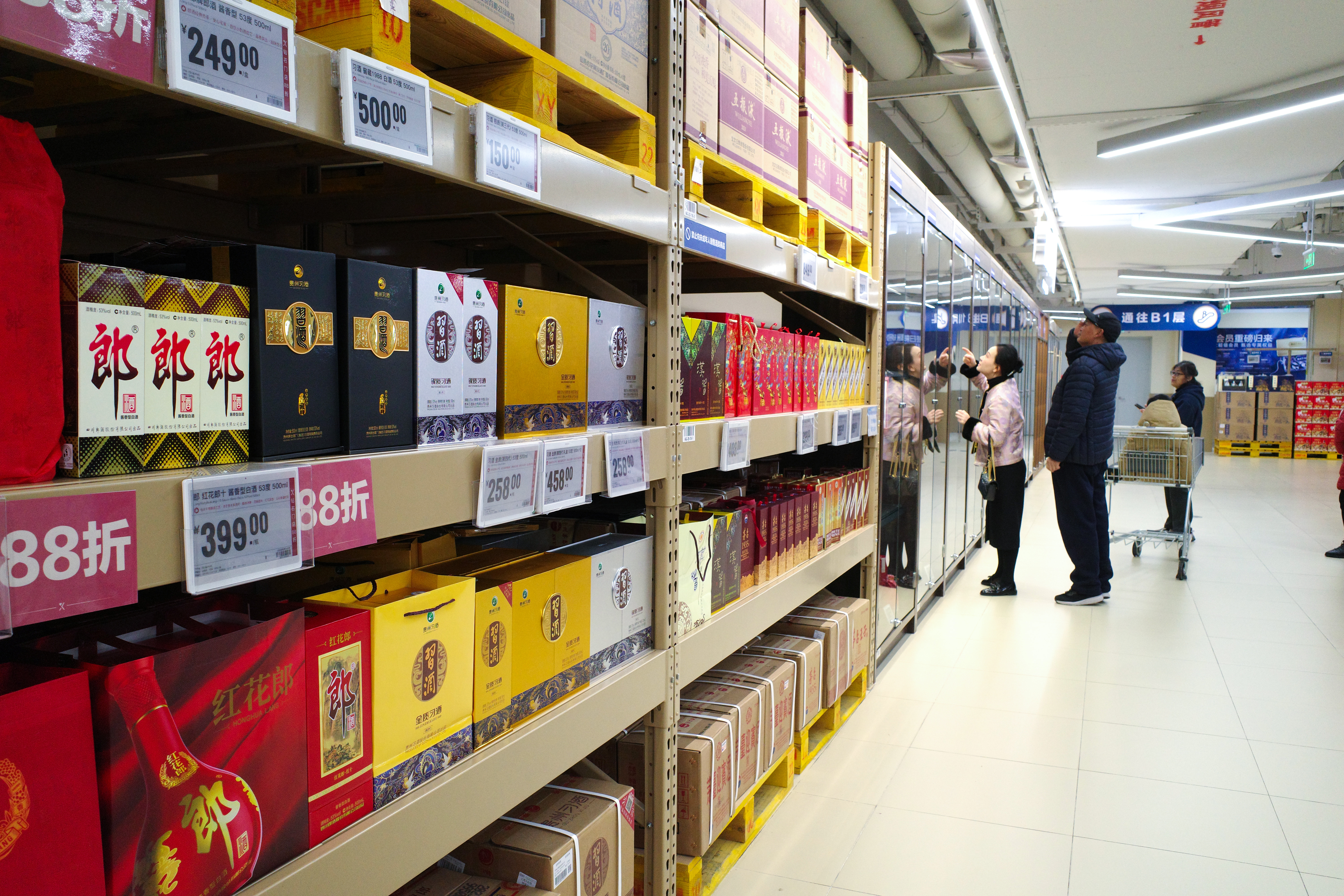
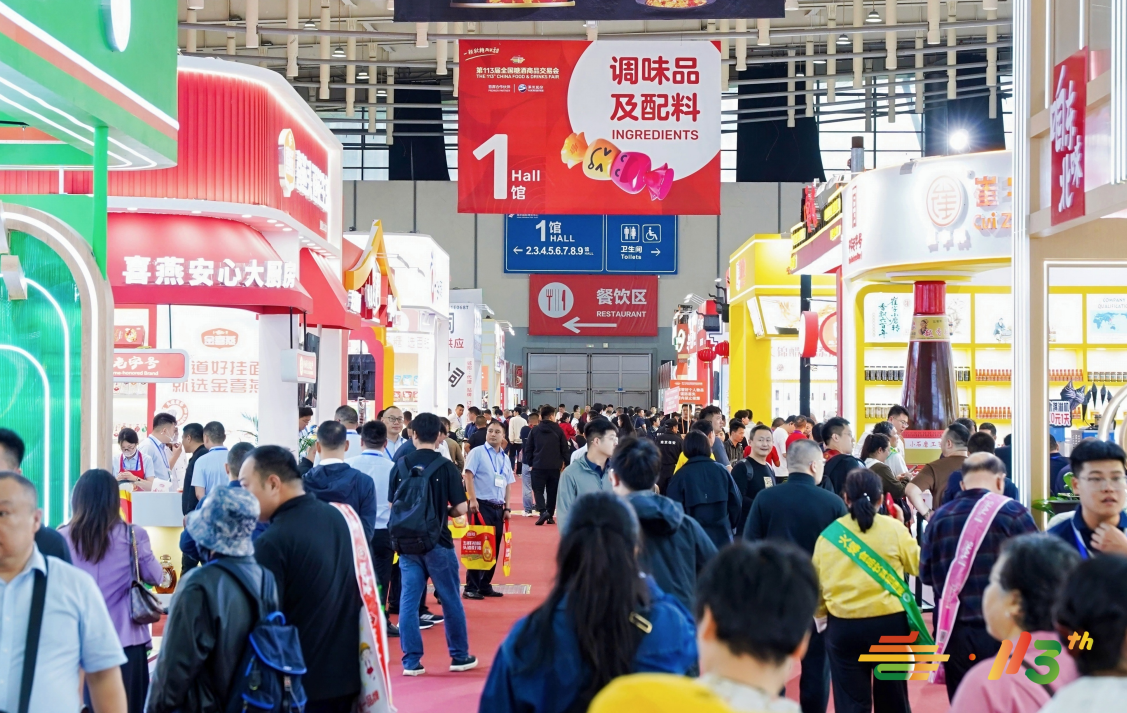
“四美新秋糖”绽放金陵,第113届全国糖酒会盛大开幕
Qi Lu Wan Bao· 2025-10-17 01:29
Core Insights - The 113th National Sugar and Wine Fair, a significant event in China's food and beverage industry, will take place on October 16, 2025, in Nanjing, focusing on the theme "Four Beauties of New Autumn Sugar" [1] - The fair aims to integrate urban resources and create a comprehensive platform for product trading, trend releases, industry collaboration, and consumer engagement [1] Group 1: Event Scale and Participation - The exhibition area for this year's fair is planned to cover 200,000 square meters, featuring 4,000 enterprises from 40 countries, including major categories like alcoholic beverages, drinks, snacks, and condiments [3] - Notable companies such as Moutai, Yanghe, Fenjiu, Mengniu, and others will participate, alongside 30 domestic exhibition groups and 12 international groups from countries like Italy and Russia [3] Group 2: Product Focus and Innovation - The fair emphasizes the "premiere" function, highlighting innovative, health-oriented, regional specialty, and technology-enabled products, with dedicated zones for smart manufacturing and health technology [5] - New retail channels, including instant retail and private domain e-commerce, will be invited to participate, with platforms like Meituan, JD.com, Douyin, and Kuaishou making their first appearances [6] Group 3: Industry Trends and Knowledge Sharing - The event will host 30 industry conferences, including the Food Industry Digital Development Conference, and release key publications like the "2025 China Food Trend White Paper" [8] - 40 universities and research institutions will showcase 1,500 technological achievements, focusing on topics like smart processing and precision nutrition [8] Group 4: Networking and Collaboration - The fair aims to create a "super network" by gathering 4,000 exhibitors, 400,000 attendees, and numerous industry associations and research institutions, fostering a collaborative ecosystem [9] - A high-end exchange platform, the "Qinhuai Night Talk: TOP30 Entrepreneurs Sharing Session," will be held, supported by the Ministry of Commerce [9] Group 5: Regional Economic Impact - The fair will leverage Nanjing's marketing potential through a "7+70+700" exhibition integration system, promoting various local events to stimulate consumer spending [11] - Nanjing has seen a rise in consumer activity, ranking as a top destination for cultural tourism during the National Day holiday, highlighting its suitability for hosting the fair [12] Group 6: Strategic Importance - The fair serves as a critical window connecting the "Golden September and Silver October" with the New Year and Spring Festival, providing a foundation for market expansion and injecting momentum into the national consumer market [14]