奔驰

Search documents
电力设备及新能源周报20250720:光伏产业链价格上行,6月变压器出口总额创新高-20250720
Minsheng Securities· 2025-07-20 11:55
电力设备及新能源周报 20250720 光伏产业链价格上行,6 月变压器出口总额创新高 2025 年 07 月 20 日 ➢ 本周(20250714-20250718)板块行情 电力设备与新能源板块:本周上涨 0.57%,涨跌幅排名第 15,弱于上证指数。 本周工控自动化涨幅最大,太阳能指数跌幅最大。工控自动化上涨 3.57%,新 能源汽车指数上涨 2.62%,核电指数上涨 1.95%,储能指数上涨 1.34%,锂电 池指数上涨 0.29%,风力发电指数下跌 0.75%,太阳能指数下跌 2.53%。 ➢ 新能源车:2025 年第二季度美国轻型车市场创下年内首次负增长 2025 年第二季度,美国轻型车市场出现了显著的结构变动。由于关税政策的 实施以及市场对价格上涨的预期,消费者提前进行了购车消费,导致需求被提 前透支,6 月销量同比下降 4.2%,至 128.8 万辆,第二季度销量增长 2.3%, 达到 4,207,796 辆,成为本年度首次出现的销量负增长情况。与此同时,美国 本地组装车型在总交付量中的占比从去年同期的 53.4% 上升至 54.8%,这一 数据变化直观反映出市场对本地制造车型的偏好正不断增强 ...

不要罢免鲍威尔,美财长当说客劝特朗普别动美联储主席
21世纪经济报道· 2025-07-20 11:16
据央视新闻报道,19日,有知情人士表示,美国财政部长贝森特最近私下向美国总统特朗普建 议不应该试图解雇美联储主席鲍威尔。贝森特认为,除去目前整体经济因素,美联储官员已经 发出信号,他们可能在年底前进行两次降息。 今年以来,特朗普多次批评鲍威尔并威胁解雇其美联储主席职务,以此施压美联储降息。近 期,特朗普政府又频繁提及美联储花费25亿美元翻修办公大楼且"成本超支"一事,对鲍威 尔"加码逼宫"。 来源丨央视新闻 编辑丨黎雨桐 外卖狂欢背后:羊毛出在谁身上? 韩国股民爆买中国股票! 降至90万,20日起执行!晚买1天贵十几万,豪车税大调整,波及奔驰、保时捷 SFC 21君荐读 贝森特警告,解雇鲍威尔可能带来经济、政治和法律后果。知情人士表示,贝森特的言论与特 朗普政府其他高级官员的观点不同。 ...

汽车行业深度:华为品牌强势上攻,尊界定义超豪华市场
Changjiang Securities· 2025-07-20 10:13
Investment Rating - The report maintains a "Positive" investment rating for the automotive industry [12]. Core Insights - The ultra-luxury market is expected to expand, with a projected space of approximately 500,000 vehicles in 2024, where BBA (Benz, BMW, Audi) and Porsche dominate 70% of the market, indicating a strong foreign brand presence [3][10]. - Huawei's ADS 4.0 upgrade and its technology, IP, brand, and channel empowerment are anticipated to redefine luxury in the automotive sector, potentially reshaping the competitive landscape for ultra-luxury vehicles in China [3][10]. - Domestic brands are expected to benefit from the rise of ultra-luxury vehicles, with a focus on companies like Seres, JAC Motors, BAIC Blue Valley, and BYD [3][10]. Summary by Sections Ultra-Luxury Market Expansion - The ultra-luxury market continues to grow, with significant potential for domestic brand replacement. In 2024, high-end, luxury, and ultra-luxury vehicle sales are projected to reach 4.164 million, 1.26 million, and 464,000 units respectively [7][21]. - The market is primarily driven by SUVs, which are expected to account for 69.9% of ultra-luxury vehicle sales in 2024, with brands like BMW, Porsche, Land Rover, and Mercedes-Benz leading the segment [7][30]. Electric and Intelligent Transformation - The penetration of electric vehicles is increasing, with the share of new energy vehicles in cars priced over 400,000 yuan rising from 3.21% in 2020 to 30.81% in 2024. Plug-in hybrids are the main driver of this growth [8][53]. - Domestic brands are leveraging their innovation capabilities in the intelligent sector, with a significant increase in market share for luxury SUVs from 2.5% in 2020 to 42.4% in 2024 [8][71]. Huawei's Role in the Market - Huawei's brand and technological capabilities are positioned to disrupt the ultra-luxury market, with the launch of the AITO M9 SUV leading the charge in the 400,000-600,000 yuan price range, achieving over 200,000 pre-orders within a year [9][74]. - The ultra-luxury sedan market remains largely unoccupied by domestic brands, presenting a significant opportunity for future growth [9][74]. Investment Recommendations - The report suggests focusing on companies like Seres, JAC Motors, BAIC Blue Valley, and BYD as they are well-positioned to capitalize on the emerging trends in the ultra-luxury vehicle market [10].

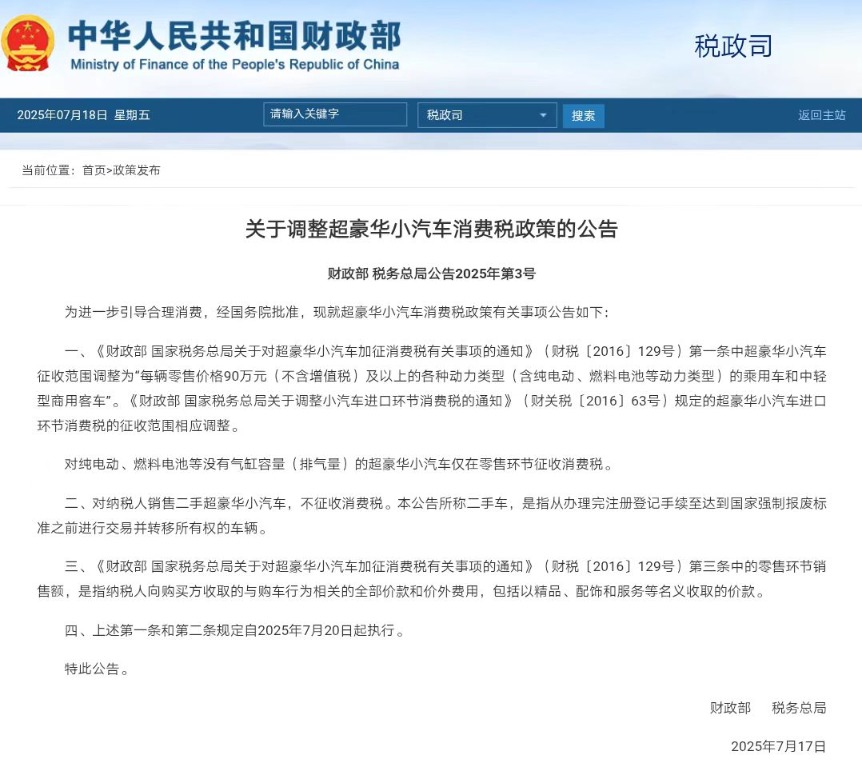
一夜涨价十几万!超豪华车征税标准调整,有车企推出“兜底”政策,行业专家认为“影响可控”
Mei Ri Jing Ji Xin Wen· 2025-07-20 08:06
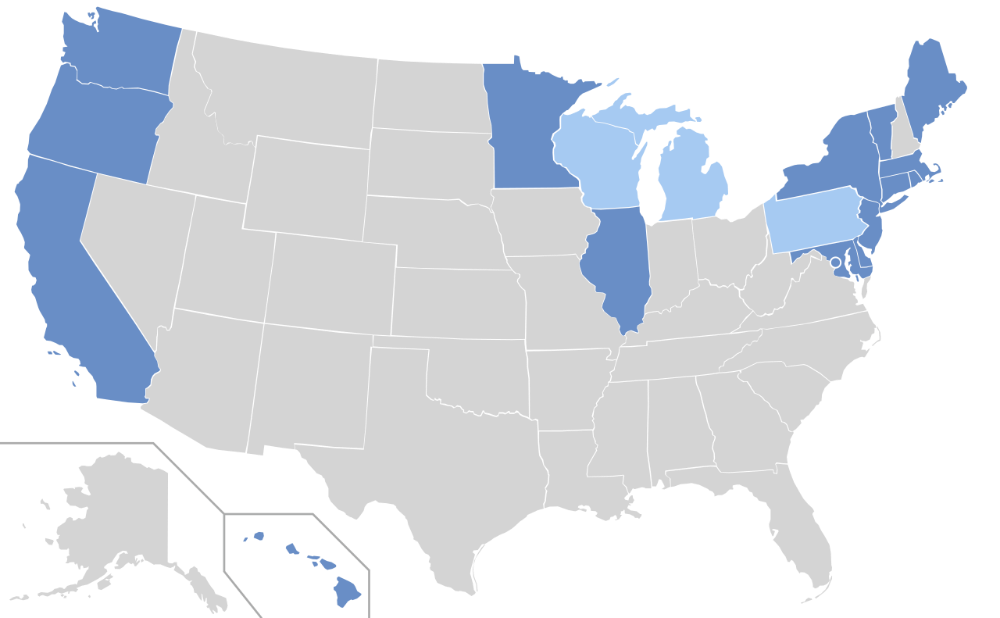
Core Viewpoint - The adjustment of the consumption tax policy for ultra-luxury cars in China has lowered the tax threshold from 1.3 million yuan to 900,000 yuan, effective from July 20, leading to significant price increases for certain luxury vehicles [1][5][4]. Group 1: Policy Changes - The new consumption tax policy now applies to ultra-luxury cars with a retail price of 900,000 yuan and above, including various power types [1][5]. - Previously, the threshold was set at 1.3 million yuan, indicating a substantial shift in the tax base [4][5]. - The new regulation is expected to create a price difference of approximately 10% for consumers purchasing vehicles just before the policy takes effect [5][6]. Group 2: Market Impact - Sales personnel from luxury car brands reported a surge in inquiries and purchases just before the policy change, indicating consumer urgency to avoid the new tax [5][6]. - Jaguar Land Rover has announced a temporary policy to absorb the additional tax costs for certain models until July 31, 2023, which may influence consumer purchasing decisions [6][19]. - The majority of affected vehicles fall within the price range of 1.017 million to 1.469 million yuan, with an estimated 20,000 units sold in the first half of the year, representing a small fraction of the overall luxury car market [19][22]. Group 3: Consumer Behavior - Consumers are encouraged to consider purchasing models priced below the new tax threshold to avoid additional costs, as demonstrated by sales personnel calculations [11][12]. - The price difference between models just below and above the threshold can lead to significant savings, prompting consumers to act quickly [11][12]. - The luxury car market is expected to see a shift in consumer preferences towards older models or those priced below the new tax threshold [11][12]. Group 4: Industry Expert Opinions - Industry experts suggest that the adjustment of the consumption tax threshold is a reasonable response to market conditions, as ultra-luxury vehicles represent a very small segment of the overall automotive market [22][23]. - The new tax policy is seen as a way to ensure tax compliance and stability in the market, emphasizing the importance of legitimate operations by dealers [22][23].
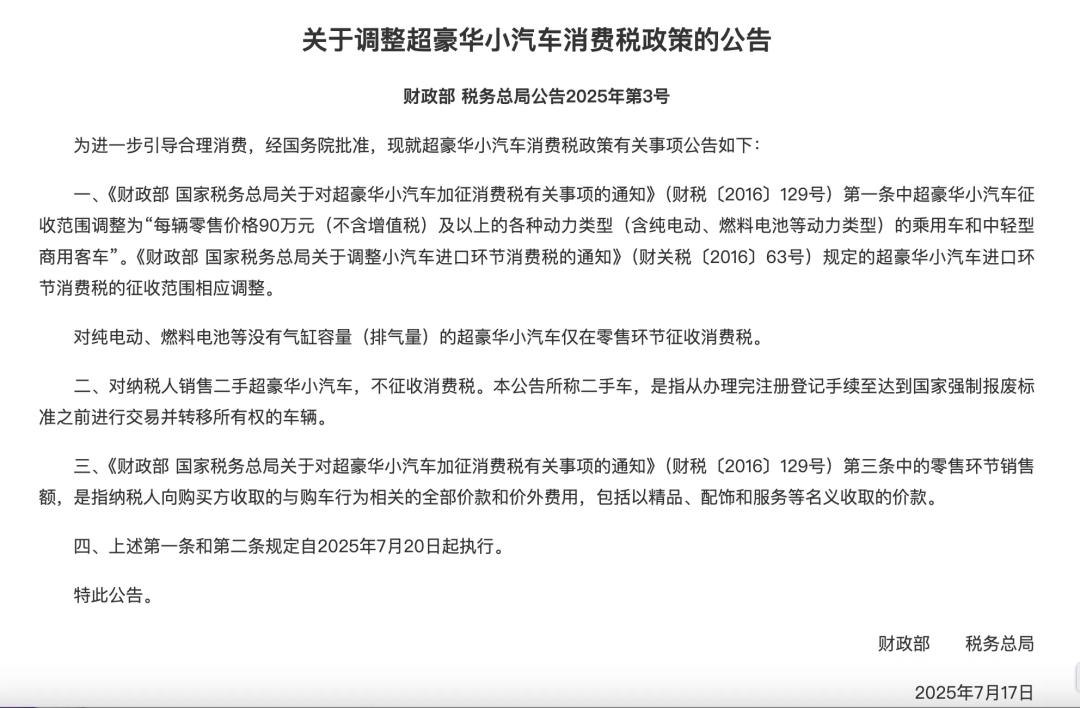
降至90万,明起执行!晚买1天贵十几万,豪车税大调整,波及奔驰、保时捷
凤凰网财经· 2025-07-19 12:58
Core Viewpoint - The new luxury car consumption tax policy, effective from July 20, 2025, introduces a 10% consumption tax on vehicles priced over 900,000 yuan (excluding VAT), marking a significant change since the establishment of the luxury car tax system in 2016 [2][7]. Group 1: Policy Changes - The scope of luxury car taxation has been adjusted to include all types of vehicles with a retail price of 900,000 yuan and above, including electric and fuel cell vehicles [5][7]. - The sale of second-hand luxury cars will not be subject to this consumption tax, defined as vehicles sold after registration but before reaching the mandatory scrapping standard [3][5]. - The new policy aims to guide reasonable consumption and promote energy conservation and emission reduction [7][19]. Group 2: Market Impact - The new tax regulation is expected to impact high-end brands like Porsche and Mercedes-Benz, which have significant sales in the affected price range [12][13]. - In the first half of 2025, approximately 37,000 new cars priced above 900,000 yuan were sold, with fuel vehicles still dominating the market despite a 41% year-on-year decline [13][14]. - The luxury car market has seen a decline in demand for imported vehicles, with a significant drop in import volumes since 2014, indicating a shift in consumer preferences towards domestic brands [13][14]. Group 3: Price Adjustments - Many luxury brands have experienced substantial price reductions, with some models seeing price cuts of over 50%, reflecting the competitive market environment [15][16]. - For instance, the Maserati Grecale SUV has seen its price drop from 650,000 yuan to as low as 368,000 yuan, indicating aggressive pricing strategies among luxury car manufacturers [16][17]. Group 4: Expert Opinions - Experts suggest that the impact of the new tax policy on luxury car sales will be manageable, as the affected sales volume represents a small fraction of the overall luxury car market [19][21]. - The adjustment is viewed as a structural tax reform that maintains overall tax stability while selectively increasing tax burdens in certain areas, which could enhance government revenue without significantly affecting consumer behavior [21][22].
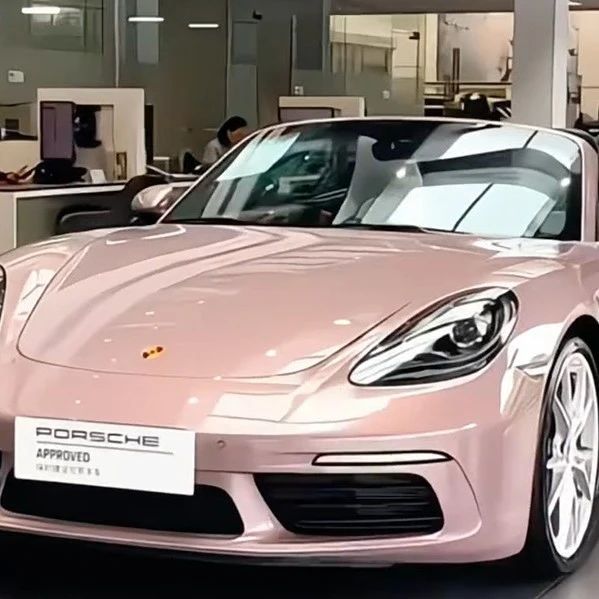
豪车税新规倒计时:保时捷掀抢购潮,销售称晚买两天贵十几万
财联社· 2025-07-19 06:02
Core Viewpoint - The new luxury car consumption tax policy, effective from July 20, 2025, lowers the tax threshold from 1.3 million yuan to 900,000 yuan, significantly impacting the sales of high-end brands like Porsche and Mercedes-Benz, which are expected to see increased consumer activity in the days leading up to the policy implementation [5][10][14]. Summary by Sections Tax Policy Changes - The new regulation expands the scope of luxury car consumption tax to include vehicles priced at 900,000 yuan (excluding VAT) and above, affecting various power types including electric and fuel cell vehicles [5][6]. - The previous tax threshold was set at 1.3 million yuan, meaning that new cars priced between 1.017 million yuan and 1.469 million yuan will now be subject to this tax [6][10]. Market Response - Porsche has experienced a surge in sales, with reports of selling seven cars in a single day as consumers rush to take advantage of the tax exemption before the new rules take effect [2][8]. - Sales representatives from Porsche noted that popular models like the 911 and Panamera are in high demand, with limited stock available [8][10]. Impact on Other Brands - Other luxury brands such as Mercedes-Benz and BMW will also be affected, with specific models like the S-Class and GLS falling under the new tax regulations [12]. - The luxury car market is expected to see a shift, with brands like Toyota's Alphard and Land Rover's Range Rover also impacted by the new tax policy [13]. Market Trends - The luxury car market has been facing challenges, with Porsche's sales in China dropping by 28% in 2024, and Mercedes-Benz experiencing a 7% decline in the same market [14][15]. - The new tax policy is seen as a response to the declining sales in the luxury segment, potentially leading to a further contraction in this market [15][16]. Future Outlook - The adjustment in tax policy may benefit domestic high-end brands, as the demand for imported luxury vehicles continues to decline [17]. - The overall luxury car market is anticipated to undergo significant changes as a result of this new tax regulation, potentially reshaping consumer preferences and brand strategies [18].
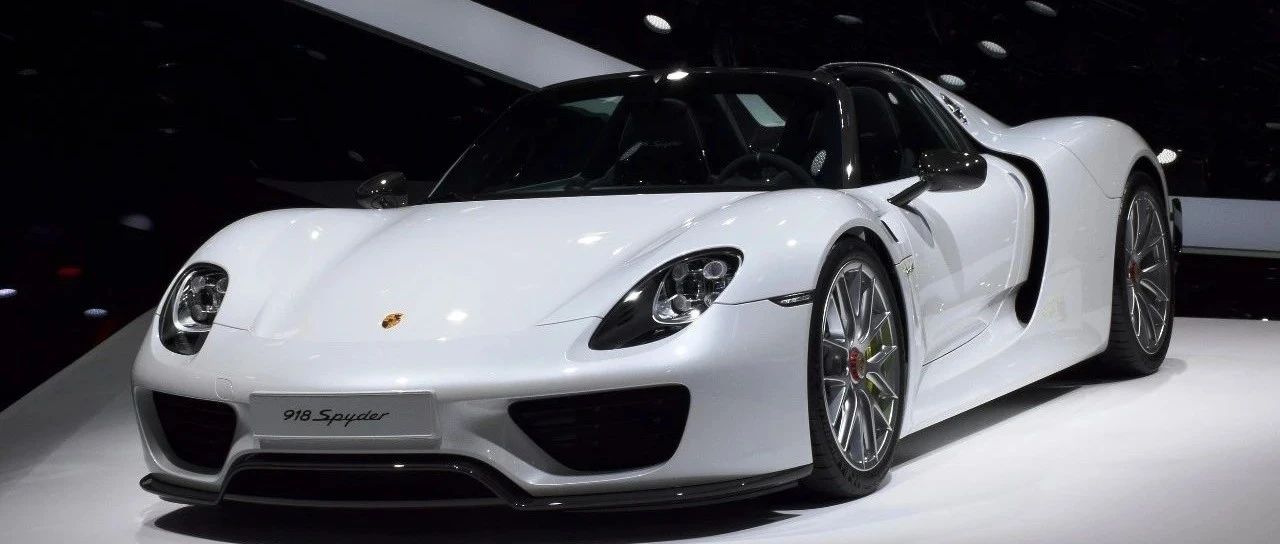
豪车税新规前夕保时捷掀抢购潮!销售:晚买一天贵十几万
新华网财经· 2025-07-19 05:12
Core Viewpoint - The new luxury car consumption tax policy in China lowers the threshold for taxation from 1.3 million yuan to 900,000 yuan, effective from July 20, 2025, impacting a wider range of vehicles, particularly affecting brands like Porsche and Mercedes-Benz [2][4][7]. Group 1: Tax Policy Changes - The new regulation expands the scope of luxury car consumption tax to include passenger cars and light commercial vehicles with a retail price of 900,000 yuan and above, excluding VAT [2][4]. - The previous tax threshold was set at 1.3 million yuan, meaning that vehicles priced between 1.017 million yuan and 1.469 million yuan will now be subject to the tax [4][7]. Group 2: Impact on Luxury Car Brands - Porsche is significantly affected by the new tax policy, with models like the 911, Panamera, Taycan, and high-end Cayenne now falling within the taxable range, leading to increased customer traffic and sales inquiries [5][7]. - Other brands such as Mercedes-Benz and BMW will also see some of their models, including the S-Class and GLS, impacted by the new tax regulations [8][9]. - The new tax policy is expected to drive consumers to make purchases before the tax takes effect, as buying before July 20 allows them to save tens of thousands of yuan [7]. Group 3: Market Dynamics - The luxury car market is experiencing a surge in demand, particularly for models that fall under the new tax threshold, while ultra-luxury brands like Maserati are struggling with declining sales and are resorting to significant discounts to clear inventory [11][20]. - In contrast, domestic luxury electric vehicles are gaining popularity, with brands like BYD and their models such as the Yangwang U8 and Zun Jie S800 seeing strong sales performance [25][31]. - The shift in consumer preferences towards domestic luxury vehicles indicates a changing landscape in the high-end automotive market, with more brands targeting the million-yuan price segment [31].

降至90万,明起执行!晚买1天贵十几万,豪车税大调整,波及奔驰、保时捷
21世纪经济报道· 2025-07-19 05:07
Core Viewpoint - The new luxury car consumption tax policy, effective from July 20, 2023, imposes a 10% consumption tax on vehicles priced over 900,000 yuan (excluding VAT), marking a significant change since the establishment of the luxury car tax system in 2016 [1][3][17]. Group 1: Policy Changes - The tax threshold for luxury cars has been lowered from 1.3 million yuan (including tax) to 900,000 yuan, affecting a broader range of vehicles [3][17]. - The new policy exempts the sale of second-hand luxury cars from consumption tax [2]. Group 2: Market Impact - The new tax regulation is expected to impact high-end brands like Porsche and Mercedes-Benz, which have significant sales in the affected price range [6][7]. - In the first half of 2025, approximately 37,000 new cars priced above 900,000 yuan are projected to be sold, with fuel vehicles still dominating the market despite a 41% year-on-year decline [7]. Group 3: Sales Trends - The demand for luxury imported cars has been declining, with a notable drop in imports from a peak of 1.43 million units in 2014 to an estimated 700,000 units in 2024 [8]. - Sales of luxury brands such as Bentley and Rolls-Royce have seen significant declines, with import volumes dropping by 20% to 39% in early 2025 [8]. Group 4: Price Adjustments - Many luxury car brands are experiencing price reductions, with some models seeing price cuts of over 50% [15]. - The average price of luxury cars has adjusted to align with the new tax base, reflecting market changes since the original tax policy was established [17]. Group 5: Expert Opinions - Experts believe the impact of the new tax policy on luxury car sales will be manageable, as the consumer base for luxury vehicles remains stable and affluent [16][19]. - The policy is seen as a structural tax reform that maintains overall tax stability while adjusting specific areas to enhance fairness and compliance [19].
美国的九大关税
Hu Xiu· 2025-07-19 02:31
Core Viewpoint - The article discusses the impact of Trump's tariffs, particularly the nine industry-specific tariffs based on national security concerns, which are more stringent than reciprocal tariffs based on trade deficits [1][3]. Group 1: Steel and Aluminum - Trump announced a 25% tariff on steel and a 10% tariff on aluminum in 2018, which were later reinstated and increased to 50% in 2025 [4][6][7]. - The tariffs primarily target Canada, which accounts for over 20% of U.S. steel imports and nearly half of aluminum imports, followed by the EU and Japan [9]. - The tariffs have significant political implications, especially in key swing states like Wisconsin, Michigan, and Pennsylvania, which are crucial for elections [13][14][15]. Group 2: Copper - A 50% tariff on copper was announced, affecting various copper products, with the U.S. relying on imports for about half of its copper needs [16][17]. - Chile is a major copper supplier, contributing to a quarter of global supply, while China and other Asian countries hold significant copper reserves [18][19]. Group 3: Automotive and Parts - A 25% tariff on imported cars and parts was implemented, impacting a market where the U.S. imports over $300 billion worth of vehicles annually [22][23]. - The primary countries affected include Mexico, Japan, South Korea, Germany, Canada, and the UK, with Mexico being the most impacted [24][25]. - The tariffs are expected to influence U.S. automakers significantly, as they rely heavily on imported parts, with nearly 60% of parts being imported [25][32]. Group 4: Commercial Aircraft and Jet Engines - The U.S. imports more commercial aircraft and jet engines than it exports, with a trade deficit of $33 billion in 2024 [40]. - Nearly 50% of these imports come from the EU, with significant contributions from Canada and the UK [41]. Group 5: Wood Products - The U.S. is investigating tariffs on imported wood products, citing national security concerns due to military construction needs [43][45]. Group 6: Pharmaceuticals - The U.S. imports about 80% of its generic drugs and half of its brand-name drugs, with significant imports from Ireland and China [46][48]. - The U.S. has raised concerns about trade imbalances with Ireland, where many pharmaceutical companies have established operations [48]. Group 7: Semiconductors - The semiconductor industry is under scrutiny for potential tariffs, as the U.S. imports $200 billion more in semiconductors than it exports [51]. - Major suppliers include mainland China, Taiwan, and Mexico, with a significant reliance on foreign production [52]. Group 8: Critical Minerals - The U.S. is heavily reliant on imports for critical minerals, with 12 out of 50 minerals fully imported and 28 more than half imported [53][54]. - South Africa and Canada are the largest suppliers, while China dominates the rare earth imports [55]. Group 9: Manufacturing Employment - The article notes a decline in U.S. manufacturing jobs from 17 million to 13 million over the past 30 years, with tariffs aimed at bringing jobs back to the U.S. [58]. - The transition of supply chains is complex and varies by industry, with manufacturing sectors like automotive facing longer timelines for relocation [59][60].
超豪车消费税起征点降到90万,电车也要征!会有哪些变化?
Nan Fang Du Shi Bao· 2025-07-18 15:59
Core Viewpoint - The recent adjustment of the consumption tax on ultra-luxury cars by the Ministry of Finance and the State Taxation Administration has raised significant industry attention, with changes effective from July 20, 2025. The new regulations lower the tax threshold and include new energy vehicles, impacting pricing and market dynamics [3][5][9]. Group 1: Tax Adjustments - The consumption tax threshold has been significantly lowered from 1.3 million to 900,000 (excluding VAT), expanding the range of vehicles subject to taxation [3][4]. - New energy vehicles, previously exempt due to their environmental benefits, will now be taxed if priced above 900,000 (excluding VAT), reflecting a principle of tax equity between fuel and electric vehicles [3][4]. - The taxation process for new energy vehicles will only apply at the retail stage, with a 10% consumption tax, while traditional fuel vehicles will continue to be taxed at both production/import and retail stages [3][4]. Group 2: Market Impact - The new policy is expected to increase costs for consumers purchasing vehicles priced between 900,000 and 1.3 million, potentially leading to price adjustments by luxury brands [4][9]. - The second-hand ultra-luxury car market will benefit from tax exemptions on transactions, likely enhancing liquidity and improving the resale value of these vehicles [4][9]. - The expanded tax base aims to prevent tax evasion by including all related costs in the retail sales figure, ensuring a more comprehensive taxation approach [4][6]. Group 3: Industry Reactions - Industry experts have mixed views on the impact of the new tax policy, with some suggesting it may further compress the sales space for luxury vehicles, while others believe it reflects reasonable adjustments to market conditions [5][9]. - Data indicates a decline in the import of ultra-luxury vehicles, with a 10% drop in 2023 and a projected 12% decrease in 2024, highlighting ongoing challenges in the luxury car market [6][8]. - The luxury car market is expected to see price increases as manufacturers adjust to the new tax structure, with some predicting a rise in the prices of both new and second-hand luxury vehicles [9][10].