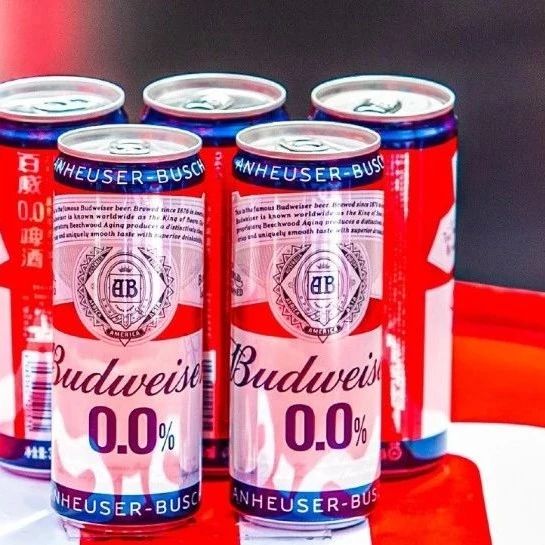
华润啤酒

Search documents
百威亚太(01876)2025年Q1业绩再下滑:高端化“失速”,破局急不可待?
智通财经网· 2025-05-11 02:02
Core Viewpoint - Budweiser APAC is facing significant challenges as evidenced by declining sales, revenue, and net profit in both the first quarter of 2025 and the full year of 2024, indicating pressure on the company's growth strategy [1][4][5] Financial Performance Summary - In Q1 2025, total sales volume was approximately 1.974 billion liters, a decrease of 6.1% year-on-year; revenue was $1.461 billion, down 7.5%; gross profit was $745 million, also down 7.5%; and net profit was $234 million, reflecting an 18.47% decline [1] - For the full year 2024, revenue was $6.246 billion, a decline of 8.9%; net profit was $750 million, down 14.77%; and sales volume was 8.48 billion liters, a decrease of 8.8% [1] - The stock price of Budweiser APAC has dropped over 40% since 2024, currently trading just above 8 HKD [1] Market Dynamics - The Chinese market is crucial for Budweiser APAC, contributing over 75% of revenue in 2022, but has recently shown a "volume and price drop" due to weak domestic beer consumption [2] - In 2024, the Chinese market saw a sales volume and price decline of 11.8% and 1.4% respectively, with a market share decrease of 1.49 percentage points [2] - Conversely, the Indian market has shown strong growth, with revenue growth close to 20% in both 2024 and Q4, positioning it as one of the top four global markets for the company [2] Competitive Landscape - Budweiser APAC's high-end market share in China has declined from nearly 50% in 2015 to around 40% currently, as local brands gain market share [6] - The competition in the high-end beer segment has intensified, particularly in the 8 RMB price range, which has become a key battleground for market share [7][8] - The overall beer production in China decreased by 0.6% in 2024, while the high-end beer market is expected to reach 280 billion RMB, accounting for 40% of the total market [8] Strategic Adjustments - The new CEO, Cheng Yanjun, is focusing on strengthening the Budweiser and Harbin beer brands and optimizing supply chains while deepening local market engagement [6][10] - Budweiser APAC is shifting its strategy to include more competitive pricing in the 8-10 RMB range to enhance its market position [8][9] - Future strategies will likely involve product innovation, channel diversification, and enhanced supply chain efficiency to address the challenges posed by local brands and changing consumer trends [9][10]

江苏南京:好产品不分内外 好市场就在脚下
Nan Jing Ri Bao· 2025-05-11 01:21
Group 1 - The "Foreign Trade Quality Products Nanjing Event" showcased around 160 high-quality foreign trade companies from the Nanjing metropolitan area, highlighting the vibrant market and consumer interest in foreign products [1] - Nanjing Codier International Trade Co., Ltd. is actively transitioning to domestic sales after successful participation in recent trade shows, indicating a strong domestic market potential [1][2] - The event facilitated cross-regional cooperation among 42 companies from neighboring cities, promoting resource sharing and collaborative development within the metropolitan area [2] Group 2 - Major retailers such as Red Star Macalline and CR Vanguard participated in the event, with over 60 types of foreign trade products now available in Suqian stores, significantly reducing the product introduction cycle to 14 working days [3] - Jiangsu Yijian Tong Information Technology Co., Ltd. is expanding its sales categories beyond digital products, aiming to create win-win situations for foreign trade companies through its enterprise purchasing platform [3]
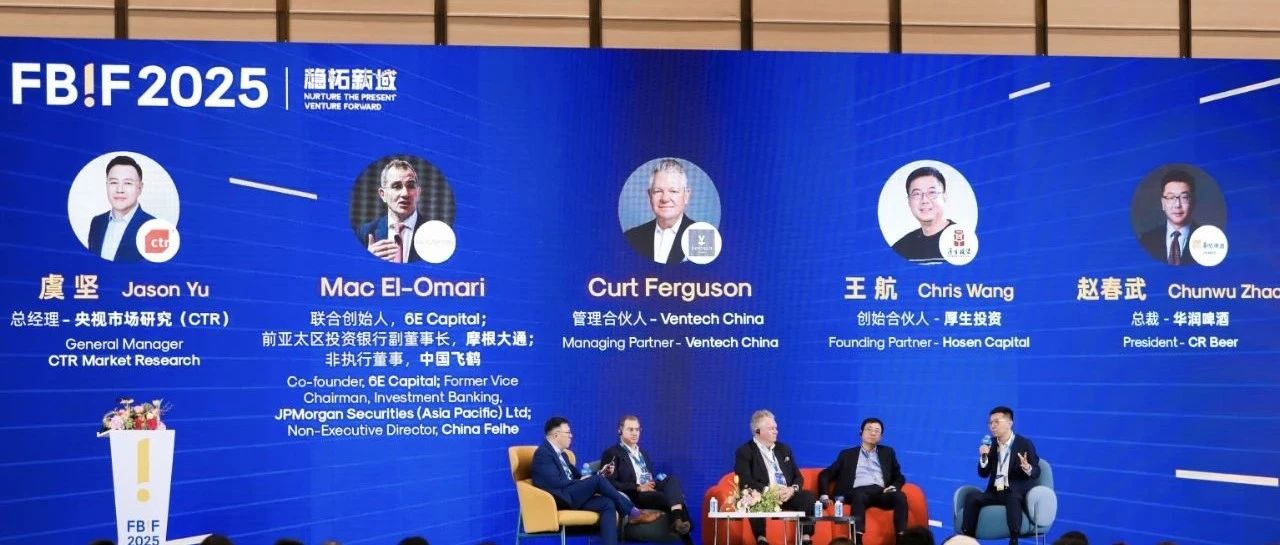
如何从“高速增长”转向“高质量增长”?FBIF2025,全球食品品牌稳拓新域!
FBIF食品饮料创新· 2025-05-10 15:07
Core Viewpoint - The theme of FBIF2025 is "Stabilizing and Expanding New Domains," addressing the critical question of how companies can maintain their core business while exploring new growth opportunities in a challenging consumer market [3][11]. Group 1: Industry Challenges and Strategies - The food and beverage industry has transitioned from extensive growth to a focus on refined operations and strategic resilience, driven by challenges such as rising supply chain costs, fragmented channels, and evolving health demands [3][4]. - Companies must balance "stability" in core operations with "expansion" into new markets and technologies, navigating the complexities of maintaining growth in a competitive landscape [4][18]. Group 2: Key Insights from Industry Leaders - Various industry leaders, including McDonald's China, Yili, and PepsiCo, shared insights on growth, AI, digitalization, supply chain, and marketing during the conference [4][11]. - The conference highlighted the importance of long-term thinking, organizational resilience, and cultural adaptability in achieving sustainable growth [12][16]. Group 3: Market Trends and Consumer Behavior - The Chinese fast-moving consumer goods market grew by 4.2% year-on-year in Q1 2025, with local brands showing strong growth of 5.8%, while imported products declined by 1.7% [16]. - Emerging consumer trends such as the "single economy" and "silver economy" are injecting vitality into the market, prompting companies to adapt their strategies accordingly [16]. Group 4: Innovations in Retail and Supply Chain - The integration of AI in retail is seen as a revolutionary change, with companies encouraged to embrace digitalization while focusing on solving real business problems [25][27]. - The concept of a "smart supply chain" is gaining traction, emphasizing the need for a demand-driven, dynamic supply chain network that can adapt to uncertainties [41][43]. Group 5: International Expansion Strategies - Companies like Dongpeng Beverage and Yili are actively pursuing international markets, with strategies focusing on long-term planning, local market understanding, and leveraging supply chain advantages [51][55]. - Dongpeng's approach includes exploring various market entry modes, while Yili emphasizes global collaboration and local adaptation in its international strategy [53][59]. Group 6: Mergers and Acquisitions - The discussion on mergers and acquisitions highlighted the importance of cultural integration and talent retention, with a focus on building a compatible corporate culture [62][66]. - Chinese companies are encouraged to adopt a long-term perspective in acquisitions, ensuring that they do not fall into the trap of viewing mergers as an endpoint [62][68].

青岛啤酒要卖黄酒了
Sou Hu Cai Jing· 2025-05-10 11:42
Core Viewpoint - Qingdao Beer plans to acquire 100% equity of Jimo Huangjiu Factory for 665 million yuan, aiming to enhance industry synergy and competitiveness in the beverage market [2][4][9]. Group 1: Acquisition Details - The acquisition involves Qingdao Beer purchasing the entire stake from Xinhua Jin Group and Shandong Lujin Import and Export Group, with a total consideration of 665 million yuan plus any profit or loss adjustments during the price adjustment period [2][4]. - Jimo Huangjiu, established in 1949, is a well-known brand in the Chinese Huangjiu market, recognized for its unique flavor profile [4][8]. - In 2024, Jimo Huangjiu reported a revenue of 166 million yuan, a year-on-year increase of 13.5%, and a net profit of 30.47 million yuan, up 38% [4]. Group 2: Market Context - The beer industry is facing intensified competition, with major players like Qingdao Beer experiencing revenue declines; in 2024, Qingdao Beer reported a revenue of 32.138 billion yuan, down 5.3% from the previous year [9][11]. - The overall beer market in China saw a slight decline in production, with a total output of 35.213 million kiloliters in 2024, down 0.6% year-on-year [11]. - As part of a broader trend, beer giants are diversifying their portfolios; for instance, China Resources Beer has entered the white liquor market, while Qingdao Beer is expanding into Huangjiu [11][12]. Group 3: Strategic Implications - The acquisition is expected to broaden Qingdao Beer's product line and market channels, providing consumers with more diverse options and enhancing market influence [8][9]. - The integration of Jimo Huangjiu is anticipated to create complementary sales effects between beer and Huangjiu products, potentially opening new growth avenues for Qingdao Beer [8][9]. - The Huangjiu market, while smaller than beer, is characterized by regional strengths and specific consumer preferences, with Jimo Huangjiu representing the northern style of Huangjiu [13][14].
青岛啤酒6.65亿并购黄酒厂,能否打造业绩增长新引擎?
Sou Hu Cai Jing· 2025-05-09 15:25
Core Viewpoint - Qingdao Beer has announced a significant acquisition of Shandong Jimo Yellow Wine Factory for 665 million yuan, marking a strategic move to diversify its business beyond beer and tap into the yellow wine market [1][3]. Group 1: Acquisition Details - The acquisition involves Qingdao Beer fully acquiring Jimo Yellow Wine, a company with over 70 years of history known for its "Jimo Old Wine" and a diverse product line including yellow wine, sparkling wine, and white liquor [1]. - The investment of 665 million yuan aims to integrate Jimo Yellow Wine as a wholly-owned subsidiary, enhancing Qingdao Beer's product offerings and market reach [1]. Group 2: Industry Context - The beer industry is facing growth challenges, with domestic market saturation leading to declining sales and revenue, prompting companies like Qingdao Beer to seek new growth avenues [3]. - The seasonal sales complementarity between beer and yellow wine is seen as a potential solution to Qingdao Beer's fourth-quarter losses, as beer sales peak in summer while yellow wine performs better in spring and winter [3]. Group 3: Diversification Strategy - Qingdao Beer is accelerating its diversification efforts, as indicated by its strategic restructuring with Qingdao Beverage Group, which includes brands in various alcoholic beverage categories [4]. - The challenges of diversification are highlighted by the example of China Resources Beer, which faced difficulties in its foray into the white liquor market despite significant investment [4]. - The success of Qingdao Beer's expansion into the yellow wine sector remains uncertain, as the overall yellow wine market is experiencing a decline [3][4].

华润啤酒:2024年啤酒销量承压,内生盈利能力继续提升-20250509
Guoxin Securities· 2025-05-09 11:05
Investment Rating - The investment rating for China Resources Beer is "Outperform the Market" [6][12]. Core Views - In 2024, the company's revenue is projected to be 38.64 billion yuan, a decrease of 0.8% year-on-year, with a net profit of 4.74 billion yuan, down 8.0% year-on-year. Beer sales are under pressure, with a 2.5% decline in volume due to weak consumer demand and adverse weather conditions [1][9]. - The company continues to improve its product mix, with high-end product sales growing over 9%, and the average selling price of beer increasing by 1.5% year-on-year [1][10]. - The company is optimistic about its future outlook, expecting a recovery in sales in 2025, driven by ongoing cost control measures and a focus on high-end products [3][11]. Summary by Sections Financial Performance - In 2024, the beer business revenue decreased by 1.0%, while the white liquor business revenue increased by 4.0%. The overall revenue for 2024 is 38.64 billion yuan, with a net profit of 4.74 billion yuan [1][9]. - The company's core EBITDA increased by 3.0% year-on-year, indicating strengthened internal profitability despite a decline in apparent profits due to reduced government subsidies and increased tax rates [2][10]. Future Projections - For 2025-2027, the company is expected to achieve total revenue of 39.48 billion, 40.37 billion, and 41.33 billion yuan, respectively, with year-on-year growth rates of 2.2%, 2.3%, and 2.4% [3][12]. - The projected net profit for the same period is 5.20 billion, 5.54 billion, and 5.87 billion yuan, reflecting growth rates of 9.6%, 6.7%, and 5.9% [3][12]. Market Position - The company maintains a strong position in the high-end beer market, with brands like Heineken showing nearly 20% growth and other premium products experiencing significant increases [1][9]. - The current valuation is considered low, with price-to-earnings ratios of 17, 15, and 15 for 2025, 2026, and 2027, respectively, supporting the "Outperform the Market" rating [3][12].

青岛啤酒 6.65 亿元跨界黄酒:主业承压下的多元化突围与协同效应考验
Xin Lang Zheng Quan· 2025-05-09 09:22
Core Viewpoint - Qingdao Beer is strategically shifting towards diversification by acquiring 100% equity of Shandong Jimo Yellow Wine Factory for 665 million yuan, in response to stagnating growth in its core beer business [1][2] Group 1: Beer Business Challenges - Qingdao Beer has faced significant growth pressure, with 2024 revenue declining by 5.3% to 32.138 billion yuan, ending three consecutive years of growth [2] - Net profit for 2024 was 4.345 billion yuan, showing only a 1.81% increase, a sharp decline from the previous year's 17.59% growth [2] - Beer sales volume dropped by 5.9% to 7.54 million tons, marking two consecutive years of negative growth, with mid-to-high-end product sales also declining for the first time [2] Group 2: Yellow Wine Acquisition - The acquisition of Jimo Yellow Wine is seen as a strategic move to enhance Qingdao Beer's product portfolio, with Jimo Yellow Wine achieving 2024 revenue of 166 million yuan and a net profit of 30.47 million yuan, both showing significant growth [3] - The complementary nature of beer and yellow wine consumption patterns is highlighted, as beer sales peak in summer while yellow wine is favored in autumn and winter [3] - However, the yellow wine industry faces regional limitations, with leading companies like Kuaijishan and Guyue Longshan deriving over 50% of their revenue from specific regions, indicating slow national expansion [3] Group 3: Synergy and Challenges - Qingdao Beer aims to leverage its extensive distribution network of 11,600 dealers covering over 90% of county-level markets to support Jimo Yellow Wine's growth [4] - The integration of Jimo Yellow Wine into Qingdao Beer's existing beverage portfolio poses challenges, including consumer perception differences and potential brand conflicts [4] - The competitive landscape is intense, with established yellow wine brands having a significant head start in national markets, raising questions about Jimo Yellow Wine's ability to differentiate itself [4] Group 4: Industry Trends - The acquisition reflects a broader trend in the beer industry, where major players are diversifying to create multi-category portfolios amid intense competition [5] - Financially, Jimo Yellow Wine's contribution to Qingdao Beer's profits is minimal, accounting for only 0.7% of total net profit, indicating that the strategic value may outweigh immediate financial benefits [5] - The move is part of a larger strategy to mitigate risks associated with the cyclical nature of the beer business and tap into the health and wellness market through yellow wine's perceived benefits [5] Group 5: Future Outlook - The acquisition signifies a shift from single-category competition to a multi-faceted ecosystem in the Chinese alcohol industry, driven by consumer trends and market dynamics [6] - The success of this transition will depend on the ability to reconstruct consumption scenarios, iterate product logic, and enhance organizational capabilities [6] - The potential for Jimo Yellow Wine to become a significant growth driver for Qingdao Beer remains uncertain, as the company navigates the complexities of this new venture [6]
白酒需求回暖价格回稳 机构看好今年业绩或呈先抑后扬走势(附概念股)
Zhi Tong Cai Jing· 2025-05-09 01:39
Group 1: Industry Overview - The overall revenue of the liquor industry experienced slight growth during the Spring Festival season, but the growth rate has declined compared to 2024, indicating that the industry is still in an adjustment period [1] - High-end liquor showed stable growth, while the revenue growth of mid-range liquor approached zero, leading to increased differentiation among real estate liquor and other types [1] - As of May, the liquor industry is transitioning from a traditional off-season to a small peak season during the May Day and Dragon Boat Festival, with expectations for mainstream product prices to stabilize due to recovering demand [1] Group 2: Market Insights - Dongwu Securities maintains a positive mid-term outlook for the liquor sector, emphasizing the importance of positioning over timing, and suggests monitoring indicators such as the stability of Moutai's prices and changes in channel inventory [1] - China International Capital Corporation (CICC) indicates that the liquor sector is facing a demand gap, but the risk of further decline is limited as the demand is at a historical low [2] - CICC expects that the liquor demand will gradually recover, supported by a relatively loose policy environment and low base effects from the previous year [2] Group 3: Company Specifics - Zhenjiu Lidu (06979) has been developed into a leading private liquor enterprise in China, with its main brands contributing 65.2%, 15.8%, and 17.4% to the revenue in 2023, respectively [3]
青岛啤酒主业进入瓶颈期,黄酒和饮料能拉动它的业绩吗?
Xin Lang Cai Jing· 2025-05-08 13:24
Core Viewpoint - Qingdao Beer announced the acquisition of 100% equity in Shandong Jimo Huangjiu Brewery for 665 million yuan, marking its first entry into the Huangjiu sector, aimed at diversifying its business and creating new growth points amid declining beer sales [1][2] Group 1: Acquisition Details - The acquisition price includes 6.65 billion yuan and the amount of profit and loss during the price adjustment period [1] - Jimo Huangjiu has a registered capital of 55 million yuan, with total assets of 908 million yuan and net assets of 203 million yuan as of the end of 2024 [1][3] - The acquisition is expected to complement Qingdao Beer's seasonal sales fluctuations, enhancing product diversity and market channels [3] Group 2: Financial Performance - Qingdao Beer reported a 5.30% decline in revenue in 2024, while net profit grew by 1.81%, indicating a slowdown in growth [1][2] - Jimo Huangjiu achieved revenue of 166 million yuan in 2024, a year-on-year increase of 13.5%, with net profit of 30.47 million yuan, up 38% [3] Group 3: Market Context - The beer industry is facing a shift towards stock competition, with major players seeking new growth drivers due to declining sales [1][4] - The Huangjiu market is characterized by strong regional branding but has not seen significant growth compared to beer and other spirits [6][7] - The beverage industry is also experiencing intense competition, with packaging drinking water's market share dropping below 50% [7] Group 4: Strategic Implications - The acquisition reflects a broader trend among beverage giants exploring diversification in response to market saturation [4][5] - Qingdao Beer aims to leverage its extensive distribution network of 11,622 dealers to enhance the market presence of Jimo Huangjiu and other regional brands [3] - The effectiveness of this diversification strategy remains uncertain, as the integration of different alcoholic beverages poses management challenges [4][5]
百威亚太再陷裁员风波,新CEO能否力挽狂澜?
凤凰网财经· 2025-05-08 13:04
Core Viewpoint - Budweiser Asia Pacific is reportedly planning to cut approximately 15% of its operating costs, including thousands of layoffs, particularly affecting its Chinese operations, which account for over 80% of its total workforce. Despite the company's denial of these claims, market skepticism remains due to its declining performance in the region [2][3][4]. Group 1: Performance Pressure and Layoff Rumors - Budweiser Asia Pacific's 2024 financial report shows a revenue of $6.246 billion, a decrease of 8.9% year-on-year, with gross profit down 8.86% to $3.147 billion and net profit down 14.79% to $726 million [4]. - In the Chinese market, Budweiser's sales plummeted by 11.8%, with revenue and revenue per hectoliter declining by 13% and 1.4%, respectively, leading to a market share drop of 1.49 percentage points [4][5]. - The company employed over 21,000 staff in 2024, down from approximately 25,000 in 2023, indicating a reduction of about 4,000 employees, or 16% [5]. Group 2: Industry Context and Competitive Landscape - The beer industry is entering a phase of stock competition, making cost control a crucial strategy for companies [8]. - The trend towards premiumization in the domestic beer market has intensified competition, with brands like China Resources Beer and Qingdao Beer accelerating their high-end strategies, posing a direct threat to Budweiser's market share [10][11]. - Emerging craft beer brands are also challenging Budweiser by focusing on differentiation and consumer experience, appealing to younger consumers [12]. Group 3: Leadership Change and Strategic Direction - Following a disappointing financial report, Budweiser Asia Pacific announced a leadership change, with Jan Craps stepping down and Cheng Yanjun taking over as CEO [15][16]. - The new CEO aims to refocus on Budweiser and Harbin Beer brands, leveraging the potential of non-immediate consumption channels in China, where only one-third of stores sell Budweiser products [17]. - The success of this strategic shift will depend on balancing global resources with local market insights, particularly in optimizing supply chains and addressing the challenges of a competitive high-end market [17][19].