
抖音

Search documents
草根赛事持续升温 撬动地方经济新增长
Zheng Quan Ri Bao· 2025-08-19 16:40
Core Insights - The popularity of grassroots sports events like "Su Super" football and "Zhe BA" basketball is rising, with record attendance and significant local economic impact [1][2] - Grassroots events attract local participants and audiences, driving immediate consumption in sectors like dining, accommodation, and transportation [2][3] Group 1: Event Popularity and Attendance - "Su Super" football matches have set new attendance records, while "Zhe BA" basketball has seen 250 matches with 1.65 million attendees and over 100 million online viewers [1] - The "Zhe BA" basketball event is the largest grassroots basketball competition in Zhejiang, covering 11 cities and 90 counties [1] Group 2: Economic Impact and Local Engagement - Grassroots events have low entry barriers and high local engagement, stimulating consumption through combined experiences of watching games and social gatherings [2] - Local governments are promoting ticket sales and viewing benefits, including discounts on attractions and transportation, to enhance economic activity [1][2] Group 3: Business Opportunities and Marketing - Grassroots events present low-cost marketing opportunities for small and medium enterprises, with local businesses participating as sponsors [2] - Major platforms like Taobao and media outlets are leveraging these events for marketing, enhancing visibility and sales through online promotions and social media [3] Group 4: Sustainable Growth and Community Connection - For sustainable economic growth, grassroots events should align with local sports preferences and traditions, fostering community connections and enhancing the sports culture [3] - The development of a complete sports industry chain is encouraged, from local sports equipment demand to advertising and brand collaborations [3]
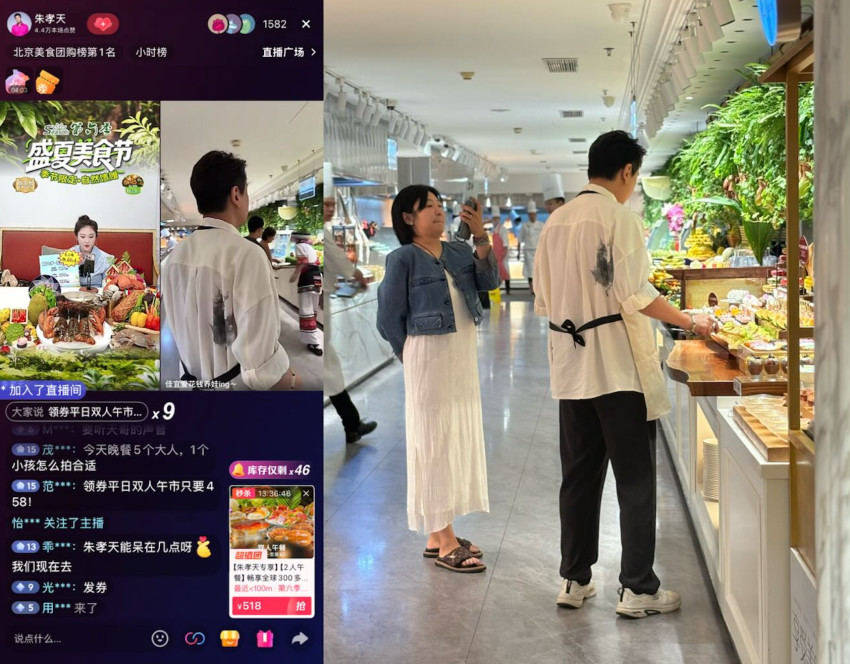
助力堂食提振,明星、达人单日抖音直播4.6万场促进线下到店消费
Sou Hu Cai Jing· 2025-08-19 14:12
Core Insights - On August 16, Douyin launched a promotional event called "Eat, Drink, Play, and Have Fun Day," featuring 46,000 live broadcasts by celebrities and influencers to promote dining and boost offline consumption [1][7] - The event saw significant sales, with over 1,016 million yuan generated from KFC's special live stream, where 190,000 orders were placed [1] - The platform collaborated with over 18,400 brands, aiming to stimulate the summer tourism economy and encourage more in-store dining experiences [7] Group 1 - Celebrity Xu Juncong's live stream with KFC lasted 14 hours, selling over 38,000 discounted meal vouchers [1] - Actor Zhu Xiaotian's dual-screen live stream attracted over 5 million views, promoting a buffet restaurant to audiences in multiple cities [3] - Influencer @XiaobaWang showcased a burger brand, achieving peak transaction values of over 47,000 yuan per minute during the live stream [3] Group 2 - Influencer @FeiChai collaborated with a barbecue brand, generating over 5.12 million yuan in sales during a 12-hour live stream [5] - Local influencer @XiaoYiChiBuFang helped sell 1.34 million yuan worth of dining vouchers through a live stream at a popular barbecue restaurant [5] - Influencer @DaoXiaoDaoSama and local influencer @ShiHuiSheng facilitated over 8 million yuan in sales for a Hangzhou cuisine brand through their live broadcasts [5]

出海速递 | Shein据悉考虑将总部迁回中国/泡泡玛特:上半年营收138.8亿元,同比增长204.4%
3 6 Ke· 2025-08-19 09:36
Group 1 - Shein is reportedly considering relocating its headquarters back to China to pave the way for a Hong Kong IPO, with discussions still in preliminary stages and no confirmation on the move [2] - Pop Mart reported a revenue of 13.88 billion yuan for the first half of 2025, representing a year-on-year growth of 204.4%, with adjusted net profit reaching 4.71 billion yuan, up 362.8% [2] - Alibaba's Tongyi Qianwen launched a new image editing model, Qwen-Image-Edit, which enhances the text rendering capabilities of its original Qwen-Image model for precise editing of text in images [2] Group 2 - CITIC Securities indicated a recovery point in the user-side energy storage market, with a gradual market rebound and concentration, while high-growth new markets continue to emerge, suggesting a return to steady growth in global installations [3] - The commercial storage sector is benefiting from increased policy support, decreasing system costs, and maturing business models, which are expected to lead to significant growth [3] - Recommendations include focusing on high-quality niche leaders with market-leading capabilities, comprehensive product systems, and efficient execution [4]


QuestMobile2025年互联网广告市场半年报告:总规模近3600亿,头部三家吞下5成硬广份额,监管进化驱动进入秩序规范期
3 6 Ke· 2025-08-19 03:20
Core Insights - The Chinese internet advertising market is experiencing regulatory evolution and increased orderliness, with a market size of 359.85 billion yuan in the first half of 2025, reflecting a year-on-year growth of 5.6% [1][2][9] - Major platforms like Taobao, Douyin, and WeChat dominate the market, accounting for 22.5%, 19.1%, and 10.8% of hard advertising revenue respectively [1][2] - Mobile devices remain the primary revenue source, contributing 88.9% of total income, while other devices like OTT and PCs account for 9% and 2.1% respectively [1][2] Advertising Market Overview - The advertising market is expanding, driven by a resilient economy and the shift towards online consumption, which has intensified competition for advertising space and increased traffic costs [7][11] - The growth rate of the internet advertising market is moderate, influenced by conservative advertising budgets, saturation of top-tier traffic, and slowing growth in advertising prices [11][19] Industry-Specific Advertising Trends - The beauty and personal care sector is the most active, with a marketing expenditure of 72.45 billion yuan, up 19% year-on-year, followed by apparel and food & beverage sectors [2][22] - The maternal and infant products sector has seen a significant boost, with a 32.4% increase in spending to 13.26 billion yuan, driven by national childcare subsidy policies [2][22] - Conversely, industries like home appliances, transportation, and IT electronics have experienced declines in advertising spending, with decreases of 21.8%, 9.3%, and 7% respectively [2][22] Marketing Strategies and Trends - Brands are increasingly focusing on integrated marketing strategies that create a closed loop of "target audience - channel - content" to enhance conversion efficiency [1][51] - The use of emotional marketing is on the rise, as consumers are more willing to make purchases based on emotional resonance, leading brands to adopt diverse emotional marketing strategies [71][73] - AI technology is becoming a new trend in brand marketing, facilitating efficient interaction and emotional connection through various AI applications [82] Media Channel Dynamics - The concentration of media traffic is notable, with the top three platforms capturing a significant share of the market, while mid-tier and lower-tier media still have growth potential [15][19] - The integration of various media channels, including social media, e-commerce, and short videos, is essential for brands to maximize their advertising effectiveness [15][35] - The emergence of new marketing touchpoints, such as smart hardware and AI applications, is expanding the landscape for advertising opportunities [32][34]
2025年全渠道破局,驭势而上:中国美业图景报告-尼尔森IQ
Sou Hu Cai Jing· 2025-08-18 17:17
Core Insights - The Chinese beauty industry is undergoing a transformation with a shift towards omnichannel strategies, where online and offline channels are evolving in response to changing consumer behaviors and technological advancements [1][2]. Industry Development Stages - The retail sector of the Chinese beauty industry has experienced three phases: 1. Pre-2016: Consumption development phase, with cosmetics retail underperforming compared to overall retail market. 2. 2017-2021: High growth phase, outperforming the overall retail market. 3. 2022 onwards: Rational return phase, with performance lagging due to consumer confidence issues [1][2][19]. Retail Channel Dynamics - The Chinese beauty market heavily relies on online channels, reaching a scale of 610 billion yuan with a year-on-year growth of 12.1%. Notably, Douyin has emerged as a leading platform with sales of 244.5 billion yuan, marking a 43.6% increase [2][26]. - Offline channels are facing challenges, with department stores and malls experiencing a year-on-year decline of 8%, and cosmetic stores down by 10%. However, there is a trend towards differentiation in offline retail, with cosmetic stores catering to refined needs and modern channels optimizing product layouts [2][37][41]. Consumer Behavior Trends - Consumer expectations are improving, with 58% willing to pay a premium for faster delivery. The beauty category ranks fifth in high premium consumption tendencies, indicating untapped consumer potential [1][2][25]. - A significant 77% of consumers prefer shopping in one-stop channels with comprehensive product offerings, highlighting the need for refined operational strategies [2][26]. Technological Integration - Technology and artificial intelligence are becoming crucial drivers in the beauty industry, with companies like L'Oréal and Shiseido implementing AI skin detection and health correlation technologies to enhance consumer shopping experiences [2][2]. Future Outlook - The overall direction for the Chinese beauty industry is towards omnichannel integration and intelligent upgrades, presenting both opportunities and challenges in the evolving market landscape [2][4].


上海设立“杨浦互联网优质内容创作基金”
Xin Hua Cai Jing· 2025-08-18 13:32
Group 1 - Shanghai is actively developing the internet quality content creation industry, with the establishment of the "Yangpu Internet Quality Content Creation Fund" aimed at supporting seed-stage content teams with an initial scale of 10 million yuan [1] - The "沪九条" policy has been introduced to support content creators across various fields, enhancing "content productivity" and providing comprehensive services in talent attraction, industry support, copyright protection, and communication expansion [1] - Yangpu district officials emphasize the importance of policy support, platform building, and service guarantees to ensure that quality content creators are recognized, respected, and able to grow [1] Group 2 - Major platforms like Douyin, Yuewen Group, and Ximalaya have introduced initiatives for knowledge creators, indicating a strong alignment with Shanghai's policies to build a collaborative ecosystem [2] - The Shanghai Technology Exchange has outlined additional pathways for content creators through its "micro-short drama special board," focusing on creation, protection, and utilization [2] - Yangpu district's development and reform commission has provided specific interpretations of the support policies aimed at creating a concentrated area for internet quality content creation [2]
国内战火激烈,TikTok能否抢下海外本地生活的先机?| 出海参考
Tai Mei Ti A P P· 2025-08-18 12:01
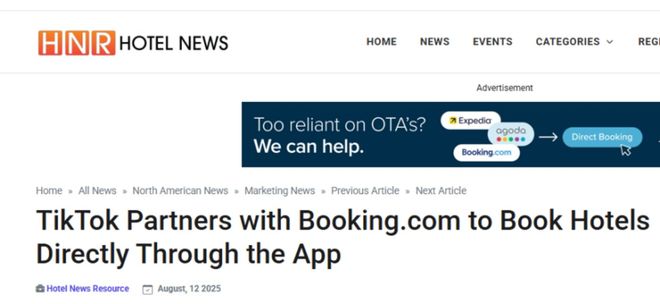
Group 1: Core Insights - TikTok is expanding its local services in the U.S. by partnering with Booking.com, allowing users to book hotels directly through the app [2] - The collaboration includes dedicated hotel landing pages featuring prices, amenities, reviews, and related TikTok videos, indicating TikTok's exploration of local services [2] - TikTok Go, a new monetization plan for creators, allows influencers to earn commissions by promoting local businesses, primarily hotels and accommodations [2][4] Group 2: Market Trends - TikTok is enhancing its search functionality to improve local information accessibility, including user reviews and ratings for locations tagged in videos [5] - The global local services market is projected to grow from $3.7 trillion in 2024 to nearly $10 trillion by 2032, with a compound annual growth rate of 13.32% [9] - The competition in local services is intensifying, with major players like Douyin and Meituan aggressively expanding their offerings in China [6][7] Group 3: Challenges and Opportunities - TikTok's initial attempts to launch local services in Southeast Asia faced challenges due to supply chain and cultural differences, but the U.S. market may present a more favorable environment [8][9] - The integration of local services with existing platforms like Yelp and Uber Eats highlights the competitive landscape TikTok is entering [9] - TikTok's strategy to capture the local services market in the U.S. could provide a significant advantage, especially in the absence of strong competitors like Meituan [9]
快手联手美团上线外卖入口,采用轻资产模式突围
Sou Hu Cai Jing· 2025-08-18 03:01
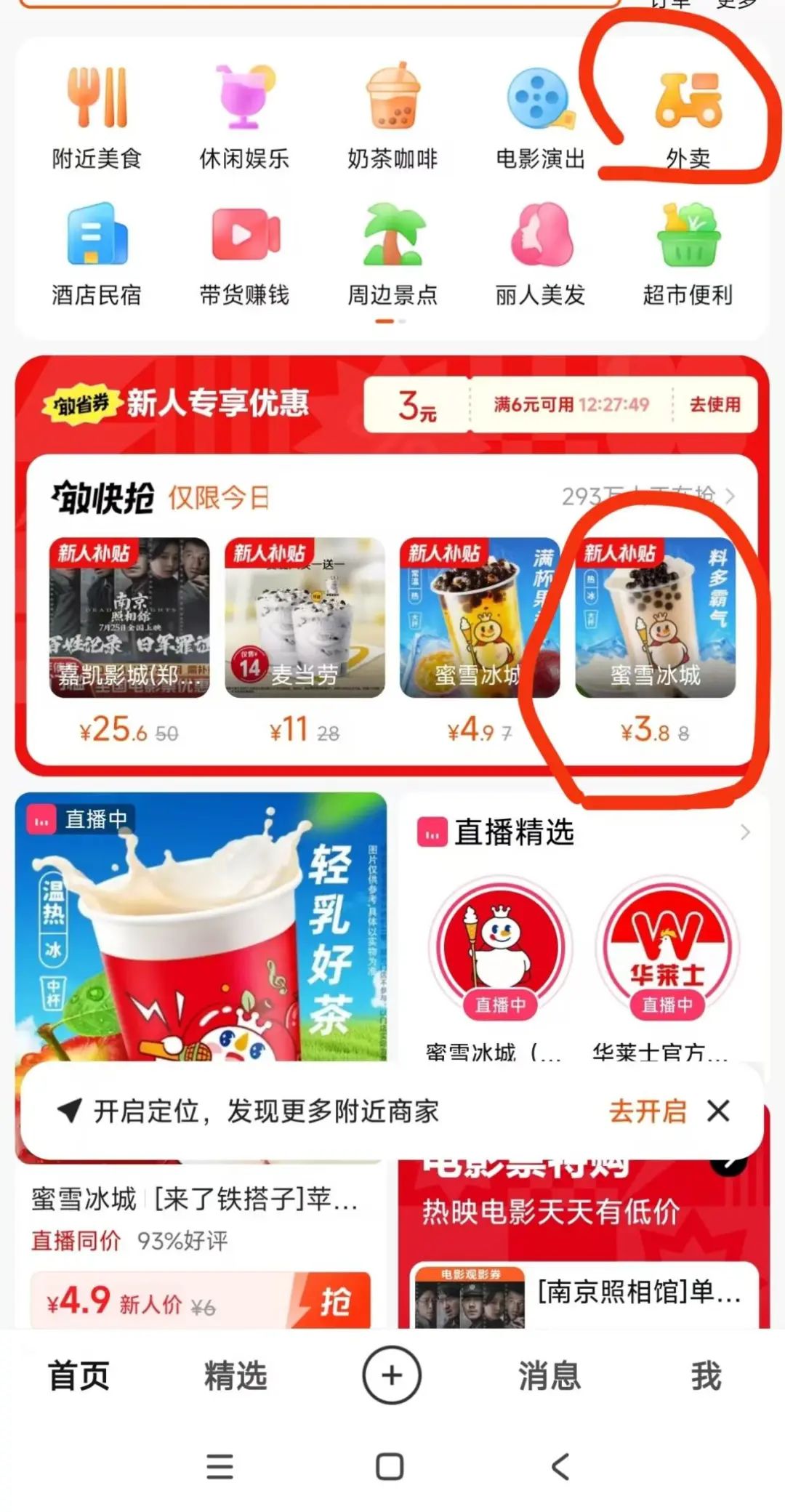
Core Viewpoint - Kuaishou is entering the food delivery market by launching an independent "takeout" section on its app, aiming to differentiate itself through a "Meituan supply chain + self-owned merchants" light asset model amid intense competition in the food delivery sector [2][3]. Company Strategy - Kuaishou's new takeout service relies on Meituan's merchant vouchers, requiring users to complete orders through Meituan's mini-program, with delivery handled by Meituan or third-party services [5][10]. - The company has previously explored local lifestyle services, partnering with various platforms and establishing a dedicated local lifestyle division in 2022 [6][8]. - Kuaishou's strategy includes a dual approach of leveraging Meituan's supply chain while also incorporating its own local merchants, with approximately 90% of products sourced from Meituan [10]. Market Context - The food delivery market is highly competitive, with major players like Meituan, Alibaba, and JD.com already established [2][9]. - Kuaishou's entry into this market comes as its core business faces growth challenges, particularly in live streaming and e-commerce, where GMV growth has significantly slowed [12][16]. Financial Performance - In 2024, Kuaishou reported revenue of 1268.98 billion yuan, an 11.83% year-on-year increase, with a net profit of 153.35 billion yuan, up 139.76% [13]. - The company's e-commerce GMV reached 1.39 trillion yuan in 2024, with growth rates dropping from 78% in 2021 to 17% in 2024, highlighting a stark contrast with Douyin's performance [16][17]. User Engagement - Kuaishou's daily active users reached 408 million by Q1 2025, with over 62% from new tier cities, providing a potential consumer base for its food delivery services [10]. - The number of users paying for local delivery services increased by over three times in Q2 2024, indicating a shift in user behavior towards food delivery [11]. Competitive Landscape - Kuaishou's cautious approach in the food delivery sector is influenced by the challenges faced by Douyin, which has struggled to establish a successful delivery model despite its initial efforts [9][20]. - The company aims to explore new growth avenues through its food delivery initiative, potentially alleviating pressures from declining growth in its core businesses [18].


快手的“叛逆”期到了
3 6 Ke· 2025-08-18 02:23
Core Viewpoint - Kuaishou has entered the food delivery market amidst a slowdown in competition among major players like Meituan, Taobao, and JD, which have called for a halt to chaotic competition [1][2][5]. Group 1: Market Dynamics - The food delivery war has entered a phase of reduced competition, with major platforms advocating for orderly practices [1][2]. - Kuaishou's entry into the food delivery space comes at a time when other platforms, such as Douyin, have explicitly stated they have no plans to develop their own delivery services [5][10]. - Kuaishou's food delivery feature acts as a link to third-party services rather than establishing its own delivery infrastructure, similar to previous collaborations with Meituan [5][7]. Group 2: User Engagement and Strategy - Kuaishou's decision to launch a food delivery service is driven by a need to retain user engagement as its growth rate slows [7][11]. - The platform aims to keep users within its ecosystem while they order food, contrasting with the strategies of e-commerce platforms that seek to attract users to their apps [15][17]. - Kuaishou's community culture and high user retention rates are seen as critical assets in this strategy [19][21]. Group 3: Financial Performance and Growth - Kuaishou's local life services have shown significant growth, with a reported GMV increase and a revenue growth of 200% year-on-year in Q1 2025 [24][25]. - Despite revenue growth, Kuaishou's core marketing projects have seen a decline in growth rates, indicating a need for diversification in revenue streams [28][29]. - The company is exploring various monetization avenues, including self-operated e-commerce and food delivery, to adapt to competitive pressures [30][32]. Group 4: Competitive Landscape - Other platforms like JD are also exploring new models in the food delivery space, such as opening their own delivery kitchens, which presents a competitive challenge to Kuaishou [33][36]. - Kuaishou's user demographics are more concentrated in specific regions, allowing for targeted strategies in food delivery that leverage local preferences [39][41]. - The integration of food delivery with Kuaishou's existing content and community features could enhance user interaction and retention [43][44].
对话电商商家,探究快递反内卷下的新常态
2025-08-18 01:00
Summary of Conference Call Records Company and Industry Overview - The company operates primarily in the cosmetics sector within the e-commerce industry, focusing on platforms such as Douyin (over 40% market share), Pinduoduo (nearly 20%), Tmall, and JD.com [1][3][4] Key Points and Arguments - **Impact of Anti-Competition Policies**: In the first half of 2025, the implementation of anti-competition policies led to a price increase of 0.5 yuan in express delivery costs, raising the company's shipping cost to nearly 2 yuan per order, significantly affecting the low-ticket cosmetics business [1][2][3] - **Strategic Focus**: The company plans to increase investment in Tmall and develop high-priced products to enhance overall profitability, while continuing to benefit from lower shipping costs on Douyin and Pinduoduo [1][3][4] - **E-commerce Tax Regulations**: New e-commerce tax regulations limit the cosmetics industry to a 30% tax deduction, compared to 15% for other sectors. The company has optimized its advertising costs on Pinduoduo to 40% and improved product quality to reduce return and after-sales costs [4][22] - **Distribution System**: The company's distribution system accounts for approximately 30% of total volume, while self-operated business constitutes 70%. The self-operated data is deemed more accurate for reflecting overall volume due to the impact of low-priced sales by distributors [5][6] - **Product Cost and Pricing**: The production cost of cosmetics is around 2-3 yuan, with a selling price of 19.9 yuan, resulting in a profit of about 3 yuan per unit. The average order value is below 30 yuan, with a gross margin of approximately 23% [6][22] Additional Important Insights - **Shipping Partnerships**: The company collaborates with YTO Express and Shentong Express for logistics, utilizing cloud warehouses in Guangzhou to enhance shipping speed and cost efficiency [2][7] - **Market Competition**: The e-commerce landscape in 2025 is more complex due to rising costs, tax pressures, and increased competition, leading to a decline in performance compared to previous years [27] - **Return Rates**: The return rate for low-ticket items is around 10%, while cosmetics can reach 20-30%. Different platforms exhibit varying return rates, with Pinduoduo and Douyin having more flexible return policies [28][30] - **Future Trends**: The company anticipates that the return phenomenon will continue, influenced by advertising costs and product quality, with high return rates persisting in categories like cosmetics and apparel [31] This summary encapsulates the essential aspects of the conference call, highlighting the company's strategic responses to market challenges and operational dynamics within the e-commerce sector.