
三星

Search documents
折叠iPhone或采用三星COE OLED面板
Xin Lang Cai Jing· 2026-01-09 22:52
格隆汇1月10日|iPhone Fold将成为首款采用三星COE OLED技术的苹果设备,这项技术可使屏幕更 亮、更纤薄。 据悉,在传统OLED屏幕中,面板上方会加装一层偏光片,用来减少反光、提升对比度。 但该设计存在明显弊端,偏光片会吸收OLED屏幕自身发出的部分光线,进而降低屏幕亮度与发光效 率。 ...

芯片制程“破2进1” “1.4纳米”2027年或试产
Xin Lang Cai Jing· 2026-01-09 19:44
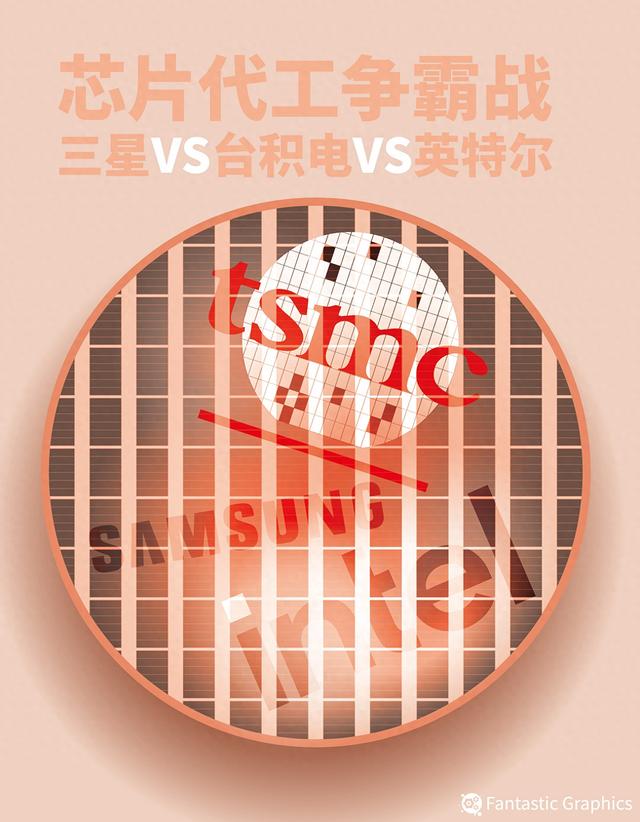
Core Insights - TSMC has officially announced the mass production of its 2nm process in Q4 2025 and has begun research and development on the next-generation 1.4nm process, with risk trial production expected to start in 2027 [3][4][5] - TSMC's advancements solidify its dominant position in the semiconductor foundry market, marking the industry's transition into the 1nm era, with competitors like Samsung and Intel striving to catch up [3][4][7] TSMC's 2nm and 1.4nm Processes - The 2nm process (N2) utilizes the first-generation nanosheet transistor architecture, showing significant improvements over the previous 3nm process, including a 10%-15% performance increase at the same power consumption and a 25%-30% reduction in power consumption for the same performance [5][6] - TSMC's CEO stated that the 2nm process is expected to ramp up production significantly by 2026, driven by demand from smartphones and AI/HPC [5][6] - The 1.4nm process is seen as a strategic continuation of TSMC's "incremental smaller nodes" approach, with plans to optimize the N2 process while preparing for the next generation [5][6] Competitive Landscape - Samsung and Intel are TSMC's main competitors, with Samsung having achieved 3nm GAA process mass production and planning to launch its 1.4nm process around 2027 [7][8] - Intel aims to regain its manufacturing leadership with its 18A and 14A processes, leveraging significant investments to expand domestic production capacity [9][10] Market Potential and Applications - The transition to 1.4nm is expected to drive growth in the semiconductor industry, particularly in AI chips, smart driving, and high-end consumer electronics [10][11] - The global advanced process foundry market is projected to exceed $120 billion by 2030, with 1.4nm and below nodes expected to account for over 40% of high-end logic chip value [10][11] Pricing and Profitability - Initial foundry prices for the 1.4nm process are expected to be approximately 50% higher than those for the 3nm process, indicating high R&D costs but potentially significant long-term profits [11][12] - TSMC's ability to quickly improve yield rates and secure major clients could further enhance its competitive advantage in the high-end market [11][12] Chinese Market Dynamics - Chinese companies, represented by SMIC, are increasing their production capacity in mature processes while investing in advanced technology R&D, with projections suggesting that China could hold 30% of global wafer foundry capacity by 2030 [12]


CES深度观察|AI硬件消费时代的“幕后英雄”走向台前
Sou Hu Cai Jing· 2026-01-09 14:48
Core Insights - The 2026 CES in Las Vegas highlighted a shift from technological innovation to practical applications of AI, with a focus on new hardware products like smart cockpits, embodied robots, and AI glasses [1][3] - Chinese supply chain companies are transitioning from being "behind the scenes" to taking a front-row role in the AI hardware consumer era, showcasing their capabilities at CES [3][4] Group 1: Chinese Companies' Participation - A total of 942 Chinese companies participated in CES 2026, accounting for approximately 22% of the total exhibitors, marking a significant increase from 204 companies in 2021 [4] - The participation of Chinese firms has evolved from sporadic entries to organized group participation, reflecting a robust global presence [4][6] Group 2: Technological Advancements and Market Position - Chinese manufacturers are diversifying their strategies to capture the global AI hardware market, with companies like TCL focusing on key interactive display technologies and automakers like BYD and Great Wall leveraging AI for international expansion [6][9] - Companies like Lens Technology are transitioning from traditional component suppliers to comprehensive AI hardware ecosystem platforms, showcasing their capabilities in various AI applications [11][15] Group 3: Innovations and Product Launches - Lens Technology presented a range of innovations at CES, including a bionic dexterous hand and ultra-thin glass products for aerospace applications, demonstrating their advanced manufacturing capabilities [13][24] - The company also showcased integrated solutions for smart automotive cockpits, which have gained traction among leading automotive brands like Tesla and NIO [15][20] Group 4: Supply Chain Evolution - The evolution of the supply chain in China is driven by the need for manufacturers to adapt to the AI hardware landscape, enabling them to redefine their roles and capabilities [9][27] - Lens Technology's strategic shift illustrates how traditional manufacturing strengths can be leveraged to create competitive advantages in the AI era, with a focus on high-quality production and innovation [20][26] Group 5: Future Outlook - The transformation of Chinese supply chain companies signifies a broader shift in the manufacturing landscape, moving from scale advantages to technological leadership [28] - As these companies continue to innovate and expand globally, the AI hardware industry is expected to experience enhanced collaboration, richer application scenarios, and greater resilience [28]


品牌厂开始提前备货,1月TV面板价格有望迎来小幅上涨
Jianghai Securities· 2026-01-09 13:43
Investment Rating - The industry investment rating is "Overweight" (first time) [6] Core Insights - In January 2026, TV panel prices are expected to see a slight increase across the board due to the upcoming World Cup in June and the continuation of national subsidy policies [6] - In Q3 2025, global OLED display shipments increased by 65% year-on-year, with a total of approximately 644,000 units shipped [6] - Major panel manufacturers are maintaining full production capacity, while brand manufacturers are strategically increasing inventory ahead of demand [6] Summary by Sections Industry Performance - Over the past 12 months, the industry has shown a relative return of -4.82% compared to the CSI 300 index, with an absolute return of 20.21% [3] Market Trends - The demand for TV panels is expected to rise due to the World Cup and subsidy policies, leading to a potential price increase in January [6] - The supply side has seen tight conditions for certain production lines, which may lead to price adjustments for specific panel types [6] Company Insights - ASUS, Samsung, and MSI are the top three companies in OLED display shipments, with market shares of 21.9%, 18.0%, and 14.4% respectively [6] - Samsung is set to launch new Micro RGB TVs in 2026, featuring advanced LED technology [6] Investment Recommendations - Companies to watch include TCL Technology, JD.com A, OLED, Lite-On Technology, and Kangguang Technology due to the expected rise in TV panel prices and OLED shipment growth [6]




CES 2026,这20个产品有意思
36氪· 2026-01-09 13:09
Core Insights - The article highlights the significant advancements in AI technology showcased at CES 2026, emphasizing the transition of AI capabilities from screens into the physical world [7]. Group 1: Event Overview - CES 2026 took place in Las Vegas from January 6-9, featuring over 4,500 exhibitors, with approximately 1,000 being Chinese companies [6]. - The event showcased a diverse range of AI hardware, indicating a growing trend of AI integration into everyday life [7]. Group 2: Notable Exhibits - Sharpa introduced the humanoid robot Sharpa North, capable of performing complex tasks such as playing table tennis and folding origami, utilizing its advanced dexterous hand technology [10][11]. - Boston Dynamics' Atlas robot made its public debut, demonstrating its ability to lift up to 50 kg and perform tasks in a modern automotive factory setting [16][17]. - Vbot, a language-understanding robotic dog, showcased its ability to navigate and assist owners in various tasks, including shopping [20][21]. - The X60 series of robotic vacuum cleaners by追觅 was launched, featuring a stair-climbing robot and a multi-jointed robotic arm for enhanced cleaning capabilities [26][27]. - HeSai presented a "mini robot community" at CES, featuring robots equipped with advanced 3D LiDAR technology for autonomous navigation and obstacle avoidance [31][32]. Group 3: Innovative AI Products - Onero H1, a household robot, can perform various tasks such as meal preparation and organizing, while coordinating with other smart devices [35][36]. - LG's CLOiD robot can interact with users and perform household chores, marking a significant upgrade from previous models [39][40]. - Samsung's Ballie robot, despite previous delays, continues to be a focal point for smart home integration [43][44]. - Fraimic, an AI "artist," can generate artwork based on user input and environmental factors, showcasing the creative potential of AI [50]. - BreakReal introduced an AI cocktail machine that creates personalized drink recipes based on user preferences [53]. Group 4: Emerging Trends - The article notes the increasing presence of AI in pet care, with products like Satellai's AI collar that tracks pet health and behavior [63]. - The introduction of AI-driven educational tools, such as Mooni Pro, aims to enhance children's learning experiences through interactive engagement [66]. - Mui's wall-mounted device combines sleep monitoring with smart home control, reflecting a trend towards integrated health and home management solutions [89][90].


2026不是PC最难的一年,巨头恒强,白牌退场
3 6 Ke· 2026-01-09 13:08
Core Insights - The AI boom is significantly impacting the global PC market, leading to a challenging year for the industry, with predictions of reduced shipments and increased prices [1][2][3] - The shift in demand from personal computers to AI data centers has permanently altered the resource allocation and growth drivers within the industry [2][3][4] Market Dynamics - High bandwidth memory (HBM) demand from data centers is causing a severe reduction in supply and price increases for consumer-grade DRAM and NAND, leading to overall cost hikes for core components like GPUs and CPUs [1][3][4] - IDC forecasts a 6% to 8% increase in average PC prices by 2026, with some systems seeing price hikes of 15% to 20%, while global PC shipments may decline by 5% under neutral conditions [1][3] Supply Chain Challenges - The transition of memory production towards higher-margin HBM has resulted in a deliberate shortage of standard memory for consumer PCs, pushing prices up and altering the cost structure of the entire industry [6][8] - The industry is experiencing a permanent increase in cost structures due to the high-end technologies developed for AI servers, which will affect the pricing of standard PC components [6][8] Strategic Responses - Semiconductor giants are cautiously adjusting their production capacities to meet AI demands but are hesitant to invest heavily in new factories due to concerns over a potential "AI bubble" [8][19] - The current supply chain crisis is expected to lead to a prolonged period of supply shortages for consumer electronics, as the demand for high-performance components outstrips supply [8][19] Regional Insights - The Chinese PC market exhibits unique resilience, driven by government policies and a strong demand for digital transformation, which may not align with global trends of reduced shipments and increased prices [12][13] - The demand structure in China is diverse, with a significant user base that is pragmatic about performance and price, allowing for adjustments in purchasing behavior based on market conditions [14][15] Future Outlook - The ongoing transition in the PC industry is seen as a necessary adjustment rather than a decline, with the potential for a new equilibrium as AI infrastructure stabilizes and new chip capacities come online [10][26][30] - The market is expected to experience a shift towards higher-value products and a focus on local intelligence capabilities, which will redefine the competitive landscape [30][32][34]




二十载品牌沉浮:Global Top Brands见证消费电子的迭代与坚守
Quan Jing Wang· 2026-01-09 12:12
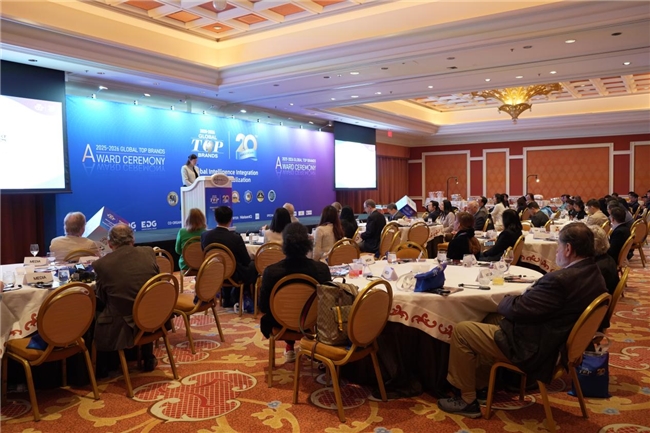
Core Insights - The Global Top Brands (GTB) awards celebrate 20 years of recognizing leading brands in the consumer electronics industry, reflecting the evolution of the market and technological advancements [1][3][28] Industry Evolution - Over the past two decades, the GTB awards have documented the rise of major brands like Apple, Samsung, and Sony, as well as the emergence of Chinese brands such as Huawei, TCL, and BOE, showcasing a shift from catching up to leading the market [3][21] - The consumer electronics industry has transitioned from single product competition to a comprehensive ecosystem, with AI playing a crucial role in driving innovation and industry progress [7][11] Market Trends - In 2025, the global technology and consumer electronics industry sales are projected to exceed $1.29 trillion, with emerging markets contributing 40% to this growth [15] - The display panel market is expected to reach $180 billion by 2025, with Chinese companies holding over 55% market share, indicating a significant shift in the competitive landscape [21] Brand Recognition - The GTB awards have gained international recognition, with the Nevada state government acknowledging its contributions to promoting global brand leadership and innovation in the consumer electronics sector [5][28] - The 2025-2026 GTB list includes leading brands like TCL and BOE, which have achieved recognition through technological innovation and market leadership [16][21] Smart Home Evolution - The smart home sector has evolved from single-device automation to a fully interconnected ecosystem, with Chinese brands becoming key players in this transformation [22] - The global smart home market is projected to surpass $2.1 trillion by 2025, with over 55% penetration of interconnected systems, highlighting the dominance of Chinese brands in this space [22] Brand Adaptation - Brands are increasingly crossing traditional boundaries and innovating to stay relevant, as seen with companies like Baidu and Meituan integrating technology into their services [26] - Continuous research and ecosystem development have allowed brands like Huawei, BOE, and TCL to transition from product exports to technology outputs, showcasing their adaptability in a changing market [26][28]
两条8.6代OLED产线今年将量产,高端笔记本将进入OLED时代
第一财经· 2026-01-09 12:08
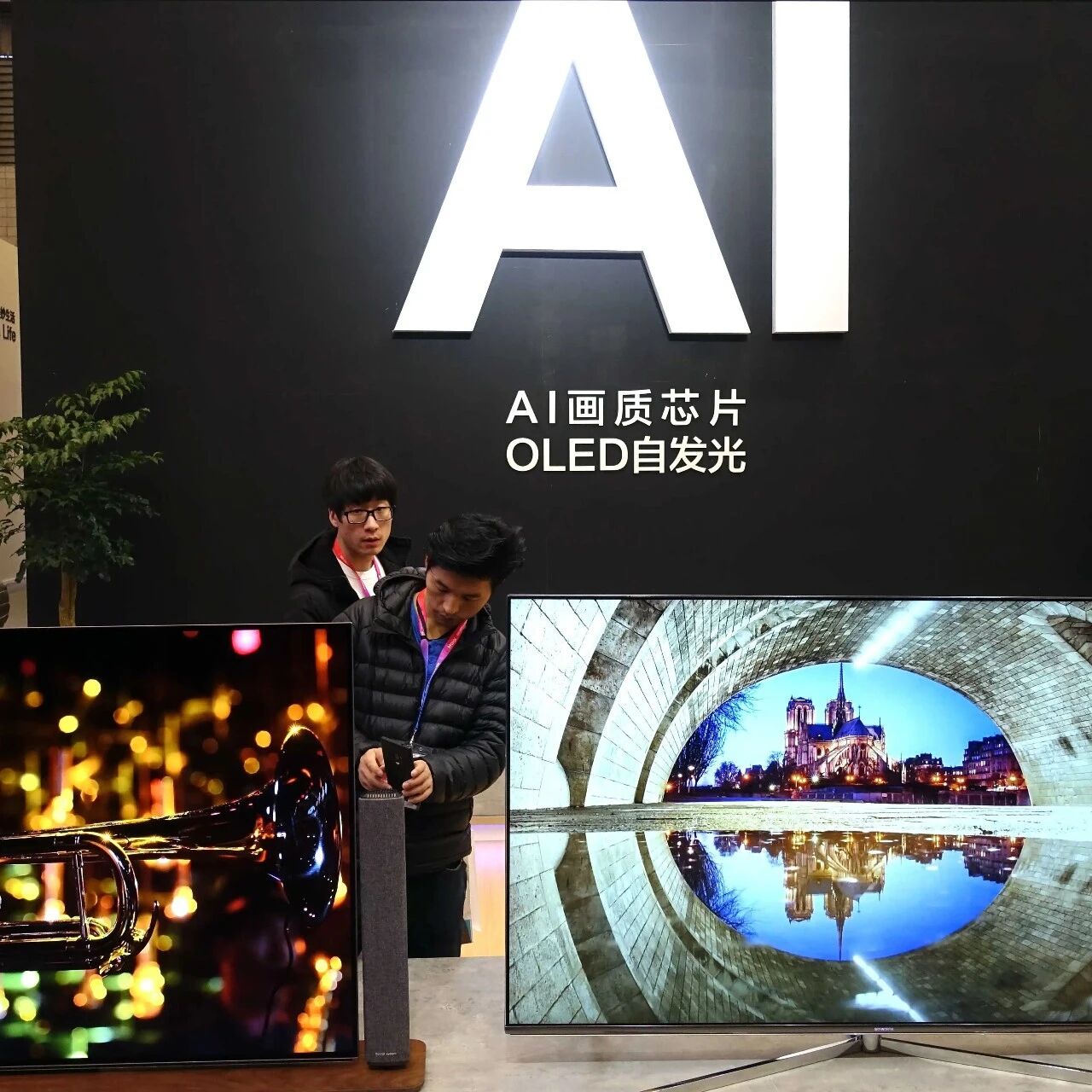
Core Insights - The article discusses the expansion of flexible OLED panel applications, particularly in the IT and automotive sectors, driven by the upcoming mass production of 8.6-generation OLED panel lines by major manufacturers like BOE and Samsung in 2026 [3][4]. Group 1: OLED Panel Production and Market Penetration - In 2026, BOE and Samsung are expected to start mass production of their 8.6-generation OLED panel lines in Q2, which will accelerate the adoption of flexible and hybrid OLED panels in laptops [3]. - TCL Huaxing and Visionox are projected to begin mass production of their 8.6-generation OLED panel lines in Q3 and Q4 of 2027, respectively, further enhancing OLED panel usage in laptops [3]. - By 2030, the penetration rate of OLED panels in laptops is anticipated to reach approximately 19%, with OLED screens dominating the high-end laptop market [3]. Group 2: Advantages of OLED Panels - Compared to LCD screens, laptops equipped with OLED screens will offer superior performance in terms of lightweight design, portability, and image quality [4]. - The expected shipment volume of OLED laptop screens is projected to reach 45 million units by 2030, influenced by the differing production techniques of high-generation OLED panel lines [3][4]. Group 3: Cost and Technology Developments - TCL Huaxing's 8.6-generation OLED production line utilizes printing technology, which simplifies the manufacturing process and theoretically offers cost advantages, making OLED screens more accessible for mainstream laptops [4]. - The introduction of new generation chips by Intel and AMD, utilizing 2-3 nanometer processes, will enhance computing power, transitioning laptops from the 40 TOPS to the 50 TOPS era [4]. Group 4: Market Outlook - Despite rising memory costs, the global laptop market is expected to maintain stable shipment volumes in 2026, with growth anticipated in 2027 [5].

台积电净利,史上新高
半导体芯闻· 2026-01-09 10:55
Group 1 - TSMC announced a consolidated revenue of approximately NT$335 billion for December 2025, representing a month-over-month decrease of 2.5% but a year-over-year increase of 20.4%, marking a record high for the same period and exceeding NT$300 billion for six consecutive months [1] - The company's revenue for 2025 is projected to exceed NT$3 trillion, reaching approximately NT$3.8 trillion, with a year-over-year growth of 31.6%, setting a new annual revenue record [1] - In Q4 2025, TSMC's revenue surpassed NT$1 trillion, reaching NT$1.04 trillion, with a quarter-over-quarter increase of 4.8% and a year-over-year increase of 16.3%, also exceeding financial forecasts [1] Group 2 - TSMC is accelerating production capacity expansion in advanced processes and advanced packaging due to insufficient capacity amid strong market demand, while reallocating resources from less urgent mature processes [3] - The company is transferring some mature process equipment from Taiwan to its 12-inch facility in Singapore to create more space for advanced process equipment [3] - TSMC's CEO confirmed that Qualcomm is facing capacity shortages, leading the company to negotiate with Samsung for the production of its next-generation processors using Samsung's 2nm process [3] Group 3 - TSMC's board approved an investment of over US$179.25 million to acquire land for a new factory in Phoenix, Arizona, covering approximately 365.27 hectares, which, combined with an existing site, totals over 810 hectares, larger than the Hsinchu Science Park [4] - The land acquisition is expected to support an investment of approximately US$165 billion in building three additional 12-inch wafer fabs, two advanced packaging plants, and a research center to meet market demand [4] - TSMC is also selling machinery to World Advanced Semiconductor Manufacturing Corporation (VSMC) for an estimated US$71 million to US$73 million to enhance its 12-inch wafer capacity [4] Group 4 - VSMC, in collaboration with NXP Semiconductors, plans to establish a 12-inch wafer fab in Singapore with a total investment of approximately US$7.8 billion, enhancing geographical resilience and accelerating the semiconductor ecosystem in Singapore [5] - TSMC stated that the newly acquired land in Arizona is primarily for operational and production use, but the company is currently in a quiet period and cannot comment on the transfer of equipment to Singapore [5]
两条8.6代OLED产线今年将量产,高端笔记本将进入OLED时代
Di Yi Cai Jing· 2026-01-09 10:48
Core Insights - The year 2026 is projected to be pivotal for the promotion of affordable AI PCs, driven by the increased application of OLED screens and enhanced CPU capabilities [1][2] Group 1: OLED Panel Development - Two 8.6-generation OLED panel production lines are expected to commence mass production in 2026, accelerating the penetration of flexible and hybrid OLED panels in IT and automotive display sectors [1] - BOE and Samsung's 8.6-generation OLED panels are anticipated to be used in the next generation of Apple's MacBook Pro and will supply Taiwanese IT manufacturers, respectively [1] - TCL Huaxing and Visionox are expected to start mass production of their 8.6-generation OLED panels in Q3 and Q4 of 2027, further supporting the application of OLED panels in laptops [1] Group 2: Market Projections - The penetration rate of OLED panels in laptops is projected to reach nearly 20% by 2030, with OLED screens dominating the high-end laptop market [1] - The shipment volume of OLED laptop screens is expected to reach 45 million units by 2030 [1] Group 3: Technological Advancements - The adoption of OLED screens will enhance laptops' performance in terms of portability and display quality compared to LCD screens [1] - The introduction of new generation chips by Intel and AMD, utilizing 2-3 nanometer processes, is expected to elevate laptop computing power from 40 TOPS to 50 TOPS [2] - The new CPU architectures are anticipated to penetrate mainstream laptop product lines over the next three years, enabling more diverse task processing capabilities [2] Group 4: Market Outlook - Despite rising memory costs, the global laptop market is expected to maintain stable shipment volumes in 2026, with growth anticipated in 2027 [2]