
顺鑫农业

Search documents
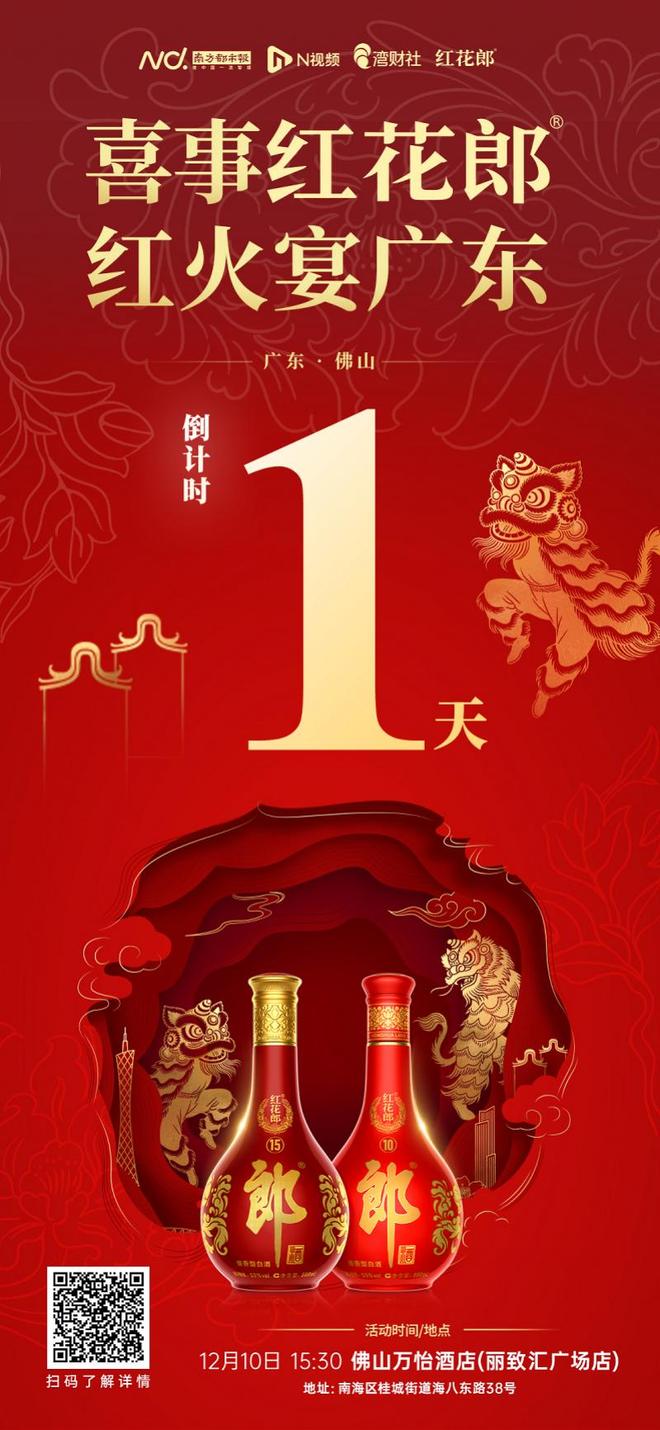
酒与宴|寿宴市场“悄然”升温,红花郎锚定寿宴赛道深入布局
Nan Fang Du Shi Bao· 2025-12-09 13:47
Core Insights - The demand for liquor in the banquet market, particularly for birthday celebrations, is significantly increasing, becoming a key growth driver in the industry [1][2] - The overall liquor consumption for banquets accounts for approximately 40% of total liquor consumption, with an estimated market size of around 250 billion yuan this year [1] - The trend shows a shift from high-end business banquets to more accessible celebrations like weddings, birthday parties, and graduation parties, with birthday banquets seeing notable growth [1] Group 1 - The birthday banquet segment is characterized by frequent occurrences and concentrated locations, particularly in regions like Guangdong, where the average scale is over 20 tables [1] - Consumers are increasingly focused on value for money, with mid-range products priced between 300 to 500 yuan becoming the mainstream choice for birthday banquets [1] - The cultural significance of birthday banquets is emphasized, as they serve not only as social gatherings but also as expressions of respect and familial bonds [1][3] Group 2 - The brand Honghua Lang is strategically positioning itself within the birthday banquet market by integrating cultural elements and emotional connections into its offerings [2] - Recent initiatives by Honghua Lang, such as promotional events and cultural displays, have strengthened its influence in the banquet market and contributed to sales growth for distributors [2] - The competition in the banquet market is evolving from a focus on price and distribution channels to a greater emphasis on cultural and emotional value [2][3]


白酒市场迎来小幅涨价潮,是黎明前的曙光,还是昙花一现?
Sou Hu Cai Jing· 2025-12-02 10:02
Core Viewpoint - The Chinese liquor industry is experiencing a temporary price recovery in November, driven by regulatory efforts to address price inversion and combat counterfeit products, although clear signs of inventory depletion and sales recovery are still lacking [2][5]. Group 1: Market Dynamics - In the context of a sluggish market, the liquor industry faces a significant inventory pressure of 170 billion yuan, leading distributors to adopt aggressive discounting strategies to boost sales [5]. - The price inversion phenomenon has severely harmed distributors' interests, prompting brand owners to raise prices to maintain the integrity of the pricing system [5]. - The market is witnessing a shift towards rational consumption, with increased regulatory scrutiny on sales prices and a crackdown on low-price promotions and counterfeit products by e-commerce platforms [9][11]. Group 2: Company Performance - Among 20 listed liquor companies, 17 reported a decline in profits, with a median profit drop of 64.40%, and eight companies, including Shunxin Agriculture, faced losses [2]. - Despite the price increases initiated by brands like Yanghe and Guojiao, the overall market remains under pressure, with major products like Moutai experiencing price declines again by the end of November [7][9]. - The production of liquor in 2024 is projected to reach 160.194 million liters, a year-on-year increase of 3.74%, indicating a potential oversupply situation in the market [7][9]. Group 3: Consumer Behavior - The changing consumer sentiment reflects a more rational approach to high-priced liquor, influenced by a slowdown in disposable income growth and evolving consumption concepts [7]. - The focus on "opening rate" as a key performance indicator by companies like Songhe and Luzhou Laojiao aims to shift the emphasis from stockpiling to actual sales, alleviating inventory pressure and stabilizing product prices [11]. - Historical data suggests that stock market performance positively influences liquor consumption, with significant increases in consumer spending observed during favorable market conditions [11].

白酒板块12月1日跌0.16%,*ST岩石领跌,主力资金净流出9.69亿元
Zheng Xing Xing Ye Ri Bao· 2025-12-01 09:04
Market Overview - The liquor sector experienced a slight decline of 0.16% on December 1, with *ST Rock leading the drop [1] - The Shanghai Composite Index closed at 3914.01, up 0.65%, while the Shenzhen Component Index closed at 13146.72, up 1.25% [1] Individual Stock Performance - Key stocks in the liquor sector showed mixed performance, with Kuaizi Liquor (603589) rising by 1.14% to close at 30.99, and *ST Rock (600696) falling by 2.85% to close at 4.78 [2][1] - Other notable performers included Yanghe Co. (002304) down 1.06% to 65.50 and Shanxi Fenjiu (600809) down 0.27% to 193.78 [2] Trading Volume and Value - The trading volume for Kuaizi Liquor was 33,400 hands with a transaction value of 1.03 billion yuan, while *ST Rock had a trading volume of 64,900 hands with a transaction value of 31.16 million yuan [2][1] - The overall liquor sector saw a net outflow of 969 million yuan from major funds, while retail investors contributed a net inflow of 160 million yuan [3] Fund Flow Analysis - Major funds showed significant outflows from key stocks such as Kweichow Moutai (600519) with a net outflow of 65.91 million yuan, while retail investors had a net inflow of 7039.03 million yuan into Wuliangye (000858) [3] - The fund flow dynamics indicate a shift in investor sentiment, with retail investors increasingly active in the market [3]






江苏省扬州市江都区市场监管局:打击侵权假冒行为 规范白酒市场秩序
Zhong Guo Zhi Liang Xin Wen Wang· 2025-12-01 05:32
Core Viewpoint - The article highlights a crackdown on counterfeit "Niulanshan" liquor in Jiangdu District, Yangzhou City, where authorities seized 419 bottles of fake products that violated trademark rights and food safety laws [1][2]. Group 1: Incident Details - Jiangdu District Market Supervision Administration received a report about a supermarket selling counterfeit "Niulanshan" liquor [1]. - During the inspection, officials found 419 bottles of counterfeit liquor, which appeared similar to the genuine product but were identified as infringing on trademark rights [1]. - The counterfeit products were seized based on several identification criteria, including irregularities in packaging and labeling [1]. Group 2: Regulatory Actions - The involved merchants faced administrative penalties, including warnings, confiscation of infringing goods, and fines for violating trademark and food safety laws [1]. - The Jiangdu District Market Supervision Administration plans to enhance supervision of the liquor market, encouraging self-discipline among operators and strict adherence to procurement verification systems [2].
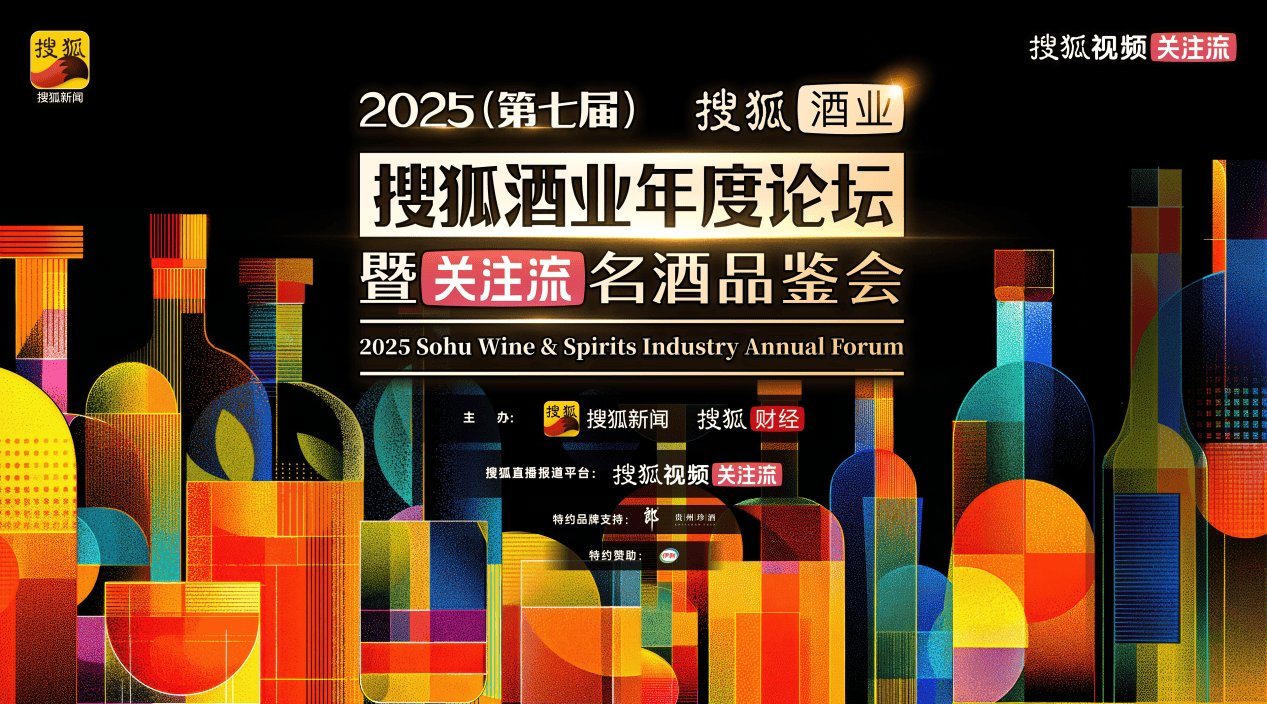
以酒为媒,共话新潮!2025(第七届)搜狐酒业年度论坛暨关注流名酒品鉴会圆满收官
Sou Hu Cai Jing· 2025-11-28 11:11
Core Insights - The 2025 (7th) Sohu Wine Industry Annual Forum and Tasting Event successfully concluded on November 27 in Beijing, serving as a platform for connecting the wine industry with diverse sectors [2][3] - The event highlighted the transition of the Chinese wine industry from "high-speed growth" to "high-quality development," emphasizing brand upgrades, value innovation, and ecological transformation [3][4] Industry Trends - The wine industry is witnessing a shift where traditional craftsmanship is being combined with modern lifestyle integration, leading to a more rational and mature consumer base that values intrinsic quality over mere prestige [4] - The emergence of new consumer demographics and innovative sales channels, such as instant retail and live-streaming e-commerce, is driving profound changes in the wine ecosystem [4] Product Highlights - The tasting event featured the Dragon Horse series, a flagship product of Langjiu, which will officially launch in December [5] - The Dragon Horse Jinma is noted for its complex flavor profile, appealing to younger consumers seeking a balanced drinking experience [11][12] Cultural Significance - The event included discussions on the cultural implications of wine in Chinese society, with insights from cultural scholars emphasizing wine as a reflection of personality and a source of philosophical contemplation [23][26] - The forum underscored the importance of wine in providing emotional solace and self-healing in contemporary life [26] Future Outlook - The Sohu Wine Industry aims to continue fostering industry dialogue and development, leveraging its unique media and platform advantages to navigate the evolving landscape of the wine sector [23]
以酒为媒,共话新潮,2025(第七届)搜狐酒业年度论坛暨关注流名酒品鉴会圆满收官
Sou Hu Cai Jing· 2025-11-28 09:54
Core Insights - The event highlighted the transition of the Chinese liquor industry from "high-speed growth" to "high-quality development," emphasizing brand upgrades, value innovation, and ecological transformation as key drivers of revitalization [5][6][24] Industry Trends - The liquor industry is witnessing a shift in consumer behavior, with a focus on internal quality over external prestige, leading to comprehensive value innovation [5][6] - The emergence of new consumer groups and channels, such as instant retail and live-streaming e-commerce, is causing profound changes in the liquor ecosystem [5][6] Event Highlights - The 2025 Sohu Liquor Annual Forum and Tasting Event took place on November 27 in Beijing, serving as a platform for dialogue among industry leaders from various sectors [3][4] - The event featured a tasting experience of the Longma Lang Jinma, a flagship product of Langjiu, which will officially launch in December [6][8] Cultural Significance - The forum included discussions on the cultural implications of liquor in Chinese society, emphasizing its role as a personality amplifier, a philosophical tool, and a means of self-healing in contemporary times [24][26]
逆势增长的新样本:为什么光良能在“餐饮渠道”跑出最快增速?
Sou Hu Cai Jing· 2025-11-26 17:32
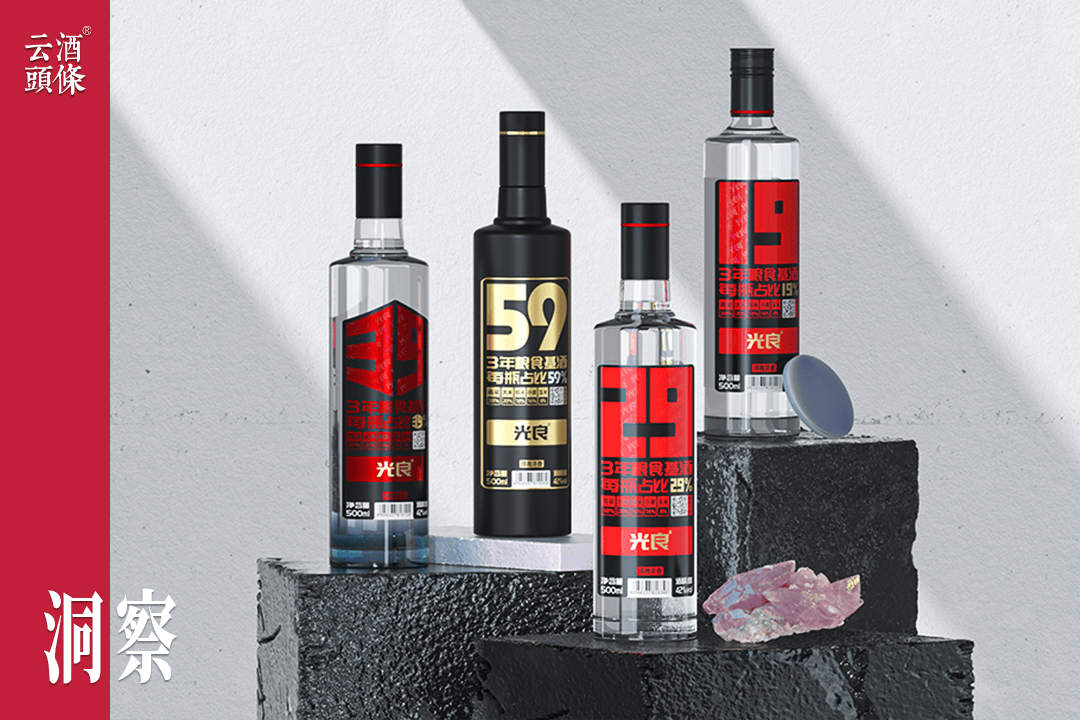
Core Insights - The Chinese liquor industry, particularly the baijiu sector, is experiencing a significant adjustment period, with production declining by 9.9% year-on-year in the first nine months of 2025, totaling 2.655 million kiloliters [2] - Despite the overall market challenges, the light bottle liquor segment is emerging as a competitive alternative to boxed liquor, with brands like Guangli gaining traction in regional markets [3][5] Industry Trends - The light bottle liquor market is witnessing a shift from being a supplementary category to becoming a mainstream choice that competes directly with boxed liquor [5][6] - Consumer preferences are evolving towards value and quality, with a notable increase in the acceptance of light bottle liquor in everyday drinking scenarios, particularly in the 30-60 yuan price range [7][8] Market Dynamics - The light bottle liquor market in China surpassed 150 billion yuan in 2024, with an annual growth rate exceeding 15%, significantly outpacing the overall baijiu industry [8] - In Zhangye, the market for light bottle liquor is projected to reach 20-30 million yuan, indicating substantial growth potential [8] Brand Performance - Guangli has rapidly established itself in the Zhangye market, achieving coverage of over 1,166 retail points and 340 restaurant outlets within six months, with an estimated sales target of at least 1 million yuan by year-end [10][14] - The brand's success is attributed to a systematic operational strategy that emphasizes quality, reasonable profit sharing with retailers, and strong collaboration between manufacturers and distributors [14][15] Consumer Behavior - Consumers are increasingly prioritizing cost-effectiveness and product quality over brand prestige, leading to a structural shift in the pricing landscape of the liquor market [8][9] - Guangli's diverse product range, covering price points from 20 to 80 yuan, allows it to effectively capture market share across various consumer segments [19][20] Strategic Insights - Guangli's focus on long-term brand development and operational consistency positions it favorably in a challenging market environment, appealing to distributors seeking stable growth prospects [16][20] - The brand's unique approach to market penetration, particularly in the restaurant sector, has created a competitive edge that differentiates it from traditional light bottle liquor brands [14][20]
产品“拥挤”、利润空间低 光瓶酒新生态重构进行时
Bei Jing Shang Bao· 2025-11-18 13:50
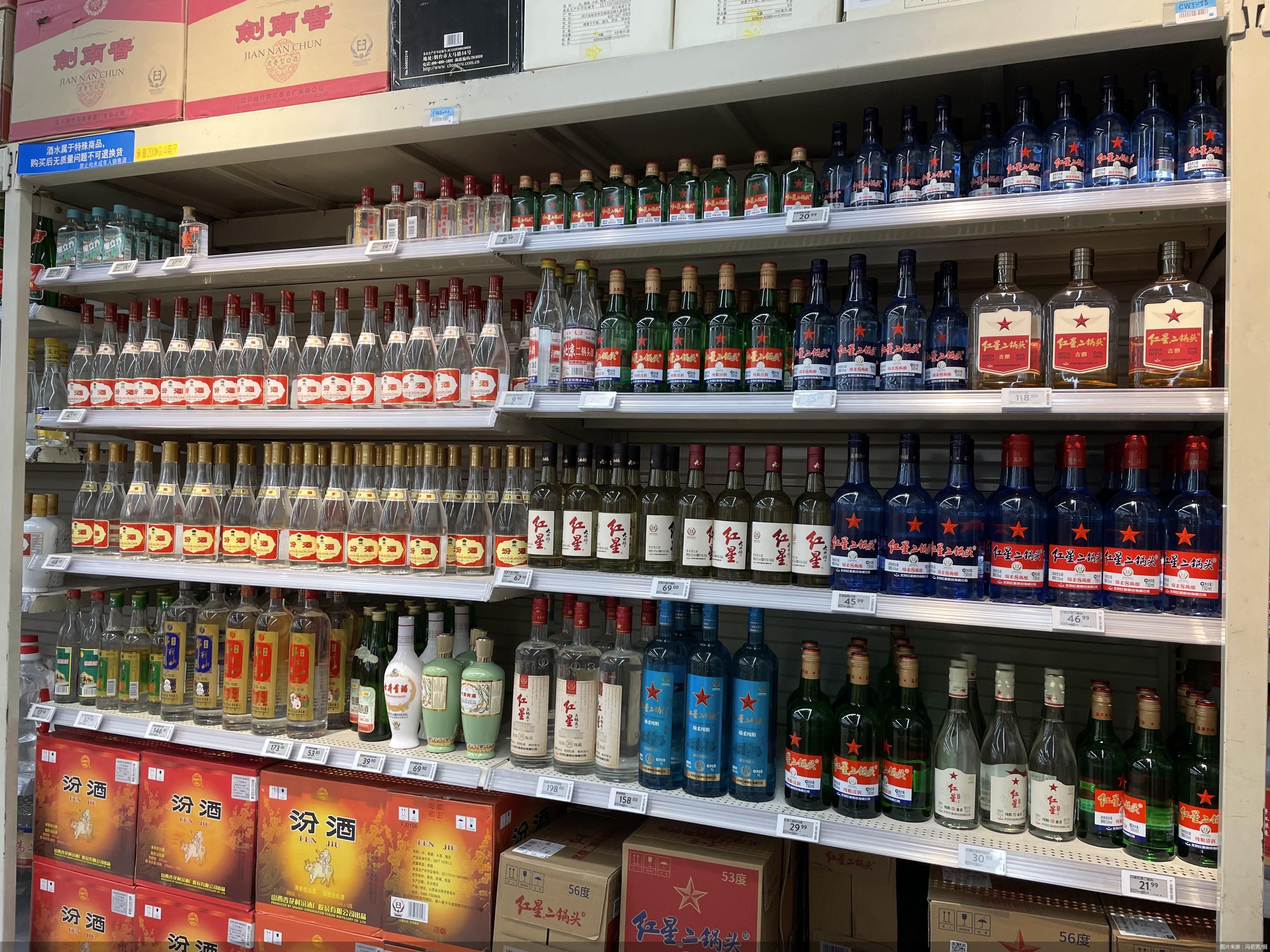
Core Insights - The light bottle liquor market is becoming one of the hottest segments in the liquor industry, with a growing number of new products entering the market while profit margins remain challenging [1][5][8] - The competition in the light bottle liquor sector is intensifying, leading to a potential reshuffling of market dynamics as new consumption logic and ecosystems emerge [1][10] Market Dynamics - Major brands in the light bottle liquor market include Niulanshan, Hongxing, Fenjiu, and Tuopai, with a significant focus on the 50 yuan price range [2][5] - Approximately 30% of light bottle liquor products are priced below 40 yuan, 50% between 40-100 yuan, and only 20% above 100 yuan [2] Competitive Landscape - The entry of numerous participants into the light bottle liquor market is driven by the contraction of high-end liquor consumption and a shift towards mass-market consumption [6][7] - Retailers are also entering the light bottle liquor space, with Walmart and Hema launching their own products, indicating a crowded market [6][7] Growth Potential - The light bottle liquor market is projected to exceed 150 billion yuan in 2024, with a compound annual growth rate of 17%, significantly outpacing the overall industry [7][8] - Companies like Shanxi Fenjiu are seeing substantial revenue growth, with the "other liquor" category, including light bottles, expected to reach 93.42 billion yuan in 2024 [7] Profitability Challenges - Despite the market's growth, light bottle liquor products face low profit margins, with many products below 50 yuan having gross margins of 40% or less, compared to the industry average of 67.32% [9][10] - The intense competition and low pricing strategies may lead to the elimination of some smaller liquor companies [9] New Ecosystem Development - The light bottle liquor market is transitioning from a low-price volume strategy to a focus on quality, creating a new industry ecosystem and pricing structure [10][11] - High-end light bottle products are becoming increasingly important, with a significant shift in consumer preferences towards products priced between 50-100 yuan [10][11] Marketing Evolution - The marketing strategies for light bottle liquor are evolving from traditional promotional tactics to more sophisticated, systematized approaches that emphasize brand and digital marketing [12] - A comprehensive and refined marketing management system is essential for the future development of light bottle liquor brands [12]
从A股十余家白酒上市公司,看市场这几年所发生的变化
Sou Hu Cai Jing· 2025-11-18 09:56
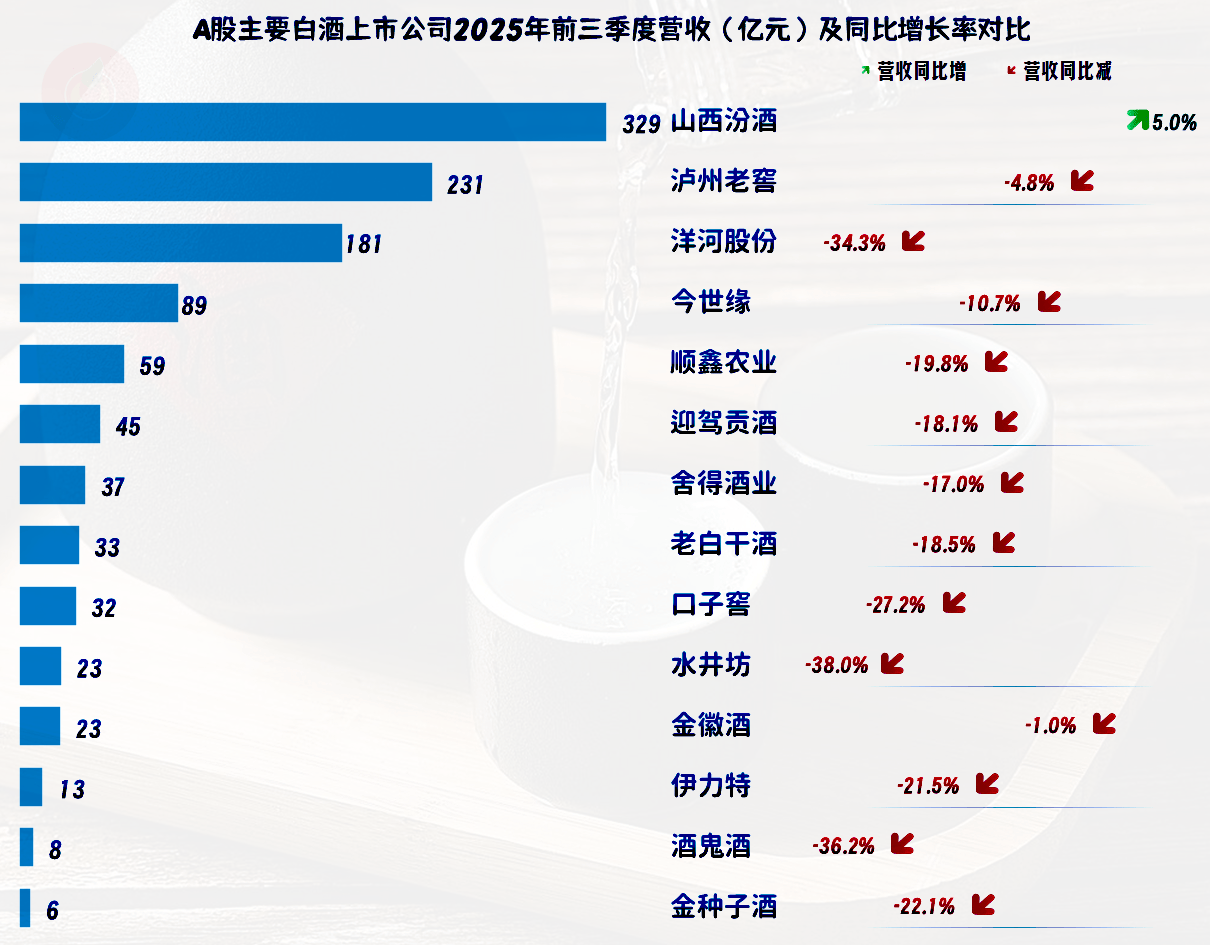
Core Insights - The overall trend in the liquor industry is a decline in revenue for most companies, with only Shanxi Fenjiu showing growth in the first three quarters of 2025 [3][5] - The top companies are likely to consolidate resources, leading to a more pronounced market share for larger firms [3][5] Revenue Comparison - Among the 14 liquor companies analyzed, only Shanxi Fenjiu experienced year-on-year growth, while 13 others saw declines, with significant drops exceeding 30% for brands like Shui Jing Fang, Jiu Gui Jiu, and Yanghe [3][4] - The revenue of the 14 companies increased from 955.4 billion to 1,536.3 billion from 2020 to 2024, marking a growth of 60.8%, with the largest three companies growing by 85.7% [5] Profitability Analysis - In terms of net profit, only Shanxi Fenjiu showed a slight increase, while the other 13 companies experienced declines, with some facing significant losses [6][7] - The net profit of the 14 companies grew by 82.6% over four years, outpacing revenue growth by over 20 percentage points [7][8] Market Dynamics - The concentration of profits is increasingly skewed towards larger companies, with the top three accounting for 75% of net profits by 2024, up from 70.1% in 2020 [8][12] - Smaller companies are struggling, with the smallest three seeing a 2.5% decline in net profit over four years, while the smallest five grew by only 36% [5][8] Margin and Efficiency - The average gross margin for the liquor companies was 65.7% in the first three quarters of 2025, showing a slight increase from 65.1% in 2020 [11][12] - The annualized return on equity decreased from 18% in 2020 to 12.3% in 2025, indicating a decline in capital efficiency despite increased net assets [12][10] Future Outlook - The industry faces challenges similar to those in real estate, with potential downward pressure on smaller brands as market conditions worsen [15][12] - There is speculation about the sustainability of high-end liquor pricing, with concerns that excessive price increases could alienate consumers [13][15]
学习贯彻四中全会精神 金融助力首都乡村全面振兴
Bei Jing Ri Bao Ke Hu Duan· 2025-11-17 22:44
Core Viewpoint - Rural revitalization is a key support for Chinese-style modernization and a necessary path to achieve common prosperity, with finance playing a crucial role in resource allocation and development [1] Group 1: Financial Support for Rural Revitalization - Agricultural Bank of China (ABC) Beijing Branch has focused on enhancing financial services for rural revitalization, investing over 49 billion yuan in loans for agricultural enterprises during the 14th Five-Year Plan, with agricultural loan balances increasing by nearly 15 billion yuan since the end of 2020 [2] - The bank has developed a "Three Rural" financial service system, implementing 20 measures to support the "Hundred Thousand Project" in areas such as ecological livability and rural governance, and has created various innovative financial products [2][3] - ABC has launched a series of specialized loans totaling over 2.8 billion yuan to meet the diverse needs of agricultural clients, including products like "Peach Loan" and "Smart Animal Husbandry Loan" [3] Group 2: Enhancing Financial Services in Key Areas - The bank aims to ensure food security by creating a comprehensive financial service model that supports the entire agricultural supply chain, collaborating with major agricultural enterprises to enhance financial supply capabilities [4] - ABC is actively involved in rural infrastructure projects, providing efficient financial services for public infrastructure needs, and has facilitated significant compensation payments to farmers [4] Group 3: Recommendations for National Financial Support - It is recommended to strengthen the top-level design of rural financial development strategies, emphasizing the importance of addressing "three rural issues" and promoting urban-rural integration [6] - A multi-layered, sustainable investment system for rural revitalization should be established, including a national rural revitalization guiding fund to support key areas like agricultural technology innovation and rural tourism [9] Group 4: Focus on Technological Empowerment - The emphasis is on supporting the development of new agricultural productivity through technology, advocating for a diversified investment framework that includes policy, commercial, and cooperative finance [8] - Encouraging the transformation of scientific research achievements into practical applications in agriculture, and promoting the integration of technology and industry [8] Group 5: Supporting Agricultural Industry Quality Improvement - The focus is on enhancing the quality of rural industries by promoting the integration of agriculture with tourism and other sectors, and developing a modern agricultural system in Beijing [11] - Initiatives to build strong agricultural brands and support the development of geographical indication products are highlighted [12] Group 6: Improving Services for Farmers - Financial services should aim to benefit farmers directly, with a focus on improving public services and infrastructure in rural areas [13] - Strategies to help farmers increase income through the development of local specialty industries and the transformation of rural assets into tradable capital are proposed [13]
