晶澳科技

Search documents
A股重大调整!今起实施;首批科创债ETF发行;1.99亿股!民生银行获大股东增持→
新华网财经· 2025-07-07 00:30
今日导读 1. 7月7日起,沪深北交易所《程序化交易管理实施细则》正式施行。 2. 7月7日,富国中证AAA科技创新公司债ETF、华夏中证AAA科技创新公司债ETF、招 商中证AAA科技创新公司债ETF等首批10只科创债ETF将发行,多只科创债ETF的发售期 仅有7月7日一天。 1、 国务院国资委7月4日消息,近日,国务院国资委印发的《关于新时代中央企业高质量推进品牌建 设的意见》提出,加强品牌保护管理。建立健全品牌授权准入、动态审核、清查退出机制,加大对擅 用、滥用品牌行为的监测、识别和处罚力度,加强违规挂靠、假冒国企问题的梳理排查和证据收集, 确保品牌使用规范。注重战略性新兴产业、未来产业自有品牌商标注册,预防恶意商标抢注行为。常 态化开展商标侵权监测,完善商标维权与争端解决机制,综合运用协商沟通、舆论维权、法律诉讼等 打击侵权行为。 2、 住房城乡建设部调研组近日赴广东、浙江两省调研。调研组表示,促进房地产市场平稳、健康、 高质量发展具有重要意义。各地要切实扛起责任,充分用好房地产调控政策自主权,因城施策、精准 施策,提升政策实施的系统性有效性,持续巩固房地产市场稳定态势。 调 研组要求,要加快建设安 ...


光伏行业内卷68家公司年亏257亿 工信部出手治理推动减产创新寻出路
Chang Jiang Shang Bao· 2025-07-06 22:33
Core Viewpoint - The article highlights the urgent need for the photovoltaic (PV) industry to combat "involution," characterized by excessive competition leading to low prices and reduced profitability, as emphasized by recent government meetings and industry responses [1][18]. Industry Overview - The PV industry has experienced a dramatic shift from profitability in 2023 to significant losses in 2024, with 68 PV equipment companies collectively losing approximately 257 billion yuan, compared to a profit of 993 billion yuan in 2023 [3][9]. - Major companies like Tongwei Co., Longi Green Energy, and JinkoSolar reported substantial revenues exceeding 100 billion yuan in 2023, but faced severe losses in 2024, with Longi Green Energy and TCL Zhonghuan losing 98.18 billion yuan and 86.18 billion yuan respectively [7][8]. Competitive Landscape - The industry has seen a split performance, with some segments like PV processing equipment and inverters thriving, while others, particularly silicon wafer and module manufacturers, are struggling with massive losses [3][8]. - The aggressive expansion strategies adopted by leading firms during the high-demand years of 2022 and 2023 have contributed to structural overcapacity and price declines in 2024, leading to a situation where companies are losing money even as they increase sales [10][13]. Policy and Industry Response - The government has initiated measures to regulate low-price competition and promote product quality, with the Central Financial Committee emphasizing the need for orderly market practices [1][18]. - Industry associations and companies are advocating for self-regulation and collaboration to foster a healthier market environment, with initiatives like the "Photovoltaic Industry Cooperation Initiative" signed by nine companies in 2023 [15][16]. Technological Innovation - Companies are increasingly focusing on technological advancements and innovation to improve product quality and operational efficiency, as seen with JinkoSolar's recent achievement in achieving a record conversion efficiency for its N-type solar cells [17][18].





阿特斯光伏储能双轮驱动平抑周期 利润优先不追求出货量逆势赚22亿
Chang Jiang Shang Bao· 2025-07-06 22:32
Core Viewpoint - The photovoltaic equipment industry, particularly in silicon materials and components, is experiencing widespread losses, but the company, Arctech (688472.SH), stands out as an exception with strong profitability despite industry challenges [1][3]. Financial Performance - In 2024, Arctech achieved operating revenue of 46.165 billion yuan, a year-on-year decrease of approximately 10%, and a net profit attributable to shareholders of about 2.2 billion yuan, down 22% year-on-year [1][5]. - The company's gross profit margin for the component business was 12.75% in 2024, maintaining profitability despite a decline from 16% in 2023 [2][7]. - Among 68 photovoltaic equipment companies in A-shares, Arctech was the only company with a net profit exceeding 1 billion yuan, with a net profit of 2.247 billion yuan in 2024 [3][5]. Business Strategy - Arctech employs a dual-driven strategy focusing on both photovoltaic and energy storage sectors, which has helped mitigate the impact of industry cyclicality [1][5]. - The company has adjusted its component shipment strategy, prioritizing profit over shipment volume, and has actively reduced output to maintain financial health [7][8]. - In 2024, the revenue from the component and energy storage businesses was 31.483 billion yuan and 9.738 billion yuan, respectively, with their proportions shifting from 82.49% and 3.64% in 2023 to 68.20% and 21.09% in 2024 [5][6]. Market Position - Arctech's energy storage business has rapidly grown, with shipments reaching 6.5 GWh in 2024, a year-on-year increase of 505.28%, and is expected to continue expanding in 2025 [8]. - The company has established a strong presence in overseas energy storage markets, leveraging its early mover advantage in North America, Europe, and Australia [8]. Future Outlook - Arctech plans to be cautious with domestic capacity expansion, focusing on energy storage and high-profit overseas markets [11].

光伏产业出清落后产能需打破地方保护壁垒
Zheng Quan Shi Bao· 2025-07-06 18:14
Core Viewpoint - The photovoltaic industry is facing significant challenges, including continuous losses over multiple quarters, prompting a consensus among industry players to combat "involution" and seek market-driven capacity clearance solutions [2][4][10]. Group 1: Industry Challenges - The photovoltaic industry has been experiencing severe supply-demand mismatches, leading to consecutive quarterly losses [2]. - In 2024, the total revenue of 64 listed photovoltaic companies is projected to be 931.1 billion yuan, a decrease of 22.4% year-on-year, with total net profit dropping from a profit of 104.96 billion yuan in 2023 to a loss of 29.76 billion yuan in 2024 [4]. - The industry is currently in a painful transition period, with many companies understanding the regulatory push against low-price competition and the need for capacity optimization [4][9]. Group 2: Industry Consensus and Actions - A consensus on combating "involution" is forming within the industry, with various segments, including silicon materials and photovoltaic glass, exploring market-driven capacity clearance paths [2][4]. - The Ministry of Industry and Information Technology held a meeting with 14 photovoltaic companies to discuss production, innovation, and market competition, which provided significant confidence to the industry [3][9]. - Industry leaders advocate for a combination of market-driven mergers, technological elimination mechanisms, and policy enforcement to clear outdated capacity [4][10]. Group 3: Market and Policy Dynamics - Companies are exploring market-driven capacity clearance strategies, such as larger firms acquiring smaller ones to stabilize silicon material prices and restore profitability [6][7]. - The photovoltaic glass sector is also expected to reduce production by 30%, with ongoing discussions about capacity clearance [7]. - There is a strong emphasis on the need for policy measures to control new capacity and guide prices back to rational levels, while also promoting technological innovation to facilitate the exit of outdated capacity [9][10].
光伏,狼真的来了
格隆汇APP· 2025-07-06 10:21
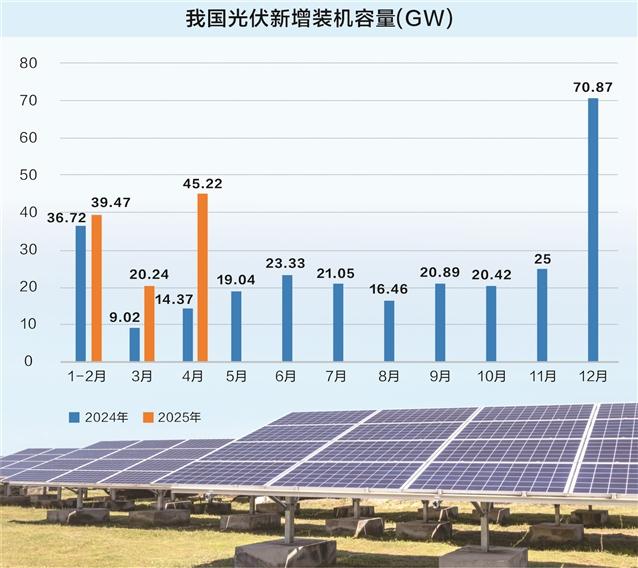
Core Viewpoint - The A-share photovoltaic sector has experienced a significant rebound since July 2, with notable increases in stock prices for companies like Yamaton and Yijing Photovoltaic, indicating a potential turning point after three years of decline [1][3]. Group 1: Market Performance - Since July 2, 2025, Yamaton and Yijing Photovoltaic saw stock price increases of 33% and 26% respectively over three trading days [1]. - Major companies such as Daqo Energy and Tongwei Co. also experienced gains exceeding 10% [1]. - The photovoltaic sector has faced a cumulative decline of over 50% since its peak in 2022, with some leading companies suffering losses of over 80% [3]. Group 2: Government Policy and Industry Outlook - The sixth Central Financial Committee meeting emphasized the need to regulate low-price competition and promote the exit of outdated production capacity in the photovoltaic sector [5][6]. - This policy direction is seen as a potential precursor to a supply-side reform similar to that initiated in the coal and steel industries in 2015 [7][10]. - The Ministry of Industry and Information Technology held a meeting focusing on the photovoltaic industry, where it was discussed to control the total production of polysilicon to not exceed 1.4 million tons by 2030, indicating a potential reduction of over 56% in capacity [8][9]. Group 3: Industry Dynamics and Investment Opportunities - The current market sentiment reflects a belief that the photovoltaic industry may be on the verge of a significant turnaround, with expectations of concrete policy implementations soon [15][19]. - A proposed alliance among six leading polysilicon companies aims to establish a 70 billion yuan fund to acquire and retire excess production capacity, which could facilitate a more orderly market exit for smaller firms [17][18]. - The current cash cost of polysilicon production for leading companies is around 27,000 to 35,000 yuan per ton, with a reasonable price expectation of 45,000 to 50,000 yuan to ensure profitability [25][26]. Group 4: Market Structure and Future Prospects - The global polysilicon market is heavily concentrated in China, with the top six companies accounting for over 80% of the market share [21]. - The integration of polysilicon production is expected to be less challenging compared to other segments, suggesting a higher potential for price recovery [22]. - The photovoltaic sector's overall valuation is currently at a historical low after three years of decline, indicating potential for valuation recovery as fundamental conditions improve [27].



光伏,活在产能出清的恐惧中
投中网· 2025-07-05 06:33
Core Viewpoint - The photovoltaic industry is experiencing severe challenges, with many companies facing bankruptcy and an oversupply of production capacity, leading to continuous price declines and financial losses across the sector [4][5][6][8]. Group 1: Industry Status - As of 2024, at least 70 photovoltaic companies have filed for bankruptcy, primarily affecting small and medium-sized enterprises, with 40% of these bankruptcies occurring in the battery and module segments [8]. - The "installation rush" in the first half of the year led to a record high of 198 GW of new installations from January to May, yet prices across the photovoltaic supply chain continue to decline [6][9]. - The industry is in a prolonged "hell" phase, with companies bleeding cash while waiting for a balance between supply and demand [6][12]. Group 2: Financial Performance - In 2024, 40% of the 138 listed photovoltaic companies reported losses, with the top 10 loss-making companies collectively losing over 53 billion yuan [19][21]. - Major companies like Longi Green Energy and JinkoSolar reported significant losses in the first quarter of 2025, with combined losses nearing 8.4 billion yuan [20][21]. Group 3: Capacity and Market Dynamics - As of the end of 2024, the production capacity for key segments in the photovoltaic supply chain is significantly higher than the projected global installation capacity, indicating a severe oversupply [15]. - The expansion of production capacity has not ceased, with numerous projects initiated in 2024, leading to further potential oversupply issues [15][16]. - The presence of state-owned enterprises acquiring struggling companies has hindered the necessary market corrections, allowing many non-competitive firms to remain operational [16][17]. Group 4: Future Outlook and Recommendations - Industry experts suggest that without strong regulatory measures, the current cycle of overcapacity and price wars will continue, potentially leading to the exit of major players [21][22]. - Proposed solutions include market-driven mergers and acquisitions, technological elimination mechanisms, and policy enforcement to manage capacity effectively [22].

美国取消相关对华经贸限制,工信部组织14家光伏巨头座谈丨一周热点回顾
Di Yi Cai Jing· 2025-07-05 00:29
Group 1: US-China Trade Relations - The US has lifted export restrictions on EDA software, ethane, and aircraft engines to China, following recent trade talks [1] - The Chinese Ministry of Commerce confirmed that both sides are working to implement the consensus reached during the June 5 call between the two countries' leaders [1][2] - The lifting of restrictions is seen as a positive signal for further cooperation and outcomes in US-China trade relations [2] Group 2: National Unified Market Construction - The Central Economic Commission of China has emphasized the need to deepen the construction of a national unified market, focusing on "five unifications and one openness" [3] - Specific measures include addressing low-price disorderly competition and promoting the integration of domestic and foreign trade [3][4] - The strategic upgrade reflects a shift from internal integration to external collaboration, aiming for long-term high-quality development [4] Group 3: Health Insurance and Innovative Drugs - The National Healthcare Security Administration has introduced measures to support the development of innovative drugs, including the establishment of a commercial health insurance directory for innovative drugs [5][6] - This directory will include high-value innovative drugs that exceed basic medical insurance coverage, alleviating pressure on the medical insurance fund [6] - The initiative aims to create a sustainable payment pathway for high-value innovative drugs while ensuring basic medical insurance focuses on essential coverage [6] Group 4: Foreign Investment Tax Incentives - The Chinese government has announced a tax credit policy for foreign investors reinvesting profits in domestic projects, effective from January 1, 2025, to December 31, 2028 [7] - This policy aims to encourage foreign investment by allowing a 10% tax credit on reinvested profits, which is a significant incentive compared to previous policies [7] - The move is part of broader efforts to stabilize foreign investment amid declining actual foreign capital usage in China [7] Group 5: Solar Industry Regulation - The Ministry of Industry and Information Technology has convened a meeting with 14 solar companies to address low-price competition in the solar industry [8][9] - The government aims to enhance product quality and facilitate the orderly exit of outdated production capacity to promote sustainable development [8] - The recent actions signal a strong commitment from the highest levels of government to tackle the issue of unhealthy competition in the solar sector [9] Group 6: Major Infrastructure Projects - The National Development and Reform Commission has allocated over 300 billion yuan to support the third batch of "two heavy" construction projects for 2025, totaling 800 billion yuan for the year [10][11] - These projects focus on critical areas such as ecological restoration, transportation infrastructure, and urban underground networks [10] - The coordinated fiscal and monetary policies aim to provide sufficient funding for these major projects, which are crucial for stabilizing investment growth [11] Group 7: Manufacturing Sector Performance - The manufacturing PMI for June rose to 49.7%, indicating a slight improvement in manufacturing activity, with production and new orders both showing positive trends [12][13] - Despite the increase, the PMI remains below the 50% threshold, suggesting that the recovery in the manufacturing sector is still fragile [12][13] - External uncertainties and fluctuating demand continue to pose challenges for the manufacturing industry, necessitating supportive macroeconomic policies [13] Group 8: US Tax and Spending Legislation - The US Congress has passed the "Big and Beautiful" tax and spending bill, which includes significant tax cuts and is expected to increase the federal deficit by approximately $3.3 trillion over the next decade [14][15] - The legislation has raised concerns among investors regarding its long-term fiscal implications, including potential cuts to federal assistance and increased national debt [14][15] - The market's reaction indicates growing apprehension about the sustainability of US fiscal policies and their impact on global investment strategies [15]


“大而美”法案令税收抵免提前7年终止,如何影响在美清洁能源投资
Di Yi Cai Jing· 2025-07-04 14:54
Core Points - The "One Big Beautiful Bill Act" has been passed by both houses of Congress and awaits President Trump's signature to become law [1][2] - The act will terminate investment tax credits (ITC) and production tax credits (PTC) for solar projects seven years earlier than originally planned, ending in 2025 instead of 2032 [2][3] Industry Impact - The passage of the act is expected to increase construction costs for wind and solar projects in the U.S. by 10% to 20%, according to Rhodium Group [3] - The uncertainty created by the new policy may deter investment in renewable energy projects that rely on subsidies, potentially leading to a "chilling effect" on the sector [3] - Projects that face delays due to various uncontrollable factors may lose their eligibility for subsidies, further discouraging developers and financiers [3] Company Responses - Trina Solar has stated that it has recovered all investment costs in its U.S. factory through a partnership with FREYR and does not foresee significant impacts from the subsidy reductions [4] - Longi Green Energy reported that its joint venture factory in the U.S. is operating well, with products being manufactured locally, ensuring better supply stability [4] - Companies are advised to prepare for a loss of support for clean energy projects in the U.S. and to diversify their international investments [4] Market Trends - Chinese solar and storage companies are increasingly looking to invest in the Middle East, with TCL Zhonghuan planning a $2.08 billion investment in Saudi Arabia for a 20GW solar wafer project [5] - JinkoSolar has announced a $985 million joint venture in Saudi Arabia to build a 10GW high-efficiency solar cell and module project [5] - Other leading companies in the solar industry have also announced plans for factories in the Middle East [5]
破除光伏内卷式竞争,政策供给侧改革可期
Yin He Zheng Quan· 2025-07-04 12:57
Investment Rating - The report maintains a "Recommended" investment rating for the photovoltaic industry [1]. Core Viewpoints - The report emphasizes the need to break the "involution" style competition in the photovoltaic sector, advocating for supply-side reforms driven by policy, industry self-discipline, and corporate production cuts [2]. - It highlights a significant increase in domestic photovoltaic installations, with 197.85 GW added from January to May 2025, representing a 150% year-on-year growth [2]. - The report identifies new technologies, particularly BC (Bifacial Cell) and copper paste, as key drivers for future industry growth and cost reduction [2]. Summary by Sections Industry Overview - The solar energy index rose by 4.1%, with notable gains from companies like Daqo New Energy and Tongwei Co., Ltd., which saw increases exceeding 10% [2]. - The report discusses the government's increasing focus on addressing low-price disorderly competition, aiming to enhance product quality and facilitate the exit of outdated production capacity [2]. Supply and Demand Dynamics - The report notes a recovery in polysilicon prices, with the average transaction price for N-type polysilicon rising to 34,700 CNY/ton, a 0.87% increase week-on-week [2]. - It asserts that the main challenge in the photovoltaic industry is supply rather than demand, with expectations for improved supply conditions due to government guidance and industry self-regulation [2]. Technological Advancements - The report forecasts that leading companies will significantly expand their BC production capacity, with Longi Green Energy expected to reach 50 GW by the end of 2025 [2]. - It highlights the trend towards reducing silver usage in photovoltaic cells, with the silver consumption per watt decreasing from 6 mg/W to 0.5 mg/W, driven by advancements in technologies like XBC, TOPCon, and HJT [2]. Investment Recommendations - The report suggests focusing on leading companies with strong advantages in new technologies, recommending stocks such as Longi Green Energy, Aiko Solar Energy, and JinkoSolar [2]. - It also advises attention to auxiliary material sectors that benefit from policy improvements and have higher safety margins, recommending companies like GCL-Poly Energy and Sungrow Power Supply [2].


国网蝉联第一,南网第五,还有国电电力、华能国际、长江电力……
Zhong Guo Dian Li Bao· 2025-07-04 12:40
Group 1 - The core report from Brand Finance indicates that the total brand value of Chinese utility companies in 2025 has increased by 23.1% compared to 2024, accounting for 46.2% of the global brand value, ranking first worldwide [1][3] - State Grid's brand value has grown by 20.4%, reaching $85.63 billion, maintaining its position as the most valuable utility brand globally for the eighth consecutive year [3][4] - China Southern Power Grid, with a brand value of $8.98 billion, ranks fifth globally, marking its first entry into the utility sector [3][4] Group 2 - State Grid has a brand strength index (BSI) score of 92.6, rated AAA+, making it the only utility brand to achieve this highest rating [3][4] - China Southern Power Grid is actively expanding its international business, including acquiring shares in Peru's largest distribution company and engaging in cross-border electricity trade with neighboring countries [3][4] - Other notable Chinese brands on the list include Guodian Power (brand value down 1% to $3.67 billion), Huaneng International (brand value up 9.1% to $3.64 billion), and Sungrow Power (brand value up 5.3% to $3.53 billion), ranking 11th, 12th, and 13th respectively [4]