小红书

Search documents
沈南鹏全球第四!福布斯Midas List发布
母基金研究中心· 2025-05-28 03:27
Core Insights - The Forbes Midas List for 2025 has been released, highlighting the world's best venture capital investors, with Neil Shen from Sequoia China ranking fourth, being the only Chinese investor in the top ten [2][3]. Group 1: Notable Investors - Alfred Lin from Sequoia ranks first, followed by Reid Hoffman from Greylock Partners in second, and Peter Thiel from Founders Fund in third [1]. - Neil Shen has previously topped the Midas List four times, showcasing his significant influence in the investment landscape [2]. - Other notable Chinese investors include Liu Qin from Five Sources Capital at 12th place and Cao Yi from Source Code Capital at 29th place [3]. Group 2: Investment Focus - In recent years, Neil Shen has increased investments in sectors such as renewable energy, consumer goods, and fintech, with notable investments in companies like Vision Energy, Pop Mart, and TradingView [3]. - Sequoia China is actively exploring opportunities in overseas markets, particularly in the Asia-Pacific and Europe, to support innovative companies with market-changing potential [3]. Group 3: Future Initiatives - The Mother Fund Research Center has initiated the 2025 special list evaluation, aiming to promote excellence in the private equity fund industry and encourage healthy development within the sector [4].


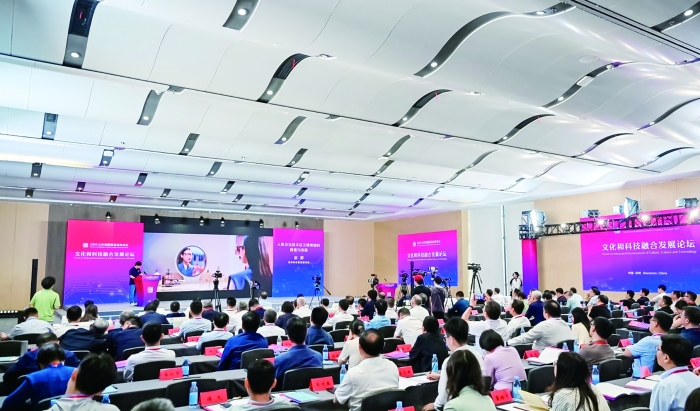
文化和科技融合发展论坛:文化科技齐飞 创作传播共赢
Ke Ji Ri Bao· 2025-05-28 01:49
Group 1: Cultural and Technological Integration - The launch of the world's first immersive participatory museum, "Digital Cave of Scriptures," aims to promote the global digital dissemination of Dunhuang culture through advanced technologies like game engines and high-definition scanning [1] - The integration of new technologies such as artificial intelligence, virtual reality, and digital twins expands the creative, production, dissemination, and consumption spaces for culture, offering limitless possibilities [1] Group 2: AIGC in Artistic Creation - AIGC (Artificial Intelligence Generated Content) technology can enhance various stages of artistic creation, leading to improvements in quality, generation, efficiency, and cost reduction [3] - Despite facing challenges in values, ethics, computing power, data, and costs, AIGC is expected to rapidly develop disruptive production capabilities, presenting new opportunities for artistic creation [3] Group 3: New Paradigms in Creation - Breakthroughs in large model technology are expected to democratize creation, eliminate technical barriers, and enable individuals to produce content with the efficiency of professional teams [4] - The future may see the rise of more micro or even one-person creative companies, as individual creators can leverage AI tools to handle entire production processes in fields like film [4] Group 4: Cultural Communication and Multilingual Systems - The fusion of culture and technology serves as a bridge connecting tradition and modernity, facilitating the coexistence and mutual appreciation of diverse cultures [6] - Multilingual intelligent systems will shift the focus of Chinese cultural dissemination from mere translation accuracy to capturing cultural essence, requiring advanced emotional recognition and semantic reasoning capabilities [6] Group 5: Innovations in Translation and Cultural Understanding - The translation function of platforms like Xiaohongshu goes beyond simple dictionary replacements, addressing the diversity of human civilization and the nuances of social emotions [6][7] - The integration of natural language processing, optical character recognition, and computer vision allows for a transition from "text conversion" to "cultural decoding," enhancing the ability to understand and convey cultural meanings [7]
网信办部署加强“开盒”问题整治,坚决打击“开盒”乱象丨消费早参
Mei Ri Jing Ji Xin Wen· 2025-05-27 23:23
Group 1 - The Central Cyberspace Administration of China has issued a notice to strengthen the crackdown on the "open box" issue, requiring major platforms like Tencent and Douyin to take responsibility and adopt a zero-tolerance approach [1] - The notice emphasizes the need to block the dissemination of "open box" information, improve early warning mechanisms, increase punitive measures, optimize protective measures, and enhance public awareness [1] - The "open box" behavior is described as a severe violation of personal privacy and a disruption to online order, which has crossed legal boundaries [1] Group 2 - SF Express has formed a strategic alliance with Shanghai Disney Resort, becoming the official logistics and express service partner for the resort [2] - The partnership will allow visitors to easily send items purchased at designated stores within the resort through a dedicated mini-program developed by SF Express, enhancing the visitor experience and potentially stimulating consumption [2] - The collaboration is expected to significantly increase SF Express's business volume due to the large visitor flow and surrounding merchandise sales at Disney [2] Group 3 - Liu Genghong and his wife have launched a new clothing brand, VIVICYCLE, focusing on light sports apparel aimed at Generation Z and women over 25 [3] - The brand plans to expand to 100 stores nationwide by the end of 2026, with a product line that includes yoga wear, dance outfits, and outdoor sports gear, priced between 99 to 399 yuan [3] - The brand's success will depend on overcoming challenges in product innovation, supply chain management, and store operations in a highly competitive sportswear market [3] Group 4 - Actor Zhang Han is facing a lawsuit related to unpaid capital contributions in a restaurant venture, with a court hearing scheduled for July 28 [4] - The restaurant company, established in January 2021 with a registered capital of 10 million yuan, has faced multiple bankruptcy auction listings and has been included in the list of companies with operational anomalies [4] - If the court finds Zhang Han at fault for capital contribution issues, he may face obligations to repay contributions and potential joint liability, which could damage his commercial reputation [4]
小红书高级副总裁汤维维: 从“文字转换”到“文化解码”的跨越
Shen Zhen Shang Bao· 2025-05-27 20:29
Core Insights - In January 2025, a significant influx of overseas users began to engage with Xiaohongshu, leading to a unique cultural exchange where users shared pet experiences, assisted with English homework, and learned Chinese cooking from Chinese users [1][2] - The primary challenge faced by Xiaohongshu was the language barrier, prompting the need for effective communication tools to facilitate user interactions [1] Group 1: Technological Developments - Xiaohongshu quickly developed a "one-click translation" feature in response to user demands, allowing automatic translation of English comments into Chinese, thus streamlining the user experience [1] - The translation functionality is built on a multi-modal AI model that integrates Natural Language Processing (NLP), Optical Character Recognition (OCR), and Computer Vision (CV), enabling the system to understand not just text but also cultural nuances such as memes [1] - A dynamic learning mechanism is in place where user edits to translations contribute to ongoing model training, particularly enhancing the understanding of culturally sensitive content [1] Group 2: Cultural Integration - The company emphasizes that its translation capabilities extend beyond mere word-for-word translation to encompass cultural adaptation, reflecting the diversity of human civilization [1] - Xiaohongshu's approach illustrates the importance of embedding technology within a humanistic framework, transforming barriers into bridges for communication [2]
科技助力中国文化产业“破圈出海” 各方共探文化和科技融合新机制
Shang Hai Zheng Quan Bao· 2025-05-27 18:08
Core Viewpoint - In 2024, China's self-developed game overseas market sales revenue reached $18.557 billion, a year-on-year increase of 13.39%, setting a new historical high. Additionally, the number of overseas publishing authorization contracts for online literature increased by 80%, with the overseas publishing authorization amount growing by over 200% [1][4]. Group 1: Cultural Products and IP Empowerment - The recent growth of cultural products such as online literature, online games, and web dramas in overseas markets is attributed to digital technology and IP empowerment [1][2]. - The integration of digital technology with classic cultural IP has enabled a multi-modal ecosystem, allowing seamless transitions between publishing, film, games, and merchandise, resulting in exponential dissemination effects [2][4]. Group 2: AI and Content Creation - The advancement of AI technology is reshaping the cultural creation ecosystem, enhancing content production quality and efficiency, although challenges such as talent integration remain [1][5]. - AI-generated content (AIGC) models have made significant progress in various aspects, assisting in video content creation and improving quality, efficiency, and cost-effectiveness [5]. Group 3: Cultural and Technological Integration - Effective mechanisms for integrating culture and technology are essential for stimulating innovation in the cultural industry, with a focus on talent integration [6]. - The need for professionals who understand both culture and technology is emphasized, suggesting the breaking down of disciplinary barriers and fostering collaboration between academia and industry [6].
氪星晚报|抖音试行新规:将可能诱发“开盒”等事件信息纳入“争议”热点研判处置;天猫“绿动生活”联合中国绿化基金会、蚂蚁森林发起“古树名木保护计划”;印度宣布:超越日本,成为全球第四大经济体
3 6 Ke· 2025-05-27 11:58
Group 1: Strategic Alliances and Partnerships - SF Group and Shanghai Disney Resort have announced a multi-year strategic alliance, with SF becoming the official logistics partner to support increasing delivery demands and enhance visitor experience [1] - Xiaohongshu and Fudan University Philosophy Department have established a collaboration in AI and humanities training, aiming to cultivate interdisciplinary talent [3] - Tmall has launched the "Green Life" initiative in collaboration with the China Greening Foundation and Ant Forest to promote the "Ancient Tree Protection Plan," involving investments from various green brands [4] Group 2: Market Expansion and Investments - WeRide has announced its market expansion strategy into Saudi Arabia, deploying autonomous driving products in key cities to lay the groundwork for future commercial operations [5] - HYBE is selling all its shares in SM Entertainment to Tencent Music Entertainment for approximately 12.9 billion RMB, making Tencent the second-largest shareholder in SM Entertainment [3] Group 3: Industry Trends and Insights - Changan Automobile's chairman predicts that the automotive industry will return to a healthier competitive environment within two years, as investment becomes more rational [8] - Fitch Ratings indicates that China's key cities' real estate market is showing signs of stabilization, with new and second-hand home transactions increasing in early 2023 [8] Group 4: Technological Advancements and Regulatory Developments - Zhongke Shuguang is focusing on increasing R&D spending and enhancing self-research capabilities in response to external challenges, while merging with Haiguang Information to strengthen high-end chip development [6] - The Ministry of Industry and Information Technology, along with other agencies, has released a plan to accelerate the application of advanced computing, 5G-A, and AI in the electronic information manufacturing industry [10]
大模型的人味儿,从何而来?
虎嗅APP· 2025-05-27 11:37
本文来自微信公众号: AI故事计划 ,作者:李奕萱,编辑:温丽虹,原文标题:《我,文科生,教 AI回答没有标准答案的问题》,题图来自:视觉中国 羽山在复旦研究了10年哲学。今年5月,他通过了毕业论文答辩,正在准备博士学位的授予资料。 在思考毕业去向时,他偶然在小红书的官网上看到了招募通知,岗位叫"AI人文训练师"。羽山当即 投递了简历,一个念头从脑海中冒了出来:AI行业终于走到了需要人文研究者的阶段。 对AI进行人文训练,属于模型"后训练"的范畴。在"后训练"中特别强调人文面向,尚未成为行业通 行的做法。但有两家公司值得关注,一家是全球头部的大模型公司Anthropic聘请了哲学系博士,负 责模型后训练的人类价值对齐与微调。在国内,DeepSeek年初传出消息,招聘了北大中文系学生担 任"数据百晓生",对模型做后训练。这被认为是DeepSeek文采出色的来源。 羽山入职之后才知道,小红书这支团队也刚组建不久。同事不算多,但都是来自知名高校人文学科的 硕士、博士生。 团队的首要任务,是设计AI的观念和个性。 听起来很玄。羽山遇到的第一个问题是,"我得了胰腺癌"应该如何回答? 如果把这句话发给市面上主流的AI产品 ...

“开盒”明码标价 网信办点名多平台要求“零容忍”
Bei Jing Shang Bao· 2025-05-27 10:58
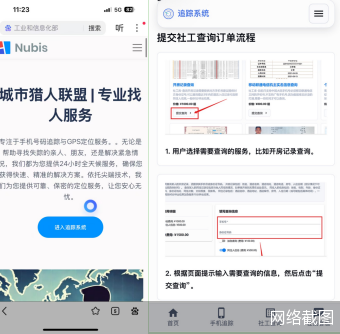
Core Viewpoint - The rise of "open box" behavior, a new form of online violence and illegal activity, has prompted regulatory bodies to take action to combat this issue, emphasizing the need for stricter measures and enhanced protection for personal information [1][7][11]. Group 1: Regulatory Actions - The Central Cyberspace Administration of China has issued a notice outlining requirements to combat "open box" issues, including blocking information dissemination, improving early warning mechanisms, increasing punitive measures, and enhancing protective measures [1][11]. - Major platforms such as Weibo, Tencent, Douyin, Kuaishou, Baidu, Xiaohongshu, Zhihu, Bilibili, and Douban have been instructed to implement these requirements and take responsibility for curbing "open box" activities [7][11]. - Three large websites have been penalized for failing to comply with regulations regarding "open box" behavior, highlighting the government's zero-tolerance approach [7]. Group 2: Nature of "Open Box" Behavior - "Open box" behavior involves maliciously disclosing personal information such as names, ID numbers, phone numbers, and addresses, inciting online harassment and abuse [2][8]. - Investigations revealed that illegal services for obtaining personal information are still prevalent on various online platforms, with some sites openly advertising their services [2][4][6]. - The pricing for these illegal services ranges from hundreds to thousands of yuan, depending on the sensitivity of the information requested [2][6]. Group 3: Legal Framework and Consequences - Recent guidelines from the "Two Highs and One Department" emphasize the legal repercussions for organizing "human flesh searches" and illegally collecting and disseminating personal information, which can lead to severe penalties under criminal law [10]. - The Civil Code affirms individuals' rights to privacy, making unauthorized disclosure of personal information a violation that can result in legal action [10]. - Legal experts warn that the consequences of "open box" behavior can include civil liability for damages and potential criminal charges for severe violations [8][10]. Group 4: Future Measures and Recommendations - The Central Cyberspace Administration plans to continue its high-intensity crackdown on "open box" issues while enhancing protective measures for personal information [11]. - Recommendations include improving data collection and usage boundaries on platforms, implementing desensitization of sensitive information, and utilizing AI to identify malicious content [10][11]. - Users are encouraged to increase their awareness of "open box" risks and take proactive steps to protect their personal information [11].
星图数据丨2025年电商发展报告
Sou Hu Cai Jing· 2025-05-27 06:26
Core Insights - The Chinese consumer market in 2024 is characterized by a "dual increase" in both quantity and quality, with consumer willingness shifting from cautious observation to rational expansion [1] - E-commerce platforms are entering a phase driven by both technology and ecosystem, with competition focusing on efficiency rather than mere traffic acquisition [1] - The report by Star Map Data outlines the overall development of the e-commerce industry in 2024, analyzing mainstream platform strategies and summarizing industry trends [1][3] Part 01: Macroeconomic Environment - The total retail sales of consumer goods and the online retail sales of physical goods continue to grow, although at a slowing pace [12] - The contribution rate of consumer spending to economic growth has decreased from last year's peak, but per capita consumption expenditure for urban and rural residents remains positive year-on-year [14] - The national express delivery volume has seen rapid growth, exceeding 100 billion items ahead of schedule, indicating strong online consumption demand [16] - Categories such as clothing, footwear, textiles, and daily necessities remain top sellers, with food categories showing significant year-on-year growth [18] - The number of domestic internet users is stabilizing, leading to increased competition in a saturated market [21] Part 02: E-commerce Market Scale - In 2024, comprehensive e-commerce accounts for 71.9% of GMV with a year-on-year growth of 8.3%, while content e-commerce accounts for 24.6% with a year-on-year growth of 36.1% [24] - The top five e-commerce platforms by GMV in 2024 are Tmall (32.7%), Pinduoduo (23%), Douyin (18.9%), JD (18.7%), and Kuaishou (6.6%) [26] Part 03: E-commerce Platform Development Trends - JD is refocusing on "quality e-commerce" by enhancing its supply chain and service system, penetrating lower-tier markets, and expanding into cross-border and food delivery sectors [6] - Pinduoduo is shifting its strategy from "billion-dollar subsidies" to "hundred-billion support," promoting merchants to transition to high-quality and high-value products [6] - Douyin is enhancing its "content + shelf" dual-driven strategy to attract small and medium-sized merchants [6] - Instant retail is gaining momentum, with platforms like Meituan and JD enhancing their delivery networks and services [6] Part 04: Consumer Trend Tracking - Consumers are increasingly valuing the balance between quality and price, moving from a focus on "absolute low prices" to a preference for "value for money" [6] - Emotional value and self-satisfying consumption are becoming significant drivers of consumer behavior, with consumers willing to pay for products that provide joy and immersive experiences [6] - There is a growing awareness of health and wellness among consumers, leading to increased spending on related products and services [6] Part 05: E-commerce Development Opportunities and Challenges - The e-commerce industry is undergoing structural changes, with a focus on merchant retention and ecosystem building [6] - Platforms are integrating new retail resources and enhancing their delivery networks to improve service efficiency [6] - The competition landscape is shifting towards supporting quality brands and optimizing the merchant environment for a win-win business ecosystem [6]





“开盒”,坚决打击!
新华网财经· 2025-05-27 06:24
Core Viewpoint - The Central Cyberspace Administration of China has issued a notice to strengthen the rectification of the "opening box" issue, emphasizing the need for various measures to block the dissemination of related information and enhance protective measures [1][2]. Group 1: Measures to Address "Opening Box" Issues - The Central Cyberspace Administration has outlined multiple dimensions for addressing the "opening box" issue, including blocking information dissemination, improving early warning mechanisms, increasing punitive measures, optimizing protective measures, and enhancing public awareness [1]. - A special meeting was held to ensure major platforms like Weibo, Tencent, Douyin, Kuaishou, Baidu, Xiaohongshu, Zhihu, Bilibili, and Douban implement the tasks outlined in the notice with a "zero tolerance" approach [1][2]. Group 2: Specific Actions and Responsibilities - Websites are urged to thoroughly clean up various types of illegal personal information postings and to close or dissolve accounts and groups that organize or incite "opening box" activities [2]. - The administration plans to enhance protective measures by guiding platforms to upgrade their defenses against online violence and to set up quick reporting channels for "opening box" issues [2]. - There will be a focus on increasing the intensity of punitive actions against illegal collection and use of personal information, as well as against activities that involve leaking, stealing, or selling personal information [2].