52TOYS

Search documents
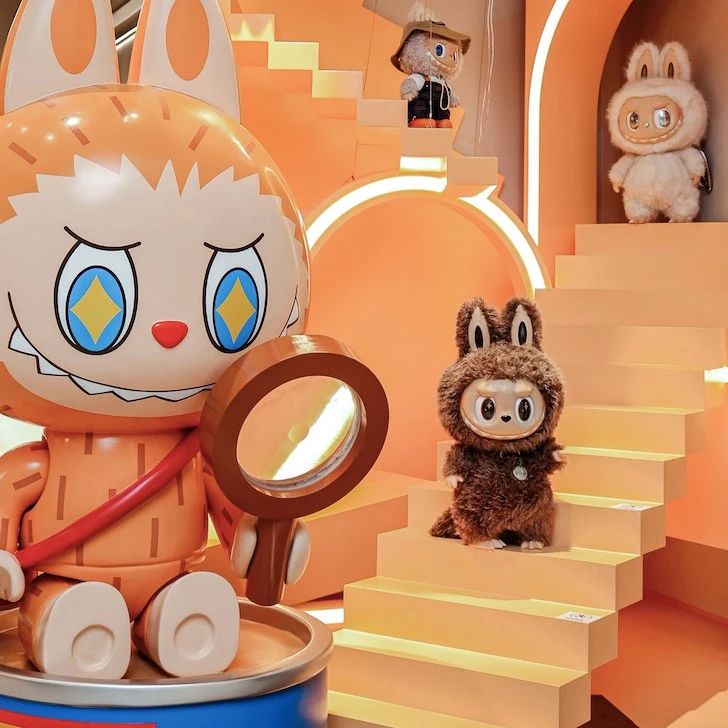
王宁掏出迷你版LABUBU
投中网· 2025-08-21 06:48
Core Viewpoint - The article discusses the impressive growth and market performance of Pop Mart, particularly driven by the success of its LABUBU product line, while also highlighting concerns regarding the sustainability of this growth and the search for the next successful IP [5][9][10]. Financial Performance - In the first half of 2025, Pop Mart reported revenue of 138.8 billion RMB, a year-on-year increase of 204.4%, and an adjusted net profit of 47.1 billion RMB, up 362.8% [6][8]. - The LABUBU series generated 48.1 billion RMB in revenue, accounting for 34.7% of total revenue, with its contribution to revenue rising from 10% to 44% in a year [7][8]. - The company's gross margin reached 70.3%, an increase of 6.3 percentage points year-on-year, with overseas markets achieving a gross margin of 75.5% [16]. Market Expansion - Pop Mart has significantly expanded its presence in North America, with a net increase of 19 stores, bringing the total to 41, and achieving a revenue of 8.4 billion RMB, a growth of 744.3% [12][15]. - The company also saw substantial growth in Europe and Asia-Pacific, with revenue increases of 569.6% and 203.5%, respectively [15]. Consumer Demand and Trends - The popularity of LABUBU has led to a surge in consumer interest, with domestic revenue reaching 82.8 billion RMB, a growth of 135.2% [8][19]. - The membership base has grown significantly, with registered members increasing from 46.08 million to 59.12 million, and member sales contributing 91.2% of total sales [19]. Challenges and Future Outlook - Despite the strong performance, there are concerns about the sustainability of LABUBU's popularity and the potential for market saturation [9][20]. - The CEO expressed optimism about achieving a revenue target of 300 billion RMB for the year, indicating confidence in continued growth [17]. Competitive Landscape - The article notes that while Pop Mart has no direct competitors in the domestic market, other companies are attempting to enter the toy market, with varying degrees of success [23][25]. - The high profit margins in the collectible toy market have attracted interest from investors, but many companies still lag behind Pop Mart in key operational metrics [24].

王宁掏出迷你版LABUBU
3 6 Ke· 2025-08-20 08:47
Core Viewpoint - The upcoming Mini version of LABUBU is expected to be a highly popular product, contributing significantly to the growth of Pop Mart, which reported impressive financial results for the first half of 2025 [1][2]. Financial Performance - Pop Mart's revenue for the first half of 2025 reached 138.8 billion RMB, a year-on-year increase of 204.4%, while adjusted net profit was 47.1 billion RMB, up 362.8% [1][2]. - The THE MONSTERS series, which includes LABUBU, generated 48.1 billion RMB in revenue, accounting for 34.7% of total revenue [1]. - The gross margin for Pop Mart in the first half of 2025 was 70.3%, an increase of 6.3 percentage points year-on-year, with overseas market gross margin reaching 75.5% [9]. Product and Market Dynamics - LABUBU has surpassed the original collectible figures to become the company's top product category, with its revenue contribution rising from approximately 10% last year to 44% this year [2]. - The production capacity for LABUBU is expected to increase from 300-400 million units per month to 1 million units per month by September [2]. - Pop Mart's international expansion has been significant, with revenue growth in the Americas and Europe reaching 1142.3% and 729.2%, respectively [2]. Stock Market Reaction - Following the financial report, Pop Mart's stock price surged, reaching a record high of 315.40 HKD per share, a 12.32% increase in one day, pushing its market capitalization above 425.44 billion HKD [2]. Challenges and Future Outlook - Despite the optimistic outlook from mainstream institutions, there are concerns regarding the sustainability of LABUBU's popularity and the potential for future IP development [4][15]. - The company aims to maintain its growth trajectory and is exploring new IPs to replicate LABUBU's success, with CRYBABY and Star People being highlighted as potential successors [16][20]. - Pop Mart's CEO expressed confidence in achieving a revenue target of 300 billion RMB for the year, indicating strong growth expectations [10].

潮玩行业研究框架 泡泡玛特&52toys
2025-08-18 01:00
Summary of the Call Transcript on the Trendy Toy Industry Industry Overview - The trendy toy market was initiated by Hong Kong artists, integrating art and fashion elements, with diverse forms including figurines, sculptures, and blind boxes [1][2] - The broad definition of trendy toys includes collaborations with IPs from films, anime, and games, catering to specific enthusiasts [1][3] - The blind box segment has rapidly gained popularity due to low consumer and cognitive barriers, high adaptability, and hidden design features [1][4] Key Insights - **Consumer Demographics**: The core audience for trendy toys is aged between 15 and 40, with a higher proportion of female users, although the overall gender ratio is becoming more balanced [1][6][8] - **Market Size and Growth**: The domestic trendy toy market is expected to exceed 100 billion yuan by 2026, with blind boxes showing high growth rates. The IP toy market is projected to be around 700 billion yuan, with building and assembly toys accounting for about 30% [1][11][12] - **Market Competition**: The market is fragmented, with LEGO leading at 12 billion yuan GMV, followed by Pop Mart at 8.7 billion and Brook at 2.5 billion. The top ten companies hold about 50% of the market share [1][13] Success Factors for Trendy Toy Companies - **Traffic IP**: Successful companies leverage high-traffic IPs, typically character designs rather than content-based, due to their higher commercialization potential [4][5] - **Product Quality**: High-quality products are essential, requiring effective design and supply chain barriers [5] - **Social Media and Secondary Market**: Effective social media marketing enhances brand visibility, while a convenient secondary market facilitates transactions [5] - **Entertainment and Interaction**: Creating engaging purchase experiences and interactive scenarios increases consumer entertainment value [5] Consumer Needs in Blind Box Purchases - **Value for Money**: Consumers seek affordable and easily accessible products [7] - **Emotional Connection**: There is a desire for self-identity, curiosity, and social recognition through collecting [7][6] - **Social Interaction**: Collecting and trading through social platforms fosters community engagement [7] IP Acquisition and Market Dynamics - **IP Acquisition**: The domestic market primarily acquires IP through self-incubation and collaborations with independent artists, with IP accounting for a small percentage of GMV [10] - **Future Trends**: The market is still in its early stages, with potential for structural changes and innovation in product categories [12] Company Strategies - **Pop Mart's Expansion**: Pop Mart is expanding its IP matrix and product categories, with plans to open 320 stores next year, increasing its overseas presence significantly [2][16][21] - **52TOYS Strategy**: 52TOYS focuses on a combination of self-owned and licensed IPs, with a significant portion of revenue coming from external IPs [22][23] Sales Channels and Revenue - **Diverse Sales Channels**: Both companies are diversifying their sales channels, with a significant reliance on distributors while also expanding direct-to-consumer (D2C) models [24][21] - **Revenue Projections**: 52TOYS generates 70-80% of its revenue from licensed IPs, with a focus on static blind boxes and figurines [23] Future Outlook - **IPO Plans**: The companies are preparing for potential IPOs, with Pop Mart expected to file in Hong Kong, aiming for a listing in 2025 or 2026 [26]

上市公司竞逐“IP经济”浪潮
Shang Hai Zheng Quan Bao· 2025-08-15 18:18
Core Viewpoint - The "IP economy" is rapidly developing, driven by consumer demand and cultural consumption trends, with significant growth in the market for IP derivatives in China expected to reach 1.742 trillion yuan by 2024, reflecting a compound annual growth rate of 15.1% from 2020 to 2024, which is notably higher than the global average growth rate [2][8]. Group 1: IP Economy Development - The release of the animated film "浪浪山小妖怪" based on the "中国奇谭" IP is anticipated to perform well at the box office due to its humorous style and relatable themes [3]. - The IP economy is characterized by strong emotional connections between IPs and consumers, leading to successful cross-industry collaborations and merchandise sales [3][5]. - The trend of "谷子经济" is emerging, indicating a shift towards more specialized and diversified IP products [2][8]. Group 2: Market Trends and Opportunities - The IP derivatives industry is structured into three segments: upstream IP creation and licensing, midstream product development, and downstream sales through various channels [5]. - Companies are increasingly focusing on building their own IP ecosystems, moving from third-party IP creators to self-owned IP developers, as seen with companies like 四维传媒 [7]. - Recent policies from central and local governments are creating a favorable environment for the growth of the IP economy, emphasizing support for original IP brands and derivative products [8]. Group 3: Company Strategies and Performance - Companies like 光线传媒 are transitioning from high-end content providers to IP creators and operators, aiming to maximize the long-term value of their IPs [6][7]. - The success of IPs like "罗小黑战记2" is attributed to their appealing character designs and the emotional value they provide to consumers, extending the IP's lifecycle [5]. - New cultural brands and IP operators are emerging, with significant funding rounds indicating strong investor interest in the IP derivatives market [7].
豪赌东南亚的泡泡玛特们,没招了
Hu Xiu· 2025-08-15 10:08
Core Viewpoint - The Southeast Asian market is becoming increasingly competitive for toy brands, with companies like Pop Mart, 52TOYS, and Miniso's TOPTOY expanding rapidly, while local brands like Mighty Jaxx are also gaining traction [3][4][21]. Group 1: Market Expansion - Pop Mart opened its largest store in Bangkok, attracting significant attention from both local and international visitors [1]. - 52TOYS has established a strong presence in Thailand, with plans to open 10 stores by December 2024, and reported a revenue of nearly 3 million yuan in its first month of operation [6][7]. - TOPTOY is also focusing on Southeast Asia, having opened its first independent store in Thailand and planning further expansion in the region [8]. Group 2: Competitive Landscape - The trend of opening stores in landmark locations has become a standard for Chinese toy brands entering Southeast Asia, with multiple companies replicating this strategy [3][4]. - Mighty Jaxx, often referred to as the "Southeast Asian Pop Mart," emphasizes artistic expression and limited edition collectibles, differentiating itself from other brands [10][11]. - The competition is not just among Chinese brands; local players like Mighty Jaxx are also significant contenders in the market [9]. Group 3: IP and Product Strategy - The success of toy brands heavily relies on the development and management of intellectual property (IP), with 52TOYS launching over 500 new SKUs annually, while also collaborating with over 40 global artists [19][20]. - Pop Mart aims to create new hit products, with potential future successes like CRYBABY designed by Thai artist Molly [23]. - The market is witnessing a shift towards established IP collaborations, as seen with TOPTOY's partnerships with well-known franchises, which may limit the development of unique brand identities [19][24]. Group 4: Market Trends and Projections - The IP toy market in Southeast Asia is projected to grow at a compound annual growth rate of 20% from 2025 to 2029, indicating strong future demand [21][22]. - The combination of expanding market demand and robust supply chain capabilities positions Southeast Asia as a promising region for toy brands [22].

曼谷街头的“镜像游戏”:泡泡玛特和名创优品,谁复制了谁?
3 6 Ke· 2025-08-15 07:13
Core Viewpoint - The controversy surrounding the opening of Pop Mart's flagship store in Thailand highlights the ongoing competition and design similarities with Miniso's MINISO LAND, raising questions about originality and potential copyright infringement in retail design [1][2][3] Group 1: Company Performance - Pop Mart's stock has surged approximately 170% year-to-date, with a market capitalization of around HKD 370 billion and a price-to-earnings ratio exceeding 100, driven by a significant increase in overseas sales, which grew over four times in the first half of the year [3][4] - In contrast, Miniso's stock has seen a slight decline of 0.6%, with a market capitalization close to HKD 50 billion and a price-to-earnings ratio of about 18, impacted by profit declines due to acquisitions and interest expenses [4][3] Group 2: Market Strategy - Pop Mart adopts a "premium expansion" strategy, focusing on creating brand awareness through online channels and flagship stores, while Miniso emphasizes rapid store replication through supply chain advantages and cost control [5][6] - The two companies have distinct approaches to intellectual property (IP), with Pop Mart acting as an "IP creator" and Miniso as an "IP connector," relying on collaborations with established brands to enhance product offerings [6][7] Group 3: Industry Trends - The Chinese toy industry, particularly in the collectible segment, is experiencing significant growth, with its market share in overseas markets increasing from 3% in 2020 to an expected 18% by 2025 [8] - The rise of the collectible toy market is contributing to the transformation of China's manufacturing sector, moving from "OEM advantages" to "cultural premiums," and is projected to reach a market size of CNY 110.1 billion by 2026 [9] Group 4: Consumer Behavior - The competition between Pop Mart and Miniso reflects a broader consumer trend where young consumers seek both emotional value and cost efficiency in their purchases, indicating a dual demand for unique experiences and affordability [10]
东南亚年轻人的手,被中国潮玩攥住了
3 6 Ke· 2025-08-15 01:04
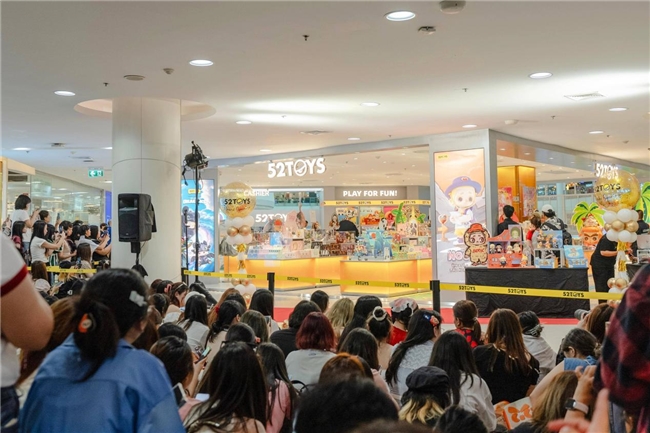
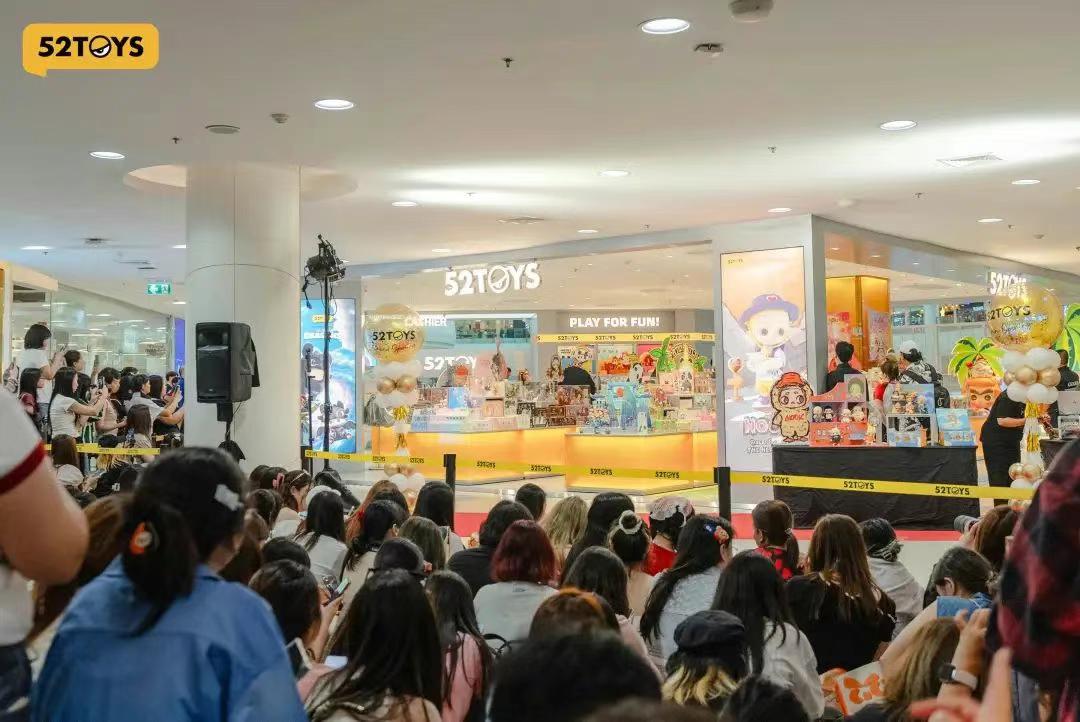
当中国潮玩带着独特的文化基因叩击全球市场,一场奇妙的共振正在发生。 8月1日,曼谷西康广场上,52TOYS新店的玻璃门还没完全推开,提前几小时排起的长队已蜿蜒成贪吃蛇。年轻人举着手机对准橱窗里的NOOK和CiCiLu 首发新品,一阵狂拍。 一周后,同样的场景再次上演。8月8日,坐落于曼谷地标性商圈暹罗天地的泡泡玛特旗舰店盛大开业,人们纷纷与入口处4米高的MOLLY泰国限定雕塑合 影。 据高盛发布的最新报告显示,中国潮玩在海外市场份额从2020年的3%上升至2025年的18%。 曾几何时,万代或是乐高在哪个城市开起大店,总能引来万众瞩目。如今,风水轮流转,终于轮到中国潮玩执掌流量密码。 中国潮玩争着去东南亚"炸场" 去东南亚开店,几乎成了每一个中国潮玩企业发展的必经之路。 以52TOYS为例,2019年,其便借助当地经销商的资源敲开了泰国市场的大门。今年8月新开的门店,已是52TOYS在泰国的第7家品牌店。 泡泡玛特更是把东南亚当成海外"主战场"。2024年年报显示,泡泡玛特东南亚市场收入达24.03亿元,占港澳台及海外总收入的47.4%,较2023年同比增长 619.1%。泡泡玛特方面对《凤凰WEEKLY财经 ...
粤港澳大湾区动画电影周开展产业调研,走访潮玩IP制造工艺
Nan Fang Du Shi Bao· 2025-08-10 12:56
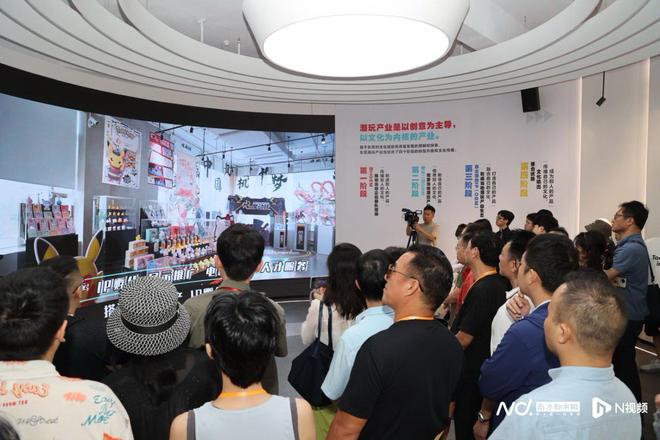
Core Insights - The event on August 10, 2025, highlighted the development of the animation film industry in the Guangdong-Hong Kong-Macao Greater Bay Area, focusing on Dongguan as a hub for trendy toys [1][3] - Dongguan produces approximately 85% of China's trendy toys, with 50% of that production coming from the Shipaizhen area, showcasing its significant role in the global trendy toy market [3] Industry Overview - The trendy toy industry is characterized by creativity and cultural elements, with one-quarter of global anime derivatives produced in Dongguan [3] - Dongguan's "Trendy Toy Center" has attracted 30 companies across various sectors, including IP incubation, brand operation, product design, and e-commerce [1] Company Highlights - Notable companies in the Dongguan trendy toy sector include 52TOYS, Yan Chuang Culture, and DAMTOYS, which are involved in brand operation and product design [1] - The company Mo Dong He, known for its anime IP "Star Armor Soul Transmission," has gained popularity for its unique storytelling and design [5] - Toycity, a subsidiary of Chengshi (Dongguan) Cultural Technology Co., has developed several proprietary IPs and is recognized as a key player in the trendy toy industry [9][18] Market Trends - The market share of Chinese trendy toys in overseas markets has increased from 3% in 2020 to 18% in 2025, indicating robust growth and international recognition [20] - Dongguan is leveraging technologies like AI and blockchain to enhance IP operations and establish itself as a core distribution center for the trendy toy supply chain [20]
潮玩出圈
Jing Ji Ri Bao· 2025-08-08 22:00
Core Insights - The rise of trendy toys (潮玩) reflects a shift in consumer culture, evolving from niche collectibles to mainstream appeal, attracting a diverse audience across age groups [1][2] - The success of trendy toys is driven by innovative marketing strategies, including social media influence and the "surprise economy" created by blind box purchases [3][5] - The industry is experiencing significant growth, with companies focusing on IP development and creating engaging narratives to enhance consumer connection [5][6] Group 1: Market Dynamics - Trendy toys have transitioned from being popular among niche collectors to becoming a mainstream phenomenon, appealing to all demographics [1] - The character 拉布布 has gained immense popularity, becoming a cultural icon and even receiving a diplomatic title, showcasing the power of branding and celebrity endorsements [3] - The demand for creative and personalized products is increasing as consumers seek more than traditional toys, leading to a rise in the trendy toy market [2] Group 2: Consumer Engagement - The "surprise economy" through blind boxes enhances consumer excitement and encourages repeat purchases, as seen with 拉布布's popularity [3][5] - Social media plays a crucial role in promoting trendy toys, with unboxing videos and creative showcases driving interest and engagement among potential buyers [3] - The emotional connection consumers feel towards characters like NOOK highlights the importance of relatable storytelling in product design [2] Group 3: Industry Challenges - The secondary market for trendy toys is thriving, but issues such as scalping and counterfeit products threaten market integrity and consumer trust [6][7] - The rise of counterfeit products poses risks to brand reputation and consumer confidence, as buyers may unknowingly purchase fakes [7] - The industry must navigate challenges related to market fairness and product authenticity to sustain growth and consumer satisfaction [6][7] Group 4: Future Outlook - The trendy toy industry is expected to continue growing, with companies encouraged to invest in IP exploration and product innovation [5][6] - The shift from "Made in China" to "Created in China" signifies a broader cultural and economic evolution, positioning Chinese brands on the global stage [6] - The next decade presents both challenges and opportunities for the trendy toy industry, with a focus on developing unique paths for growth and consumer engagement [7]
2024年泰国GMV增长四倍 52TOYS泰国七号店盛大开业
Sou Hu Wang· 2025-08-05 11:39
Company Overview - 52TOYS opened its seventh store in Thailand at Seacon Square Srinagarindra, Bangkok, on August 1, 2025, attracting hundreds of fans [1] - The brand's first store in Thailand was established in December 2023 at THE EMSPHERE, a high-end shopping mall in Bangkok [3] - The company has seen a fourfold year-on-year growth in GMV in Thailand for 2024 [3] Product Launch and Reception - The new store features the debut of the NOOK "OOTD" series and CiCiLu "Ocean Messenger" series, which have received positive feedback from consumers [5] - CiCiLu is a new self-owned trendy IP launched by 52TOYS, representing a character in a post-apocalyptic world who conveys people's wishes and secrets [5] - The NOOK character, introduced in 2022, has also gained a significant following in the Thai market [5] Market Dynamics - The rapid growth of 52TOYS in Thailand is attributed to the brand's long-term strategy in Southeast Asia, targeting a young consumer base that seeks creative and personalized products [7] - A report indicates that China and Southeast Asia are the fastest-growing regions for IP toys from 2020 to 2024, with a projected compound annual growth rate of 20% for Southeast Asia's IP toy market from 2025 to 2029 [7] - The company has been actively participating in various events and exhibitions to enhance brand awareness and consumer engagement, including pop-up events and major toy conventions [8] Future Strategy - 52TOYS plans to continue focusing on Southeast Asia, Japan, and North America as key overseas markets, aiming to deliver innovative products and diverse channels for consumer engagement [8]