安踏

Search documents
进博会观察|一条瑜伽裤不够用了,lululemon拓展新品类寻找增长
Jing Ji Guan Cha Wang· 2025-11-09 09:11
Core Insights - The Chinese market is directly influencing lululemon's global product design, with insights from local market trends being integrated into their product innovation strategy [2] - Lululemon has achieved over 30% revenue growth in the Chinese market from FY2021 to FY2024, making it the fastest-growing market globally for the company [2] - The company is expanding its product categories and channels, focusing on social e-commerce platforms like Douyin and Xiaohongshu to enhance its market presence [3] Group 1: Market Performance - Lululemon has 165 stores in China and continues to expand, indicating strong market potential in the yoga category [2] - The company reported a 7% year-over-year increase in global net revenue for Q2 FY2025, with a 25% increase in the Chinese market [2][3] - Competitors like Adidas and Nike are also increasing their presence in the yoga market, highlighting the competitive landscape [2] Group 2: Product and Category Expansion - Lululemon is focusing on diversifying its product offerings, including categories such as yoga, training, running, tennis, golf, and everyday wear [3][5] - The company plans to increase the proportion of new designs to one-third of its product offerings by next year, emphasizing continuous product innovation [5] - The men's apparel segment is identified as a significant growth area, driven by increased male participation in sports and a growing acceptance of casual styles [4] Group 3: Brand Strategy and Market Positioning - Lululemon maintains a direct-to-consumer model to ensure consistent brand experience across its 165 stores [6] - The company emphasizes the importance of understanding unmet consumer needs, which differentiates it from competitors [3][4] - The brand is committed to balancing expansion with maintaining its premium positioning in the market [6]


从碾压安踏李宁,到如今月亏过亿:被抛弃的运动品牌顶流,到底错在哪?
创业邦· 2025-11-09 03:11
Core Viewpoint - Kappa, once a leading sports brand in China, has faced significant decline, struggling to maintain market presence and resorting to selling trademarks for survival [5][6][28]. Group 1: Historical Performance - Kappa achieved peak sales of 4.2 billion in its prime, with nearly 4,000 stores, surpassing competitors like Li Ning and Anta [6][20]. - The brand's revenue fell to 1.68 billion in the latest fiscal year, a 3.7% decline year-on-year [6][30]. - Kappa's market presence diminished significantly, with store numbers dropping from 4,000 to 1,000 [23]. Group 2: Strategic Decisions - Kappa's entry into the Chinese market in 2002 was initially unsuccessful due to a lack of consumer acceptance [11]. - Under new leadership, Kappa pivoted to a trendy sports market, adopting bold designs and innovative marketing strategies [13][15]. - The company adopted a light asset model, relying heavily on third-party manufacturers and distributors, which ultimately led to a loss of control over product quality and brand reputation [23][33]. Group 3: Market Challenges - The sports apparel industry faced a downturn post-2008 Beijing Olympics, leading to inventory crises for Kappa and its competitors [22]. - Competitors like Li Ning and Anta adapted quickly to market changes, while Kappa struggled to respond effectively [23]. - The emergence of new brands and changing consumer preferences further eroded Kappa's market share [25][30]. Group 4: Recent Developments - Kappa attempted to revitalize its brand through collaborations and marketing campaigns targeting younger consumers, but these efforts did not translate into increased sales [29][30]. - The company reported significant losses, including 1.783 billion in the 2022 fiscal year, prompting the sale of trademarks to sustain operations [28][34]. - Kappa's inability to innovate and adapt to market demands has left it in a precarious position, questioning its future viability [33][35].

聚焦进博会|全球运动品牌进博会争锋:谁能在中国市场跑得更快
Di Yi Cai Jing· 2025-11-08 12:01
Core Insights - The China International Import Expo (CIIE) has become a strategic platform for global sportswear giants to launch new products and compete for the Chinese market, driven by a growing demand for sports participation and fitness among Chinese consumers [1][3][9] Market Demand and Growth - Over 300 million people in China participate in fitness activities weekly, representing a significant market opportunity for sportswear brands, with less than 10% being professional athletes [3] - ASICS expects a net sales revenue of 4.88 billion yuan in China for 2024, marking a nearly 30% growth, with a 21.5% year-on-year increase in Q1 of the 2025 fiscal year [3] - Lululemon achieved a 25% revenue growth in the Chinese market in Q2, making it the second-largest market globally for the brand [4] Competitive Landscape - Nike, Adidas, Lululemon, and Skechers are key players in the Chinese sportswear market, with Nike being the largest brand [4][5] - Adidas showcased its latest innovations at CIIE, including the official match ball for the upcoming World Cup, while Skechers reported a projected global sales revenue exceeding $8.9 billion for 2024 [5] Local Market Strategies - Lululemon plans to increase the proportion of new products to nearly 33% each season by next year, while also expanding into second and third-tier cities in China [4] - Nike has established a creative production center in Shanghai and a sports research lab to better understand local athletes' needs, indicating a long-term commitment to the Chinese market [7][8] Global Influence of Chinese Market - The experiences and innovations developed in China are beginning to influence global strategies for these sportswear companies, with local designs gaining recognition in international markets [7][8] - Adidas reports that over 60% of its products sold in China are designed by local teams, reflecting a strong local influence on product development [8] Consumer Trends - A report indicates that 68% of respondents believe that exercise enhances happiness, highlighting a growing trend towards fitness and well-being among Chinese consumers [9]

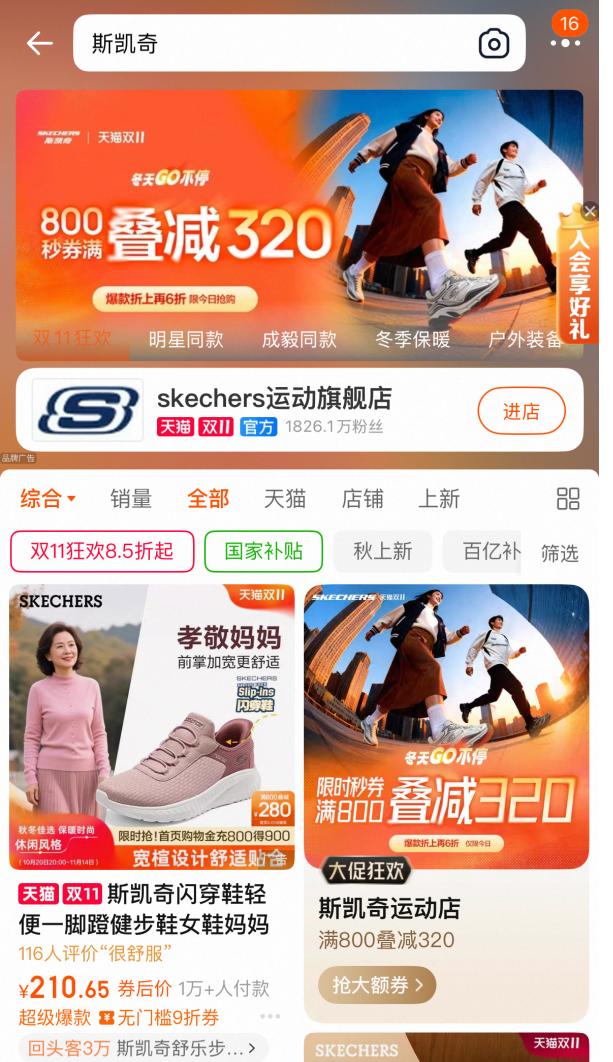
斯凯奇,年轻人不再爱它了?
3 6 Ke· 2025-11-06 11:15
Core Insights - Skechers, once popular among young consumers, has seen a decline in its appeal, shifting from a trendy brand to one associated with older demographics [1][3] - The brand's struggle to connect with younger consumers is evident as it attempts to balance its image between appealing to youth and catering to the aging population [9][10] Brand Strategy - Skechers appointed Cheng Yi as its brand ambassador in 2024, aiming to attract younger consumers, particularly women aged 25-45, aligning with the brand's image of comfort and health [4][6] - Despite the efforts to rejuvenate its image, Skechers has faced criticism for its lack of innovative products and has struggled to compete with emerging local brands in China [14][15] Financial Performance - Skechers has been privatized by 3G Capital, ceasing its trading on the NYSE, with a reported revenue of $8.97 billion in 2024 and a 7.1% year-on-year growth in Q1 2025 [11][14] - The company has experienced a decline in its Chinese market contribution, dropping from 15.4% in 2023 to 13.6% in 2024, with a significant revenue drop of approximately 15.9% year-on-year in Q1 2025 [14] Market Challenges - The introduction of tariffs on imports from China has increased costs for Skechers, impacting its competitive pricing in the North American market [13] - The brand's low investment in research and development, only 1.2% of revenue, has hindered its ability to innovate compared to competitors like Nike and Anta [14][15] Consumer Trends - The current economic climate has led to a shift towards value-driven purchasing, with consumers prioritizing comfort and affordability over brand prestige [16][19] - Skechers has the potential to leverage its "comfort technology" to appeal to cost-conscious consumers, similar to the strategies employed by Uniqlo during economic downturns [18][19]

男人辜负了lululemon
投资界· 2025-11-04 08:02
Core Viewpoint - The article discusses the challenges faced by Lululemon in diversifying its product offerings, particularly in men's apparel and footwear, while highlighting the company's historical reliance on women's yoga wear for revenue growth [4][5][7]. Group 1: Financial Performance - Lululemon's quarterly revenue growth has remained in single digits, and the full-year revenue guidance has been lowered again, leading to a decline of over 60% in market value from its historical peak [4][5]. - The company's women's apparel business continues to grow, but the men's apparel segment has seen a record low growth rate, indicating difficulties in capturing the male consumer market [5][13]. Group 2: Market Position and Competition - Lululemon's market entry into men's apparel in 2014 has not been elevated to a strategic level, with men's revenue accounting for only 23.5% in 2019 [9][10]. - The footwear market represents a significant opportunity, as it has historically contributed to a large portion of revenue for competitors like Nike and Adidas, yet Lululemon's exploration in this area has been minimal [10][11]. Group 3: Diversification Strategy - The company has made attempts to diversify its offerings, including a $500 million acquisition of the "smart fitness mirror" Mirror, but this has not significantly impacted revenue [7][10]. - Lululemon's CEO has set ambitious targets for men's apparel sales, aiming for a doubling of revenue by 2026, but current growth rates are not meeting these expectations [13][15]. Group 4: Marketing and Brand Perception - Lululemon's marketing strategy has shifted towards traditional endorsements with top athletes, but brand recognition among male consumers remains low, with only 13% awareness in the U.S. [20][22]. - The company has faced criticism for its attempts to appeal to a broader audience, which may dilute its brand identity originally centered around yoga [24][25]. Group 5: Operational Challenges - Lululemon has struggled with inventory management and competition from lower-priced alternatives, leading to increased inventory levels [7][9]. - The company has faced legal challenges, including a lawsuit from Nike regarding patent infringement related to its footwear products, which highlights operational vulnerabilities [28].

2025年第43周:服装行业周度市场观察
艾瑞咨询· 2025-11-03 00:03
Industry Environment - In Q2 2025, major sports and apparel companies reported mixed financial results, with Nike's revenue at $11.097 billion, down 12% year-on-year, and a 21% decline in Greater China; Adidas saw a 2.2% increase in net sales to €5.952 billion, but a 3% drop in Greater China [2][3] - Anta's revenue grew by 14.3% in the first half of the year, with FILA brand revenue hitting a record high; Lululemon's quarterly revenue reached $2.525 billion, up 6.5% [2][3] - Puma's quarterly sales fell by 8.3%, resulting in a net loss of €247 million; Asics reported a 17.7% increase in net sales for the first half of the year [3] Trend Analysis - The "sneaker speculation" trend is waning, leading to reduced premiums in the basketball shoe market; however, new brands are emerging through platforms like Douyin, leveraging personal influence and fan economies [4] - Customization and national trend designs are becoming key drivers in jewelry consumption, with young women aged 24-30 leading the market; the demand for unique designs and emotional resonance is increasing [5] Shopping Center Dynamics - International fast fashion brands like H&M and Zara are losing ground in China due to e-commerce competition and brand aging, leading shopping centers to pivot towards high-rent sectors like dining and beauty [6][7] Global Expansion of Domestic Brands - Chinese apparel brands are increasingly targeting Southeast Asia for expansion, with companies like HLA and Semir opening numerous stores; however, overseas revenue remains low, typically under 2% of total revenue [8] High-End Functional Style - The rise of high-end functional fashion is influenced by cyberpunk aesthetics and a focus on human-centered design, with brands like Descente leading the trend by combining technology and aesthetics [9] Major Brand Developments - Lao Feng Xiang invested $24 million for a 20% stake in Maybach Luxury Goods Asia-Pacific to enhance its high-end business; this move aims to expand into the international market [10] - Tambor is transitioning from down jackets to outdoor sports and has filed for a Hong Kong IPO, facing challenges like brand recognition and high inventory turnover [11] - LVMH reported a 1% year-on-year revenue increase in Q3, leading to a significant rise in stock prices across the luxury sector, with a total market value increase of $70 billion [12][13] Market Innovations - Descente is gaining popularity among civil service professionals in China due to its functional designs, while facing challenges in maintaining a high-end image [14] - Bananain launched a pop-up store in Shanghai, focusing on immersive experiences and social causes, highlighting the brand's commitment to comfort and warmth [15] Lululemon's Challenges - Lululemon's recent quarterly report showed slowing revenue growth, particularly in men's apparel, with a significant drop in market value; the brand faces challenges in balancing core business and diversification efforts [16][17] Market Trends in Gold - The price of gold reached a new high, with institutions predicting further increases; brands like Chow Tai Fook are raising prices, but consumer sentiment remains cautious [18] Shein's Expansion - Shein is transitioning from an online-only model to a multi-channel retail approach, opening stores in France while facing localization challenges and regulatory pressures [19]

美团闪购双11首日:近800个品牌、300类商品销量同比翻倍 上百个品牌官方旗舰店销量同比涨300%
Zheng Quan Ri Bao Wang· 2025-11-02 13:49
Core Insights - Meituan Flash Sale reported significant sales growth on the first day of the "Double 11" shopping festival, with nearly 800 brands seeing sales increase by over 100% year-on-year [1][2] - The new instant retail model, "Brand Official Flagship Lightning Warehouse," has contributed to the surge in sales, allowing consumers to purchase a wide range of products anytime and anywhere [1][2] Sales Performance - Major brands such as Apple, Moutai, and Meiji saw their sales increase by over 100% year-on-year within the first 24 hours of the promotion [1] - Specific product categories experienced remarkable growth: mobile phone sales doubled, while liquor sales increased fivefold [1] - Over 300 product categories, including mobile phones, liquor, and milk powder, reported sales growth exceeding 100% [1][2] Brand Engagement - Official flagship stores for brands like Sony PlayStation and Pampers opened with immediate high sales, indicating strong consumer demand [2] - Meituan Flash Sale is coordinating with brands to increase product supply to meet the high shopping demand [2] Retail Participation - Nearly one million offline stores participated in the Meituan Flash Sale for "Double 11," leading to a surge in customer traffic and sales across various brands [2] - In the 3C electronics category, brands such as Apple, Xiaomi, and OPPO saw sales growth exceeding 100% [2] Overall Market Impact - The overall sales from the lightning warehouses increased by over 100% year-on-year, reflecting the effectiveness of the 24-hour operation model in meeting consumer shopping needs [2]

安利股份(300218) - 2025年10月31日投资者关系活动记录表
2025-11-01 09:50
Group 1: Company Overview and Market Position - The company is actively exploring the application of polyurethane composite materials in the field of embodied intelligence, focusing on functional coating materials and sensor-integrated coatings [2][3] - The polyurethane composite materials market for embodied intelligence is still in the exploratory phase, with no substantial business orders formed yet [3] - The company has established a differentiated competitive advantage in the polyurethane composite materials industry, being one of the few with multi-category downstream brand resources and flexible production capabilities [7][8] Group 2: Financial Performance and Revenue Breakdown - As of Q3 2025, the revenue share of functional shoe materials and sofa home products combined is nearly 70%, while automotive interiors and electronic products account for about 30% [5] - The company has received positive feedback from initial small-batch orders in the semiconductor sector, although the order amounts are small and do not significantly impact short-term revenue [4] Group 3: Strategic Partnerships and Client Relationships - The company has deepened its collaboration with Nike, resulting in increased project development and product orders, with revenue from Nike showing growth compared to the previous year [6][10] - The company has established partnerships with major domestic sports brands, including Anta and Li Ning, achieving full coverage of top domestic sports brands [9][10] Group 4: Operational Insights and Future Plans - The current production capacity at the company's Vietnam facility has increased to nearly 400,000 meters per month, with plans to further enhance market development and optimize order structure for higher value and volume orders [8][9] - The company is focusing on operational optimization in Vietnam before considering further overseas expansion, ensuring existing overseas capacity is fully utilized and profitable [10]

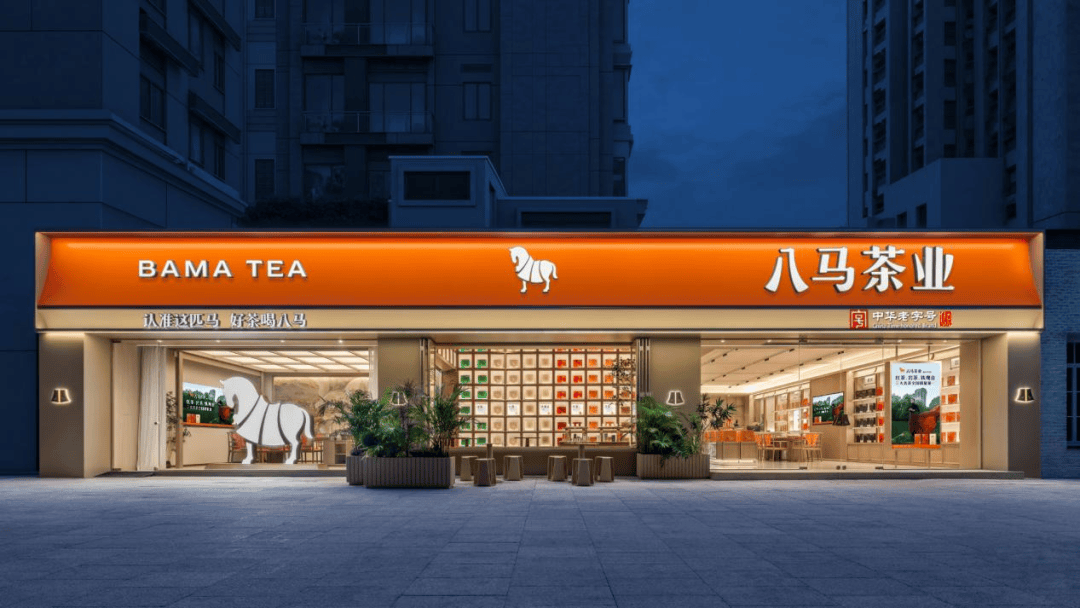
泉企八马茶业敲钟上市,“高端中国茶第一股”全拆解
Sou Hu Cai Jing· 2025-10-31 09:27
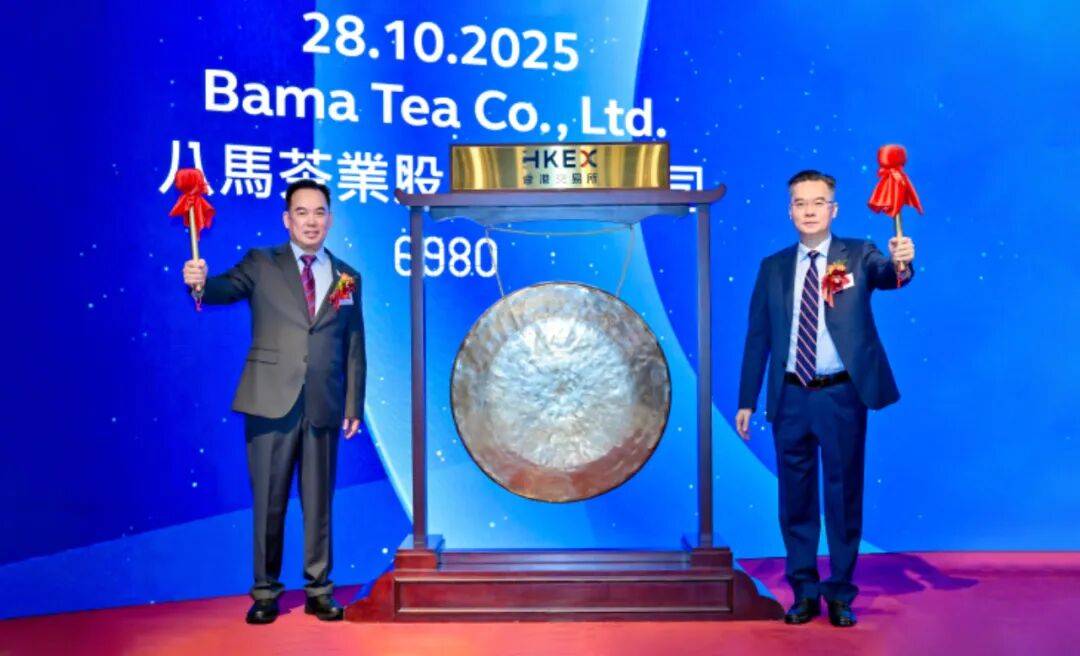
Core Insights - Baima Tea Co., Ltd. has successfully listed on the Hong Kong Stock Exchange, becoming the "first high-end Chinese tea stock" after a long wait in the A-share market [1][4][21] - The company experienced a significant stock price increase of 86.7% on its first trading day, reaching a market capitalization of 79.35 billion HKD [4][16] - Despite the successful IPO, Baima Tea is facing challenges with declining revenue and net profit in the first half of 2025 [16][18] Company Overview - Baima Tea is recognized as the largest high-end raw leaf tea company in China, with a strong family influence in its management and ownership structure [1][5][9] - The company has a significant number of stores, with over 3,700 locations, and has been a leader in customer satisfaction in the tea retail sector for three consecutive years [16][18] Financial Performance - In the first half of 2025, Baima Tea reported revenues of 1.063 billion CNY, a decrease of 4.23% year-on-year, and a net profit of 120 million CNY, down 17.81% [16][18] - The decline in performance is attributed to a reduction in the number of direct retail stores, which decreased from 352 in 2022 to 244 in mid-2025 [16][18] Market Position and Strategy - Baima Tea has expanded its franchise model, with a total of 3,585 franchise stores as of June 2025, indicating a shift in its retail strategy [16][18] - The company plans to allocate 35% of its IPO proceeds to expand production facilities and 20% to enhance brand value and product offerings [16][18] Brand Development - The company has faced challenges with brand promotion, including a past incident of false advertising related to its association with the Boao Forum [17] - Baima Tea has launched new product lines targeting younger consumers and has achieved significant sales milestones in its key tea categories [18][21]
八马入港股狂飙,福建六大豪门能捧出一个茶中茅台吗?
Sou Hu Cai Jing· 2025-10-31 08:45
Core Insights - The Chinese tea industry has been characterized by a fragmented market with no dominant brand comparable to Moutai in the liquor sector, despite a market size exceeding 300 billion RMB [4][28] - Eight Horse Tea's successful listing on the Hong Kong Stock Exchange marks a significant turning point for the industry, with its stock price surging 73% on debut, reaching a market capitalization close to 8 billion HKD [1][28] - The company has leveraged a franchise model and a network of over 3,700 stores, with 90% being franchise-operated, to establish a strong market presence [20][26] Industry Overview - The tea market in China is vast, surpassing 300 billion RMB, yet lacks a leading brand, with the top five companies holding less than 8% market share [4][7] - Unlike the liquor industry, where Moutai commands a significant share, the leading tea company, Eight Horse, only reached a revenue of 3 billion RMB in 2024, accounting for less than 1% of the market [7][28] - The challenges in branding tea stem from product standardization difficulties and a highly fragmented category with numerous subtypes [9][28] Company Background - Eight Horse Tea was founded in 1997 by Wang Wenli, who shifted the focus from raw tea sales to brand development, successfully registering the "Eight Horse" trademark and expanding product offerings [9][11] - The company faced initial struggles, including failed attempts to list on the A-share market, but eventually found success through a franchise model that contributed significantly to its revenue [11][12] Business Model and Strategy - The franchise model has been pivotal for Eight Horse, with over 3,700 stores generating substantial revenue, despite recent declines in average sales per store [20][22] - The company has established strong B2B relationships through connections with major Fujian enterprises, enhancing its market presence and sales [12][16] - Eight Horse has focused on high-end positioning and has developed a membership system to foster customer loyalty, targeting affluent consumers [16][24] Financial Performance - Eight Horse reported a revenue of 2.14 billion RMB in 2024, with a net profit of 224 million RMB and a gross margin of 55% [11][21] - The company has seen a decline in average annual purchases from its members, indicating potential challenges in maintaining customer spending [24] Future Challenges - Despite its successful listing, Eight Horse faces ongoing challenges related to inventory management and the risk of over-reliance on franchise partners, which could impact its premium brand positioning [22][23][28] - The tea industry still grapples with issues of product standardization and market fragmentation, which could hinder long-term growth and brand development [28][29]