蔚来

Search documents
中国汽车智能化步入全新攻坚期
Zhong Guo Qing Nian Bao· 2025-12-24 22:15
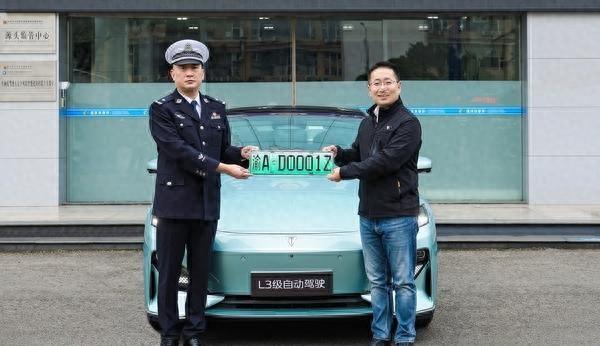
Core Insights - The issuance of the first L3-level autonomous driving license plate "渝AD0001Z" to Changan Automobile marks a significant milestone in China's progress in the autonomous driving sector, reflecting the company's commitment to safety and innovation [2][3] - The approval of L3-level conditional autonomous driving products by the Ministry of Industry and Information Technology indicates a critical advancement in the management practices of strategic technologies in China, serving as a catalyst for the industry's intelligent transformation [2][3] Industry Developments - Changan Automobile has undergone seven iterations of technology since establishing its intelligent research and development team in 2009, showcasing its deep-rooted automotive manufacturing experience and successful transition to smart technology [3] - The penetration rate of L2-level advanced driver assistance systems (ADAS) in new passenger cars in China exceeded 60% in the first three quarters of this year, with expectations to rise to 90% by 2030, indicating a shift from technology validation to large-scale commercial application [3] Collaborative Innovation - The achievement of L3-level autonomous driving is attributed to collaborative innovation across the industry chain, with leading domestic brands and new car manufacturers investing heavily in intelligent driving as a core strategy [4] - Domestic chip companies have made significant breakthroughs in high-performance AI computing chips, reducing reliance on foreign suppliers and providing a "digital foundation" for China's smart vehicles [4] Data Advantage - The rapid proliferation of L2-level assistance driving has established a strong foundation for the advancement of higher-level intelligent driving, creating a unique data advantage through millions of smart connected vehicles operating in complex road environments [5] - This data-driven approach enhances the iterative capabilities of autonomous driving algorithms, making it difficult for other countries to replicate [5] Regulatory Framework - The approval of L3-level products does not equate to mass production, as it serves as a "permit" for specific models to conduct road tests under strict conditions, emphasizing safety and regulatory compliance [6][10] - The initial speed limit of 50 km/h for L3-level autonomous driving reflects a cautious approach to ensure safety during testing in complex urban traffic environments [7] Future Outlook - Achieving safe and rapid deployment of L3-level autonomous driving requires a collaborative effort from government, enterprises, research institutions, and society [9] - A clear and stable regulatory framework is essential to define the legal identity of L3 vehicles and clarify responsibilities in the event of accidents [10] - Continuous investment in technology and infrastructure, along with public trust and understanding of autonomous driving, will be crucial for the industry's long-term success [11]


研发投入再增100亿!比亚迪暗中憋大招?
电动车公社· 2025-12-24 16:05
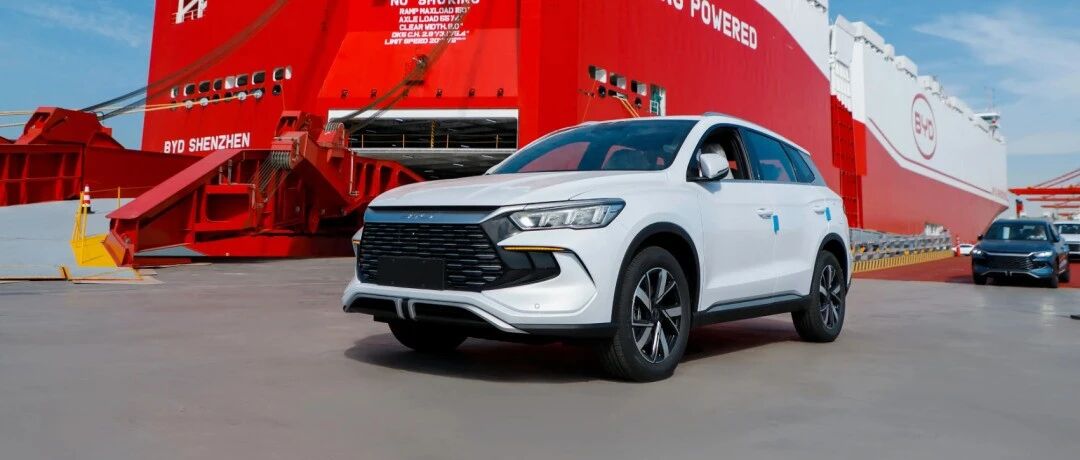
Core Viewpoint - BYD's domestic sales have declined this year, attributed to a decrease in technological leadership compared to previous years, leading to concerns about its competitive edge being challenged by rivals [1][2][3]. Group 1: Sales Performance - Despite a decline in momentum, BYD remains the top seller in the domestic market, although there was a slight drop in sales in November [3]. - In September, BYD revised its annual sales target from 5.5 million to 4.6 million vehicles due to intense competition in the domestic market [7]. - BYD's overseas sales have surged, with over 910,000 units sold from January to November, more than double the 420,000 units sold in the previous year [12][13]. Group 2: Competitive Landscape - The domestic automotive market is highly competitive, with various brands introducing innovative features and models [8][10]. - In the second half of the year, BYD has been less aggressive in launching new products and marketing compared to earlier in the year [11]. - BYD's overseas strategy has shifted focus, with nearly one-third of its total sales coming from international markets [15]. Group 3: Technological Edge - BYD emphasizes its commitment to technology and innovation as its core strength, with ongoing investments in research and development [40][49]. - The company has a range of advanced technologies, including distributed electric drive systems and intelligent vehicle control systems, which are not yet matched by competitors [41][44]. - BYD's vertical integration capabilities allow it to maintain control over production costs and quality, reducing reliance on external suppliers [46][47]. Group 4: Future Outlook - BYD's net profit for the first three quarters of the year was 23.3 billion yuan, a decline of 7.55% year-on-year, while R&D investment increased by 31.3% to 43.7 billion yuan [49]. - The company is expected to unveil significant technological advancements in the coming years, particularly in the fields of smart technology and artificial intelligence [51]. - BYD's long-term strategy includes a focus on international expansion and technological innovation to sustain its competitive advantage [54][59].

FINE2026 新材料科技创新与成果展,火热招展中!6月10-12日 上海
DT新材料· 2025-12-24 16:04
2026未来产业新材料博览会 中国未来产业崛起引领全球新材料创新发展 2026年6月10-12日 上海新国际博览中心 2026未来产业新材料博览会(上海) (Future Industries New Materials Expo 2026,简称" FINE 2026 "),由 「 DT新材料 」 主办的 第十届国际碳材料产业博览 会 (Carbontech 2026)、 第七届热管理产业博览会 (iTherM 2026)和 新材料科技创新博览会 (AMTE 2026)三大展重磅升级而来,旨在打造一个以未来产业终端为 引领、立足国际视野的新材料领域标盛会。 FINE 2026 , 以 50,000平 展区 与 超过 300场 战 略与前沿科技报告,全景呈现应用于人工智能、智算/数据中心、具身智能、低空经济、航空航天、智能汽车、 AI消费电子、量子科技、6G、脑机接口、新能源、生物制造等产业的热门创新成果, 并重点聚焦 未来产业五大共性需求(先进半导体、先进电池、轻量化、 低碳可持续、热管理) , 呈现从终端、部件、材料、技术装备到前沿科技的全链条创新,打造一站式交流、合作与采购平台。 展会将推动科技成果转化, ...
亏超20亿,“玩具大王”跨界豪赌
创业邦· 2025-12-24 10:10
Core Viewpoint - Aodong New Energy, a leading company in battery swapping solutions, has submitted its IPO application to the Hong Kong Stock Exchange, aiming to establish a comprehensive product and service ecosystem for battery swapping, despite facing significant losses and intense competition in the industry [5][20]. Company Overview - Aodong New Energy was co-founded by Cai Dongqing, known for his success in the toy industry, and has transitioned into the battery swapping sector since 2016 [8]. - The company holds approximately 39.11% ownership by Cai Dongqing and 0.99% by Zhuhai Aoli, an employee stock ownership platform [8]. Technology and Services - Aodong's innovative battery swapping technology includes a quick-release mechanism that allows for battery swaps in as little as 20 seconds for passenger vehicles and 40 seconds for heavy trucks, enhancing efficiency and safety [10]. - The company operates a digital management platform connecting electric vehicles, battery swapping stations, and batteries, with plans to expand its services through 267 owned stations and partnerships with 62 third-party stations by June 2025 [11]. Financial Performance - Aodong has reported cumulative losses exceeding 2 billion RMB over the past three and a half years, with net losses of 7.85 billion RMB in 2022, 6.55 billion RMB in 2023, 4.19 billion RMB in 2024, and 1.57 billion RMB in the first half of 2025 [14]. - Revenue for the first half of 2025 was 3.24 billion RMB, a 31.7% decline compared to the same period in 2024, raising concerns about the company's financial stability [14]. Market Challenges - The battery swapping industry faces significant challenges, including a lack of standardized technology and compatibility issues with various electric vehicle models, which may limit market potential [16]. - The competitive landscape is intensifying, with major players like CATL and NIO expanding their battery swapping networks, putting pressure on Aodong to solidify its market position [19]. Future Outlook - Aodong plans to use the funds raised from its IPO to accelerate the expansion of its battery swapping network, enhance core technology development, and improve financial structure to support capital-intensive operations [20]. - The success of the IPO is critical for Aodong to maintain its competitive edge in the rapidly evolving battery swapping market [20].

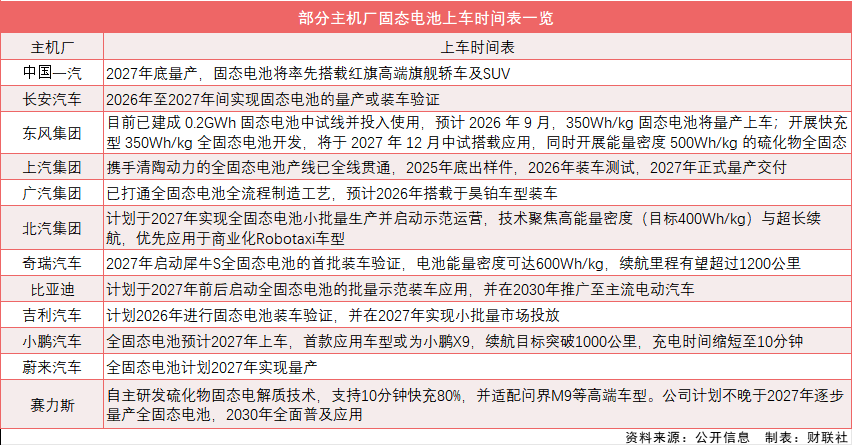
固态电池行情纵贯全年 主机厂“卡位”2026上车节点
Xin Lang Cai Jing· 2025-12-24 09:35
Core Viewpoint - The solid-state battery sector is gaining momentum in the electric vehicle industry, driven by the need to address range anxiety and enhance safety and efficiency. The market has seen a significant increase in solid-state battery stocks, with a 57.3% rise in the index over the past year, highlighting the growing interest and investment in this technology [1]. Group 1: Market Performance - The solid-state battery index rose from 696.24 in April 2025 to 1314.15 by the end of November 2025, reflecting a 57.3% increase [1]. - Companies such as Haike New Energy, Shanghai Xiba, and others have seen their stock prices increase by over 100% within the year [1]. Group 2: Manufacturer Plans - Twelve major automakers, including state-owned enterprises and companies like BYD and Geely, have disclosed their timelines for integrating solid-state batteries, targeting vehicle validation in 2026 and initial mass production in 2027 [1]. - Specific timelines include: - China FAW plans to mass-produce solid-state batteries by the end of 2027 for high-end vehicles [2]. - Changan Automobile aims for mass production or vehicle validation between 2026 and 2027 [2]. - Dongfeng Group has established a pilot line and expects to produce 350Wh/kg solid-state batteries by September 2026 [2]. - SAIC Group plans to deliver samples by the end of 2025 and conduct vehicle tests in 2026 [2]. - GAC Group has completed the manufacturing process for solid-state batteries and aims for vehicle integration in 2026 [2]. - BYD and Geely also have plans for solid-state battery applications around 2027 [2]. Group 3: Policy Support - The development of solid-state batteries is closely linked to government policies, with initiatives aimed at strengthening innovation in the electronic information manufacturing sector [3]. - The Ministry of Industry and Information Technology has emphasized the importance of technological innovation and the acceleration of new technology commercialization in the solid-state battery sector [3]. Group 4: Technical Innovations - The industry is focusing on replacing liquid electrolytes in lithium batteries with solid electrolytes to meet demands for higher energy density and faster charging [4]. - Experts suggest that achieving large-scale application of solid-state batteries will require three to five years of further development [4].



这家设备公司完成数亿元战略融资
Sou Hu Cai Jing· 2025-12-24 08:38
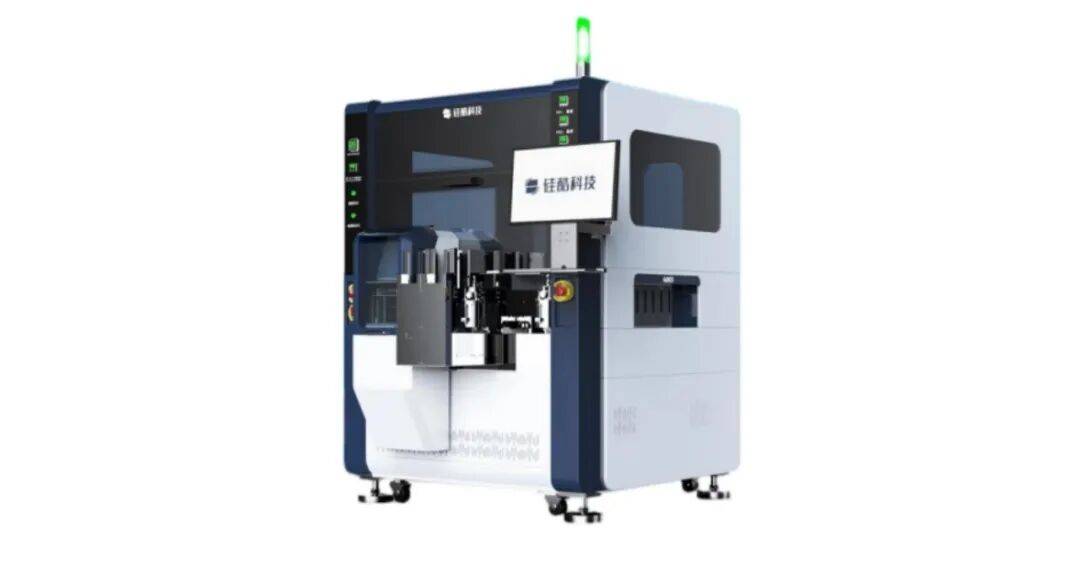
Group 1 - Zhuhai Silicon Cool Technology Co., Ltd. has completed a strategic financing round of several hundred million yuan, with participation from well-known investment institutions such as Anxin Investment, Chip Alliance Capital, Huatai Zijin, and others [1] - The funds will be primarily used for the mass delivery of silicon carbide (SiC) pre-sintering bonding equipment, commercialization of advanced packaging equipment (such as HBM), and expansion of high-end production capacity and global customer outreach [1] - Established in 2019, the company has a core team from leading global packaging equipment firms and has significant technical accumulation and industry experience in semiconductor packaging equipment [1] Group 2 - Silicon Cool Technology has become a leader in domestic replacement for IGBT/SiC power module mounting equipment, achieving major breakthroughs in optical communication and advanced packaging [3] - The company has successfully provided over a hundred sets of equipment to major automotive companies such as BYD, Li Auto, NIO, and Huawei, producing over 100,000 silicon carbide power semiconductor devices, with industry-leading mass production capabilities [3] - Annual revenue has tripled, and the company has obtained more than ten invention patents [3] Group 3 - Chip Alliance Capital, as one of the investors, recognizes the collaborative potential with Silicon Cool Technology, emphasizing the importance of their partnership in the IGBT/SiC power module mounting machine sector [2] - The collaboration aims to promote domestic substitution of key semiconductor packaging equipment and build a self-controlled industrial chain [2]
网红豪车玛莎拉蒂“打骨折”搏命,背后藏着中国车主最狠的清醒
3 6 Ke· 2025-12-24 07:58
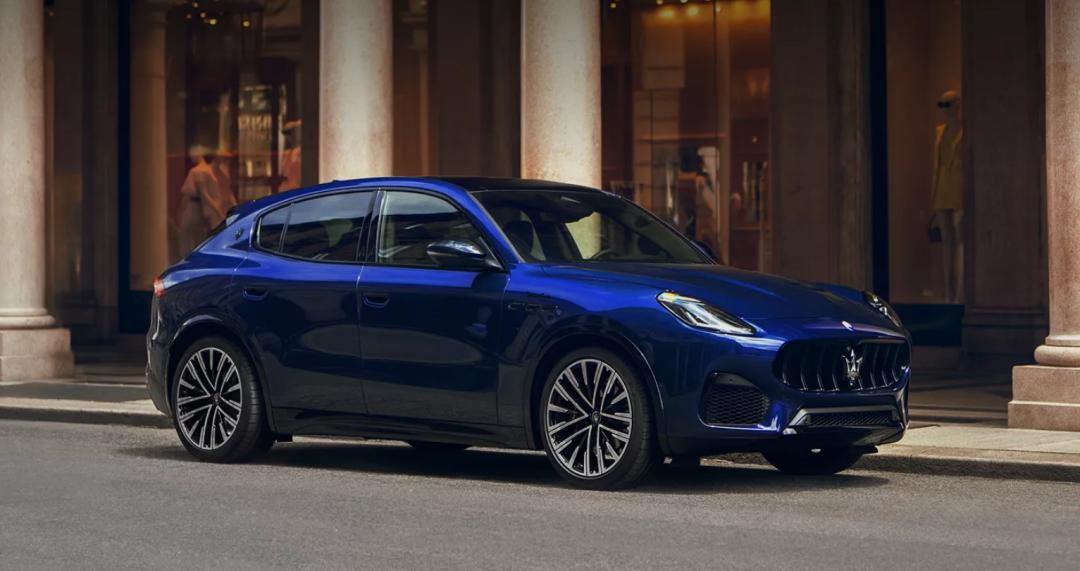
Core Insights - Maserati, once a symbol of success in China, is now facing a drastic price drop, with vehicles being sold at significant discounts, marking the end of an era for the brand [1][10] - The shift from waiting lists and price premiums to aggressive discounting reflects broader changes in the Chinese automotive market, where consumer preferences have evolved significantly [3][12] Group 1: Sales and Market Dynamics - Maserati's sales in China peaked at 14,400 units in 2017, making it the largest single market for the brand, but have plummeted to just 1,228 units in 2024, a decline of 71% [10][13] - The brand's aggressive pricing strategy includes fuel versions at 60% off and electric versions at 40% off, with the lowest price now at 358,000 yuan [1][12] - The rapid decline in sales is not an isolated incident; other luxury brands like Porsche and Mercedes-Benz are also experiencing challenges in the Chinese market [12][13] Group 2: Consumer Sentiment and Preferences - Consumers are increasingly prioritizing functionality and technology over brand prestige, as seen in the shift in buyer inquiries from status symbols to practical features like battery life and smart driving capabilities [5][9] - The perception of luxury is changing, with younger consumers valuing practicality and technological advancement over traditional luxury markers [14] - The experience of owning a Maserati has been marred by issues such as high fuel consumption and unreliable technology, leading to dissatisfaction among previous owners [7][8] Group 3: Industry Trends and Future Outlook - The luxury automotive market is undergoing a transformation, with electric and smart vehicles becoming the new standard, leaving traditional brands struggling to keep up [10][12] - The competitive landscape is shifting, with Chinese brands rapidly gaining market share by offering advanced technology and features at lower price points [12][14] - The decline of Maserati serves as a cautionary tale for luxury brands, emphasizing the need to adapt to changing consumer expectations and technological advancements [13][14]
汽车行业百年变局,谁将定义未来?
Xin Lang Cai Jing· 2025-12-24 07:39
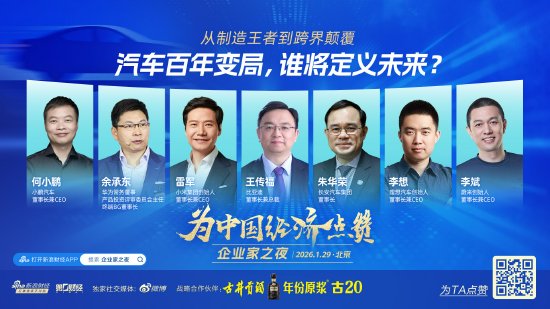
专题:为中国经济点赞——企业家之夜2025 "为中国经济点赞——企业家之夜"已于12月17日正式启动,目前点赞活动正在火热进行中。 汽车行业正经历着百年未有之大变局。从传统制造的王者之争,到如今跨界融合的颠覆性创新,汽车行 业的未来充满了无限可能与挑战。 小鹏汽车董事长何小鹏、华为终端BG董事长余承东、小米董事长雷军、比亚迪董事长王传福、长安汽 车董事长朱华荣、理想汽车董事长李想、蔚来董事长李斌,这7位不同背景的行业顶尖大佬,谁能定义 汽车行业未来?点击链接为他点赞。 何小鹏以创新科技驱动小鹏汽车在智能电动汽车领域一路乘风破浪。目前,小鹏汽车正布局三条增长曲 线:AI与汽车融合、全球化、人形机器人与汽车产业深度融合。2025年第三季度,小鹏汽车的交付量 呈现出爆发式增长,达到116007台,同比增长149.3%,环比增长12.4%,创造了单季度交付量的历史新 高。 余承东带领华为凭借强大的技术研发实力,深度赋能汽车行业,推动智能汽车解决方案的革新。仅用43 个月,鸿蒙智行就实现了全系100万辆交付量突破。刚刚过去的11月,鸿蒙智行全系交付数据达到81864 辆,同比增长89.61%。不仅稳居新势力交付榜首,更 ...
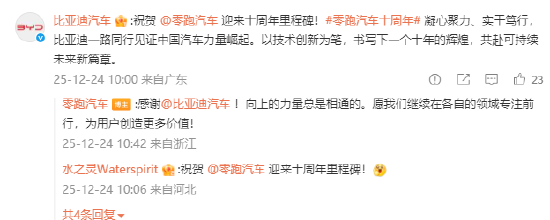
零跑创立十周年,比亚迪、理想汽车、蔚来等品牌发文祝贺
Xin Lang Cai Jing· 2025-12-24 07:10
Core Viewpoint - Leap Motor aims to achieve a sales target of 1 million vehicles by 2026, as stated by founder and CEO Zhu Jiangming in a company-wide letter on the occasion of the company's 10th anniversary [1][5]. Group 1: Company Goals - The company has outlined four key focus areas for 2026: continuous technological innovation, achieving exceptional quality, accelerating overseas market expansion, and maintaining an efficient and agile organization [1][5]. Group 2: Industry Response - Competitors such as BYD, Li Auto, and NIO have publicly congratulated Leap Motor on its 10th anniversary milestone [2][6]. - Other brands like Yichun, Haoxiangni, and Wang Xiaolu also sent their best wishes via official channels [4][8].

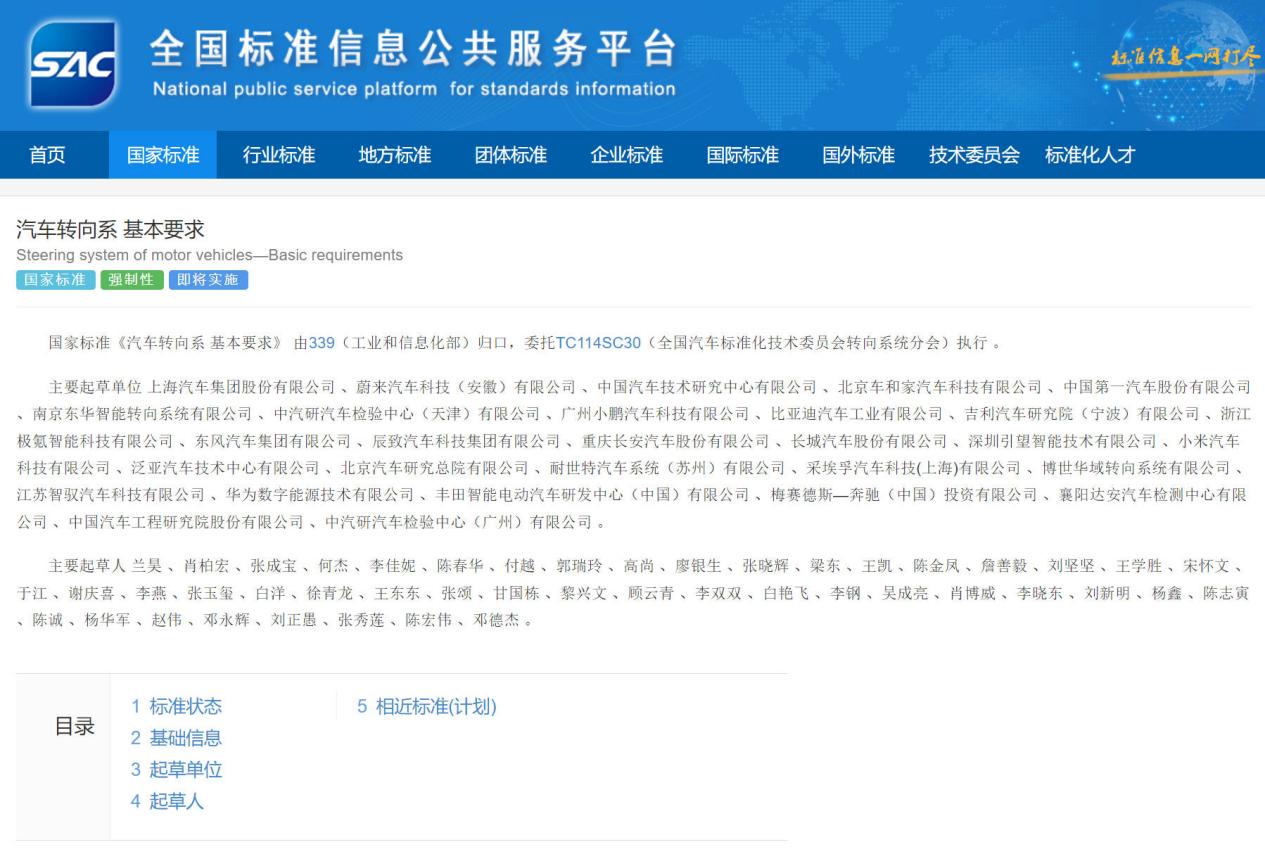
GB17675-2025《汽车转向系 基本要求》国家认证标准发布 由多家车企联合起草
Zhong Guo Zhi Liang Xin Wen Wang· 2025-12-24 06:15
Core Viewpoint - The new national certification standard GB17675-2025 for automotive steering systems will replace the previous standard GB17675-2021 starting from July 1, 2026, focusing on the safety and functionality of new technologies like steer-by-wire (SBW) and electric power steering (EPS) while removing mandatory requirements for mechanical connections [1][2]. Group 1: Standard Status - The new standard was drafted by multiple automotive companies, including Shanghai Automotive Group, NIO, China Automotive Technology Research Center, Beijing Chehejia Technology, and Guangzhou Xiaopeng Motors [2]. - The revised standard addresses deficiencies in the current requirements for fully powered steering systems, ensuring they meet modern safety and functionality demands [2]. Group 2: Basic Information - The updated standard introduces specific requirements for failure scenarios in fully powered steering systems, including vehicle safety status, degradation requirements, and alarm signals for power source failures [2][3]. - New provisions include real-time monitoring and performance evaluation of energy storage devices, with alarms triggered for aging or insufficient performance to ensure safe operation of fully powered steering systems [3]. Group 3: Additional Requirements - The revision modifies testing requirements for measuring steering control force in the event of system failures and adds additional tests for fully powered steering systems [3]. - The standard also enhances definitions related to fully powered steering systems and introduces requirements for functional safety testing reports and descriptions for electronic control systems [4].