小米

Search documents
X @外汇交易员
外汇交易员· 2025-09-18 06:52
Regulatory Landscape - China's State Administration for Market Regulation (SAMR) has suspended its antitrust investigation into Google [1] - The investigation, initiated in February, focused on Android's dominance and its impact on Chinese mobile phone manufacturers like Oppo and Xiaomi [1] Geopolitical Strategy - China is shifting its focus to Nvidia as a bargaining chip in negotiations with the US [1] - This decision reflects China's flexibility in ongoing trade negotiations with the US and Canada [1]
为打败iPhone 17,小米下了一步险棋
创业邦· 2025-09-18 03:09
Core Viewpoint - Xiaomi is positioning the "back screen" feature of the Xiaomi 17 as a key selling point to compete with Apple's iPhone 17, indicating a strategic shift in their marketing approach [5][9][41]. Group 1: Product Features - The "back screen" is primarily available on the Xiaomi 17 Pro and Pro Max versions, while the standard version does not include this feature [11]. - The back screen can display time, photos, and functional widgets, providing practical value in specific scenarios, such as when the phone is placed face down [14][15]. - It is suggested that the back screen will support basic touch operations, allowing users to control certain functions, such as car air conditioning [22]. Group 2: Market Positioning - Xiaomi aims to differentiate itself from Apple by introducing the back screen as a unique feature, despite the potential risks and challenges associated with it [23][41]. - The back screen is seen as a "charm attribute," which may not significantly impact user satisfaction but could attract attention in a crowded market [36]. Group 3: Challenges and Risks - The introduction of an additional screen raises concerns about increased power consumption, heat accumulation, and the risk of screen damage [26][28][31]. - Historical precedents show that dual-screen designs have often failed in the market due to practical usability issues, suggesting that Xiaomi may face similar challenges [32][34]. - The success of the Xiaomi 17 hinges on overcoming these engineering challenges and delivering a compelling user experience that justifies the back screen's existence [42].


国庆叠加中秋,各地陆续出台扩大文旅消费专项政策,聚焦港股消费ETF(513230)布局机遇
Sou Hu Cai Jing· 2025-09-18 03:05
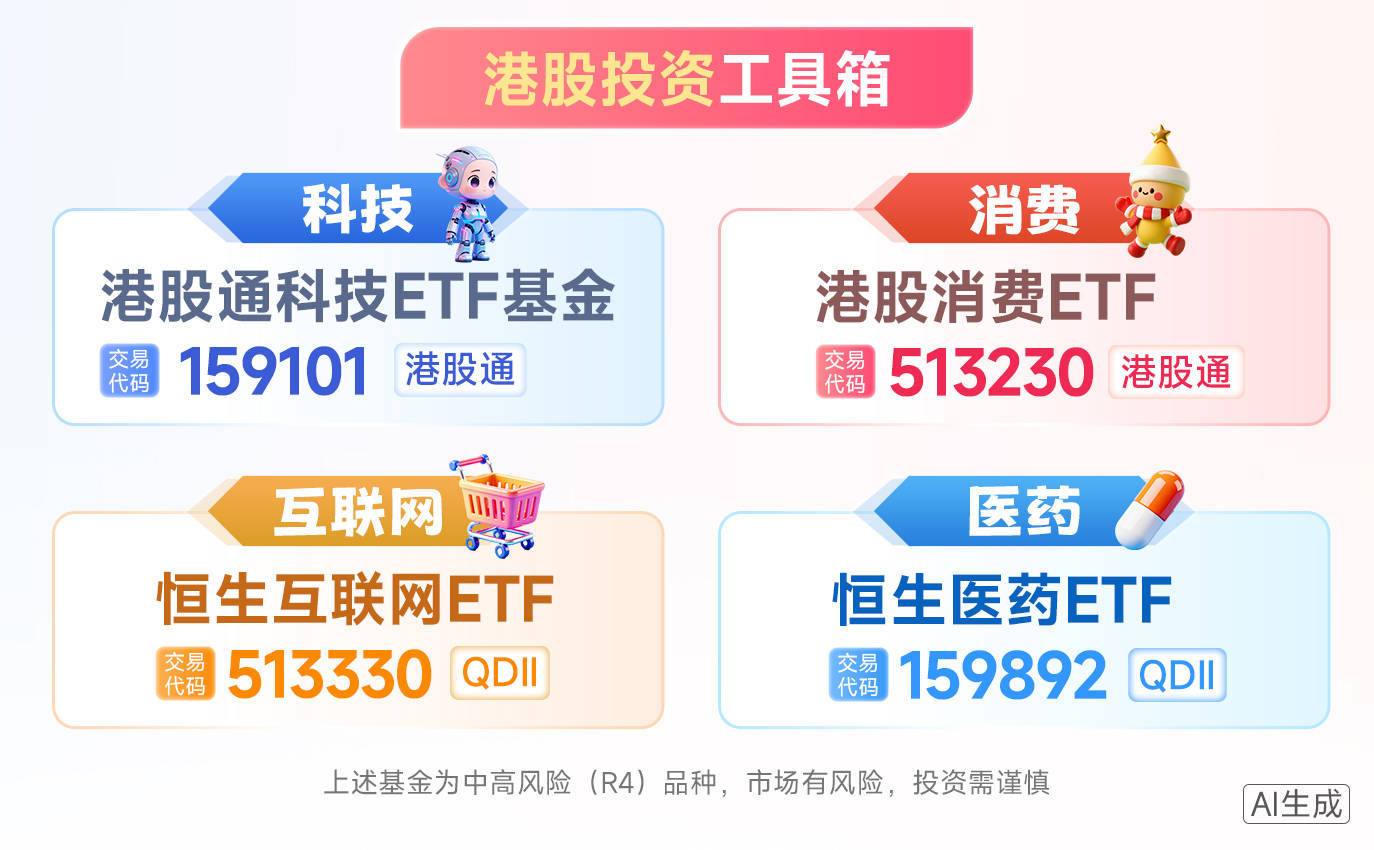
Group 1 - The Hang Seng Index opened down 0.17%, while the Hang Seng Tech Index remained flat, with technology, semiconductors, and machinery sectors leading gains, while metals and retail sectors experienced the largest declines [1] - The Hong Kong stock consumption ETF (513230) saw a slight increase in early trading, reflecting a narrow fluctuation in the consumption sector [1] - The Ministry of Culture and Tourism plans to launch a three-year action plan to boost cultural and tourism consumption, coordinating with financial institutions and platforms to offer consumption vouchers and discounts [1] Group 2 - The Ministry of Culture and Tourism will introduce over 3.3 billion yuan in consumption subsidies as part of its efforts to expand cultural and tourism consumption [1] - The Hong Kong stock consumption ETF (513230) tracks the CSI Hong Kong Stock Connect Consumption Theme Index, encompassing leading companies in internet e-commerce and new consumption sectors, including Pop Mart, Lao Pu Huang Jin, and Miniso, as well as tech giants like Tencent, Kuaishou, Alibaba, and Xiaomi [1]
小米AI眼镜助力中国智能眼镜出货量大增145.5%,消费电子ETF(561600)涨超2.1%价格再创新高
Xin Lang Cai Jing· 2025-09-18 02:50
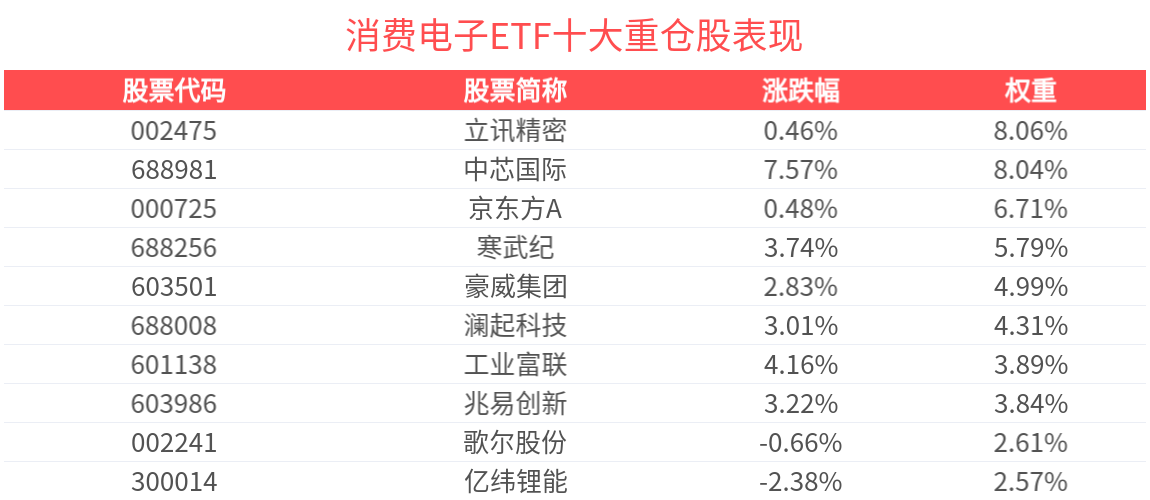
Group 1: Smart Glasses Market - The global smart glasses market is projected to ship 2.555 million units in Q2 2025, representing a year-on-year growth of 54.9% [1] - China's smart glasses market is expected to experience explosive growth, with Q2 2025 shipments reaching 664,000 units, a staggering increase of 145.5% year-on-year [1] - The audio and audio-capturing glasses segment in China is forecasted to ship 514,000 units in Q2 2025, marking a significant year-on-year growth of 256.6% [1] - Xiaomi's launch of its first AI glasses is a key driver behind the growth, contributing to an increase in market share for audio-capturing glasses to 19.7% in Q2 [1] - IDC predicts that China's smart glasses market will reach 2.846 million units in 2025, with a year-on-year growth of 116.4% [1] - Audio and audio-capturing glasses are expected to account for 2.202 million units in shipments, reflecting a year-on-year growth of 183.2% [1] - AR/VR device shipments are projected to reach 644,000 units, with a year-on-year growth of 19.8% [1] Group 2: Consumer Electronics Index - As of September 18, 2025, the CSI Consumer Electronics Theme Index (931494) rose by 2.30%, with notable gains from stocks such as Rockchip (10.00%) and SMIC (7.57%) [2] - The Consumer Electronics ETF (561600) increased by 2.15%, marking its seventh consecutive rise, with a latest price of 1.23 yuan [2] - Over the past week, the Consumer Electronics ETF has accumulated a growth of 10.32%, ranking in the top 20% among comparable funds [2] - The ETF recorded a turnover rate of 5.22% during the trading session, with a transaction volume of 20.4136 million yuan [2] - The CSI Consumer Electronics Theme Index includes 50 listed companies involved in component production and consumer electronics design and manufacturing [2] Group 3: Top Holdings in Consumer Electronics Index - The top ten weighted stocks in the CSI Consumer Electronics Theme Index account for 54.8% of the index [3] - Key stocks include Cambricon (688256), Luxshare Precision (002475), and SMIC (688981), among others [3]
余承东为什么坚持要做旅行车?
3 6 Ke· 2025-09-18 02:46
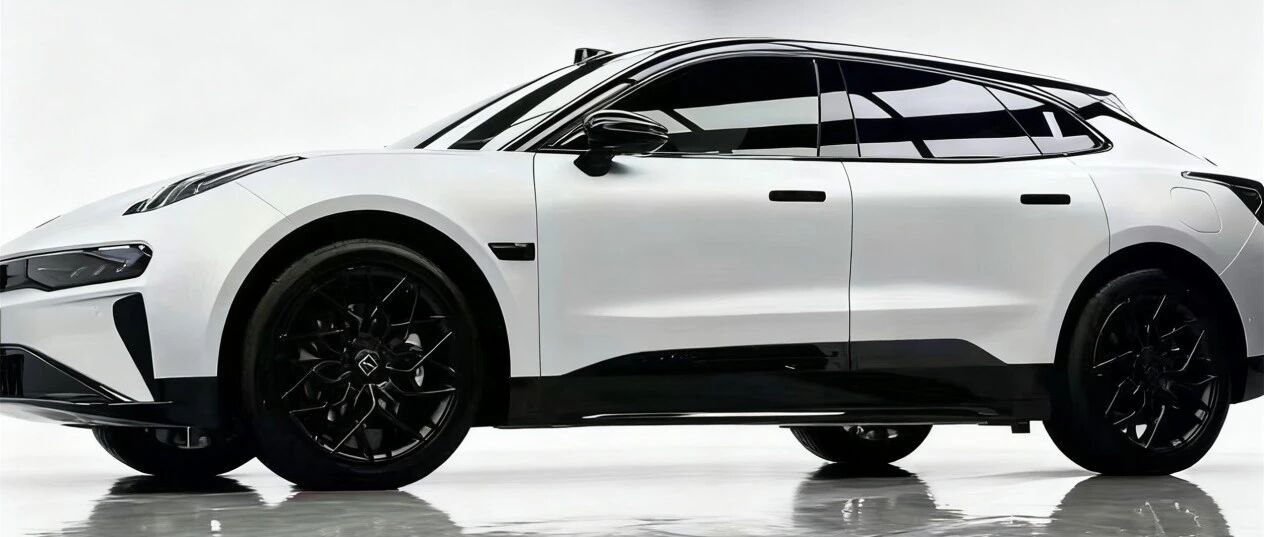
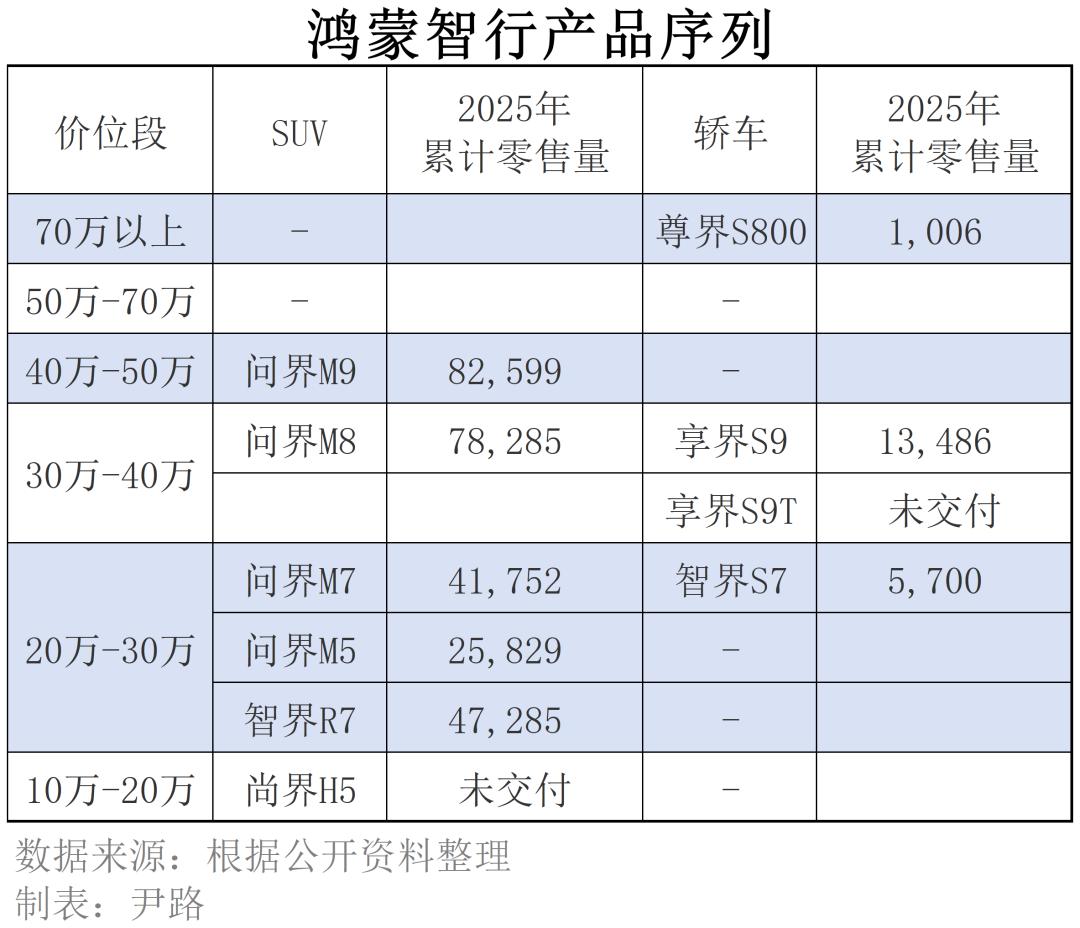
Core Viewpoint - The collaboration between Hongmeng Zhixing and BAIC Blue Valley has resulted in the launch of the "Xiangjie S9T," a travel car model that aims to diversify Hongmeng Zhixing's product line beyond SUVs, addressing the growing importance of non-SUV vehicles in the Chinese automotive market [1][2][10]. Group 1: Product Line Diversification - Hongmeng Zhixing has established a strong presence in the SUV market with a comprehensive product matrix, but its sedan offerings remain limited, with only four models including the newly launched Xiangjie S9T [2][3]. - The sales figures for 2025 show that Hongmeng Zhixing's SUV models have accumulated over 270,000 units, while sedan sales have just surpassed 20,000 units, highlighting the imbalance in their product structure [2][3]. Group 2: Market Trends and Importance of Sedans - Despite the rise of SUVs, sedans still hold a significant market share, with data indicating that from 2019 to July 2025, SUV market share increased from 44.3% to 49.2%, while sedans decreased from 49.0% to 46.1% [5][7]. - For automotive brands aiming for annual sales of one million units, having a strong sedan lineup is essential, as evidenced by successful models from leading brands [5][9]. Group 3: Rationale for Choosing Travel Cars - The decision to develop a travel car like the Xiangjie S9T is influenced by the structural advantages of electric platforms, which can better accommodate the design and functionality of travel cars compared to traditional sedans [10][12]. - Travel cars offer superior aerodynamics and lower energy consumption, making them a viable option in the electric vehicle era, while also providing ample storage space and flexibility similar to SUVs [12][13].

奥迪“字母标”首车入市
Bei Jing Shang Bao· 2025-09-18 02:16
Core Insights - Audi has officially launched its first mass-produced model, the Audi E5 Sportback, with a price range of 235,900 to 319,900 yuan, produced at the SAIC Audi manufacturing base [1][4] - The introduction of the AUDI brand reflects a strategic shift to better align with the evolving demands of the Chinese market, as luxury car retail sales have seen a decline [2][5] - The Audi E5 Sportback features advanced technology, including the new AUDI OS operating system and a collaboration with Momenta for enhanced driving assistance capabilities [3][4] Group 1: Market Context - In August, luxury car retail sales in China dropped by 5% year-on-year, with luxury brand market share decreasing by 1.1 percentage points [2] - Traditional domestic brands and new energy vehicle manufacturers are increasingly competing in the luxury segment, prompting established brands like Audi to adapt [2][5] - The Audi E5 Sportback is positioned as a key model to meet the specific needs of the Chinese market, emphasizing a blend of German engineering and local digital innovation [2][3] Group 2: Product Features - The Audi E5 Sportback is equipped with the Qualcomm Snapdragon 8295 digital cockpit chip and features a highly interactive smart cockpit [3] - The vehicle includes a customized Audi assistant powered by a large language model, enhancing user interaction and control [3] - Audi has partnered with several Chinese suppliers, which strengthens its supply chain and allows for competitive pricing in the Chinese market [4][5] Group 3: Competitive Landscape - The official pricing of the Audi E5 Sportback positions it within the competitive 220,000 to 300,000 yuan range, where many domestic models are also vying for market share [4] - The market for new energy vehicles in China is highly competitive, with models like the Xiaomi SU7 and Tesla Model 3 actively competing in the same price bracket [4][5] - The Audi E5 Sportback received over 10,000 orders within 30 minutes of its launch, indicating strong market interest [5]

中银晨会聚焦-20250918
Bank of China Securities· 2025-09-18 01:56
Core Insights - The report emphasizes that high-end equipment, artificial intelligence, and green manufacturing will be the main lines for medium to long-term allocation, with leading state-owned enterprises and private companies with core technologies likely to benefit first [5][6][8] - The report highlights the performance of specific companies, such as Xin Feng Ming, which reported a revenue of 33.491 billion yuan in the first half of 2025, a year-on-year increase of 7.10%, and a net profit of 709 million yuan, up 17.28% [10][11] - Horizon Robotics is noted for its rapid revenue growth of 68% year-on-year in the first half of 2025, reaching 1.567 billion yuan, despite a strategic loss of 5.233 billion yuan [14][15] Company Performance Xin Feng Ming - The company achieved a total revenue of 33.491 billion yuan in the first half of 2025, with a year-on-year growth of 7.10% and a net profit of 709 million yuan, reflecting a 17.28% increase [10] - In Q2 2025, revenue reached 18.934 billion yuan, marking a 12.57% year-on-year increase and a 30.06% quarter-on-quarter increase [10][11] - The company’s PTA production capacity reached 7.7 million tons, with revenue from PTA at 4.652 billion yuan, significantly up from 1.18 billion yuan in the same period last year [11][12] Horizon Robotics - The company reported a revenue of 1.567 billion yuan in the first half of 2025, a 68% increase year-on-year, with a gross profit of 1.024 billion yuan, up 39% [14][15] - The automotive product solutions segment saw revenue growth of 250% year-on-year, reaching 778 million yuan, with a gross margin of 45.6% [15][16] - Horizon Robotics has established a strong market presence, with a 63% share of the Chinese passenger car market and a 59% penetration rate for assisted driving [14][15] Industry Trends - The report indicates that the "14th Five-Year Plan" policies have been largely absorbed by the market, while the "15th Five-Year Plan" emphasizes "artificial intelligence+" and internationalization, potentially creating new structural opportunities in the capital market [8] - The focus on digitalization, greening, and high-end manufacturing is expected to provide long-term policy support for strategic industries such as equipment manufacturing and industrial software [6][7] - The report suggests that companies with core technologies and international operational advantages will be the primary beneficiaries of upcoming policy dividends [8]
独家|追觅CEO“放狠话”:造车PK理想,手机跟华为小米“三分天下”
Xin Lang Ke Ji· 2025-09-18 01:53
Core Viewpoint - Chasing Technology is actively entering the automotive industry, planning to launch its first ultra-luxury electric vehicle by 2027, targeting the Bugatti Veyron as a benchmark [2] Group 1: Automotive Strategy - Chasing Technology holds weekly votes on car design proposals, indicating a strong commitment to refining vehicle aesthetics since late 2024 [2] - The automotive division is split into two brands: Chasing Automotive, focusing on Bugatti-like models, and Starry Sky Automotive, targeting models comparable to Cullinan and Bentley [2][4] - The CEO emphasizes that the Bugatti-like model will have both electric and range-extended versions, with a debut at the CES in the US by the end of the year [3] Group 2: Team and Talent Acquisition - A cross-industry talent team has been assembled, including core R&D personnel from smart hardware and traditional automotive manufacturing experts [3] - Chasing Technology has opened various positions on job platforms, indicating serious intentions in the automotive sector [3] Group 3: Product Development and Pricing - The CEO has outlined plans for a Bentley-like model with a wheelbase of 3.2m, with four configurations priced between 269,900 to 589,900 CNY, directly competing with Ideal and Aito models [6][7] - The D10 model is planned with a larger wheelbase, aiming for a higher price segment, with a potential price increase of at least 100,000 CNY due to the extended dimensions [7] Group 4: Manufacturing and Supply Chain - Chasing Technology has announced a partnership with BNP Paribas to build a factory in Germany, strategically located near Tesla's Berlin Gigafactory, benefiting from a robust supply chain [9] Group 5: Intellectual Property and Market Position - As of the end of 2024, Chasing Technology has filed 6,379 patents globally, with 45% being invention patents in key areas of electric vehicle technology [11] - The company has reported significant growth in its mobile phone business, aiming to compete with Huawei and Xiaomi in the high-end market [12] Group 6: Future Plans and IPO Strategy - Chasing Technology plans to expand into various sectors, including home appliances, with the goal of becoming a comprehensive multi-business company [14] - The CEO has indicated that multiple business units will be prepared for IPOs on global exchanges starting from the end of next year [14]
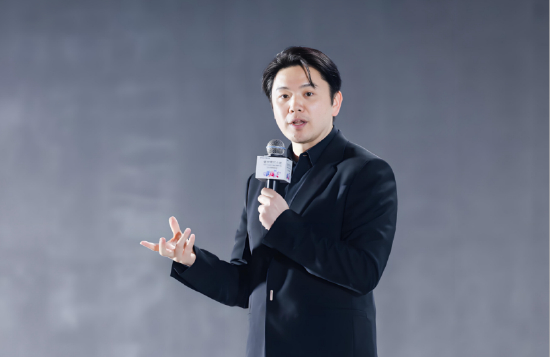
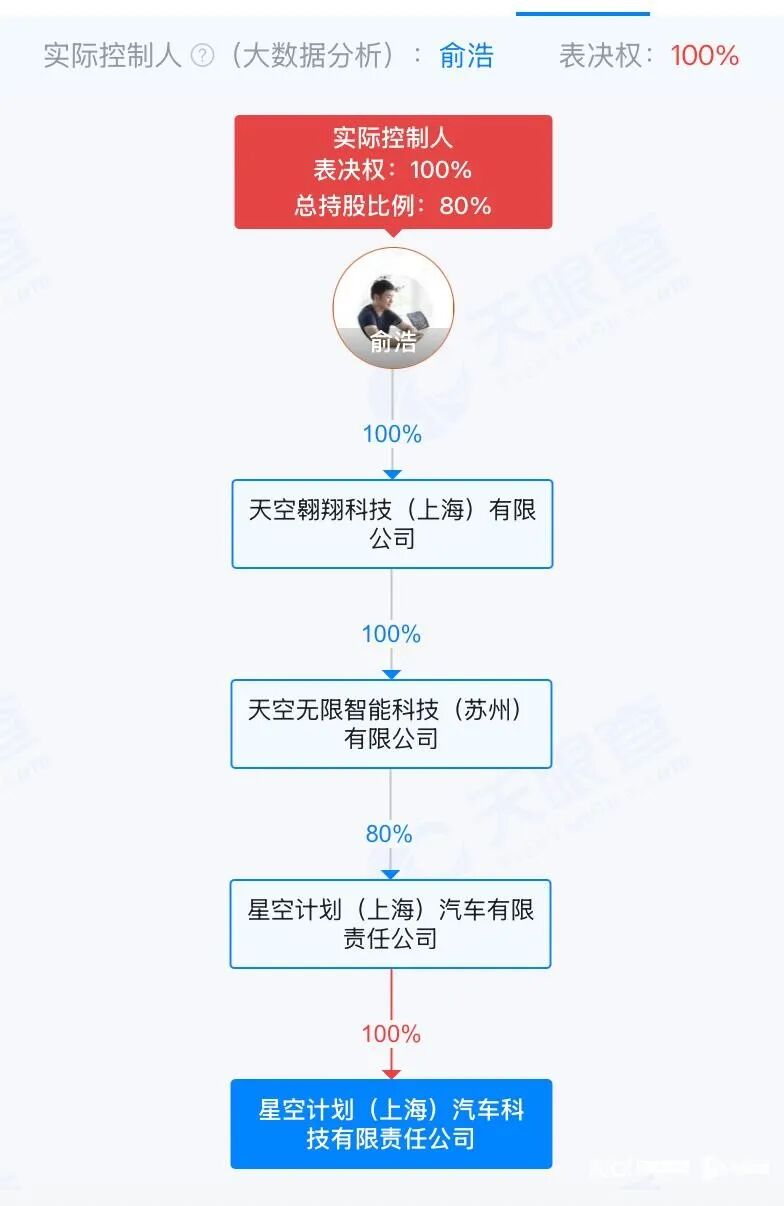
追觅CEO俞浩内部「放狠话」:造车PK理想,手机跟华为小米「三分天下」
Xin Lang Ke Ji· 2025-09-18 01:26
Core Viewpoint - Recently, Chasing Technology has been actively pursuing the automotive sector, announcing its first ultra-luxury electric vehicle aimed at competing with Bugatti Veyron, set to debut in 2027 [1] Automotive Development - Chasing Technology holds weekly votes on car design proposals, having conducted 38 rounds so far, indicating that the refinement of car designs began as early as the end of 2024 [1] - The automotive division is split into two brands: Chasing Automotive, which focuses on the Bugatti competitor, and Xingkong Automotive, which targets models comparable to Cullinan and Bentley [1][2] - The CEO, Yu Hao, emphasizes the need for self-designed and developed models, with the Bugatti competitor named "Chasing-Bugatti" [2] - A team has been assembled that includes experts from both smart hardware and traditional automotive manufacturing sectors [3][2] - The company has announced the completion of its first round of financing, setting a record for the fastest fundraising among new automotive enterprises in China [2] Product Configuration and Pricing - The Bugatti competitor will have both electric and range-extended versions, with its design and interior already finalized, set to debut at the CES in the U.S. by the end of the year [2] - Yu Hao has outlined plans for four configurations of a Bentley competitor, with pricing ranging from 269,900 to 589,900 yuan, targeting various models from Li Auto and AITO [5] - The D10 model is planned with a wheelbase of 3.3m to 3.4m, aiming for the high-end market, with a price increase of at least 100,000 yuan for a 10cm increase in wheelbase [4] Strategic Partnerships and Manufacturing - Chasing Automotive has partnered with BNP Paribas to build a factory in Germany, strategically located near Tesla's Berlin Gigafactory, benefiting from a robust supply chain [7] Intellectual Property and Market Position - As of the end of 2024, Chasing Technology has filed 6,379 patents globally, with 45% being invention patents, covering key areas in electric vehicle technology [8] - The company has reported significant growth, with revenue for the first half of 2025 surpassing the total for 2024, indicating a leap in performance [8] Broader Business Strategy - Chasing Technology aims to establish itself as a comprehensive company beyond just cleaning appliances, with plans to enter various sectors including large appliances and electronics under the MOVA brand [10] - The CEO envisions a multi-business ecosystem, with intentions to pursue multiple IPOs as the company expands into various fields [10]
25万级纯电轿车,谁的日子最好过?
车fans· 2025-09-18 01:17
Core Insights - The article discusses the current sales performance and competitive landscape of electric sedans from five brands: Zhijie, Xiaopeng, Xiaomi, Jike, and Tesla [1] Group 1: Sales Performance and Customer Insights - Zhijie's main model is the S7, with the S7 Max being the top-selling configuration, offering various purchase incentives totaling up to 53,000 yuan [2] - Customer interest in the S7 is primarily driven by pricing policies and advanced driving assistance features, with a significant portion of buyers being urban female consumers [2] - Xiaopeng's P7 model has a customer visit rate of 30%, with buyers attracted to its unique design and technology [6] - Xiaomi's SU7 sees a customer visit rate of 30-40%, with brand reputation and previous model performance being key factors for buyers [9] - Jike's 001 model has a customer visit rate of 40%, with buyers valuing safety and control features [12] Group 2: Competitive Landscape - Key competitors for Zhijie include Xiaomi's SU7, 34C, and Tesla's M3, with the easiest competition being the Mercedes C-Class due to brand recognition and policy incentives [3] - Xiaopeng faces competition from Xiaomi SU7, Avita 06, and Tesla M3, with Avita being the easiest to compete against due to its superior space and configuration [7] - Xiaomi's SU7 competes with Tesla M3 and other new energy brands, with the most challenging competition being Tesla due to its quick delivery times and strong brand loyalty [9][15] - Jike's main competitors are Xiaomi's dual models and Tesla's offerings, with Xiaomi being easier to compete against due to long delivery times [14] - Tesla's Model 3 is popular but difficult to compete against due to its strong brand appeal and customer loyalty, with a customer visit rate of 20-30% [17]