
地平线

Search documents
中国汽车全球化与可持续发展论坛共话开放与可持续发展
Zhong Guo Qi Che Bao Wang· 2025-12-20 13:08
Core Insights - The forum themed "Beauty in Harmony, Diversity in Unity" focused on the globalization and sustainable development of the Chinese automotive industry, gathering nearly 200 participants from various sectors to discuss industry evolution, technological advancements, and ESG value creation [1] Group 1: Industry Trends and Developments - The Chinese automotive industry is experiencing a historic leap, with over 200 new models expected to launch by 2025, and significant advancements in ESG ratings and practices among more than 40 companies [2] - The shift towards electrification, intelligence, and connectivity is reshaping the global automotive landscape, with Chinese companies leading in new energy and smart connected vehicles [2] - The release of the "2025 China Automotive Globalization Development Report" highlights the critical phase of globalization for Chinese automotive firms, emphasizing the need for "industry chain collaboration" and "deep localization" to maintain competitive advantages [3] Group 2: ESG and Sustainability Practices - A report indicated that automotive companies have established solid management foundations in environmental, social, and governance (ESG) dimensions, with a focus on climate action and carbon management becoming a new priority [4] - The consensus reached during the forum emphasized the integration of electric and intelligent advantages with ESG responsibilities, advocating for a responsible global corporate citizenship approach [6] - The "2025 China Automotive ESG Case Study" recognized 24 companies for their exemplary practices in low-carbon development, governance innovation, and social value creation, showcasing the industry's commitment to sustainability [7] Group 3: Challenges and Strategic Directions - The automotive industry faces challenges such as price wars, profit margin pressures, and the need for sustainable investments, highlighting the core contradiction between short-term survival and long-term sustainability [4] - Companies are encouraged to develop supply chain empowerment roadmaps and prioritize ESG risk management to enhance global competitiveness [4] - The transition from domestic to global markets requires respecting local differences and finding optimal value integration strategies [5] Group 4: Future Outlook - The future of the Chinese automotive industry lies in leveraging its advantages in electrification and intelligence while ensuring that ESG becomes a core competitive strength [8] - The integration of innovative technologies and local market adaptations will be crucial for achieving ecological win-win scenarios in the global arena [10] - The industry's evolution towards AI-defined vehicles necessitates a focus on safety and user value, with a collaborative ecosystem among manufacturers and suppliers [10]
对话文远知行韩旭:中国真正的L4只有3家,马斯克不上激光雷达干不过Waymo | MEET2026
量子位· 2025-12-20 11:19
Core Insights - The article discusses the evolution of the autonomous driving industry, highlighting the achievements of the company WeRide under the leadership of Han Xu, who emphasizes the importance of talent acquisition and technological advancements in the field of Robotaxi [1][2][5]. Group 1: Company Achievements - WeRide has become the first publicly listed Robotaxi company in both the US and Hong Kong, marking a significant milestone in its eight-year journey [2][8]. - The company has successfully transitioned from a phase of skepticism about autonomous driving to achieving operational milestones, including the removal of safety drivers from vehicles [17][18]. - WeRide has deployed its Robotaxi services in 11 countries, demonstrating its global reach and operational capabilities [15][18]. Group 2: Industry Insights - Han Xu asserts that only three companies in China can truly operate Level 4 (L4) autonomous vehicles, emphasizing the technical barriers that still exist between Level 2 (L2) and L4 technologies [6][19][22]. - The article highlights the distinction between companies claiming to have L4 capabilities and those that have demonstrated actual operational success with a fleet of autonomous vehicles [21][24]. - Han Xu predicts that if Tesla continues to rely solely on production vehicles without integrating advanced sensor technologies, it will struggle to achieve the same level of autonomy as competitors like Waymo [45]. Group 3: Talent Acquisition and AI Impact - The company is actively recruiting top talent with salaries ranging from 3 to 5 million, reflecting the increasing demand for skilled professionals in the AI and autonomous driving sectors [46][49]. - Han Xu describes AI as a significant amplifier of talent value, suggesting that exceptional individuals can command much higher salaries in the current market [46][48]. - The company aims to attract talent by offering competitive compensation packages, indicating its financial strength and commitment to innovation [50][51]. Group 4: Future Predictions - Han Xu forecasts that within three years, if Tesla does not adopt multi-modal sensor technology for its Robotaxi, it will not reach the operational standards set by Waymo [53]. - He also predicts the emergence of a "Superdriver" within eight years, a level of autonomous driving that surpasses the capabilities of the best human drivers [53].


西方围堵7年没用!中国贸易顺差破1万亿,全球经济主导权开始转移
Sou Hu Cai Jing· 2025-12-20 11:15
Core Viewpoint - China's trade surplus has reached an unprecedented $1.08 trillion, marking a historic achievement amid ongoing economic warfare initiated by the West [1][31]. Group 1: Trade Surplus Data - In the first 11 months of 2025, China's trade surplus exceeded $1.08 trillion, averaging a net gain of $30 billion per day [1]. - China's trade surplus with the EU was $310 billion, with the US at $250 billion, the UK at $54.3 billion, and Japan at $30 billion [7]. - This surplus is greater than the combined historical highest surpluses of the US, Japan, and Germany by one-third [3]. Group 2: Impact of Western Economic Policies - The trade war, characterized by the US imposing tariffs on hundreds of billions of dollars of Chinese goods, has not diminished China's export growth but rather catalyzed it [5][11]. - The failure of Western strategies to contain China's exports has led to a significant increase in China's trade surplus [11][28]. Group 3: Structural Changes in Exports - The share of private enterprises in China's exports rose to 57.1% by 2025, surpassing foreign-invested enterprises, which dropped to 29.3% [18]. - High-value and high-tech products now account for 82.9% of China's exports, while labor-intensive products have decreased to 15.1% [18]. - The shift from quantity to quality in exports signifies a transition to selling technology and value rather than just products [20]. Group 4: Industry Innovations and Competitiveness - Chinese companies, particularly in the automotive sector, have achieved significant breakthroughs, with exports of electric vehicles soaring [21][23]. - The semiconductor sector also saw a remarkable increase, with exports expected to exceed 1.4 trillion yuan, equivalent to the construction of seven Three Gorges projects [25]. - The technological advancements of private enterprises have made Chinese exports indispensable, countering Western attempts to impose tariffs on lower-end goods [28]. Group 5: Global Economic Power Shift - The $1 trillion surplus signifies a major shift in global economic power, with China becoming a new shaper of trade rules [31][35]. - The reliance of Western economies on Chinese products for achieving carbon neutrality and stabilizing prices highlights the paradox of their containment strategies [37]. - This trade surplus is not merely a statistical achievement but a reflection of China's resilience and innovation in the face of adversity [42][47].

豆包手机被“封杀” AI超级入口之争?不追风口却成功挖掘具身智能万亿吸金赛道 | 投资人说
Di Yi Cai Jing Zi Xun· 2025-12-20 10:10
Group 1 - The core viewpoint is that the price of embodied intelligence technology, particularly robots, has significantly decreased over the past decade, from 10 million RMB to several thousand RMB, indicating a trend towards more affordable robotics solutions [2][3] - The industry is witnessing a rapid iteration of robots, with various application scenarios emerging, such as hotel reception robots that can generate monthly revenues of 2,000 to 3,000 USD, making the economic model viable for companies [3][4] - The competition in the humanoid robot sector has intensified, with over 150 companies in China, leading to price reductions that may not negatively impact the industry but rather drive supply chain improvements [4][5] Group 2 - The distinction between financial investors and corporate venture capital (CVC) investors is highlighted, with financial investors focusing on broader applications while CVCs leverage their industry expertise to validate technologies within specific sectors [6][7] - The new generation of Chinese tech entrepreneurs is characterized by a global perspective, seeking opportunities in both domestic and international markets without a sequential approach, which marks a shift from previous strategies [8][9] - The recent incident involving Doubao phone being banned by major platforms illustrates the competitive dynamics in the AI sector, where established giants protect their market share against new entrants [10][11] Group 3 - The potential for Tesla to become a "super entrance" is discussed, but challenges remain due to the need for diverse service providers behind such an entrance, complicating the competitive landscape [11][12] - The idea of forming a joint venture among major players to create a collaborative ecosystem is considered feasible, as seen in the ride-hailing industry where smaller companies have consolidated under larger platforms [12][13] - The importance of user experience is emphasized, suggesting that small companies can excel by focusing on niche markets and delivering exceptional user satisfaction, which can lead to customer loyalty [14][15] Group 4 - The investment philosophy of focusing on underlying technology rather than market trends is stressed, with a preference for assessing the maturity of technology in relation to real-world application needs [15][16] - The approach of avoiding discussions about market trends or "hot sectors" within investment teams is advocated, promoting a deeper understanding of industries and technologies for long-term returns [16]
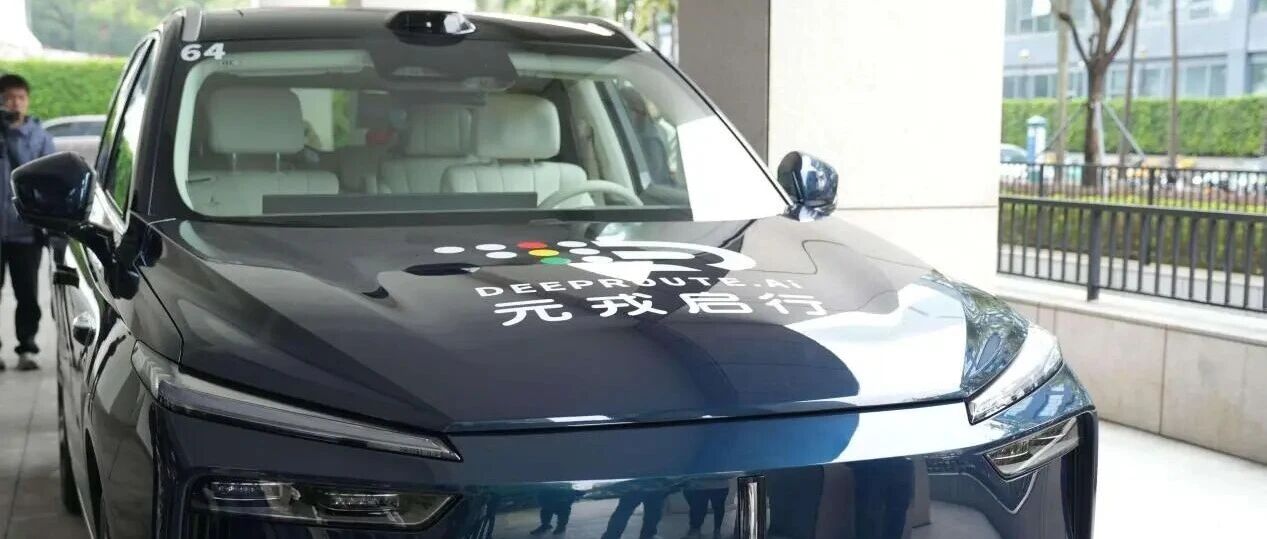
元戎启行获国内头部Tier 1战略投资......
自动驾驶之心· 2025-12-20 02:16
Core Viewpoint - The article discusses the rapid growth and market dynamics of urban NOA (Navigation on Autopilot) suppliers, highlighting the strategic investments and partnerships that are shaping the industry landscape [4][5]. Group 1: Investment and Market Position - Yuanrong has secured strategic investments from leading Tier 1 suppliers and luxury car manufacturers, indicating strong industry interest in high-quality urban NOA suppliers [4]. - Major players like Huawei, Yuanrong, and Momenta each hold over one million urban NOA project orders, suggesting a competitive market structure [5]. Group 2: Growth and Market Trends - Yuanrong has delivered 200,000 vehicles equipped with urban NOA, achieving a nearly 40% market share in the third-party supplier market by October 2025 [4]. - The urban NOA market is expected to experience significant growth, surpassing highway NOA as the mainstream solution due to the increasing adoption and technological advancements [4][6]. Group 3: Future Projections and Challenges - By 2026, urban NOA is projected to see a major surge in volume, driven by reduced hardware costs and the integration of intelligent driving in traditional fuel vehicles, potentially adding millions of units to the market [6]. - Achieving a production scale of over one million units will be a critical milestone for leading intelligent driving companies, as it will help establish data barriers and competitive advantages [6][7]. Group 4: Technological Evolution - The article emphasizes the importance of technological iteration, particularly the transition from VLA (Vehicle Level Automation) from initial production to significant performance improvements in 2026 [7]. - Companies must balance the need for cost-effective urban NOA solutions with advancements in cutting-edge technologies to remain competitive in the evolving market [8].
智驾人才涌入具身智能,热钱有了新叙事
创业邦· 2025-12-19 14:57
Core Viewpoint - The article discusses the rising interest and investment in the field of embodied intelligence, particularly in humanoid robots, highlighting the shift in investor focus and the challenges faced by startups in this sector [5][6][13]. Investment Trends - In 2023, there has been a significant influx of venture capital into the embodied intelligence sector, with estimates suggesting over 100 active investment firms and early-stage funding exceeding $10 billion in China [6]. - Investors are particularly interested in startups led by individuals with backgrounds in intelligent driving, as they bring valuable experience in productization and operational expertise [6][7]. Entrepreneurial Landscape - The article identifies a new wave of entrepreneurs in the embodied intelligence space, many of whom have transitioned from the intelligent driving industry, including notable figures from companies like Huawei, Xpeng, and Baidu [7][8]. - The "Berkeley Four," a group of entrepreneurs from the University of California, Berkeley, have gained attention for their contributions to the field, reflecting a shift in investor preferences towards teams with practical experience [7]. Technological Challenges - The transition from intelligent driving to embodied intelligence involves overcoming significant technical hurdles, including the need for high-quality interaction data and the development of robust algorithms capable of generalizing across various tasks [12][10]. - Current embodied robots face challenges in cost-effectiveness, with prices for certain models around 600,000 yuan (approximately $90,000), which may decrease to 350,000-400,000 yuan (about $50,000-$60,000) by 2027, but this does not account for maintenance and operational costs [12]. Market Sentiment - There is a growing skepticism in the secondary market regarding the sustainability of investments in embodied intelligence, with some analysts suggesting that the best opportunities may have already passed [13]. - The article notes that the number of humanoid robot companies in China has surpassed 150, raising concerns about market saturation and the potential for a bubble in the sector [13]. Investment Logic - Investors are prioritizing projects that focus on the core components of embodied intelligence, including decision-making models, control systems, and the physical robots themselves, while also being cautious of the high similarity in pitches from various startups [14][15].

一个入局晚了的数据标注创业者,3个月亏了20万
虎嗅APP· 2025-12-19 14:37
Core Viewpoint - The article illustrates the challenges faced by small entrepreneurs in the AI data annotation industry, particularly in lower-tier cities, highlighting the disparity between the perceived opportunities and the harsh realities of the market [4][6][34]. Group 1: Industry Overview - The AI entrepreneurship wave is rapidly spreading to lower-tier cities, where data annotation projects are marketed as accessible high-tech businesses that require only basic resources [4][5]. - Many entrepreneurs are lured by the promise of low barriers to entry and high returns, leading them to invest their savings in starting data annotation companies [5][6]. Group 2: Entrepreneurial Experience - A case study of a 45-year-old entrepreneur who invested 200,000 yuan to start a data annotation company in Dezhou, only to lose all his capital within three months due to various operational challenges [7][10][28]. - Initial optimism was fueled by the belief that entering the AI sector would provide a significant opportunity, especially after witnessing the bustling data annotation scene in larger cities [15][14]. Group 3: Operational Challenges - The entrepreneur faced significant operational hurdles, including high overhead costs, a lack of stable projects, and the pressure of low profit margins due to the dominance of larger firms in the industry [19][20][22]. - The company struggled with employee retention due to inconvenient commuting conditions and the demanding nature of the work, which involved tedious and complex data annotation tasks [20][26]. Group 4: Market Dynamics - The data annotation industry is characterized by a fragmented supply chain where profits are eroded at each level, leaving small companies with minimal earnings [22][28]. - The entrepreneur experienced long payment cycles from clients, which exacerbated cash flow issues and made it difficult to sustain operations [22][25]. Group 5: Conclusion and Future Directions - The entrepreneur ultimately closed the company after realizing that the AI boom in lower-tier cities was not as prosperous as advertised, reflecting a broader trend of failed ventures in the region [34][36]. - Despite the setback, the entrepreneur pivoted to a more specialized area within the medical data annotation field, where competition is lower and profit margins are higher, indicating a potential path for recovery [36][37][38].

中美同步推进高阶智驾,智驾板块将率先突破脱离低谷
招商证券国际· 2025-12-19 11:24
Core Insights - The report highlights the synchronized advancement of high-level autonomous driving in China and the US, indicating that the autonomous driving sector is poised to break out of its recent downturn [1][3] - The approval of L3 level autonomous driving vehicles in China marks a significant step towards commercialization, with a cautious and orderly rollout [1] - Tesla's Robotaxi testing without safety drivers reflects rapid evolution in autonomous driving technology, with plans to expand to 8-10 cities by year-end [2] Summary by Sections Autonomous Driving in China - The Ministry of Industry and Information Technology granted conditional mass production approval for L3 autonomous vehicles on December 15, with the first approved models being Changan Deep Blue SL03 and Arcfox Alpha S [1] - This approval signifies a critical advancement in China's autonomous driving commercialization, establishing a closed loop of risk control, testing technology, responsibility, and business models [1] - Regulatory frameworks and the maturity of the industry chain are laying the groundwork for large-scale commercialization, with future expansions in functionality, regions, and vehicle types anticipated [1] Tesla's Robotaxi Initiative - Tesla has initiated Robotaxi testing in Austin without safety drivers, showcasing a more aggressive evolution path compared to previous plans that included safety drivers [2] - The transition from in-person safety monitoring to remote monitoring is expected to significantly reduce driver costs and enhance the profitability visibility of future fleets [2] Investment Strategy in Autonomous Driving Sector - The report suggests that the L3 rollout will drive the entire industry chain from electrification to intelligent competition, benefiting leading automotive companies [3] - Recommended stocks include: - **Xpeng Motors**: Leading in intelligence among manufacturers, recently obtained L3 license in Guangzhou, with clear Robotaxi product plans and significant valuation upside [3] - **Tesla**: Short-term benefits from Robotaxi and potential SpaceX listing, while facing pressure on core vehicle sales [3] - **Horizon Robotics**: Leading in autonomous driving SoC, with strong growth potential driven by mid-to-high level autonomous driving chip deployment [3] - **Hesai Technology**: Leading in lidar technology with significant growth opportunities in automotive and robotics sectors [3] - **Pony.ai**: Long-term focus on Robotaxi leadership, with validated single-vehicle economic model in Guangzhou [3]


人工智能月度跟踪:摩尔线程、沐曦股份IPO首发成功-20251219
Shanghai Aijian Securities· 2025-12-19 07:19
Investment Rating - The report rates the electronic industry as "Outperform" compared to the market [1] Core Insights - The report highlights the successful IPOs of domestic GPU companies, Moore Threads and Muxi Co., indicating a growing focus on the domestic GPU sector [3][6] - It emphasizes the performance of NVIDIA's H200 chip, which has been allowed for export to China, and compares it with domestic AI chips, noting significant performance gaps [18][20] - The report expresses confidence in the future of domestic chips despite ongoing challenges from U.S. export policies [3] Summary by Sections 1. Company Developments - Moore Threads, established in 2020, focuses on providing comprehensive GPU solutions and reported a revenue of 438 million RMB in 2024, a year-on-year increase of 253.65% [7][10] - Muxi Co. also launched its IPO, focusing on heterogeneous computing and offering a range of GPU products [13] 2. Product Performance - The H200 chip features 141GB HBM3e memory and a bandwidth of 4.8TB/s, outperforming many domestic chips but still lagging behind higher-end models like the GB200 [18][19] - Domestic competitors like Huawei and Cambrian have released AI chips, but their performance metrics are significantly lower than the H200 [20][21] 3. Market Trends - The report notes an increase in activity within the domestic GPU sector, with companies like Suir Technology and Biran Technology accelerating product iterations and performance upgrades [23][24] - The report identifies a trend towards diversified product matrices among domestic GPU manufacturers, catering to various application scenarios [15][32]
地平线:地瓜机器人上市产品超100款,连接10万余开发者
Xin Lang Cai Jing· 2025-12-19 02:17
Core Insights - Horizon's subsidiary, Diguo Robotics, has launched over 100 products and connected with more than 100 upstream and downstream partners, along with over 100,000 developers, indicating a significant expansion beyond automotive applications into daily life [1][2] Group 1: Product and Ecosystem Development - Diguo Robotics has developed a smart computing base centered on BPU architecture, integrating multiple computing units with the Xuri series chips and RDK developer kits, providing computing power ranging from 5 TOPS to 560 TOPS [2] - The company has introduced a one-stop development platform that includes data closed-loop, embodied intelligent training ground, and Agent services, allowing developers to complete algorithm development and validation without complex programming, thus shortening the product cycle from concept to mass production to as fast as one year [2] Group 2: Market Performance and Collaboration - Diguo Robotics has achieved a year-on-year shipment growth of 180%, reflecting strong market demand and operational efficiency [2] - The company has gathered over 500 global partner enterprises and incubated more than 5,000 open-source projects, showcasing its robust collaborative ecosystem [2]
