米哈游

Search documents
AI应用正当时-现在买什么
2026-01-13 01:10
Summary of Key Points from Conference Call Records Industry Overview - The focus is on the **AI application sector** in China, particularly its growth trajectory leading into 2026, with significant advancements expected in model iteration and commercialization [1][4]. Core Insights and Arguments - **Acceleration of AI Applications**: 2026 is anticipated to be a pivotal year for AI applications, with a shift towards multi-modal perception and human-like reasoning, enhancing the efficiency of B-end and edge-side agents [1][3]. - **Key Players**: Companies such as **Alibaba, DS, and Doubao** are expected to release models during the Spring Festival, marking a critical commercialization phase [1][5]. - **Investment Recommendations**: - In the **computer sector**, focus on **Alibaba, Zhipu, MiniMax, and iFLYTEK** for large models, and **Yonyou and Fourth Paradigm** for agents benefiting from data barriers [1][7][8]. - In the **media sector**, companies like **BlueFocus and Yidian Tianxia** are recommended due to their success in SaaS services and SEO to AI optimization transitions [1][10]. - The **AI comic market** is projected to reach **36-40 billion** by 2026, with companies like **Kuaishou, Huanrui Century, and Zhongwen Online** highlighted [2][11]. Additional Important Insights - **Computing Power Demand**: The explosion of AI applications will significantly increase the demand for computing power, making companies like **Cambricon and Haiguang Information** critical for investment [1][9]. - **Advertising and E-commerce**: The advertising sector is evolving with SaaS models, while e-commerce is seeing improvements in user experience and AI applications, with **Alibaba** and **Xiaogoods City** as key players [20][21]. - **Future Trends**: The future of AI in e-commerce will see more specialized applications, including intelligent sales and customer service agents, enhancing operational efficiency [22][23]. - **Healthcare Applications**: AI is enhancing pathology and diagnostics, with companies like **Runda, Anbiping, and Huada Gene** recommended for their competitive advantages in the medical field [30][32]. Conclusion - The AI application sector is poised for rapid growth in 2026, driven by technological advancements and strategic company initiatives. Key players across various industries are positioned to capitalize on these trends, making them attractive investment opportunities.

从 “工具” 到 “股东”:港股AI上市潮背后,游戏大厂的算力突围战
Guo Ji Jin Rong Bao· 2026-01-12 14:45
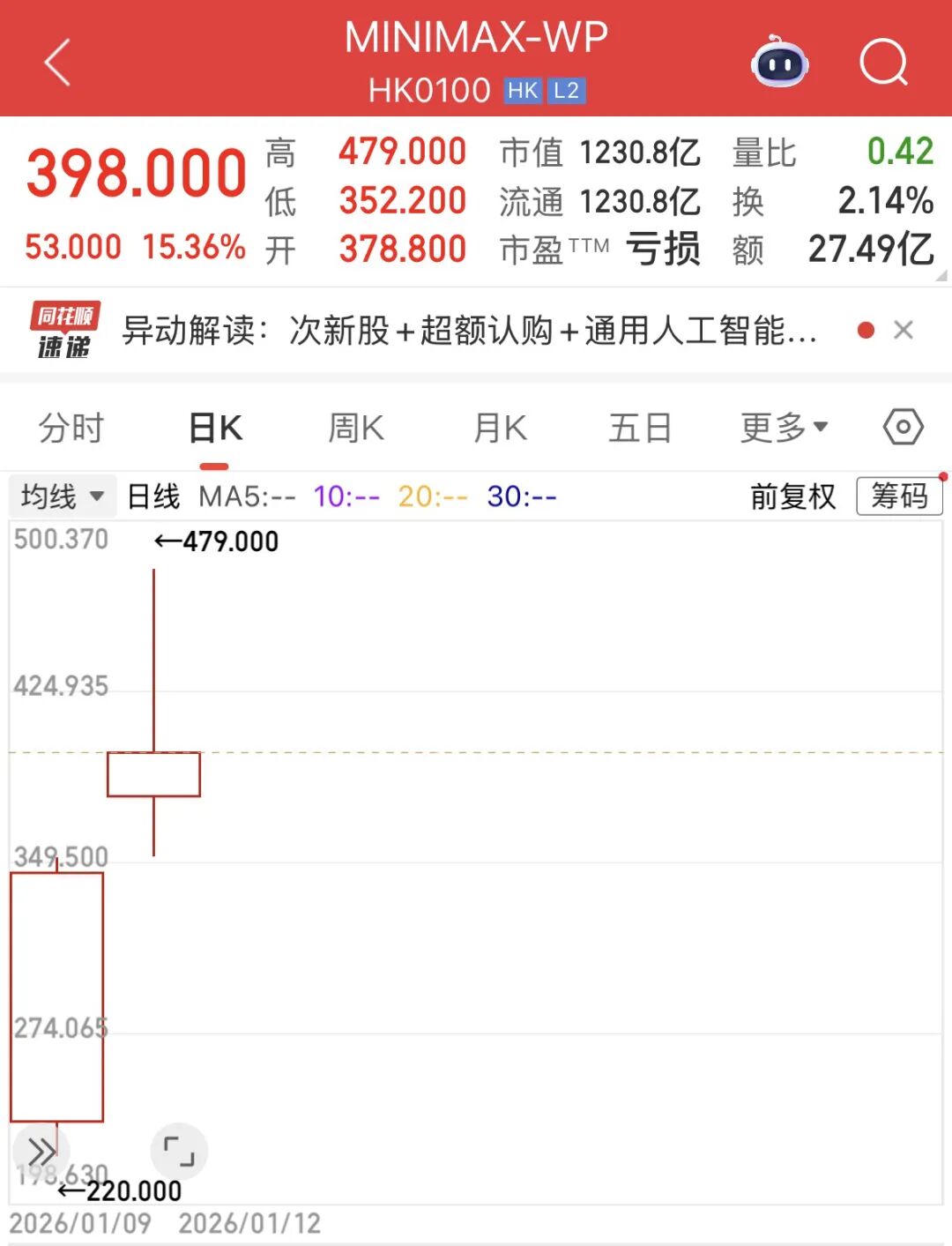
Group 1 - The Hong Kong stock market is experiencing a surge in AI-related listings, with several companies, including domestic GPU leaders, making their debut in early January 2026 [1][4] - MiniMax, a notable AI company, achieved a record for the fastest IPO from establishment to listing, completing this process in just four years [1][3] - On its first trading day, MiniMax's stock price increased by 109%, reaching a market capitalization of over 100 billion HKD [1][3] Group 2 - MiniMax has completed seven rounds of financing before its IPO, with significant investments from major players like Alibaba, Tencent, and Sequoia Capital, leading to a valuation exceeding 4.2 billion USD [3] - MiHoYo, a gaming giant, is a key investor in MiniMax, holding approximately 6.4% of its shares and utilizing MiniMax's AI models in game development [3][4] - Wall Street's interest in AI companies is reflected in the strategic investments made by gaming firms, which are transitioning from being mere consumers of computing power to active participants in the AI technology space [10][11] Group 3 - Wall Street's investment in AI companies is yielding substantial returns, as evidenced by Century Huatong's indirect investment in Moole Thread, which is expected to significantly impact its net profit [13] - The gaming industry is undergoing a transformation due to generative AI technology, which is reshaping product development and user experience [10][11] - Companies like 游族网络 (Youzu Interactive) are strategically investing in AI chip firms like 壁仞科技 (Birran Technology) and曦望 (Sunrise) to enhance their competitive edge in the AI computing landscape [6][8]

游戏主业增长承压 米哈游押注投资与AI,寻求新增长点
Mei Ri Jing Ji Xin Wen· 2026-01-12 14:00
Core Insights - The capital market was disrupted by the investment performance of MiniMax, a gaming company that went public on January 9, 2026, with a closing increase of 109.1% and a market capitalization exceeding 100 billion HKD [1] - MiHoYo, a game company known for its hit title Genshin Impact, has become a significant player in the investment landscape, holding 11.86% of Suplay and 7.34% of MiniMax, showcasing its successful investment strategy [1][2] Investment Strategy - MiHoYo's investment strategy has evolved from financial investments to strategic partnerships, with a focus on leveraging its IP and capital to enhance business growth [3][9] - The company has successfully transformed Suplay, which initially struggled, through an $8 million investment and subsequent IP licensing agreements, leading to a revenue increase from 146 million CNY in 2023 to 281 million CNY in 2024, a growth of 92.5% [4][3] Strategic Collaborations - MiHoYo's investment in MiniMax is characterized by a forward-looking strategy, as it partnered with leading investors in the AI space before the market boom, integrating MiniMax's technology into its games to enhance user experience [5][6] - The collaboration between MiHoYo and MiniMax exemplifies a win-win scenario, where MiHoYo's games provide real-world applications for MiniMax's technology, while the latter enhances the gaming experience [6] Investment Timeline - MiHoYo's investment timeline reflects a shift from focusing on the ACG (Anime, Comic, and Game) ecosystem to exploring cutting-edge technologies, including brain-computer interfaces and nuclear fusion, indicating a strategic foresight into future trends [8][9] - The company has also invested in the AI and social platform Soul, becoming its second-largest institutional shareholder, which aligns with its strategy to tap into the "social + virtual avatar" market [7] Market Challenges - Despite its successful investments, MiHoYo's core gaming business faces challenges, including declining market share and increased competition from Tencent and NetEase, which have pressured its growth [10][11] - The company has seen a drop in its ranking among global mobile game publishers, indicating a need for new breakthroughs to maintain its competitive edge [10][11]
MiniMax和智谱,千亿IPO的两条路
3 6 Ke· 2026-01-12 11:42
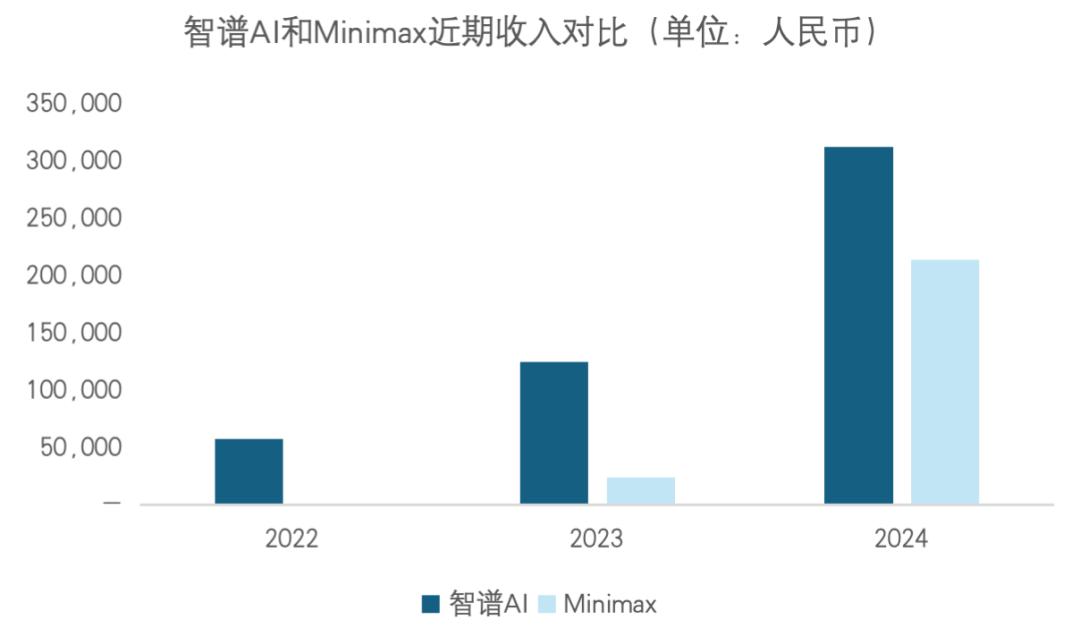
Core Insights - The article discusses the contrasting paths taken by MiniMax and Zhipu AI, two emerging players in the AI sector, amidst the intense competition and capital expenditure by larger AI firms [1] Group 1: MiniMax - MiniMax is characterized as an aggressive player focusing on consumer-driven products and multiple models, starting with its AI virtual social application Glow, which emphasizes emotional interaction [2] - The company has expanded its product offerings to include Talkie and Xingye, which together accounted for 63.7% of MiniMax's revenue in 2024 [2] - By 2025, MiniMax aims to diversify its technology with independent models for text, video, and voice, leading to a decrease in revenue contribution from Talkie/Xingye to 35.1% [3] - Over 70% of MiniMax's revenue comes from overseas, primarily from consumer membership fees, indicating a promising revenue model [4] - Despite its growth, MiniMax holds only a 0.3% market share in the global AI market as of Q3 2025, ranking tenth [4] - The company faces challenges in competing with larger firms that have more resources for model training and data acquisition, which are critical for AI development [4][5] Group 2: Zhipu AI - Zhipu AI, founded in 2019 and rooted in academic research, has a more traditional B2B approach, generating over 80% of its revenue from local enterprises through project-based AI model implementations [6][7] - The company has a higher revenue and consistent gross margins above 50%, but its growth potential may be limited compared to MiniMax [8] - Zhipu AI has attracted significant investment, completing 18 funding rounds before its IPO, which has positioned it well in the competitive landscape [6][7] - The company focuses on developing a unified multimodal model, which is seen as a trend in enhancing AI capabilities [6] Group 3: Market Context - Both companies represent different growth strategies in the AI sector, with MiniMax focusing on consumer products and Zhipu AI on enterprise solutions [12] - The article highlights the ongoing competition in the AI market, with significant investments from major players like OpenAI, which is reportedly preparing for an IPO with a valuation of $1 trillion [12] - The future of AI profitability is anticipated to hinge on companies that effectively integrate AI into various industries to enhance efficiency and meet demand [14]
押注AI,米哈游投资首战告捷!MiniMax今日再度大涨
Nan Fang Du Shi Bao· 2026-01-12 09:45
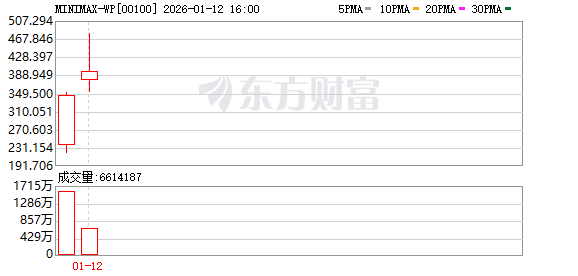
Core Insights - MiniMax, an AI large model company, successfully went public on the Hong Kong Stock Exchange under the code "0100.HK," with its stock price soaring 109.09% on the first day, reaching a market capitalization of over HKD 100 billion, setting a record for institutional subscriptions in recent years [1] - The company has attracted significant investments from top-tier institutions such as Alibaba, Tencent, Hillhouse Capital, and Sequoia China, with cornerstone investors collectively subscribing HKD 27.23 billion, accounting for nearly 70% of the offering size, which supported the stock price [1] - MiHoYo, a gaming industry player, made its first successful investment in a listed company through MiniMax, reflecting the gaming sector's long-term commitment to the AI industry [1][2] Company Overview - MiniMax was established in early 2022 and is a global general artificial intelligence (AGI) company focused on multimodal model development, making it one of the few companies in China with a high international revenue from large models [4] - The company has a young team of 385 members, with an average age of 29, and nearly 74% of its workforce in research and development, including over 30% returning overseas talent [4] - MiniMax's founder and CEO, Yan Junjie, has a strong academic background, holding a PhD from the Chinese Academy of Sciences and experience at SenseTime [4] Financial Performance - MiniMax reported revenue of USD 53.4 million (approximately RMB 380 million) for the first three quarters of 2025, representing a year-on-year growth of 174.7%, with over 70% of its revenue coming from international markets [5] - The company has accumulated over 212 million users for its AI products, with a rapid increase in paying users [5] - Despite its growth, MiniMax is facing significant losses, with a total loss of approximately USD 1.32 billion, highlighting the challenges of maintaining technological leadership and converting its large user base into sustainable profits [6] Industry Trends - The case of MiHoYo exemplifies the gaming industry's broader embrace of AI, as companies seek to enhance content production, user experience, and operational maintenance through AI technologies [7] - Major gaming companies like Tencent and NetEase are integrating AI tools into their games, indicating a strategic shift towards AI as a core component of game development and user engagement [7] - The Chinese large model market is projected to exceed RMB 70 billion by 2026, with the gaming sector viewed as a critical area for the application and commercialization of large model technologies [7][8]
盘点2025年「ACG行业」事件Top100
3 6 Ke· 2026-01-12 08:32
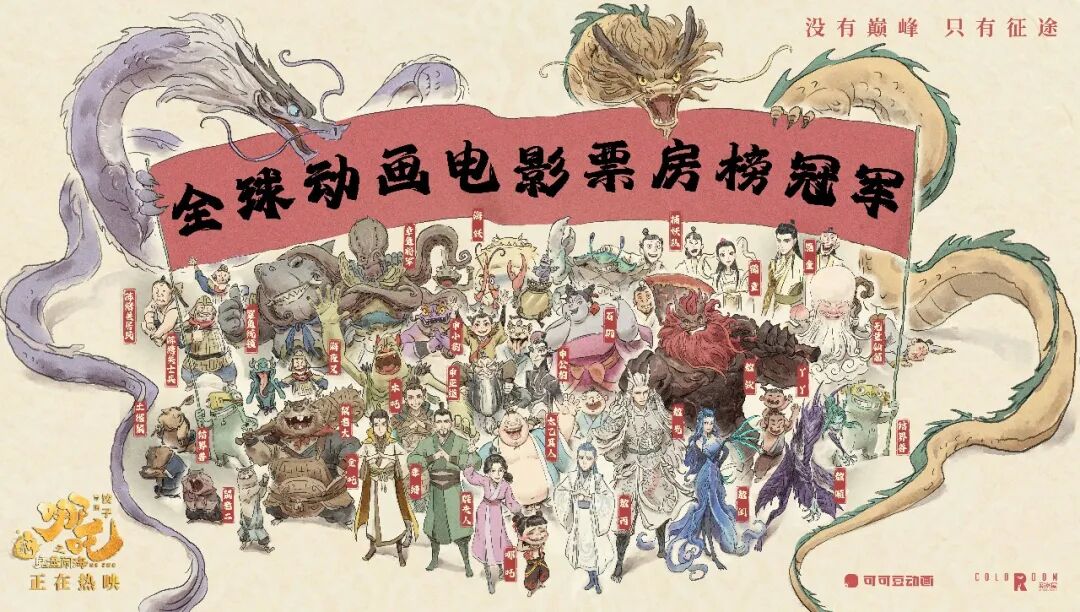
Industry Overview - The year 2025 is described as a "new era" for the ACGN (Animation, Comic, Game, Novel) industry in China, marking significant changes in animation films, series, and AI-driven content [1] - The Chinese animation film "Nezha: Birth of the Demon Child" achieved a record-breaking box office of 15 billion yuan, while "The Wandering Earth" set new records for 2D animation films [1] - The gaming industry continues to grow steadily, with major companies like Tencent and NetEase launching new blockbuster products [1] Animation and Content Trends - 2025 is seen as a transformative year for Chinese animation series, with changes in platform policies and content planning, as well as a focus on female-oriented themes to escape content homogeneity [1] - AI-driven comic series are gaining traction, with platforms like iQIYI and others recognizing the potential of AI technology in the entertainment sector [1] - The rise of AI comic series is reminiscent of the past boom in the comic industry, leading to increased competition and potential market consolidation by 2026 [1] Gaming and E-sports Developments - The gaming industry is experiencing stable growth, with total revenue continuing to increase year-on-year, and new competitive products emerging from major players [1] - 2025 is also noted as a pivotal year for Chinese e-sports projects expanding globally, despite mixed results in international competitions [2] - The first e-sports Olympics is scheduled for 2027, indicating a growing recognition of e-sports on a global stage [7] Financial Performance and Market Dynamics - The report from the Chinese gaming industry indicates a total of 1,771 game licenses were issued in 2025, marking a 25% increase from 2024, with a diverse range of game types being approved [124] - Companies like Reading Group reported a total revenue of 8.12 billion yuan in 2024, a 15.8% increase year-on-year, showcasing the industry's robust growth [19] - Kinsan Software reported a revenue of 10.318 billion yuan in 2024, with a significant increase in gaming-related income [20] Notable Events and Releases - The release of "Nezha 2" and "The Wandering Earth" highlights the success of Chinese animated films in 2025, with both films achieving record box office numbers [5][70] - The launch of various gaming titles and platforms, including the public testing of "Decision Peak" and "Xianjian World," reflects the ongoing innovation in the gaming sector [4][11] - The publication of multiple industry reports, such as the "2025 Trends Report" for domestic animation and GenAI, indicates a focus on understanding and adapting to market changes [6][9]




米哈游持股11.86%!“卡牌界泡泡玛特”Suplay 递表港交所,5年估值翻了20倍
Jin Rong Jie· 2026-01-12 07:54
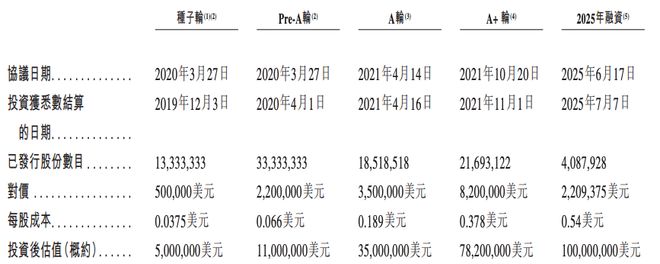
Core Viewpoint - Suplay Inc., a high-end collectible card company, has submitted its IPO application amid a cooling market for Hong Kong consumer stocks, with Morgan Stanley and CICC as joint sponsors [1] Group 1: Company Overview - Suplay specializes in IP collectibles and consumer products, focusing on collectible cards priced over 10 yuan, with a limited issuance strategy that combines artistic quality and collectible value [1] - The flagship brand of Suplay is "Kaka Wo," and it ranks first in China's collectible non-combat card market by GMV for 2024, surpassing the combined total of the second and third-ranked companies [1] - Suplay is the only Chinese brand among the top five global collectible non-combat card brands [1] Group 2: Leadership and Growth - The founder and CEO of Suplay, Huang Wanjun, is 32 years old and has a background as an analyst and operations director [1] - Since its establishment in 2019, Suplay has completed five rounds of financing, with its post-money valuation increasing from 5 million USD in 2020 to 100 million USD in 2025, representing a 20-fold increase over five years [1][2] Group 3: Financial Performance - Suplay's revenue for 2023, 2024, and the first three quarters of 2025 is projected to be 146 million yuan, 281 million yuan, and 283 million yuan, respectively, with net profits of 2.949 million yuan, 49.915 million yuan, and 37.074 million yuan [3] - The revenue share from Suplay's proprietary IP products has been declining, with contributions of 40.6%, 14.4%, and 4.1% of total revenue for the respective years [3] Group 4: Strategic Plans - The funds raised from the IPO will be used to expand collaborations with leading IP licensors, continue developing proprietary IP, innovate and diversify product offerings, enhance sales networks, strengthen brand operations, and seek strategic investments and acquisitions [3]
狂飙的中国IP,掏空全球年轻人钱包丨36氪年度回眸
3 6 Ke· 2026-01-12 07:33
Core Insights - The article discusses the rise of Chinese IPs, particularly the LABUBU brand from Pop Mart, which has gained significant popularity and recognition globally, similar to the historical success of the ballet slipper nail polish brand by A.C. Wincarden in the U.S. [1][2] - The success of LABUBU is attributed to its affordable luxury appeal, which resonates with consumers who aspire to own products associated with celebrities like Lisa from Blackpink and Rihanna [2][20] - The article highlights a shift in consumer behavior, where Chinese companies are now creating and promoting their own IPs, moving away from being mere manufacturers for foreign brands [2][5] Product Development - Pop Mart's success is largely due to its strong design capabilities, which have attracted celebrity endorsements without paid promotions [6][7] - The design process at Pop Mart is meticulous, with strict quality control and a focus on aesthetic appeal, differentiating their products from cheaper alternatives [9][12] - The company emphasizes a high standard for its designers, ensuring that every detail is carefully crafted to maintain the brand's competitive edge [10][11] Market Trends - The article notes that the global toy market is increasingly influenced by Chinese IPs, with LABUBU and other brands gaining traction [5][20] - The rise of digital platforms and social media has facilitated the rapid spread of these brands, allowing them to reach a wider audience [20][27] - The marketing strategies employed by Pop Mart and other Chinese companies focus on creating a strong brand presence through social media engagement and community building [30][33] Localization and Globalization - Chinese companies are increasingly localizing their products and marketing strategies to resonate with international audiences, employing local teams for better market insights [42][43] - The article emphasizes the importance of cultural adaptation in the success of Chinese IPs, as seen in the adjustments made in game narratives to suit different cultural contexts [38][41] Consumer Behavior - The article discusses the concept of "loneliness society," where consumers seek products that provide companionship and social visibility, which LABUBU effectively fulfills [48][49] - The allure of owning a LABUBU is tied to its ability to serve as a status symbol, allowing consumers to express individuality in a homogenized society [49][50] - The marketing approach of creating a sense of scarcity and exclusivity around products enhances consumer desire and engagement [50][51]

AI进入「拼爹」的时代
创业邦· 2026-01-12 03:27
Core Viewpoint - The AI industry is increasingly dominated by major tech giants like Google, Microsoft, and ByteDance, making it difficult for smaller companies to compete effectively [6][9][10]. Group 1: Competitive Landscape - Major players such as Google and Microsoft are leveraging their vast resources to enhance their AI offerings, with Google's Gemini surpassing OpenAI's ChatGPT in various evaluations [10][12]. - Smaller AI companies like Manus and Kimi are struggling to maintain their market positions as they face overwhelming competition from these tech giants [10][11]. - The integration of AI into widely used applications, such as Google's embedding of Gemini into Android and Microsoft's integration of AI into Office, creates a significant barrier for smaller firms [10][12]. Group 2: Resource Dependency - The success of AI applications is heavily reliant on the backing of large corporations, as smaller companies lack the necessary resources and ecosystem integration to thrive [11][12]. - AI startups often find it challenging to monetize their technologies compared to larger firms that can bundle services and leverage existing customer bases [15][18]. - The financial struggles of AI startups are evident, with many facing increasing losses and limited paths to profitability [24][25]. Group 3: Monetization Strategies - Larger companies can implement diverse monetization strategies, such as bundling AI services with existing products, which enhances their revenue potential [15][18]. - Smaller companies often lack the ability to create similar attractive packages, limiting their monetization options to straightforward subscription models [21][20]. - The competitive pricing landscape for AI subscriptions is constrained, making it difficult for startups to charge premium prices [21][23]. Group 4: Acquisition Trends - The trend of larger companies acquiring smaller AI firms is becoming more prevalent, as seen with Meta's acquisitions of Scale and Manus, which can provide these startups with enhanced capabilities and market access [27][28]. - Acquired companies can benefit from the resources and infrastructure of their parent companies, allowing them to operate more effectively within the market [27][28]. - The desire for independence among some AI firms, like OpenAI, complicates the landscape, as they aim to establish themselves as major players rather than being absorbed by larger entities [28].




也该轮到游戏公司CEO受苦了
创业邦· 2026-01-12 03:27
Core Viewpoint - The article discusses the challenges faced by CEOs in the gaming industry, highlighting the high turnover of CEOs due to various pressures from owners and the complexities of managing expectations and performance in a competitive environment [6][9]. Group 1: CEO Turnover and Challenges - Many prominent CEOs in the gaming industry have recently resigned, often due to declining performance, product failures, or strategic shifts, but the underlying reason is often dissatisfaction from the owners [6][7]. - The relationship between CEOs and owners is fraught with tension, especially in a competitive landscape where trust and accountability are critical [8][10]. Group 2: CEO Management Strategies - CEOs must navigate the delicate balance of managing upward expectations from owners while aligning business goals with operational realities, often leading them to adopt more conservative strategies focused on cost reduction and efficiency [8][9]. - Successful CEOs often have to suppress their creative instincts to avoid risks that could jeopardize their positions, leading to a culture where innovation is stifled [9]. Group 3: Power Dynamics and Trust - The article suggests that the most respected CEOs are those who possess unique business capabilities that owners cannot replicate, fostering a collaborative environment [10]. - There is a generational shift in leadership styles, with younger founders being more willing to delegate power and trust their CEOs, contrasting with older generations who may exhibit more suspicion [10]. Group 4: Historical Context and Lessons - The article references successful historical examples of leadership transitions in other industries, suggesting that gaming companies could learn from these practices to improve CEO-owner relationships [10]. - The importance of establishing clear systems for delegation and accountability is emphasized, as seen in the practices of successful entrepreneurs in traditional industries [10].