赤子城科技

Search documents
50℃ 的沙漠里,中国企业的中东供应链历险记
晚点LatePost· 2025-10-13 03:06
Core Insights - The article discusses the challenges and opportunities faced by Chinese companies operating in Saudi Arabia, particularly in logistics and agriculture, highlighting the cultural and environmental factors that influence their operations [1][2][3]. Group 1: Cultural and Environmental Challenges - Saudi Arabia's strict cultural norms, such as the prohibition of alcohol and gender segregation, create a unique work environment that can be isolating for foreign employees [2][3][5]. - The extreme climate, with summer temperatures exceeding 50°C and limited water resources, poses significant operational challenges for companies [5][11][12]. - The local workforce is often unaccustomed to the demands of modern manufacturing and logistics, leading to higher operational costs and inefficiencies [19][28]. Group 2: Business Opportunities and Growth - The Saudi market, with a population of 35 million and a GDP per capita 2.6 times that of China, presents substantial growth potential for foreign companies [9][10]. - Chinese companies like iMile and Lenovo are establishing a strong presence in the region, with iMile becoming the leading logistics provider in the Middle East [24][25]. - The strategic partnership between Lenovo and the Saudi Public Investment Fund aims to diversify the economy away from oil dependency, with plans for a large-scale manufacturing facility [11][12][16]. Group 3: Innovative Solutions and Adaptation - Companies are developing innovative solutions to adapt to local conditions, such as iMile's tailored delivery schedules during Ramadan to accommodate local customs [26][27]. - Lenovo's construction of a factory in Riyadh involves overcoming unique geological challenges, such as hard desert rock, which requires specialized construction techniques [11][19]. - The agricultural sector is also adapting, with farms utilizing local resources and innovative practices to grow vegetables in the harsh desert environment [32][39].


中信里昂首次覆盖赤子城科技:在全球泛娱乐社交赛道构筑深厚壁垒
Zheng Quan Ri Bao Wang· 2025-10-12 10:13
Core Viewpoint - CITIC Lyon Securities has initiated coverage on the social entertainment company, Zhi Zi Cheng Technology, with an "Outperform" rating and a target price of HKD 17.50 per share, highlighting the company's strong cash flow generation and return on equity (ROE) [1][2] Group 1: Company Overview - Zhi Zi Cheng Technology is building a strong competitive moat in the global social entertainment sector, particularly in the MENA region, by leveraging a proven profitable model from the Chinese market and a rich talent pool in the internet industry [2] - The company has established a unique competitive advantage over its American counterparts through deeper user insights, refined service experiences, and diversified monetization strategies [2] Group 2: Market Performance - In the MENA region, Zhi Zi Cheng Technology's business scale is projected to grow by over 60% year-on-year for both 2024 and the first half of 2025, indicating robust growth [1][2] - The company is expected to achieve a compound annual growth rate (CAGR) of 24% in revenue over the next three years, with projected revenue reaching CNY 9.8 billion by the end of 2027 [2] Group 3: Strategic Initiatives - In 2024, Zhi Zi Cheng Technology will officially join the Saudi regional headquarters program, becoming the first global social entertainment company to establish a regional headquarters in Saudi Arabia [2] - The company demonstrates excellent capital efficiency and strong financial quality, characterized by high returns, light asset utilization, agile business models, and robust cash flow generation capabilities [2]
中信里昂点评赤子城科技,全球“快乐制造机”本地化能力优于同业
Yang Zi Wan Bao Wang· 2025-10-11 10:53
Core Viewpoint - CITIC Securities has initiated coverage on the social entertainment company, ZhiZi City Technology, with an "Outperform" rating and a target price of HKD 17.50, indicating a 50% upside potential compared to the closing price of HKD 11.66 on October 10 [1] Group 1: Market Position and Growth Potential - ZhiZi City Technology is enhancing its competitiveness in the MENA region, with business scale growth exceeding 60% year-on-year for both 2024 and the first half of 2025 [2] - The MENA region has a population of over 570 million, a median age of 26, and 400 million internet users, with daily social app usage exceeding 210 minutes, significantly higher than the global average of 143 minutes [2] - The company has established a strong competitive moat globally, particularly in the MENA region, by leveraging proven profit models from the Chinese market and a rich talent pool in the internet sector [2] Group 2: Revenue and Profit Forecast - CITIC Securities predicts a compound annual growth rate (CAGR) of 24% for ZhiZi City Technology's revenue over the next three years, reaching RMB 9.8 billion by the end of 2027, up from RMB 5.1 billion in 2024 [3] - The social business segment is expected to generate total revenue of RMB 7.9 billion by the end of 2027, with a CAGR of 28% from RMB 3.8 billion in 2024, driven by strong growth from SUGO and TopTop [3] - The company anticipates its core EBITDA to grow at a CAGR of 27%, reaching RMB 1.5 billion by 2027, doubling from 2024 levels, primarily due to scale expansion and content ecosystem development [4] Group 3: Margin and Return on Equity - The gross margin is projected to improve from 51% in 2024 to 57% in 2027, driven by a shift towards higher-margin UGC products and gaming business [4] - The return on equity (ROE) is expected to remain above 30% over the next three years, indicating strong profitability and efficient capital utilization [4]
沙特人的情绪生意,中国公司给玩明白了
创业邦· 2025-10-11 03:19
Core Insights - The article discusses the success of the Chinese tea brand WHOA TEA in Saudi Arabia, highlighting its innovative approach to local consumer preferences and emotional engagement [4][5][6]. Group 1: WHOA TEA's Market Strategy - WHOA TEA has rapidly gained popularity in Saudi Arabia, selling tens of thousands of Labubu toys, surpassing local competitors like MINISO [4][5]. - The brand's success is attributed to creating a social space for young people, rather than merely changing local tastes [5][6]. - WHOA TEA's founders recognized the limited initial customer base for Chinese milk tea and adapted their offerings to meet local entertainment and social needs [7][10]. Group 2: Cultural Adaptation and Themes - The brand incorporates popular themes such as trendy toys and board games to attract customers, creating a unique social experience [10][11]. - WHOA TEA has also tapped into the Korean Wave, appealing to young Saudi women by hosting events related to K-Pop and integrating Korean cultural elements into their stores [13][14]. - The introduction of a keychain inspired by Labubu, named "Lanunu," led to viral marketing success, significantly boosting sales and local engagement [18][19]. Group 3: Emotional Economy and Consumer Behavior - The article emphasizes the importance of emotional engagement in driving consumer behavior in Saudi Arabia, where social connections and identity are crucial [31][35]. - WHOA TEA's approach aligns with the broader trend of emotional economy, where brands create experiences that resonate with local cultural identities [31][38]. - The success of WHOA TEA reflects a growing demand for entertainment and social spaces in Saudi Arabia, driven by the country's Vision 2030 initiative [35][38]. Group 4: Online and Offline Integration - The rise of online platforms like TopTop illustrates the blending of social interaction and entertainment, catering to the emotional needs of Saudi consumers [20][21]. - TopTop's model of community engagement mirrors WHOA TEA's offline strategies, highlighting the significance of emotional connections in both online and offline settings [20][30]. - The article suggests that successful brands in Saudi Arabia must continuously innovate and adapt to local cultural dynamics to maintain consumer interest and loyalty [35][38].

里昂:首次覆盖赤子城科技予“跑赢大市”评级 目标价17.5港元
Zhi Tong Cai Jing· 2025-10-10 07:14
Core Viewpoint - The report from Citi initiates coverage of Zhizi City Technology (09911) with an "Outperform" rating and a target price of HKD 17.5, highlighting the company's early mover advantage and operational moat that drive revenue growth from diversified applications [1] Group 1: Financial Projections - Citi forecasts a compound annual growth rate (CAGR) of 24% for the company's revenue over the next three years, reaching RMB 9.8 billion by the fiscal year 2027 [1] - The total revenue from the broad audience business is projected to be RMB 7.9 billion, while the diversified audience business is expected to generate RMB 1.1 billion, and the innovative business is anticipated to contribute RMB 0.9 billion [1] - The report anticipates an expansion of the gross margin to 57% by fiscal year 2027, up from 51% in 2024, with an adjusted EBITDA margin expected to reach 18% based on stable sales and market cost ratios around 32% over the next three years [1] Group 2: Business Model and Strategy - The company's agile and asset-light business model allows for high returns on equity and reliable cash flow generation [1] - The product strategy is driving revenue growth through diversified applications, leveraging the company's early market entry advantages [1]
里昂:首次覆盖赤子城科技(09911)予“跑赢大市”评级 目标价17.5港元
智通财经网· 2025-10-10 07:10
Core Viewpoint - Citi has initiated coverage on Zhitu City Technology (09911) with an "Outperform" rating and a target price of HKD 17.5, highlighting the company's early mover advantage and operational moat that drive revenue growth from diversified applications [1] Financial Projections - The report anticipates a compound annual growth rate (CAGR) of 24% for revenue and 27% for core EBIT from 2025 to 2027 [1] - Revenue is projected to reach RMB 9.8 billion by the fiscal year 2027, with total revenue from the broad audience business estimated at RMB 7.9 billion, diversified audience business at RMB 1.1 billion, and innovative business at RMB 0.9 billion [1] Profitability Expectations - Gross margin is expected to expand to 57% by fiscal year 2027, up from 51% in 2024 [1] - Adjusted EBITDA margin is projected to reach 18% by 2027, based on stable sales and market cost ratios around 32% over the next three years [1]
“相亲直播打赏”撑起一个IPO
Hua Er Jie Jian Wen· 2025-10-10 04:53
Core Viewpoint - The rise of online dating apps targeting young users has led to significant growth in companies like Tinder, SUGO, and Momo, with MiLian Technology now seeking to enter the market through an IPO in Hong Kong [1][2]. Company Overview - MiLian Technology's main app, "Yidui," focuses on live-stream matchmaking, generating revenue through virtual gifts purchased by users, similar to live-stream tipping [2][5]. - The company projects revenues of 2.373 billion yuan and a net profit of 146 million yuan for 2024, representing over 100% year-on-year growth [2][12]. Market Position - MiLian Technology's revenue for 2024 is expected to be 2.373 billion yuan, which is significantly lower than competitors like Momo (10.563 billion yuan), Match (24.723 billion yuan), and Zhihui City Technology (5.092 billion yuan) [3][12]. - The "Yidui" app primarily targets users around 30 years old, utilizing relationship data for user matching, similar to existing dating app algorithms [3][4]. Business Model - Revenue is mainly derived from virtual gifts and membership subscriptions, with users able to send gifts to increase their appeal to potential matches and matchmakers [5][6]. - As of June 2025, user prepayments reached 104 million yuan, indicating strong user engagement [6]. Cost Structure - Revenue-sharing with matchmakers constitutes the largest expense for MiLian Technology, projected to reach 1.255 billion yuan in 2024, accounting for nearly 90% of operating costs [7][9]. - The company's gross margin for 2024 is estimated at 45.62%, which is 26 percentage points lower than Match's gross margin [9]. Marketing and Growth Strategy - Marketing expenses for MiLian Technology are expected to reach 655 million yuan in 2024, reflecting a year-on-year increase of over 100% [13]. - The company plans to use IPO proceeds to expand its market presence in Japan, South Korea, North America, Southeast Asia, the Middle East, and Latin America [14].
沙特人的情绪生意,中国公司给玩明白了
3 6 Ke· 2025-10-09 11:44
Core Insights - The rise of WHOA TEA, a Chinese bubble tea brand, in Saudi Arabia is attributed to its ability to create a social space for young people rather than just altering local taste preferences [1][2][25] - The brand has successfully tapped into the emotional needs of Saudi consumers, particularly the youth, by offering a unique environment for socializing and entertainment [2][23] Company Overview - WHOA TEA was founded by three Chinese partners and has quickly established itself as a leading tea brand in Saudi Arabia, with over 12 stores in Riyadh within two years [1][4] - The brand's sales of Labubu toys have surpassed those of local competitors, indicating strong market penetration [1] - The store's design and themes cater to local preferences, creating an inviting atmosphere for young consumers [4][6] Marketing Strategy - WHOA TEA's marketing strategy focuses on creating themed experiences, such as incorporating popular culture elements like K-Pop and anime, to attract customers [6][7][10] - The introduction of the "Lanunu" keychain, inspired by Labubu, led to viral marketing success, significantly boosting sales and brand visibility [13][27] - The brand's approach aligns with the broader trend of emotional marketing, where consumer engagement is driven by social and emotional connections rather than just product offerings [23][30] Industry Context - The emotional economy in Saudi Arabia is characterized by a strong demand for social interaction and identity recognition, particularly among the youth [23][27] - The rapid growth of online entertainment and social media usage in Saudi Arabia has created opportunities for brands like WHOA TEA to engage consumers in both online and offline settings [25][30] - The Saudi government's focus on entertainment and cultural initiatives as part of the "Vision 2030" plan further supports the growth of businesses that cater to emotional and social needs [30]

人均150的火锅店正在消失
投资界· 2025-10-03 06:59
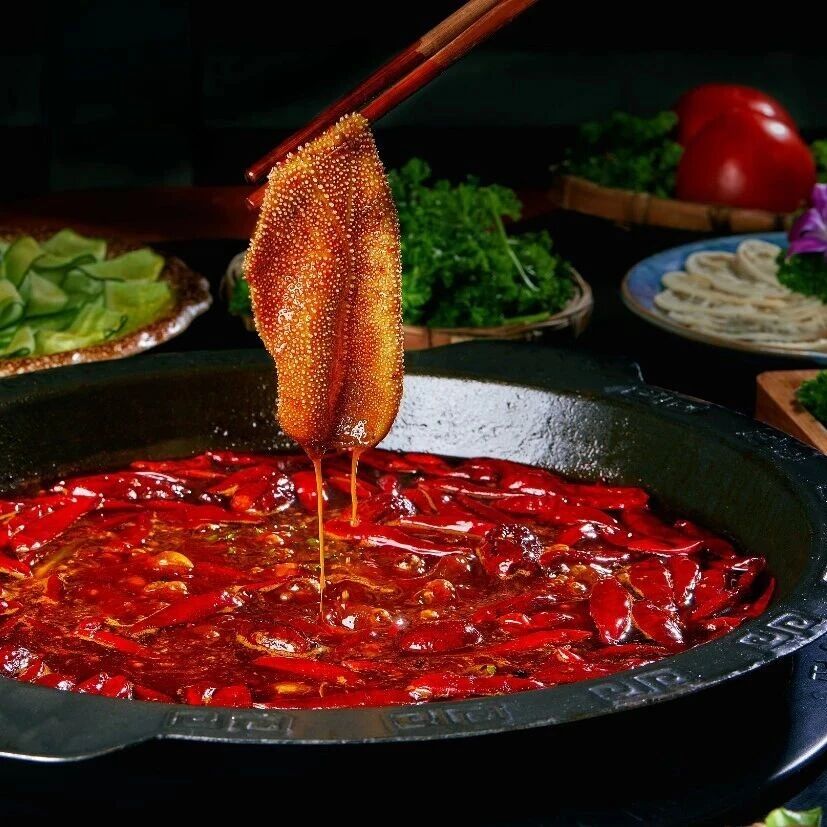
Core Viewpoint - The Chinese hot pot market is undergoing an unprecedented shakeout, with significant price wars leading to a decline in average spending and a high number of store closures across various brands [5][6][8]. Market Overview - In 2024, the scale of the Chinese catering market is projected to reach 5.57 trillion yuan, with the hot pot segment accounting for 617.5 billion yuan, indicating that 10% of every 10 yuan spent on dining is for hot pot [8]. - The hot pot market has seen rapid growth, with a year-on-year increase of 5.6% last year and nearly 20% growth the year before [8]. - However, from November 2023 to November 2024, over 300,000 hot pot stores are expected to close, representing a significant turnover in a market that has maintained over 500,000 stores in recent years [8][9]. Consumer Behavior - Average spending on hot pot has decreased from over 86 yuan in 2022 to 77 yuan in 2024, affecting all segments of the market [8][9]. - The decline in demand for full-service dining experiences, particularly in the hot pot sector, is attributed to changing consumer preferences and increased competition from takeout options [10][11]. Company Performance - Haidilao reported a revenue of 20.7 billion yuan, a year-on-year decline of 3.7%, with net profit down 13.7% to 1.755 billion yuan [11][12]. - The average table turnover rate for Haidilao has dropped from 4.2 times to 3.8 times per day, reflecting decreased customer footfall [12]. - Other brands like Cuocuo and Xiaobai have also faced significant challenges, with Cuocuo closing 73 stores and Xiaobai 138 stores, leading to substantial stock price declines [6][19]. Competitive Landscape - The hot pot industry is experiencing intense competition, with brands like Haidilao and Banu engaging in price wars to attract customers [15][21]. - The small hot pot market is growing rapidly, with a growth rate of 28.9% in 2024, but the number of new entrants is at a historical low, indicating that existing players are simply shifting focus rather than new opportunities arising [15][16]. - Banu has positioned itself as a high-end alternative to Haidilao, focusing on product quality rather than service, but its financial performance does not significantly outperform its competitors [21][22]. Future Outlook - The ongoing price wars and market shakeout are expected to continue, with high-end brands also feeling the pressure as consumer preferences shift towards more affordable options [24]. - The hot pot industry, while currently facing challenges, may ultimately benefit consumers through lower prices and improved accessibility [26].

预制的中华料理,正包围日本人的餐桌
36氪· 2025-10-03 04:08
Core Viewpoint - The article discusses the rapid rise of Chinese cuisine, particularly pre-made dishes and street food, in Japan, highlighting the cultural acceptance and adaptation of these foods by Japanese consumers [4][5][129]. Group 1: Chinese Cuisine in Japan - Chinese pre-made dishes, especially items like 麻辣烫 (spicy hot pot), have become extremely popular in Japan, with many restaurants and food stalls emerging [16][61]. - 麻辣烫 has transformed into a high-end dining experience in Japan, with Japanese consumers showing a strong preference for it, often waiting in long lines to enjoy it [26][30][31]. - The average cost of a bowl of 麻辣烫 in Japan is around 2000 yen, approximately 95 RMB, which is significantly higher than other local dishes [26]. Group 2: Cultural Adaptation - Japanese consumers have embraced the ritual of eating 麻辣烫, which includes a strong emphasis on the broth, made from over 20 spices, and is often referred to as a health tonic [35][39]. - The popularity of 麻辣烫 among Japanese youth reflects a deeper cultural integration, with many expressing emotional connections to the dish [22][43]. - The article notes that the adaptation of Chinese dishes in Japan often involves modifications to suit local tastes, such as the use of sweeter flavors in 麻婆豆腐 [78][91]. Group 3: Pre-made Dishes Market - The growth of Chinese pre-made dishes in Japan is supported by a robust supply chain, with companies in China rapidly exporting frozen vegetables and prepared foods [119][127]. - The acceptance of pre-made dishes in Japan is high, with many young people preferring convenience foods, such as pre-peeled shrimp [127]. - The article emphasizes that while China’s pre-made food industry is still developing, it has already made significant inroads into the Japanese market, indicating a trend towards industrialized food production [130][131]. Group 4: Future Outlook - The success of Chinese cuisine in Japan is not just about flavor but also reflects the industrial capabilities of Chinese food production, which is becoming a key driver for the international expansion of Chinese fast food [129][132]. - The article concludes that the cultural crossover of street food like 麻辣烫 demonstrates that with a solid consumer base, any well-prepared dish can become a global culinary sensation [133].