奇瑞汽车

Search documents
【联合发布】一周新车快讯(2025年8月9日-8月15日)
乘联分会· 2025-08-18 08:37
Core Viewpoint - The article provides an overview of new vehicle launches scheduled for August 2025, highlighting various manufacturers, models, specifications, and market segments. Group 1: Vehicle Launches - Geely Auto will launch the Galaxy A7 on August 8, 2025, targeting the B NB segment with a price range of 89,800 to 125,800 CNY [2][7]. - Chery Auto's Exeed Moon will be released on August 9, 2025, in the C SUV segment, priced between 189,900 and 209,900 CNY [2][13]. - Tesla China is set to introduce the Model 3 on August 12, 2025, in the B NB segment, with prices ranging from 269,500 to 339,500 CNY [2][21]. - FAW Car will launch the Hongqi HS5 on August 12, 2025, in the B SUV segment, with a price range of 186,800 to 223,800 CNY [2][27]. - Changan Auto's Deep Blue L07 will be available on August 13, 2025, in the B NB segment, priced between 145,900 and 165,900 CNY [2][36]. - SAIC-GM-Wuling will release the Baojun Yunhai on August 13, 2025, in the A SUV segment, with prices from 112,900 to 132,900 CNY [2][43]. - FAW Car will also launch the Hongqi H5 on August 14, 2025, in the B NB segment, with a price range of 172,800 to 192,800 CNY [2][50]. - SAIC-GM-Wuling's Wuling Xingguang S will be available on August 15, 2025, in the A SUV segment, priced between 99,800 and 129,800 CNY [2][57]. - Audi's Q2L will launch on August 15, 2025, in the AO SUV segment, with prices ranging from 171,800 to 185,800 CNY [2][65]. - Dongfeng Nissan will introduce the Nissan Sylphy on August 15, 2025, in the A NB segment, priced between 113,900 and 133,900 CNY [2][71]. Group 2: Specifications Overview - The Geely Galaxy A7 features a 1.5L plug-in hybrid engine with a maximum power of 82 kW and a torque of 175 Nm, offering an electric range of 70 km [6][7]. - The Chery Exeed Moon is equipped with a 2.0T engine, delivering 192 kW of power and 400 Nm of torque [12][13]. - Tesla's Model 3 has a battery capacity of 78.4 kWh, providing a range of 647 to 830 km [20][21]. - The Hongqi HS5 features a 2.0T engine with a power output of 185 kW and a torque of 380 Nm [26][27]. - Changan's Deep Blue L07 offers both range-extended and pure electric options, with the latter providing a range of 550 to 660 km [33][36]. - The Baojun Yunhai is available in pure electric variants with a range of 500 to 600 km [41][43]. - The Hongqi H5 offers two engine options: a 1.5T and a 2.0T, with power outputs of 124 kW and 165 kW, respectively [48][50]. - The Wuling Xingguang S features a 1.5L plug-in hybrid engine and a pure electric variant with a range of 510 km [54][57]. - Audi's Q2L is powered by a 1.5T engine, producing 118 kW and 250 Nm of torque [62][65]. - The Nissan Sylphy is equipped with a 1.6L engine, delivering 99 kW and 159 Nm of torque [70][71].




中汽协:13家企业的49款车型符合汽车数据安全5项合规要求
Di Yi Cai Jing· 2025-08-18 08:26
Group 1 - The article discusses the implementation of data security compliance testing for automotive manufacturers in China, starting from April 2025, based on several regulatory standards [1] - A total of 13 companies, including major players like FAW Toyota, Volkswagen, and Geely, have 49 vehicle models that meet the five compliance requirements related to automotive data security [1] - The compliance requirements include aspects such as anonymization of external facial information, internal cockpit data processing, and significant notification regarding personal information handling [1]



理想的七大流程、小鹏的四条横线:车企 IPD 建设热潮下的管理焦虑
晚点LatePost· 2025-08-15 05:01
Core Viewpoint - The success of Huawei is not solely attributed to its Integrated Product Development (IPD) system, but rather, Huawei's achievements have created a myth around IPD itself [3][40]. Group 1: IPD Adoption in Automotive Industry - The Chinese automotive market is increasingly adopting IPD as a solution to its challenges, with companies like Li Auto and Xpeng leading the way in implementing these processes [4][6]. - Li Auto has established seven primary processes by 2024, including DSTE (Develop Strategy to Execute), IPD, IPMS (Integrated Product Marketing & Sales), and ISC (Integrated Supply Chain) [4]. - Xpeng's management emphasizes the importance of process and tool integration as foundational to organizational capability, with a focus on XPD (Xpeng Product Development) as a key step towards structured product development [5][6]. Group 2: Huawei's Process Management System - Huawei's process management system is often described as a "myth," with narratives surrounding its development and customer-centric design [7][8]. - Ren Zhengfei, Huawei's founder, emphasized the importance of management and service as internal capabilities that cannot be externally sourced, highlighting the need for a responsible process management system [7][8]. - Huawei's process management framework consists of three layers: Operating, Enabling, and Supporting, with a strong focus on product development through IPD [8][10]. Group 3: Automotive Business Logic - The automotive industry has unique characteristics, requiring significant investment and a complex supply chain, ultimately focusing on inputs and outputs related to sales and profits [12][13]. - Effective strategy execution in automotive companies involves long-term technological investments, mid-term branding and product development, and short-term marketing efforts [13]. Group 4: Li Auto's Process Structure - Li Auto's organizational adjustments have centralized R&D, supply chain, and sales under a unified leadership to enhance integration, while maintaining a focus on strategic development [15][19]. - The DSTE process at Li Auto incorporates strategic planning, execution, and evaluation, ensuring alignment with long-term goals [16][19]. Group 5: Xpeng's Process Development - Xpeng's process development began with IPD, focusing on product assurance and gradually expanding to include DSTE, ISC, and IPMS [24][30]. - The emphasis on horizontal processes aims to break down information silos and enhance collaboration across departments, ensuring a cohesive approach to product development [28][30]. Group 6: Case Studies of Li Auto and Xpeng - Li Auto's MEGA project faced challenges that led to organizational restructuring, integrating product development with commercial operations to ensure a closed-loop process [31][33]. - Xpeng's G9 launch encountered difficulties, prompting significant internal adjustments to enhance communication and collaboration, ultimately leading to successful product launches like the P7+ [34][35]. Group 7: Limitations of Process Management - The reliance on process management alone does not guarantee success; effective management practices must accompany process implementation to address underlying issues [36][40]. - Many companies may superficially adopt process frameworks without genuinely transforming their management practices, leading to a disconnect between processes and actual execution [38][40].

中国皮卡“触”电求生,谁能笑到最后,还没有答案
汽车商业评论· 2025-08-15 01:08
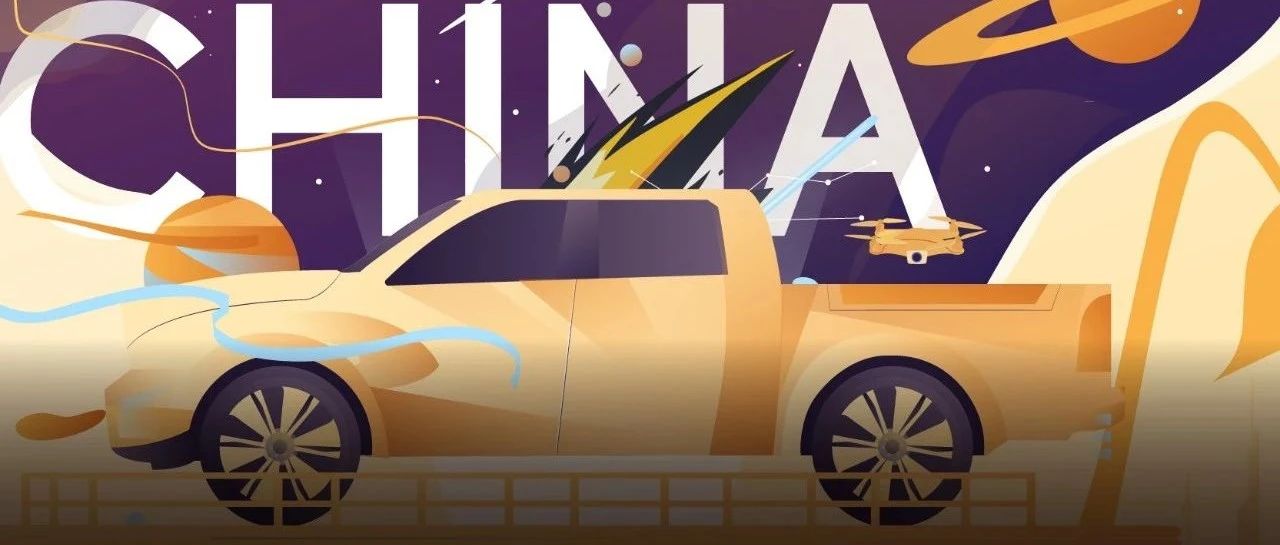
Group 1 - The core viewpoint of the article highlights the challenges faced by the electric pickup truck market, particularly focusing on Tesla's Cybertruck, which has underperformed in sales compared to initial expectations [4] - The Chinese pickup market is constrained by three major policy restrictions: urban traffic control, mandatory 15-year scrappage policy, and annual inspection requirements, which suppress consumer demand [5][6] - The overall sales of the Chinese pickup market from 2020 to 2024 show limited growth, with total sales remaining below 2% of the passenger vehicle market [5] Group 2 - The electric transformation of pickups in China is lagging behind passenger vehicles by 5-8 years, with the current market size insufficient to support diverse technological discussions [8] - In 2024, the sales of new energy pickups reached 21,000 units, a 170% increase year-on-year, driven by stricter emission standards and upcoming fuel consumption limits [8] - The Shanghai International Auto Show in April 2025 showcased various new energy pickup models, indicating a growing interest in this segment [9] Group 3 - Industry experts suggest that pure electric technology may have inherent shortcomings for pickup trucks due to their diverse usage scenarios and higher requirements for range and charging infrastructure [10] - Plug-in hybrid technology is gaining traction as a more suitable solution for pickups, addressing high fuel consumption and emissions while providing better performance [11] - The market share of tool-type pickups has significantly decreased, indicating a shift towards more lifestyle-oriented and diversified usage scenarios [14] Group 4 - Major players like Great Wall Motors and Geely are leading the charge in the new energy pickup market, with Great Wall's Hi4-T hybrid technology being a key focus [12][20] - Geely's Radar brand is introducing a range of electric and hybrid pickups, aiming to cater to urban commuting and outdoor activities [15][17] - The introduction of the Changan Hunter, the world's first super-range extender pickup, reflects the industry's push to create new market opportunities through innovative product offerings [20] Group 5 - The newly rebranded RELY brand by Chery aims to cover a full spectrum of fuel types and create a comprehensive product ecosystem for various market needs [22] - The article concludes that the differentiation in technological routes among Chinese automakers in the electric pickup market is still evolving, with no clear winner yet [23]
政策精准发力 赋能新能源汽车产业
Zhong Guo Zheng Quan Bao· 2025-08-14 20:17
Core Insights - The dependency of the new energy vehicle (NEV) industry on subsidies is gradually decreasing as the industry matures and develops its own capabilities [1][4][5] Group 1: Subsidy Overview - The total amount of subsidies for the promotion of NEVs from 2016 to 2020 reached 1.654 billion yuan, while the pre-allocated subsidies for 2021-2022 are 168 million yuan, showing a significant decline from the peak years of 2017 and 2018 [1][2] - The highest subsidy amounts for 2021-2022 were awarded to companies in Shaanxi (37.91 million yuan), Shenzhen (35.56 million yuan), and Shanghai (35.18 million yuan), which are also the top regions for NEV production [2] Group 2: Company-Specific Insights - BYD received the most subsidies, with 37.91 million yuan and 35.56 million yuan awarded to its subsidiaries in Shaanxi and Shenzhen respectively, while Tesla received 30.15 million yuan [2] - The only new energy vehicle startup to receive subsidies in this round was Leap Motor, which received 2.76 million yuan, indicating that traditional automakers dominate the subsidy distribution [2] Group 3: Compliance and Challenges - Common reasons for failing to pass subsidy clearance include non-compliance with documentation requirements and incorrect vehicle registration information, with Chery Auto facing a significantly higher deduction rate than the industry average [3] Group 4: Industry Maturity - From 2016 to 2020, the total number of NEVs reported by domestic manufacturers was 75,814, with a deduction of 21,725 vehicles, indicating a growing trend of subsidy deductions [4] - The NEV industry in China is projected to achieve self-sufficiency, with sales of new energy vehicles expected to account for 44.3% of total new car sales by mid-2025, reflecting a robust growth trajectory despite subsidy reductions [4] Group 5: Policy Evolution - The subsidy policy has evolved from simple purchase subsidies to a comprehensive strategy that includes technical standards, infrastructure support, and rules output, aiming to empower the entire industry chain [5] - The dynamic adjustment mechanism of the subsidy policy is designed to guide manufacturers towards technological advancements and global expansion [5]

政策精准发力赋能新能源汽车产业
Zhong Guo Zheng Quan Bao· 2025-08-14 20:16
Core Viewpoint - The dependency of the new energy vehicle (NEV) industry on subsidies is gradually decreasing as the industry matures and the subsidy policies are being refined [1][3][4] Group 1: Subsidy Overview - The total amount of subsidies for NEV promotion from 2016 to 2020 reached 1.654 billion yuan, while the pre-allocated subsidies for 2021-2022 are 168 million yuan, showing a significant decline from the peak amounts of 917 million yuan in 2017 and 405 million yuan in 2018 [1][2] - The 2021-2022 pre-allocated subsidies involve 19 companies across 10 provinces, with Shaanxi province receiving the highest amount of 37.91 million yuan, followed by Shenzhen with 35.56 million yuan and Shanghai with 35.18 million yuan [1] Group 2: Company-Specific Subsidy Distribution - BYD is the largest beneficiary of subsidies, receiving 37.91 million yuan and 35.56 million yuan for its operations in Shaanxi and Shenzhen respectively, while Tesla (Shanghai) received 30.15 million yuan [2] - New energy vehicle startups like Leap Motor received only 2.76 million yuan, indicating that traditional automakers dominate the subsidy distribution [2] Group 3: Industry Trends and Self-Sustainability - From 2016 to 2020, the total number of NEVs reported by domestic manufacturers was 75,814, with a verified promotion number of 54,089, leading to a deduction of 21,725 vehicles [3] - The industry has shown a significant reduction in reliance on subsidies, with NEV sales expected to reach 6.968 million units in the first half of 2025, accounting for 44.3% of total new car sales, reflecting a growth of 41.4% year-on-year [3] Group 4: Policy Evolution - The subsidy policy has evolved from a simple purchase subsidy to a comprehensive strategy that includes technology standards, infrastructure support, and regulatory frameworks, aiming to empower the entire industry chain [4] - The adjustment mechanisms in place are designed to guide manufacturers towards technological advancements and global expansion, indicating a strategic shift in the NEV sector [4]
芜湖的商业底色和创新底气
Shang Hai Zheng Quan Bao· 2025-08-14 18:23
Group 1 - Wuhu has a rich history as a commercial and industrial hub, dating back to the Song Dynasty, with significant contributions from merchants and local entrepreneurs [1] - The success story of "Silly Sunflower Seeds" vendor Yan Guangjiu in the late 1970s symbolizes the rise of private enterprises in Wuhu, marking the beginning of the local private economy [1] - The establishment of "Three Squirrels" by Zhang Liaoyuan in 2012, which aimed to reach 10 billion in revenue, showcases the entrepreneurial spirit and adaptability to internet consumption trends [1] Group 2 - Chujiang Group's transformation from traditional non-ferrous metal processing to high-end new materials reflects the potential for traditional industries to innovate and grow [2] - Chery Automobile's journey from a small startup to a leading domestic brand in car exports highlights the importance of strategic foresight and market positioning [2] - Wuhu is home to 21 listed companies with a total market capitalization exceeding 300 billion, indicating a robust capital market presence and economic growth [2]
“鸠兹”振翅——育产业、链资本、重科创的“芜湖样本”
Shang Hai Zheng Quan Bao· 2025-08-14 18:23
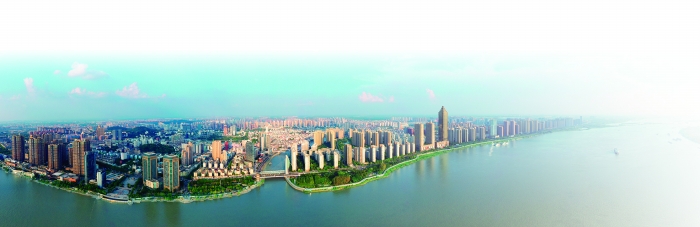
芜湖海螺水泥公司 本版部分图片由芜湖市委宣传部提供 春秋时期,芜湖江河湖泊众多,《诗经》名句"关关雎鸠,在河之洲"中提到的雎鸠,大量在此栖息繁 衍,故得"鸠兹"地名。 芜湖城市风光 奇瑞汽车生产车间 黄金水道穿城而过,长江文化、开放文化、徽文化在此交融——叠加长三角一体化、长江经济带、中部 地区高质量发展三大国家战略优势,芜湖2024年经济总量首次跨上5000亿元台阶。 这座产业名城,孕育出5000亿级的汽车首位产业,千亿级的新能源和节能环保、智能家电、新材料产 业;拥有奇瑞、海螺等3家千亿级企业,20家百亿级企业,2024年在全国制造业高质量发展50强城市中 居第25位。2025年上半年,芜湖实现地区生产总值2595.62亿元,同比增长6.4%。 "作为安徽省域副中心城市,芜湖致力于打造全省第二座万亿之城,5000亿只是万里长征的第一步。"芜 湖市委书记宁波表示。今年以来,芜湖市进行了一系列部署和动员,要求"拧紧发条,争分夺秒""打出 新攻势,跑出加速度"。 锻国资引领之长板,补科创要素之短板,借资本市场之跳板——携着高质量发展的密码,芜湖坚定 走"产业+科创"之路,加快构建现代化产业体系。 ◎邹传科 记者 ...
万没料到,普京突然对中国,说了句前所未有的话,火速传遍全球!中方的路走对了!
Sou Hu Cai Jing· 2025-08-14 11:56
Group 1 - The core message of the article highlights the emergence of a new international order that is not dominated by the United States, as articulated by Putin during his Victory Day speech [1] - Russia's crude oil exports to China are projected to reach 115 million tons in 2024, a 42% increase from two years ago, with 40% of transactions conducted in RMB [3] - The "Power of Siberia 2" pipeline is expected to generate annual revenues of $46 billion, while helping China reduce its dollar foreign exchange consumption by 30% [3] Group 2 - The increase in import tariffs on Chinese cars by Russian customs has led to a surge in cancellations for brands like Great Wall and Chery, prompting quick adaptations by Chinese automakers [3] - Chinese automotive brands have captured over 57% market share in Russia as of June, demonstrating resilience in Sino-Russian economic cooperation despite external pressures [3] - The U.S. is concerned about the growing trade between Russia and other countries like India and Turkey, which are also moving towards non-dollar transactions [5] Group 3 - The relationship between China and Russia has been deepening, with significant technological collaborations yielding practical results, such as China's polar navigation technology aiding Russian LNG transport [7] - The shift towards using RMB for oil and gas transactions signifies a move away from traditional dollar-based systems, indicating a quiet transfer of power through technology and trade rather than military confrontation [9]
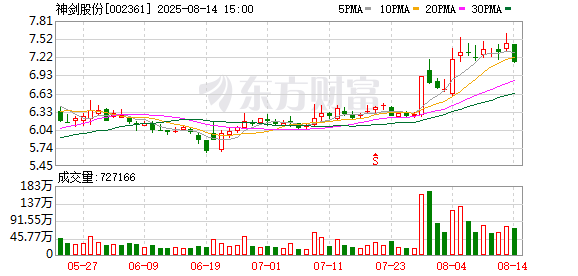
神剑股份:公司与奇瑞汽车暂无直接业务往来
Zheng Quan Ri Bao· 2025-08-14 11:13
Group 1 - The company, Shenjian Co., stated on August 14 that there is currently no direct business relationship with Chery Automobile [2]