
华东医药

Search documents
胶原赛道竞争再升级!媛颂首发全球首款牛跟腱胶原,抢占千亿胶原市场
Sou Hu Cai Jing· 2026-01-04 02:39
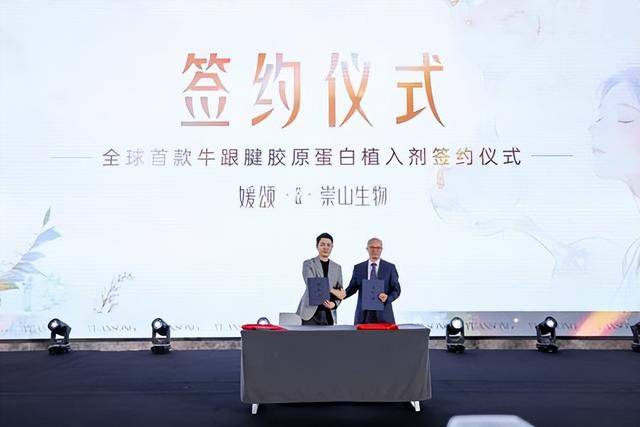
Core Insights - The strategic partnership between Yuansong Group and Chongshan Biotechnology has led to the launch of the world's first collagen product derived from bovine tendons, named "Jiaoyuan Angel," which received regulatory approval on December 10 [1][3] - The collagen market has reached a scale of 200 billion and is projected to grow to 500 billion by 2030, indicating significant growth potential in the industry [3] Product Advantages - "Jiaoyuan Angel" features a high medical collagen concentration of 45 mg/ml, ensuring strong support [5] - The product uses collagen extracted from bovine tendons, ensuring high purity and structural integrity [5] - Advanced application technology allows for precise subcutaneous implantation, providing deeper network support for the skin [5] - The company has addressed industry challenges, establishing 45 mg/ml as the optimal concentration to balance efficacy and safety [5] Market Positioning - The collaboration signifies an upgrade in the synergy between clinical institutions and research enterprises, aiming to redefine the application of collagen in the market [6] - The focus is shifting from "volume enhancement" to "nutritional tightening," which is expected to become the mainstream trend in the collagen market [8] - Yuansong Group has previously launched several successful products in the medical beauty sector, positioning itself as a market leader [8] - "Jiaoyuan Angel" is anticipated to capture significant market share and potentially become a dark horse in the medical beauty market by 2026 due to its technological advantages and promotional capabilities [8]

2025年GLP_1行业深度:最新进展、市场空间、未来趋势、产业链及相关公司深度梳理
Sou Hu Cai Jing· 2026-01-01 03:43
Core Insights - The GLP-1 (Glucagon-Like Peptide-1) drug class is evolving from a simple diabetes treatment to a comprehensive metabolic therapy, showing potential in weight loss, cardiovascular benefits, and fatty liver disease, leading to intensified competition among pharmaceutical companies [1][2]. Industry Developments - The GLP-1 drug development has transitioned from single-target to multi-target approaches, with drugs like Eli Lilly's Tirzepatide (GLP-1/GIP dual-target) and Innovent's Ma Shidu (GLP-1/GCG dual-target) gaining approval, enhancing metabolic control across various indicators [2][3]. - Chinese pharmaceutical companies are emerging as significant players, with Innovent's Ma Shidu showing promising Phase III clinical trial results for weight loss and liver fat reduction, while other companies like Hengrui and Zhongsheng are advancing their own dual-target and oral formulations [3][4]. Market Expansion - The future growth of the GLP-1 market is shifting from traditional Type 2 diabetes and obesity treatments to broader disease areas, including metabolic dysfunction-related fatty liver disease (MASH), with drugs like Semaglutide already approved for MASH treatment [4][5]. - The concept of "high-quality weight loss" is gaining traction, focusing on preserving muscle mass while reducing fat, with several companies developing combination therapies that include GLP-1 and muscle-preserving agents [5]. Competitive Landscape - The GLP-1 market is dominated by Novo Nordisk and Eli Lilly, with their combined revenue expected to grow from approximately $2.9 billion in 2015 to about $49.4 billion by 2024, indicating a robust growth trajectory [43]. - The sales of Tirzepatide are projected to surpass those of Semaglutide, with significant revenue growth observed in both diabetes and weight loss indications [46][48]. Clinical Advancements - Innovent's Ma Shidu achieved a 20.08% average weight reduction in a Phase III trial, significantly outperforming the placebo group, and demonstrated a 71.9% reduction in liver fat content among non-diabetic participants [32][33]. - Hengrui's dual-target drug HRS9531 has shown positive results in its Phase III trials, with its application for market approval accepted by the NMPA [37]. Future Trends - The GLP-1 industry is at a pivotal point of rapid technological iteration and expanding indications, with a clear trajectory towards more comprehensive, convenient, and personalized metabolic disease management solutions [6].




减肥药的风吹到了小猫咪
Xin Lang Cai Jing· 2025-12-31 11:44
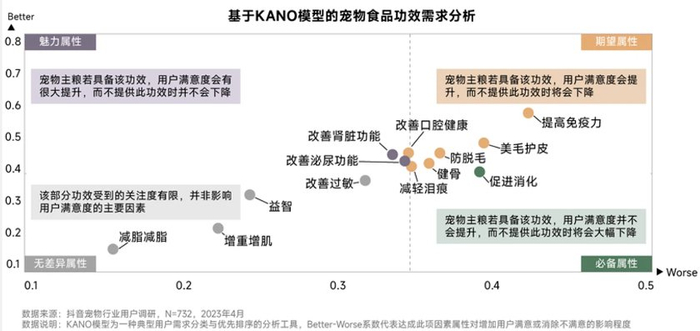
Group 1 - The core focus of the article is the entry of Huadong Medicine into the pet weight management market with its new veterinary drug HDM7006, a GLP-1R/GIPR dual agonist, which has received acceptance for registration by the Ministry of Agriculture and Rural Affairs in China [1][3] - HDM7006 is designed specifically for weight management in obese cats, showing a significant weight reduction of 9.26% relative to baseline after six weeks of treatment in clinical trials, with 72.31% of the treated cats losing more than 5% of their body weight [1][3] - The company anticipates a review period of approximately one year for the drug's approval and is actively seeking opportunities for expedited review to shorten this timeline [1][3] Group 2 - Huadong Medicine has multiple GLP-1 drug developments, including another candidate, Poterepatide (HDM1005), which is currently in phase 3 clinical trials for human use [2] - The pet pharmaceutical market is seeing a trend where human drug companies are shifting towards animal health, with a specific focus on addressing obesity in pets, as evidenced by the unique design of HDM7006 tailored for cats [3] - The pet cat population in urban China is projected to reach 71.53 million, with an obesity rate of 28.1%, indicating a significant market opportunity for weight management solutions [3] Group 3 - The article notes that the pet obesity management market is largely untapped, with no similar GLP-1 targeted drugs currently available for weight management in cats [3][4] - Previous attempts to introduce weight management drugs for pets, such as Pfizer's Slentrol, faced challenges due to a lack of perceived need among pet owners, highlighting potential market education challenges for new products [4][6] - The introduction of GLP-1 weight loss drugs into the pet market may require substantial market education efforts, and the potential scale of success remains uncertain [6] Group 4 - The article mentions that this is not the first instance of GLP-1 drugs targeting the animal health market, as Fosun Pharma has licensed a GLP-1R agonist for both human and animal indications to Pfizer, indicating growing interest in this area [7]

神药,价格雪崩
Sou Hu Cai Jing· 2025-12-31 03:47
Core Viewpoint - The recent price drop of weight loss drugs, particularly the injection of Tirzepatide (Mu Feng Da) and Semaglutide, has led to significant financial losses for early consumers, while intensifying competition between major pharmaceutical companies Eli Lilly and Novo Nordisk [1][6][11]. Price War Dynamics - The price of Tirzepatide has decreased dramatically, with the 40mg specification now priced at approximately 1320 yuan, down from 3852 yuan, resulting in a loss of about 5060 yuan for consumers who purchased earlier [1][3]. - Novo Nordisk's Semaglutide has also seen substantial price reductions, with prices for various specifications dropping by nearly 50% [5]. - Both companies are engaging in a price war ahead of the new national medical insurance directory, with pre-sale promotions already underway on platforms like Meituan and JD Health [4][6]. Market Competition - The competition between Eli Lilly and Novo Nordisk has intensified, with Semaglutide achieving sales of approximately 167 billion yuan (about 1127.56 million Danish Krone) in the first half of the year, while Tirzepatide's sales reached 85.80 billion yuan [6][8]. - Analysts predict that Tirzepatide may surpass Semaglutide in sales by the end of the year, potentially dethroning it as the "king of drugs" [7]. Future Market Outlook - The weight loss drug market is expected to become increasingly competitive, with projections suggesting it could exceed 100 billion USD by 2030 [8]. - Numerous domestic companies are entering the GLP-1 drug market, with nearly 10 approved products, and many more in the pipeline [8][12]. - The expiration of key patents for Semaglutide in 2026 is anticipated to lead to a surge in generic versions, further intensifying competition [8][12]. Impact on Domestic Drugs - The price reductions of imported weight loss drugs have put significant pressure on domestic alternatives, such as Masitide, which has already seen a price drop of about 15% [11][12]. - Domestic companies are reevaluating their pricing strategies in light of the aggressive pricing from Eli Lilly and Novo Nordisk, which may hinder their profitability [12][13]. - The competitive landscape suggests that unless domestic drugs can secure early approval, they may struggle to gain market share against established players [13].
基石药业-b(02616):以临床开发为引擎、稳健迈入研发2.0阶段,创新布局前沿管线及领域
Ping An Securities· 2025-12-30 14:06
Investment Rating - The report gives a "Buy" rating for CStone Pharmaceuticals (2616.HK) for the first time [1]. Core Views - CStone Pharmaceuticals is transitioning into R&D 2.0, focusing on innovative pipelines and cutting-edge technologies, with a strong emphasis on clinical development as the driving force [6][11]. - The company has successfully launched four innovative drugs and has a pipeline of 16 candidate drugs, indicating robust growth potential [6][11]. - The financial outlook shows a projected revenue increase from 1.95 billion CNY in 2025 to 6.33 billion CNY in 2027, reflecting a strong recovery trajectory [7]. Summary by Sections 1. Clinical Development as the Engine - CStone Pharmaceuticals was established in 2016, focusing on clinical development and innovative R&D in oncology and immune diseases [11]. - The company has a concentrated shareholding structure, with major shareholders including WuXi Healthcare Ventures (11.84%) and Pfizer (7.91%) [14]. - Cash management is stable, with a focus on core R&D investments, and the company reported a revenue of 0.49 billion CNY in the first half of 2025 [17][18]. 2. R&D Pipeline and Innovations - The company is advancing into R&D 2.0, focusing on multi-targeted therapies and ADC technologies, with key projects like CS2009 (a tri-specific antibody) and CS5001 (ROR1 ADC) in clinical trials [22]. - CS2009 has shown promising early efficacy and safety data, with an overall response rate (ORR) of 12.2% in clinical trials [35]. - CS5001 is in clinical 1b phase, demonstrating a 70% ORR in preliminary data, indicating strong potential for further development [18][22]. 3. Financial Projections - Revenue projections indicate a decline in 2025 to 1.95 billion CNY, followed by significant growth to 4.64 billion CNY in 2026 and 6.33 billion CNY in 2027 [5][7]. - The company is expected to narrow its net losses, with a forecasted loss of 0.91 billion CNY for 2024 and 0.23 billion CNY for 2027 [5][7]. 4. Market Context - The global market for immune checkpoint inhibitors (ICIs) is projected to grow significantly, reaching 58.53 billion USD in 2025 and expected to exceed 100 billion USD by 2029 [22][25]. - The report highlights the importance of dual-targeting strategies in cancer treatment, which could lead to deeper and more durable responses [22][29].
华东医药:创新转型一直是公司的核心战略方向
Zheng Quan Ri Bao Wang· 2025-12-30 11:12
Core Viewpoint - The company emphasizes that innovation and transformation are its core strategic directions, with a focus on developing its product pipeline and enhancing core competitiveness through a dual approach of "independent research and external collaboration" [1] Group 1: Innovation Strategy - The company’s core product pipeline is entering a phase of intensive harvest, with multiple core products expected to launch in the next 2-3 years, providing sustained momentum for revenue growth [1] - The company is committed to focusing on differentiated innovation areas, continuously strengthening its core competitiveness [1] Group 2: Resource Allocation and Management - The company has fully aligned its resource allocation and assessment mechanisms towards innovative business, ensuring that management and all employees are clear on objectives and united in consensus [1] - The company recognizes the importance of trust and is dedicated to delivering solid progress to reward shareholders [1]
华东医药猫用减肥药获受理,创新药ETF天弘(517380)年内份额增超308%,机构:春季行情关注医药新兴方向
2 1 Shi Ji Jing Ji Bao Dao· 2025-12-30 02:27
Group 1 - The pharmaceutical sector showed weakness on December 30, with the Hang Seng Hong Kong-Shanghai Innovation Drug Select 50 Index down by 0.56% [1] - Among the constituent stocks, Gan Li Pharmaceutical, Hao Yuan Pharmaceutical, and Junshi Biosciences saw the highest gains, while Baijia Shenzhou, WuXi AppTec, and Kailai Ying experienced declines [1] - The Tianhong Innovation Drug ETF (517380), which tracks the Hang Seng Hong Kong-Shanghai Innovation Drug Select 50 Index, has a total fund size of 1.381 billion yuan and has seen a share increase of over 308% year-to-date, with the latest share count at 1.848 billion [1] Group 2 - Huadong Medicine announced that its subsidiary received a notice from the Ministry of Agriculture and Rural Affairs regarding the acceptance of a new veterinary drug registration application for HDM7006, aimed at weight management in adult obese cats [1] - Xinda Securities believes that the spring market is about to start, recommending attention to emerging pharmaceutical industries such as brain-computer interfaces, surgical robots, and AI applications, with a long-term focus on innovation and international expansion in the medical investment sector [1] - Huaxi Securities points out that the innovation drug industry chain will be the main line of the pharmaceutical sector by 2026, highlighting two key trends: marginal improvement in overseas demand and reversal of domestic demand challenges [2]
新材料驱动医美新生态-供给革命推动千亿市场重回增长
2025-12-29 15:51
Summary of Key Points from the Conference Call Industry Overview - The Chinese medical aesthetics market has a significantly lower penetration rate compared to developed countries, with an expected penetration rate of approximately 3.2% by 2025, compared to South Korea's 16.1%, indicating substantial growth potential over the next decade, potentially reaching a market size of 700 to 800 billion or even over 1 trillion yuan [1][4] - The market is currently facing challenges due to consumer fatigue and accelerated regulatory approvals, leading to increased competition and price reductions for products like homologous injections [1][5] Core Insights and Arguments - Medical aesthetics institutions are struggling with high sales expense ratios, often between 30% and 40%, which erodes profits. New business models like the "Xiaoyang model" and "dual beauty integration model" are seen as effective ways to reduce sales costs and improve profitability [2][3] - PDIN (salmon needle) is gaining attention as a new medical aesthetic material due to its high similarity to human DNA, good biocompatibility, and regenerative properties, potentially becoming a new profit growth point for medical aesthetic institutions [1][10] - The leading brand in the Korean PDN market, Rejuran, is expected to generate approximately 870 million yuan in global revenue in 2024, with projections of reaching 1.5 billion yuan in 2025, supported by a planned 25% compound annual growth rate over the next five years [1][17] Investment Opportunities - Investment opportunities in the medical aesthetics industry can be categorized into upstream (new materials) and downstream (medical aesthetic institutions). Upstream new materials are currently a key investment direction, while downstream institutions that can effectively lower sales costs and improve profitability are also valuable [2][6] - Companies like Lepu Medical are actively developing PDI and ECM medical aesthetic products, with PDI products expected to be approved in the first half of 2026, potentially serving as new growth engines for the company [2][23] Competitive Landscape - The competitive landscape for medical aesthetic materials has changed significantly, with new products being approved at a rapid pace, increasing competition and driving down prices for traditional materials like collagen [7][9] - The overall growth rate of the Chinese medical aesthetics industry has slowed to about 10% in recent years, down from over 30% pre-pandemic, with a decline in average transaction prices impacting profit margins [8] Future Outlook - Long-term growth potential remains strong for the Chinese medical aesthetics industry, driven by low current penetration rates and the anticipated normalization of domestic consumption [6] - The demand for PDI materials is expected to increase, with several companies, including Lepu Medical, actively pursuing development in this area, indicating a shift towards new profit sources as traditional materials face declining margins [23] Company-Specific Insights - Lepu Medical's current valuation is considered undervalued at around 30 billion yuan, with a potential market value of at least 40 billion yuan based on its serious medical business, PDIN, and innovative drug potential [2][26] - Rejuran's market share in the Korean PDN market is estimated to be between 70% and 80%, with significant revenue contributions from both domestic and international markets [17][19] Additional Considerations - The approval status of Rejuran in various countries, including Singapore, Thailand, and Australia, is progressing, with pending applications in China and the U.S. that could significantly enhance its global market presence [21] - The ECM component market is also showing potential, with several companies in China working on related products, indicating a growing interest in this area [24][25]

减肥神药,集体降价
凤凰网财经· 2025-12-28 12:36
Core Viewpoint - The GLP-1 class drugs, once considered "miracle weight loss drugs," are transitioning from high-priced innovative medications to more accessible healthcare products, with significant price reductions initiated by major pharmaceutical companies like Novo Nordisk and Eli Lilly ahead of patent expirations and increased competition from domestic biosimilars [3][12][14]. Group 1: Price Reduction Dynamics - The recent price reductions for semaglutide and tirzepatide are not isolated incidents but reflect a systematic trend, with semaglutide's lowest price dropping to 329 yuan per injection for the diabetes version and 388 yuan for the weight loss version, marking a significant decrease from previous market prices [4][10]. - Eli Lilly's tirzepatide has also shown price adjustments, with the lowest price for the 2.4ml:10mg version falling below 500 yuan, indicating a clear downward trend in pricing [6][10]. - The price of semaglutide has nearly halved compared to mainstream market prices from a year ago, highlighting the competitive pricing strategies being employed [10]. Group 2: Strategic Market Positioning - The price adjustments by Novo Nordisk and Eli Lilly are viewed as strategic moves to preemptively address the impending competition from biosimilars and domestic innovations, with experts suggesting that these companies are attempting to lock in user bases and enhance patient loyalty [12][13]. - The upcoming expiration of semaglutide's core patent in 2026 is prompting these companies to adjust their pricing strategies to maintain market share against the anticipated influx of biosimilars [13][14]. - The competitive landscape is expected to intensify as more biosimilars enter the market, with predictions of price reductions of 20%-50% for these products [13]. Group 3: Emerging Competitors - Domestic companies like Innovent Biologics and HengRui Medicine are positioned to challenge the original branded products, with Innovent's mazhitide already approved for both weight loss and diabetes indications, and HengRui's dual-target drug HRS9531 expected to receive approval soon [15][17]. - The market is anticipated to see a surge in biosimilars and innovative domestic drugs, with over 10 companies having their applications accepted for semaglutide biosimilars, indicating a crowded competitive environment by 2026 [14][15]. Group 4: Future Market Trends - The domestic weight loss drug market is projected to enter a phase characterized by multiple products coexisting and price stratification, with oral formulations expected to play a crucial role in market expansion [19][20]. - Novo Nordisk's oral semaglutide is set to launch in early 2026, with clinical data showing significant weight loss potential, which may attract a broader patient demographic [19][20]. - The market is still underpenetrated, with only about 1% of the obese population currently using GLP-1 drugs, suggesting substantial growth potential as competition increases [21].
行业周报:瑞博生物通过港交所IPO聆讯,上市在即-20251228
KAIYUAN SECURITIES· 2025-12-28 11:14
Investment Rating - The industry investment rating is "Positive" (maintained) [1] Core Insights - The report highlights the upcoming IPO of Ruibo Bio, which has passed the hearing for listing on the Hong Kong Stock Exchange. The company focuses on innovative siRNA technology platforms targeting various chronic diseases and tumors [4][14] - Ruibo Bio has established multiple technology platforms, including RiboGalSTAR for liver-targeted delivery and RiboOncoSTAR for tumor targeting, with a pipeline that includes over 20 clinical candidates [5][15] - The report emphasizes the potential of the siRNA sector and recommends investment in leading CXO and research service companies, particularly in the innovative drug space [8] Summary by Sections Industry Performance - In the fourth week of December 2025, the pharmaceutical and biotechnology sector declined by 0.18%, underperforming the CSI 300 index by 2.13 percentage points, ranking 25th among 31 sub-industries [7][11] - The raw material drug sector showed the highest increase, rising by 2.05%, while the hospital sector experienced the largest decline, falling by 2.82% [31] Company Developments - Ruibo Bio has seven siRNA pipelines in clinical research, with its core product RBD4059 being the first siRNA drug for treating thrombotic diseases currently in Phase 2 clinical trials [5][14] - The company plans to advance 2-4 new candidates into clinical stages annually, supported by significant partnerships with major pharmaceutical companies, reflecting recognition of its R&D capabilities [6][22] Investment Recommendations - The report recommends focusing on innovative drugs and their supply chains, particularly in the small nucleic acid space, and suggests a monthly investment portfolio including companies like Sangamo Therapeutics and Innovent Biologics [8]