广汽集团

Search documents
小鹏为什么这么“烦”L3
虎嗅APP· 2026-02-16 13:01
Core Viewpoint - Xiaopeng Motors is shifting focus from L3 to L4 autonomous driving technology, arguing that L3 is a transitional technology that hinders progress due to regulatory constraints and safety concerns [12][20]. Group 1: Industry Context - The Chinese autonomous driving sector is projected to see total investments of 700-750 billion yuan by 2025, a 40% increase year-on-year, while the overall automotive industry's profit margin is only 4.1%, indicating a mismatch between profit growth and R&D investment [3]. - Many automakers are constrained by current regulations, with L3 technology being limited in its operational design domain (ODD), primarily restricted to urban and highway scenarios [8][24]. Group 2: Technological Development - Xiaopeng's GX model is currently undergoing L4 road tests, utilizing a high computing power of 3000 TOPS, which surpasses competitors like Li Auto's new L9 [5][7]. - The L4 technology is being validated through successful commercial trials, with companies like Pony.ai and RoboTaxi demonstrating profitability in specific applications [17][19]. Group 3: Challenges and Considerations - Transitioning directly to L4 from L2 requires substantial data accumulation, as L4 relies on insights gained from L3 operations [23]. - Regulatory frameworks pose significant challenges, as L3's operational limitations are defined by legal and liability considerations, which differ from L4's clearer responsibility structure [24]. - The current L4 implementations face hurdles, including the need for advanced perception systems that can handle diverse environmental conditions, which may not be achievable with a purely vision-based approach [28][30].



3.8亿辆电车战春运,充电再迎“大考”
创业邦· 2026-02-16 01:15
Core Viewpoint - The 2026 Spring Festival travel rush is expected to see a record 9.5 billion people moving across regions, with 299 million daily cross-regional movements during the holiday, highlighting the significant role of new energy vehicles (NEVs) in this surge [5][6]. Charging Dilemma - The rapid increase in NEV usage, with a total of 43.97 million vehicles by December 2025, has exposed shortcomings in charging infrastructure, leading to long queues at charging stations and "charging panic" among users [5][7][8]. - Despite having the world's largest electric vehicle charging network with over 20.09 million charging facilities, the supply is insufficient to meet the concentrated demand during peak travel times, particularly in low-temperature conditions that affect battery performance [7][10][11]. Solutions to Charging Issues - To address the charging dilemma, the industry needs to enhance the layout of charging stations along major highways, focusing on high-power fast charging stations to improve supply capacity [13][15]. - There is a need to eliminate charging blind spots in rural and remote areas, with plans to add at least 14,000 direct current charging guns in towns lacking public charging stations by the end of 2027 [16]. - The development of advanced battery technologies, such as solid-state and sodium batteries, is essential to improve performance in low temperatures and enhance charging efficiency [17]. - A multi-faceted energy supplement system, including battery swapping and mobile charging, is crucial to meet the concentrated energy needs during peak travel periods [17]. Industry Collaboration - Major industry players like CATL, NIO, and BYD are actively investing in charging infrastructure, with CATL planning to establish over 3,000 battery swap stations by 2026 and NIO aiming for 4,600 stations by the end of the same year [19][20][21]. - The collaboration among battery manufacturers and vehicle companies is vital for optimizing the energy supplement system and addressing the challenges faced during the Spring Festival travel rush [21].



研判2026!中国共享停车行业政策环境、产业链、市场规模、竞争格局和未来趋势分析:政策与需求双驱动,共享停车行业规模持续扩容[图]
Chan Ye Xin Xi Wang· 2026-02-16 01:01
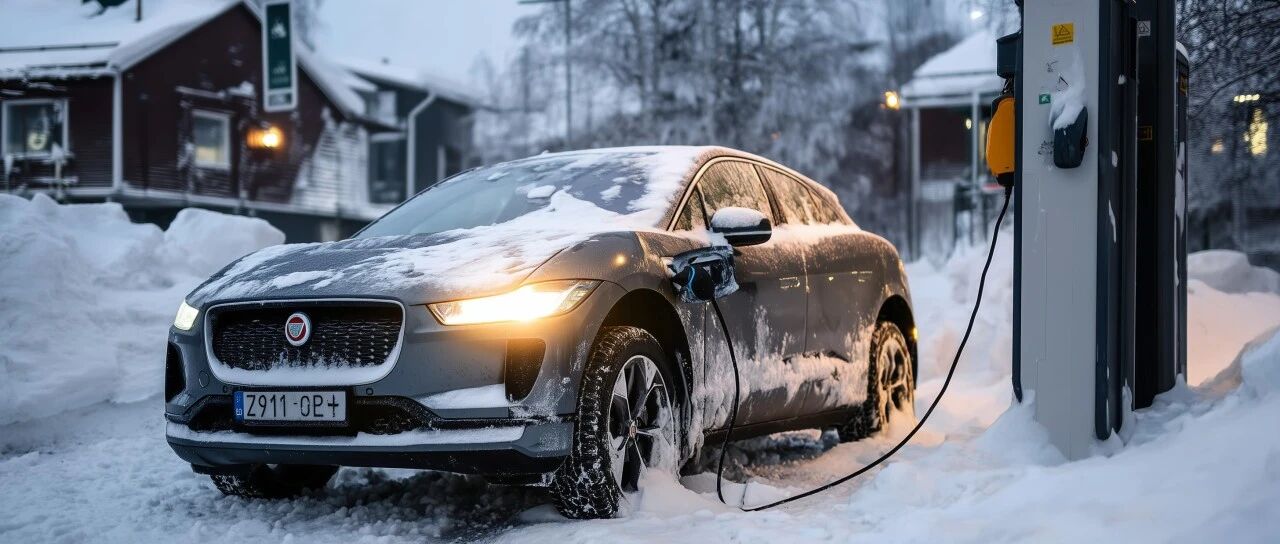
Core Insights - The article highlights the increasing challenge of parking difficulties in urban areas due to rapid urbanization and rising vehicle ownership, leading to a growing demand for innovative solutions like shared parking [1][7]. Shared Parking Industry Overview - Shared parking is a car space sharing model aimed at alleviating urban parking shortages by utilizing technology to open up idle parking spaces from public units, commercial areas, and private owners [3][5]. - The industry is categorized into two operational forms: government-enterprise cooperation and market-driven models [3]. Industry Policies - Recent policies have been introduced to promote the development of shared parking, including increasing urban parking supply and enhancing smart parking infrastructure [4]. Industry Chain - The shared parking industry chain consists of upstream resources (parking space providers), midstream operations (resource integration and management), and downstream users (private car owners) [5][6]. Market Size and Growth - The market size of China's shared parking industry is projected to reach 12.7 billion yuan by 2025, with a year-on-year growth of 8.3% [1][7]. - The number of parking spaces in China is expected to grow from 74 million in 2016 to 273 million by 2025, reflecting a compound annual growth rate of 16% [6]. Competitive Landscape - The shared parking market is becoming increasingly competitive, with companies focusing on technological and model innovations to enhance service quality and user retention [8]. - Key players in the industry include Shenzhen Jieshun Technology, Guangzhou Youting Network Technology, and others, with Jieshun Technology reporting a 39.46% year-on-year increase in revenue from smart parking operations in the first half of 2025 [8][9]. Development Trends - The shared parking industry is expected to integrate deeply into smart city frameworks, utilizing data to optimize parking space allocation and improve user experience [10]. - There is a growing trend towards personalized services, with platforms offering tailored solutions based on user data [11]. - Cross-industry collaborations are anticipated to create new growth opportunities, such as integrating shared parking with electric vehicle charging and commercial real estate [12].


说什么,也要让车开进春晚
汽车商业评论· 2026-02-15 23:04
Core Viewpoint - The article discusses the evolving role of the automotive industry in the context of the CCTV Spring Festival Gala, highlighting how automotive brands have increasingly integrated into this national event as a marketing platform over the years [4][19]. Group 1: Historical Context and Evolution - The CCTV Spring Festival Gala has been a significant platform for advertising since its inception in 1984, with the first automotive advertisement appearing in 2004 [4][13]. - Initially, the automotive industry was not a major sponsor of the gala, with the focus shifting from household appliances to internet companies in the 2010s [13][19]. - The first major automotive sponsorship occurred in 2014, marking a turning point for automotive brands in leveraging the gala for marketing [15][19]. Group 2: Current Automotive Brands and Their Strategies - In 2026, several automotive brands, including Jiangqi Group's high-end model Zun Jie S800, Geely's Lynk & Co 900, and Great Wall's Wei brand, are confirmed to participate in the gala, showcasing their flagship models [11][12]. - The article emphasizes that these brands represent the core strength of the Chinese automotive industry, with their participation symbolizing a significant leap in brand image and technology [11][12]. - The integration of automotive brands into the gala reflects a broader trend of showcasing "Chinese manufacturing" and technological advancements [19][26]. Group 3: Marketing Strategies and Audience Engagement - The article outlines various methods of automotive brand integration into the gala, including background branding, vehicle displays, and product placements in skits [21][22]. - The 2024 gala saw innovative marketing strategies, such as Xiaomi's car model being prominently displayed among guests, indicating a shift towards more creative advertising approaches [21][22]. - Experts suggest that the gala remains a valuable platform for automotive brands to build consensus and emotional connections with consumers, particularly during the family-oriented Lunar New Year celebrations [30][32].




未来已来 抢抓时代机遇!2026未来产业新材料博览会(6月10-12日 上海)
DT新材料· 2026-02-15 07:20
Core Viewpoint - The 2026 Future Industries New Materials Expo (FINE 2026) aims to lead global innovation in new materials, emphasizing their critical role in the transformation of high-tech industries and future economic development [1][2]. Group 1: Event Overview - FINE 2026 will take place from June 10 to June 12, 2026, at the Shanghai New International Expo Center, featuring a total exhibition area of 50,000 square meters and over 300 strategic and cutting-edge technology reports [2][18]. - The expo will focus on popular innovations applicable to various industries, including artificial intelligence, aerospace, smart vehicles, and renewable energy, while addressing five common needs in future industries: advanced semiconductors, advanced batteries, lightweight functionalization, low-carbon sustainability, and thermal management [2][10]. Group 2: Historical Context and Participation - The previous events, including the 2025 International Carbon Materials Expo and the 2025 Thermal Management Expo, achieved record attendance with over 35,000 professional visitors from 27 countries and regions, showcasing more than 500 exhibitors [7][36]. - The expected participation for FINE 2026 is over 100,000 professional visitors, with targeted invitations to over 5,000 industry investors to facilitate connections between startups and industry resources [35][37]. Group 3: Thematic Focus and Special Features - FINE 2026 will feature seven specialized thematic exhibition areas, including advanced semiconductors, AI chips, thermal management, and sustainable materials, aiming to present a comprehensive chain of innovation from components to cutting-edge technologies [13][15]. - The event will host over 30 forums with more than 300 renowned experts discussing trends in technology, investment strategies, and advanced manufacturing techniques related to new materials [22][24]. Group 4: Strategic Importance - The expo is positioned as a critical platform for technology transfer and industry innovation, leveraging China's growing influence in sectors like new energy vehicles, photovoltaics, and robotics, which are expected to create significant market opportunities for new materials [10][36]. - The timing of the event in June is seen as a strategic opportunity to capture business prospects for the second half of the year, supported by Shanghai's robust industrial and technological ecosystem [10][36].
崔东树:1月汽车出口走强带动厂家销量相对较好 新能源车走势平稳
智通财经网· 2026-02-15 03:59
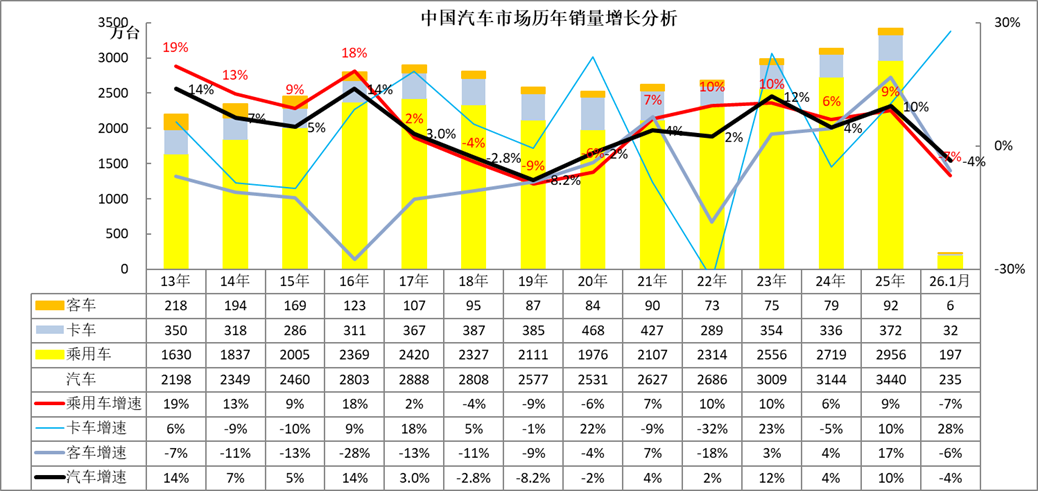
Group 1 - The automotive market in China is expected to maintain strong growth in 2025, driven by government policies promoting consumption, with significant recovery in both truck and bus markets [1] - In January 2026, the commercial vehicle market is anticipated to experience structural growth due to equipment upgrade subsidies, particularly in the electrification of logistics and transportation [1][4] - The overall automotive sales in 2025 are projected to reach 34.392 million units, with a cumulative growth rate of 9%, while January 2026 saw a decline of 4% year-on-year in total automotive sales [6][21] Group 2 - The differentiation between passenger and commercial vehicles has become more pronounced in recent years, with passenger vehicle consumption improving and commercial vehicle sales weakening [4][11] - In January 2026, the sales of new energy passenger vehicles totaled 870,000 units, reflecting a 2% year-on-year decline, influenced by policy adjustments and market pressures [21] - The competitive landscape among traditional fuel passenger vehicle manufacturers is shifting, with domestic brands gaining strength against joint ventures, particularly in the context of declining sales for traditional fuel vehicles [27] Group 3 - The truck market is showing robust growth, with January 2026 sales reaching 320,000 units, marking a 28% year-on-year increase, indicating a strong demand for logistics and transportation solutions [34][36] - The bus market is expected to remain stable, with head manufacturers performing well, primarily driven by demand for light and micro commercial vehicles [30][32] - The overall automotive industry is experiencing significant differentiation in growth rates among manufacturers, with private enterprises increasingly replacing state-owned enterprises as industry leaders [11][18]




启境入局:中国汽车智能化下半场的价值回归与高端突围
经济观察报· 2026-02-15 02:11
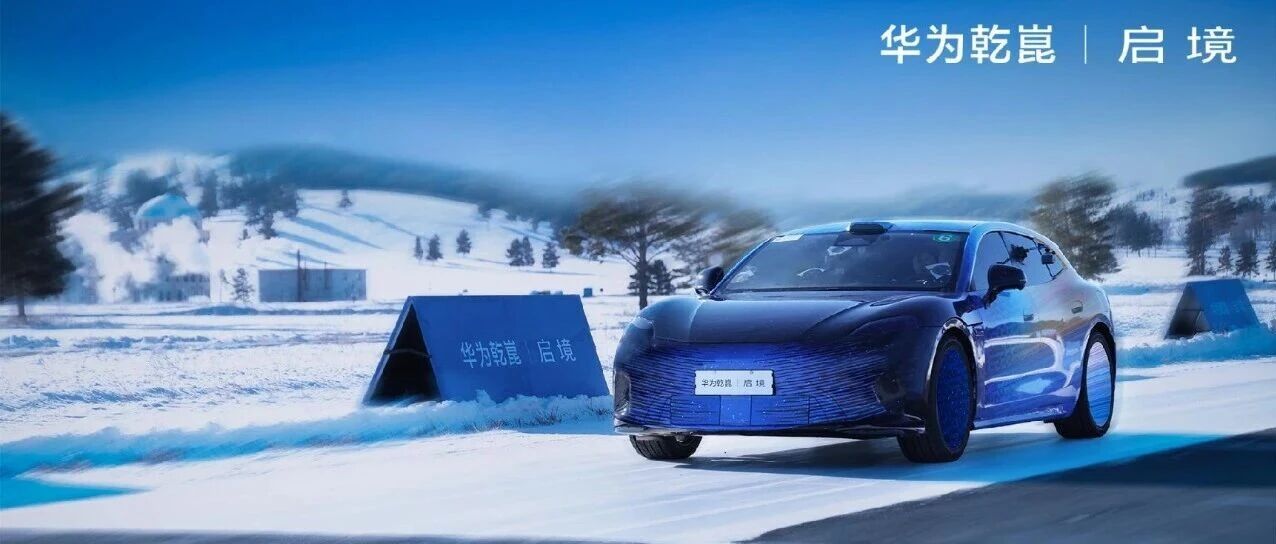
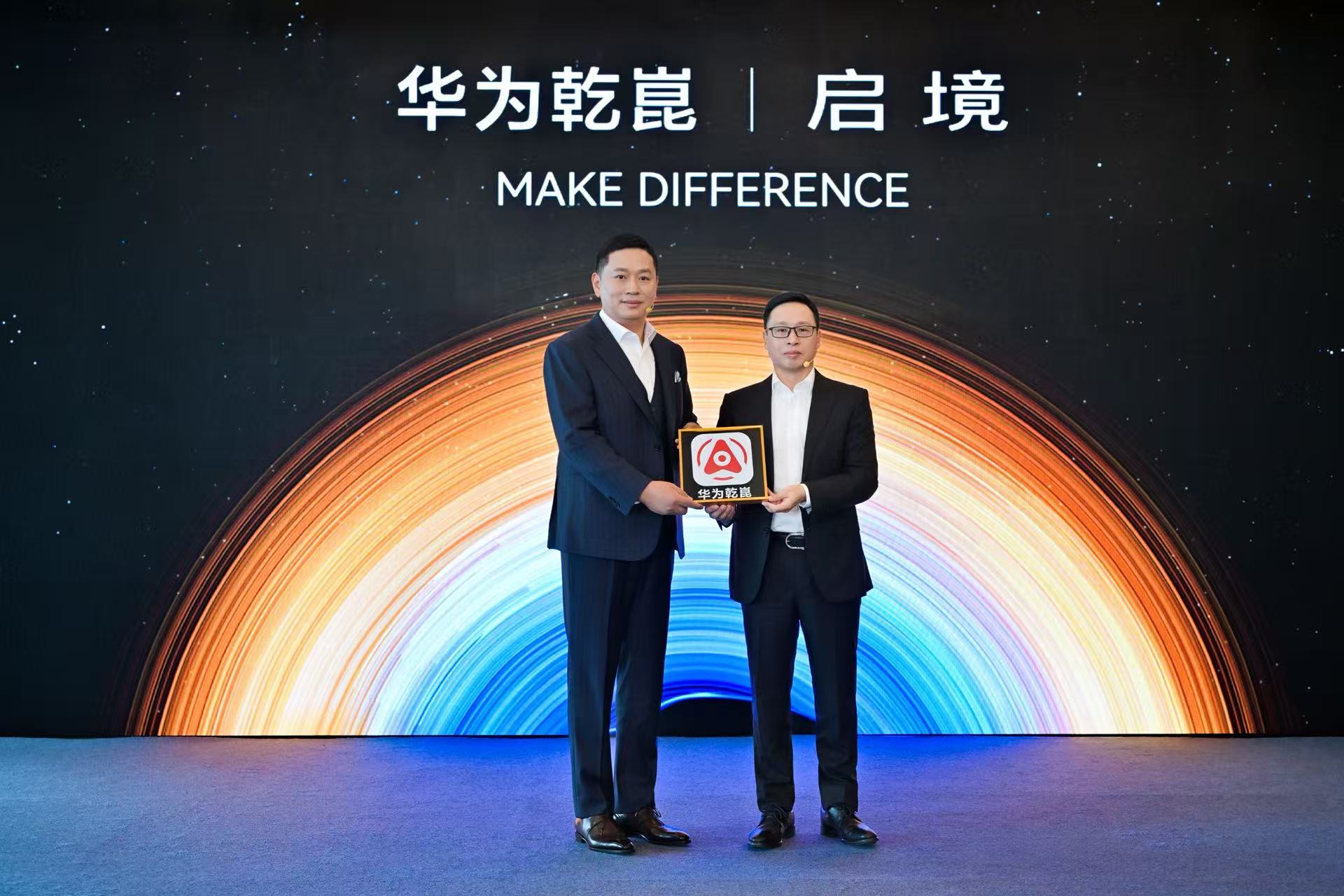
Core Viewpoint - The emergence of Qijing Automotive represents a significant exploration in the intelligent and high-end development path of the Chinese automotive industry during a critical period of transformation [1][26]. Group 1: Strategic Shift from Electrification to Intelligentization - By the end of 2025, the penetration rate of new energy vehicles in China is expected to approach 60%, indicating that the electrification phase is nearing completion, while the intelligentization phase is just beginning [2][6]. - The automotive industry is undergoing a structural transformation, with a shift in competition from mere electrification to intelligentization, as evidenced by the increasing demand for smart, personalized vehicles [6][8]. - Over 80% of automotive companies have initiated AI pilot projects, but only 15% have achieved large-scale application, highlighting the transition from "whether to do" to "how to do it right" in intelligentization [2][8]. Group 2: Challenges in Intelligent Transformation - The transition to intelligentization presents significant challenges, including the need for comprehensive capabilities in data collection, processing, and system integration [16][17]. - Companies must prepare for the responsibilities associated with Level 3 automation, requiring robust safety and quality management systems throughout the product lifecycle [16][20]. - The collaboration model in the intelligent era necessitates deep integration of hardware, software, algorithms, and data, moving beyond traditional supply chain relationships [17][20]. Group 3: Qijing's Unique Position and Strategy - Qijing is positioned as a strategic player in the intelligentization arena, focusing on redefining what constitutes a high-quality vehicle in the smart era [14][26]. - The collaboration between Qijing and Huawei is characterized by "embedded collaboration," allowing for joint product logic definition and system performance validation [16][20]. - Qijing aims to leverage its partnerships to create a new value benchmark in the high-end market, combining technology, luxury, and reliability [26][31]. Group 4: Value Transition of Chinese Brands - Chinese automotive brands are experiencing a value transition, with Qijing positioned to capitalize on this shift by enhancing product quality, user experience, and redefining value in the high-end market [24][26]. - The traditional dominance of luxury brands is declining, with Chinese brands making significant inroads into the high-end market through advancements in electric and intelligent technologies [24][26]. - Qijing's strategy emphasizes a comprehensive user experience and a differentiated dealer network, reflecting growing confidence in Chinese high-end intelligent automotive brands [26][31].

启境入局:中国汽车智能化下半场的价值回归与高端突围
Jing Ji Guan Cha Wang· 2026-02-15 02:07
Core Insights - The electric vehicle (EV) penetration rate in China is expected to approach 60% by the end of 2025, indicating that the initial phase of electrification is nearing completion, while the next phase of intelligent transformation is just beginning [1][4] - Market data suggests a slowdown in EV wholesale growth, with a forecasted decline from 28% in 2025 to 15% in 2026, signaling a shift from growth to competition among existing players [1][4] - The launch of the high-end intelligent EV brand "Qijing," co-created by Huawei and GAC Group, represents a significant step in addressing the industry's transition from electrification to intelligentization [1][3] Industry Transition - The Chinese automotive market is undergoing a structural transformation, with a predicted slowdown in growth rates for new energy vehicles as penetration exceeds 50% [4] - Deloitte's report highlights that over 80% of automotive companies have initiated AI pilot projects, but only 15% have achieved large-scale application, indicating a shift in focus from "whether to do" to "how to do it right" [1][4] - The automotive industry is recognized as being at a critical juncture, facing pressures on the supply side while experiencing explosive growth in demand for intelligent and personalized vehicles [4][6] Intelligent Transformation - Intelligentization is identified as the core of the automotive industry's transformation, integrating various advanced technologies such as perception, data processing, connectivity, execution control, and user experience [6] - The shift from traditional vehicles to intelligent terminals is reshaping the travel ecosystem, with AI expected to play a pivotal role in this evolution [6][12] - The competitive landscape is evolving, with a focus on the ability to continuously innovate and adapt intelligent capabilities rather than merely distinguishing between fuel and electric vehicles [12][14] Challenges and Opportunities - The transition to intelligent vehicles presents significant challenges, including the need for comprehensive technical capabilities, responsibility frameworks for Level 3 automation, and upgraded collaborative models within the industry [15][16] - Qijing's collaboration with Huawei is characterized as "embedded collaboration," allowing for a more integrated approach to product development and system performance validation [16][18] - The brand's supply chain and quality management systems are designed to meet the high standards of luxury vehicles, positioning Qijing to take on the challenges of intelligent vehicle production [18][20] Market Positioning - Qijing aims to redefine the high-end market by focusing on a combination of aesthetics, driving control, and intelligence, while also establishing a differentiated dealer network strategy [23][24] - The brand's strategy reflects a broader trend of Chinese automotive brands moving into the high-end market, with significant improvements in product quality and user experience [21][23] - The emergence of Qijing is seen as a critical exploration of the intelligent and high-end development path for the Chinese automotive industry, aligning with national policies promoting digital transformation [27][29]
车企“比惨大会”召开!全是特朗普惹的祸?
电动车公社· 2026-02-14 16:05
Core Insights - The global automotive landscape is undergoing significant changes due to the rise of new energy vehicles, with Chinese automakers emerging as top competitors while traditional giants face strategic transformation challenges [1][2]. Group 1: Tesla - Tesla's 2025 financial report shows total revenue of $94.827 billion, a 3% year-over-year decline, marking the first revenue drop in its history [7]. - The company delivered 1.636 million vehicles in 2025, an 8.6% decrease from 2024, leading to a 10% drop in automotive revenue, which constitutes over 70% of total income [9]. - Despite record revenue from energy generation and storage, Tesla's overall revenue decline remains unmitigated [10]. - R&D investment surged by 41% to $6.411 billion, focusing on autonomous driving and humanoid robots, indicating a shift in strategic priorities [14]. Group 2: General Motors - General Motors reported 2025 revenue of $185 billion, down 1.3%, with net profit falling 55.1% to $2.697 billion due to a $7.9 billion charge for strategic restructuring [17][19]. - The company maintains strong cash flow of $10.6 billion despite the profit drop, attributed to one-time restructuring costs and market adjustments [20]. - GM's outlook for 2026 is optimistic, expecting net profit between $10.3 billion and $11.7 billion, supported by a solid market position in the U.S. and new product launches in China [24]. Group 3: Ford - Ford's 2025 revenue reached $187.3 billion, a 1% increase, but it reported a net loss of $8.2 billion, primarily due to a $19.5 billion charge related to electric vehicle restructuring [26][30]. - The company faces challenges similar to GM, with traditional vehicles performing well while electric vehicle strategies require adjustment [32]. Group 4: Hyundai - Hyundai's 2025 revenue was 186.3 trillion KRW (approximately 888.7 billion RMB), a 6.3% increase, but operating profit fell 19.5% to 11.47 trillion KRW [34]. - The decline in profit is largely due to increased tariffs on exports to the U.S., despite a reduction in tariffs effective November 2025 [38]. - The company is also navigating the transition to electric vehicles, which requires adjustments to its product lineup [39]. Group 5: Volvo - Volvo's 2025 revenue was 357.3 billion SEK (approximately 278.8 billion RMB), down 11%, with operating profit plummeting 99% [42]. - The decline is attributed to tariffs, weak demand, and price pressures, prompting a cost-cutting plan involving layoffs [45]. - Despite challenges, Volvo's electric vehicle offerings are performing well, particularly in the Chinese market [48]. Group 6: Great Wall Motors - Great Wall Motors reported 2025 revenue of 222.79 billion RMB, a 10.19% increase, but net profit fell 21.71% to 9.912 billion RMB [52]. - The company achieved record sales of 1.3237 million vehicles, indicating strong growth despite profit declines due to increased investments in new technologies and marketing [54]. - The focus on electric vehicle development, particularly through its premium brand WEY, is expected to enhance growth potential [56]. Group 7: GAC Group - GAC Group's 2025 sales fell 14.06% to 1.72 million vehicles, with a projected loss of 8-9 billion RMB [58]. - The decline is linked to poor performance in traditional fuel vehicles and slower growth in its electric vehicle segment [59]. - The company is pursuing deep collaborations with local suppliers to accelerate its electrification strategy [60]. Group 8: Toyota - Toyota's revenue for the first three quarters of the 2026 fiscal year was 38.09 trillion JPY (approximately 1.72 trillion RMB), a 6.8% increase, but net profit dropped 26.1% to 3.03 trillion JPY [63]. - The profit decline is primarily due to the impact of U.S. tariff policies, despite a 10.5% profit increase in the Chinese market [66][68]. - Toyota is implementing a company-wide plan to reduce its breakeven point and improve operational efficiency [71].



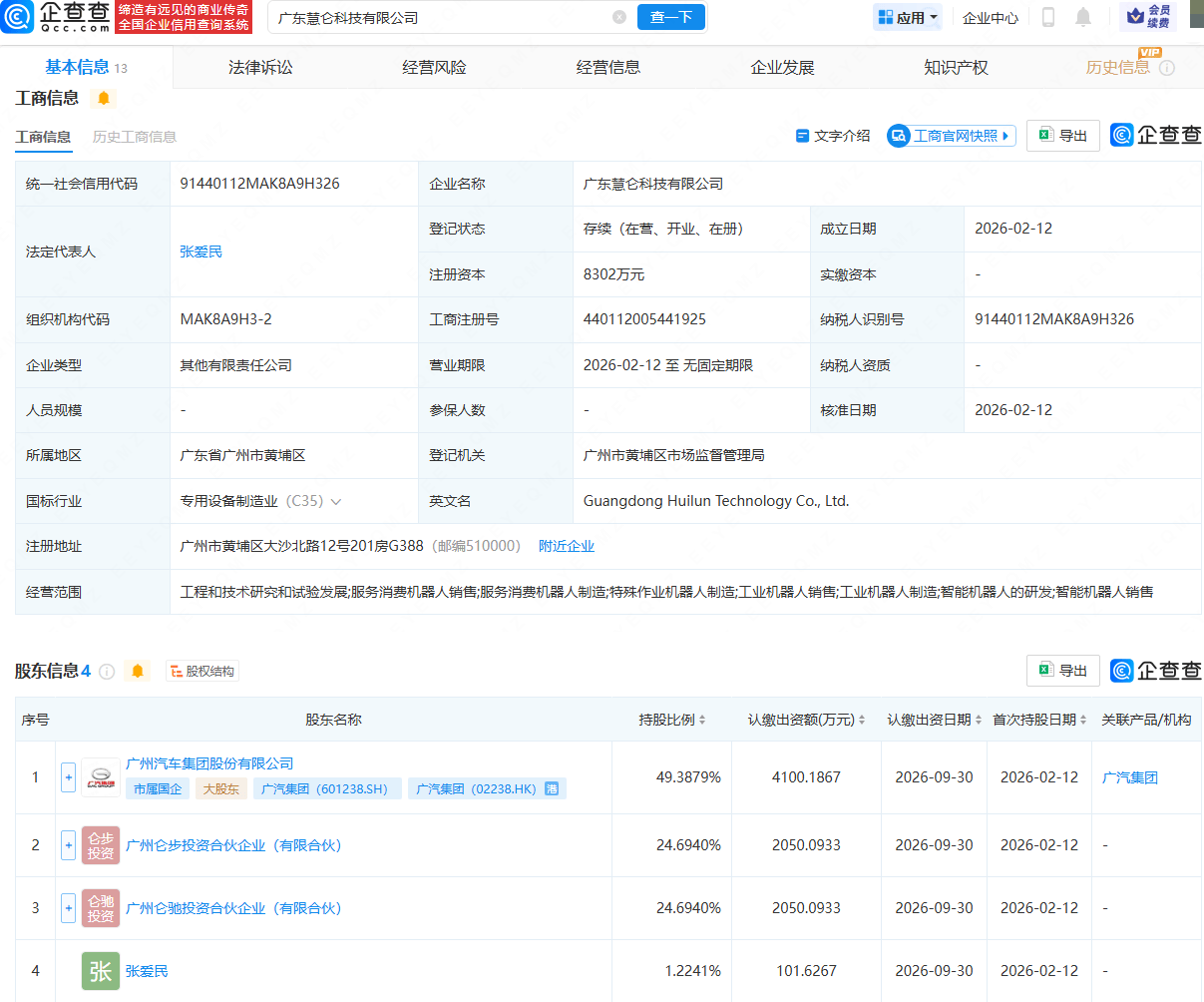
广汽集团等投资成立科技公司,含多项机器人业务
Sou Hu Cai Jing· 2026-02-14 10:20
Core Viewpoint - Guangdong Huilun Technology Co., Ltd. has been established with a registered capital of 83.02 million yuan, focusing on the manufacturing and sales of various types of robots, including service and industrial robots [1][2]. Company Information - The legal representative of Guangdong Huilun Technology Co., Ltd. is Zhang Aimin [1][2]. - The company is registered in Huangpu District, Guangzhou, Guangdong Province, with a business scope that includes the sales and manufacturing of service robots, special operation robots, industrial robots, and the research and development of intelligent robots [1][2]. - The company was officially established on February 12, 2026, and is currently in a state of operation [2]. Shareholding Structure - Guangzhou Automobile Group Co., Ltd. holds a 49.39% stake in the company, contributing approximately 41.00 million yuan [3]. - Guangzhou Lunbu Investment Partnership (Limited Partnership) and Guangzhou Chanchi Investment Partnership (Limited Partnership) each hold a 24.69% stake, contributing around 20.50 million yuan each [3]. - Zhang Aimin holds a minority stake of 1.22%, contributing approximately 1.02 million yuan [3].