现代汽车集团

Search documents
以进博为平台,全球汽车大秀中国“朋友圈”
Guo Ji Jin Rong Bao· 2025-11-07 10:56
Core Insights - The 8th China International Import Expo (CIIE) has opened in Shanghai, showcasing the integration of the Chinese automotive industry with global players, featuring 12 major foreign car manufacturers and over 4,108 overseas enterprises [1][2] Group 1: Event Overview - The automotive exhibition area covers over 430,000 square meters and serves as a platform for global automotive technology and collaboration [1] - The theme of this year's automotive section is "Mobility, Infinite Possibilities," highlighting a comprehensive ecosystem of automotive industry, future technologies, and automotive culture [2] Group 2: Long-term Commitment from Foreign Automakers - Long-standing participation from foreign car manufacturers demonstrates their confidence in the Chinese market, with companies like Hyundai showcasing innovative hydrogen-powered vehicles and Toyota presenting L4-level autonomous driving solutions [3] - Volkswagen has deepened its collaboration with local tech firms, focusing on local R&D and production, while BMW is integrating AI capabilities tailored to Chinese consumers [3] Group 3: Collaborative Upgrades - The expo has facilitated significant partnerships, such as FAW-Volkswagen's memorandum for diversified product imports and Nissan's establishment of a joint venture for vehicle exports [4] - The event has evolved from merely showcasing global technologies to becoming a platform for joint R&D and technological co-creation between Chinese and foreign enterprises [4] Group 4: Focus on Smart Driving Technologies - Smart driving technologies are a central theme, with Tesla unveiling its Cybercab and BMW collaborating with Alibaba to develop AI-driven solutions tailored for Chinese users [5] - The integration of foreign parts suppliers into the Chinese automotive supply chain is deepening, with companies like Michelin showcasing innovative products [5][6] Group 5: Globalization and Market Dynamics - The CIIE reflects the dual flow of "bringing in" and "going out," enhancing the vitality and resilience of China's automotive global network [7][8] - The shift from traditional fuel vehicles to new energy vehicles and from product trade to technology cooperation is evident, with Chinese companies increasingly becoming innovation engines rather than mere market recipients [8]


【快讯】每日快讯(2025年11月7日)
乘联分会· 2025-11-07 08:35
Domestic News - Shanghai has launched the first local fire risk monitoring platform for new energy vehicles, aiming to provide a comprehensive safety digital platform with pre-warning, real-time alerts, and post-incident analysis. The platform has monitored over 1.8 million vehicles and issued alerts for high-risk vehicles [2] - In September 2025, China's automobile exports reached 756,000 units, a year-on-year increase of 24.3%, with an export value of $12.81 billion, reflecting a 10.9% increase compared to the previous year [3] - China FAW Group signed cooperation memorandums with Volkswagen, Audi, and Toyota during the China International Import Expo, indicating a purchase intention for 2026 [4] - Lantu Motors joined the Supercharging Alliance to enhance charging experiences, with its charging network covering over 2,700 districts and counties nationwide [5] - Avita Technology partnered with Haier to integrate smart home products into vehicles, enhancing the connected experience between home and car [7] - BMW Group showcased its brands at the China International Import Expo, highlighting its commitment to innovation and the Chinese market [8] - Hongmeng Zhixing's super factory has a maximum monthly production capacity of 10,000 units, with over 6,000 vehicles delivered by the end of October 2025 [9] - WeRide and Pony.ai were listed on the Hong Kong Stock Exchange, marking significant milestones in the autonomous driving sector [10] International News - The UK plans to implement a mileage-based tax on electric vehicles starting in 2028, which could generate an additional £1.8 billion annually by the early 2030s [11] - Tesla's shareholders approved Elon Musk's $1 trillion compensation plan, reflecting strong support for the company's leadership [12] - Hyundai Motor Group announced a €150 million investment to establish a new factory in Germany, focusing on innovation and electric vehicle development [13] - Honda plans to introduce its first hybrid full-size SUV in North America by 2029, indicating a strategic shift in response to the slowing electric vehicle market [14] Commercial Vehicles - The "Jiefang" brand was recognized as an excellent product brand by the State-owned Assets Supervision and Administration Commission, highlighting its leading position in the commercial vehicle sector [15] - Guangshuo Future and Tsinghua University signed a strategic cooperation agreement to develop distributed electric drive systems for new energy heavy trucks [16] - Shanghai is promoting the use of new energy heavy trucks and expanding the application of fuel cell vehicles in logistics and transportation [17] - Tangshan announced a subsidy plan totaling 545 million yuan for fuel cell vehicle demonstration applications, supporting the commercialization of hydrogen energy in the region [19]




现代汽车集团欧洲技术中心将启用价值1.5亿欧元新设施;松下投资超15亿建电子材料工厂应对AI服务器市场窗口丨智能制造日报
创业邦· 2025-11-07 03:23
Group 1 - The article highlights the launch of the world's first 640-card super node, scaleX640, by Zhongke Shuguang, which features a high-density architecture design for high-speed interconnection and large-scale cluster deployment [2] - Hyundai Motor Group announced the opening of a new facility worth €150 million at its European Technology Center in Germany, focusing on innovation and engineering excellence in Europe [2] - SK Hynix is reportedly planning to restructure its production lines to enhance the competitiveness of its 1c DRAM process, with a focus on efficiency and precision in core equipment [2] - Panasonic is investing over 1.5 billion yuan to build an electronic materials factory to address opportunities in the generative AI server market, including new materials for 5G electronics and semiconductors [2]

从“有什么”到“好不好” 北京现代EO羿欧要做新能源“高品质”领头羊
Yang Zi Wan Bao Wang· 2025-11-06 10:35
Core Insights - The launch of the EO Yiou marks a shift in the domestic electric vehicle market from a focus on configuration to an emphasis on quality, indicating a maturation of the industry [1][3] - The EO Yiou is positioned as a high-quality electric SUV priced between 119,800 to 149,800 yuan, promising a commitment to quality that resonates with consumers [1][4] Group 1: Product Quality and Features - The EO Yiou is built with high-quality materials, including a 77.5% high-strength steel body and a 1500MPa hot-formed steel structure, ensuring safety and durability [4][5] - It features a unique "anti-motion sickness system" and advanced suspension systems to enhance driving comfort, aiming to provide a driving experience comparable to traditional gasoline vehicles [5] - The vehicle utilizes the E-GMP global electric platform and top-tier battery systems to deliver reliable and realistic range performance [5] Group 2: Market Position and Consumer Trust - Beijing Hyundai has established a reputation for quality, with a customer repurchase rate of 22.7%, surpassing the industry average of 19.6% [2] - The company benefits from strong backing by major stakeholders, including Hyundai Motor Group and BAIC Group, which enhances its technological capabilities and market position [2] - The EO Yiou aims to set a new standard for electric vehicles in the under 150,000 yuan segment, focusing on long-term reliability and user satisfaction [4][5] Group 3: Industry Trends - The electric vehicle market is currently facing challenges of homogenization, with many brands competing on specifications rather than long-term value [3] - The emphasis on high-quality manufacturing and design is seen as a necessary evolution for the industry, as consumers increasingly prioritize reliability and overall ownership experience [3]
现代汽车集团将投资1.5亿欧元开设新工厂 引领下一代技术的开发
Jing Ji Guan Cha Wang· 2025-11-06 09:58
经济观察网现代汽车集团(集团)今天宣布在位于德国美因河畔吕塞尔斯海姆的现代汽车欧洲技术中心 (HMETC)开设一座耗资1.5亿欧元的新工厂,这标志着其致力于欧洲创新和卓越工程的一个重要里程 碑。投资包括世界上最大的半电波暗室之一、气候测试和电动汽车充电实验室。SquareCampus加强与 集团位于韩国南阳的主要研发设施的合作,以交付现代、起亚和捷尼赛思新车型。 ...
引人深思!国外车企之间如何避免专利纠纷?
Zhong Guo Qi Che Bao Wang· 2025-11-06 03:19
Core Viewpoint - The article discusses the increasing patent and trademark disputes faced by Chinese automotive companies in overseas markets, contrasting this with the relatively few disputes among foreign multinational automotive companies, highlighting the strategies they employ to avoid such conflicts [4][7]. Group 1: Patent Cross-Licensing Agreements - Audi and Hyundai signed a long-term patent cross-licensing agreement for hydrogen fuel cell technology, allowing both companies to share patents and components, which significantly reduced disputes between them [5]. - Ford and Toyota also engaged in a patent cross-licensing agreement in the hybrid technology sector, which saved both companies over 1 billion yuan in R&D costs and facilitated differentiated competition in the market [5]. Group 2: Government and Industry Coordination - Some countries, like Japan, have implemented mechanisms to guide automotive companies in negotiating patent disputes, such as a four-step method for negotiating standard essential patent fees [6]. - Germany has introduced a rapid adjudication mechanism for patent courts, encouraging companies to disclose cross-licensing intentions to resolve disputes through cooperation rather than litigation [6]. Group 3: Strategic Patent Management - Foreign automotive companies often begin patent layout in target markets 1-2 years prior to entry, focusing on core technologies to create barriers and prepare for cross-licensing negotiations [8]. - Companies monitor patent dynamics in target markets to identify potential "patent traps" and adjust their technology strategies accordingly [8]. Group 4: Shifting Competitive Dynamics - The traditional patent environment often leads to zero-sum games, but patent cross-licensing fosters a new competitive ecosystem, allowing companies to collaborate rather than compete destructively [9]. - Tesla's open electric vehicle patents have attracted numerous companies, promoting technological advancement and reducing individual R&D costs through shared technology [9]. Group 5: Innovation and Market Order - Patent cross-licensing is seen as a key "lubricant" for maintaining market order and facilitating innovation in the global automotive industry [10]. - Companies are advised to adopt a proactive approach to patent management, establishing a robust intellectual property management system that includes both defensive and offensive strategies [10][11]. Group 6: Cross-Departmental Collaboration - Automotive companies should form cross-departmental teams comprising technical experts, lawyers, and patent analysts to better navigate the complexities of global patent laws and regulations [11]. - The integration of intellectual property protection with technological innovation is essential for companies aiming to expand in international markets [11].

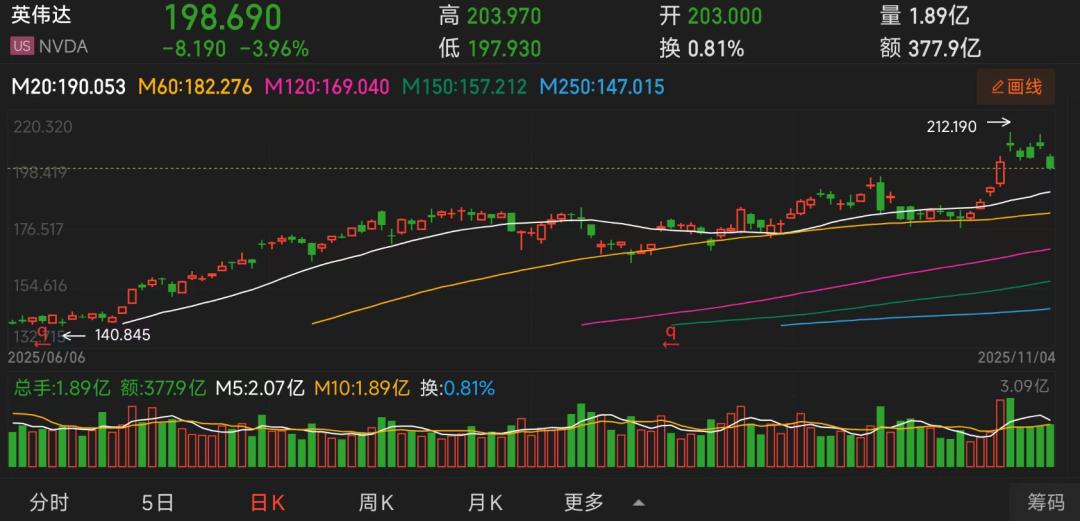
中国市场归0,套现70亿,被做空,黄仁勋指望“炸鸡外交”
3 6 Ke· 2025-11-05 08:57
Core Viewpoint - Nvidia recently reached a historic market capitalization of $5 trillion but faced a significant stock price drop of nearly 4%, bringing its market value down to $4.83 trillion [1][3]. Group 1: Market Reactions and Leadership Actions - Investor Michael Burry is heavily shorting Nvidia, holding put options worth over $1 billion, which constitute 80% of his portfolio [3][5]. - Nvidia's founder, Jensen Huang, has seen his wealth increase by over $60 billion this year, ranking him ninth among the world's richest, yet he has sold over $1 billion worth of shares since June [3][5][6]. - Huang's stock sales are part of a pre-planned strategy under SEC Rule 10b5-1, allowing executives to sell shares without insider trading accusations [6][7]. Group 2: Financial Performance and Market Position - Despite the stock sales, Nvidia's fundamentals remain strong, with Q2 revenue reaching $46.743 billion, a 56% year-over-year increase, exceeding market expectations [9]. - The ongoing demand for AI technology is a key driver for Nvidia, with major tech companies planning substantial investments in AI infrastructure [9][10]. Group 3: Strategic Alliances and Market Expansion - Nvidia is expanding its influence through partnerships, including a recent agreement with South Korean companies to supply over 260,000 Blackwell chips, increasing their presence in the AI market [12][19]. - Huang's diplomatic efforts in South Korea aim to solidify Nvidia's position as an indispensable supplier amid competition from companies like Microsoft and Google [19][21]. Group 4: Challenges and Market Sentiment - Nvidia's market share in China has plummeted from 95% to nearly zero due to U.S. export restrictions, significantly impacting revenue [22][25]. - Analysts express concerns about Nvidia's high valuation, drawing parallels to the 2000 internet bubble, with some suggesting a potential market correction [27][29].
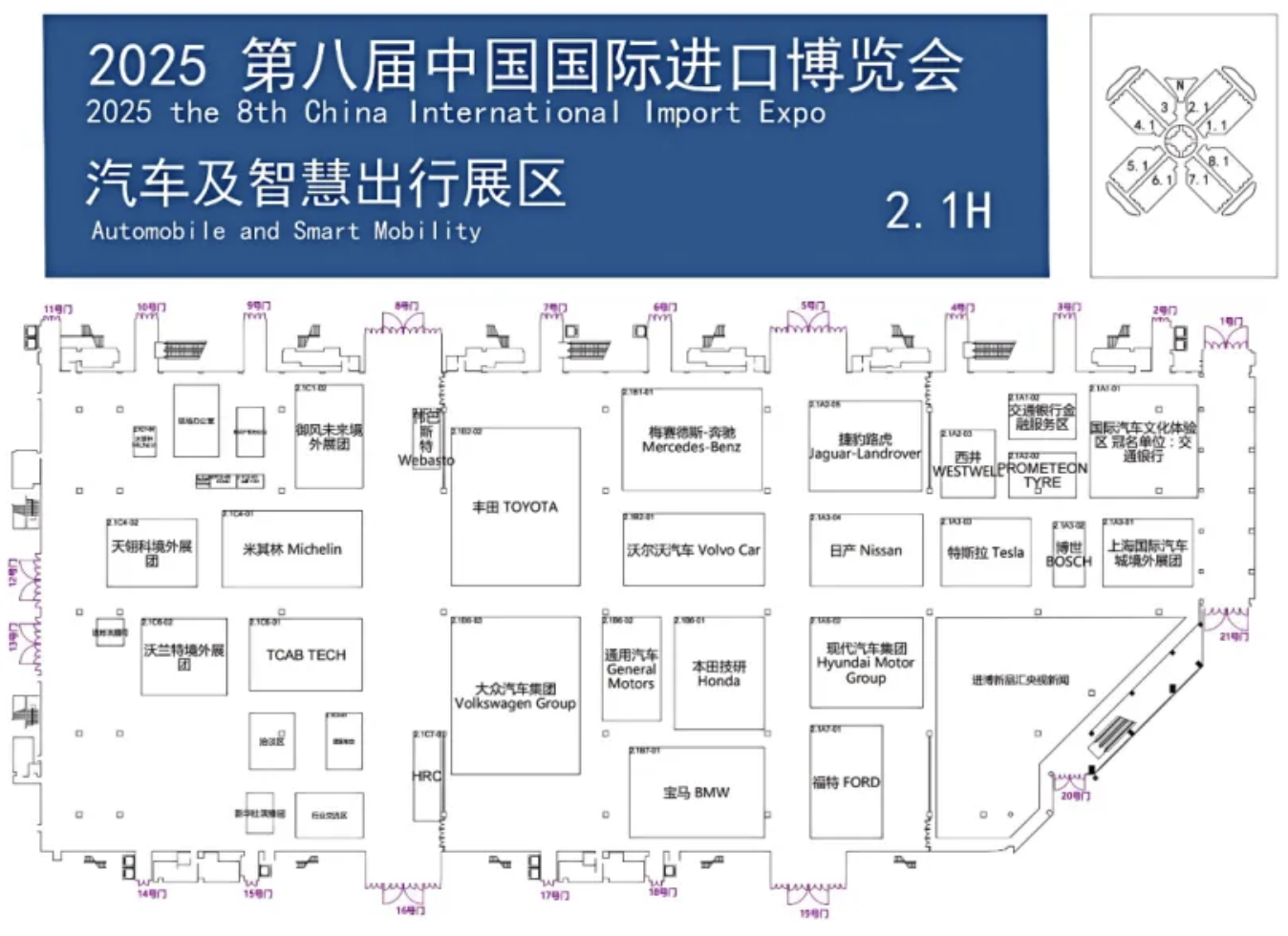
12家外资车企登陆第八届进博会,10家八年“全勤”
Zhong Guo Jing Ji Wang· 2025-11-05 06:16
Core Insights - The 8th China International Import Expo (CIIE) has commenced, continuing its role as a premier platform for international procurement, investment promotion, cultural exchange, and open cooperation since its inception in 2018 [1][3] - The automotive sector remains a focal point at the expo, showcasing major global brands and their latest advancements in autonomous driving technology, new energy vehicles, and smart cockpit experiences [1][3] Automotive Industry Trends - Despite a shrinking import car market due to the rise of domestic brands, the import market serves as a stage for multinational brands to showcase cutting-edge technology and diverse products [3] - The evolution of the automotive industry is highlighted at the expo, transitioning from traditional fuel to electric and intelligent vehicles, and from singular to diversified energy solutions [3] Major Exhibitors and Innovations - Jaguar Land Rover, celebrating its 15th anniversary in China, is showcasing the new Land Rover Defender OCTA and the Range Rover SV, along with rare royal vehicles [5] - Ford is presenting a unique American automotive culture experience with models like the Ford Mustang and the all-terrain camping SUV, Ford Mustang Mach-E [6] - Mercedes-Benz is displaying eight luxury models, including offerings from its AMG and Maybach lines, catering to various luxury market segments [8] - Volvo is introducing the new XC70, a luxury hybrid SUV that combines safety and advanced hybrid technology [10] - Toyota is focusing on localization and showcasing electric vehicles and new energy products, including a new energy storage solution developed with China Minmetals [12] - Honda is breaking traditional display modes by showcasing a diverse range of mobility solutions, including electric vehicles and motorcycles, emphasizing safety and outdoor experiences [14] - General Motors is highlighting its commitment to safety and sustainability with new electric and intelligent driving solutions, including the Buick Electra and Baojun models [16] - Volkswagen is presenting eight models from its four brands, showcasing its transition to electric vehicles and advanced driving assistance technologies [18] - BMW is featuring several high-performance and electric models, including the new BMW M2 CS and the electric BMW i4 M60, with limited availability in the Chinese market [20]
中国市场归0,套现70亿,被做空,黄仁勋指望“炸鸡外交”
首席商业评论· 2025-11-05 05:08
Core Viewpoint - The article discusses the recent developments surrounding Nvidia, highlighting the significant cashing out by its founder Jensen Huang, the bearish stance taken by investor Michael Burry, and the implications of these actions on Nvidia's market position amidst a changing landscape in AI and chip supply chains [2][3][7]. Group 1: Jensen Huang's Cashing Out - Jensen Huang has sold over $1 billion worth of Nvidia shares since June, indicating a strategic plan to reduce his holdings, which aligns with SEC Rule 10b5-1 that allows executives to pre-arrange stock trades [4][9]. - Huang's total cashing out since 2001 exceeds $2.9 billion, and despite the recent sales, he still holds 3.5% of Nvidia's shares, which remain valuable [11]. - The broader executive team at Nvidia has also been selling shares, with insider sales exceeding $2 billion in 2024, significantly higher than the $462 million in 2023 [11]. Group 2: Nvidia's Financial Performance - Nvidia reported a second-quarter revenue of $46.743 billion, a 56% year-over-year increase, surpassing market expectations, although data center revenue was slightly below analyst predictions [12]. - The ongoing demand for AI technology is driving significant investments from major tech companies, with Microsoft, Google, and Meta planning to invest substantial amounts in AI infrastructure [12]. Group 3: Strategic Alliances and Market Position - Huang's recent diplomatic efforts in South Korea, including a meeting with Samsung and Hyundai, resulted in Nvidia securing a deal to supply over 260,000 Blackwell chips to South Korea, increasing their presence in the region [19][24]. - The collaboration with South Korean firms aims to solidify Nvidia's position as an indispensable supplier in the AI market, especially as competition from self-developed AI chips by cloud giants intensifies [22][24]. Group 4: Market Concerns and Future Outlook - Despite Nvidia's strong fundamentals, concerns about overvaluation are rising, with some analysts drawing parallels to the dot-com bubble, suggesting that the current market enthusiasm may not be sustainable [30][32]. - The loss of market share in China due to U.S. export restrictions has severely impacted Nvidia, with its share in the Chinese AI chip market plummeting from 95% to nearly zero, leading to significant revenue losses [26][28]. - Investor sentiment is shifting, as evidenced by Michael Burry's bearish position on Nvidia, indicating a growing caution among market participants regarding the sustainability of Nvidia's high valuation [4][32].
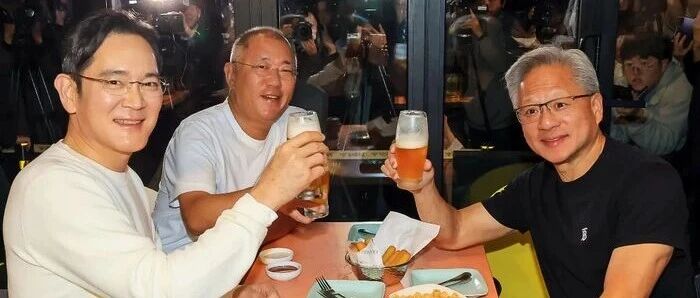
HBM 之父大胆猜测:NVIDIA 可能买存储公司
半导体芯闻· 2025-11-04 09:48
Core Insights - NVIDIA's CEO Jensen Huang visited South Korea for the first time in 15 years, meeting with key figures from Samsung and Hyundai to strengthen collaboration in memory and AI megafactories [2] - The importance of memory in the AI era is increasing, with experts suggesting that NVIDIA may consider acquiring memory companies like Micron or SanDisk to maintain its leadership in AI [2][3] - Memory bottlenecks are critical issues that need to be addressed for AI inference, with major companies focusing on solutions [3][4] Memory Demand and Types - Memory requirements for AI are categorized into HBM, DRAM, and SSD, with HBM used for real-time data storage, DRAM for short-term memory, and SSD for long-term data [4] - HBM capacity ranges from 10GB to hundreds of GB, DRAM from hundreds of GB to TB, and SSD from TB to PB [4] AI Inference Mechanism - AI inference utilizes a mechanism similar to human brain attention, which involves storing important information (Key and Value) to enhance processing speed [5] - The introduction of KV Cache allows AI models to remember previously processed information, significantly improving response times for ongoing discussions [5]